
REVIEW · WINE TOURS
Discovery of the Bordeaux vineyard in 3 wines
Wine class without the fuss. This 90-minute tasting at Le Pied à Terre gives you a clear, friendly introduction to Bordeaux through three carefully chosen wines, with stories, food pairings, and simple tasting guidance along the way. You do not need a trained palate or a cellar full of French bottles to enjoy it.
I especially like the small group of up to 12 people, which keeps the session personal, and the way each glass connects to a place, grape, estate, and method of production. The relaxed teaching style is another strong point. James and Pierre are praised for humor, patience, and practical explanations. The main consideration is that this is a tasting in a wine shop’s upstairs room, not a visit to a working vineyard or château. Also, check the start time carefully, since the regular tasting has been reported as 2:30 p.m. even when another time appears online.
In This Review
- Key points to know before booking
- Starting at 22 Rue Judaïque
- Three wines that explain Bordeaux
- Learning the Bordeaux system without getting lost
- A practical lesson in tasting wine
- Stories from Roman times to modern bottles
- Basque charcuterie, cheese, and the role of food
- What the 90 minutes feel like
- Is $42.33 a fair price?
- Who will enjoy Le Pied à Terre most?
- Timing, access, and booking details
- Should you book this Bordeaux tasting?
- FAQ
- Where does the Bordeaux wine tasting begin?
- Where does the experience end?
- How long does the tasting last?
- How many wines are included?
- Is the tasting offered in English?
- What food is served?
Key points to know before booking
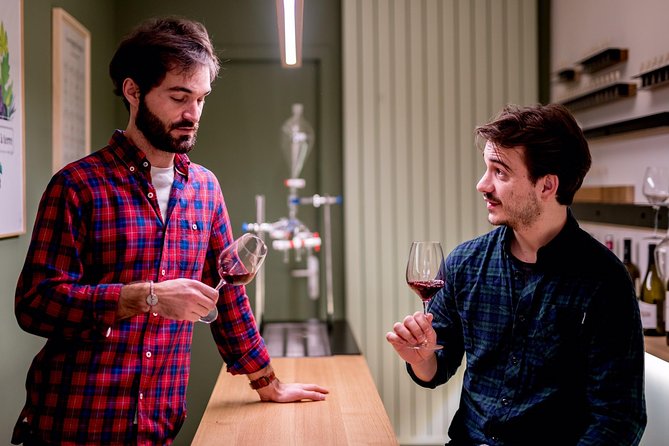
- Three glasses, three Bordeaux styles: Expect a powerful left-bank red, an elegant right-bank red, and a fresh dry white.
- A useful first lesson: You learn how to taste, compare wines, read Bordeaux appellations, and understand regional differences.
- Friendly rather than formal: The presentation is easygoing, funny, and suitable for complete beginners.
- Basque food with the wine: Cheese, bread, ham, and charcuterie from Maison Pierre Oteiza help make the tasting feel like a small social meal.
- Central Bordeaux setting: The meeting point is Le Pied à Terre, at 22 Rue Judaïque, near public transportation.
- Good value for a short session: At $42.33 per person, the price covers instruction, three tasting portions, and food pairings, but not a château visit.
Starting at 22 Rue Judaïque
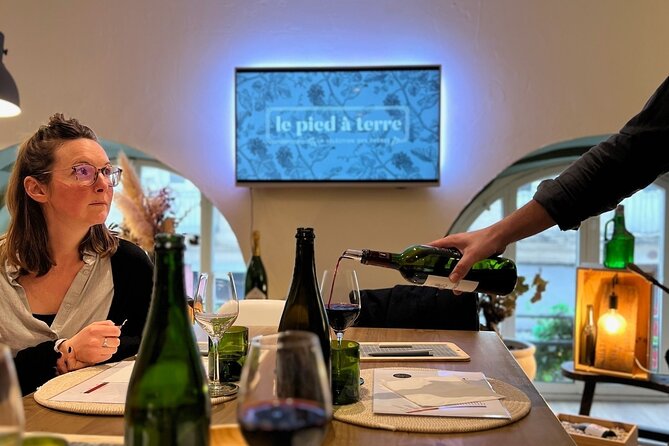
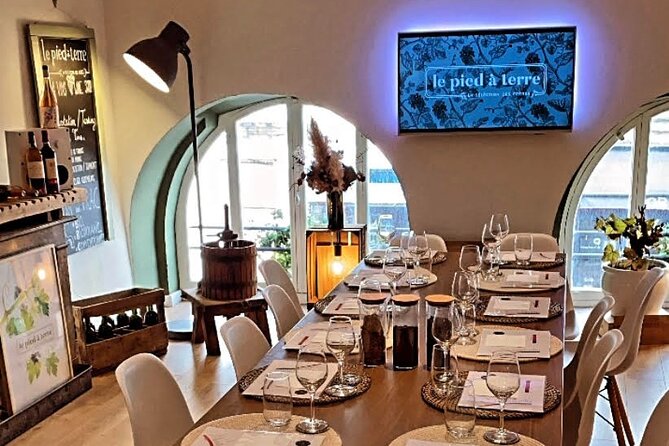
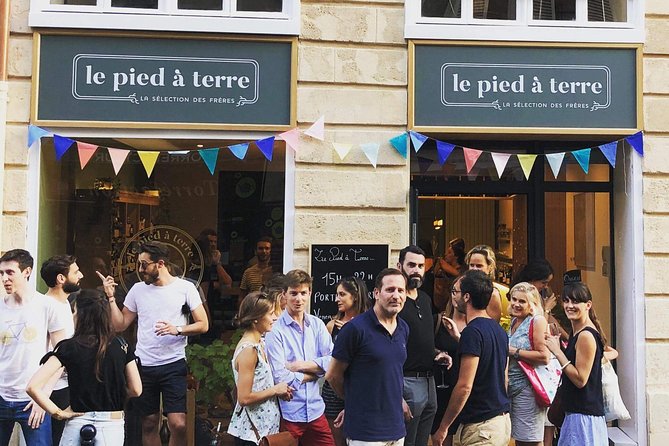
The experience begins at 22 Rue Judaïque, a straightforward Bordeaux address near public transportation. Le Pied à Terre operates as a wine shop with a dedicated tasting space upstairs, so you are stepping into an urban wine setting rather than heading out into the countryside.
That distinction matters. If your dream is to walk between vines, tour barrel rooms, and meet a château owner, this is not that experience. If you want to make sense of Bordeaux wine before spending a day in the vineyards, the city location is much more convenient.
The tasting ends back at the same place. That makes it easy to fit into a day of sightseeing in Bordeaux, and you do not lose time on a long drive. You can arrive, take the lesson, and continue exploring the city on foot or by public transportation.
The room has been described as a pleasant upstairs tasting area. The setting sounds comfortable and informal, though the word cellar may give you a more atmospheric underground room than you actually find. Think local wine shop with a tasting room, not an old stone château cellar.
More Wine Tours in Bordeaux
- Bordeaux: Cité du Vin Entry Ticket and Wine Tasting
★ 4.6 · 3,885 reviews - From Bordeaux: Afternoon Saint-Emilion Wine Tasting & snack
★ 4.8 · 1,581 reviews - Medoc or Saint Emilion Wine Tasting and Chateau from Bordeaux
★ 5.0 · 1,415 reviews
Three wines that explain Bordeaux
The heart of the session is a tasting of three emblematic Bordeaux wines. Each glass represents a different part of the region and gives you a practical way to compare styles.
The first is a powerful red from the Left Bank. The Left Bank of the Garonne is strongly associated with Cabernet Sauvignon-led blends, although the exact grape mix varies by appellation and estate. In a tasting like this, the point is not to memorize every producer. You are learning to recognize the general structure, weight, and character often linked with these wines.
The second red comes from the Right Bank. Right Bank wines are often associated with Merlot-led blends, with Cabernet Franc also playing an important role in many estates. Compared with the Left Bank example, this glass is used to show a different balance and a different expression of Bordeaux.
The third wine is a fresh dry white from a respected Bordeaux estate. This is a helpful choice because many people arrive in Bordeaux thinking only about red wine. A dry white shows another side of the region and gives your palate a lighter, sharper comparison after two reds.
The precise bottles can vary. That is normal for a tasting built around producers and appellations. The useful part is the contrast: Left Bank, Right Bank, and dry white. Three glasses are enough to show why Bordeaux is not one single taste.
You are given tasting-size portions rather than full glasses. That is sensible for a class, especially when you are comparing wines rather than simply drinking for pleasure. The session is designed to help you notice differences, not to leave you searching for the nearest nap.
Learning the Bordeaux system without getting lost
Bordeaux labels can be intimidating. Names such as Médoc, Saint-Émilion, Pomerol, Graves, and Sauternes tell you something about origin, but a first look at the bottle can feel like an examination in French geography.
This tasting helps put those names into context. The presentation covers appellations, grape varieties, estate history, and winemaking methods, giving you a framework for reading a Bordeaux label later. You learn why the place on the bottle matters and how regional rules shape what a producer can call the wine.
The session also explains the certification and governance system behind Bordeaux labels. That may sound dry, but it is useful information. When you see a Bordeaux appellation on a bottle, you have a better idea of what that designation controls and what it does not guarantee.
One of the strengths here is the language. James has been praised for explaining Bordeaux DOC rules and tasting basics in plain English. Pierre is also singled out for being a warm and effective teacher. The tone is not stiff or ceremonial. You can ask basic questions without feeling that you have wandered into an exam room.
That makes the experience especially useful for people who are new to wine. You do not have to know the difference between Cabernet Franc and Cabernet Sauvignon before arriving. You can simply listen, taste, and ask.
A practical lesson in tasting wine
The tasting is not just three pours followed by a long speech. You are shown how to approach each glass.
You may work through the familiar stages of looking at the wine, smelling it, tasting it, and considering the finish. The emphasis is on useful observation rather than theatrical sniffing or exaggerated cork inspection. One of the strongest descriptions of the class is that it offers wine education you can actually use in real life.
That is important. A good wine class should leave you more comfortable ordering wine in a restaurant or choosing a bottle in a shop. You should not need to repeat a list of fancy words. You should be able to notice whether a wine feels fresh, full, dry, soft, structured, or suited to a particular dish.
The instructor also explains how to compare the wines. You are not asked to judge them as though one is automatically better. Instead, you learn to see how climate, soil, grape varieties, production choices, and appellation affect what ends up in the glass.
The teaching style appears to be interactive. You have room to ask questions about wine in general, not only Bordeaux. That helps the session work for a mixed group, including complete beginners, regular wine drinkers, and people who already know a little about French wine.
For a seasoned enthusiast, the depth may depend on the presenter and the group. One session was described as slightly free-form, with a wish for a tighter script aimed at intermediate wine drinkers. If you already have advanced knowledge, you may find the basics familiar. If you want a strong foundation, the informal approach is more likely to help than hurt.
More Bordeaux wine tastings:
- Saint Emilion Day Trip with Sightseeing Tour & Wine Tastings from Bordeaux
★ 5.0 · 1,120 reviews - Saint-Émilion: Grand Cru Classé Winery Visit and Tasting
★ 4.6 · 1,118 reviews - Saint Emilion Half-Day Trip with Wine Tasting & Winery Visit from Bordeaux
★ 4.5 · 1,034 reviews - From Bordeaux: St. Emilion Village Half-Day Wine Tour
★ 4.7 · 728 reviews
Stories from Roman times to modern bottles
Bordeaux wine makes more sense when you know a little of its past. The session places the wines in a longer story, reaching back to Roman times and continuing through the development of estates, appellations, and modern production.
The history is not offered as a separate lecture. It is tied to the bottles in front of you. You hear how a producer’s background, location, and methods relate to the wine you are tasting. This gives the experience more substance than a generic lesson in swirling and sipping.
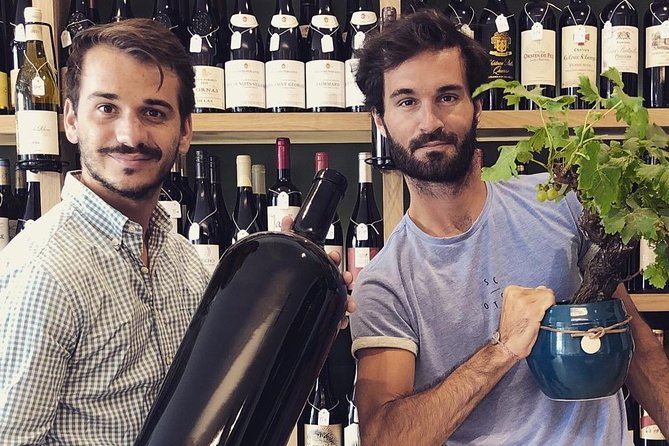
The storytelling is one of the most praised parts of the presentation. James is described as a strong storyteller with an easy sense of humor, while the brothers who lead the sessions are repeatedly praised for making the subject lively. That human element matters in a technical subject such as Bordeaux classification.
You may also hear about the difference between the Left Bank and Right Bank in a way that sticks. Instead of trying to memorize an abstract map, you have two red wines in front of you. The geography becomes something you can taste.
The balance is generally good: enough history to explain the wines, but not so much that the class becomes a lecture on medieval trade. Since the delivery can vary by host, the experience may feel more conversational than tightly scripted.
Basque charcuterie, cheese, and the role of food
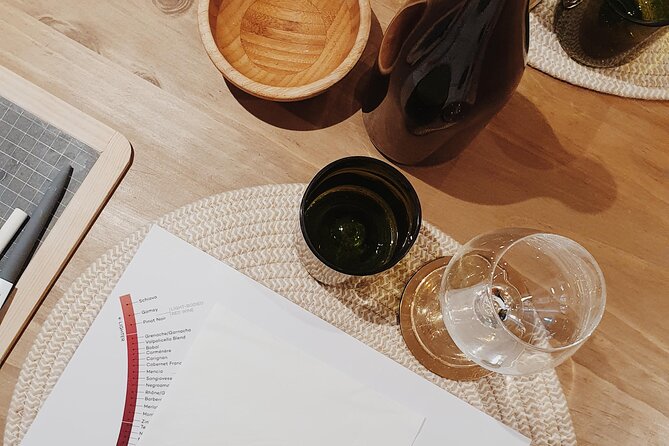
The food served with the wine is simple but well chosen. You can expect bread, cheese, and ham, with charcuterie and cheese from the Basque Country supplied by Maison Pierre Oteiza.
This is not a full meal. The portions are designed to support the tasting, so you should eat beforehand if you need lunch or dinner. One description calls the board modest, with a slice of bread, cheese, and ham, while other sessions have included a more generous spread of breads, cheeses, and meats.
That variation is worth keeping in mind. The food is an accompaniment, not the main event. Its real value is educational: you can see how salt, fat, texture, and richness change the wine in your mouth.
The discussion includes food and wine pairings, so the board is not merely a snack placed on the table. You can think about why a dry white may work differently with cheese than a structured red, or how charcuterie can soften the impression of tannin.
Vegetarians and vegans can be accommodated if you advise the provider ahead of time. That is a useful detail to handle before the session rather than hoping for a last-minute replacement.
What the 90 minutes feel like
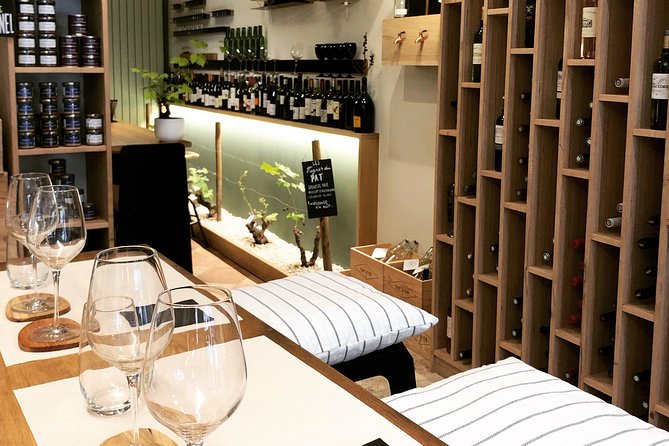
The stated duration is about one hour and 30 minutes, though some descriptions refer to a couple of hours. Plan for roughly 90 minutes, with the possibility that a lively question period may stretch the experience.
A typical flow should include:
- An introduction to Bordeaux and the tasting method
- The first red, linked to the Left Bank
- The second red, linked to the Right Bank
- The dry white and its place in Bordeaux production
- Discussion of appellations, grapes, producers, and winemaking
- Food pairing with Basque charcuterie and cheese
- Questions and recommendations for further wine exploration
The group limit of 12 is a real advantage. It is large enough to create conversation among people from different places, but small enough for questions to be heard. Solo visitors can fit in comfortably, and the social format gives you a chance to meet other wine lovers without committing to a full-day excursion.
The session is offered in English. That makes it particularly useful if you want a Bordeaux wine lesson without working through technical French vocabulary. The teaching style has been described as patient and accessible, including for people who were complete wine beginners.
Is $42.33 a fair price?
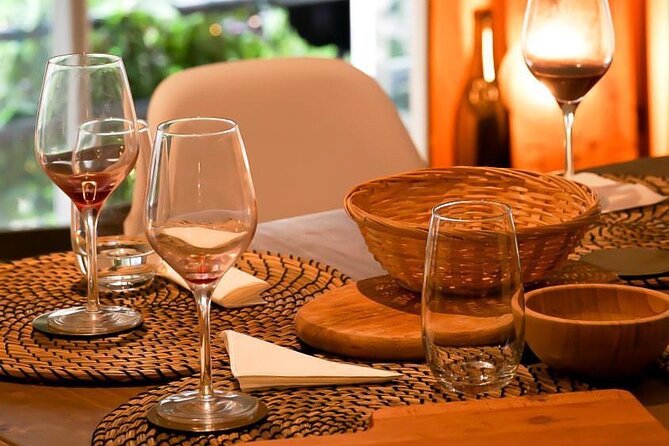
At $42.33 per person, this is a reasonable city tasting if you value instruction as much as the wine itself.
You receive three tasting portions, guided commentary, and a food accompaniment. You also save the time and transport cost involved in traveling to a château. For someone with only a short stay in Bordeaux, the experience gives you a working introduction in a compact format.
The value depends on your expectations. If you measure the price by the amount of wine poured, you may find it expensive compared with buying three bottles or ordering several glasses at a bar. That is the wrong comparison. You are paying for the selection, the explanation, the regional context, and the chance to ask questions.
The price is stronger for first-time Bordeaux drinkers. You can use what you learn during a later vineyard tour, a restaurant meal, or a visit to a wine shop. It is also a sensible choice if your schedule does not allow a full day in the Médoc or Saint-Émilion.
For an advanced wine collector, the value is less certain. You may already know the basic Left Bank and Right Bank distinctions, and the three-wine format may not offer enough depth. Even then, the atmosphere and food can make it a pleasant short session rather than a serious master class.
Who will enjoy Le Pied à Terre most?
I would recommend this experience most strongly to:
- First-time visitors to Bordeaux who want a foundation before visiting vineyards
- Couples and families looking for an indoor activity in the city
- Solo visitors who enjoy meeting people in a small group
- Wine beginners who want clear explanations without formal wine jargon
- Regular wine drinkers who want to understand Bordeaux appellations better
- Visitors who prefer English-language instruction
It may be less suitable if you specifically want to tour vineyards, see barrels, or visit a famous château. It also may not satisfy someone looking for a large number of wines or a detailed technical session aimed at professionals.
The tone is friendly and informal. That is a major plus for most people, but the free-flowing style may not suit you if you prefer a strict, highly structured lecture with tasting sheets and precise timing.
Timing, access, and booking details
You receive confirmation when you book, and the activity is near public transportation. Service animals are allowed. The maximum group size is 12.
Pay close attention to the scheduled start time. One detailed account notes that the tastings take place at 2:30 p.m., despite an 11 a.m. time shown elsewhere. Confirm the current time directly before arranging your Bordeaux sightseeing around it.
The experience requires a minimum number of participants. If that minimum is not met and the session is canceled, you are offered another date or experience, or a full refund. You can cancel without penalty up to 24 hours before the start time. Changes or cancellations made inside that 24-hour window are not accepted for a refund.
Should you book this Bordeaux tasting?
Book it if you want a friendly, practical introduction to Bordeaux wine in the city. The three-wine format is well judged, the Left Bank and Right Bank comparison gives the lesson a clear shape, and the English-language explanations make a complicated region easier to understand.
I would especially choose it early in a Bordeaux stay. The information can sharpen your palate before a château visit and help you make better choices at local restaurants and wine shops. The small group, Basque food, and informal hosts add warmth without turning the class into a grand performance.
Skip it if your priority is a vineyard walk or a château tour. You will remain at Le Pied à Terre, in an upstairs tasting room, and the pours are tasting-size. For everyone else, $42.33 buys more than three glasses. It buys a useful way to understand why Bordeaux wines taste different, and that is knowledge you can carry through the rest of your trip.
FAQ
Where does the Bordeaux wine tasting begin?
It begins at Le Pied à Terre, located at 22 Rue Judaïque, 33000 Bordeaux, France.
Where does the experience end?
The activity ends back at the meeting point at Le Pied à Terre.
How long does the tasting last?
The stated duration is approximately one hour and 30 minutes.
How many wines are included?
The tasting includes three Bordeaux wines: a powerful Left Bank red, an elegant Right Bank red, and a fresh dry white.
Is the tasting offered in English?
Yes. The experience is offered in English.
What food is served?
The food accompaniment includes bread, cheese, and ham, with charcuterie and cheese from the Basque Country supplied by Maison Pierre Oteiza. Vegetarian and vegan options can be arranged if you notify the provider in advance.
Recently added in Bordeaux
- Discover Braastad Cognac★ 5.0 · 52 reviews
- Au Cœur du Château – VSOP D’USSÉ & XO BARON OTARD★ 4.5 · 108 reviews
- retro road trip/ Méhari, 2CV & Burton in Rochefort, La Rochelle★ 5.0 · 28 reviews
- Saint-Emilion Food and Wine Day Tour★ 5.0 · 323 reviews
- Saint Emilion Full Day Wine and Bike Tour★ 5.0 · 167 reviews
- Bordeaux bike tour “The Best of Bordeaux”★ 5.0 · 164 reviews
- Virtual Room Bordeaux – 1st team virtual reality experience★ 5.0 · 47 reviews
- Luxurious full day Bordeaux wine tour in a Tesla★ 4.5 · 31 reviews
Wine Tours, compared.
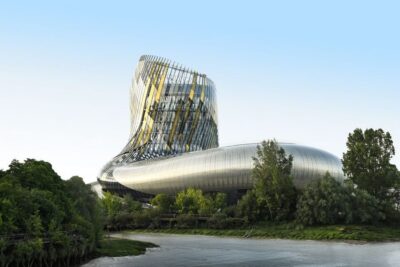
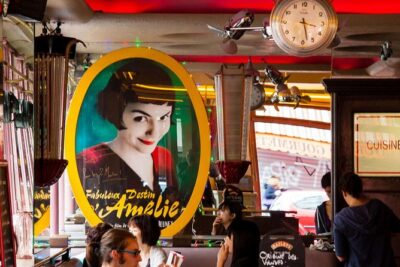
Montmartre Hill French Gourmet Food and Wine Tasting Walking Tour
Read our review →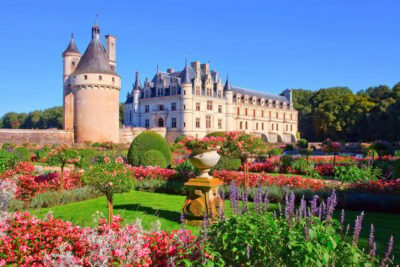
Loire Valley Castles Day Trip With Wine Tasting
Read our review →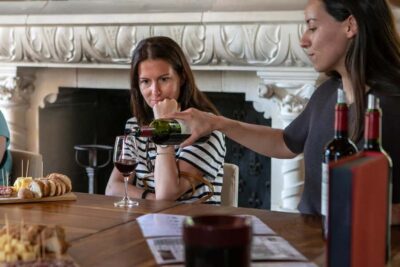
Afternoon Saint-Emilion Wine Tasting & snack
Read our review →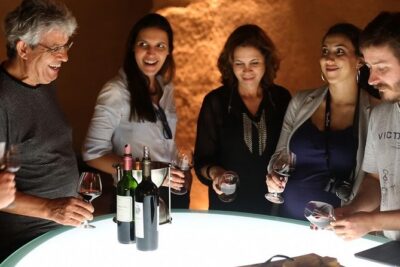
Medoc or Saint Emilion Wine Tasting and Chateau from Bordeaux
Read our review →
Saint Emilion Day Trip with Sightseeing Tour & Wine Tastings from Bordeaux
Read our review →
Saint-Émilion: Grand Cru Classé Winery Visit and Tasting
Read our review →
Saint Emilion Half-Day Trip with Wine Tasting & Winery Visit from Bordeaux
Read our review →Browse the lists this tour appears in