
REVIEW · FRANCE
Jarnac: Braastad cognac prestige visit
Cognac makes more sense once you see its birthplace. This 90-minute Braastad visit follows the spirit from vineyard care and wine-making through distillation, ageing, and blending, with two things I especially like: the chance to enter an authentic family-run house and the generous tasting of three older cognacs. The main consideration is that the visit focuses on the full production chain rather than a long tasting session, so it suits curious drinkers more than anyone seeking an afternoon of sipping.
You meet at 29 Quai Île Madame, beside the Charente River, and finish back at the same address. I also like the personal feel reported by visitors who had near-private tours in the off-season, along with the warm, energetic guiding style of Eric, whose enthusiasm and patience earned repeated praise. At $41 per person, this is good value, though you should allow time to reach the site in Mainxe-Gondeville rather than assuming it is in central Jarnac.
In This Review
- Key reasons to consider the Braastad visit
- Why this 90-minute visit works
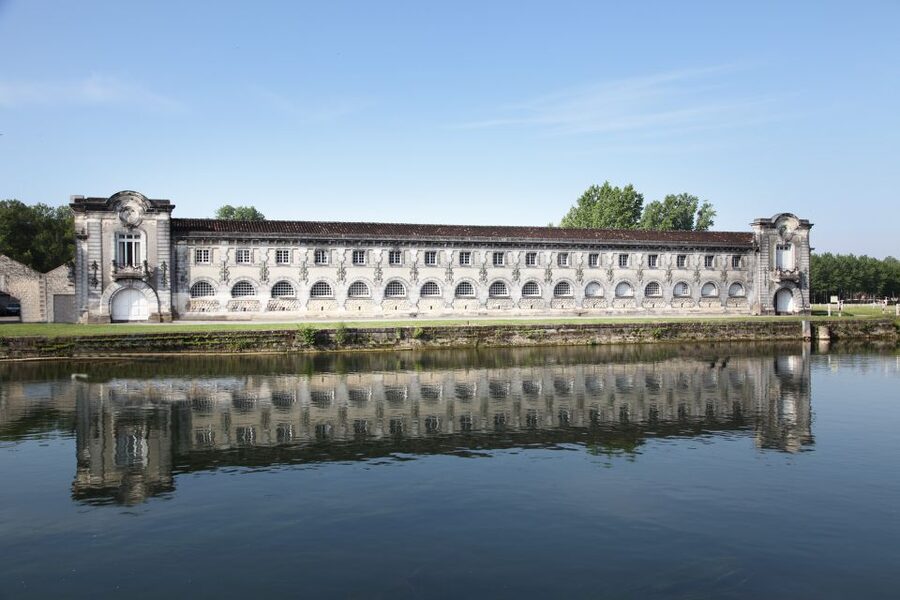
- Arriving at 29 Quai Île Madame
- The Braastad story from 1875 to today
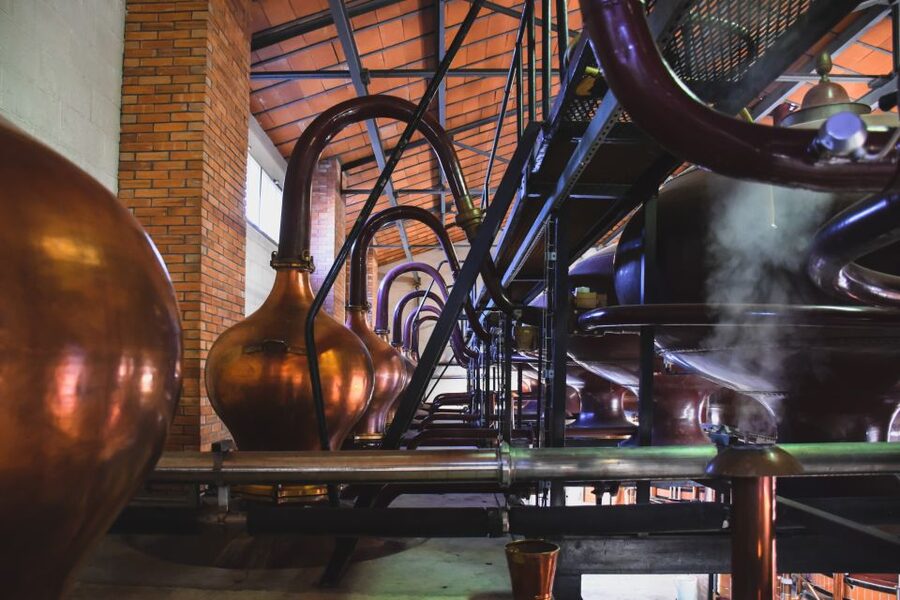
- Ten pot stills and the work of distillation
- The ageing cellar and the patience of wood
- Three cognacs that show what ageing can do
- The guide can shape the whole experience
- Is $41 a fair price?
- Who should book this Braastad experience?
- Should you book the prestige visit?
- FAQ
- Where does the Braastad Cognac visit begin?
- Is parking available?
- How long does the tour last?
- Which languages are available?
- Which cognacs are included in the tasting?
- What parts of cognac production will I learn about?
- Can I see the distillery?
- Can I cancel for a refund?
Key reasons to consider the Braastad visit
- See all the major production stages: Learn how vineyard work, harvesting, wine-making, distillation, ageing, and blending fit together.
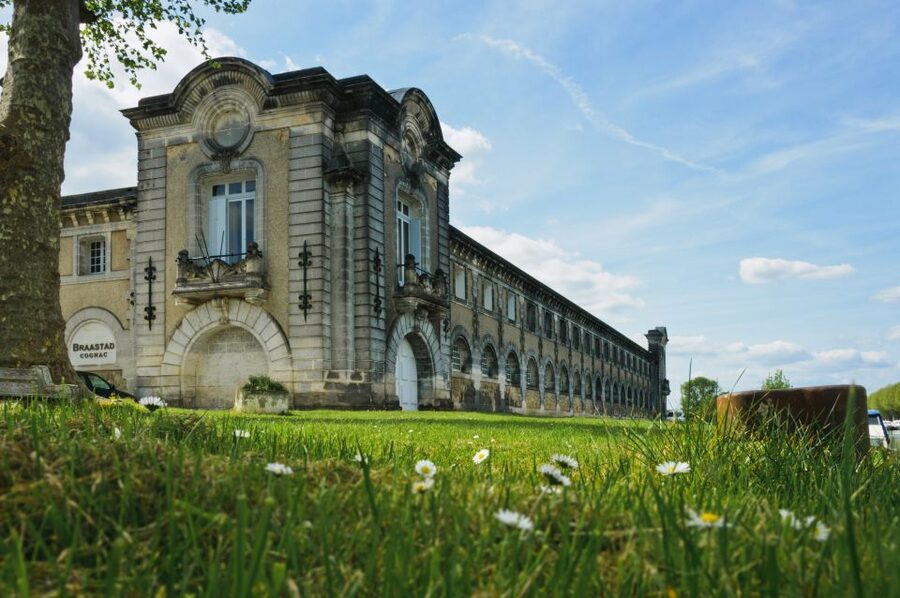
- Enter a working family cognac house: The tour gives you access to Braastad’s iconic building, historic rooms, distillery, ageing cellar, and museum.
- Count ten pot stills: The distillery visit makes the technical part of cognac easier to picture.
- Taste XO, XO Supérieur, and Extra: Three older and more prestigious expressions show how time and blending change the spirit.
- Expect a friendly, flexible guide: English, French, and Norwegian tours are offered, and Eric has been singled out for his clear, lively explanations.
- Park free beside the Charente: The meeting point has free parking along the river, with the front door serving as the arrival point.
Why this 90-minute visit works
Many cognac tastings begin and end with a glass. Braastad takes a better route for anyone who wants to understand what is in that glass. You move through the decisions that shape the final drink, from the grapes and base wine to the copper stills, wooden storage vessels, and final blend.
That matters because cognac is not simply brandy left in a barrel for a certain number of years. The character depends on the starting wine, the distillation process, the spirit’s time in wood, and the blender’s choices. Braastad presents those stages as connected parts of one craft.
The house has followed this approach since 1875. That long working tradition gives the visit a useful sense of place, but the attraction is not just age. The company describes itself as handling the work from vineyard to finished cognac, allowing it to make decisions at each stage according to its own standards.
You get 90 minutes for the visit, which is enough for a focused introduction. It is not a sprawling estate tour or a full-day wine outing. I see that as a benefit for many visitors: you can fit it into a day of exploring the Charente without giving up half your schedule.
Other France afternoons worth holding open:
- Paris: Louvre Museum Timed-Entrance Ticket
★ 4.6 · 71,977 reviews - Disneyland® Paris 1-Day Ticket
★ 4.6 · 49,412 reviews - Paris: Versailles Palace and Gardens Full Access Ticket
★ 4.6 · 41,579 reviews
Arriving at 29 Quai Île Madame
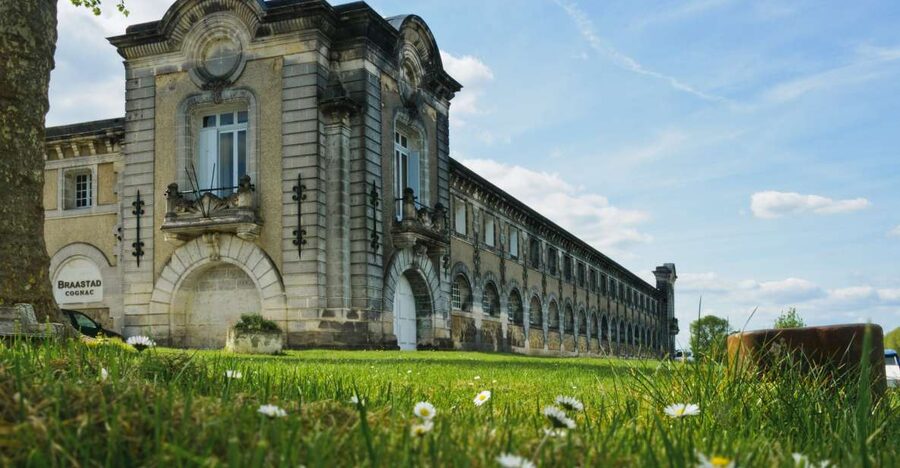
The meeting point is easy to identify. Go to the front door at 29 Quai Île Madame, where free parking is available along the Charente River. The activity begins and ends there, so you do not need to arrange a second pickup point or find your way back after the tasting.
The address is associated with Jarnac, while the route information places the guided visit in Mainxe-Gondeville. You should check your driving route carefully and avoid treating the town name as a guarantee that the building is in the middle of Jarnac. The practical advantage is simple: arrive by car, park near the river, and walk to the front door.
The setting also gives the tour a more grounded start than a tasting room in a city center. You begin at the company’s own premises, then move into the building where Braastad presents its work and identity.
The Braastad story from 1875 to today
The opening part covers the history of cognac and the Braastad brand. This is not filler before the tasting. It gives you the background needed to understand why production is spread across several stages and why ageing and blending are central to the finished spirit.
Braastad is described as a family-run cognac house that has worked from the beginning of production through to the final bottle. That control is one of the most important points to listen for. The house cares for vineyards, harvests the grapes, makes the wine, distills it, ages the spirit, and blends it.
For you, the value is that the tour explains the chain in one place. You do not have to visit a vineyard, a distillery, and a separate cellar to piece the process together. The guide can show how each decision affects the next one.
The atmosphere also seems to depend heavily on the guide. Eric has been praised for being friendly, professional, and full of energy. One visitor described him as able to answer even basic questions without making anyone feel uncomfortable. That is important in a subject that can sound technical at first.
If you are new to cognac, ask questions freely. The tour is designed to teach the fundamentals, and the reported guiding style suggests that beginners are welcome. If you already know the difference between several Cognac classifications, you can focus your questions on blending, ageing, and the house’s own standards.
Ten pot stills and the work of distillation
The next major stop is the authentic distillery. Here you can see ten pot stills and learn how distillation transforms the base wine into a clear spirit suitable for ageing.
The stills are more than attractive copper machinery. Seeing ten of them together helps you understand the scale of the operation and gives the guide something concrete to explain. You can connect the equipment with the earlier discussion of wine-making, rather than treating distillation as a mysterious step between grape and bottle.
The tour description does not promise a live distillation demonstration, so you should expect an explanation and a close look at the distillery rather than a timed production show. That is a sensible distinction. The working schedule of a distillery does not always match a visitor’s 90-minute appointment.
This section will likely appeal most to people who enjoy process. You learn why the base wine matters, where the stills fit into the sequence, and how the house keeps control over its result. The guide’s role is key here because a row of stills can either seem fascinating or simply look like large copper kettles without context.
Same city, a slower kind of day:
- Paris: Evening River Cruise with Music
★ 4.4 · 22,721 reviews - Paris: Eiffel Tower Entry Ticket with Optional Summit Access
★ 4.4 · 20,035 reviews - Paris: Eiffel Tower Summit or Second Floor Access
★ 4.3 · 17,248 reviews - Paris: Louvre Guided Tour with Reserved Access & Boat Cruise
★ 4.3 · 16,353 reviews
The ageing cellar and the patience of wood
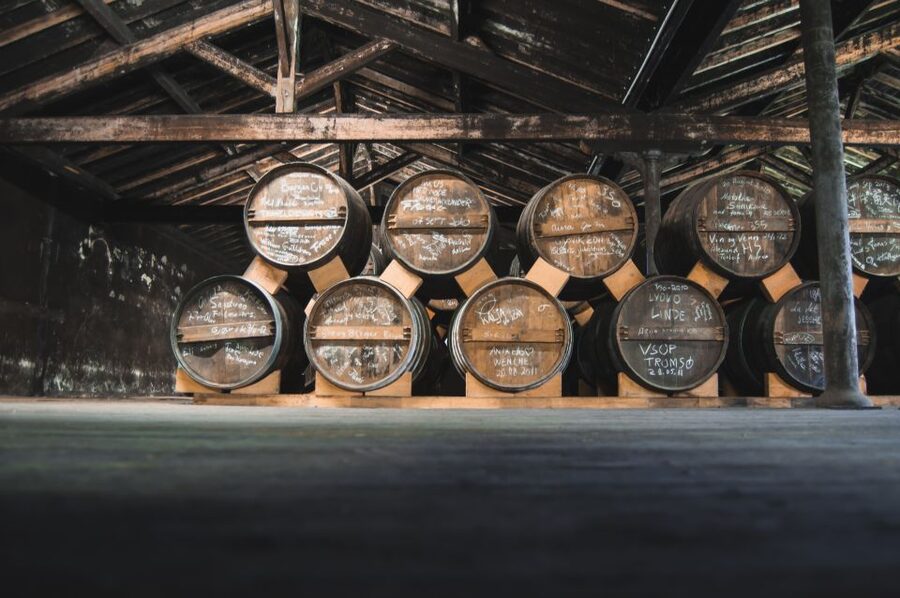
After the distillery, you enter the ageing cellar, where the spirit rests for years before blending. This is one of the most atmospheric parts of the visit, but it also carries the central lesson of cognac: time alone does not make the final drink. Time must be managed.
The cellar stores the spirit until it reaches the character Braastad wants. Ageing affects color, aroma, texture, and flavor, but the house still has to decide when a spirit is ready and how it should be combined with others.
You may also see large foudres, the storage vessels noted in the tour experience. Access to this storage area adds a useful sense of scale. Instead of seeing only finished bottles, you get a look at where the spirit spends much of its life.
The tour also includes old bottles and fun facts in the museum. These details give the visit some personality. The museum is not simply a display of products for sale. It connects the company’s past with the methods you have just seen in the distillery and cellar.
There is a small trade-off here. Cellars and production rooms can be less comfortable than a polished tasting room, and the technical material may interest one person in your group more than another. If someone in your party does not care about how spirits are made, the museum and tasting will probably be the stronger parts for them.
Three cognacs that show what ageing can do
The tasting is the payoff, with three of Braastad’s older and more exceptional cognacs: XO, XO Supérieur, and Extra. The point is not merely to sample three glasses. The sequence demonstrates the art of ageing and blending, and it shows the range that the same producer can create from its regional spirit.
XO gives you a reference point for the house’s style. XO Supérieur then adds another comparison, while Extra lets you consider what further age and blending can bring. The exact differences will make more sense after you have seen the cellar and heard how Braastad manages its stocks.
This is also where the idea of terroir becomes practical. The word can sound vague when used in a brochure, but here it refers to the possibilities offered by the land, grapes, wine, and production choices behind the spirit. The tasting lets you consider how those origins survive through distillation and years in wood.
The tasting has earned particularly strong praise for being generous and educational. That combination matters. A tiny pour can make a tasting feel like a sales pitch, while a large flight with no explanation can leave you unable to tell the expressions apart. Braastad aims to use the glasses as teaching tools.
The supplied details contain a small naming inconsistency about the newest limited-edition expression and the tasting list. The repeated tasting description identifies XO, XO Supérieur, and Extra, so those are the three you should expect from the prestige visit. If a specific limited edition matters to you, confirm the current selection when booking.
The guide can shape the whole experience
The most important variable is the person leading the tour. Eric is repeatedly praised for his professional, friendly manner and his obvious love of cognac. That enthusiasm seems to make the information easier to absorb, especially for people who arrive with only a general interest.
The tour is offered in English, French, and Norwegian. That makes it practical for a mixed group, though you should choose the language you need when checking availability. A good guide can explain the process clearly in a short visit, and this tour appears to benefit from that personal approach.
The experience may feel close to private during the off-season. That is useful if you want to ask questions or spend longer on a particular part of the production. It is not a guarantee of a private booking, but quieter periods can create a more relaxed rhythm.
I would not choose this tour solely for the chance of a small group. Choose it because the house gives you access to the production spaces and because the tasting has a clear purpose. A smaller group is a welcome bonus.
Is $41 a fair price?
At $41 per person, the visit offers solid value if you want more than a basic tasting. You receive a 90-minute guided experience, access to the company’s iconic building, a look at the distillery and ten pot stills, a visit to the ageing cellar, museum content, and three older cognacs.
The price is especially reasonable for anyone who would otherwise book separate activities to learn about vineyards, distillation, storage, and blending. Braastad combines those subjects in one compact stop.
The value is lower if your only goal is to drink cognac. A bar or shop may offer a cheaper way to taste a few expressions, though it will not show you the stills, cellar, or house production chain. This is a guided production visit with a tasting at the end, not a tasting session with a short introduction.
The three-cognac flight also gives the price a clear purpose. You are comparing age and blending, not simply receiving a random sample of the range. For a first serious introduction to cognac, that structure makes the cost easier to justify.
Who should book this Braastad experience?
I would recommend it to anyone with a real interest in how spirits are made. It works particularly well for couples, small groups, and curious first-time cognac drinkers who want a clear explanation without committing to a full day.
It also suits people already exploring the Charente region. The location by the river, free parking, and 90-minute duration make it easy to add to a broader itinerary.
Families should decide based on the ages and interests of their children. The subject is alcohol, and the final tasting is for adults. Younger visitors may enjoy the machinery and old bottles, but the tour’s main value lies in the production explanation and tasting.
I would be more cautious if your group dislikes technical explanations or expects a large number of samples. The tour has a focused format, and the three featured cognacs are the centerpiece. You will get more from it if you pay attention to how the guide links the cellar to the glass.
Booking is also sensible for anyone who wants a flexible plan. Free cancellation is available up to 24 hours before the start, and the reserve-now, pay-later option allows you to hold a place without paying immediately. Check the current start time and language before you commit.
Should you book the prestige visit?
Yes, if you want the story behind cognac as much as the drink itself. The combination of a family-run house, ten pot stills, ageing cellars, old bottles, and a three-cognac comparison gives you a proper look at the craft for a reasonable price.
Book it especially if you can visit outside the busiest season, when the experience may feel close to private and you can ask more questions. Skip it only if you want a quick pour with little explanation. For everyone else, Braastad offers a useful, personal introduction to cognac that ends with three serious glasses.
FAQ
Where does the Braastad Cognac visit begin?
The meeting point is at 29 Quai Île Madame. Meet at the front door.
Is parking available?
Yes. Free car parking is available along the Charente River near the meeting point.
How long does the tour last?
The guided visit lasts 90 minutes.
Which languages are available?
The tour is offered in English, French, and Norwegian.
Which cognacs are included in the tasting?
The tasting includes XO, XO Supérieur, and Extra, described as three of Braastad’s oldest and most exceptional cognacs.
What parts of cognac production will I learn about?
The tour covers vineyard care, harvesting, wine-making, distillation, ageing, and blending.
Can I see the distillery?
Yes. The visit includes the authentic distillery, where you can see ten pot stills and learn about distillation.
Can I cancel for a refund?
Yes. You can cancel up to 24 hours in advance for a full refund. A reserve-now, pay-later option is also available.
Recently added in France
- French Riviera Grand Panoramic E-Bike Tour★ 4.5 · 30 reviews
- Boat trip and snorkeling in Villefranche – sur – Mer★ 4.5 · 86 reviews
- French Riviera Cannes, Monaco & More shared guided tour from Nice★ 4.5 · 66 reviews
- One hour quad ride between Nantes and La Baule★ 5.0 · 35 reviews
- Visit to Saline – Guérande Salt Marshes★ 5.0 · 86 reviews
- A beautiful escape on an electric bike★ 5.0 · 44 reviews
- Self Guided Antibes, Cannes & Saint Paul de Vence from Nice★ 3.5 · 193 reviews
- Horse ride in Haute Provence Luberon and Forcalquier★ 5.0 · 77 reviews