
REVIEW · BORDEAUX TOURS
Visit of the Troglodytic Village of Madeleine
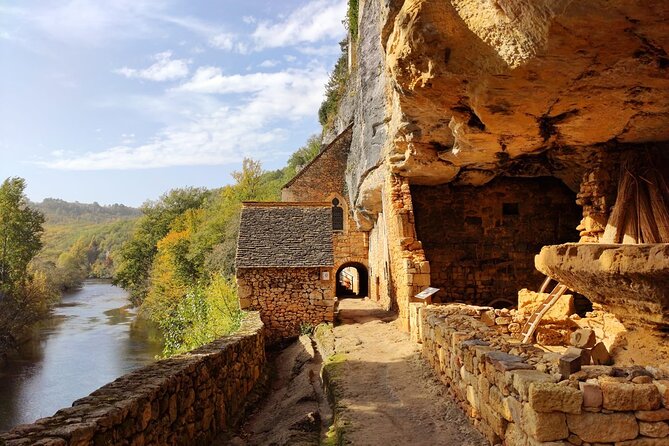
Step into a home carved by time. The Madeleine site gives you three distinct stories in one compact visit: the prehistoric world of Cro-Magnon, a medieval troglodytic village, and an educational farm. I especially like the clear historical progression and the free multilingual app, which helps you understand the site at your own pace. The main drawback is that the experience depends on good weather and requires a moderate level of physical fitness.
At about $15.38 per person, this is an appealing choice for anyone who wants more than a quick photo stop. You can spend roughly two hours moving through a place shaped by people over thousands of years, with parking and a 50-centiliter bottle of water included. Food is not included, so plan to eat before or after your visit.
In This Review
- Key points to know before you go
- Why the Madeleine site is more than a cave visit
- Entering the prehistoric world 20,000 years ago
- The medieval village carved into the rock
- The Madeleine educational farm
- Two hours is a useful length
- What the $15.38 price really includes
- The free app and guided option
- Opening dates, parking, and weather planning
- Who will enjoy the Madeleine visit most
- My verdict: book it for the layers
- FAQ
- Where is the Madeleine troglodytic village?
- How long does the visit last?
- What does the visit include?
- Is food included?
- Is the experience offered in English?
- What can I see at the site?
- Is a guided tour available?
- When is the site open?
- Is the site suitable for people with limited mobility?
- What is the cancellation policy?
Key points to know before you go
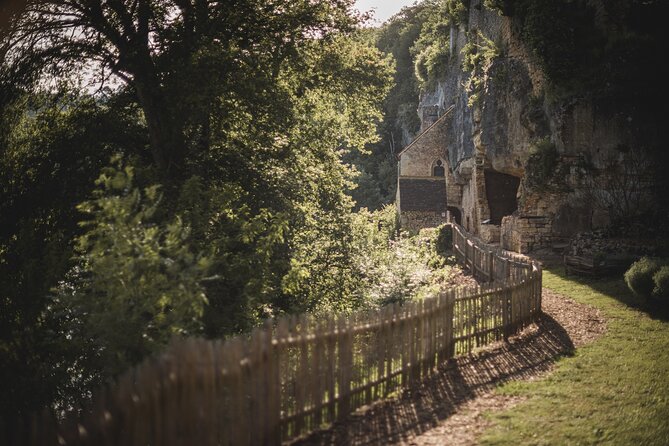
- Three eras in one stop: See a prehistoric shelter, a medieval village, and the Madeleine educational farm.
- Cro-Magnon focus: Learn about life 20,000 years ago and the Magdalenian way of life.
- Useful multilingual app: A free app provides information in several languages, including English.
- Good value at $15.38: Parking and bottled water are included, while meals and hot drinks are not.
- Plan for two hours: The visit is long enough for context without taking up an entire day.
- Weather matters: Poor conditions can lead to a new date or a full refund.
Why the Madeleine site is more than a cave visit
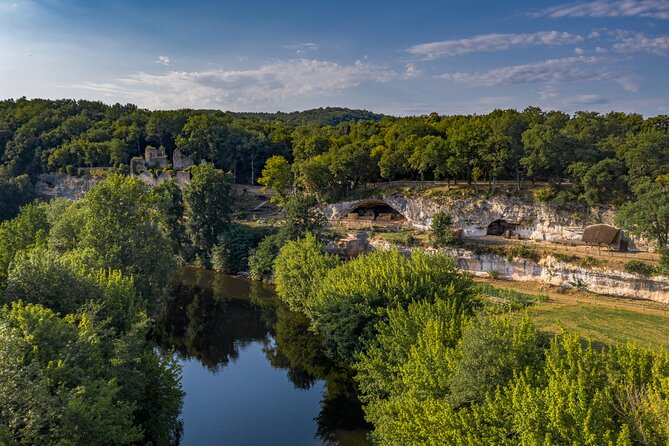
The name troglodytic can make the place sound like a simple cave attraction. It is more useful to think of Madeleine as a layered human settlement, where different periods occupy the same setting.
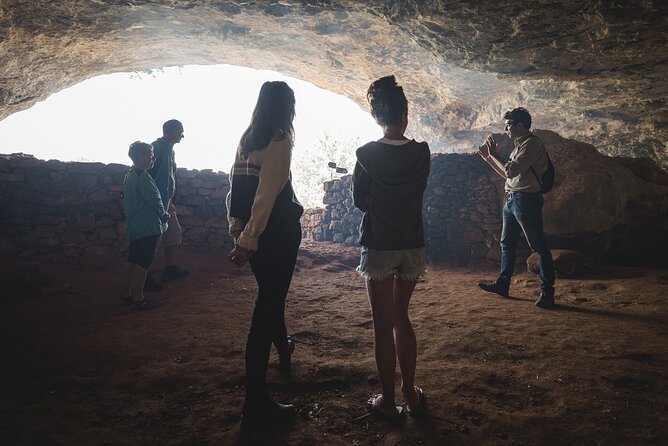
The earliest story reaches back 20,000 years. At that time, Cro-Magnon people lived in the area, and the visit explains the Magdalenian way of life. This gives the prehistoric section a human focus. You are not just looking at rock. You are considering how people used this shelter, adapted to their surroundings, and organized daily life in a very different age.
The later medieval village adds another layer. Here, the interest comes from seeing how people continued to use a rock setting long after the prehistoric period. The site connects the distant past with a more recognizable period of European history, making it easier to understand how the same place changed over time.
The educational farm provides a third angle. It is especially useful for families because it moves the visit beyond archaeology and architecture. You get a more everyday look at life connected to the site, although the available information does not specify which animals or activities are present, so it is best not to build your plans around a particular farm feature.
A few more Bordeaux outings to set side by side
- Bordeaux: Cité du Vin Entry Ticket and Wine Tasting
★ 4.6 · 3,885 reviews - Bordeaux: River Garonne Cruise with Glass of Wine and Canelé
★ 4.5 · 3,630 reviews - From Bordeaux: Afternoon Saint-Emilion Wine Tasting & snack
★ 4.8 · 1,581 reviews
Entering the prehistoric world 20,000 years ago
The prehistoric portion is the intellectual heart of the visit. The focus on the Magdalenian period and Cro-Magnon life gives you a clear time frame, rather than a vague reference to prehistoric people.
I like this approach because it helps you place the site in time. Twenty thousand years is difficult to picture. A guided explanation or the free app can turn that huge number into a story about how people lived, used shelter, and responded to the conditions around them.
The app is a real advantage if you prefer to set your own pace. It is available in several languages and was described as informative, which makes it a practical aid for international visitors. If English is your preferred language, the experience is offered in English, and the app can provide extra context as you move through the site.
You may also choose a tour if you want a more direct explanation. The supplied information confirms that tours are available, but it does not give a guide’s name, group size, or exact departure times. I would check those details when booking if a live guide is important to you.
The prehistoric section will suit you best if you enjoy sites that ask you to think. It is not presented simply as a backdrop for photographs. The key value lies in understanding how a real place supported human life across a very long period.
The medieval village carved into the rock
The medieval part changes the mood. Instead of reaching back to Cro-Magnon life, it shows how the site continued to matter in a later period.
A troglodytic village is interesting because the rock is not just scenery. It forms part of the setting in which people lived and worked. The visit allows you to compare medieval use of the site with its prehistoric role, giving you a direct sense of change and continuity.
This is also where the moderate fitness warning matters. The information does not specify the exact number of steps, slopes, or surfaces, so I cannot promise an easy, flat walk. You should be comfortable moving around a historic site for approximately two hours and prepared for conditions that may not suit every level of mobility.
Service animals are allowed. No separate accessibility details are provided, so anyone with concerns about uneven ground or access should contact the provider before arrival.
The medieval village is likely to appeal to you if you enjoy historic places that feel connected to daily life. It is less about one grand monument and more about how people made use of a practical setting over time.
The Madeleine educational farm
The educational farm gives the visit a more approachable finish. After the prehistoric and medieval sections, this stop adds a living, everyday dimension to the site.
That makes the farm a useful feature for families. Younger children may find it easier to connect with animals and practical life than with a distant prehistoric time period. Adults can also appreciate the change of pace, especially if the earlier sections require careful listening and concentration.
The supplied details do not identify the animals, demonstrations, or activities available at the farm. I would treat it as an added part of the site rather than the main reason to book. If your priority is a specific animal encounter or farm program, confirm what is operating on your date.
The farm also helps prevent the visit from feeling like a single-theme attraction. You get archaeology, medieval settlement, and educational activities within one stop. That variety is one reason the $15.38 admission can make sense for families and curious sightseers.
Same city, a slower kind of day:
- Medoc or Saint Emilion Wine Tasting and Chateau from Bordeaux
★ 5.0 · 1,415 reviews - Saint Emilion Day Trip with Sightseeing Tour & Wine Tastings from Bordeaux
★ 5.0 · 1,120 reviews - Saint-Émilion: Grand Cru Classé Winery Visit and Tasting
★ 4.6 · 1,118 reviews - Saint Emilion Half-Day Trip with Wine Tasting & Winery Visit from Bordeaux
★ 4.5 · 1,034 reviews
Two hours is a useful length
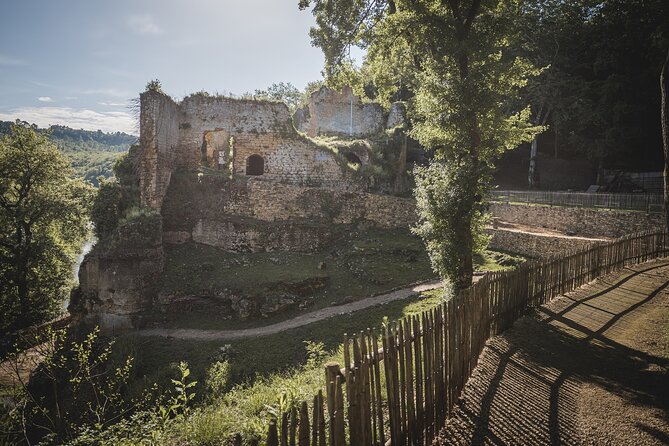
The experience lasts approximately two hours. I see that as a strength for most schedules.
A two-hour visit gives you enough time to take in the site without committing an entire day. You can pair it with other plans in Bergerac or the surrounding Dordogne area, though the information provided does not give travel times or distances from particular hotels or transport hubs.
The length also makes the visit easier to manage with children. It is long enough to offer real context, but short enough that you are less likely to face the usual are we done yet? problem. Your actual pace may depend on how much time you spend with the app, whether you join a tour, and how long you stay at the farm.
I would allow extra time around the two-hour estimate if you like reading every panel or using the app in detail. The stated duration should be treated as an approximate visit length, not a strict timetable.
What the $15.38 price really includes
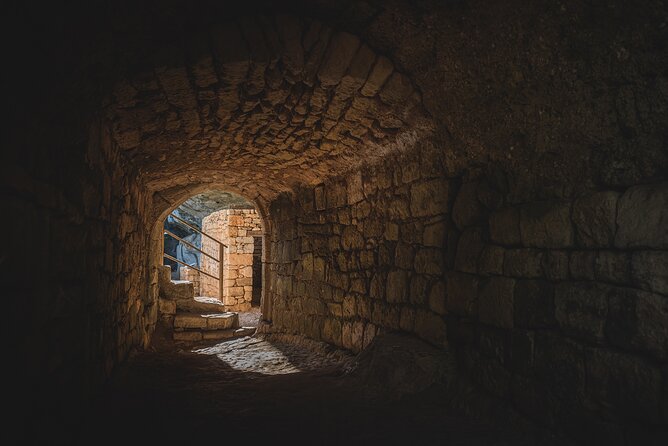
At $15.38 per person, the admission is reasonably priced for a site covering several periods of history. The value comes from the range of material: prehistoric life, a medieval village, and the educational farm rather than one small exhibit.
Parking fees are included, which is useful if you are arriving by car. A 50-centiliter bottle of water is also offered during the visit. That is a modest extra, but welcome during a two-hour outing, particularly in warm weather.
You should budget separately for food. Lunch, coffee or tea, and dinner are not included. The practical plan is simple: eat before arrival, carry any additional refreshments you need, or arrange a meal elsewhere.
The price does not appear to include a meal or a special add-on, and the available details do not confirm whether a private guide is included in every booking. If you want a live guided experience rather than self-guided exploration, verify that point before paying.
For a short cultural stop, the cost is easy to justify. It becomes an even better deal if you value the ability to explore at your own speed with the app and use the included parking.
The free app and guided option
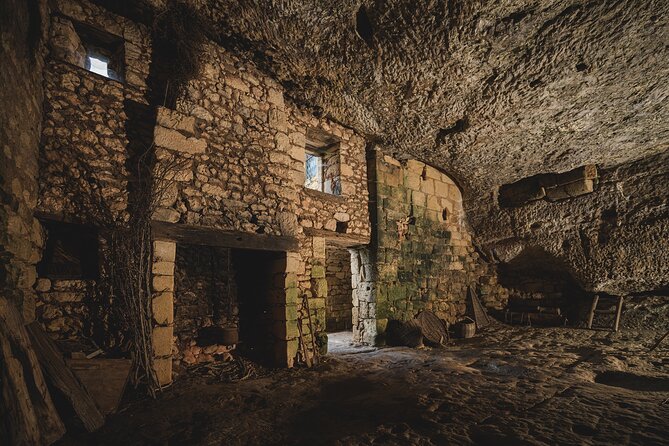
You have two ways to make sense of the site. A free app is available in many languages and offers useful information. You can use it to build your own route through the prehistoric, medieval, and farm sections.
This option suits independent visitors. You can pause when something catches your interest, move on when children lose patience, and choose how much detail you want. It also avoids the pressure of keeping up with a group.
Tours are available as well. A live guide can be a better choice if you want explanations delivered in sequence or prefer to ask questions as you go. The information does not provide the tour schedule, length, or guide names, so you should request those details before arrival.
The strongest approach may depend on your group. I would choose the app for flexibility and a guided tour for deeper interpretation. Since the site itself has several distinct periods, some form of explanation is worthwhile. Without it, the rock setting could be memorable but harder to understand.
Opening dates, parking, and weather planning
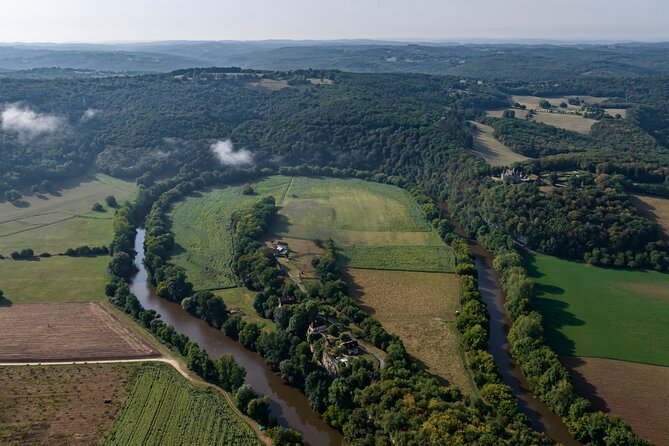
The site is scheduled to operate daily from March 1 through November 15, 2026, with opening hours from 10:00 a.m. to 5:30 p.m. Those hours give you plenty of flexibility, but a late arrival may leave less time for the full experience.
Because the visit requires good weather, check conditions before setting out. If poor weather forces cancellation, you are offered another date or a full refund. This matters because the site involves outdoor movement and a moderate level of physical fitness.
The experience also requires a minimum number of participants. If that minimum is not met, you are offered a different date or experience, or a full refund. Confirmation is normally received at booking, although bookings made within two hours of the start time may be confirmed as soon as possible, subject to availability.
Free cancellation is available up to 24 hours before the start time. Changes or cancellations made inside that 24-hour window are not accepted for a refund. The cut-off follows local time, so keep that in mind if you are arranging plans from another time zone.
Who will enjoy the Madeleine visit most
I would recommend this experience to you if you like history presented through a real place rather than a conventional museum. The combination of prehistoric life and medieval settlement gives you plenty to think about without requiring a full day.
Families may appreciate the educational farm and the manageable two-hour length. The app also lets adults and children explore at different speeds, although you should consider the moderate fitness requirement before booking for anyone who has trouble walking through historic sites.
Independent visitors will like the multilingual app, parking, and self-guided flexibility. English speakers have a clear option, while the range of app languages makes the site more accessible to international groups.
You may want to skip it if you are looking only for a quick scenic stop, a meal-based excursion, or a fully specified guided tour with a published schedule and named guide. The available information does not promise those features.
My verdict: book it for the layers
You should book the Madeleine visit if you want a compact, affordable look at human life across very different periods. The strongest reasons are the 20,000-year prehistoric focus, the medieval village, and the useful multilingual app.
I would be more cautious if your schedule depends on perfect weather or if anyone in your party has limited physical fitness. The site also requires a separate food plan, and you should confirm guided-tour details if that format matters to you.
At $15.38, with parking and bottled water included, I think the visit offers good value for a two-hour cultural experience. It is not simply a cave stop. It is a chance to see how one place can tell the story of Cro-Magnon life, medieval settlement, and practical education in a single visit.
FAQ
Where is the Madeleine troglodytic village?
The experience is located in Bergerac, France. The provider describes it as a troglodytic site in the Dordogne.
How long does the visit last?
The visit lasts approximately two hours.
What does the visit include?
Admission to the Village Troglodytique de la Madeleine is included. Parking fees and a 50-centiliter bottle of water are also included.
Is food included?
No. Lunch, coffee or tea, and dinner are not included.
Is the experience offered in English?
Yes. The experience is offered in English. A free app is also available in many languages.
What can I see at the site?
The visit covers the prehistoric environment from 20,000 years ago, the Magdalenian way of life associated with Cro-Magnon people, the medieval village, and the Madeleine educational farm.
Is a guided tour available?
Tours are available, although the provided information does not specify the tour schedule, guide names, or whether a live guide is included with every booking.
When is the site open?
The listed operating period is March 1 through November 15, 2026. Opening hours are Monday through Sunday, from 10:00 a.m. to 5:30 p.m.
Is the site suitable for people with limited mobility?
A moderate level of physical fitness is required. Specific accessibility details are not provided, so contact the provider before booking if you have mobility concerns. Service animals are allowed.
What is the cancellation policy?
You can cancel at least 24 hours before the start time for a full refund. Cancellations or changes made less than 24 hours before the start time are not accepted for a refund. Poor weather or failure to reach the minimum number of participants may result in a different date or a full refund.
Recently added in Bordeaux
- Discover Braastad Cognac★ 5.0 · 52 reviews
- Au Cœur du Château – VSOP D’USSÉ & XO BARON OTARD★ 4.5 · 108 reviews
- retro road trip/ Méhari, 2CV & Burton in Rochefort, La Rochelle★ 5.0 · 28 reviews
- Saint-Emilion Food and Wine Day Tour★ 5.0 · 323 reviews
- Saint Emilion Full Day Wine and Bike Tour★ 5.0 · 167 reviews
- Bordeaux bike tour “The Best of Bordeaux”★ 5.0 · 164 reviews
- Virtual Room Bordeaux – 1st team virtual reality experience★ 5.0 · 47 reviews
- Luxurious full day Bordeaux wine tour in a Tesla★ 4.5 · 31 reviews
Bordeaux Tours, compared.
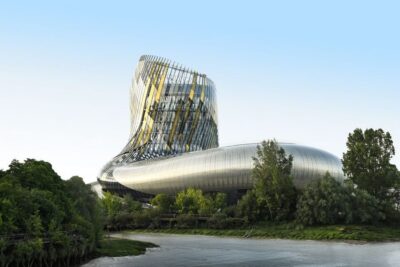

River Garonne Cruise with Glass of Wine and Canelé
Read our review →
Afternoon Saint-Emilion Wine Tasting & snack
Read our review →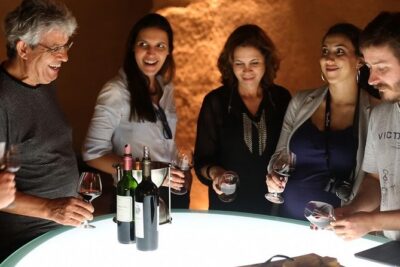
Medoc or Saint Emilion Wine Tasting and Chateau from Bordeaux
Read our review →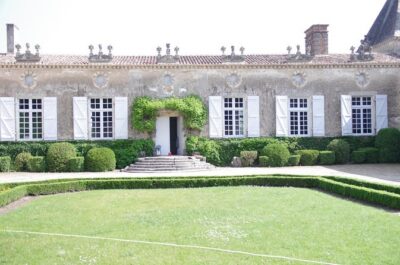
Saint Emilion Day Trip with Sightseeing Tour & Wine Tastings from Bordeaux
Read our review →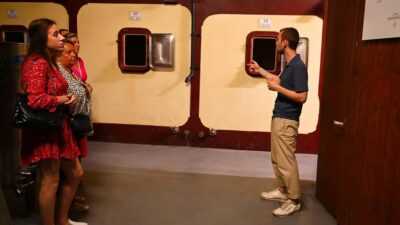
Saint-Émilion: Grand Cru Classé Winery Visit and Tasting
Read our review →
Saint Emilion Half-Day Trip with Wine Tasting & Winery Visit from Bordeaux
Read our review →
Browse the lists this tour appears in