
REVIEW · LOIRE VALLEY CHâTEAU TOURS
Beaune: Wine Tasting at Château de Pommard
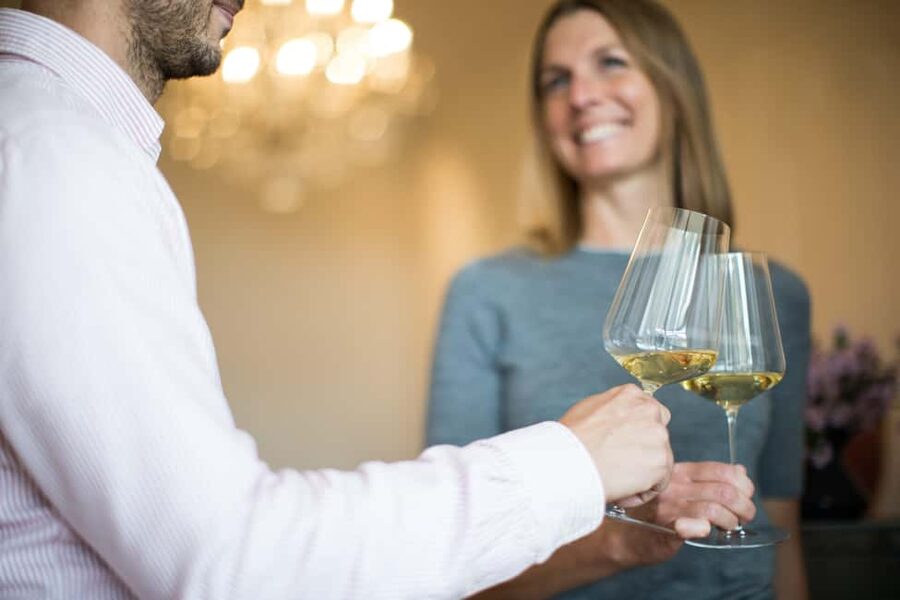
Burgundy makes geology taste good. At Château de Pommard, a one-hour tasting pairs four wines with a clear introduction to Burgundy’s vineyards, classifications, and the natural factors that shape each bottle. The setting helps too: you get the château, the Clos Marey-Monge vineyard, and free access to the French Gardens.
I like the small groups of up to eight, which make it easier to ask questions, and I like that the tasting includes wines from both Château de Pommard and Famille Carabello-Baum. The main drawback is important: the cellars are closed during renovation, so this is not currently a full winery tour.
The $34 price is fair if you want a focused introduction to Burgundy and four wines in a grand setting. It is less convincing if you expect to see production rooms, aging barrels, or a working cellar. Guides such as Alex have earned praise for clear explanations and friendly service, though one visit stayed mostly in a single room and offered less detail about soil types than expected.
In This Review
- Key points to know before booking
- Why Château de Pommard makes a useful Burgundy introduction
- Arriving at the château and finding your bearings
- Seeing the Clos Marey-Monge vineyard
- What the four-wine tasting covers
- Burgundy’s five subregions and classification system
- The château, gardens, and renovation limits
- Is one hour enough?
- Who will get the most from this tasting?
- Price, flexibility, and practical value
- Should you book Château de Pommard?
- FAQ
- How long does the Château de Pommard wine tasting last?
- How many wines are included?
- What topics does the guide explain?
- Can I visit the Château de Pommard cellars?
- Is access to the French Gardens included?
- What languages are available?
- How large is the group?
- Is the activity suitable for wheelchair users?
Key points to know before booking
- Four Burgundy wines in one hour: The tasting covers wines from Château de Pommard and Famille Carabello-Baum.
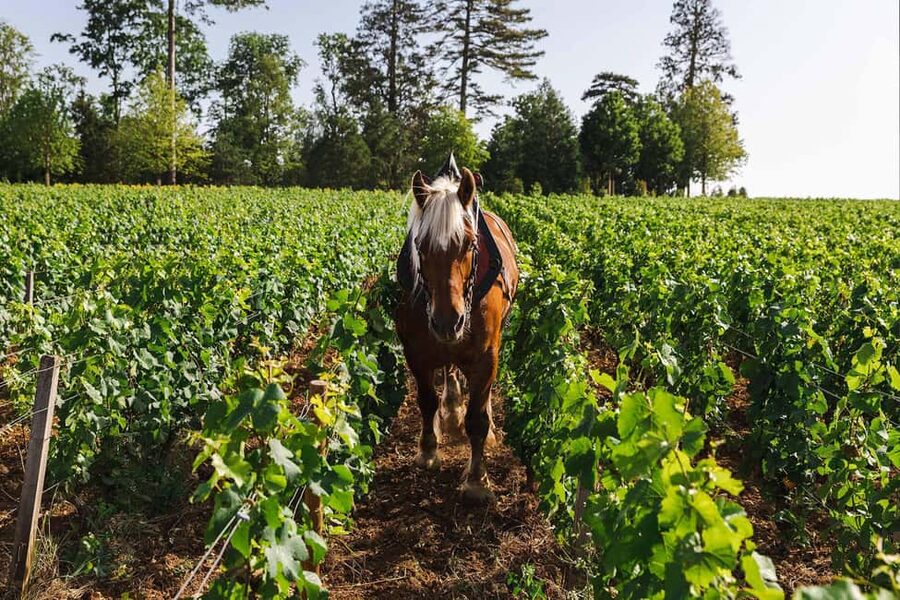
- Clos Marey-Monge vineyard: You learn how this vineyard fits into Burgundy’s system of terroirs and Climats.
- Cellars currently closed: Renovation limits the tour, so do not book this expecting underground cellar access.
- Small-group format: Groups are limited to eight people, allowing a more personal question-and-answer session.
- French Gardens included: You can spend time in the gardens before or after the tasting at no extra cost.
- Comfort matters: High heels are a poor choice, and the activity is not suitable for wheelchair users.
Why Château de Pommard makes a useful Burgundy introduction
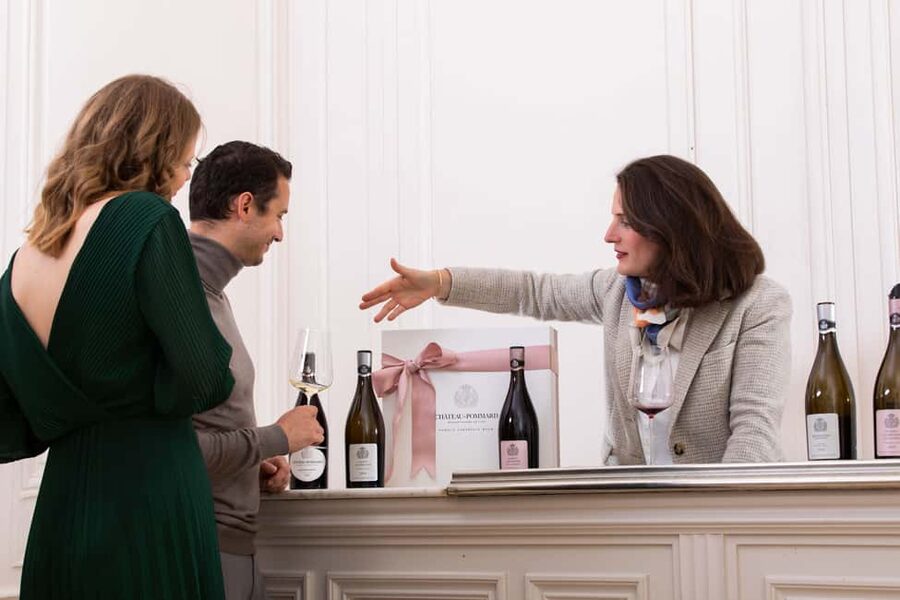
Burgundy wine can feel confusing at first. Labels often focus on the village, vineyard, or plot rather than the grape variety, and small changes in soil and exposure can affect the final wine. This tasting gives you a basic map before you begin tasting.
The session introduces the five subregions of Burgundy, the region’s classifications, and the idea of terroir. Terroir is not just a fancy word for soil. It includes natural factors that influence a wine’s taste, style, and ability to age. The talk connects those ideas to the Clos Marey-Monge vineyard, giving you a local example instead of a purely classroom explanation.
That approach is useful if Burgundy is new to you. You are not simply handed four glasses and told which one you should like. You get a framework for noticing differences between wines and understanding why Burgundy bottles can vary so much in price.
The setting adds a sense of place. Château de Pommard is nearly three centuries old, and its restoration project is intended to prepare the property for the next three hundred years. You should not expect the tour to explain every corner of that history, but the age of the château and its vineyard give the tasting more weight than a standard shop counter sampling.
More Food Tours in Burgundy
- Burgundy Bike Tour with Wine Tasting from Beaune
★ 5.0 · 674 reviews - Beaune: Maison Champy Guided Cellar Tour with Wine Tasting
★ 4.7 · 213 reviews - Visit-Tasting-Sale
★ 5.0 · 87 reviews
Arriving at the château and finding your bearings
The meeting point can vary according to the option you book, so check your confirmation carefully rather than assuming every ticket begins in exactly the same place. The activity returns to its starting point at the end.
Check-in has been described as easy, and the staff as friendly and professional. That matters during a short tour. With only one hour available, a slow start would take a noticeable bite out of the tasting.
The group limit of eight is one of the better features here. A large wine presentation can turn into a lecture where questions are awkward. In a small group, you have a better chance to ask about a particular wine, the vineyard, or Burgundy’s classifications. The guide languages are French and English.
Wear comfortable shoes. The advice against high heels is practical, especially if you spend time around the vineyard or gardens. The activity is not suitable for wheelchair users, so anyone with mobility concerns should check the conditions before booking.
Seeing the Clos Marey-Monge vineyard
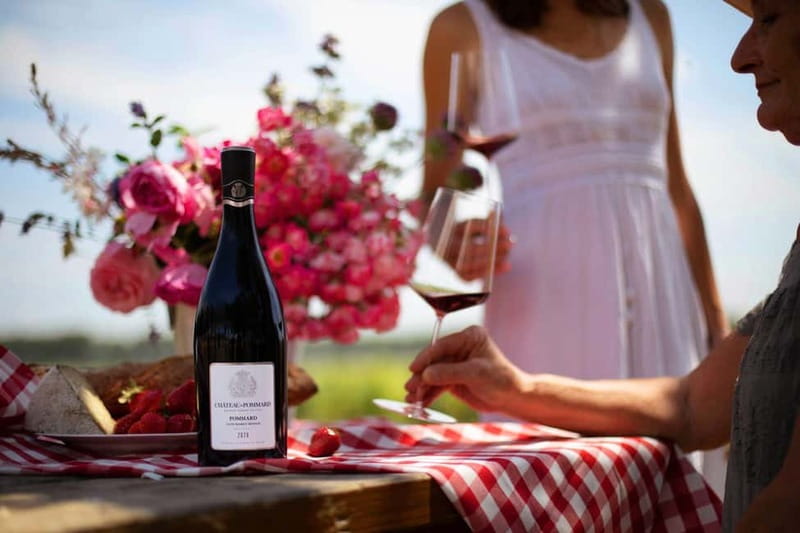
The Clos Marey-Monge vineyard is the main outdoor focus. This is where the talk about terroir becomes more concrete. Instead of treating Burgundy as one large wine region, the guide can place the vineyard within its local setting and explain how natural conditions influence the wine.
The tour information promises an introduction to the natural factors affecting taste, style, and ageability. That makes the vineyard visit valuable even though it is not a long walking tour. You get a chance to connect the glass in front of you with the land that produced the grapes.
The limits are worth noting. At least one visit felt that the outdoor discussion did not go far enough into the soil and grapes. If you are hoping for a detailed technical walk through every soil type, vine row, and growing method, this one-hour format may leave you wanting more.
The vineyard portion also depends on how the guide uses the time. One guide, Alex, was praised for explaining the winery and its workings in detail. Another experience was less satisfying because the group remained in one room and did not spend enough time outside discussing soil and grapes. The quality of the explanation can therefore shape your impression of the tour.
What the four-wine tasting covers
The tasting includes four wines from Château de Pommard and Famille Carabello-Baum. Four samples are enough to show contrast without turning the hour into a rushed drinking contest. You can pay attention to color, aroma, texture, and finish while the guide explains what may account for the differences.
The point is not simply to identify a favorite. The tasting is designed to show how Burgundy’s vineyards and classifications work together. The guide discusses the five subregions of Burgundy and the way vineyards are classified, then connects that wider system to the wines in your glasses.
For someone visiting Burgundy for the first time, this is a good amount of structure. You can leave with a better sense of why two wines from the same broad region may not taste alike. You may also gain a clearer idea of the terms you will encounter when browsing a wine list or bottle shop later in your trip.
Still, one hour moves quickly. The four pours are part of a guided lesson, not a leisurely afternoon tasting. If you want long pauses between wines or an extended conversation about each bottle, you may find the pace brisk.
The staff receives strong praise for being kind, prepared, and willing to answer questions. That personal contact is a major part of the value. The tasting works best when you take part, ask what you are curious about, and use the small group to get practical explanations.
More Wine Tours in Burgundy
- From Beaune: Burgundy Day Trip with 14 Wine Tastings
★ 4.8 · 248 reviews - From Beaune: Full-Day Bicycle and Wine Tour in Burgundy
★ 4.9 · 95 reviews - Private Wine Tasting Tour – Burgundy Uncorked!!
★ 5.0 · 74 reviews - Luxury Luxury Wine Tour Experience
★ 5.0 · 69 reviews
Burgundy’s five subregions and classification system
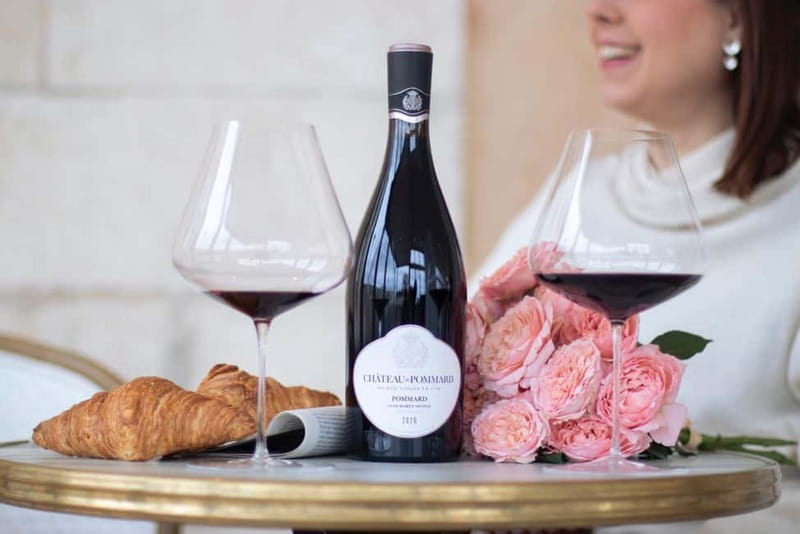
The regional overview is one of the strongest reasons to book this experience. Burgundy is famous, but its wine structure can be hard to follow without help. A short explanation of the five subregions gives you a way to organize what you see and taste during the rest of your visit.
The discussion of classifications is also useful because Burgundy does not treat every vineyard as equal. The talk helps explain how place affects a wine’s standing and expected character. You should not expect a full professional wine course in sixty minutes, but you will receive enough background to make later tastings less mysterious.
I especially like the focus on ageability. Many wine tastings stop at flavor, yet the natural factors discussed here also relate to how a wine may develop over time. That gives the tasting a practical edge for anyone deciding what to buy, what to drink soon, and what might merit keeping.
The depth depends on the guide. Some sessions have offered detailed explanations, while another visitor wanted more attention paid to soil types and grape growing. If technical detail is your main reason for visiting, ask questions early rather than waiting until the final glass.
The château, gardens, and renovation limits
Free access to the French Gardens is included, and this is a welcome extra. You can use the gardens to extend the visit beyond the formal tasting, take in the château setting, and enjoy a quieter pause among the vines and historic buildings.
The gardens do not replace a cellar tour, but they add value to the admission price. If you arrive early or have time after the tasting, plan to use them rather than treating the appointment as a quick stop at a tasting counter.
The renovation is the biggest change to the usual château experience. The cellars cannot currently be visited, and the property is working on a major restoration and expansion project. That means you will not see the cellar or wine-making areas during this activity.
This limitation should be stated plainly because it affects the tour’s character. You are getting a vineyard and wine education session with four wines, not a complete behind-the-scenes winery visit. One four-star account specifically wanted a cellar or production-area visit and felt that seeing only the vineyard was not enough.
On the other hand, the renovation does not erase the value of the setting or the tasting itself. The property is nearly three centuries old, and the garden and vineyard still provide a strong sense of place. Just set your expectations correctly.
Is one hour enough?
One hour is enough for a useful introduction, but not enough for every topic to receive equal attention. The session needs to cover Burgundy’s history, five subregions, classifications, terroir, the Clos Marey-Monge vineyard, and four wines. That is a lot of material for a short appointment.
The compact length works well if you have a busy day in Beaune or are fitting this between other stops. You get a focused lesson without committing half a day to wine. It also makes the $34 price easier to justify for a first taste of Burgundy.
The short duration can feel limiting if the guide arrives late or if you want time for detailed discussion. One session started late but ran about three quarters of an hour longer, which helped make up for the delay. You should not count on extra time, however, since the published duration remains one hour.
A good strategy is to arrive ready with one or two questions. Ask about the vineyard classification, how the wines differ, or which natural conditions affect ageability. This gives the guide a chance to tailor the discussion and helps you get more from the clock.
Who will get the most from this tasting?
I would recommend this experience to a first-time Burgundy visitor who wants a clear, low-commitment introduction. You will get the most from it if you enjoy learning the story behind a wine rather than simply drinking it.
It also suits couples and small groups who prefer a quiet, structured session. The eight-person limit is friendly to questions, and the French and English instruction makes it accessible to many international visitors.
Wine enthusiasts should consider it if they want to understand Château de Pommard and the Clos Marey-Monge vineyard in context. Yet serious wine students may find the soil and production discussion too brief, especially while the cellars are closed.
I would be more cautious about booking if the cellar is the main reason you want to visit. The current renovation means you will not see that part of the property. Likewise, anyone using a wheelchair should note that this activity is not suitable for wheelchair users.
Price, flexibility, and practical value
At $34 per person, the experience sits in a reasonable range for a one-hour château tasting with four wines and garden access. The value comes from the combination of setting, instruction, and the chance to taste wines from two connected producers.
If you only want four small pours, you may find the price less attractive. The real benefit is the explanation of Burgundy’s subregions, classifications, and terroir. You are paying for context as much as for the wine.
The small group improves that calculation. A personal question-and-answer session can make a short tasting feel more useful than a larger, cheaper presentation. The staff’s warm and professional manner also matters, especially for visitors who may feel unsure about wine vocabulary.
Booking is flexible: you can cancel up to 24 hours ahead for a full refund, and the reserve-now, pay-later option lets you hold a place without paying immediately. Starting times vary, so check availability for the date you want.
Should you book Château de Pommard?
Book it if you want four Burgundy wines, a polished château setting, access to the French Gardens, and a compact lesson in terroir and classification. The small group and strong guide service can turn a simple tasting into a useful introduction, especially when the guide takes time to answer questions.
Skip it for now if your priority is a cellar tour or a close look at wine-making facilities. Those areas are unavailable during renovation, and the outdoor discussion may not satisfy you if you want a highly technical study of soils and grape growing.
For most first-time visitors to Beaune, I see this as a worthwhile one-hour appointment, provided you understand its current limits. Go for the vineyard, the four wines, and the explanation of Burgundy’s complicated wine map. Do not go expecting a full château tour.
FAQ
How long does the Château de Pommard wine tasting last?
The activity lasts one hour. Starting times vary, so check availability for the date you want to book.
How many wines are included?
You taste four wines from Château de Pommard and Famille Carabello-Baum.
What topics does the guide explain?
The session covers the history of Burgundy, its five subregions, Burgundy’s classifications, and the natural factors that influence the taste, style, and ageability of wines from the Clos Marey-Monge vineyard.
Can I visit the Château de Pommard cellars?
No. The cellars are currently closed because of renovation work.
Is access to the French Gardens included?
Yes. Free access to the French Gardens is included with the wine tasting.
What languages are available?
The activity is offered in French and English.
How large is the group?
The group is limited to eight participants.
Is the activity suitable for wheelchair users?
No. The activity is listed as not suitable for wheelchair users. High heels are also not recommended.
More Wine Tours in Beaune
- From: Dijon/Beaune: Burgundy Region Winery Tour with Lunch
★ 4.7 · 43 reviews - Discovery by bike & Tasting in the vineyards
★ 4.5 · 36 reviews - 2 Hour Sparkling Wine Tasting and visit in Beaune
★ 4.5 · 36 reviews - Bordeaux: Cité du Vin Entry Ticket and Wine Tasting
★ 4.6 · 3,885 reviews
More Loire Chateau Days
- Loire Valley Castles Day Trip from Paris with Complementary Wine
★ 4.5 · 3,907 reviews - Chambord: Entry Ticket to the Castle
★ 4.6 · 1,841 reviews - From Paris: Loire Valley Castles Day Trip With Wine Tasting
★ 4.6 · 1,727 reviews - Chenonceau Castle Admission Ticket
★ 4.7 · 1,515 reviews
Recently added in Beaune
- Visit of our 15th century cellars★ 5.0 · 57 reviews
- Discovery of the world of Truffles and tasting★ 4.5 · 66 reviews
- Private Wine Tasting Tour – Burgundy Uncorked!!★ 5.0 · 74 reviews
- Visit-Tasting-Sale★ 5.0 · 87 reviews
- From Beaune: Full day the most of Burgundy, with lunch★ 4.5 · 30 reviews
- Private Guided Sidecar Tour in Burgundy from Meursault★ 5.0 · 31 reviews
- Private excursion to Côte de Beaune and Côte de Nuits (full day)★ 5.0 · 166 reviews
- Full Day Private Tour 10 Premiers & Grands Crus, The Best of Burgundy★ 5.0 · 36 reviews
Loire Valley Château Tours, compared.
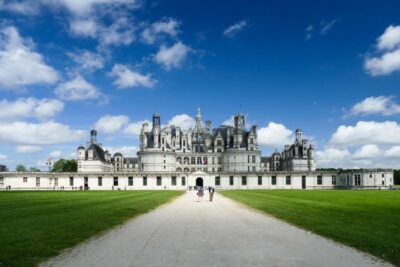
Loire Valley Castles Day Trip from Paris with Complementary Wine
Read our review →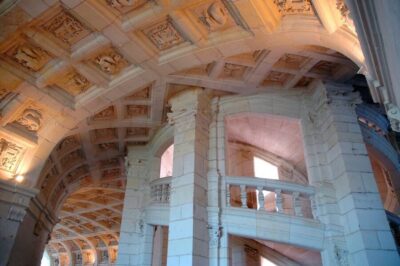
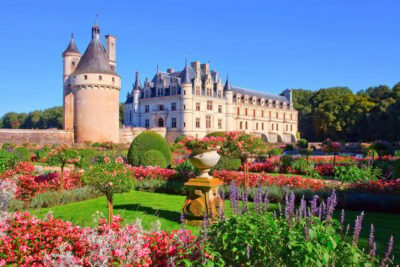
Loire Valley Castles Day Trip With Wine Tasting
Read our review →

Loire Valley Castles Trip with Chenonceau and Chambord from Paris
Read our review →
Loire Valley Wine and Castles Small-Group Day Trip from Paris
Read our review →
Small-Group Loire Valley Castles Full-Day Tour
Read our review →Browse the lists this tour appears in