
REVIEW · WINE TOURS
From Beaune: Full-Day Bicycle and Wine Tour in Burgundy
Burgundy is best seen at bicycle speed. This seven-hour outing takes you through the Côte de Beaune by bike, van, and appetite, linking vineyard roads, small villages, a medieval castle, local wine tastings, and a full Burgundian lunch. I like the way it covers a wide section of wine country without turning the day into a string of car-window views.
I especially like the quiet country routes and the chance to ride into the Grand Cru vineyards of Puligny-Montrachet. The local guides, including Valentine, Theo, Eric, and Paul, are praised for explaining Burgundy’s appellations, soils, grape growing, and winemaking in plain terms. The main caution is that the first hills can be steeper than the phrase little effort suggests, and the standard bike may not suit everyone.
In This Review
- The essential facts before you book
- Why a bicycle is the right way to see Burgundy
- The morning transfer and first vineyard roads
- La Rochepot and a medieval pause
- Saint-Aubin and the first taste of Burgundy
- Château de Chassagne-Montrachet and the Grand Cru discussion
- Lunch among the Beaune hills
- Puligny-Montrachet after lunch
- Meursault, Pommard, and the final tasting
- What the guides add to the day
- Is $250 a fair price?
- Who should book this Burgundy bicycle tour?
- Final verdict: a strong choice for active wine lovers
- FAQ
- How long is the bicycle and wine tour?
- How far do you cycle?
- Where does the tour start?
- Is transportation included?
- Is lunch included?
- Are wine tastings included?
- What languages does the guide speak?
- What should I bring?
The essential facts before you book
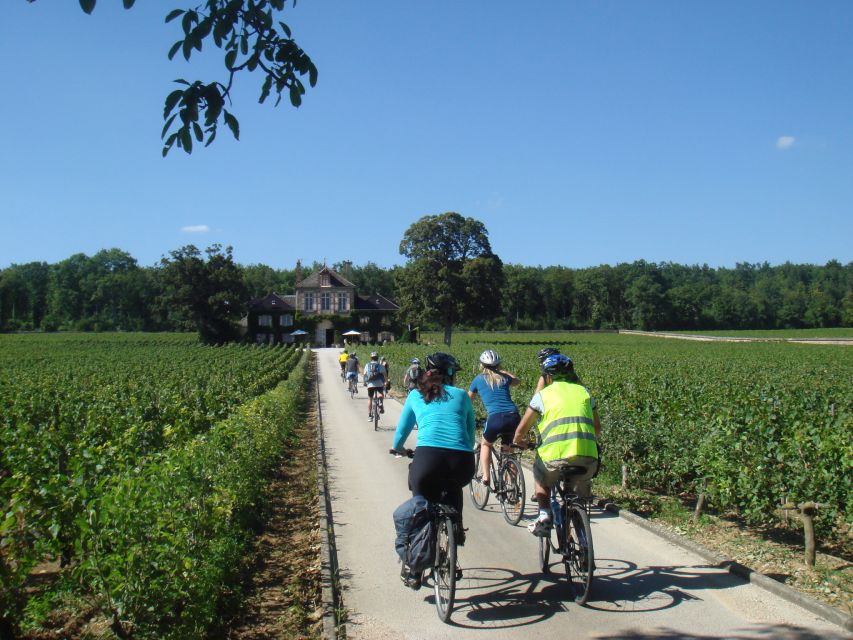
- 24 kilometers of cycling: The route passes vineyards, villages, fields, and several famous wine areas.
- A full day in the Côte de Beaune: Plan on seven hours, including a 15-minute van transfer, lunch, tastings, and the castle visit.
- La Rochepot adds variety: You do more than taste wine, with a stop at a striking 13th-century medieval castle.
- Puligny-Montrachet is a major wine stop: The route reaches the Grand Cru area after lunch, with time to discuss vines, soil, and Burgundy’s appellation system.
- Lunch is included: Wine ordered with the meal costs extra, and you need to bring your own water bottle.
- Ask about an e-bike: Several riders found electric assistance useful, especially with hills, wind, and the return route.
Why a bicycle is the right way to see Burgundy
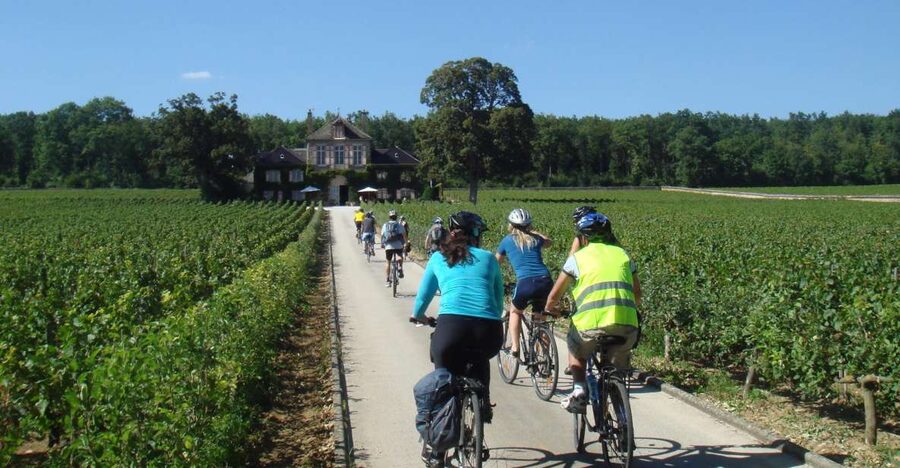
From Beaune, the tour gives you a moving view of the wine country rather than a series of cellar visits. You pedal past working vineyards, stone villages, open fields, and the gentle hills that shape the Côte de Beaune. The pace lets you notice the small things: rows of vines, old walls, changing views, and the way villages sit close to their vineyards.
The route covers about 24 kilometers, or roughly 16 miles. That is manageable for many reasonably active riders, but it is not a flat park ride. One rider specifically warned about some steep hills near the beginning. Other riders found the route easily doable, with much of the later riding level or downhill.
That difference matters. Your comfort will depend on weather, wind, fitness, and the bike assigned to you. If an e-bike option is available when you book, I would seriously consider it. Riders who used e-bikes were glad to have the extra help, particularly on the return against the wind. You still pedal, but you can pay attention to the views instead of negotiating with every incline.
The tour includes a helmet and a short safety briefing. Wear comfortable clothes and shoes that work for several hours of riding and walking. Bring a camera, cash, and a filled water bottle. Water for the ride is not included.
More Wine Tours in Burgundy
- Burgundy Bike Tour with Wine Tasting from Beaune
★ 5.0 · 674 reviews - Beaune: Wine Tasting at Château de Pommard
★ 4.4 · 277 reviews - From Beaune: Burgundy Day Trip with 14 Wine Tastings
★ 4.8 · 248 reviews
The morning transfer and first vineyard roads
The day begins at Bourgogne Evasion in Beaune, although the exact meeting point can vary with the option booked. A van transfer of about 15 minutes gets the group toward the cycling route. This is useful because it places you closer to the vineyards and saves time that would otherwise be spent riding through town.
The van can feel tight when the group is full. One rider called the initial squeeze uncomfortable, so do not expect spacious transport. It is a short ride, however, and the benefit is more time among the villages and vineyards.
After the transfer, the guide sets up your bicycle and helmet and explains how to use the bike. This is also your chance to ask about saddle height, gears, brakes, and electric assistance if you have booked an e-bike. A proper fit matters more here than it does on a short city rental because you will be riding for much of the day.
The early route includes a safety stop and photo opportunities. Your guide sets the pace and points out the local wine districts as you ride. The strongest part of the morning is not a single monument. It is the gradual shift from ordinary roads into the heart of Burgundy’s wine country.
La Rochepot and a medieval pause
The route passes Château de La Rochepot, a 13th-century medieval castle associated with a Count and Countess of Burgundy. The stop is brief, with time for photographs and a castle visit included in the tour.
La Rochepot gives the day a welcome change of subject. Burgundy can easily become an endless succession of vines and tasting rooms, especially if you are not already fascinated by wine. The castle adds a physical reminder that this region has long been shaped by noble estates, rural villages, and powerful local families.
Do not expect a long, leisurely castle tour based on the published timing. The itinerary allows only a short photo stop at La Rochepot, while the broader activity includes the castle visit. Treat it as an atmospheric stop and a chance to stretch your legs rather than the main attraction of the day.
The castle also makes a useful photo break before more cycling. You can take in the architecture, catch your breath, and listen as the guide places the site within Burgundy’s past.
Saint-Aubin and the first taste of Burgundy
Saint-Aubin brings the first wine tasting, listed at about 15 minutes. The village sits in the Côte de Beaune wine area, and the stop begins to connect what you have seen from the saddle with what ends up in your glass.
This is where the guide’s local knowledge becomes valuable. Burgundy wine can seem confusing because the label often emphasizes the village, vineyard, or appellation more than the grape variety. Guides such as Valentine and Theo have explained the difference between Village, Premier Cru, and Grand Cru levels, along with the role of climats, soil, and grape growing.
A 15-minute tasting is a quick introduction, not a long cellar seminar. That is fine early in the day. You get a first point of comparison before lunch and later tastings, when the differences among villages and producers should make more sense.
Some riders felt the wine selection at one tasting was less impressive than expected for the price. That is worth keeping in mind. The tour offers access and explanation, but it is not designed as a luxury collector’s tasting with a long list of rare bottles.
More Beaune wine tastings:
- Beaune: Maison Champy Guided Cellar Tour with Wine Tasting
★ 4.7 · 213 reviews - Private Wine Tasting Tour – Burgundy Uncorked!!
★ 5.0 · 74 reviews - Luxury Luxury Wine Tour Experience
★ 5.0 · 69 reviews - From: Dijon/Beaune: Burgundy Region Winery Tour with Lunch
★ 4.7 · 43 reviews
Château de Chassagne-Montrachet and the Grand Cru discussion
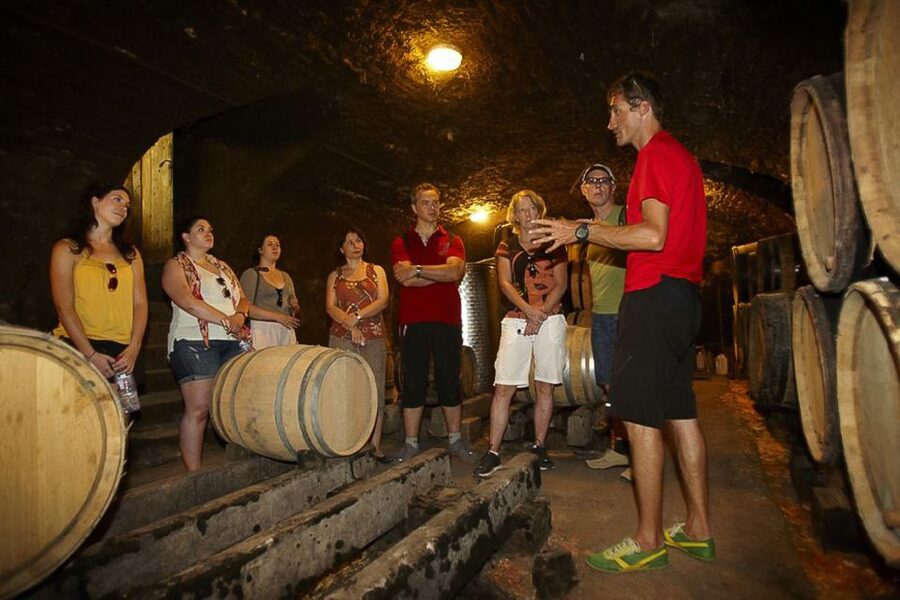
The longer wine stop is at Château de Chassagne-Montrachet, with about an hour set aside for tasting. The château setting gives the wine discussion a stronger sense of place, and the itinerary includes a visit to a winery estate and stone cellar.
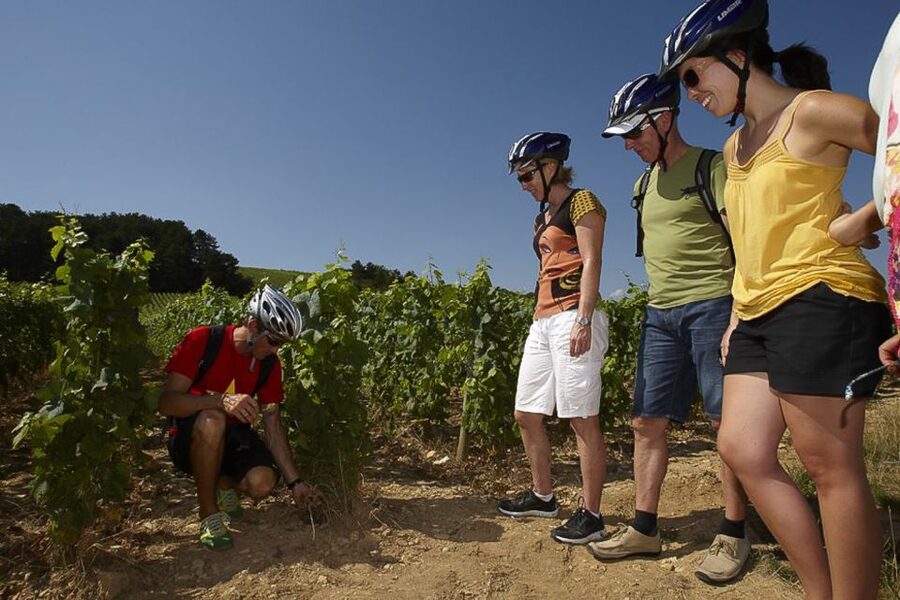
This is one of the most useful parts of the day for anyone who wants to understand Burgundy rather than simply drink it. You learn about the vines, the soil, the growing process, and the way Burgundy’s wine quality is tied to precise parcels of land. The guide can explain why neighboring plots may carry different names and prices despite being close together.
The term Grand Cru can sound like a marketing label until you understand the structure behind it. The guide’s discussion of Burgundy’s appellations and climats helps make the system practical. You see the vineyards first, then taste wines connected to that place.
The second tasting may also be the moment to buy bottles directly from the producer. Purchased bottles can be delivered to your hotel or home, a useful option if you are traveling by train or do not want to carry wine through France. Ask about delivery arrangements at the estate rather than assuming every purchase follows the same procedure.
The stop is a highlight for wine lovers, but expectations should stay realistic. One rider felt that a later wine cave was weaker than the first, and another wanted one more château tasting. The quality can vary by producer and by the day’s exact arrangement.
Lunch among the Beaune hills
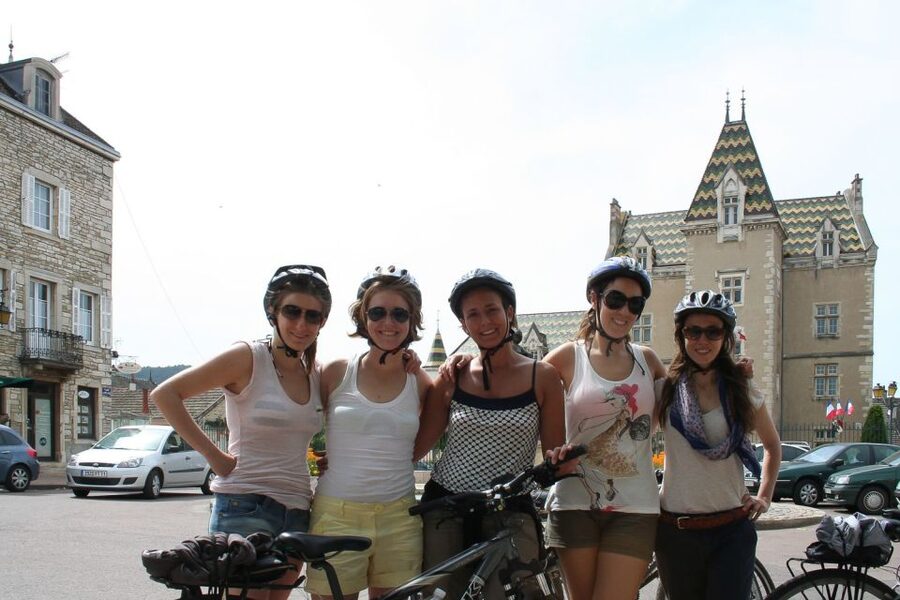
After the morning ride and tastings, lunch arrives at the right time. The tour stops at a small restaurant in a scenic setting among the Beaune hills, with about an hour and a half for a full meal.
The meal is not an afterthought. Several riders singled it out as delicious, hearty, or excellent, and one described a four-course lunch. A substantial meal gives you the energy needed for the afternoon ride, especially if you have been working through the early hills.
Wine ordered with lunch is not included. That is a small but important budget detail in a region where the table wine can be tempting. Bring cash as requested, and keep some room in your budget for a bottle or glass if you want one with the meal.
The dining stop also gives the group time to relax. A bicycle tour can feel rushed if every pause is only ten minutes long. Here, the extended lunch creates a natural break from the saddle and lets the day feel social rather than purely scheduled.
The meal is generally praised, though one rider found it good rather than outstanding. That is a fair expectation. You are paying for a regional restaurant lunch in a carefully planned day, not booking a stand-alone fine dining experience.
Puligny-Montrachet after lunch
After lunch, the route heads downhill toward Puligny-Montrachet. This is a satisfying change after the morning climbs and takes you into one of Burgundy’s most famous wine areas.
The route is particularly strong here because you are not only driving past a celebrated name. You ride into the Grand Cru vineyard area and see the relationship between the village, the parcels, and the surrounding hills. That physical connection makes the later explanations about soil and vines easier to follow.
Puligny-Montrachet is especially important for white Burgundy, although the supplied details do not specify every wine poured during the tasting. Your guide can explain the local wines and how the appellation system works, but the exact bottles may vary.
This downhill stretch is one reason the tour feels accessible despite the early hills. The day is not a constant climb. The route uses the contours of the Côte de Beaune, with effort earlier and easier riding later.
Meursault, Pommard, and the final tasting
The afternoon continues through Meursault, with a short photo stop, then on toward Pommard for another wine tasting of about an hour. These names are familiar to wine drinkers, but seeing the villages and vineyards gives them more meaning than a list on a wine shop shelf.
Meursault provides another scenic pause and a chance to take photographs without stopping for a full visit. Pommard then brings the day back to wine, with time for another tasting and further discussion of Burgundy’s regional distinctions.
The changing stops help prevent the day from becoming repetitive. You see a castle, ride through villages, eat a local meal, visit a cellar, and taste wines in more than one setting. At the same time, wine remains the central theme, so this is not the best choice if you want a broad sightseeing tour with only a little wine.
The final return to Beaune follows an easy downhill route. That makes the last section comfortable, although wind and bike fit can still affect how you feel after several hours outside.
What the guides add to the day
The guide may be the single biggest factor in how much you enjoy this tour. The strongest guide comments center on local background, clear explanations, route management, and safety.
Valentine has been praised for explaining terroir, appellations, and grape growing while keeping the group moving. Theo is described as local to Beaune and the son of a winemaker, with a close connection to the area’s wine culture. Eric, Paul, Cédric, Florian, and Ricky have also been praised for their wine knowledge, friendliness, and care on the roads.
That range of names suggests the exact personality of the day can vary. The common thread is a guide who can translate technical wine language into something you can use. You should finish knowing more than the difference between red and white Burgundy. You should have a clearer idea of why vineyard location, soil, and classification matter.
The guides also monitor the practical side of the ride. Breaks, safety, pace, and lunch timing are part of the job. This matters in a mixed group, where one person may be a keen cyclist and another may be riding mainly for the wine.
Is $250 a fair price?
At $250 per person, this is not a cheap bicycle rental with a tasting added. The price includes a guide, van transfer, helmet, bicycle outing, castle visit, winery visit, wine tastings, and lunch.
I think the value is strongest if you want several experiences combined into one day. Arranging transport to the vineyards, finding a suitable route, booking tastings, organizing a restaurant, and learning the region from a local guide would take time and likely involve separate costs.
The value is weaker if your main goal is to taste prestigious wines in large quantities. Some people found the wine selection uneven, and one rider wanted an additional château tasting. The tour is about access, context, scenery, and variety, not about filling your day with expensive Grand Cru pours.
Remember the extras: wine at lunch and your bike water are not included. Bottles purchased at the winery can be delivered to your hotel or home, which adds practical value for anyone without a car.
Who should book this Burgundy bicycle tour?
I would recommend it to couples, small groups, and solo visitors who want an active day with a strong local focus. It suits you especially well if you like learning as you go, enjoy village roads, and want to connect Burgundy’s wine names with actual places.
It is also a good choice for people staying in Beaune without a car. The van transfer and guided route remove much of the difficulty of reaching the vineyards, while the bicycle provides a closer view than a standard coach excursion.
You should think twice if you dislike hills, have limited cycling experience, or want a slow day with almost no physical effort. The distance is reasonable, but the opening climbs can be demanding. An e-bike is the sensible choice for many riders, especially in uncertain weather or if your group includes different fitness levels.
You should also be comfortable with a full schedule. Seven hours passes quickly because the day combines transport, riding, tastings, lunch, photographs, and a castle. This is not a flexible day for lingering in one village.
Final verdict: a strong choice for active wine lovers
Book this tour if you want Burgundy to feel like a real place rather than a succession of tasting counters. The best parts are the quiet roads, the famous wine villages, the clear explanations of climats and appellations, the castle stop, and the long lunch that keeps the day pleasant.
The main compromises are the price, the occasional tight van ride, variable tasting quality, and the need to handle some hills. Choose an e-bike if possible, bring water, and do not assume the lunch wine is covered.
For an active introduction to the Côte de Beaune from Beaune, this is a well-rounded day with genuine local character. It gives you enough wine to learn, enough cycling to feel connected to the countryside, and enough food and scenery to make the effort worthwhile.
FAQ
How long is the bicycle and wine tour?
The tour lasts seven hours.
How far do you cycle?
The cycling distance is about 24 kilometers, or 16 miles.
Where does the tour start?
There are two listed starting options at Bourgogne Evasion in Beaune. The exact meeting point may vary depending on the option booked.
Is transportation included?
Yes. A van transfer of about 15 minutes is included, along with the guided bicycle portion of the day.
Is lunch included?
Yes. Lunch at a local restaurant is included. Wine ordered with the meal is not included.
Are wine tastings included?
Yes. Wine tastings are included, including stops connected with Saint-Aubin, Château de Chassagne-Montrachet, and Pommard.
What languages does the guide speak?
The live guide service is available in English and French.
What should I bring?
Bring comfortable clothes, comfortable shoes, a camera, cash, and a water bottle for the bike ride. A helmet is included.
More Full-Day Plans in Beaune
- Private excursion to Côte de Beaune and Côte de Nuits (full day)
★ 5.0 · 166 reviews - Full-Day Private Tour, 6 Premiers & Grands Crus, The Best of Burgundy
★ 5.0 · 50 reviews - Full Day Private Tour 10 Premiers & Grands Crus, The Best of Burgundy
★ 5.0 · 36 reviews - From Beaune: Full day the most of Burgundy, with lunch
★ 4.5 · 30 reviews
Recently added in Beaune
- Visit of our 15th century cellars★ 5.0 · 57 reviews
- Discovery of the world of Truffles and tasting★ 4.5 · 66 reviews
- Private Wine Tasting Tour – Burgundy Uncorked!!★ 5.0 · 74 reviews
- Visit-Tasting-Sale★ 5.0 · 87 reviews
- From Beaune: Full day the most of Burgundy, with lunch★ 4.5 · 30 reviews
- Private Guided Sidecar Tour in Burgundy from Meursault★ 5.0 · 31 reviews
- Private excursion to Côte de Beaune and Côte de Nuits (full day)★ 5.0 · 166 reviews
- Full Day Private Tour 10 Premiers & Grands Crus, The Best of Burgundy★ 5.0 · 36 reviews
Wine Tours, compared.
Montmartre Hill French Gourmet Food and Wine Tasting Walking Tour
Read our review →
Loire Valley Castles Day Trip With Wine Tasting
Read our review →
Afternoon Saint-Emilion Wine Tasting & snack
Read our review →
Medoc or Saint Emilion Wine Tasting and Chateau from Bordeaux
Read our review →
Saint Emilion Day Trip with Sightseeing Tour & Wine Tastings from Bordeaux
Read our review →
Saint-Émilion: Grand Cru Classé Winery Visit and Tasting
Read our review →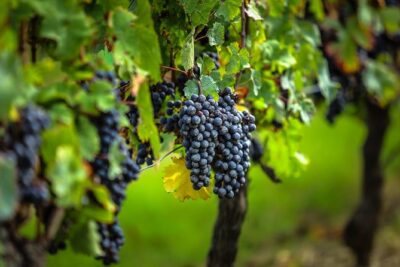
Saint Emilion Half-Day Trip with Wine Tasting & Winery Visit from Bordeaux
Read our review →Browse the lists this tour appears in