
REVIEW · WINE TOURS
Chateauneuf du Pape wine tour
Wine country rewards a slow day. This small-group Châteauneuf-du-Pape tour gives you a clear look at the famous appellation, from stony vineyard soil to family cellars, without making you organize several winery visits yourself. You ride in an air-conditioned vehicle, taste at several very different places, and return to Avignon after about seven hours.
I especially like the maximum group size of eight, which keeps the tastings personal, and the range of stops, including a chateau, family estate, winery, and old cellar in the village. The main drawback is simple: lunch is not included, and the guide does not sit with you during the break. At $211.63 per person, this is a serious wine purchase, though the number of tastings and the ease of the day make the cost fair for committed wine lovers.
In This Review
- Key points at a glance
- Why Châteauneuf-du-Pape makes a good wine day
- The 9:30 am departure from Avignon
- First stop: vines, stones, and terroir
- A chateau tasting that adds ceremony
- A family estate and the human side of wine
- Lunch with Provençal food and open views
- A winery visit focused on production
- The old cellar in the village
- How much value do you get for $211.63?
- Who should book this day?
- Should you book the Châteauneuf-du-Pape wine tour?
- FAQ
- Where does the tour start and finish?
- How long does the Châteauneuf-du-Pape tour last?
- Is lunch included in the tour price?
- How many people can join the tour?
- What is included in the price?
- Can I cancel for a full refund?
Key points at a glance
- Four tasting settings: Visit a chateau, a family-owned estate, a Châteauneuf-du-Pape winery, and an old village cellar.
- A useful introduction to terroir: Begin among the vines with an explanation of soil, climate, and grape varieties.
- Small group, short drives: With no more than eight people, the day feels more personal and spends less time on the road.
- A Provençal lunch break: Eat separately at a traditional restaurant, with dishes and views that add a welcome pause between tastings.
- A wide range of wines: Past tours have included around 17 wines, mainly reds with some whites.
- Simple wine buying: The final shop can bring together bottles from the day and arrange shipping, so you do not need to carry wine around all afternoon.
Why Châteauneuf-du-Pape makes a good wine day
Châteauneuf-du-Pape is not just a famous name on a bottle. The tour starts with the physical setting that gives the appellation its character. You stop in the vineyard for about 30 minutes and hear about the soil, weather, and permitted grape varieties before moving into the cellars.
That order matters. Instead of tasting first and receiving a pile of technical terms afterward, you get a basic framework at the beginning. You can then listen for differences as the day moves from one producer to another.
The tastings also show that Châteauneuf-du-Pape is not one single style. The tour visits producers with different methods and identities, so you can compare how families and estates handle their grapes and wine. That makes the day more useful than a single winery visit, especially if you want to buy a few bottles later.
You do not need to be a serious wine expert. Guides such as Max, Romain, Wilhelm, Coralie, and Clemence have been praised for making complicated subjects easy to follow. Romain, who is a trained sommelier, is especially good at explaining how soil, weather, grape choice, and winemaking affect the final wine.
More Wine Tours in Avignon
- From Avignon: Châteauneuf du Pape Half-Day Wine Tour
★ 4.7 · 365 reviews - From Avignon: Half-Day Great Vineyards Tour
★ 4.7 · 321 reviews - Afternoon Wine Tour to Chateauneuf du Pape from Avignon
★ 4.5 · 176 reviews
The 9:30 am departure from Avignon
The meeting point is 10 Rue de Mons in Avignon, and the tour begins at 9:30 am. You return to the same place at the end of the day, which is handy if Avignon is your base and you do not want to manage a one-way transfer.
The pickup point is near public transportation, but parking in central Avignon can take time. If you are arriving by car, allow extra time to find a space and walk to the meeting point. One practical tip is to have WhatsApp active and your phone ready, since connecting with the guide can be harder than expected when several vehicles and visitors are nearby.
Once you meet the guide, the air-conditioned vehicle takes over. The drives within the wine area are relatively short, so the day has more tasting and conversation than highway time. With a limit of eight people, you also avoid the slow loading and unloading that can plague large coach tours.
The exact guide may vary. Max is described as warm and animated, while Wilhelm brings strong knowledge of the area and its wine traditions. Coralie has been praised for setting a relaxed pace, and Romain is a good fit if you enjoy detailed wine instruction. The common thread is a personal approach rather than a scripted bus commentary.
First stop: vines, stones, and terroir
The opening vineyard stop lasts about 30 minutes and is free to enter. It is a short visit, but it gives the day a useful starting point.
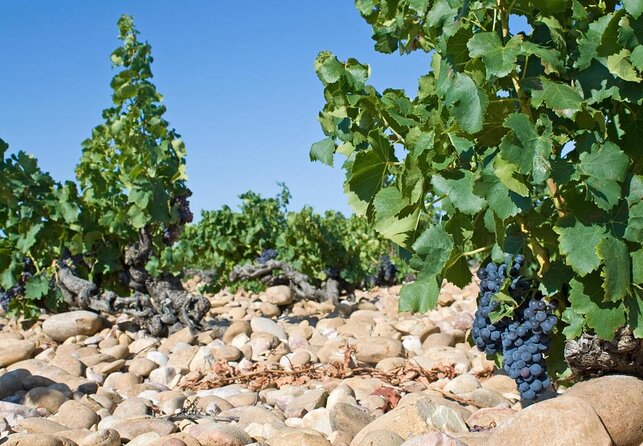
Here you are introduced to Châteauneuf-du-Pape terroir, including the soil, climate, and grape varieties. You might already know the region for its large rounded stones, but the point is not just to photograph them. The guide connects what you see in the field with what appears in the glass.
This stop is also a good moment to ask basic questions. If terms such as acidity, structure, blend, or finish make wine descriptions sound like a foreign language, ask early. The small group makes questions easier, and later tastings should make more sense because you have seen the place where the process begins.
Do not expect a long vineyard walk. Thirty minutes is enough for an introduction, not a full agricultural tour. That is a fair trade on a day with several cellar visits, but anyone hoping to spend hours walking among vines may find this part brief.
A chateau tasting that adds ceremony
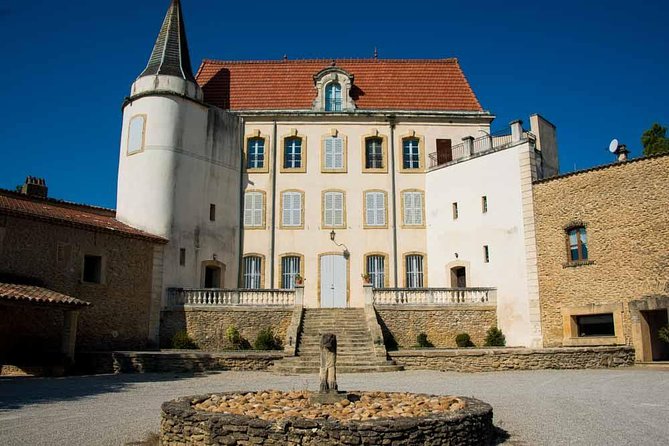
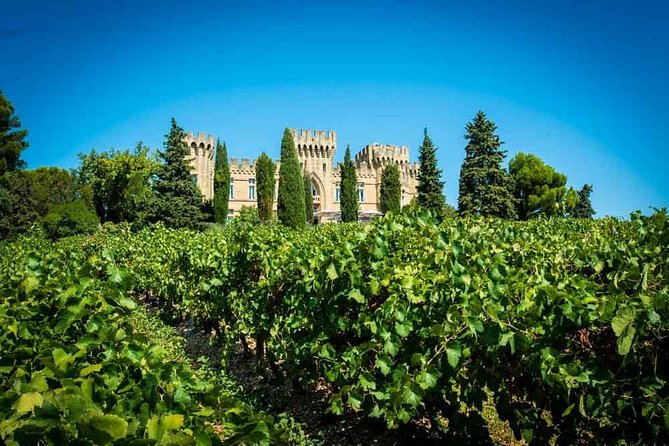
The next stop is a private visit to a chateau, followed by a tasting, for about an hour and a half. This is one of the longer visits, giving you time to look around, hear the producer’s story, and taste without being rushed.
The chateau setting adds a sense of place that a retail tasting room cannot match. You are not simply sampling a well-known label at a counter. You are seeing how the wine fits into a property, a family, or a long-running estate.
The value here comes from comparison. You have just discussed the vines, and now you can begin testing the connection between site and wine. Pay attention to what changes from one glass to the next. The guide can help you separate genuine differences from the effects of temperature, age, grape blend, or your own palate.
The tasting is private, but the supplied details do not promise a fixed number of bottles or a particular vintage. That is worth remembering. Wine selections can change, so approach the visit as a lesson in the producer’s current range rather than a guarantee of one famous bottle.
More Avignon wine tastings:
- From Avignon: Wine Tour with Visit to Châteauneuf du Pape
★ 4.8 · 94 reviews - Avignon: Full-Day Wine Tour around Châteauneuf-du-Pape
★ 4.9 · 83 reviews - Morning Wine Tour to Chateauneuf du Pape from Avignon
★ 4.5 · 70 reviews - Half Day Great Vineyard Tour from Avignon
★ 4.5 · 57 reviews
A family estate and the human side of wine
The third stop is a private visit to a family-owned estate, lasting about one hour. After the more formal chateau setting, this stop provides a different view of production.
Family estates can make the region feel less like a collection of luxury labels and more like a working wine community. You get a chance to hear about decisions made from one harvest to the next and to see how a smaller producer presents its wines.
The visit includes another tasting. I would use this stop to compare the family estate directly with the chateau. Ask which grapes are used, how the wines are aged, and what the producer wants you to notice. Even if the technical answer varies, the questions will sharpen your palate.
The tour is designed around contrast. It does not send you to four identical tasting rooms. Instead, the different settings help you understand why bottles from the same appellation can taste and feel so different.
Lunch with Provençal food and open views
Lunch lasts about an hour and a half at a traditional restaurant. The setting may be Provençal, Mediterranean, or bistro-style, and past arrangements have included a terrace with views over the vineyards and surrounding countryside.
This is a welcome pause. Several tastings in one morning can be tiring, even when the wine is excellent. A proper meal gives you time to reset before the final cellar visits.
Lunch is not included in the $211.63 price. One reported arrangement cost €28 for two courses or €35 for three courses, but the exact restaurant and menu can vary. Plan for this extra expense and confirm the ordering system at the table, especially if different people are paying separately.
The guide does not eat with the group during lunch. Some people will appreciate a quiet break and the freedom to choose their own meal. Others may miss having the guide nearby for food and wine suggestions. This is the clearest service limitation in the day, so know it before booking.
The restaurant meal can also add a useful local element. Provençal and Mediterranean food gives you something savory and substantial between tastings, while the view turns lunch into part of the experience rather than a quick stop at a roadside café.
A winery visit focused on production
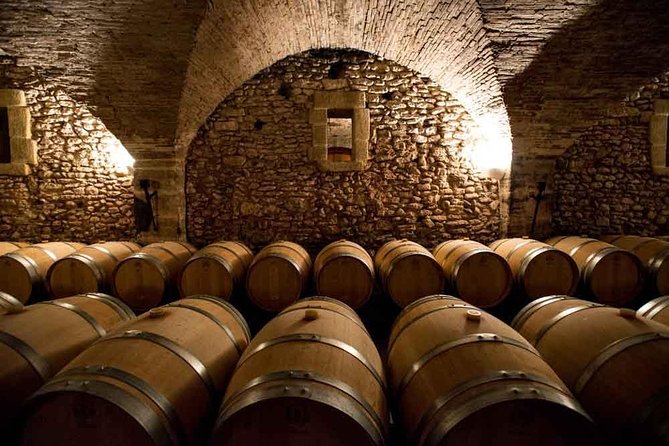
After lunch, you visit another Châteauneuf-du-Pape winery for a private tasting of about one hour. This is the third producer visit and gives you another chance to compare winemaking approaches.
By this point, you have seen vines, a chateau, and a family estate. The winery stop should help pull those pieces together. Listen for how the producer talks about harvest, fermentation, aging, and blending. You do not need to remember every detail. The useful goal is to understand why the bottle in front of you tastes as it does.
The strongest part of this tour is the progression. You are not tasting four unrelated sets of wine. The day keeps returning to the same appellation while changing the people, buildings, and methods around it.
Past tasting selections have included mainly reds with a few whites, and about 17 wines across three wineries and a final cave. That is generous. It also means you should pace yourself and use the spit or rinse options if offered. The provided information does not promise a particular number, so treat 17 as an example, not a fixed schedule.
The old cellar in the village
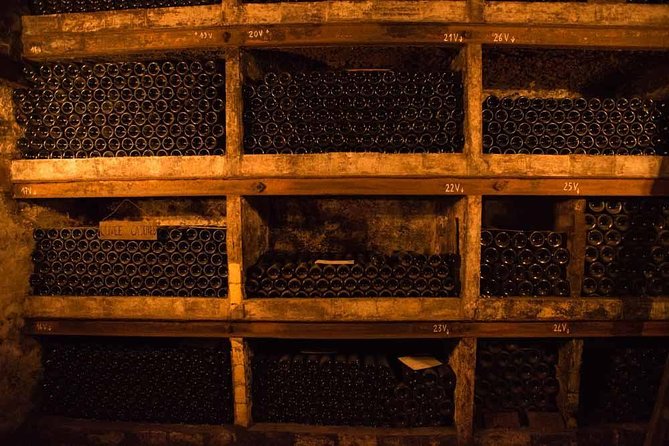
The final stop is a private tasting in an old cellar in the village of Châteauneuf-du-Pape. It lasts about an hour and provides a fitting change of mood after the vineyard and estate visits.
An old cellar gives the day a more intimate finish. You are tasting in the village itself rather than only at outlying properties, and the atmosphere helps connect the wines to the place you have been studying all day.
This final tasting may be at a local wine shop and tasting room associated with the tour. The shop can be especially useful if you want to buy wine from several producers. Instead of carrying bottles from one stop to the next, you may be able to place one combined order and arrange shipping.
That is a practical advantage, not just a pleasant extra. Shipping can reduce the hassle of transporting bottles through the rest of your trip, and one order may be easier than separate purchases at each estate. The supplied details do not state shipping costs or destinations, so ask before committing to an order.
How much value do you get for $211.63?
At $211.63 per person, this is not a budget excursion. The price covers the air-conditioned vehicle, private visits, several tastings, a small group, and roughly seven hours of guiding. Lunch is extra, and you should also budget for wine if you decide to purchase bottles.
For me, the value depends on how much you want from the day. If you only want a single tasting and a scenic drive, the cost is high. If you want several producers, a guide who can explain the region, and someone else to handle the driving and schedule, the price is easier to justify.
The tour also saves you from a common wine-country problem: trying to arrange several appointments while navigating unfamiliar roads. The short travel distances help, but the real convenience is having the visits coordinated in a sensible order.
The small group matters here. A large bus could offer a lower price, but it would likely feel less flexible at tastings and less comfortable for questions. With no more than eight people, the guide can adjust explanations and give the group time to look, taste, and ask.
Who should book this day?
I would recommend this experience to wine lovers staying in Avignon who want a full day in Châteauneuf-du-Pape without renting a car. It also suits couples, honeymooners, and small groups who prefer personal guiding over a large coach outing.
You do not need advanced wine training. The guide can explain the region in plain terms, and the day works for someone with only a passing interest in wine. The range of reds and whites also helps keep the tasting from feeling one-note.
I would think twice if you dislike organized schedules, do not drink much wine, or want the guide to join you for lunch. The tour has six planned stops and a full tasting program, so it is not a casual one-hour outing.
Moderate physical fitness is requested. No difficult hike is described, but you should be comfortable moving between vehicles, vineyards, estates, cellars, and the restaurant over a full day.
Book at least several weeks ahead if possible. The experience is often reserved about 71 days in advance, which suggests that popular dates can fill early. Confirmation arrives within 48 hours, subject to availability.
Should you book the Châteauneuf-du-Pape wine tour?
Book it if you want a serious, well-paced wine day with several points of comparison and a guide who can make the subject approachable. The strongest reasons are the small group, the mix of producers, the generous tastings, and the final shop where shipping may simplify your purchases.
The main cautions are the price and the separate lunch cost. You also need to manage your own lunch while the guide takes a break. For someone focused on Châteauneuf-du-Pape wine, those limits are easy to accept. For a casual sightseer, a less expensive tasting may be enough.
Free cancellation is available up to 24 hours before the 9:30 am start time. Changes or cancellations inside that window are not refundable, and the tour requires a minimum number of participants. If that minimum is not met, you are offered another date or experience, or a full refund.
FAQ
Where does the tour start and finish?
It starts at 10 Rue de Mons, 84000 Avignon, France, at 9:30 am. The activity ends back at the same meeting point.
How long does the Châteauneuf-du-Pape tour last?
The tour lasts approximately seven hours.
Is lunch included in the tour price?
No. Lunch is not included, and you pay for your meal separately. The guide does not eat with the group during the lunch break.
How many people can join the tour?
The tour has a maximum of eight participants.
What is included in the price?
An air-conditioned vehicle is included. The listed vineyard, estate, chateau, winery, and cellar visits include admission and tastings, while lunch is separate.
Can I cancel for a full refund?
Yes. You can cancel at least 24 hours before the experience start time for a full refund. Cancellations or changes made less than 24 hours before the start are not accepted for a refund.
Recently added in Avignon
- Rafting Verdon – “Explor Verdon” – Family Course★ 5.0 · 51 reviews
- Rando Aqua – “Le Pont de Tusset” – Discovery Course★ 5.0 · 92 reviews
- Lavender Route – Small-Group Day Trip from Avignon★ 5.0 · 120 reviews
- Wines from Châteauneuf-du-Pape and surrounding areas in 1/2 day★ 5.0 · 96 reviews
- Châteauneuf du Pape Wine Day Tasting Tour including Lunch from Avignon★ 5.0 · 287 reviews
- Truffle Hunting in Provence★ 5.0 · 55 reviews
- Van Gogh & Carrières de Lumières Half-Day Tour from Avignon★ 4.5 · 29 reviews
- Morning Wine Tour to Chateauneuf du Pape from Avignon★ 4.5 · 70 reviews
Wine Tours, compared.
Montmartre Hill French Gourmet Food and Wine Tasting Walking Tour
Read our review →
Loire Valley Castles Day Trip With Wine Tasting
Read our review →
Afternoon Saint-Emilion Wine Tasting & snack
Read our review →
Medoc or Saint Emilion Wine Tasting and Chateau from Bordeaux
Read our review →
Saint Emilion Day Trip with Sightseeing Tour & Wine Tastings from Bordeaux
Read our review →
Saint-Émilion: Grand Cru Classé Winery Visit and Tasting
Read our review →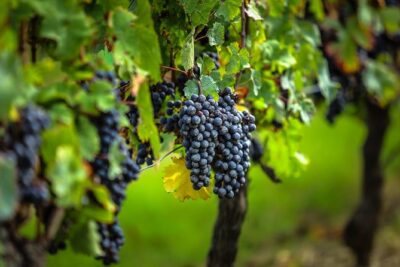
Saint Emilion Half-Day Trip with Wine Tasting & Winery Visit from Bordeaux
Read our review →Browse the lists this tour appears in