
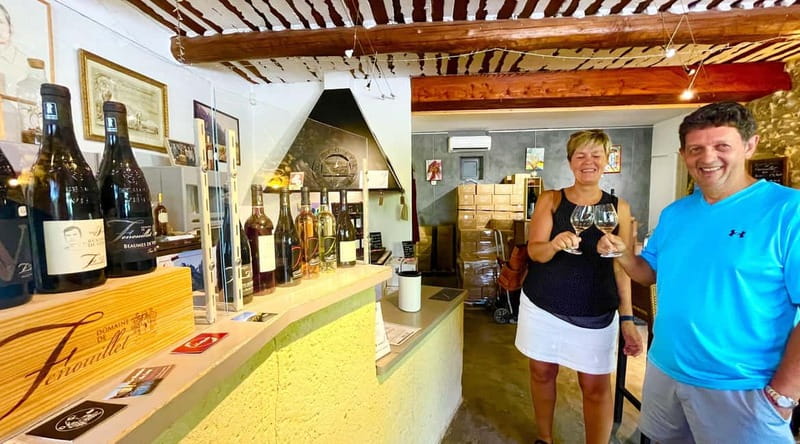
REVIEW · WINE TOURS
From Avignon: Wine Tour with Visit to Châteauneuf du Pape
Great wine, better scenery, and no guessing. This small-group outing from Avignon visits three Southern Rhône wine areas, with at least nine tastings at three wineries. I especially like the maximum of six people, which keeps the day friendly and personal, and the way guide Arnaud explains how wind, altitude, soil, and mountain shelter shape each wine.
I also like the local picnic offered on the morning tour from April through October. It uses produce such as goat cheese, tapenades, eggs, seasonal fruit, and grape juice. The main drawback is the vehicle: a few people found it cramped with a full group, so this is not the best choice if you need lots of legroom or want a large coach.
The tour costs $93 per person, a fair price for transport from Avignon, three winery visits, and at least nine wines. The schedule changes by season, though, and that matters. The warm-season morning outing can last about six hours, while the winter version lasts about three hours and does not include the picnic.
In This Review
- Key details before you book
- Why these three Rhône areas belong together
- Starting at Hôtel Le Bristol in Avignon
- Beaumes de Venise and the sweet-wine surprise
- Gigondas: wind, altitude, and powerful reds
- The picnic under the Gigondas vines
- Châteauneuf-du-Pape, the headline stop
- The guide makes the day work
- Is $93 good value?
- Who should book this wine tour?
- FAQ
- Where does the tour begin and end?
- How many wines will I taste?
- Is the picnic included?
- How long does the tour last?
- What languages does the guide speak?
- Can I bring luggage or a walking frame?
- Should you book it?
Key details before you book
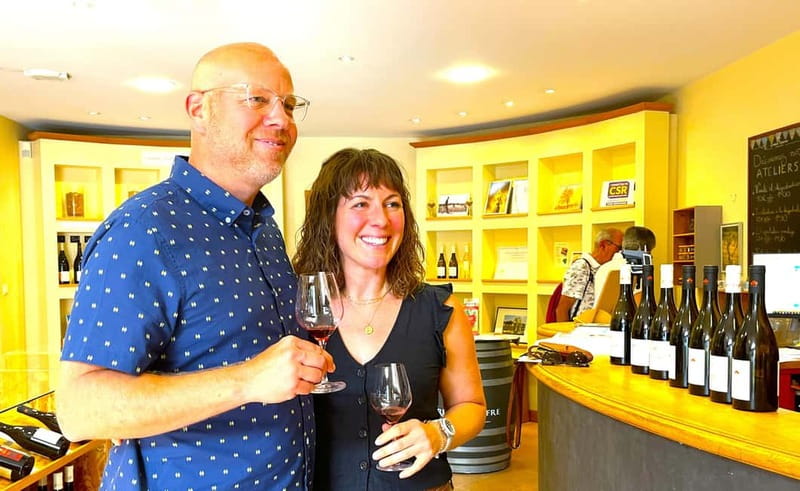
- Three appellations in one day: Taste wines from Beaumes de Venise, Gigondas, and Châteauneuf-du-Pape, each with its own soil, climate, and wine style.
- At least nine wines: You taste a minimum of three wines at each winery, not just one token sample.
- A real local snack: The morning tour from April to October includes regional food sourced from local farms and, in part, from Arnaud’s village and garden.
- A very small group: The car holds no more than six participants, allowing plenty of time for questions and conversation.
- Seasonal schedules: April to October offers the fullest day, November to March uses only two estates and skips the food.
- A strong guide element: Arnaud drives, translates when needed, explains the countryside, and has friendly connections at the wineries.
Why these three Rhône areas belong together
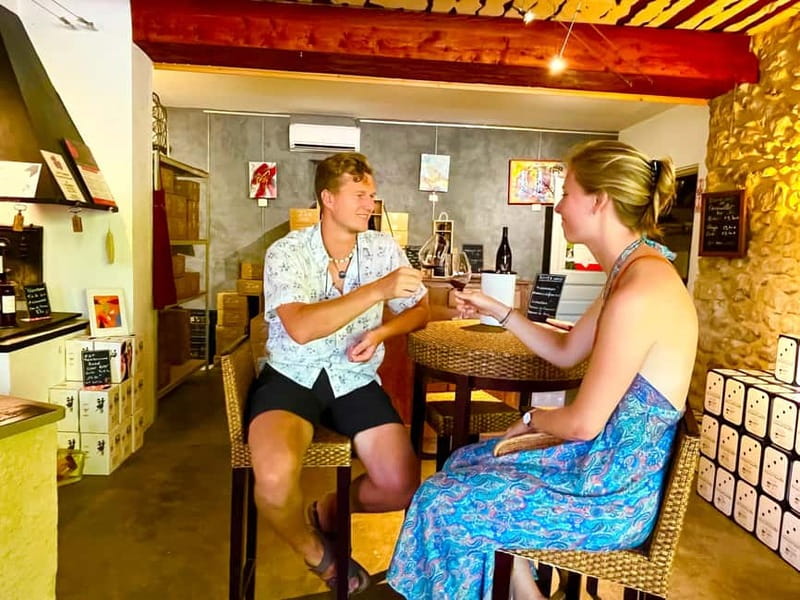
This is not simply a tour of three tasting rooms. The route gives you a quick lesson in how different parts of the Southern Rhône can produce noticeably different wines within a relatively compact area.
Beaumes de Venise sits on the southern side of the Dentelles de Montmirail, three pointed mountain ranges that shelter the vineyards from some of the wind. The area is warmer and less exposed than nearby wine country, which helps explain its fame for Muscat, a naturally sweet wine with an appellation dating to 1943.
Muscat works well as an aperitif, but it is not limited to the start of a meal. It can pair with desserts, blue cheese, or charcuterie. The area also makes red wine under a newer appellation created in 2005. Its soils include limestone, sandstone, sand, and clay, giving the tasting more variety than the sweet-wine reputation alone suggests.
Gigondas lies on the northern side of the Dentelles de Montmirail. Here, the Mistral can blow for around 150 days each year. The wind may be cold, but it pushes away clouds and dries the vines, helping winemakers guard against vineyard disease.
The vineyards also sit higher, from about 100 to 600 meters. Sandy marl is especially associated with Gigondas, alongside clay, sand, limestone, and sandstone. Red wine has been the area’s calling card for decades, while rosé is also permitted. White Gigondas is very new, joining the appellation in 2023.
Then comes Châteauneuf-du-Pape, the best-known name on the route. It was France’s first official appellation in 1936 and is famous around the world. Red wine makes up about 92 percent of production, with white wines accounting for the rest.
The large rounded river stones scattered through Châteauneuf-du-Pape are its most recognizable soil feature. They store heat from the sun and help create powerful, full-bodied wines. Clay, sand, sandstone, and limestone also appear in the area. Good bottles can age for 20 to 30 years, although the wines poured on a tasting visit may be young and intended for immediate evaluation.
More Wine Tours in Avignon
- Chateauneuf du Pape wine tour
★ 5.0 · 484 reviews - From Avignon: Châteauneuf du Pape Half-Day Wine Tour
★ 4.7 · 365 reviews - From Avignon: Half-Day Great Vineyards Tour
★ 4.7 · 321 reviews
Starting at Hôtel Le Bristol in Avignon
The meeting point is in front of Hôtel Le Bristol in Avignon. Look for Arnaud’s black car with Ventourisme written on the sides. If you are staying outside Avignon itself, contact the provider, since another pickup point may be possible.
The car is part of the character of this outing. You are not being moved around in a large bus with dozens of people. Instead, Arnaud provides the driving and commentary as the road leaves Avignon and heads into the vineyards.
That small scale has clear benefits. You can ask about the villages, the vineyards, or a bottle you have just tasted without trying to get the guide’s attention across a crowded coach. Arnaud is also able to adjust the pace when the group has questions. One outing ran longer than expected because the conversation was good and the group wanted to keep learning.
The tradeoff is comfort. A full group of six can feel tight in a small car, and some people specifically preferred having no more than five. Do not bring luggage or a large bag. Oversize luggage and walking frames are not allowed in the car.
Beaumes de Venise and the sweet-wine surprise
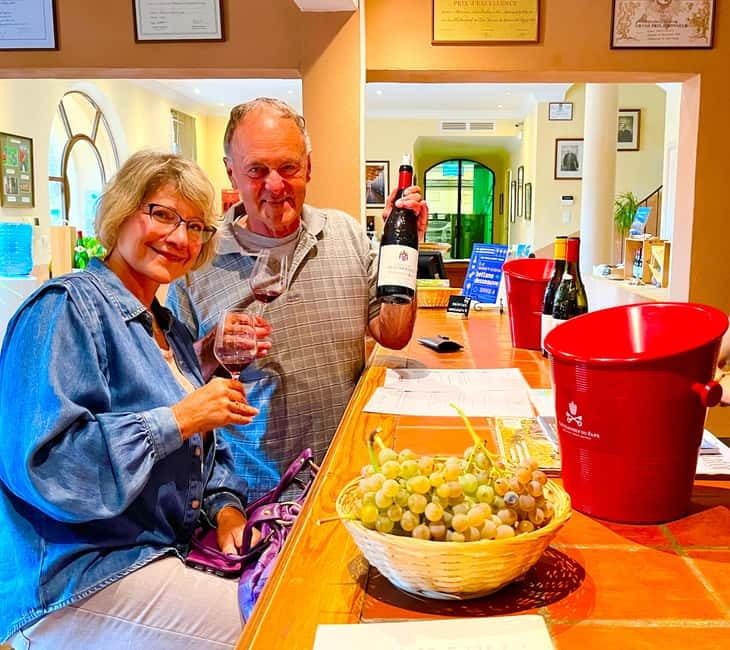
On the warm-season morning route, Beaumes de Venise is the first winery stop. The tasting lasts about 45 minutes, with at least three wines included at the estate.
This is a useful first stop because it challenges the idea that Rhône wine means only big red bottles. Muscat is naturally sweet and can be served before a meal or alongside dessert, cheese, or cured meat. If you normally avoid sweet wine, this is still a worthwhile tasting because it shows a style with a strong local identity.
The surrounding Dentelles de Montmirail also make this one of the prettiest parts of the drive. You see pointed mountain ridges, vineyard rows, and villages set among the vines. Several people especially enjoyed the smaller, family-run estates, where the visit felt more personal than a high-volume tasting room.
You may also encounter red wines from Beaumes de Venise. The appellation is relatively recent, and winemakers can use up to 10 percent white grapes in the blend. The result is a good comparison with the more established reds from Gigondas and Châteauneuf-du-Pape later in the day.
Arnaud’s local connections help here. He knows the people pouring the wines and can provide background on the estates before you arrive. That introduction matters at small wineries, where the visit can feel like a genuine meeting with a producer rather than a retail stop.
Gigondas: wind, altitude, and powerful reds
The Gigondas visit lasts about an hour and usually brings more time for tasting and questions. This is the stop for red-wine fans, though rosé and, increasingly, white wine may also appear.
The physical setting helps make the tasting easier to understand. The northern face of the Dentelles is more exposed to the Mistral, and the vineyards rise well above the valley floor. Arnaud explains these changes during the drive, so you begin to connect the scenery with the wines in your glass.
Gigondas reds are often more structured and forceful than the sweet Muscat from Beaumes de Venise. The sandy marl associated with the area gives you another point of comparison with the river stones of Châteauneuf-du-Pape. You may not prefer every appellation equally, and that is part of the value. The tour is not designed to make you like everything. It gives you several flavor profiles and lets you work out your own preferences.
The estates selected have included smaller family producers with friendly tasting hosts. At one winery, Arnaud even brought the group into the barrel storage area. That kind of access cannot be promised on every departure, but it shows how the small format and local relationships can add something beyond a standard pour at a counter.
More Avignon wine tastings:
- Afternoon Wine Tour to Chateauneuf du Pape from Avignon
★ 4.5 · 176 reviews - Avignon: Full-Day Wine Tour around Châteauneuf-du-Pape
★ 4.9 · 83 reviews - Morning Wine Tour to Chateauneuf du Pape from Avignon
★ 4.5 · 70 reviews - Half Day Great Vineyard Tour from Avignon
★ 4.5 · 57 reviews
The picnic under the Gigondas vines
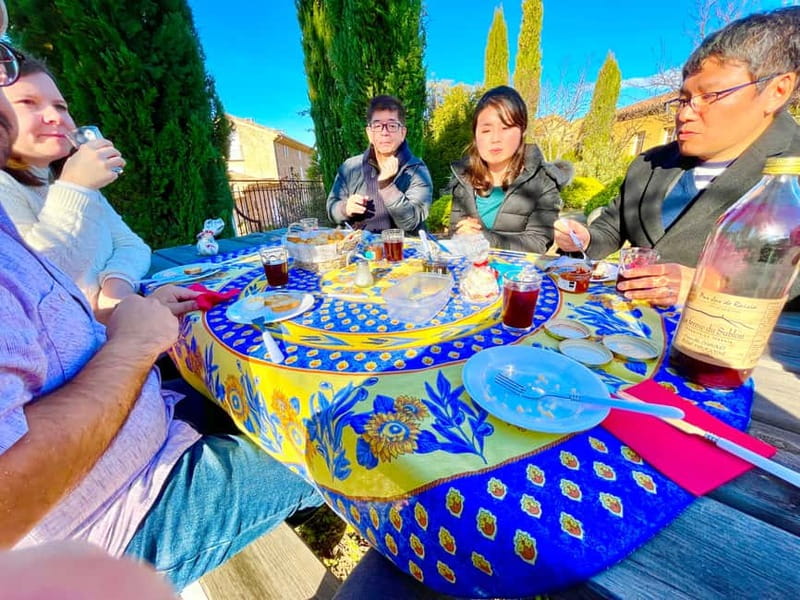
For the morning tour between April and October, the picnic comes after the Gigondas tasting and lasts about an hour. Think of it as a generous regional snack rather than a full restaurant lunch.
The food is one of the most praised parts of the day. Depending on the season, you may receive boiled eggs, bread, black olive tapenade, sweet pepper tapenade, fresh goat cheese, anchovies, seasonal fruit, clementines, and grape juice. Some produce comes from farms near Arnaud’s village, and some may come from his own garden.
That local touch changes the rhythm of the day. Instead of rushing from tasting room to tasting room, you pause outdoors near the vineyards and eat simple food that suits the wines. The grape juice is a particularly nice detail, since it lets you taste the fruit in another form before or after sampling the finished wine.
The picnic is not included on the afternoon tour or on the winter morning tour. If food matters to you, choose the April to October morning departure. It starts at 9:30 a.m. and returns to Avignon at around 3:30 p.m.
Châteauneuf-du-Pape, the headline stop
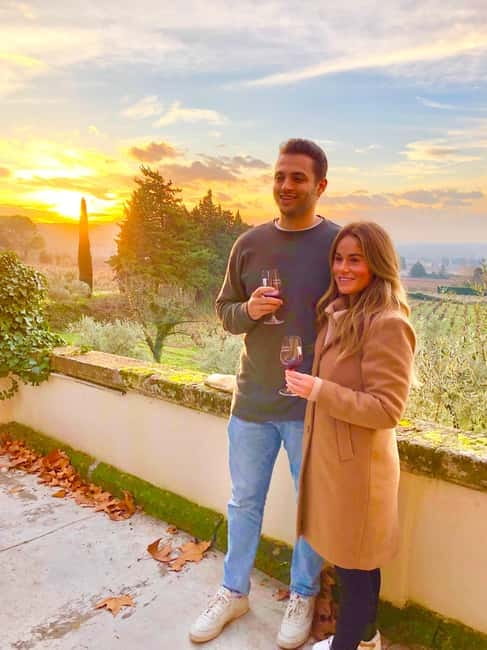
The final winery visit is in Châteauneuf-du-Pape on the morning route. You receive at least three wines here, bringing the total for the day to nine or more.
This is the famous name on the itinerary, and it earns its place. The area’s large river stones, long aging potential, and international reputation give the tasting a sense of occasion. The village and surrounding vineyards also provide some of the best photo opportunities, with vines and mountain views stretching across the countryside.
Do keep your expectations practical. A famous appellation does not mean every bottle poured will be mature or personally appealing. One tasting included young Châteauneuf-du-Pape wines that seemed less impressive than the bottles tasted earlier at Gigondas. That is not necessarily a flaw in the winery. Tastings often show current releases, and young wines can need time before they reveal their full character.
If you are curious about the village itself, Arnaud has sometimes made an informal stop at the Châteauneuf castle when the group showed interest. This is not listed as a guaranteed part of the route, but the guide may add a short look when time and conditions allow.
The afternoon tour visits the same three areas in the opposite direction: Châteauneuf-du-Pape, Gigondas, then Beaumes de Venise. It runs from about 2 p.m. to 6:30 p.m. and does not include food.
The guide makes the day work
Arnaud is the strongest reason to choose this tour. He is described as friendly, patient, and highly informed about both wine and the region. His English is excellent, and he can move between English and French when a mixed-language group needs it.
I like that his explanations do not stop at grape names. He talks about the natural features, the mountain ranges, the Mistral, altitude, soil, microclimates, and the way these affect vine growth and flavor. That turns the drive into part of the lesson instead of dead time between wineries.
He also drives smoothly and safely, an important detail after several tastings. You can sample without worrying about navigating narrow country roads or finding your way back to Avignon.
The small group creates a relaxed mood, but group chemistry still matters. With six people, the car is intimate and conversation comes easily. If you prefer silence and personal space, a private tour or a larger vehicle may suit you better. For most people who enjoy talking about wine, the compact group is a major advantage.
Is $93 good value?
At $93 per person, this is a solid deal for the warm-season morning schedule. You receive transport from Avignon, a guide for roughly six hours, three winery visits, at least nine tastings, and a picnic made with local food.
You also avoid the cost and trouble of arranging a designated driver. Reaching three appellations independently would require careful planning, and the quality of winery access would not be guaranteed. Arnaud’s local relationships are part of what you are paying for.
The value is a little different in winter. From November through March, the morning version lasts about three hours and visits two estates before Châteauneuf-du-Pape, with no picnic. That can still suit a short schedule, but compare the shorter format with the afternoon option before booking.
The tour also offers free cancellation up to 24 hours before departure and a reserve-now, pay-later option. Weather can force cancellation, so keep a little flexibility in your plans.
Who should book this wine tour?
I would choose this for you if you want a broad introduction to Southern Rhône wine rather than a single-estate visit. It suits curious beginners, couples, small groups of friends, and experienced wine drinkers who want to compare three appellations in one outing.
It is especially good for anyone staying in Avignon without a car. You get countryside views, village scenery, and winery visits without having to rent a vehicle or limit your tastings.
The tour is less suitable if you need spacious transport, want a formal sit-down lunch, or are looking for a long technical seminar at one estate. The picnic is casual, the vehicle is compact, and the exact wines poured can vary.
The activity is not suitable for pregnant women or people with heart problems. The car cannot carry luggage, large bags, or walking frames. Weather may also change the plan.
FAQ
Where does the tour begin and end?
The tour begins and ends in front of Hôtel Le Bristol in Avignon. The provider uses a black car marked Ventourisme. If you are staying outside Avignon, contact the provider about a possible alternative pickup point.
How many wines will I taste?
The warm-season tour includes at least three wines at each of three wineries, for a minimum of nine wines in total. The wineries are in Beaumes de Venise, Gigondas, and Châteauneuf-du-Pape.
Is the picnic included?
The picnic is included only on the morning tour from April through October. It uses fresh local products such as eggs, tapenades, goat cheese, seasonal fruit, and grape juice. It is not included on the afternoon tour or on the winter morning tour.
How long does the tour last?
The April to October morning tour runs from 9:30 a.m. to around 3:30 p.m. The afternoon tour runs from about 2 p.m. to 6:30 p.m. The November to March morning tour runs from about 9:30 a.m. to 12:30 p.m.
What languages does the guide speak?
The live guide speaks French and English. Arnaud can also handle groups that include both English-speaking and French-speaking participants.
Can I bring luggage or a walking frame?
No. Oversize luggage, large bags, and walking frames are not allowed in the car. Plan to leave these items at your accommodation before meeting the group.
Should you book it?
Yes, if you want a personal, well-paced introduction to the Southern Rhône from Avignon. The best choice is the April to October morning tour, since it includes all three estates, at least nine wines, and the local picnic.
Choose the afternoon departure if you prefer a shorter outing or want to avoid an early start. Choose the winter morning version only if you are happy with a shorter route and no picnic.
The wines may not all become favorites, and the car can feel tight with six people. Still, the combination of Arnaud’s regional insight, small family wineries, varied appellations, safe transport, and local food makes this one of the better-value wine outings near Avignon.
Recently added in Avignon
- Rafting Verdon – “Explor Verdon” – Family Course★ 5.0 · 51 reviews
- Rando Aqua – “Le Pont de Tusset” – Discovery Course★ 5.0 · 92 reviews
- Lavender Route – Small-Group Day Trip from Avignon★ 5.0 · 120 reviews
- Wines from Châteauneuf-du-Pape and surrounding areas in 1/2 day★ 5.0 · 96 reviews
- Châteauneuf du Pape Wine Day Tasting Tour including Lunch from Avignon★ 5.0 · 287 reviews
- Truffle Hunting in Provence★ 5.0 · 55 reviews
- Van Gogh & Carrières de Lumières Half-Day Tour from Avignon★ 4.5 · 29 reviews
- Morning Wine Tour to Chateauneuf du Pape from Avignon★ 4.5 · 70 reviews
Wine Tours, compared.
Montmartre Hill French Gourmet Food and Wine Tasting Walking Tour
Read our review →
Loire Valley Castles Day Trip With Wine Tasting
Read our review →
Afternoon Saint-Emilion Wine Tasting & snack
Read our review →
Medoc or Saint Emilion Wine Tasting and Chateau from Bordeaux
Read our review →
Saint Emilion Day Trip with Sightseeing Tour & Wine Tastings from Bordeaux
Read our review →
Saint-Émilion: Grand Cru Classé Winery Visit and Tasting
Read our review →
Saint Emilion Half-Day Trip with Wine Tasting & Winery Visit from Bordeaux
Read our review →Browse the lists this tour appears in