
REVIEW · NORMANDY TOURS
Normandy Battlefields Half Day Tour – Canadian World War II Sites
History feels close here. This five-hour tour from Bayeux follows Canada’s role in the Normandy invasion through Juno Beach, the Juno Beach Centre, Bény-sur-Mer Canadian War Cemetery, and Ardenne Abbey. I especially like the small group of no more than eight and the guides’ ability to connect military events with the lives of civilians and individual soldiers.
The Juno Beach Centre gives the tour a clear Canadian focus, while the cemetery provides the quiet, personal moment many people come for. Guides such as Hélène, Gaston, Matthieu, Caroline, Celine, and John have been praised for their warmth, clear explanations, and willingness to answer questions. My main caution is the schedule: one itinerary lists Ardenne Abbey, but a guest reported that time ran short and the stop was skipped.
In This Review
- Key points to know before booking
- Why this Canadian tour is worth your afternoon
- Leaving Bayeux in a small air-conditioned van
- Juno Beach Centre: the clearest Canadian introduction
- Juno Beach and the German defenses
- Bény-sur-Mer Canadian War Cemetery
- Abbey d’Ardenne and the darker side of the campaign
- How the five-hour schedule really works
- The value of a guide versus renting a car
- Who should book this Juno-focused outing?
- Booking, cancellation, and practical details
- Should you book it?
- FAQ
- Where does the Normandy Canadian battlefield tour begin?
- How long does the tour last?
- How many people can join the tour?
- What sites are included?
- Is food included?
- What is the cancellation policy?
Key points to know before booking
- Canadian focus: The route is built around Canada’s part in the Normandy campaign, not a general tour of every D-Day beach.
- Juno Beach Centre included: You get about an hour at Normandy’s museum devoted to Canadian involvement in World War II.
- Small-group format: The air-conditioned minivan holds a maximum of eight people, allowing more room for questions and personal attention.
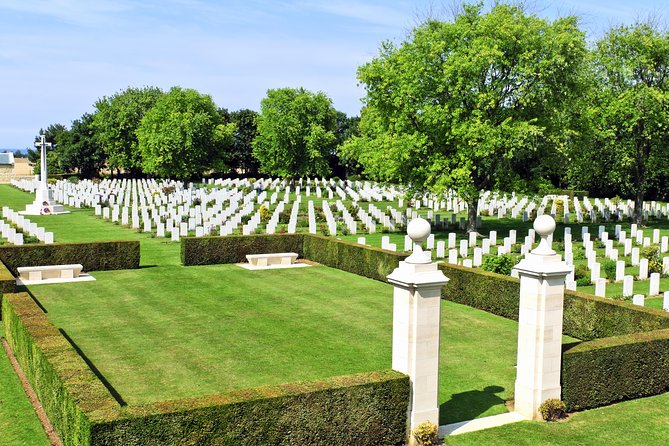
- Moving cemetery visit: Bény-sur-Mer Canadian War Cemetery gives you time to read the headstones and reflect on the cost of the invasion.
- Afternoon departure: Pickup begins at 1:00 p.m. from selected Bayeux hotels or a prearranged meeting point.
- Timing needs attention: The advertised route includes four stops, but the Abbey d’Ardenne visit may depend on the pace of the group and the day’s schedule.
Why this Canadian tour is worth your afternoon
At $109.39 per person, this is not the cheapest way to see the Normandy coast. It is, however, a sensible price if you do not have a car and want a guide to handle the driving between scattered sites.
The key value is focus. Many Normandy excursions concentrate on the American beaches, especially Omaha and Utah. This route gives Canada’s role its proper share of attention. You hear about the events of June 6, 1944, but also about the weeks that followed, the effect on local civilians, and the personal stories behind the casualty figures.
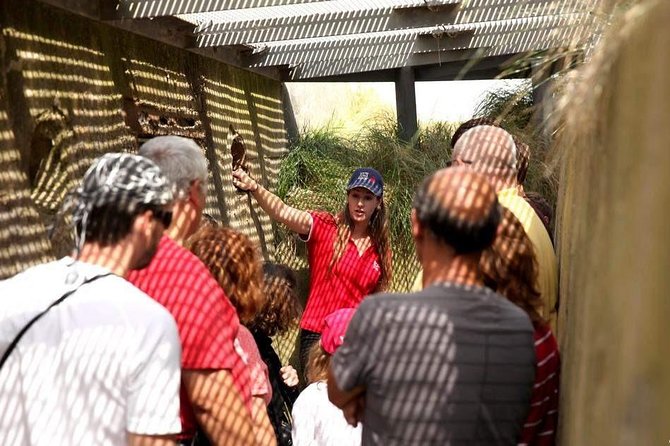
I also like the group size. With only eight places in the van, you are not standing at the back of a large crowd trying to hear a guide. Several guides have been praised for balancing explanations with free time, which matters at solemn places such as the cemetery. You can listen, ask questions, and then walk quietly at your own pace.
The main limitation is that five hours is a tight window. The tour begins at 1:00 p.m. and includes transportation from Bayeux, so the listed one-hour periods at four stops may not always work out evenly. If Ardenne Abbey is especially important to you, confirm before departure that it is included that day.
A few more Bayeux outings to set side by side
- Normandy American D-Day Beaches Full Day Tour from Bayeux
★ 5.0 · 2,103 reviews - Normandy American D-Day Experience – Group tour from Bayeux
★ 5.0 · 1,566 reviews - Normandy Beaches Half-Day Afternoon Trip from Bayeux (A2)
★ 4.5 · 1,116 reviews
Leaving Bayeux in a small air-conditioned van
Pickup is offered from selected hotels in central Bayeux, or you can meet at an arranged location. The tour does not pick up in Paris. That point matters because Bayeux is the practical base for this outing, and you need to plan your connection there separately.
The drive to the Juno Beach Centre takes about 30 minutes. That gives your guide time to explain the setting before you arrive. The road itself is part of the experience, since you are moving from Bayeux toward the coast where Canadian forces came ashore.
The van includes air conditioning, a useful feature during warmer months. The compact vehicle also makes it possible to reach several places in one afternoon without arranging your own route. One guest found the train station meeting point useful when traveling by rail, and another guide returned the group in time for an evening train. Still, you should allow a margin for delays rather than planning a connection too tightly.
Guides have included Hélène, Gaston, Matthieu, Jeremiah, Caroline, Celine, John, Romain, and Sunny. The strongest praise is consistent: guides explain clearly, drive safely, answer questions, and treat the subject with care. Romain even took time to explore whether a guest’s relative had landed on D-Day, showing how the small-group format can make the visit feel personal.
Juno Beach Centre: the clearest Canadian introduction
The Juno Beach Centre is the first major stop and usually receives about an hour. Admission is included, so you do not need to budget an extra ticket at the door.
This museum is devoted to Canadian soldiers and Canada’s part in World War II. It gives the tour a firm starting point before you walk onto the beach itself. Interactive displays and a moving film help explain the invasion in a way that connects dates and troop movements with real people.
I would give the museum your full attention. One guest enjoyed the exhibits but wished for more time inside, which is a fair warning. If you read every display carefully, an hour can pass quickly. The tour’s timetable may require you to choose between studying the museum in detail and leaving time for the outdoor defenses.
The centre is also useful if your school lessons focused mostly on the American and British parts of D-Day. Canada’s contribution can receive less attention in general Normandy storytelling, so this stop corrects that imbalance. You come away with a better sense of why Juno matters and how Canadian forces fit into the wider operation.
Juno Beach and the German defenses
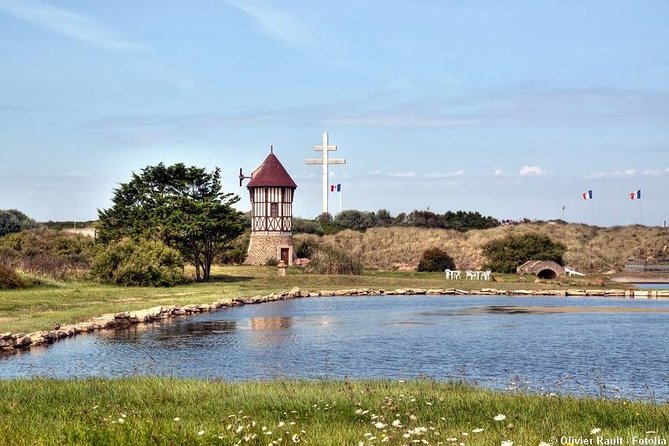
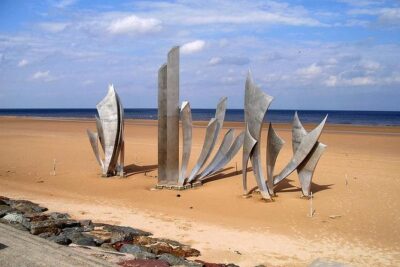
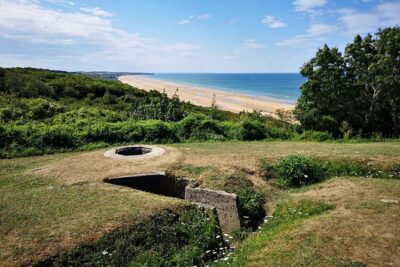
The beach visit gives you a physical sense of the area that a museum cannot provide. You can see German bunkers, beach obstacles, monuments, and Canadian artillery equipment near the Juno Beach Centre.
The coast is open and exposed, with views toward the Atlantic. Take time to look around rather than treating this as a quick photo stop. The monuments and remaining wartime structures help you connect the broad military plan with the difficult ground soldiers faced.
Your guide may use pictures and explanations to show how the beach looked during the attack. The value of this stop comes from combining that spoken account with the actual setting. The sand, concrete defenses, and shoreline are not just background scenery. They help you understand distance, visibility, and the scale of the landing area.
A sunny day can make the coast look peaceful, which creates a sharp contrast with the events being discussed. The guides praised most often handle that contrast well. They keep the mood respectful while still allowing you space to walk and think for yourself.
If you have mobility concerns, ask the operator about the exact walking conditions before booking. The supplied information says most people can participate and service animals are allowed, but it does not give detailed access information for every outdoor area.
Same city, a slower kind of day:
- Omaha and Band Of Brothers Full Day Tour
★ 5.0 · 1,104 reviews - Omaha Beach D-Day Experience – Afternoon group tour from Bayeux
★ 5.0 · 1,088 reviews - Omaha and Utah beaches
★ 5.0 · 1,085 reviews - Normandy Battlefields Tour – American Sites (A3)
★ 5.0 · 876 reviews
Bény-sur-Mer Canadian War Cemetery
The visit to Bény-sur-Mer is likely to be the most emotional part of the afternoon. You get about an hour at the cemetery, where more than 2,000 headstones commemorate British, French, and Canadian soldiers killed during the D-Day attacks.
The scale is hard to absorb from a distance. Reading individual names and dates makes the loss personal. If you know that a parent, grandparent, cousin, or family friend served in Normandy, tell your guide. Several guides have made a point of helping people connect family stories with the places on the route.
This is not a stop to rush. The best guides explain the setting, then allow silence and private reflection. One guest appreciated being given extra time because the visit had strong family meaning. Another described the Canadian graves as especially moving after learning about a relative who had landed at Juno.
The cemetery also provides a broader view of the campaign. The headstones are not only a list of Canadian casualties, and the presence of British and French names reinforces the international and local cost of the invasion.
You do not need to be a military specialist to appreciate this stop. A basic interest in family history or European history is enough. Bring a notebook if you want to record names, dates, or details to research later.
Abbey d’Ardenne and the darker side of the campaign
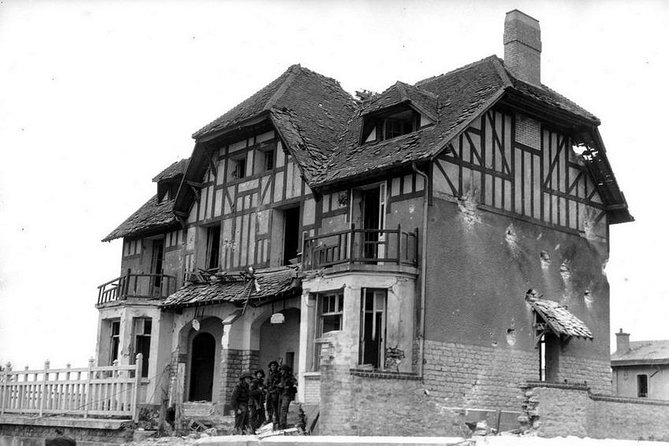
The final listed stop is Abbey d’Ardenne, a 12th-century Norman structure with a grim connection to the war. The tour presents it as a place where you learn about the Canadian massacre that took place there, alongside the abbey’s older architectural story.
That combination makes the site different from Juno Beach. At the beach, you focus on an assault and the physical setting of the landing. At the abbey, the story turns toward captivity, murder, and the treatment of prisoners. The older stone building provides a stark setting for a difficult chapter.
A guided visit is intended to explain both the Norman architecture and the abbey’s wartime history. That mix gives the stop more depth than a quick exterior view. It also reminds you that the Normandy campaign was not only fought on the shoreline.
There is one practical concern. The planned route includes the abbey, but at least one guest reported that there was not enough time to visit it. That may have resulted from the group’s pace, traffic, or the day’s schedule. If this site is a priority, ask at pickup whether the guide expects to include the interior visit and how much time is available.
How the five-hour schedule really works
The stated duration is about five hours, including the drive from Bayeux and the return journey. The itinerary assigns roughly one hour to each of four stops, but transportation and transitions use part of the afternoon.
That means you should think of the tour as a focused overview, not a slow study day. You can see the main Canadian sites without spending the entire day on the road, but you may need to move on before you have examined every display or monument.
Several guides have been praised for managing this balance well. Celine, for example, was noted for detailed explanations, patience with questions, and good control of the schedule. Caroline was praised for allowing adequate time at each stop, while another guide adjusted the timing when the group wanted to stay longer in one place.
The tour begins at 1:00 p.m., so it works well if you spend the morning in Bayeux or arrive earlier in the day. It also leaves the morning free for the town’s other sights. Check the return time carefully if you have a train reservation, especially one requiring a connection.
Food and drinks are not included. Bring water and a snack if you need one, since the five-hour outing may not provide a formal meal break.
The value of a guide versus renting a car
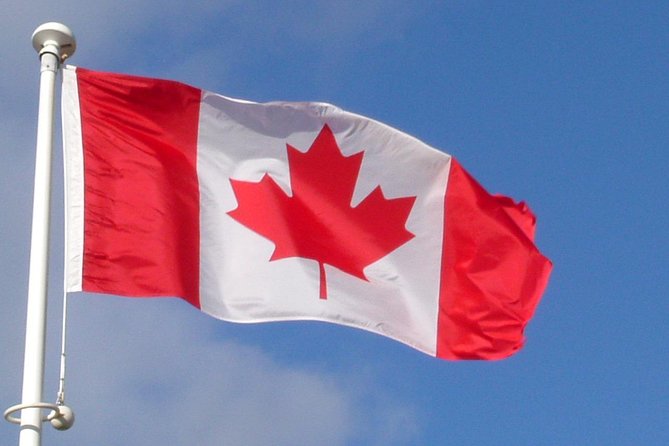
You can reach parts of the Canadian sector independently, but the sites are spread out. A rental car gives you control over timing, while this tour gives you a driver, route planning, and a steady stream of historical explanation.
I see the tour as especially good value for solo visitors, couples, and families who do not want to drive on unfamiliar roads. The price includes transport, the driver-guide, hotel pickup and drop-off from selected Bayeux hotels, and admission to the listed stops. It also removes the need to work out parking and directions between the beach, cemetery, and abbey.
A car may be better if you want to spend half a day inside the Juno Beach Centre or linger at the cemetery. The van schedule cannot offer unlimited time. A private itinerary would also let you add or remove sites, though it would likely cost more.
The maximum of eight people is an important part of the value. You are paying for more than a seat in a vehicle. You are buying access to a guide who can respond to family questions, explain details at the monuments, and adjust slightly when the group needs more time.
Who should book this Juno-focused outing?
I would choose this tour if Canada’s role in D-Day is your main interest. It is also a strong fit if you have Canadian military connections, want to visit a family member’s possible landing area, or prefer a smaller group to a large coach.
It suits first-time Normandy visitors who want a clear introduction without committing to a full day of beaches. The 1:00 p.m. start leaves your morning open, and five hours is long enough to visit the central Canadian sites without making the entire day about military history.
It may not suit you if your priority is a broad tour of American, British, and Canadian beaches. This route gives Canada the attention, so it does not try to cover every major D-Day location.
The subject is also serious. The cemetery and Ardenne Abbey are not casual sightseeing stops. The guides have generally been praised for a respectful tone, but you should expect difficult stories and time for reflection.
Booking, cancellation, and practical details
The tour costs $109.39 per person and is often booked well ahead, with an average booking time of about 78 days before departure. That suggests you should reserve early during busy Normandy travel periods, especially if you need a particular afternoon.
You receive a mobile ticket, and confirmation is normally provided at booking. If you book within one day of departure, confirmation arrives as soon as possible and depends on availability.
You can receive a full refund if you cancel at least six full days before the start time. Cancellations two to six full days ahead receive a 50 percent refund. Less than two full days ahead is nonrefundable. The operator may also cancel if the minimum number of participants is not reached, in which case you are offered another date or experience, or a full refund.
Should you book it?
Book this tour if you want a personal, Canada-centered account of Normandy rather than a broad checklist of beaches. The Juno Beach Centre, the bunkers, the cemetery, and the stories of Canadian sacrifice create a thoughtful half-day route, and the small van makes the experience easier than arranging the sites yourself.
Before paying, confirm the plan for Abbey d’Ardenne and check your return transportation. If you can accept a fairly brisk schedule, the $109.39 price offers good value for guided transport, included admissions, and direct access to the Canadian story. If you need long museum visits or complete control over your timing, rent a car instead.
FAQ
Where does the Normandy Canadian battlefield tour begin?
The tour departs from Bayeux, France, at 1:00 p.m. Pickup is offered from selected Bayeux hotels or from a prearranged meeting point. There is no pickup from Paris.
How long does the tour last?
The experience lasts approximately five hours, including transportation between Bayeux and the Normandy sites.
How many people can join the tour?
The tour has a maximum of eight participants. Transport is provided in an air-conditioned minivan.
What sites are included?
The planned route includes the Juno Beach Centre, Bény-sur-Mer Canadian War Cemetery, Juno Beach, and Abbey d’Ardenne. Admission is included for the listed stops.
Is food included?
No. Food and drinks are not included unless specifically stated. Bring your own water or snack if needed.
What is the cancellation policy?
You receive a full refund when canceling at least six full days before the start time. Cancellation two to six full days ahead receives a 50 percent refund. Cancellations less than two full days before departure are not refunded.
Recently added in Bayeux
- WW2 Jeep or Dodge truck tour of the Omaha Beach site★ 5.0 · 51 reviews
- Normandy Battlefields D-Day Private Trip with VIP Services from Paris★ 5.0 · 240 reviews
- 2- to 6-hour sidecar excursion on the D-Day Landing Beaches★ 5.0 · 131 reviews
- Private vintage sidecar tour of the D-Day Landing Beaches★ 5.0 · 130 reviews
- Private Full day American D-Day Guided Tour in Bayeux★ 5.0 · 133 reviews
- Normandy U.S. D-Day Sites Half Day Tour From Bayeux★ 5.0 · 325 reviews
- Private American landing beaches tour from Bayeux★ 5.0 · 36 reviews
- Private guided Allied D-Day Tour from Bayeux★ 5.0 · 45 reviews
Normandy Tours, compared.
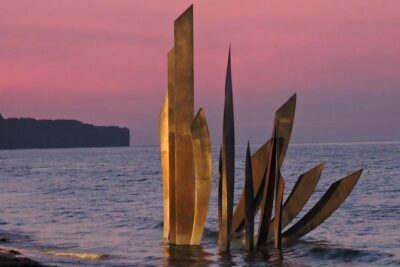
Normandy American D-Day Beaches Full Day Tour from Bayeux
Read our review →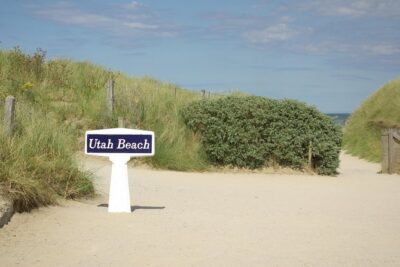
Normandy American D-Day Experience – Group tour from Bayeux
Read our review →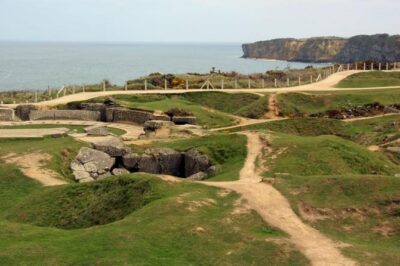
Normandy Beaches Half-Day Afternoon Trip from Bayeux (A2)
Read our review →
Omaha Beach D-Day Experience – Afternoon group tour from Bayeux
Read our review →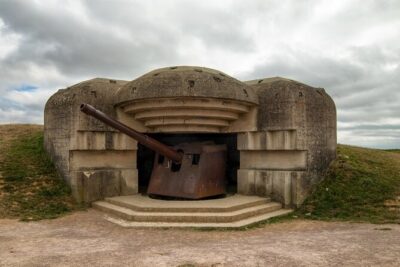
Normandy Battlefields Tour – American Sites (A3)
Read our review →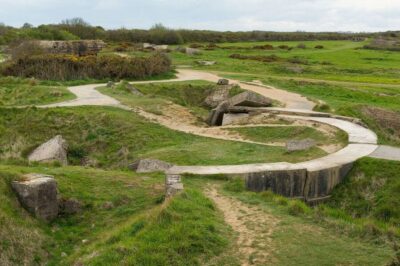
American D-Day Sites in Normandy Half-Day Tour
Read our review →Browse the lists this tour appears in