REVIEW · PARIS TOURS
Paris: French Revolution Tour Relive the 14th July 1789
History feels different at street level. This 90-minute ParisVu walk follows the road from the working-class Faubourg Saint-Antoine district to the Place de la Bastille, using ordinary streets, old buildings, and overlooked corners to explain why the French Revolution began here. I like the route’s focus on local Paris rather than grand monuments, and I like the way the guide connects social hardship to the events of July 14, 1789. The main limitation is its narrow time frame: you learn a great deal about the build-up to the Bastille attack, but less about the Reign of Terror, the Republic, or Napoleon.
You begin near Café les Blouses Blanches and Mon Café, then walk through the Saint-Antoine area before finishing at 28 Place de la Bastille. Robin, a history professor and teaching academic according to several descriptions, receives especially strong praise for clear storytelling, humor, and his ability to make complex events easy to follow.
At $37 per person, the tour offers good value if you want context for Paris beyond the usual monuments. It is best for history fans, curious first-time visitors, and anyone who wants to understand how working people lived before the Bastille fell. Wear comfortable shoes, since the tour is entirely on foot and includes roughly an hour and a half of walking.
In This Review
- Key points at a glance
- Why Saint-Antoine is the right place to start
- Following the hours before the Bastille fell
- La Folie Titon and the local spark
- Le Passage de Lhomme and the clues you might miss
- Reaching Place de la Bastille
- What makes Robin’s guiding effective
- How the route fits into a Paris visit
- Is $37 a fair price?
- Who should take this walk?
- Should you book the Paris French Revolution Tour?
- FAQ
- How long does the Paris French Revolution Tour last?
- What is the price?
- Where does the tour meet?
- Where does the tour finish?
- What places are included on the route?
- Is this a walking tour?
- How many people can join?
- Which languages are available?
- Can I cancel for a refund?
Key points at a glance
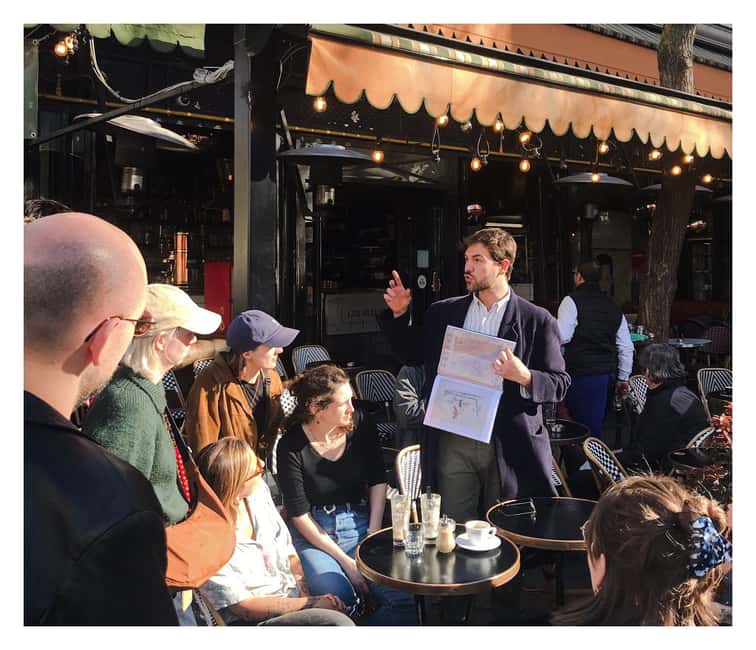
- A street-level story of July 14, 1789: Follow the events through the Saint-Antoine neighborhood where artisans and workers helped fuel the uprising.
- A quieter side of Paris: The route leaves the standard sightseeing circuit and shows you an arrondissement many visitors skip.
- Robin’s teaching style: He uses clear explanations, humor, questions, and historical images to bring the period into focus.
- Small groups: The advertised group size is limited, with figures ranging from 10 participants to a maximum of 12 to 15.
- A 90-minute introduction: You get a focused account of the revolution’s origins and the storming of the Bastille, rather than a full course on every stage of the revolution.
- Flexible booking: You can cancel up to 24 hours ahead for a full refund, and reserve now while paying later.
Why Saint-Antoine is the right place to start
Many Paris history walks begin at a palace, church, or famous square. This one begins in the former artisan quarter of Faubourg Saint-Antoine, which gives the story a different angle from the start.
The district was tied to furniture makers, craftsmen, laborers, and other working people. The tour explains how people lived, what pressures they faced, and why anger grew before the Bastille attack. That social setting matters. Without it, July 14 can sound like a neat sequence of heroic events. Here, you get a clearer sense of how food shortages, inequality, political frustration, and local conditions pushed ordinary people toward action.
I especially like this approach because it puts the revolution where it belongs: among residents of Paris, not only inside royal palaces. The walk also helps you notice how much of the story survives in the shape of the neighborhood. Some traces are obvious. Others are small architectural clues that you would probably pass without a guide.
The route is not simply a lecture about famous names. It links streets and buildings to the people who used them. That makes the subject easier to grasp, especially if your previous knowledge stops at Louis XVI, Marie Antoinette, and the Bastille.
A few more Paris outings to set side by side
- Paris: Louvre Museum Timed-Entrance Ticket
★ 4.6 · 71,977 reviews - Disneyland® Paris 1-Day Ticket
★ 4.6 · 49,412 reviews - Paris: Versailles Palace and Gardens Full Access Ticket
★ 4.6 · 41,579 reviews
Following the hours before the Bastille fell
The central idea is to relive July 14 hour by hour. That gives the walk a strong sense of movement. Instead of receiving a list of dates, you follow the rising tension through the city and see how one decision led to another.
The tour sets the scene before reaching the Bastille itself. You learn about the conditions that shaped the day, the mood in Paris, and the role of the Saint-Antoine area in the uprising. One of the most useful features is the attention to the days leading up to July 14, not just the final assault.
That wider explanation is important. The Bastille was a powerful symbol, but the anger behind its attack had been building for some time. The guide’s job is to show you that connection. The walk also explains how the revolution later developed toward the French Republic and Napoleon, although the main route appears to concentrate on the events surrounding 1789.
If you already know the basic chronology, you will likely appreciate the local detail more than a general overview. If you know very little, the tour gives you a helpful framework for the rest of your Paris visit. One participant wished the tour continued farther into the later revolution, which is a fair point. You should book this as a focused beginning, not as a complete account of the period from 1789 through Napoleon.
La Folie Titon and the local spark
One of the named stops is La Folie Titon, a place linked to the social and political unrest of the period. Here, the tour moves beyond broad national history and shows how events unfolded in the local neighborhoods of eastern Paris.
The appeal of this stop is the connection between a particular place and the conditions of the time. You are not just told that the working class was angry. You are shown where that anger took shape and how the neighborhood’s population and trades affected the course of events.
The exact amount of time spent at each stop can vary, since the tour lasts only 90 minutes and includes several walking sections. That is worth keeping in mind. You will hear a lot in a short period, and some stops function more as story points than long sightseeing visits.
The walk’s strength is its pace. The guide can keep the narrative moving from one location to the next, much as the events themselves moved quickly in July 1789. The trade-off is that you may not linger at every place for photographs or close architectural study.
Le Passage de Lhomme and the clues you might miss
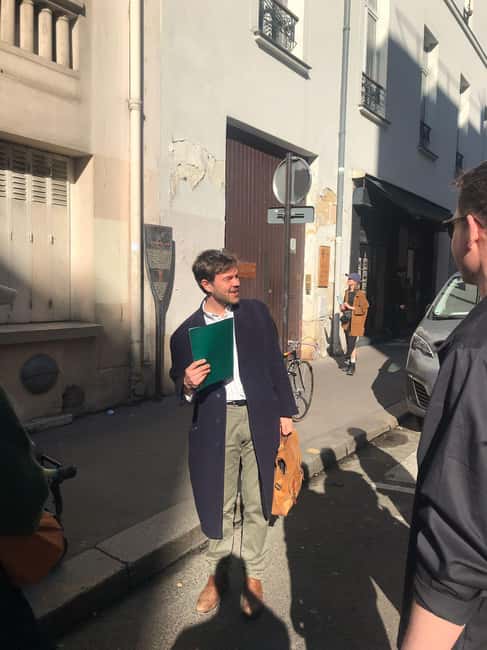
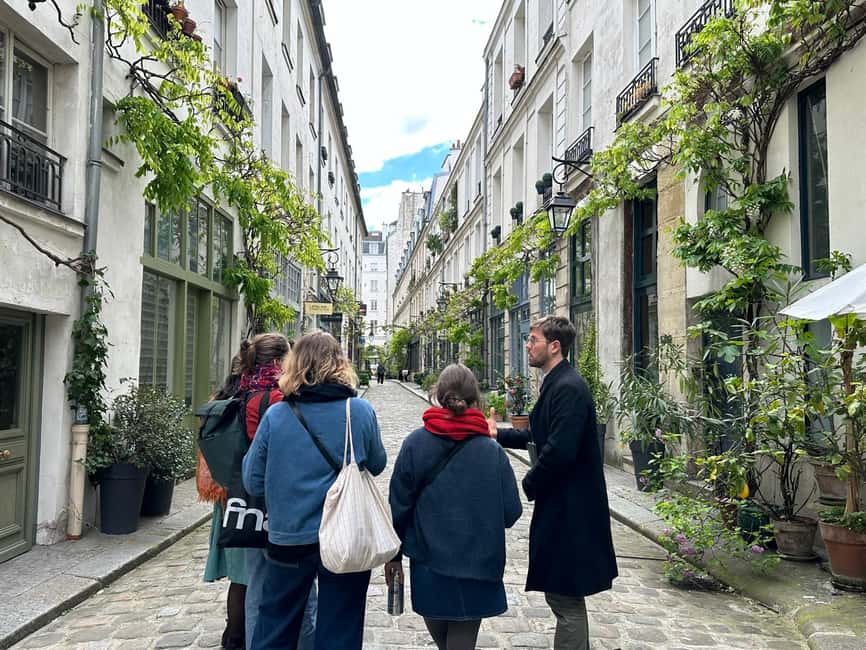
Le Passage de Lhomme adds one of the route’s more intimate settings. This sort of passage is exactly why a walking tour can be more rewarding than reading about the revolution in a museum. You encounter a piece of the city that does not announce its historical importance.
The guide points out features that still reflect the old district and explains what they reveal about Paris in the 18th century. Several descriptions emphasize the value of having someone show you details that are easy to overlook. That is the practical payoff of the tour: you begin to read the streets instead of merely crossing them.
I would not expect a grand monument at every stop. The interest comes from the connection between modest urban spaces and major political change. If you prefer famous sights, this route may seem understated. If you enjoy finding the meaning behind ordinary places, it is one of the strongest parts of the experience.
This is also where a small group helps. With no more than about 10 to 15 people, you should have a better chance of hearing the guide and asking questions than on a large city walk. The exact group cap is presented differently in the tour details, so check the confirmed booking information, but all descriptions point to a compact group.
Same city, a slower kind of day:
- Paris: Evening River Cruise with Music
★ 4.4 · 22,721 reviews - Paris: Eiffel Tower Entry Ticket with Optional Summit Access
★ 4.4 · 20,035 reviews - Paris: Eiffel Tower Summit or Second Floor Access
★ 4.3 · 17,248 reviews - Paris: Louvre Guided Tour with Reserved Access & Boat Cruise
★ 4.3 · 16,353 reviews
Reaching Place de la Bastille
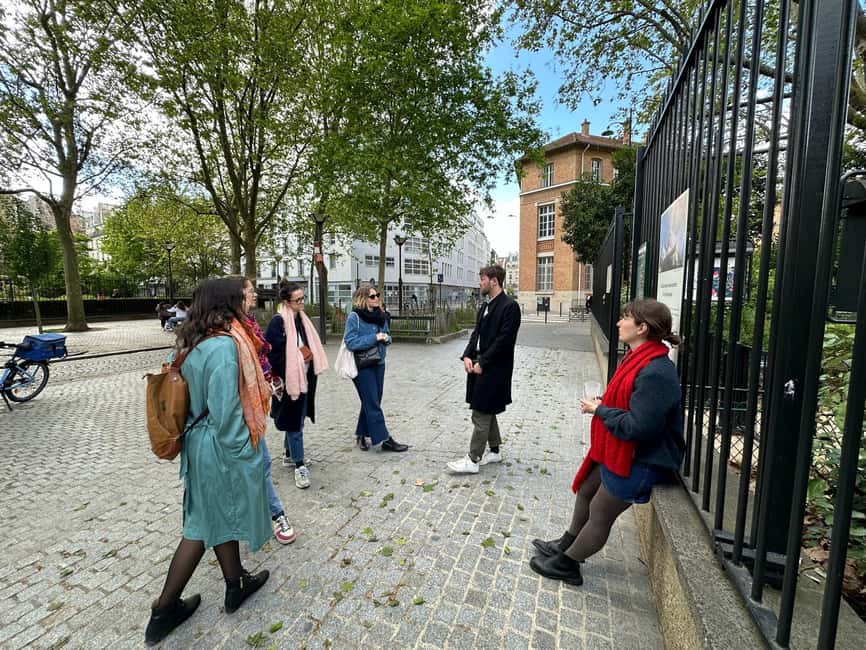
The walk ends at 28 Place de la Bastille, the most familiar name on the route. Reaching the square after learning about the district gives the famous site more meaning than it has on its own.
Today, the Bastille is represented by the broad square and the July Column, not by the medieval fortress that once occupied the site. The tour helps you picture the fortress, understand its symbolic role, and follow the confrontation that made July 14 a national landmark.
The square is a good finishing point because it leaves you with a clear visual anchor. You have started in the neighborhood where workers and artisans lived, then followed the story toward the prison that came to represent royal power. The route makes the connection between local grievances and national upheaval easy to remember.
Do not expect a long visit inside the Bastille. The fortress no longer survives as a standing attraction, and this is a walking history experience rather than a museum tour. The value lies in the explanation of what happened here and why the site still matters.
What makes Robin’s guiding effective
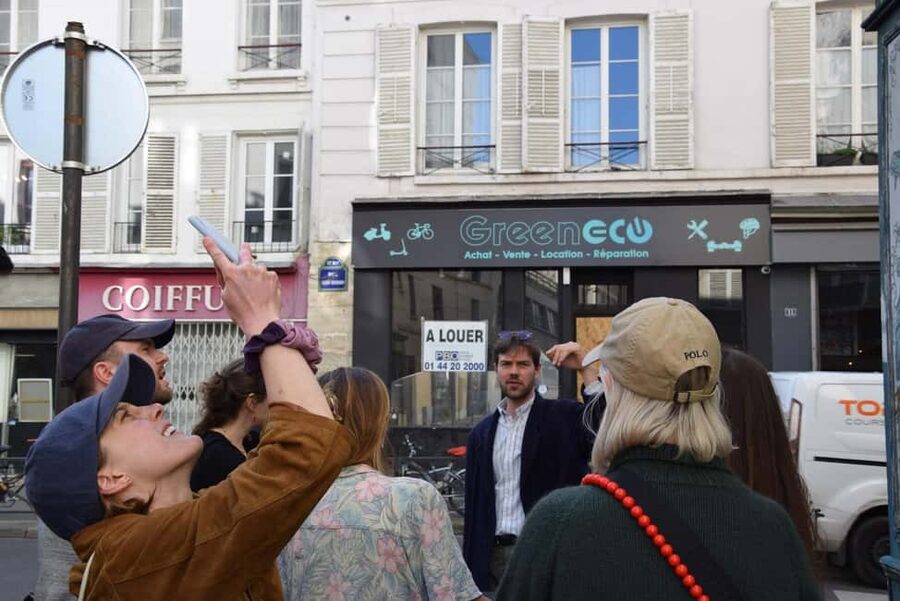
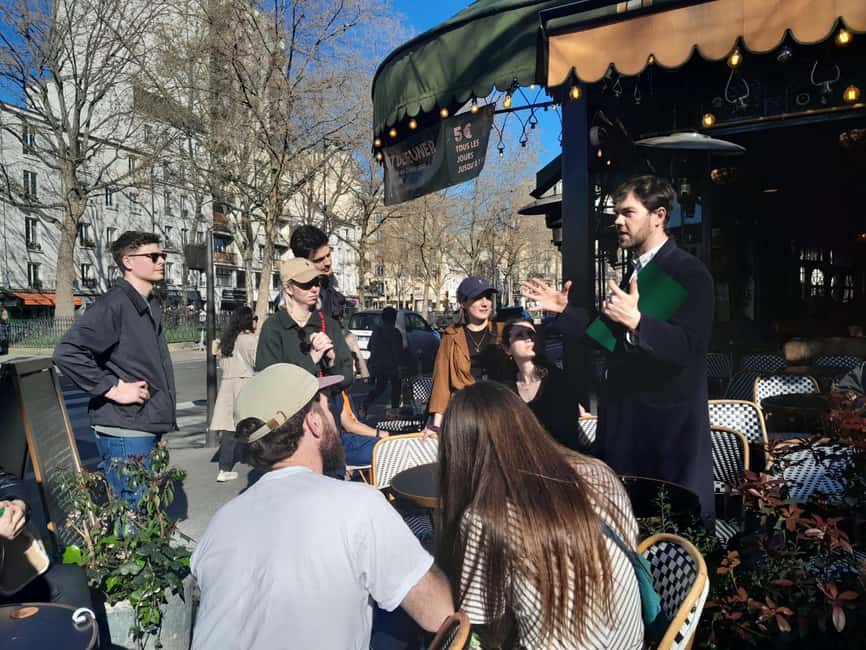
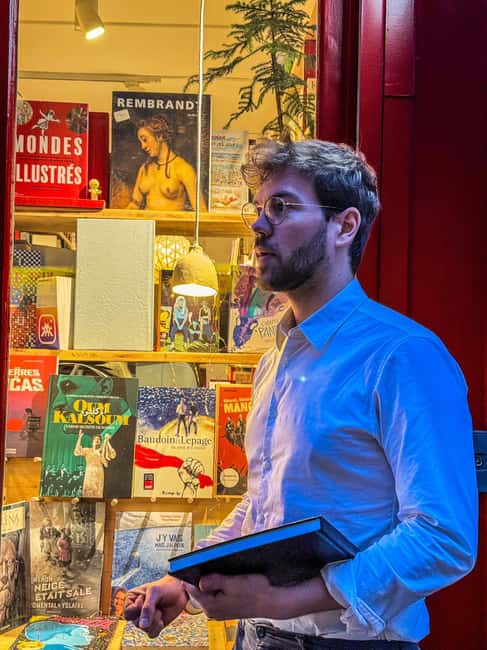
The strongest praise centers on Robin’s teaching. He is described as funny, friendly, accessible, and very well prepared. More importantly, he appears to adjust the explanation to the group instead of delivering a fixed speech.
You can expect questions and interaction rather than 90 minutes of passive listening. Several comments highlight his clear speaking style and his willingness to answer questions. He has also used printed images to help visitors picture what the area looked like in the 18th century.
That visual aid can make a real difference. Much of eastern Paris has changed, and the buildings you see today do not always look like the Paris of 1789. Images help bridge that gap and give the story a physical setting.
Robin’s academic background also shapes the experience. He explains not only what happened, but why it happened. The focus on social conditions, population, trades, and working-class life adds useful context without turning the tour into a university lecture.
Still, your experience can depend on the guide assigned to your departure. Robin is the name most often associated with this tour, but the activity lists English, French, and German guides rather than promising one specific guide for every booking. If meeting Robin is important to you, confirm before reserving.
How the route fits into a Paris visit
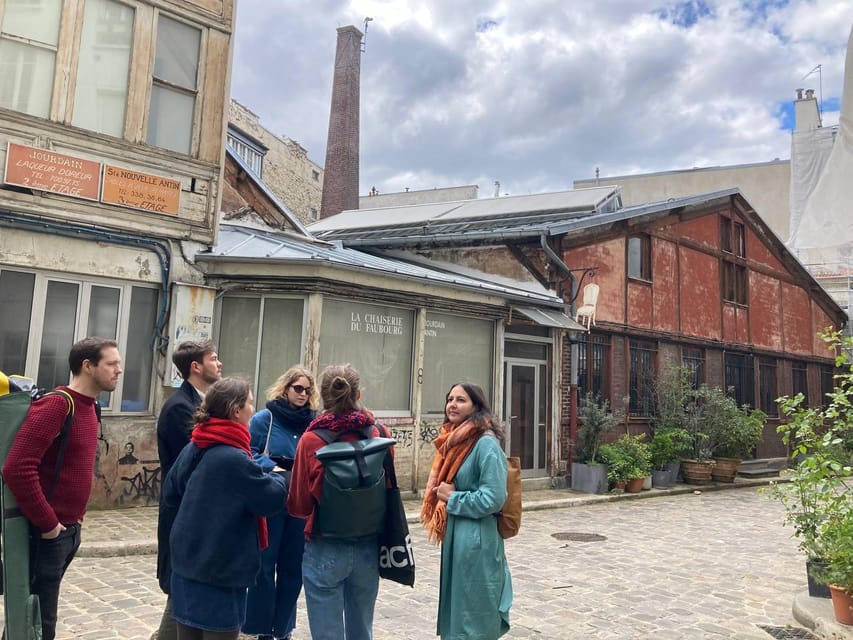
I would take this walk early in a Paris stay. One person specifically wished they had done it sooner because it would have added context to other sightseeing. That is sound advice.
The tour can change the way you see the Bastille area afterward. It may also give you a better grasp of the political background behind buildings and museums elsewhere in Paris. Even if you do not visit every revolutionary site, you will understand the basic forces that shaped the city in 1789.
The route also gives you a break from central Paris’s most crowded attractions. You will see a less familiar arrondissement and learn why it mattered. That makes the tour useful for repeat visitors who have already covered the Eiffel Tower, Louvre, Notre-Dame, and the main boulevard sights.
You should plan for continuous walking. The duration is short, but the experience is not a seated talk. Comfortable footwear will make the route more pleasant, and you should allow a little extra time at the end if you want to explore Place de la Bastille on your own.
The meeting point is between Café les Blouses Blanches and Mon Café. The supplied starting address is 1 Place du Dr Antoine Béclère, while the meeting instructions identify the cafés, so check your booking details carefully before setting out.
Is $37 a fair price?
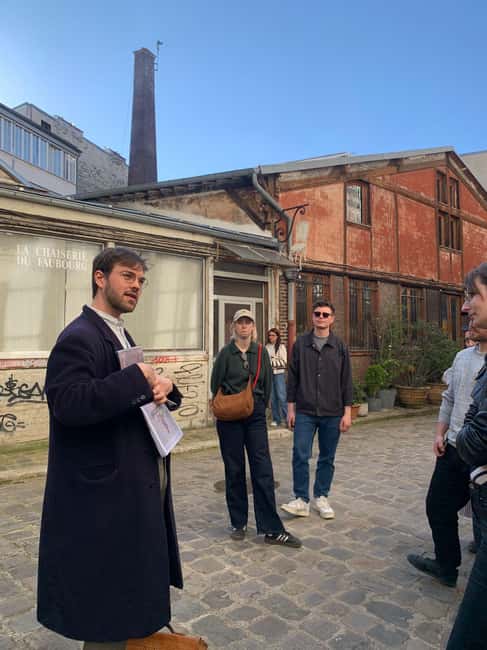
At $37, this is not the cheapest way to hear a few facts about the French Revolution. It is fair value if the guide delivers the detailed local explanation promised by the format.
You are paying for three things: a small group, a carefully planned route, and a guide who can explain the political and social background in real time. The route also takes you into streets you might not otherwise visit, which adds value for repeat visitors and history fans.
The 90-minute length keeps the price reasonable, but it also limits the scope. You will not receive a full account of the revolution, the Reign of Terror, or Napoleon’s rise. If you want all of that, you may need a separate tour or museum visit.
For a first introduction, I consider the price worthwhile. The experience is most valuable when you actively ask questions and pay attention to the neighborhood, not when you treat it as a quick checklist of monuments.
Who should take this walk?
I would recommend it most strongly to:
- History fans who want social and political context, not just dates.
- Repeat visitors to Paris looking for a less familiar neighborhood.
- First-time visitors who want useful background before visiting other historic sites.
- Adults and older children who can follow a detailed story while walking.
- People who enjoy small groups and the chance to ask questions.
- Visitors interested in everyday Paris life, including trades, neighborhoods, and working people.
You may want to skip it if you want a major monument at every stop, dislike walking, or already expect a full account of the entire revolutionary era. The tour is focused and local. That is its appeal, but also its boundary.
The activity is offered in English, French, and German. Cancellation is free up to 24 hours before the start time, and you can reserve while paying later, useful if your Paris schedule is still shifting.
Should you book the Paris French Revolution Tour?
Book it if you want to understand why the Bastille mattered, not merely take a photo in front of its former location. The walk’s best feature is its connection between working-class Saint-Antoine, the pressure behind the uprising, and the events of July 14, 1789.
I would schedule it near the beginning of your stay, especially if you plan to visit other historic parts of Paris. The route may also be a smart choice for a second or third visit, when you want streets with a story rather than another pass through the standard sights.
At $37 for a small, interactive 90-minute walk, it is a strong choice for curious visitors and history fans. Just keep your expectations precise: this is an excellent account of the road to the Bastille, not a complete tour of every stage from the French Revolution through Napoleon.
FAQ
How long does the Paris French Revolution Tour last?
The tour lasts approximately 90 minutes.
What is the price?
The listed price is $37 per person, with no additional fees stated.
Where does the tour meet?
The meeting instructions place the group between Café les Blouses Blanches and Mon Café. The starting address provided is 1 Place du Dr Antoine Béclère, so check your booking confirmation for the exact meeting details.
Where does the tour finish?
The walk finishes at 28 Place de la Bastille.
What places are included on the route?
The route includes Faubourg Saint-Antoine, La Folie Titon, Le Passage de Lhomme, several lesser-known stops, and Place de la Bastille.
Is this a walking tour?
Yes. The experience includes visits and guided walking between the stops, ending at Place de la Bastille.
How many people can join?
The tour is described as a small-group activity. The details give limits ranging from 10 participants to a maximum of 12 to 15, so check the specific departure information when booking.
Which languages are available?
The tour is offered in English, French, and German.
Can I cancel for a refund?
Yes. You can cancel up to 24 hours in advance for a full refund. You can also reserve now and pay later.
Recently added in Paris
- Private Transfers in Paris★ 5.0 · 75 reviews
- CDG – Euro Disney – CDG Two Way Private Shuttle Transfer★ 5.0 · 233 reviews
- Disneyland® Paris 1 Day Ticket with Transport from Paris★ 3.5 · 302 reviews
- Personalized Transport service from Disneyland to Paris★ 5.0 · 63 reviews
- Monet’s Gardens & House-Private Giverny Tour From Paris★ 4.5 · 137 reviews
- Guided tour Monet’s house and gardens/small group★ 4.5 · 68 reviews
- Giverny Monet House and Gardens Skip the line Walking tour★ 4.0 · 217 reviews
- Monet’s House and Garden & Giverny Village★ 4.5 · 39 reviews
Paris Tours, compared.



Versailles Palace and Gardens Full Access Ticket
Read our review →

Eiffel Tower Entry Ticket with Optional Summit Access
Read our review →

Louvre Guided Tour with Reserved Access & Boat Cruise
Read our review →