REVIEW · PARIS TOURS
Paris Gourmet Tour
Come hungry, leave full of Paris. This 150-minute food tour combines the medieval lanes of the Latin Quarter with cheese, wine, bread, pastries, and foie gras, giving you a tasty introduction to everyday French food. I especially like the small group of no more than eight people and the chance to visit a market and specialist food shops rather than simply sit in a restaurant.
The guides are another strong point. Sabine, Gilles, Karen, Akiko, Roberto, and Watanabe have all been praised for their warmth, food knowledge, and ability to add useful Paris tips. The main thing to consider is the walking element: the description promises a neighborhood walk, but one recent participant felt the experience stayed mostly in one market, so the balance between sightseeing and tasting may vary.
In This Review
- Key points to know before booking
- Starting near Boulevard Saint-Germain
- Walking through the medieval Latin Quarter
- The market visit and French shopping culture
- Cheese, from mild textures to stronger flavors
- Bread and pastries beyond the baguette
- Wine and the French way of pairing food
- Foie gras and regional specialties
- The guides make the difference
- What the $165 price means
- Who should book this Latin Quarter tasting?
- Final verdict on the Paris Gourmet Tour
- FAQ
- Where does the Paris Gourmet Tour meet?
- Which Metro station is closest?
- How long does the tour last?
- What foods are included?
- Is wine included?
- How many people can join the tour?
- What languages are available?
- Does the tour require a minimum number of participants?
- Can I cancel for a full refund?
Key points to know before booking
- The Latin Quarter provides the setting: You walk through the medieval part of one of Paris’s best-known neighborhoods, near the Sorbonne and Boulevard Saint-Germain.
- The food is varied: Tastings can include French cheeses, wine, bread, pastries, fruit, meat, and foie gras.
- The group is genuinely small: A maximum of eight people gives the guide room to answer questions and adjust the pace.
- Guides receive the strongest praise: Sabine, Karen, Gilles, Akiko, Roberto, Watanabe, and others have been singled out for their humor, warmth, and local advice.
- The tour is a good first taste of French food culture: You learn how different foods fit together, not just what they taste like.
- The route may be less extensive than expected: One account described staying in a single market for most of the experience, so book this for food first and sightseeing second.
Starting near Boulevard Saint-Germain
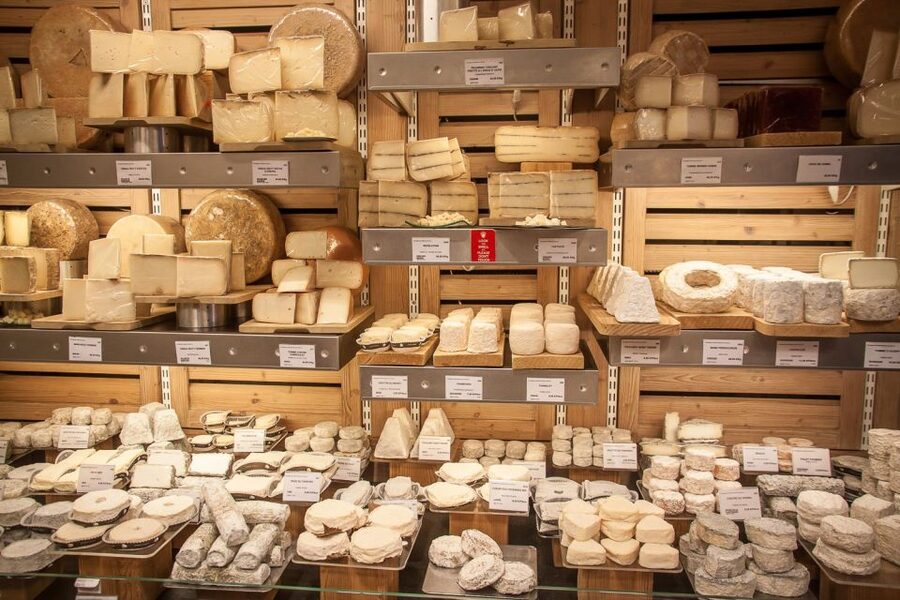
The meeting point is 47 Ter Boulevard Saint-Germain, beside the cheese shop. The nearest Metro station is Maubert Mutualité on line 10, which makes the starting point fairly easy to reach if you are already exploring the Left Bank.
Arrive ready to eat, but do not have a heavy breakfast. The exact quantity of food is not listed, yet the tasting sequence includes enough variety to make this feel like more than a token sample. You may try cheese, bread, pastry, wine, fruit, meat, and foie gras during the morning or afternoon.
The small group matters here. With only eight participants, you are not lost in a crowd at a crowded counter, and you can ask the guide to explain a cheese or recommend a bakery item. Several guides have also helped participants with wider Paris plans, which is useful if this tour comes early in your stay.
There is one operational point to keep in mind. At least two people must be booked for the tour to run. If the minimum is not reached for your selected time, the provider will contact you with alternatives.
A few more Paris outings to set side by side
- Paris: Louvre Museum Timed-Entrance Ticket
★ 4.6 · 71,977 reviews - Disneyland® Paris 1-Day Ticket
★ 4.6 · 49,412 reviews - Paris: Versailles Palace and Gardens Full Access Ticket
★ 4.6 · 41,579 reviews
Walking through the medieval Latin Quarter
The Latin Quarter is more than a backdrop for lunch. It is one of Paris’s oldest and most recognizable neighborhoods, with medieval sections and a long connection to education and intellectual life. The Sorbonne University is located here, and the tour uses that setting to connect food with the character of the Left Bank.
I like this combination because it gives you something to look at between tastings. You are not only moving from one food counter to another. The guide can explain the neighborhood, point out local details, and give context about how Paris developed around universities, markets, shops, and cafés.
The sightseeing portion should not be oversold, though. This is not a dedicated historical walking tour, and the duration is only two and a half hours. One participant expected a longer walk but found that the group remained in one market for most of the visit. If your priority is seeing a broad stretch of the Latin Quarter, a separate neighborhood tour would be a better choice.
For me, the right expectation is simple: you are taking a food walk in the Latin Quarter, with local history added along the way. That is a pleasant format for a first day in Paris, especially if you want orientation without spending half a day inside a museum.
The market visit and French shopping culture
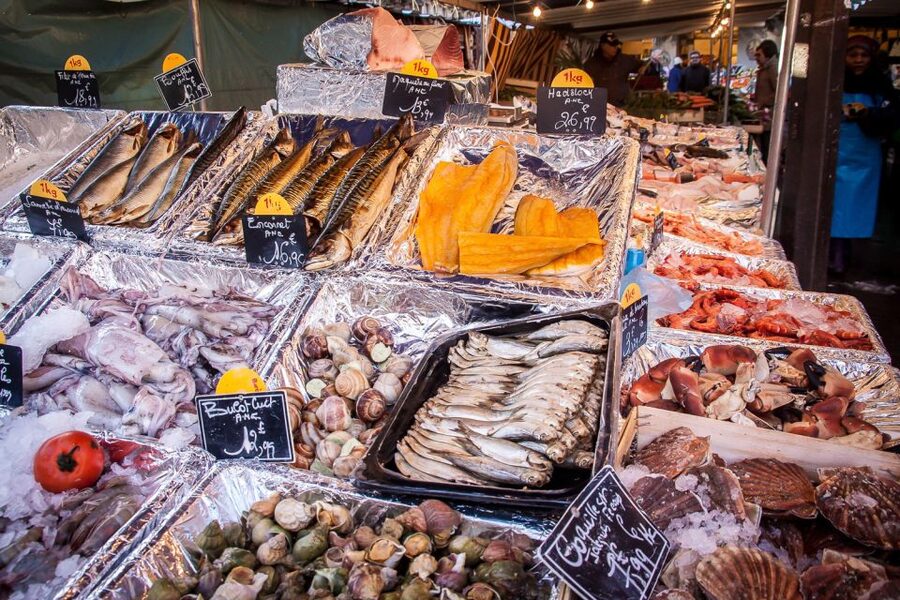
The market is meant to show you the quality and range of French food in one place. Rather than tasting only finished restaurant dishes, you see the ingredients Parisians buy: cheeses, breads, pastries, fruit, meats, and other regional specialties.
That makes the market stop useful for the rest of your trip. A guide can explain what to look for, how to compare products, and which foods are worth taking home or ordering at a restaurant. One long-standing account praised the advice on buying the best produce, which is exactly the sort of small practical lesson that can improve your independent food shopping.
Market visits also have a lively, informal feel, but they can be less predictable than a fixed restaurant tasting. Crowds, shop hours, and the pace of the group may affect how long you spend at each counter. The supplied details do not promise a particular market name or a fixed number of vendors, so you should focus on the food education rather than expecting a checklist of famous stops.
The guide’s role is important here. A good guide turns a row of products into a lesson: why a cheese has a certain texture, how a pastry differs from another, or which regional specialty deserves your attention. Past guides have been praised for making the experience feel personal, almost like a friend showing you a favorite part of the neighborhood.
Cheese, from mild textures to stronger flavors
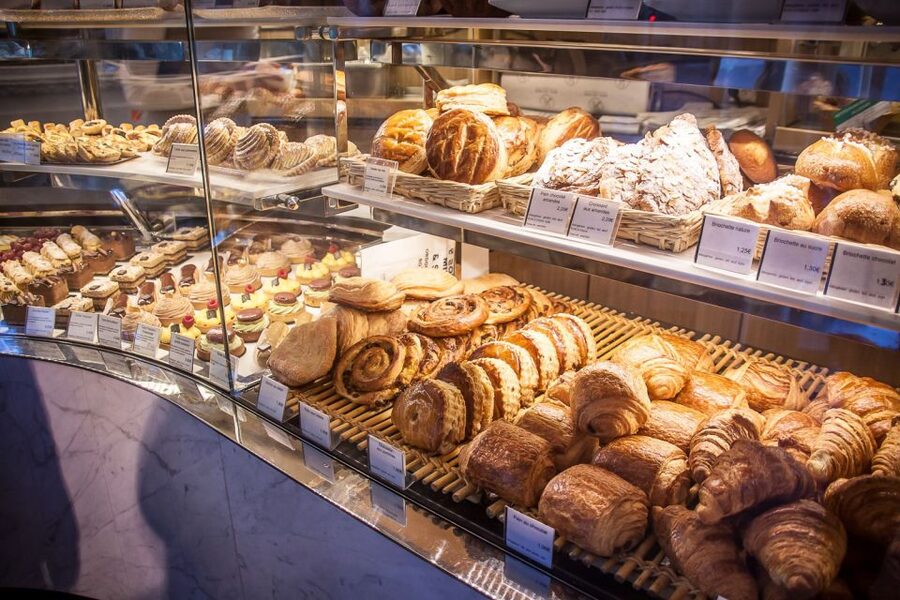
The cheese stop is one of the central parts of the tour. You visit an authentic French cheese shop and taste several varieties, learning how their flavors and textures differ. The samples are paired with wine, bread, and other foods, so you can understand how the pieces work together.
This is more useful than simply being handed a plate of cheese. French cheese can be confusing when you first encounter a large display of unfamiliar names and shapes. A guide can help you notice whether a cheese is creamy, firm, soft, sharp, mild, earthy, or salty, and explain why bread or wine changes the experience.
The tour uses the famous Charles de Gaulle complaint about governing a country with 246 types of cheese as a playful entry point. The exact number is less important than the idea behind it: French cheese is not one single category, and the differences matter.
If you are nervous about strong cheese, the small group format helps. You can ask what you are tasting before trying it, and the guide can explain what to expect. The supplied information does not list the exact cheeses, so anyone with a strict preference or allergy should ask the provider before booking.
Cheese is also a practical souvenir lesson. After the tour, you will have a better sense of what to request at a shop, how much to buy, and which textures you enjoy. That can save you from choosing an impressive-looking piece that does not suit your taste.
Same city, a slower kind of day:
- Paris: Evening River Cruise with Music
★ 4.4 · 22,721 reviews - Paris: Eiffel Tower Entry Ticket with Optional Summit Access
★ 4.4 · 20,035 reviews - Paris: Eiffel Tower Summit or Second Floor Access
★ 4.3 · 17,248 reviews - Paris: Louvre Guided Tour with Reserved Access & Boat Cruise
★ 4.3 · 16,353 reviews
Bread and pastries beyond the baguette
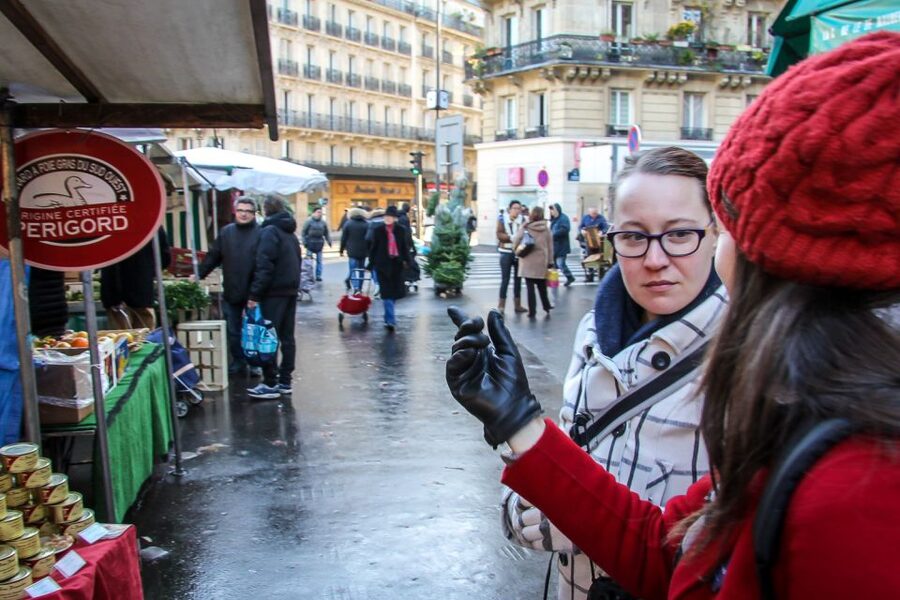
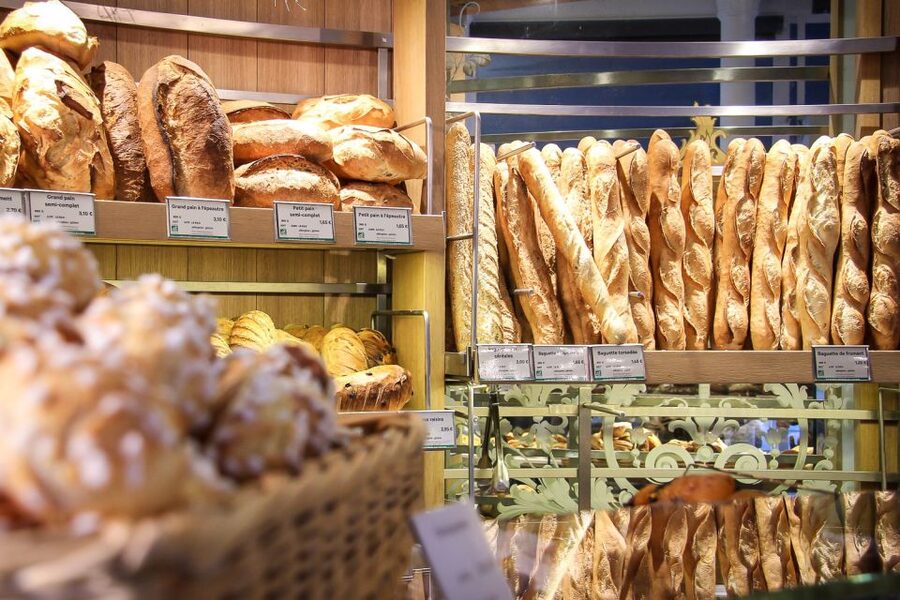
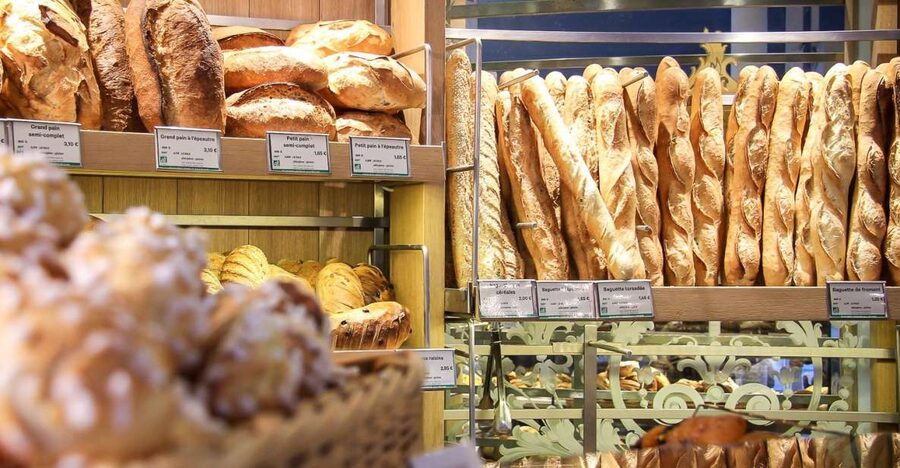
Several bakery stops add a welcome change of texture. The tour includes French breads and pastries, with the baguette and croissant specifically mentioned. One participant called the croissant the best they had during their time in Paris, while another praised the pastries along with the cheese, fruit, and wine.
A bakery tasting may sound ordinary until you compare it with the packaged versions available outside France. Here, the point is to notice the crust, crumb, butter, sweetness, and freshness. The guide can also explain how bread fits into French meals and why a simple baguette deserves more attention than its low price suggests.
You should not expect a full pastry-making class. This is a tasting walk, not a lesson in laminating dough or baking bread. Still, it gives you a useful way to judge pastries for the rest of your visit: look at the texture, smell, balance, and quality rather than choosing only by appearance.
The pastry stop also breaks up the richer foods. After cheese and wine, a flaky croissant or sweet item gives the tasting a different rhythm. Since the experience includes several categories of food, it should appeal to people who want more than a single specialty.
Wine and the French way of pairing food
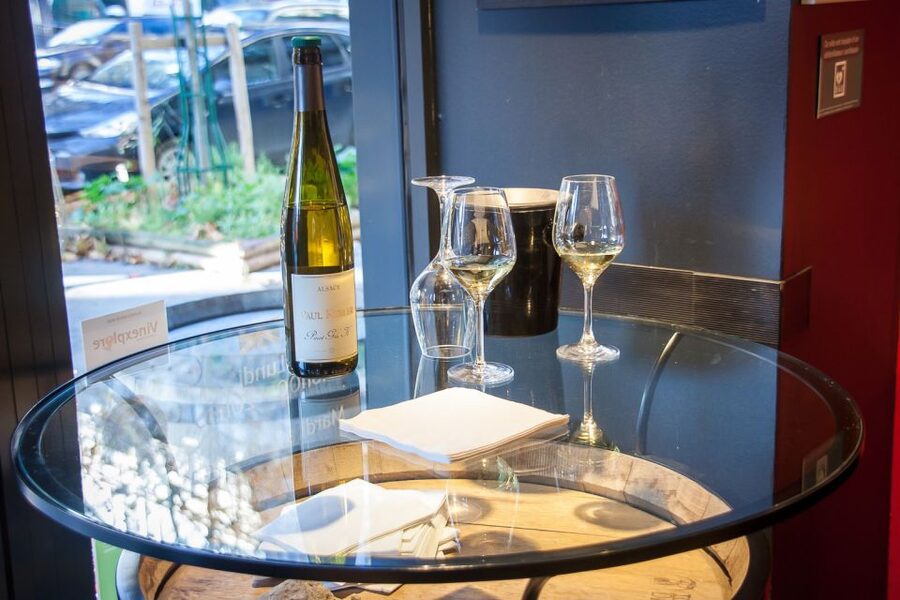
Wine is served with the cheese and forms part of the tasting rather than a separate drinking session. The aim is to show how wine complements different flavors and textures, especially the cheeses and bread.
That pairing is one of the tour’s better features. You learn through comparison. A cheese may taste sharper on its own and softer with wine, while bread can make a strong flavor easier to enjoy. You do not need to be a wine expert to benefit from this. The guide provides the context, and you can focus on what you like.
The exact wines are not specified, and the tour does not advertise a formal wine education course. Think of the wine as part of a French food introduction. If you want a technical tasting with detailed appellation information, this may feel light. If you want to understand how Parisians combine food and drink, it fits well.
Alcohol is included, so this activity may not suit everyone. The data does not specify nonalcoholic alternatives. If that matters to you, contact the provider before reserving.
Foie gras and regional specialties
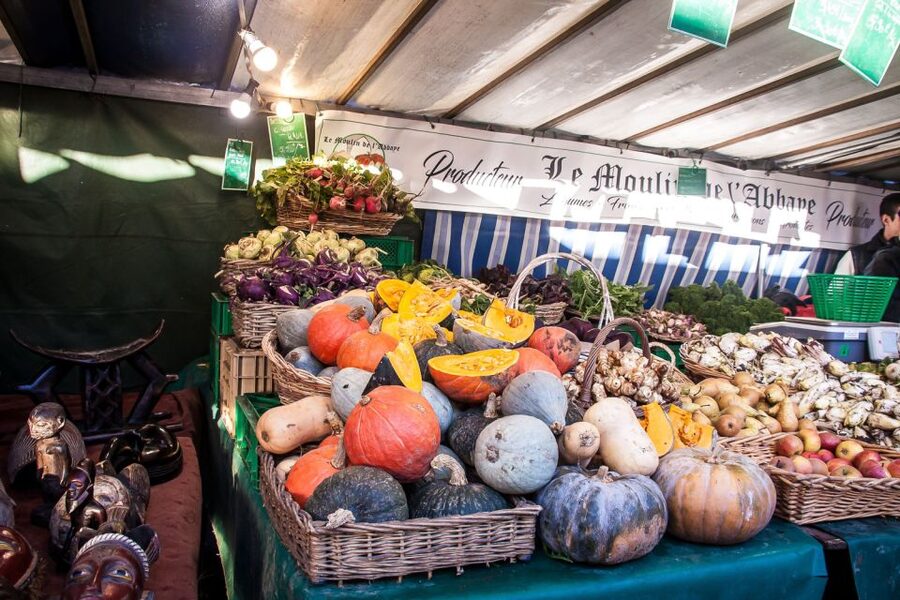
The final stop is a regional specialties shop, where you have the opportunity to taste foie gras. It is described as France’s most luxurious delicacy, and it gives the tour a richer, more formal finish after the market, bread, and cheese stops.
One participant specifically appreciated that the guide added foie gras to the planned tastings. That suggests the exact serving sequence can have a little flexibility, but you should not assume every extra item is guaranteed beyond the listed inclusions.
Foie gras is also the most divisive item on the menu. Some people consider it an essential French specialty, while others avoid it for ethical or personal reasons. The tour description does not provide substitutions, so ask in advance if you do not want to taste it. You can still enjoy much of the experience through the bread, cheese, wine, pastry, and market products.
This stop gives the tour a useful regional angle. French food is not only baguettes and croissants. Specialty shops bring in the idea of local products and traditional delicacies, helping you see how food in Paris connects with the wider country.
The guides make the difference
The strongest praise goes to the guides, and that matters more here than it would on a standard sightseeing route. Food tasting depends on explanation, timing, and personal attention. A guide who can describe a flavor clearly makes an unfamiliar cheese or specialty much easier to enjoy.
Sabine has been praised for combining city knowledge with a generous, informative approach. Karen was noted for being personable, explaining both the neighborhood and the food, and even helping with plans for exploring more of Paris. Gilles was described as kind and well informed, while Watanabe received praise for detailed Paris knowledge and well-chosen food stops.
Akiko was appreciated for setting a comfortable pace and tailoring the visit to the group’s tastes. Roberto was praised for his stories, practical suggestions, and friendly way of showing the neighborhood. Other guides, including Toby, Tibo, Kikio, and Sydney, were also singled out for humor, warmth, and useful local insight.
You cannot choose your guide from the information provided, and that means the tone may vary. The repeated pattern is encouraging, but the quality of a small-group tour always depends partly on the person leading it. The multilingual guide roster includes English, French, Spanish, German, Italian, Japanese, and potentially other listed language options depending on the selected departure.
What the $165 price means
At $165 per person, this is not a cheap way to grab breakfast. You are paying for a guided experience, several tastings, a small group, and the convenience of having the food selected and explained for you.
The value is strongest if you want a friendly introduction to French food and would otherwise feel uncertain about choosing a cheese shop, market stall, or regional specialty. The guide’s advice can help you make better choices for the rest of your stay, and the small group creates a more personal setting than a large food walk.
The value is weaker if you mainly want a large meal or a long sightseeing tour. The tour lasts 150 minutes, and the precise amount of food is not stated. I would not book it expecting lunch replacement or a full Latin Quarter history lesson.
For food-focused visitors, the price can make sense because it combines several stops that would take time and confidence to arrange alone. For budget-minded visitors, you may prefer to spend the same money across several bakeries and markets independently. The key question is not simply how much food you receive. It is how much you value guidance, explanation, and a small group.
Who should book this Latin Quarter tasting?
I would recommend this tour to you if:
- You are visiting Paris for the first time and want a gentle introduction to French food.
- You enjoy tasting several small portions instead of committing to one large meal.
- You want neighborhood context along with food.
- You appreciate a small group where you can ask questions.
- You want practical advice about cheese, bread, pastry, and specialty shops.
- You are comfortable with wine and interested in trying foie gras.
I would be more cautious if you want a long walking route, a formal wine class, or a detailed menu with every sample listed in advance. The activity is also less suitable if you have strict dietary restrictions, since the advertised tastings center on dairy, bread, wine, meat, and foie gras, and no substitutions are described.
Wear comfortable shoes, but do not treat this as a strenuous hike. The activity is built around short walks and food stops, and the exact amount of walking may vary. A morning booking could work especially well because you can use the rest of the day to revisit the Latin Quarter or follow the guide’s suggestions.
Final verdict on the Paris Gourmet Tour
I would book this if your main goal is to understand and taste French food in a friendly setting. The combination of market products, cheese, wine, bread, pastries, and foie gras gives you a broad first look at Parisian food culture, while the Latin Quarter adds a sense of place.
I would not book it solely for extensive sightseeing or a guaranteed route through many different markets. The strongest part is the guide-led tasting, not the number of streets covered.
At $165, it is best viewed as a personal food introduction rather than a cheap meal. If you want help choosing French specialties and enjoy learning as you eat, this small-group tour earns serious consideration. If you prefer to explore at your own pace, buy your own pastries and skip the guided explanation.
FAQ
Where does the Paris Gourmet Tour meet?
The meeting point is 47 Ter Boulevard Saint-Germain, next to the cheese shop.
Which Metro station is closest?
The nearest station is Maubert Mutualité on Metro line 10.
How long does the tour last?
The tour lasts 150 minutes, or two and a half hours.
What foods are included?
The advertised inclusions are samples of different cheeses and wine, foie gras, and bread. The tour description also mentions French pastries, and past tastings have included fruit and meat.
Is wine included?
Yes. Samples of wine are included with the cheese tasting.
How many people can join the tour?
The activity is limited to eight participants.
What languages are available?
The listed guide languages are English, French, Spanish, German, Italian, and Japanese.
Does the tour require a minimum number of participants?
Yes. At least two people must be booked for the tour to operate.
Can I cancel for a full refund?
Yes. You can cancel up to 24 hours in advance for a full refund. You can also reserve now and pay later, which keeps your plans flexible.
Recently added in Paris
- Private Transfers in Paris★ 5.0 · 75 reviews
- CDG – Euro Disney – CDG Two Way Private Shuttle Transfer★ 5.0 · 233 reviews
- Disneyland® Paris 1 Day Ticket with Transport from Paris★ 3.5 · 302 reviews
- Personalized Transport service from Disneyland to Paris★ 5.0 · 63 reviews
- Monet’s Gardens & House-Private Giverny Tour From Paris★ 4.5 · 137 reviews
- Guided tour Monet’s house and gardens/small group★ 4.5 · 68 reviews
- Giverny Monet House and Gardens Skip the line Walking tour★ 4.0 · 217 reviews
- Monet’s House and Garden & Giverny Village★ 4.5 · 39 reviews
Paris Tours, compared.

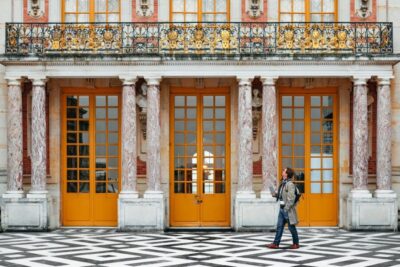
Versailles Palace and Gardens Full Access Ticket
Read our review →

Eiffel Tower Entry Ticket with Optional Summit Access
Read our review →

Louvre Guided Tour with Reserved Access & Boat Cruise
Read our review →