
REVIEW · LE MARAIS WALKING TOURS
Award-Winning Paris French Bakery Experience — Le Marais, 4th Arr
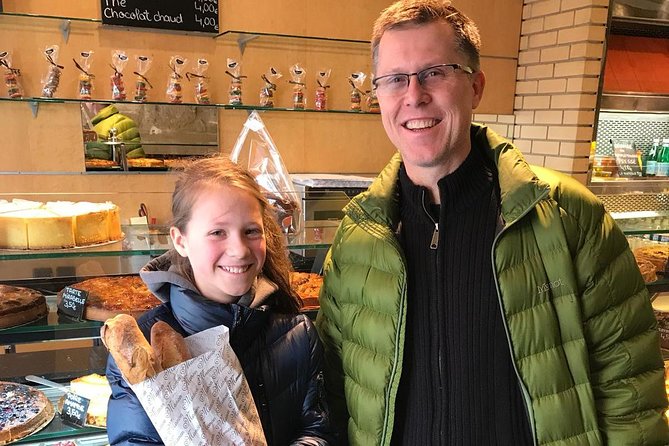
Bread tastes better when you help make it. This two-hour class puts you inside a working Parisian boulangerie, where you begin with breakfast, learn from a French baker, and shape bread and pastries with your own hands. I especially like the real bakery setting and the generous amount of food you can take home. The main caution is that the exact venue and hands-on work can vary, so careful attention to pre-tour messages matters.
The class costs about $114.88 per person, which is a serious price for two hours. Still, it can be good value if you want more than a tasting: you get breakfast, instruction, bakery access, and your own baguette, with some sessions also producing croissants, financiers, boules, and other bread.
In This Review
- Key Points To Know Before You Book
- Starting With Coffee, Pastries, And Parisian Rhythm
- Behind The Counter In A Working Boulangerie
- Making Baguettes, Boules, And Financiers
- Croissants And Pain Au Chocolat: Know The Limits
- The Bakers Make The Difference
- What You Take Home
- Family Appeal And Group Size
- Price, Timing, And The Value Question
- Finding The Correct Bakery In Le Marais
- Stairs, Space, And Comfort
- Should You Book This Paris Bakery Class?
- FAQ
- Where does the bakery experience start?
- How long does the experience last?
- Is the experience offered in English?
- What food is included at the beginning?
- What will I make?
- Can I take food home?
- Is the class suitable for children?
- How many people can join the class?
- Is hotel transportation included?
Key Points To Know Before You Book
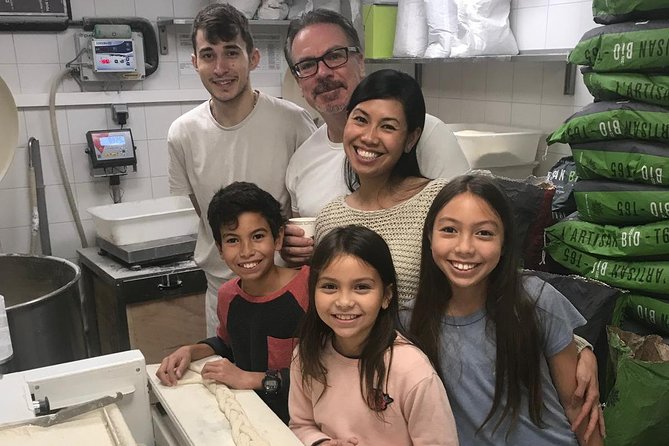
- You work inside a real boulangerie: This is not a polished cooking studio. You may see working bakers, commercial ovens, display cases, and the machinery used for larger batches.
- Breakfast starts the morning well: Coffee, juice, and French pastries are served at arrival. Afternoon sessions begin with a traditional goûter, or snack.
- The class stays small: The maximum is nine people, which helps the baker give personal guidance.
- The finished food can be generous: Depending on the session, you may leave with baguettes, financiers, rolls, or other baked goods in addition to the promised baguette.
- The venue can change: Morning and afternoon classes may use different Manon bakery locations. Confirm the meeting point, especially for an early start.
- Stairs and tight work areas may matter: One bakery has a steep staircase, and another session used a small worktable in an active bakery.
Starting With Coffee, Pastries, And Parisian Rhythm
The experience begins at the bakery, not in a sightseeing office. Arrive ready to eat, because the welcome includes a traditional French breakfast in the morning or a goûter in the afternoon.
The morning spread has included pastries, coffee, and juice. That simple beginning matters. You get a taste of French bakery culture before being asked to handle flour, dough, and ovens. It also gives the baker a natural way to explain what you are eating and how each item fits into daily life in France.
The afternoon version has the same basic idea, shifted toward a snack. If you are planning a full day in Paris, this timing can work well between a morning visit and an evening meal. Just remember that the morning and afternoon sessions may not meet at the same bakery.
The welcome is also a useful test of the teaching style. Strong guides such as Mourad, Alice, Lisa, Elyse, Tuc, and others have been praised for humor, patience, and clear English. The best part of this class is often the personality of the baker leading it, so expect a lively lesson rather than a silent demonstration.
More walks through Le Marais:
- Paris Le Marais Food Tour With 10+ Tastings, Cheese, Wine & More
★ 5.0 · 985 reviews - Paris Le Marais District Original Food and Wine Tasting Tour
★ 4.5 · 880 reviews - Paris Bike Tour Hidden Secrets in the Latin Quarter & Le Marais neighborhoods
★ 5.0 · 766 reviews
Behind The Counter In A Working Boulangerie
After breakfast, you head into the back of the bakery. This is where the experience gains its character.
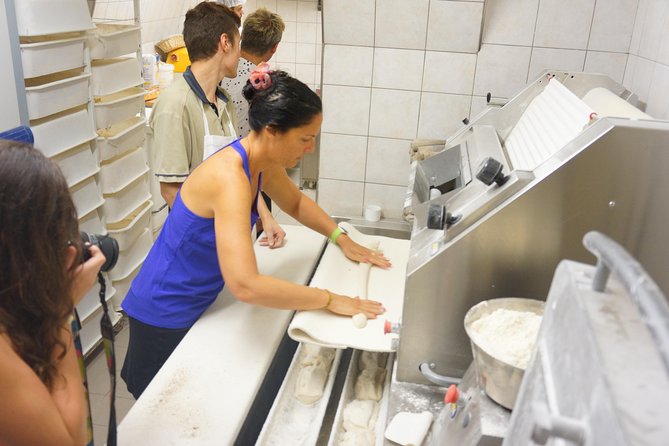
You are not simply shown a finished baguette and handed a recipe. The class connects the small details of handwork with the larger systems of a commercial bakery. You may see industrial machines and ovens used for batch production, then return to the table to roll, knead, mix, and shape dough yourself.
That contrast is useful. A neighborhood boulangerie must produce much more bread than a home baker can manage, yet the basic actions remain familiar: mix properly, handle dough gently, shape it with care, and bake it at the right point. You come away with a better sense of why French bread has its texture and shape.
The setting can also be imperfect. One session took place around a 4-by-5-foot table in a bakery with regular activity nearby. Seven people shared the space while people moved between the lower area, ovens, and display cases. That may feel cramped, but it also means you see a bakery doing its actual job.
If you want a quiet, spacious cooking school, this may disappoint. If you like seeing how a working shop operates, the busy layout adds a dose of reality.
Making Baguettes, Boules, And Financiers
The baguette is the star of the class. You get to shape the dough and learn the technique behind the long, crisp loaf. The finished baguette is yours to take away, and several sessions have provided much more bread than that single promised loaf.
You may also make boules or smaller rolls. These round loaves give you a different lesson in shaping and show how a few changes in form can produce different bakery staples.
Financiers are another welcome addition. These are small French cakes, often made with ground almonds and a rich, buttery texture, though the exact recipe is not provided here. They are quick to prepare and easy to carry, making them a practical snack for later in the day.
Some classes have included madeleines, cookies, and other small cakes. That variety is one reason families and mixed-age groups tend to enjoy the experience. There is always something to shape, taste, or carry home.
The degree of participation can vary. In a strong class, you may mix and shape several products. In a less hands-on session, some dough may already be prepared, risen, or portioned, leaving you mainly to shape it. That is normal in a short commercial bakery class, but it matters if your main goal is to learn every stage from raw ingredients onward.
Croissants And Pain Au Chocolat: Know The Limits
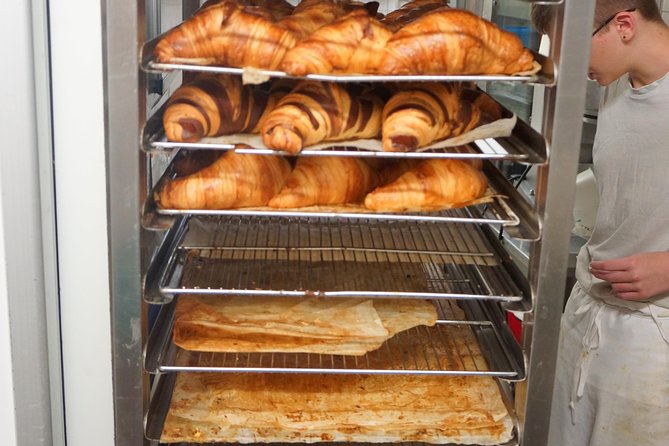
Croissants and pain au chocolat are part of the teaching focus, but you should set realistic expectations. Laminated pastry requires time, chilling, rolling, folding, and careful shaping. A two-hour class cannot always show every stage from start to finish.
You may handle dough, roll a prepared piece, or shape a triangle into a croissant. Some sessions have included hands-on croissant work, while others offered only a brief shaping exercise. If making croissants from scratch is your top priority, confirm exactly what that day’s class will cover before paying.
One New Year’s Day session changed from a croissant class to cookies and bread because the scheduled baker was unavailable. The replacement class lasted about one hour instead of the advertised two and used dough that was already made and risen. The host was kind, but the reduced participation made the price feel hard to justify.
That example is important because it shows the difference between a general bakery class and a dedicated croissant workshop. The experience is strongest when you treat croissants as one part of a broad French baking lesson, not as a guaranteed full pastry course.
A few more Paris outings to set side by side
- Paris: Louvre Museum Timed-Entrance Ticket
★ 4.6 · 71,977 reviews - Disneyland® Paris 1-Day Ticket
★ 4.6 · 49,412 reviews - Paris: Versailles Palace and Gardens Full Access Ticket
★ 4.6 · 41,579 reviews - Paris: Evening River Cruise with Music
★ 4.4 · 22,721 reviews
The Bakers Make The Difference
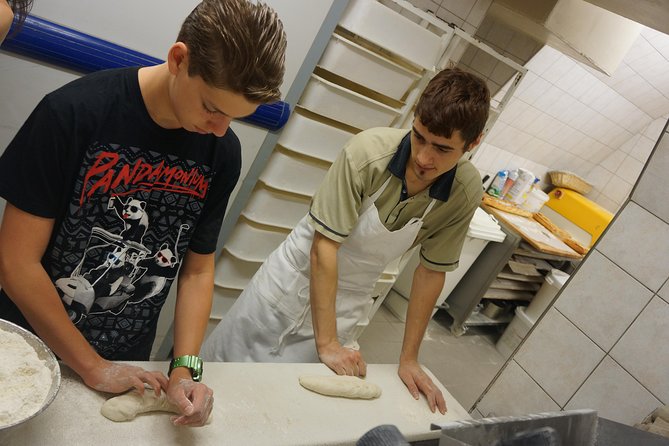
The instructor shapes the entire experience. Mourad has been praised for jokes, energy, and passion for French baking. Alice has been described as patient and easy to follow. Lisa led a balanced class covering baguettes, financiers, and croissants. Elyse worked especially well with teenagers, while another guide received praise for being patient with children.
This is a class where personality counts. A friendly baker can keep a family involved while explaining why a dough behaves a certain way. A good guide also keeps the pace moving, so nobody is stuck watching a proofing stage or waiting for an oven.
English is offered, and the guide is a Parisian baker. That combination makes the class accessible while keeping the subject rooted in local practice. You are not just learning generic breadmaking. You are hearing about French bakery products and the everyday market around them.
The experience is not a formal professional certification course. You will not leave with a full set of technical recipes or a long manual. Several people wished they had received recipes to use at home. Think of it as a practical introduction and a memorable Paris activity, with enough technique to encourage you to try baguettes again.
What You Take Home
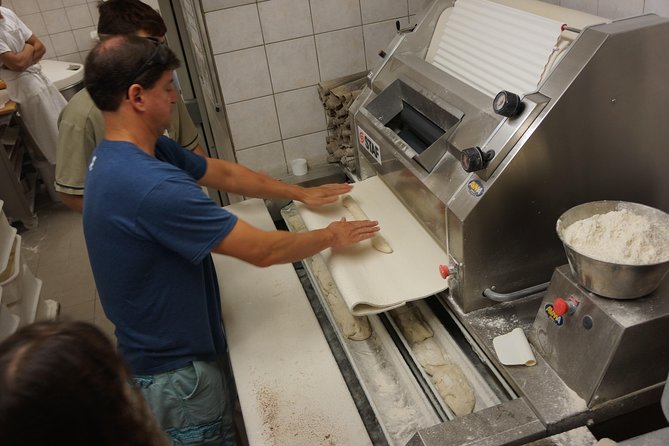
The official takeaway is your homemade baguette. In practice, the bag may be fuller. Some sessions have produced multiple baguettes, rolls, financiers, madeleines, or other bread and pastries.
That is a real part of the value. Your food becomes a picnic item, a hotel-room breakfast, or a snack during the next day of sightseeing. It also gives the class a satisfying finish. You are not only told how French baking works. You leave carrying evidence of your own effort.
The quantity can vary by class, guide, and bakery schedule. Do not book solely because you expect a large bag of pastries. The guaranteed item is the baguette, while additional products depend on what the class makes that day.
A practical tip: bring a bag with room for bread. The supplied information does not promise special packaging, and a fresh baguette is awkward to carry under your arm while navigating Paris streets.
Family Appeal And Group Size
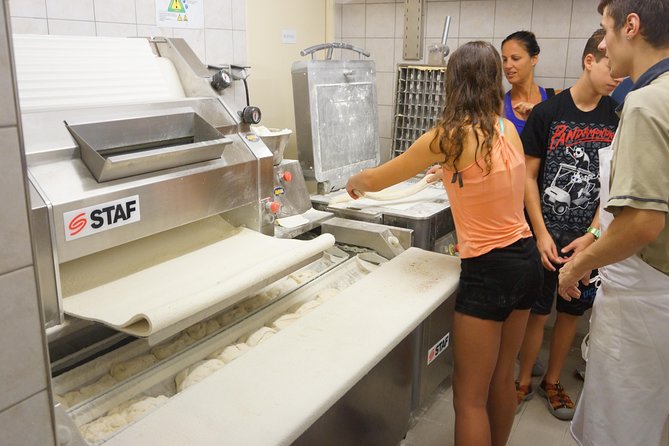
The maximum group size is nine people, a useful limit for a hands-on activity. A smaller group means more chances to shape dough and ask questions. One especially lucky session had only one booking group, making it feel almost private.
Families can do well here. Children must be accompanied by an adult, and the class has worked for children as young as seven, as well as teenagers. Guides have been praised for patience with younger participants and for making the work playful without losing the French bakery lesson.
Small does not always mean spacious. A compact table may still have to serve the whole group, and an active bakery can feel crowded. If you are traveling with a large family, the class may be more enjoyable when your group is small enough for everyone to get a fair turn.
The experience suits couples, families, and anyone who wants a shared activity rather than another museum visit. It is also a good choice for a baker in your family, though the lack of take-home recipes may frustrate serious home cooks.
Price, Timing, And The Value Question
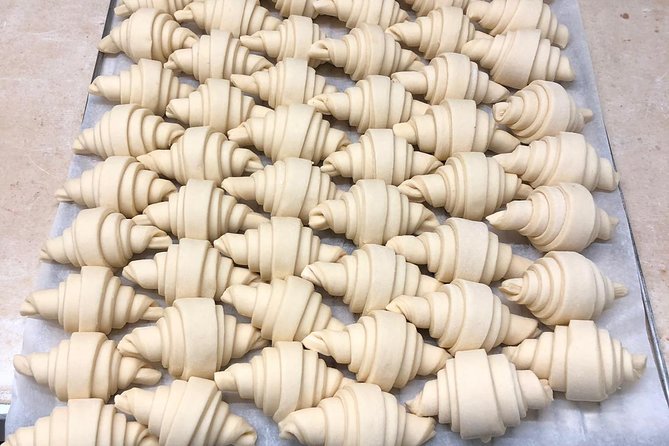
At $114.88 per person, this is not a cheap breakfast with a demonstration attached. You are paying for a small-group class, a bakery tour, a local instructor, food at arrival, hands-on work, and takeaway bread.
I think the price works best when you use the full two hours and make several products. A session that includes baguettes, croissants, financiers, and extra bread gives you a full activity with plenty to eat. A shortened session with little personal involvement offers weaker value.
The class lasts about two hours, but one session finished in roughly one hour after a last-minute change. That was an unusual failure, not the stated format, but it is worth keeping in mind when planning your day. Avoid placing an unmissable reservation immediately afterward.
The experience is booked well ahead, with an average booking lead time of about 51 days. That suggests you should plan early, especially if you need a particular morning or afternoon. Free cancellation is available up to 24 hours before the start time. Changes or cancellations inside that window are not accepted for a refund.
Finding The Correct Bakery In Le Marais
The listed start point is Miss Manon at 87 Rue Saint-Antoine in the 4th Arrondissement, and the activity ends at the meeting point. However, the morning and afternoon classes may use different locations, including Chez Manon.
This is the most important practical warning. An early 8:30 a.m. class may not meet at Manon Bakery, and the operator has sent location updates by text, app message, and booking details. Read every message before leaving your hotel, then check the address again on the day.
A missed meeting point can ruin an otherwise good experience. Several poor outcomes came from location confusion or a guide not being found, while the operator stated that a refund was issued in one such case. Give yourself extra time and do not rely only on the general address shown at booking.
The bakery is near public transportation, but hotel pickup and drop-off are not included. You make your own way there.
Stairs, Space, And Comfort
At least one bakery involves walking up and down a steep staircase. Another venue was selected in part because it had no stairs, though the work area there was described as tight.
This is not presented as a fully accessible experience. If steep stairs, a narrow worktable, or time spent standing could be a concern, ask for the current venue before booking. The available details do not promise wheelchair access or step-free entry.
Expect flour, dough, heat, and the normal movement of a working bakery. Wear clothes you do not mind using during food preparation. No special dress code is listed, so the sensible approach is comfortable clothing and shoes suitable for standing.
Should You Book This Paris Bakery Class?
Book it if you want a friendly, tasty activity in Le Marais and you like the idea of learning inside a genuine bakery. It is especially good for families, couples, first-time visitors who want a local food experience, and anyone who would rather make something than simply photograph it.
I would book with three conditions: confirm the exact meeting point, accept that the class may be more shaping and demonstration than full scratch baking, and treat the croissant portion as variable. At 4.7 out of 5, with 93 percent of people recommending it, the experience usually delivers a warm guide, good food, and a memorable look at French baking.
I would skip it if you want a rigorous pastry course, a guaranteed full croissant lesson, or a polished studio with plenty of room. For most people, though, the chance to leave Paris carrying a baguette you helped make is a fair trade for two hours and a little flour on your sleeves.
FAQ
Where does the bakery experience start?
The listed meeting point is Miss Manon at 87 Rue Saint-Antoine, 75004 Paris. Morning and afternoon classes may use different locations, so check the address in your booking details and messages.
How long does the experience last?
The scheduled duration is about two hours. A particular session may vary, especially if the venue or baker changes.
Is the experience offered in English?
Yes. The activity is offered in English.
What food is included at the beginning?
Morning sessions include a traditional French breakfast. Afternoon sessions include a goûter, or French afternoon snack. Breakfast can include pastries, coffee, and juice.
What will I make?
The class focuses on baguettes, croissants, and pain au chocolat. Depending on the session, you may also make boules, rolls, financiers, madeleines, cookies, or other bread and pastries.
Can I take food home?
Yes. You receive your homemade baguette to take with you. Some sessions provide additional bread and pastries, but the exact amount can vary.
Is the class suitable for children?
Yes, children can attend, but they must be accompanied by an adult. The class has been suitable for families with young children and teenagers.
How many people can join the class?
The maximum group size is nine people.
Is hotel transportation included?
No. You make your own way to the bakery, and hotel pickup and drop-off are not included.
Recently added in Paris
- Private Transfers in Paris★ 5.0 · 75 reviews
- CDG – Euro Disney – CDG Two Way Private Shuttle Transfer★ 5.0 · 233 reviews
- Disneyland® Paris 1 Day Ticket with Transport from Paris★ 3.5 · 302 reviews
- Personalized Transport service from Disneyland to Paris★ 5.0 · 63 reviews
- Monet’s Gardens & House-Private Giverny Tour From Paris★ 4.5 · 137 reviews
- Guided tour Monet’s house and gardens/small group★ 4.5 · 68 reviews
- Giverny Monet House and Gardens Skip the line Walking tour★ 4.0 · 217 reviews
- Monet’s House and Garden & Giverny Village★ 4.5 · 39 reviews
Le Marais Walking Tours, compared.
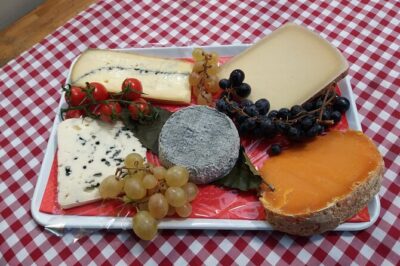
Paris Le Marais Food Tour With 10+ Tastings, Cheese, Wine & More
Read our review →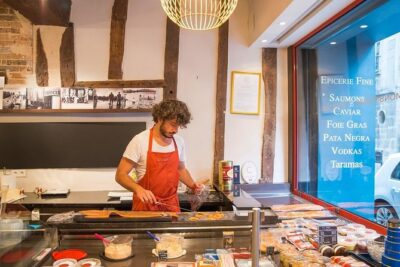
Paris Le Marais District Original Food and Wine Tasting Tour
Read our review →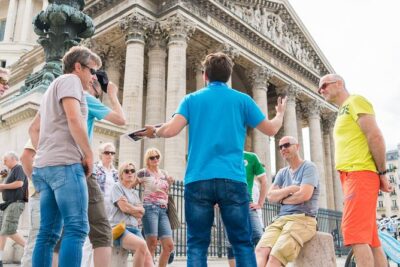
Paris Bike Tour Hidden Secrets in the Latin Quarter & Le Marais neighborhoods
Read our review →
Food and Wine Tasting Walking Tour in Le Marais
Read our review →
Le Marais/Paris – The Historic, Trendy, Jewish, LGBT district
Read our review →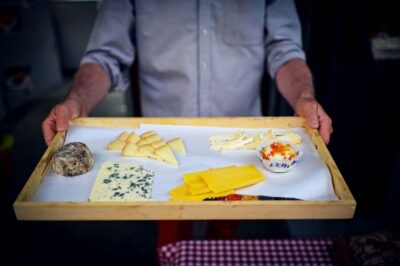
Le Marais & Montmartre Jewish History Walking Tour
Read our review →Browse the lists this tour appears in