
REVIEW · WALKING TOURS
Colmar: Unusual Walking Tour with a local guide
Colmar rewards a slower, sharper look. This two-hour walk goes beyond Petite Venise, using medieval lanes, Bartholdi statues, and the southern imperial district to explain how Colmar became both French and German. I especially like the small group, limited to six, and the guide’s focus on details you could easily miss alone. The one drawback is that the route is not suitable for people with mobility impairments.
I also like the timing and practical advice. A walk early in your stay helps you get your bearings, and guide Nicolas has been praised for explaining local food, drinks, customs, football, and Alsatian identity with a relaxed sense of humor. At $41 per person, it is not the cheapest way to stroll Colmar, but the local perspective makes it a fair buy if you want context rather than only pretty photographs.
In This Review
- Key points at a glance
- Starting at the Bruat Fountain in Champ de Mars
- Medieval Colmar through local stories
- Petite Venise without the postcard crush
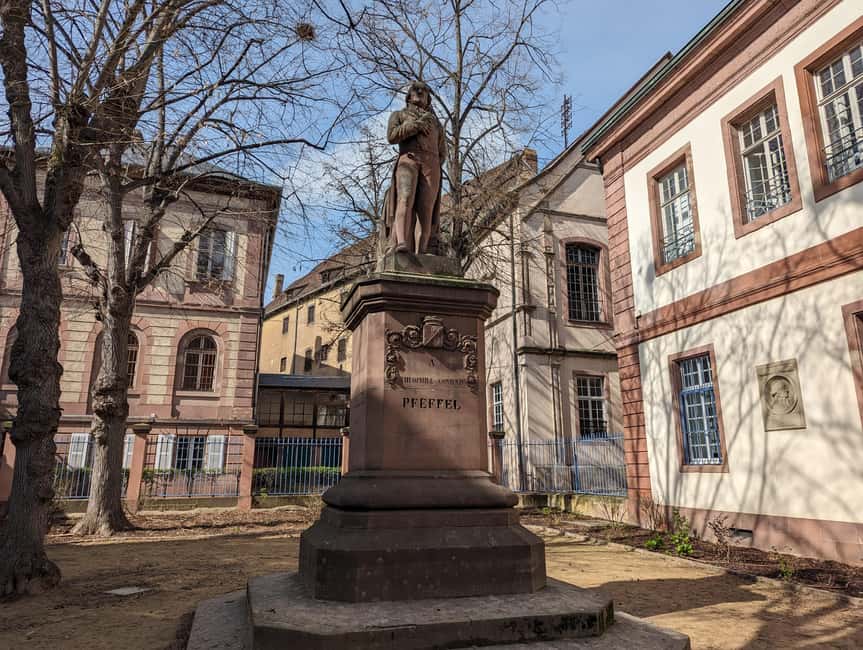
- Bartholdi, statues, and Colmar’s local heroes
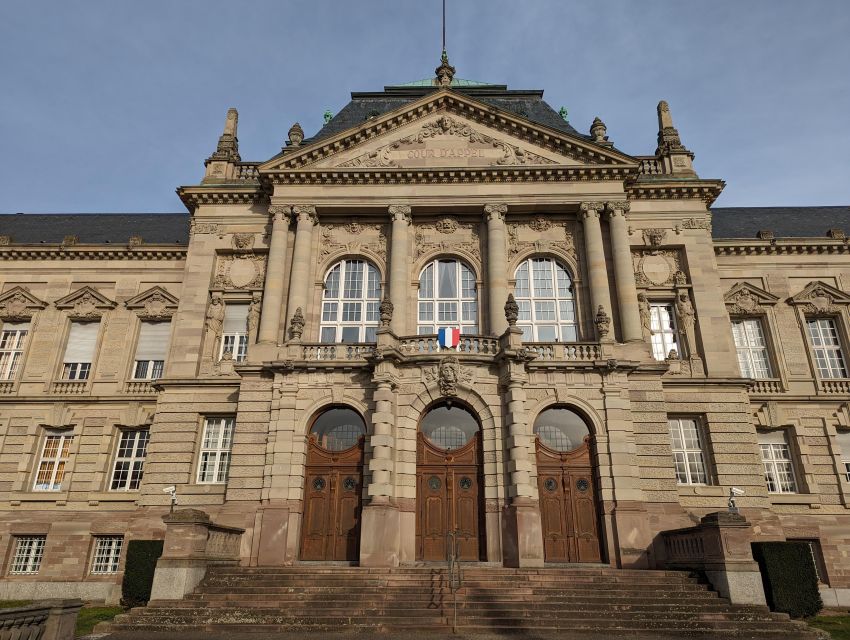
- The Imperial south: Cour d’Appel, water tower, and station
- What Nicolas adds to the walk
- Is $41 a fair price for two hours?
- Who should book this Colmar walk?
- Best way to use the two hours
- Final verdict: book it for context, not just pictures
- FAQ
- How long is the Colmar unusual walking tour?
- Where does the tour meet?
- What languages are available?
- How large is the group?
- Is the tour suitable for people with mobility impairments?
- What is included in the price?
Key points at a glance
- A different Petite Venise: Use quieter side streets instead of spending the whole walk in Colmar’s most crowded postcard district.
- Three layers of Colmar: Move from medieval Colmar to the French-German story and then into the German Imperial-era south.
- Bartholdi’s hometown: See several works connected with Auguste Bartholdi, the Colmar-born sculptor of the Statue of Liberty.
- A genuinely small group: With no more than six participants, questions and conversation are easier than on a large city tour.
- Strong English and French guiding: Nicolas is frequently praised for clear English, smooth language changes, and an easygoing manner.
- Useful after-tour advice: Expect suggestions for restaurants, drinks, souvenirs, and other things to do in Colmar.
Starting at the Bruat Fountain in Champ de Mars
The meeting point is the Bruat Fountain, located in the middle of Parc du Champ de Mars. That is a useful starting place because it sits between the old center and the southern part of town, rather than deep inside a confusing lane in the historic quarter.
Give yourself enough time to find the fountain. The park is open and easier to navigate than the old town, but the wording about meeting at the middle of the park matters. You want to be at the fountain itself, not simply somewhere near Champ de Mars.
The tour lasts two hours, so it works well as a first activity in Colmar. I would book it near the beginning of a visit, then use the guide’s suggestions to shape the rest of your day. An early start can also help you see the prettiest parts before the streets fill up.
The group limit of six is one of the strongest practical features. You can ask about a building, a local custom, or a restaurant without holding up a crowd. The guide can also respond to the interests of the group, something that one participant particularly appreciated.
More Walking Tours in Strasbourg
- Colmar: Highlights Walking Tour and Wine Tasting
★ 4.9 · 209 reviews - Colmar: Express Walk with a Local in 60 minutes
★ 4.7 · 39 reviews - Colmar: Private Guided Walking Tour of the City Center
★ 4.1 · 36 reviews
Medieval Colmar through local stories
The first part takes you into the medieval city. The value here is not simply learning dates. A good guide helps you picture how ordinary people lived, how the streets functioned, and why the buildings look the way they do.
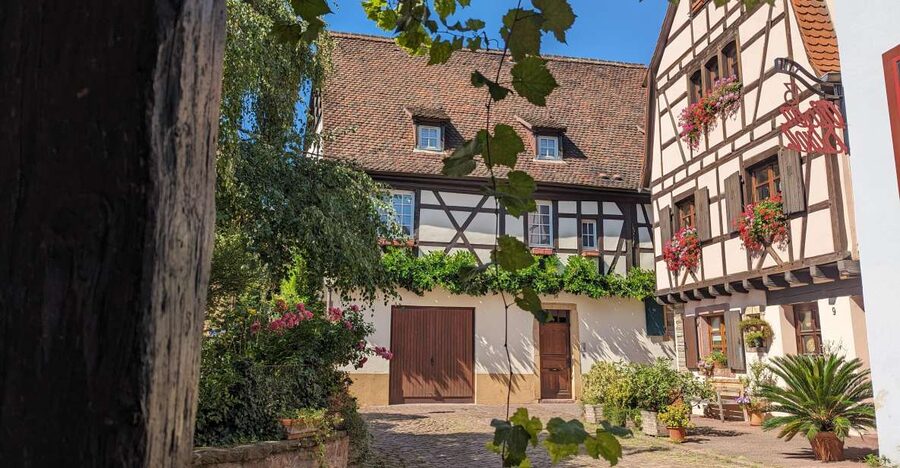
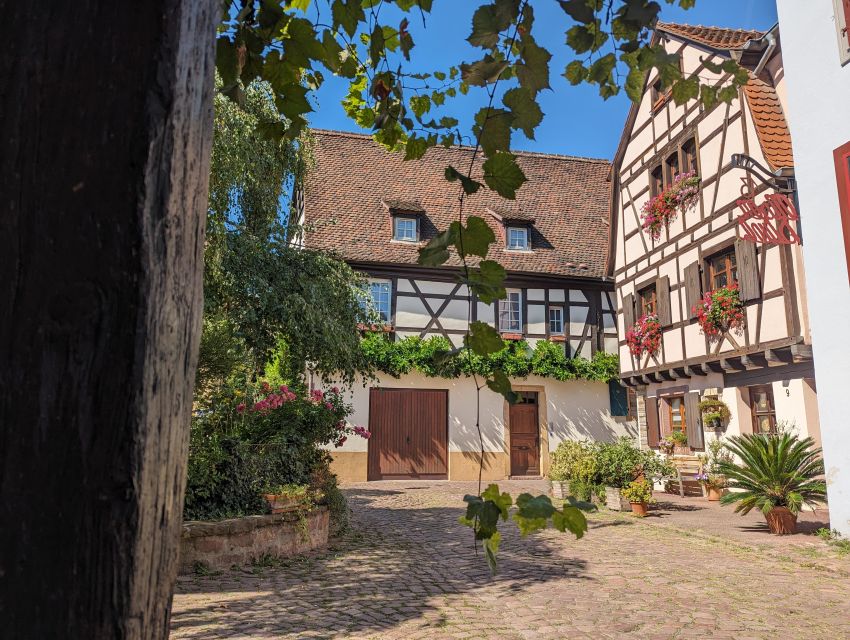
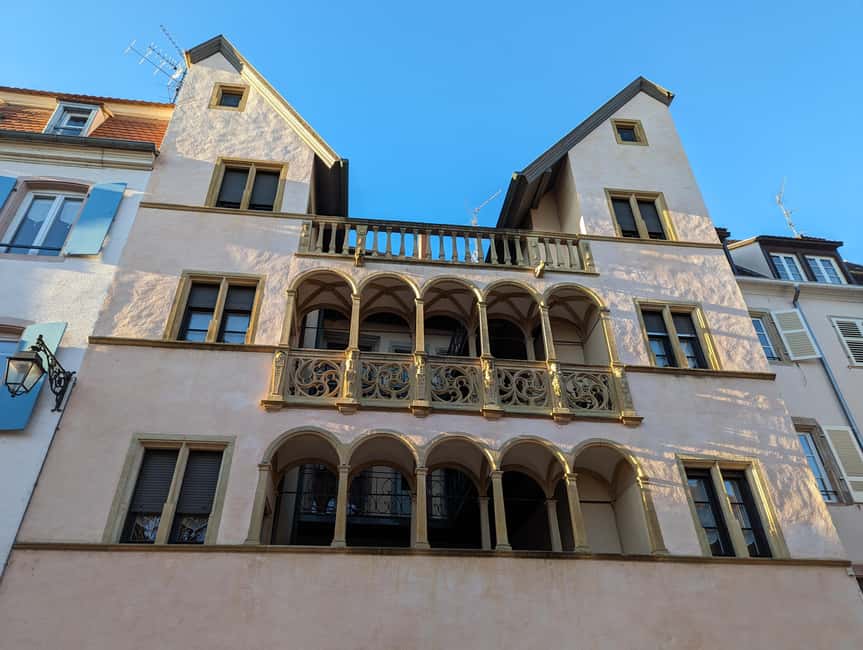
Colmar’s timber-framed houses are easy to admire and easy to misunderstand. Without explanation, you may notice colorful façades, decorative signs, and narrow lanes without seeing the clues they offer about earlier life. Nicolas has a talent for pointing out small architectural details and symbols that independent walkers often pass by.
I like the promised use of anecdotes. This keeps the tour from turning into a list of rulers and battles. You get a sense of daily life alongside the larger story, which makes the old center easier to read after the walk ends.
The guide also places Colmar inside the wider story of Alsace. The region’s identity was shaped by repeated changes between French and German power, along with conflicts including the Thirty Years’ War, the First World War, and the Second World War. That background helps explain why language, culture, and local pride can feel more complicated here than a simple border sign suggests.
Nicolas is originally from Colmar, and that local connection is important. The strongest praise for the tour centers on his affection for his home city, his clear explanations, and his ability to make serious history understandable. He is also described as relaxed, friendly, and open to questions.
Petite Venise without the postcard crush
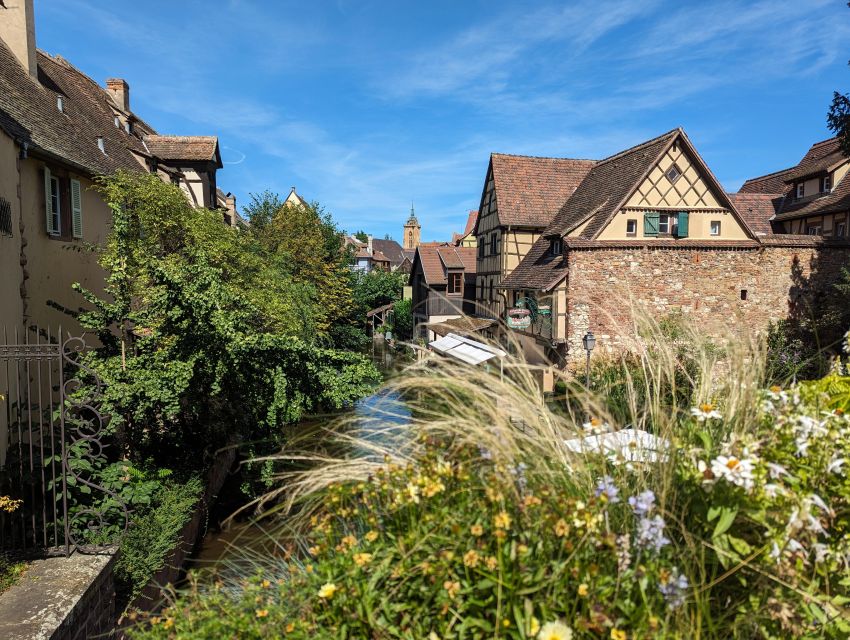
Petite Venise is Colmar’s famous quarter, with canals, bridges, and colorful houses. It is worth seeing, but it is also the part of town most likely to feel crowded and staged for photographs.
This walk approaches the district in a less obvious way. Rather than treating Petite Venise as the whole story, the guide uses smaller streets and side routes to show another side of it. You still get the charm, but you are encouraged to look beyond the standard canal view.
That matters because Colmar can become a quick photo stop if you only follow the busiest route. I prefer a walk that explains how the district fits into the town’s older structure and local life. You may still want to return later for your own photographs, but you will know what you are looking at.
Do not expect a long, leisurely photography session at every bridge. Two hours is enough for an overview with context, not for stopping at every attractive doorway. If you want time for detailed pictures, note the locations during the tour and return afterward.
This is also the point where a sensible food plan helps. The guide gives recommendations for places to eat and drink, including advice to step away from the most tourist-focused restaurants. I would treat those suggestions as one of the tour’s practical bonuses. Colmar’s prettiest streets are not always where you will find your best-value meal.
Bartholdi, statues, and Colmar’s local heroes
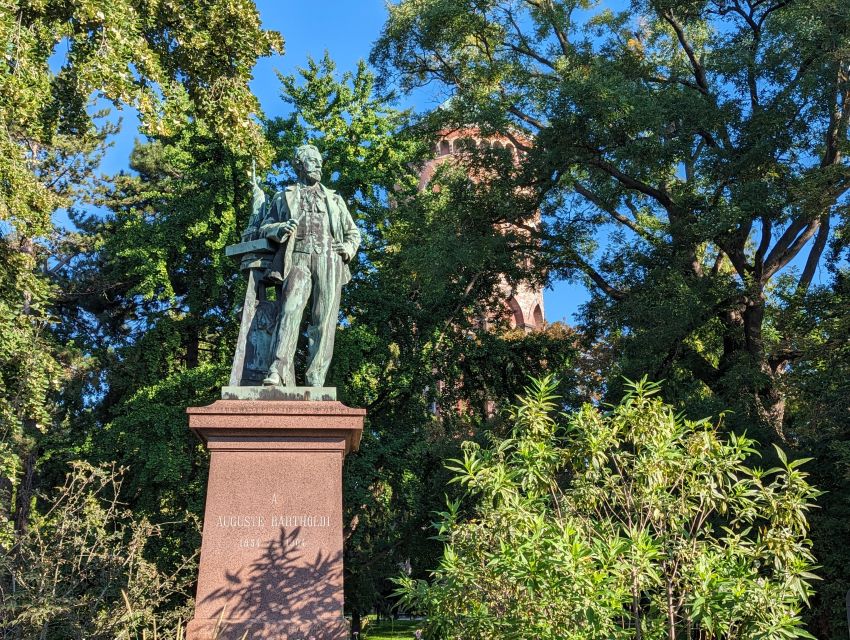
Auguste Bartholdi is one of Colmar’s most famous sons. He designed the Statue of Liberty, but the connection is easy to reduce to a single fact and then forget.
The walk uses several Bartholdi statues to tell a broader story about Colmar’s heroes and the sculptor himself. This gives you something to look for as you continue exploring. Instead of seeing public monuments as background decoration, you begin to ask who is represented, why the statue is there, and what the city wanted to remember.
I like this section because it connects art with local identity. Bartholdi is not presented only as a world-famous figure. His work becomes part of Colmar’s civic story, alongside the people and events that shaped the town.
The tour does not appear to include a museum visit or an interior admission. That is both a limit and an advantage. You will not spend precious walking time inside one attraction, but if Bartholdi interests you, plan additional time for a more detailed look elsewhere in Colmar.
More walking tours in Colmar:
- Paris Top Sights Half Day Walking Tour with a Fun Guide
★ 5.0 · 2,893 reviews - Montmartre Hidden Gems and Scenic Highlights Walking Tour
★ 5.0 · 2,684 reviews - Montmartre Hill French Gourmet Food and Wine Tasting Walking Tour
★ 5.0 · 2,588 reviews - Paris Île de la Cité and Notre-Dame Walking Tour With Crypt
★ 5.0 · 2,272 reviews
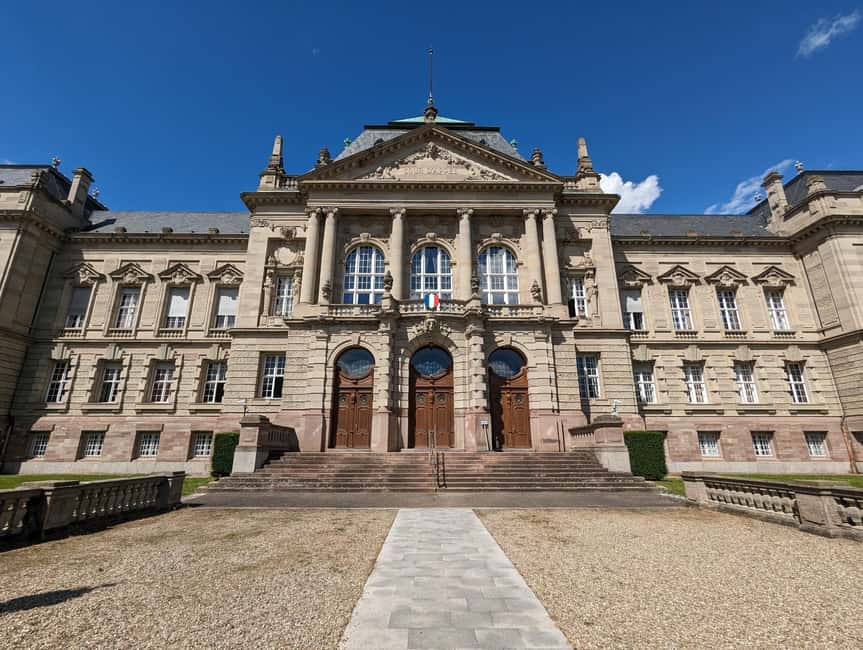
The Imperial south: Cour d’Appel, water tower, and station
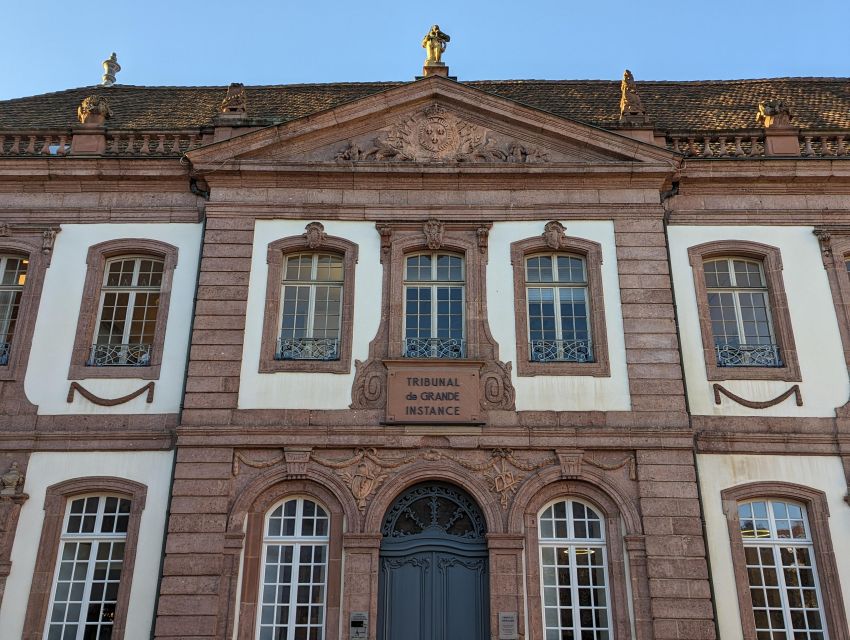
The southern district provides the tour’s most unusual change of scene. After the medieval center and Petite Venise, you see Colmar through the architecture of the German Imperial era.
The Cour d’Appel is presented as a monumental building, while the huge Château d’Eau and Central Train Station add a different scale and mood from the old quarter. These sights are useful reminders that Colmar is not only a village-like collection of canals and half-timbered houses.
I consider this section the main reason to choose this particular walk over a standard old-town stroll. Many first-time visitors remain inside the historic center, where every view is attractive but similar. The southern district shows how the city changed and expanded, and it makes the French-German story visible in the built environment.
The tradeoff is visual consistency. If you want two uninterrupted hours of postcard Colmar, the Imperial district may feel less charming. I think that contrast improves the visit, especially if you have already seen the canals or plan to return for them later.
The buildings also give the guide a chance to explain how power and public institutions shaped the city. Courts, water infrastructure, and railways tell a different story from medieval lanes. Together, they show Colmar as a working city, not merely a pretty old town.
What Nicolas adds to the walk
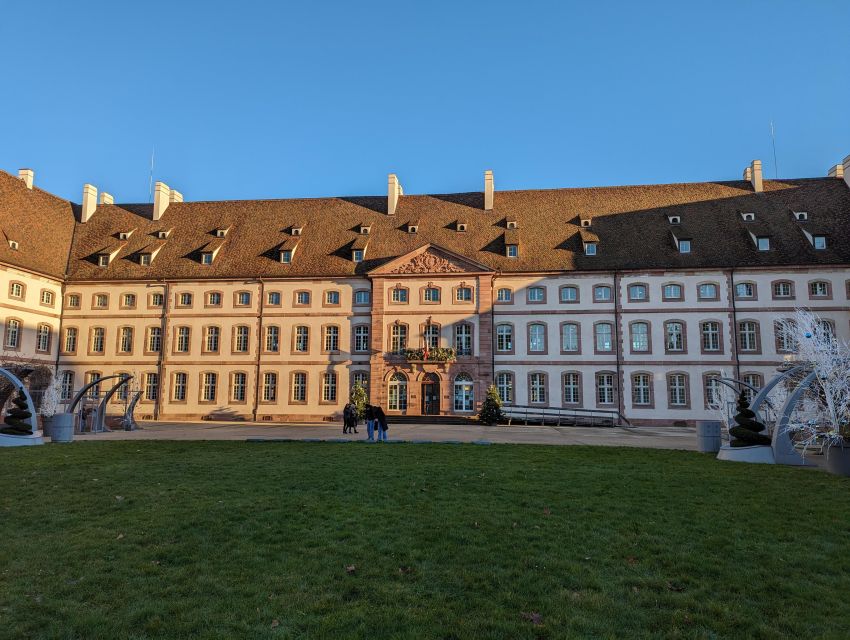
The guide’s style is central to this experience. Nicolas is repeatedly described as calm, amusing, and easy to understand in English. He also guides in French and can move between the two languages when a group includes both English and French speakers.
That language flexibility is useful, but the bigger benefit is his presentation. History can become tiring when every stop turns into a lecture. Here, the emphasis is on stories, questions, humor, and local details. Several participants found that the two hours passed quickly, which is a good sign for a history-focused walk.
You can also ask about subjects beyond monuments. Conversations have included local football clubs, Alsatian pride, food, regional customs, and the way Colmar changed through major conflicts. Those details help the city feel lived-in rather than displayed behind glass.
The guide has also been praised for sending recommendations after the walk. That can be especially helpful if you have only one day in Colmar and need quick ideas for meals, souvenirs, or afternoon sights.
One point to keep in mind: the experience depends heavily on the individual guide. The supplied information and feedback identify Nicolas or Nicholas as the guide praised most often. If your booking confirmation names someone else, check the language and guide details before you commit to a particular expectation.
Is $41 a fair price for two hours?
At $41 per person, this is a midrange walking tour rather than a casual free stroll. The group size explains much of the value. A maximum of six means you are paying for access to a local guide in a setting where questions are realistic.
You are also paying for interpretation. You can walk through Colmar’s old center without charge, photograph the canals, and spot the major buildings on your own. What you cannot easily reproduce is the connection between medieval daily life, Alsace’s shifting national identity, Bartholdi’s statues, and the Imperial south.
I would consider the price worthwhile for a first visit, especially if you enjoy architecture and history but do not want a formal museum-heavy tour. It is less compelling if you only want photographs or have already spent several days studying Colmar’s past.
The tour includes the walking tour and local guide. No winery visit, food tasting, or attraction admission is listed, so you should not book it expecting extras. Its value is in the explanation, route, small group, and local recommendations.
Free cancellation up to 24 hours ahead and the option to reserve now and pay later make the booking less rigid. Starting times depend on availability, so check the schedule before planning your day around it.
Who should book this Colmar walk?
I would recommend it to first-time visitors who want a clear introduction to Colmar and Alsace. It is also a good match for couples, solo visitors, families with an older teenager, and small groups who prefer conversation to a large organized outing.
It suits you especially well if you want:
- Historical context: The tour connects Colmar’s architecture with the region’s changing French and German identity.
- Local orientation: You get restaurant and drink suggestions before making the rest of your plans.
- A relaxed pace: The walk is described as calm and well paced rather than rushed.
- A route beyond the old center: The Imperial south gives you buildings many short visits miss.
- Clear English: Nicolas has been praised for speaking excellent, understandable English.
You should think twice if walking is difficult. The activity is specifically not suitable for people with mobility impairments, and the route through old streets and several districts may not be comfortable for everyone.
I would also avoid booking it as your only Colmar activity if you want extensive indoor sightseeing. This is an outdoor orientation walk. It shows you what deserves a closer look, but it does not replace dedicated time for museums, interiors, or a slow canal-side afternoon.
Best way to use the two hours
Arrive ready to walk, with comfortable shoes and weather protection. A rainy day does not necessarily ruin the experience, since the guide’s storytelling and the city’s buildings remain the focus, but poor weather can make the streets less pleasant.
Take notes on restaurant names and places you want to revisit. The guide’s recommendations are most useful when you act on them later, especially after stepping away from the busiest tourist lanes.
Use the tour as a map for the rest of your visit. Return to Petite Venise when the light suits your photographs, spend extra time with Bartholdi-related sights if sculpture interests you, and explore the southern district at your own pace after you understand its place in Colmar’s story.
I would not try to squeeze a major meal or timed attraction into the middle of the walk. Two hours goes quickly when the group is asking questions, and the route is designed as a complete introduction rather than a transfer between scheduled stops.
Final verdict: book it for context, not just pictures
Book this tour if you want Colmar to make sense, not simply look lovely. Its best qualities are the small group, Nicolas’s local perspective, the clear English, and the route that links medieval streets with Bartholdi and the German Imperial south.
At $41, I see good value for a first or short visit, particularly if the food advice and historical explanation help you use the rest of your time well. I would skip it only if you have limited mobility, dislike guided walks, or want to spend every minute photographing Petite Venise.
For most first-time visitors, this is a smart two-hour start. It gives you the stories behind the façades, points you toward better local choices, and leaves enough of Colmar for you to discover afterward.
FAQ
How long is the Colmar unusual walking tour?
The tour lasts two hours.
Where does the tour meet?
Your guide waits at the Bruat Fountain in the middle of Parc du Champ de Mars.
What languages are available?
The live tour guide is available in French and English.
How large is the group?
The group is limited to six participants.
Is the tour suitable for people with mobility impairments?
No. The experience is listed as unsuitable for people with mobility impairments.
What is included in the price?
The $41 price includes the walking tour and a local guide. No food tastings, winery visits, or attraction admissions are listed as included.
Recently added in Colmar
- Alsace villages half day tour from Colmar★ 5.0 · 186 reviews
- Segway Tours 2h in Colmar★ 5.0 · 116 reviews
- Alsace’s Gems Small Group Day Tour from Colmar★ 5.0 · 84 reviews
- The Emblematic: visit of villages, Haut-Koenigsbourg, Wine tasting★ 5.0 · 81 reviews
- Self-Guided and Interactive City Tour – Colmar★ 4.5 · 45 reviews
- Through Alsace Vineyards and Wine Villages Private Bike Tour★ 5.0 · 47 reviews
- Private and customizable: Alsace Wine Route HIGHLIGHTS in 3 hours★ 5.0 · 63 reviews
- Alsace 4 Wonders Small-Group Day Trip from Colmar★ 5.0 · 380 reviews
Walking Tours, compared.

Paris Top Sights Half Day Walking Tour with a Fun Guide
Read our review →
Montmartre Hidden Gems and Scenic Highlights Walking Tour
Read our review →
Montmartre Hill French Gourmet Food and Wine Tasting Walking Tour
Read our review →
Paris Île de la Cité and Notre-Dame Walking Tour With Crypt
Read our review →
Montmartre Cheese, Wine & Pastry Guided Walking Tour
Read our review →
Paris in a Day: Louvre or Orsay, Eiffel Tower, City Walk & Cruise
Read our review →
Montmartre Highlights Walking Tour with a Local Guide
Read our review →
Paris City Center Free Walking Tour (Tip-Based)
Read our review →Browse the lists this tour appears in