
REVIEW · CHAMPAGNE TOURS
From Reims: Morning Champagne Tour and Tastings
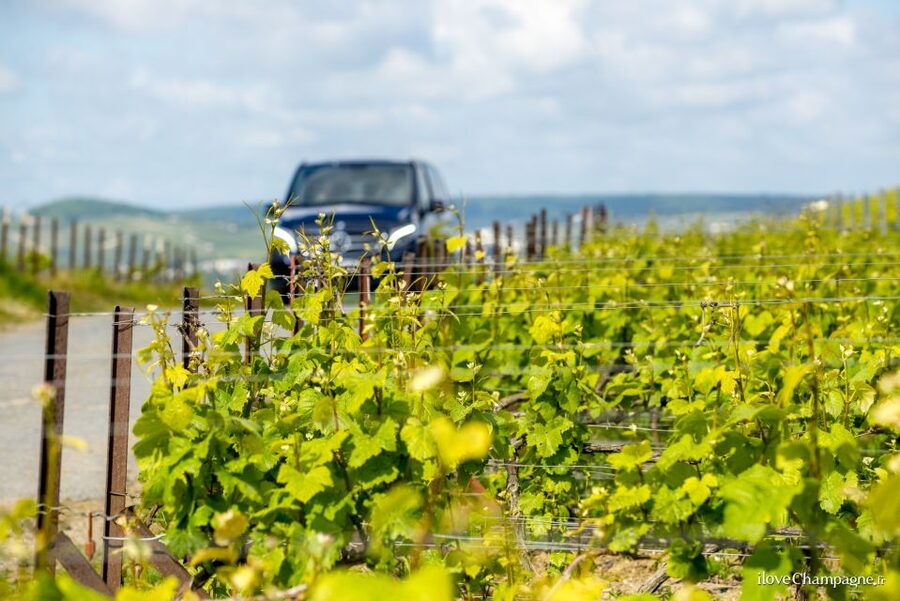
Small houses tell the clearest story. This four-hour outing from Reims takes you to two family-run Champagne producers, where you can see the work behind the bottle and taste six different cuvées. I especially like the small group of up to eight and the chance to meet producers rather than only touring a famous commercial brand.
I also like the efficient morning schedule and the guides’ strong command of Champagne making. Guides such as Suzanne, Anne, Etienne, Chloe, Thomas, and Jerome have been praised for clear English, warmth, and patient answers. The main drawback is the short format: the second estate receives only about an hour, and you will need to add a larger Champagne house separately if that is high on your list.
In This Review
- Key points before you book
- Why this half-day Champagne tour works
- Meeting at Reims Centre at 9:20 AM
- The first estate: a full look at Champagne production
- The second estate: shorter, but more personal
- Six cuvées, and how to taste them usefully
- What the $135 price really buys you
- A useful contrast with the major Champagne houses
- Timing, comfort, and who will enjoy it most
- The guide can make or break the morning
- Should you book this Reims Champagne morning?
- FAQ
- Where does the tour meet?
- What time does the tour start and finish?
- How many Champagne producers do you visit?
- How many tastings are included?
- Is transportation included?
- Is lunch included?
- What should I bring?
- Can I cancel the tour?
Key points before you book
- Two independent producers: See how smaller family businesses make and sell their Champagne.
- Six glasses included: Taste three cuvées at each estate, with enough variety to compare styles.
- Four hours from Reims: Meet at 9:20 AM and return to the central train station at about 1:10 PM.
- Small-group setting: The minivan holds no more than eight participants, making questions and conversation easier.
- Cellars can be cold: The average temperature underground is 10 C, so bring a jacket and wear practical shoes.
- Best for rail-based visitors: The meeting point is right outside the Reims Centre train station tourist office.
Why this half-day Champagne tour works
Champagne can be hard to understand from a tasting alone. The labels, grape varieties, cellar terms, blending choices, and aging rules form a fairly technical subject. This tour gives you a useful framework before you start comparing the wines in your glass.
The format is also sensible. You spend the morning outside Reims, then return to the station with the afternoon free. You can use that time for lunch, a cathedral visit, a major Champagne house, or a train onward to Paris.
The small group matters. With a limit of eight people, you are not likely to disappear into a crowd during a cellar explanation. You can ask why a producer chose a certain blend, how the bottles are aged, or what makes one cuvée different from another. The guides are central to the experience, and the strongest praise goes to their clear teaching and friendly manner.
Past guides have included Suzanne, Anne, Etienne, Chloe, Thomas, Jerome, Martin, Xavier, and Perrine. Their styles may differ, but the pattern is consistent: strong English, good knowledge of the production process, safe driving, and plenty of practical information about the region.
More early starts in Champagne:
- A Morning in Paris Food Tour: Croissants, Baguettes & Chocolate
★ 5.0 · 556 reviews - Omaha Beach Half-Day Morning Trip From Bayeux (A1)
★ 4.5 · 326 reviews - Omaha Morning Half Day Tour to visit the landing areas at Omaha Beach
★ 5.0 · 204 reviews
Meeting at Reims Centre at 9:20 AM
Your morning starts outside the tourist office beside Reims Centre train station. This detail deserves attention because Reims has two tourist offices. The correct one is at the station, not the office near the cathedral.
Arrive a little early. The tour leaves at 9:20 AM, and the minivan transfer begins promptly. The vehicle is air-conditioned, and the drive to the first estate takes about 20 minutes. That is enough time to get comfortable, look out at the countryside, and ask your guide where you are headed.
The central station meeting point makes this an easy choice if you are staying in Reims or arriving by train. It is also possible to come from Paris by train, but transportation from Paris is not included. You should book your rail tickets ahead of time, since the operator accepts no responsibility for a train reservation problem or a lack of suitable trains.
This is not a hotel pickup service. You need to reach the station yourself and return there at the end. The tour is not designed for wheelchair users, and pets are not allowed on the shared outing.
The first estate: a full look at Champagne production
The first winery receives about 90 minutes, making it the main educational stop. Here, you get the clearest explanation of the production chain, from grape pressing to cellar aging.
Your guide introduces the méthode champenoise, the traditional process associated with Champagne. The point is not only to memorize a list of steps. You begin to understand how the still base wine becomes sparkling wine, why cellar time matters, and how each decision affects the final taste.
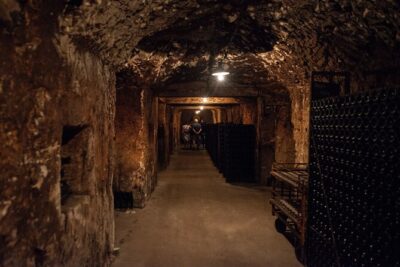
The visit normally includes the estate’s cuverie and cellars. The cuverie is where much of the early winemaking work takes place, while the cellars show the quieter side of production. You may see equipment and working spaces that make the process feel practical rather than mysterious.
This is one of the tour’s strongest features. A large Champagne brand can give you polished presentation and grand underground corridors, but a small producer can show you how a family business handles the work from grapes to finished bottles. The scale feels more personal, and the owners may speak directly about their wines and methods.
You then taste three cuvées from the first producer. Three glasses give you a useful base for comparison. You can pay attention to differences in aroma, sweetness, texture, and overall balance instead of treating Champagne as one single style.
The cellar temperature averages 10 C. That is pleasantly cool in warm weather, but chilly if you arrive in light clothing. Bring a jacket, even on a sunny morning. Comfortable shoes also help because the visit includes production areas and cellars rather than only a tasting room.
The second estate: shorter, but more personal
After another 20-minute drive, you reach the second producer. This visit lasts about an hour, so it is less detailed than the first. Still, it adds an important contrast.
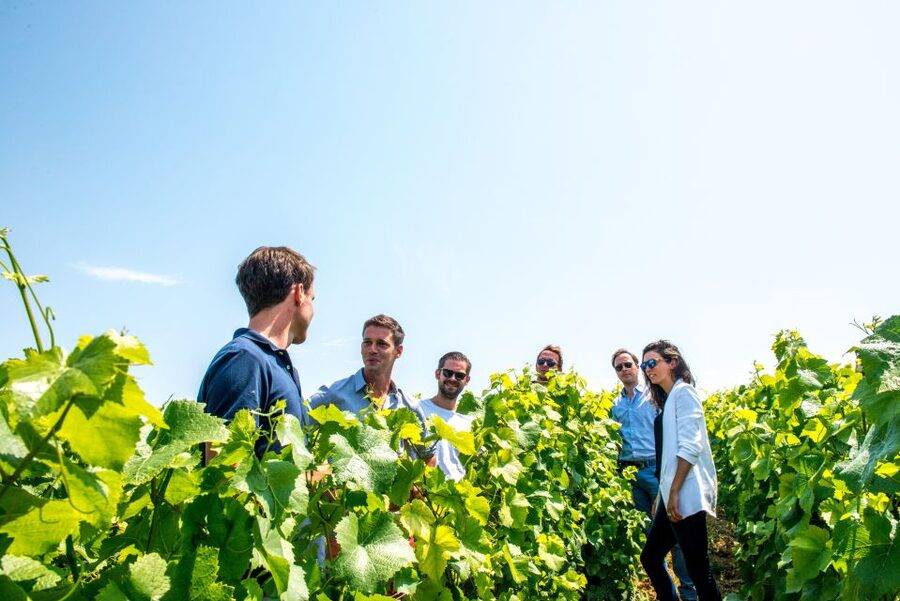
You tour part of the vineyard, meet or speak with the owners, and taste three more cuvées. The direct contact is valuable because you hear the story of a smaller house from the people who work there. The experience is less about a long technical presentation and more about seeing another approach to Champagne production.
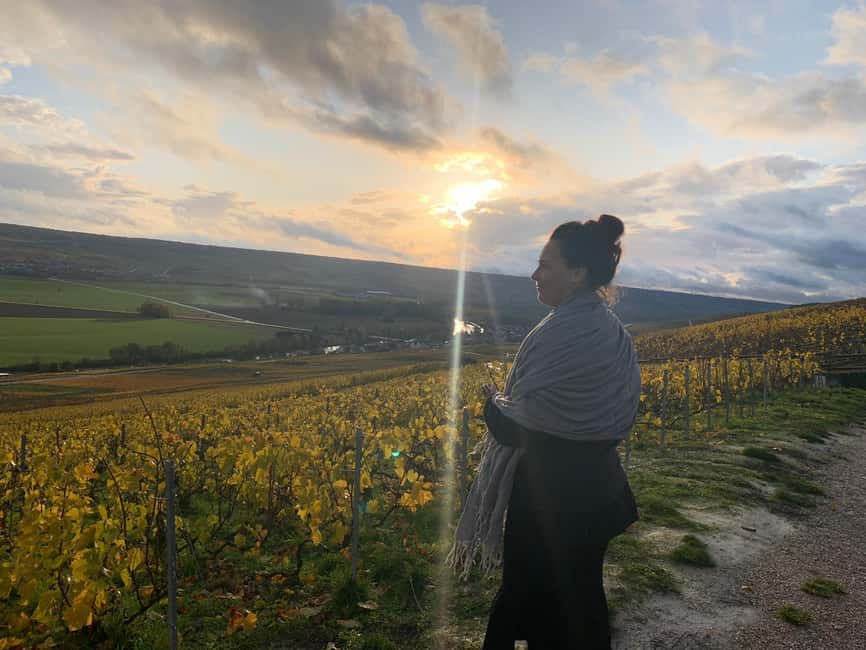
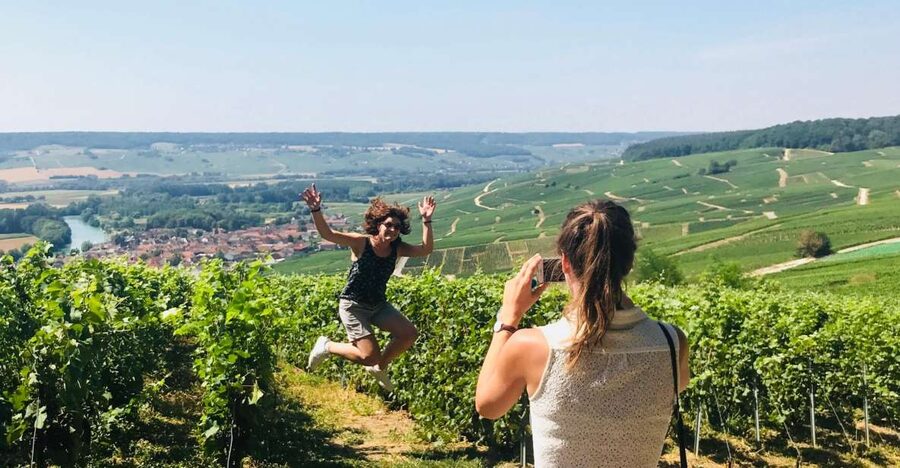
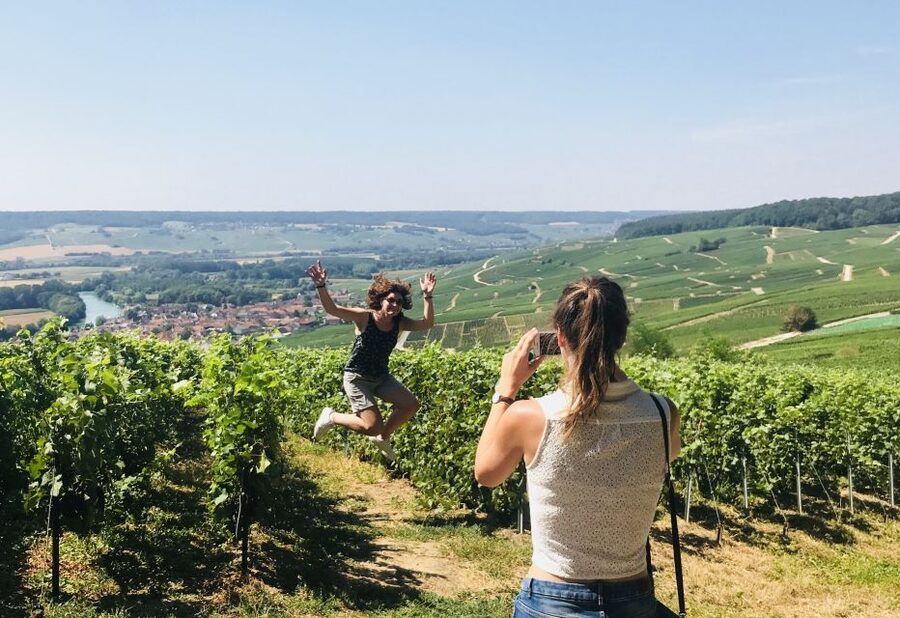
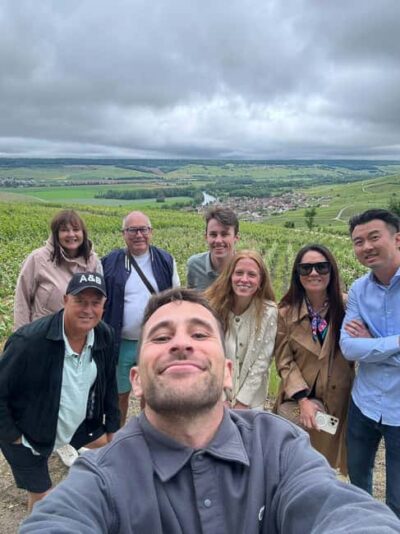
The vineyard visit also gives you a clearer sense of place. Instead of thinking only about bottles and cellars, you can connect the wine with the vines and the ground where the grapes begin their journey. Some past outings have included scenic vineyard views and vineyards set on elevated ground, though the exact setting depends on the producer visited that day.
The second tasting is where the tour becomes a comparison exercise. After three glasses at the first estate, you can judge the next three with a sharper palate. You may notice that two family-run producers can offer very different expressions of the same region.
One limitation is time. The second stop is shorter, and the tour cannot give both estates a full-length visit. If you want a slow, detailed look at every stage at both houses, choose a longer day tour. For a morning introduction, the pace is brisk but reasonable.
A few more Champagne outings to set side by side
- From Reims: Champagne and Family-Run Wineries Tour
★ 4.8 · 671 reviews - Reims afternoon tour Champagne and family growers
★ 5.0 · 535 reviews - Champagne: Champagne Tasting Class with Lunch
★ 4.9 · 384 reviews - Aÿ-Champagne: Pressoria Champagne Museum with Tasting
★ 4.7 · 239 reviews
Six cuvées, and how to taste them usefully
Six Champagne glasses are included in the price, three at each producer. The exact wines are not fixed in the information provided, so you should expect the selection to vary by estate and availability.
You do not need to be an expert to get something from the tastings. Start by noticing the aroma, then take a small sip and consider the bubbles, acidity, fruit character, and finish. Ask your guide what grapes or production choices shape the differences between the cuvées.
The value of tasting at two producers is greater than tasting six wines from one large brand. You get a wider view of local practice and see how family businesses present their own style. The tastings have also been described as generous, which is welcome at a price of $135 per person.
This is still a morning of alcohol consumption, so eat beforehand. Lunch is not included, and there is no mention of food being provided during the tour. A proper breakfast will make the experience more comfortable and help you enjoy the wines with a clear head.
What the $135 price really buys you
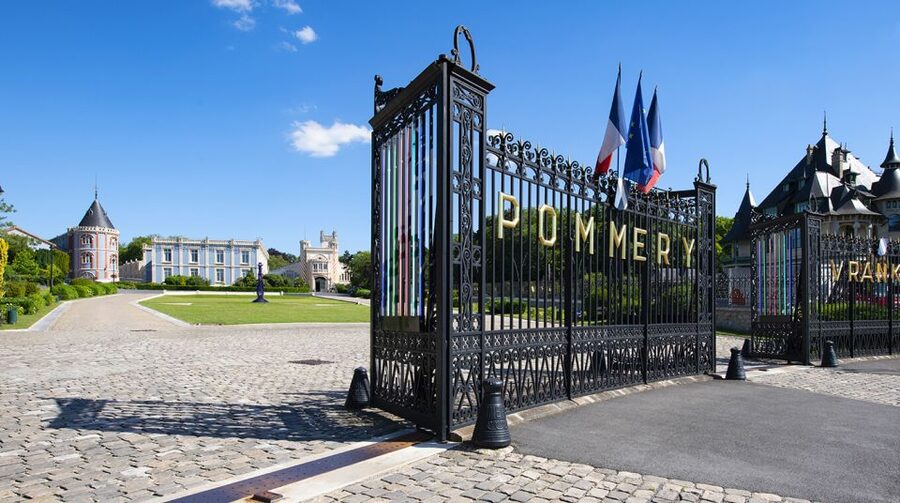
At $135, this is not a bargain-basement wine outing. The fee covers an English-speaking guide, air-conditioned minivan transport, entry to two estates, and six tastings. You are also paying for the guide’s explanations and for access to small producers that can be difficult to reach without a car.
The value is strongest if you care about learning and personal contact. A self-drive visit might cost less in theory, but it would require arranging appointments, navigating rural roads, and finding a safe way back after tasting. This tour handles the driving and links two producers in a compact morning.
The price is less attractive if you mainly want a grand Champagne landmark or a large famous house. Those are not the focus here. You are paying for independent producers, working vineyards, family hospitality, and a guide-led explanation of the craft.
Transport receives particularly strong marks, and that makes a real difference. The drives are short, the minivan is comfortable, and the route returns you to Reims Centre instead of leaving you in the countryside. You can plan the rest of your day without arranging a second ride.
A useful contrast with the major Champagne houses
I would treat this tour as a window into small-scale production, not as a complete Reims Champagne program. Several people who enjoyed the outing also recommended adding a major Champagne house if time allows.
That combination works well. Visit a large house for the grand cellars, established brand, and polished presentation. Then use this morning to see the smaller side of the region, where owners may greet you personally and production feels closer to the vineyard.
The two experiences answer different questions. A major house shows how Champagne reaches an international market. This tour shows how a family-run producer makes decisions, hosts visitors, and builds a business around its own cuvées.
If you have only one half-day in Reims, this tour gives you more countryside than a city-based cellar visit. If you have a full day, combining both styles will give you a better sense of the region.
Timing, comfort, and who will enjoy it most
The total schedule is tightly organized:
- 9:20 AM: Meet outside the station tourist office
- About 20 minutes: Drive to the first estate
- About 90 minutes: Tour, cellar visit, and three tastings
- About 20 minutes: Drive to the second estate
- About 60 minutes: Vineyard visit and three tastings
- About 30 minutes: Return to Reims Centre
You are back around 1:10 PM. That timing suits a rail day trip, especially if you want to spend the afternoon in Reims. It also works well before an evening train, provided you leave enough margin for your own plans.
The tour requires some walking and is not suitable for wheelchair users. Wear comfortable shoes, bring a jacket, and avoid bringing animals. The cellars may be cool, and rural winery surfaces are not always as easy as city pavements.
I would recommend it most for couples, friends, solo visitors, and small groups who want an introduction without giving up a whole day. It also suits people who are new to Champagne because the guide explains the process in plain English. Experienced wine drinkers may appreciate the producer contrast, but they should not expect a specialist masterclass or a fixed list of rare bottles.
The minimum operating requirement is two participants. If only one person books, the provider may contact that person to reschedule or issue a full refund. Free cancellation is available up to 24 hours before departure, and reserve-now, pay-later booking is offered.
The guide can make or break the morning
The route is useful, but the guide shapes how much you take away. The strongest experiences come from guides who explain technical subjects clearly and keep the conversation relaxed.
Suzanne has been praised for energy, warmth, and detailed Champagne knowledge. Anne and Etienne are noted for clear explanations of grape growing, harvesting, production, and the regional economy. Chloe has been praised for answering many questions in excellent English, while Thomas has been described as patient and especially good at explaining the full process from pressing through bottling.
Jerome, Martin, Xavier, and Perrine have also received warm praise for their friendly, personal approach. You should expect the assigned guide to vary, but the company uses English-speaking guides with strong regional and wine knowledge.
The small group helps here. With only a few people in the minivan, the guide can respond to individual questions instead of delivering a speech and moving on. That makes the outing feel more like a conversation than a factory tour.
Should you book this Reims Champagne morning?
I would book it if you want two family-run producers, six tastings, countryside views, and a clear introduction to Champagne making in just four hours. The central station pickup, short drives, and return before lunch make it one of the easier ways to reach rural estates without renting a car.
I would skip it if your priority is a famous grande marque, a long cellar walk, or a full meal with the wine. For that plan, add a major house or choose a longer tour.
For most visitors, the best plan is to use this morning as the personal, producer-focused part of a Reims stay. Bring a jacket, eat breakfast, arrive at the correct station tourist office, and keep your afternoon open. At $135, the tour earns its price through access, transport, teaching, and the chance to taste Champagne where it is made.
FAQ
Where does the tour meet?
Meet outside the tourist office beside Reims Centre train station. Reims has another tourist office near the cathedral, but that is not the meeting point.
What time does the tour start and finish?
The tour begins at 9:20 AM and returns to Reims Centre train station at about 1:10 PM.
How many Champagne producers do you visit?
You visit two small, family-run Champagne producers.
How many tastings are included?
Six Champagne glasses are included, with three cuvées tasted at each estate.
Is transportation included?
Yes. Transportation between Reims and the estates is provided in an air-conditioned minivan.
Is lunch included?
No. Lunch and other drinks are not included.
What should I bring?
Bring comfortable shoes and a jacket. The cellars average about 10 C.
Can I cancel the tour?
You can cancel up to 24 hours in advance for a full refund. The tour requires at least two participants to operate.
Recently added in Champagne
- The Must-sees 3h30 from Epernay (Private Half day Champagne Tour)★ 5.0 · 30 reviews
- From Epernay: Champagne Small-Group tour with tastings & Lunch★ 5.0 · 93 reviews
- Food & Champagne Experience from Epernay (Private tour)★ 4.5 · 28 reviews
- The Connoisseurs from Epernay (Private Half day Champagne Tour)★ 5.0 · 59 reviews
- Champagne experience with a vintage van from Epernay – 3 hours★ 5.0 · 108 reviews
- Bubble Champagne Tour from Epernay (Small group half day tour)★ 5.0 · 58 reviews
- Champagne Munoz Bruneau : Half Day Visit and Tasting★ 5.0 · 50 reviews
- From Epernay Full day Electric bike Champagne and lunch★ 5.0 · 36 reviews
Champagne Tours, compared.
Reims afternoon tour Champagne and family growers
Read our review →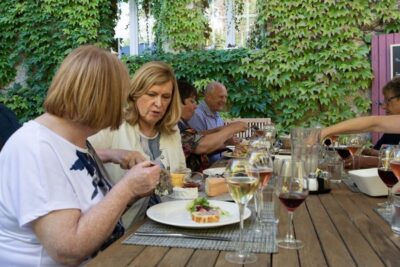
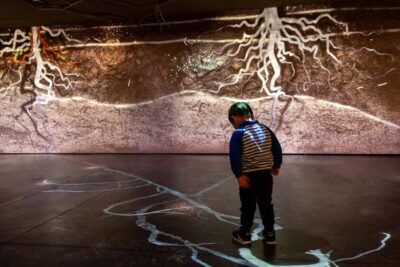
Aÿ-Champagne: Pressoria Champagne Museum with Tasting
Read our review →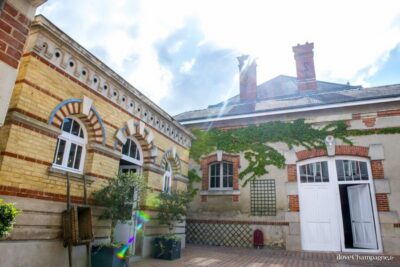
Aÿ-Champagne: Champagne House Tour and Tasting Class
Read our review →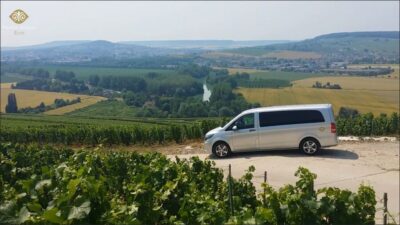
Champagne Day Trip to 3 Family Domains & Lunch
Read our review →
Champagne: E-Bike Champagne Day Tour with Tastings and Lunch
Read our review →
The Essential Tour from Epernay with Champagne Tasting
Read our review →Browse the lists this tour appears in