
REVIEW · CHEESE
Paris: Cheese and Wine Class in a 17th Century Cellar
Cheese tastes better underground. This 90-minute class takes you into the Musée Vivant du Fromage, a 17th-century cellar on Île Saint-Louis, where a cheese expert explains French cheesemaking before pairing seven cheeses with three wines. I like the historic setting and the clear, personal teaching style, especially from guides such as Pierre, Agathe, Gala, and Guillaume. The main drawback is simple: people with lactose intolerance cannot take part, and anyone under 18 cannot enjoy the wine.
You meet at 39 rue Saint Louis en l’île, an easy address to pair with a walk around central Paris. The class costs $82 per person, which is not a bargain snack, but it includes a full guided tasting, seven cheeses, three wines, and bread. If you want more than a quick bite at a fromagerie, this offers useful food knowledge along with the pleasure of eating it.
In This Review
- Key points to know before you book
- Entering the Living Cheese Museum on Île Saint-Louis
- Learning why maturation changes cheese
- Seven cheeses, seven different ways to taste France
- Three wines and the art of pairing
- What the 90-minute schedule feels like
- Is $82 good value in Paris?
- Who will enjoy this class most
- Practical tips for fitting it into your Paris day
- Should you book the Paris cheese and wine class?
- FAQ
- Where does the cheese and wine class meet?
- How long does the experience last?
- How many cheeses are included?
- How many wines are included?
- Is bread provided?
- Is the class taught in English?
- Can people under 18 drink during the class?
- Can I cancel for a full refund?
Key points to know before you book
- Seven cheeses from across France: Expect differences in milk, texture, style, and region rather than seven versions of the same mild cheese.
- Three paired French wines: The guide explains how each wine works with the cheese instead of simply pouring samples.
- A 17th-century cellar setting: The stone-and-cellar atmosphere gives the tasting a character that a normal shop counter cannot match.
- A small-group format: Groups can be intimate, with one reported class numbering 12 people and another just six.
- English instruction: The class is designed for English speakers and led by a professional cheese and wine guide.
- A full 90-minute session: You have enough time to taste, ask questions, and learn how cheese matures without giving up half a day of sightseeing.
Entering the Living Cheese Museum on Île Saint-Louis
The experience begins at the Musée Vivant du Fromage, at 39 rue Saint Louis en l’île in the 4th arrondissement. This is not a coach excursion with a pickup point on the edge of Paris. You make your own way there, so plan this as part of a day in central Paris and allow time to find the address.
The location on Île Saint-Louis is useful for a simple reason: you can combine the class with an afternoon or evening walk through one of the city’s most atmospheric areas. The meeting point is close to the historic center, but you still need to arrive ready to start on time. Pickup and drop-off are not included.
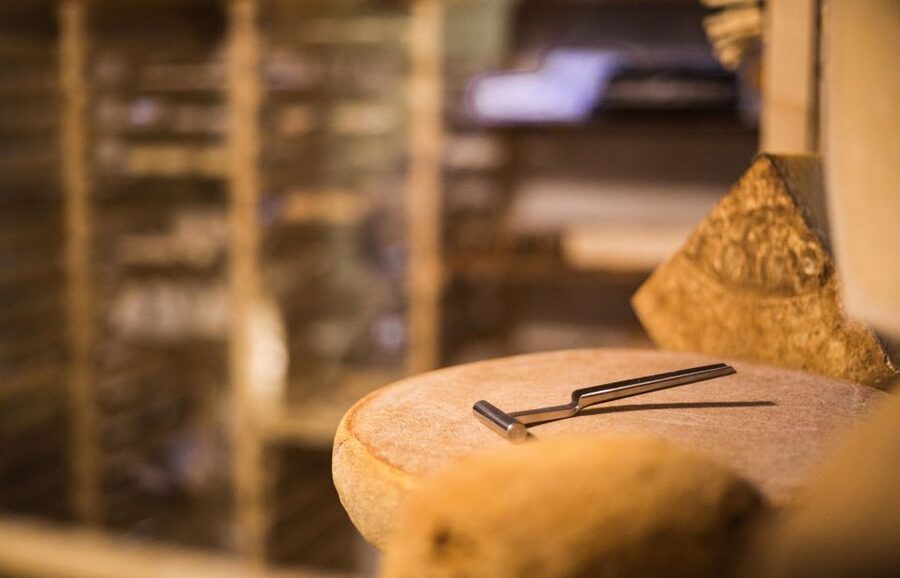
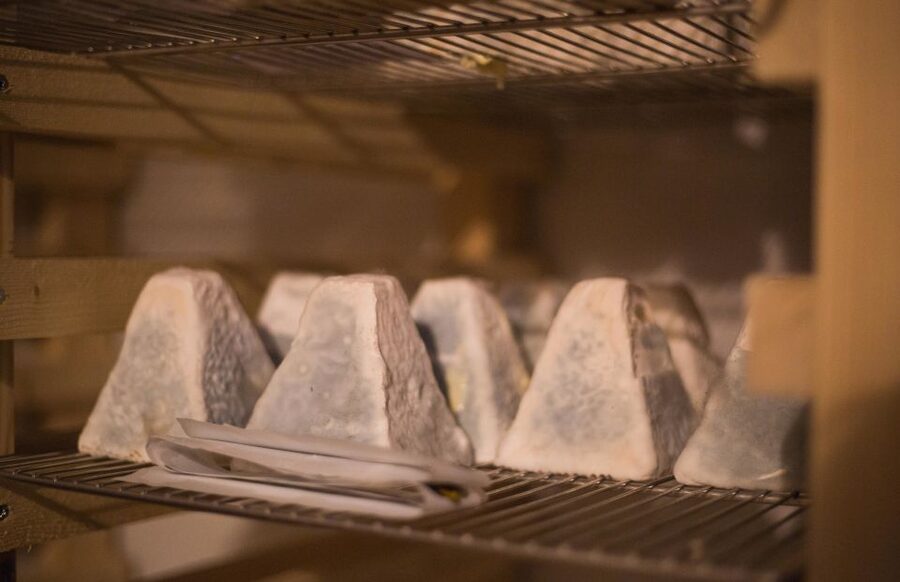
Once inside, the cellar changes the mood. You are not sitting in a bright conference room while someone runs through a slide presentation. You are surrounded by the place where cheese is stored and matured. That setting helps make the subject feel practical. You can see the cellar’s supply while learning why time, temperature, and care matter to the finished cheese.
The room itself has drawn praise for its comfort and character. That matters during a tasting because you spend the full 90 minutes seated, listening, sampling, and comparing. The space is part of the lesson, not just decoration.
More cheese tastings in Paris:
- Paris: Montmartre Cheese, Wine & Pastry Guided Walking Tour
★ 4.8 · 2,255 reviews - Private Montmartre Food Tour with Wine, Cheese & Pastries
★ 5.0 · 1,027 reviews - Paris Le Marais Food Tour With 10+ Tastings, Cheese, Wine & More
★ 5.0 · 985 reviews
Learning why maturation changes cheese
The first part of the class focuses on how French cheese is made. Your guide explains traditional production methods and the role of the maturing process. This is where the experience earns its place beyond a standard food tour.
Cheese is not simply milk turned solid. The way it is produced and then stored affects its smell, firmness, flavor, and texture. Maturation can change a cheese from soft and delicate to firm and powerful. The cellar gives you a physical setting for that explanation, since you can look at the place where the transformation happens.
The teaching style appears to be one of the strongest parts of the class. Pierre has been praised for spending time with the group and making the session interactive. Agathe is known for keeping the information interesting without burying you in detail. Other guides, including Gala, Guillaume, and Marie, have been described as warm, clear, and passionate about their subject.
That variety of guide names tells you something useful. The quality of the class depends partly on who leads your session, but the repeated praise points to a strong standard across the team. You should expect a host who answers questions rather than rushing through a fixed script.
You also learn how to assess cheese and wine together. That can be more useful than memorizing French cheese names. The guide encourages you to notice aroma, texture, strength, and balance, then consider how a wine changes the taste. You leave with a better method for ordering cheese in a French restaurant or choosing something from a shop.
Seven cheeses, seven different ways to taste France
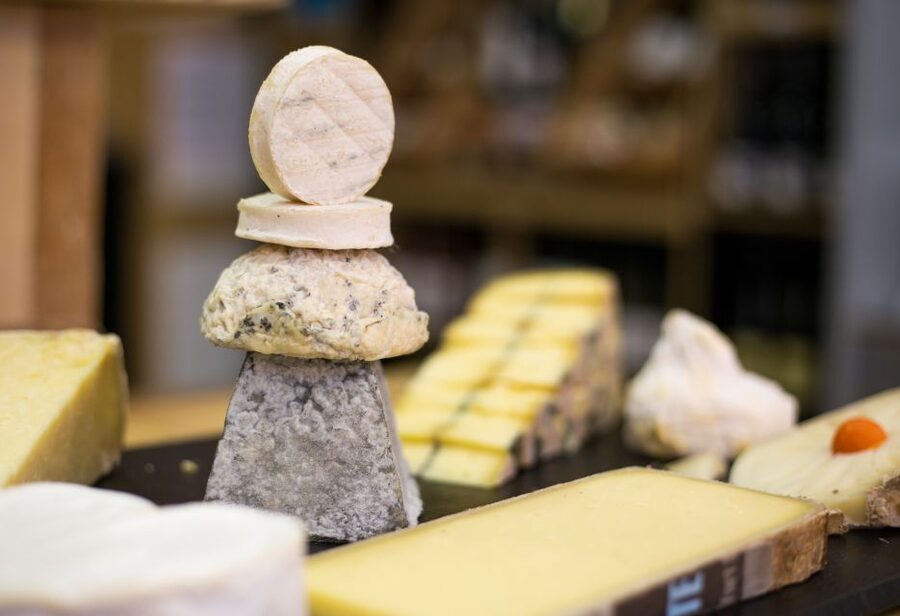
The tasting includes seven French cheeses from different regions and with different types, textures, and milk. The exact lineup may change, so you should treat the number and variety as the reliable part rather than expecting a particular label.
Seven samples is a good amount for a 90-minute session. Three cheeses would give you an introduction, while a much larger number could turn into a blur of dairy and tasting notes. Seven gives you enough contrast to notice how much French cheese can vary.
You might move from a fresh or soft cheese to firmer styles, then to stronger or more mature examples. The point is not only to decide which one you like. You compare how the cheese feels in your mouth, how long the flavor lasts, and what the wine does beside it.
The format also makes it easier to find a new favorite. Brian, for example, discovered a cheese he wanted to seek out again. That is one of the best reasons to take this class. A cheese counter can be intimidating if you do not know the names or styles, while guided tasting lets you try without committing to a large purchase.
Bread is included, and fresh baguette plays an important supporting role. It gives you a neutral base between samples and turns the tasting into something closer to a light meal. Still, I would not book this as a full dinner replacement. The experience is built around tasting portions, not a large meal.
If you are sensitive to dairy, this is not the right activity. The class is specifically unsuitable for people with lactose intolerance. There is no stated alternative tasting, so you should not count on a substitute.
Three wines and the art of pairing
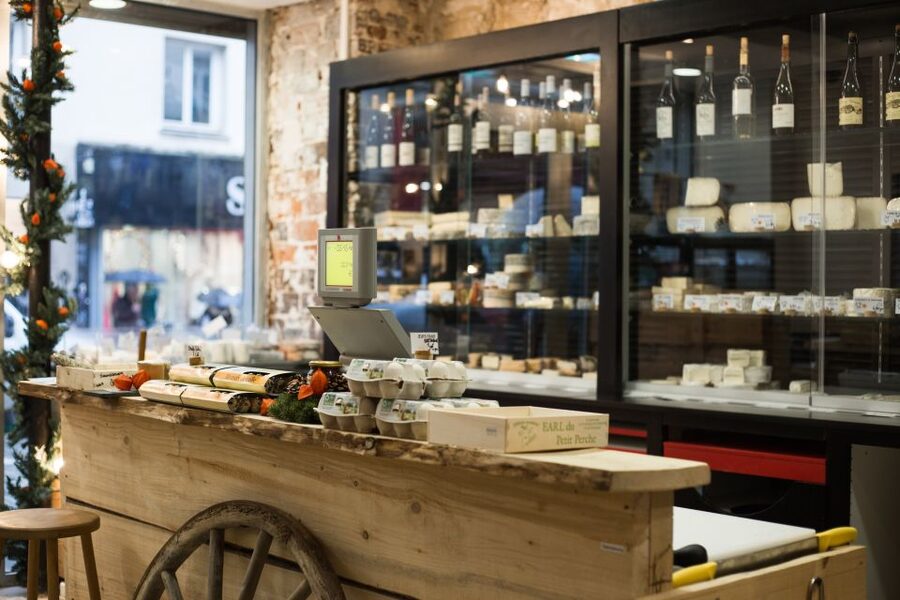
The class includes three French wines, each selected to work with the cheeses. This is more useful than a basic wine tasting because the pairing gives you a direct comparison.
A cheese can make a wine taste softer, sharper, sweeter, or more forceful. A wine can also bring out a cheese’s salt, creaminess, or earthy character. The guide explains these relationships as you alternate bites of fromage with sips of wine.
That sequence is worth following carefully. Taste the cheese on its own first. Then take the wine and notice what changes. You do not need professional tasting language. Simple observations such as creamy, salty, sharp, mild, dry, or fruity are enough.
The pairings have received especially strong praise. Several sessions were described as having perfect or inspired combinations, with an excellent selection of both cheese and wine. That emphasis is important because the wine is not an extra pour added to the class. It is part of the teaching.
The minimum drinking age is 18. Since alcohol is central to the session, you should not book this expecting a meaningful nonalcoholic version. Children and under-18 visitors may not be able to enjoy the experience as intended.
More hands-on sessions in Paris:
- Fragonard Paris: Mini Perfume Workshop
★ 4.5 · 1,924 reviews - Paris Cooking Class and Lunch with Wine plus Market Visit Option
★ 5.0 · 1,024 reviews - Paris Croissant Small-Group Baking Class with a Chef
★ 5.0 · 910 reviews - Paris: Macaron Class at Galeries Lafayette
★ 4.3 · 905 reviews
What the 90-minute schedule feels like
The short duration is one of the class’s strengths. Paris can easily swallow a whole day, so a 90-minute activity fits neatly between sightseeing stops, a museum visit, or dinner.
You begin with an introduction to the cellar and the cheesemaking process. The guide then explains maturation and presents the cheeses. As the tasting progresses, you try the wines and bread alongside the samples, with time for questions and discussion.
The session is structured, but it does not sound stiff. Several guides have been praised for humor and interaction, and one class was described as passing very quickly. That is usually a good sign for a food lesson. You spend enough time on each item to understand it, but not so long that the tasting becomes a lecture.
The group size also affects the experience. A class of six allows for more direct conversation, while a group of around 12 still remains small enough for questions. The small-group approach is more personal than a large food demonstration and should suit you if you like learning by asking questions.
The tradeoff is that small-group classes can feel more dependent on the energy of the people in your session. A quiet group may produce a calmer lesson, while an outgoing group may create more discussion. The guide’s interactive style helps, but the atmosphere can vary.
Is $82 good value in Paris?
At $82 per person, this is a premium tasting rather than a casual food stop. I would judge the value by what is included: seven cheeses, three wines, bread, an English-speaking professional guide, and access to a distinctive cellar setting.
If you only want to eat cheese and drink wine, you can spend less at a market, shop, or wine bar. You would not get the same guided explanation of production, maturation, and pairing. You would also miss the chance to ask why one cheese works with a particular wine.
The price makes better sense for someone who values context. You are paying for the tasting and for the person who helps you understand what is in front of you. That knowledge can improve later meals during your stay, especially if you want to visit French fromageries without pointing at random and hoping for the best.
There is also a possible extra perk. One class allowed participants to buy wine afterward with a 10 percent discount. Treat that as a potential benefit rather than a guaranteed part of every booking, since the supplied details do not list it as an inclusion.
For a couple or a small group looking for a special Paris activity, the cost can be justified. For a family with children under 18, or anyone avoiding alcohol and dairy, it is poor value because the central parts of the class will not suit you.
Who will enjoy this class most
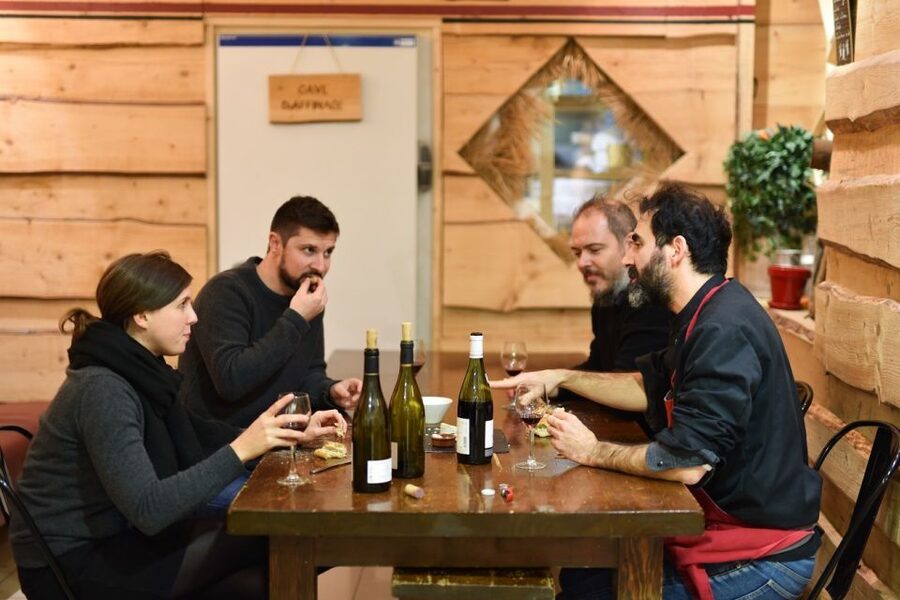
I would recommend it to you if you:
- Love cheese and want to understand French styles beyond supermarket basics.
- Enjoy wine but want help with pairing rather than a series of unrelated samples.
- Prefer a small, focused activity to a large sightseeing tour.
- Want a break from monuments and museums without leaving central Paris.
- Like asking questions and learning from an enthusiastic guide.
- Are comfortable spending 90 minutes seated in a cellar setting.
- Are 18 or older and can eat dairy.
It is less suitable if you need a full meal, dislike strong cheeses, cannot drink alcohol, or have lactose intolerance. It also may not be the best choice for someone who wants a broad city tour, since the activity stays focused on cheese and wine.
The English instruction is a practical advantage. You do not need specialist vocabulary to enjoy the class, and the guides are expected to explain the subject in accessible terms. That makes it a good choice for curious beginners as well as people who already know their way around a cheese board.
Practical tips for fitting it into your Paris day
Plan your route before you go. The address is on Île Saint-Louis, and no transportation to or from the class is provided. Pairing it with nearby central sightseeing keeps the logistics simple.
Arrive ready to taste rather than stuffed from lunch. Bread is included, and the cheese portions form the heart of the session, but this remains a tasting rather than a large meal.
Avoid scheduling an important formal dinner immediately afterward if you want to linger over the samples. The class lasts 90 minutes, and the wine, cheese, and conversation may make you want a little time before rushing to your next reservation.
Keep your expectations flexible about the exact cheeses. The selection is presented as seven varieties from different regions, types, textures, and milk, but individual cheese names are not specified. The pleasure is in the range and the explanation, not in checking off a fixed list.
The cancellation terms are useful for a changing Paris itinerary. You can cancel up to 24 hours before the start for a full refund, and you can reserve now while paying later. Check the available starting times when booking, since the class runs for 90 minutes and schedules can affect your sightseeing plans.
Should you book the Paris cheese and wine class?
Book it if you want a focused, sociable Paris experience that teaches as it feeds you. The cellar setting, seven-cheese format, three French wines, and repeated praise for guides such as Pierre and Agathe give it more substance than a quick tasting at a shop.
I especially like that the class connects the food to how it is made and matured. You do not just hear that French cheese is good. You learn what creates the differences, then test those ideas with bread and wine.
Skip it if you cannot eat dairy, are under 18, or want a substantial meal. Otherwise, $82 is fair for a polished 90-minute lesson in a memorable setting, especially if you are willing to ask questions and pay attention to the pairings. It is a smart way to change the rhythm of a Paris visit: less monument hunting, more learning with a baguette in hand.
FAQ
Where does the cheese and wine class meet?
It meets at the Musée Vivant du Fromage, 39 rue Saint Louis en l’île, 75004 Paris.
How long does the experience last?
The class lasts 90 minutes.
How many cheeses are included?
The tasting includes seven cheeses from different French regions, types, textures, and kinds of milk.
How many wines are included?
Three French wines are included in the tasting.
Is bread provided?
Yes. Bread is included with the cheese and wine tasting.
Is the class taught in English?
Yes. The listed instruction language is English.
Can people under 18 drink during the class?
No. The minimum drinking age is 18.
Can I cancel for a full refund?
Yes. You can cancel up to 24 hours in advance for a full refund.
Recently added in Paris
- Private Transfers in Paris★ 5.0 · 75 reviews
- CDG – Euro Disney – CDG Two Way Private Shuttle Transfer★ 5.0 · 233 reviews
- Disneyland® Paris 1 Day Ticket with Transport from Paris★ 3.5 · 302 reviews
- Personalized Transport service from Disneyland to Paris★ 5.0 · 63 reviews
- Monet’s Gardens & House-Private Giverny Tour From Paris★ 4.5 · 137 reviews
- Guided tour Monet’s house and gardens/small group★ 4.5 · 68 reviews
- Giverny Monet House and Gardens Skip the line Walking tour★ 4.0 · 217 reviews
- Monet’s House and Garden & Giverny Village★ 4.5 · 39 reviews
Cheese, compared.
Montmartre Cheese, Wine & Pastry Guided Walking Tour
Read our review →
Private Montmartre Food Tour with Wine, Cheese & Pastries
Read our review →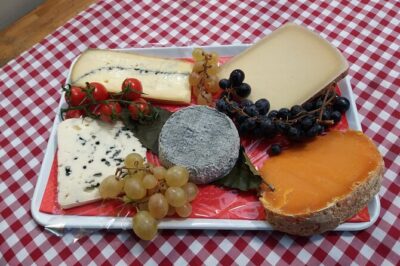
Paris Le Marais Food Tour With 10+ Tastings, Cheese, Wine & More
Read our review →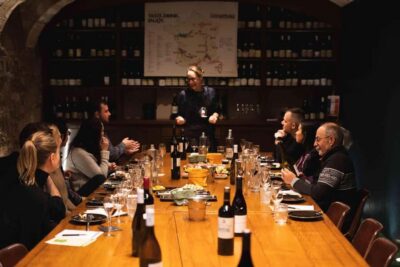
Cheese & Wine Tasting in Montmartre with Local Cheesemonger
Read our review →
French Wine, Champagne And Cheese Tasting Paris SECRET WINE DOOR
Read our review →
Walking Food Tour with Cheese, Wine and Delicacies
Read our review →
Browse the lists this tour appears in