
REVIEW · WINE TOURS
Paris: French Wine and Cheese Guided Tasting
French wine makes more sense with cheese. This two-hour tasting at L’Oeno’Vice pairs five French pours with five cheeses, while Simon explains how grapes, climate, and place shape what lands in your glass. I like the intimate group of no more than eight, and I especially like the perfume samples used to sharpen your sense of smell. The main consideration is price: at $82 per person, this is not a cheap drink stop, though the teaching and generous tasting make it more than a casual snack.
Simon’s style is warm, funny, and easy to follow, even if you know little about wine. You’ll cover French regions, tasting technique, food pairings, and the history behind the bottles without needing a polished wine vocabulary. The bar is small and charming, which suits the relaxed class, though it may feel warm or close when the room is full.
In This Review
- Key points at a glance
- Why this Paris wine class is more useful than a simple tasting
- Meeting Simon at L’Oeno’Vice
- The opening lesson: France in a glass
- Looking, smelling, and tasting the right way
- Four wines, five cheeses, and a final glass of champagne
- Learning how cheese changes wine
- The teaching style and the language question
- Is $82 per person a fair price?
- Who should book this Paris experience?
- What to know before you go
- Should you book the L’Oeno’Vice tasting?
- FAQ
- Where does the French wine and cheese tasting take place?
- How long does the tasting last?
- How many wines are included?
- How many cheeses are included?
- Is the tasting available in English?
- How large is the group?
- Is the activity suitable for children or pregnant women?
Key points at a glance

- Five carefully matched pours: Taste two white wines, two reds, and one champagne, each with a different cheese.
- Simon leads the class: The owner of L’Oeno’Vice explains French wine in clear English or French, with plenty of room for questions.
- Perfume samples make tasting practical: Smelling familiar scents helps you notice fruit, flowers, spice, and other notes in the wine.
- A genuinely small group: With a maximum of eight people, the session feels more like a friendly class than a formal presentation.
- Useful restaurant skills: You learn how to look at, smell, and taste wine, then choose bottles and pairings with more confidence.
- Best for adults who enjoy learning: The experience is limited to people aged 18 and older and is not suitable during pregnancy.
Why this Paris wine class is more useful than a simple tasting
Paris offers plenty of places to drink wine. What makes this experience worthwhile is the structure. You are not simply handed five glasses and left to guess which one you like. Simon gives each pour a job, showing how French wine changes from region to region and how cheese can alter what you taste.
That matters because French wine labels can feel like a geography test. Instead of relying mainly on grape names, French bottles often point you toward a region or appellation. Simon’s explanations connect the bottle to its place, climate, and local traditions, giving you a practical way to make sense of a French wine list later in your trip.
You also get guidance that works outside the bar. You learn to inspect the color, smell the wine, and then taste it. Those steps may sound basic, but they slow you down enough to notice what is actually in the glass. You do not need a trained palate. The point is to become more observant and less intimidated.
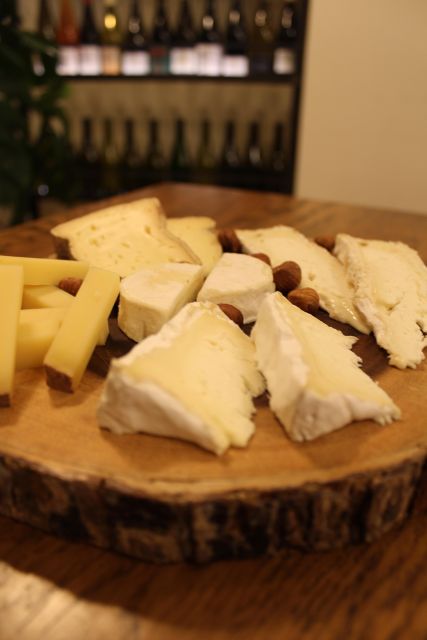
The five cheeses add another useful layer. Each one is paired with a different wine, so you can compare how salt, texture, creaminess, and stronger flavors affect the drink. A wine that seems sharp on its own may become softer with cheese. Another may show more fruit or freshness beside a particular bite.
I would choose this class early in a Paris visit if wine is part of your plans. The advice on ordering and pairing can guide meals for the rest of your stay, and you may leave with a clearer idea of the bottles you want to seek out.
More Food Tours in Paris
- Paris: Seine Cruise & Crepe Tasting near the Eiffel Tower
★ 4.4 · 11,231 reviews - Authentic Parisian Gourmet Food Tour with 10 Local Dishes & Wines
★ 5.0 · 4,754 reviews - Normandy D-Day Small-Group Day Trip with Omaha Beach, Cemetery & Cider Tasting
★ 5.0 · 2,786 reviews
Meeting Simon at L’Oeno’Vice
You meet Simon at L’Oeno’Vice, his wine and tapas bar. It is described as a small, welcoming neighborhood spot rather than a grand cellar or polished dining room. That setting is part of the appeal. You are learning in the kind of local bar where the subject feels connected to everyday French life.
Allow a little time to find the entrance and arrive at the stated meeting time. One couple arrived early and found the bar closed, simply because Simon had not opened yet. The lesson is simple: do not turn up far ahead and assume the venue will already be operating.
The compact room can feel warm, especially when the group is full. Simon has opened the large doors to improve the air, but this is worth keeping in mind if you prefer lots of space or a cool, formal tasting room. The tradeoff is a more personal setting, with the guide close enough to answer questions and adjust the pace.
The group limit is eight people. That makes a real difference. A small party gives you time to ask about a region, a cheese, or a bottle you saw at dinner. Some sessions may be even smaller, creating an almost private class. You should not count on having the bar to yourself, but the format is designed to stay intimate.
The opening lesson: France in a glass
Simon begins with an introduction to wine, including its history and the main French wine regions. Maps and graphics may be used to show where the wines come from, which helps turn a list of unfamiliar place names into something you can picture.
The lesson focuses on three practical influences: climate, grape variety, and location. These are not abstract facts. They explain why wines made from different grapes taste different, why the same grape can change from one area to another, and why a region matters so much in French wine.
This part suits beginners especially well. You do not need to know the difference between a Bordeaux and a Burgundy before you arrive. Simon’s teaching is aimed at making the subject accessible, and he is happy to stop for questions. People with more wine experience should still find value in the regional comparisons and food advice, although a serious wine student may want a more technical cellar visit.
The tone is not stiff. Simon is often described as funny, patient, and passionate, which helps keep the geography lesson from becoming a lecture. His enthusiasm also makes it easier for a reluctant wine drinker to take part without feeling tested.
Looking, smelling, and tasting the right way
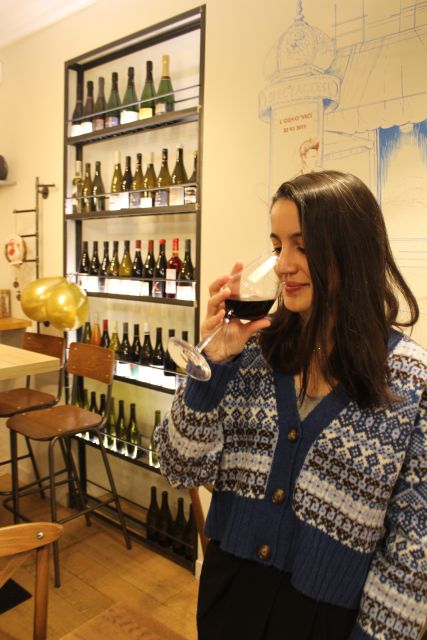
The tasting method comes next. First, you look at the wine and consider its color. Then you smell it before taking a sip. Finally, you taste it and think about what changes in your mouth.
That order gives you a repeatable method for future meals. You might not suddenly identify every grape at a restaurant, but you will know how to assess a bottle with greater confidence. The class teaches you to pay attention rather than pretend to recognize notes you do not actually smell.
The perfume samples are one of the most distinctive parts of the experience. Simon uses them to help train your nose, giving you a familiar reference for scents that may appear in wine. This can make a vague instruction such as look for floral or fruity notes more concrete.
Do not worry if your nose does not immediately pick out every scent. The exercise is meant to build awareness, not prove your expertise. You can compare the perfume sample with the glass, discuss what you notice, and then taste the wine with that idea in mind.
This is also where the class feels more educational than a standard wine-and-cheese board. The lesson gives you a tool you can use later, whether you are choosing a bottle in Paris or opening one at home.
More Wine Tours in Paris
- Montmartre Hill French Gourmet Food and Wine Tasting Walking Tour
★ 5.0 · 2,588 reviews - From Paris: Loire Valley Castles Day Trip With Wine Tasting
★ 4.6 · 1,727 reviews - Paris: Les Caves du Louvre Guided Tour with Wine Tastings
★ 4.7 · 932 reviews - Champagne Day Trip with 6 Tastings, Reims and Winery from Paris
★ 5.0 · 902 reviews
Four wines, five cheeses, and a final glass of champagne
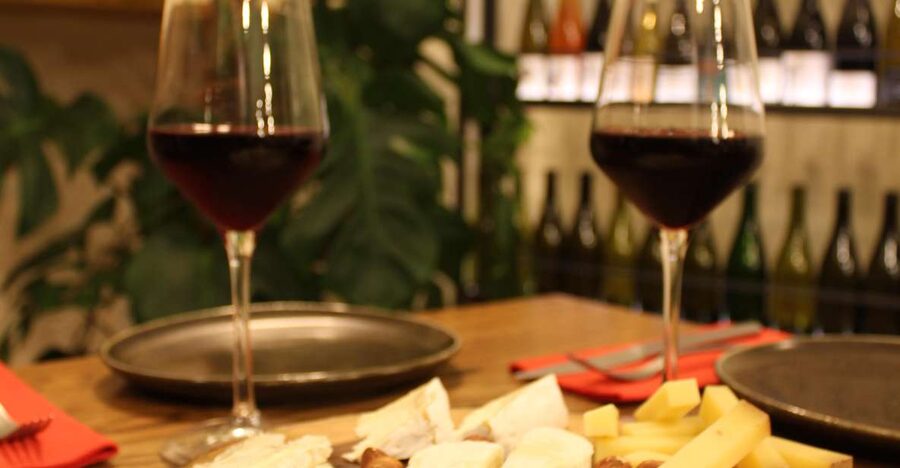
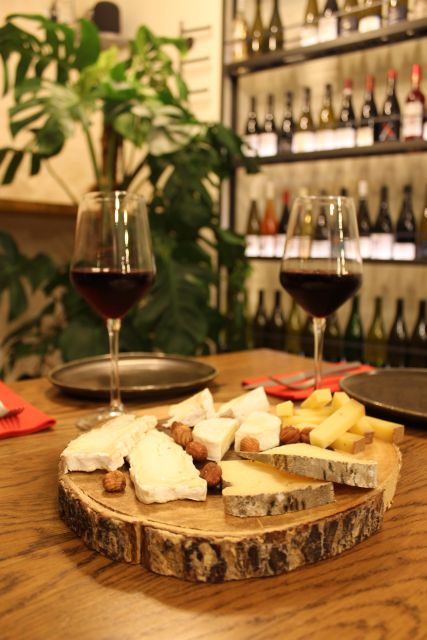
The tasting includes two white wines, two red wines, and a final glass of champagne. Each wine is served with a different cheese, for a total of five cheese pairings. The sequence gives you a broad tour of styles instead of concentrating on only one type of French wine.
The white wines allow you to notice freshness, acidity, and lighter textures. With the cheeses beside them, you can see how a crisp or delicate wine behaves with dairy. Simon explains why a particular match works, helping you understand the pairing rather than simply accepting it.
The two reds bring more body and structure to the session. You can compare them with each other and see how cheese changes the experience. This is useful preparation for French restaurant menus, where a server may suggest a red based on your main course or cheese plate.
Champagne closes the tasting. That final glass adds a celebratory note, but it also gives you another style to consider. Bubbles, freshness, and texture make it behave differently from the still wines that come before it.
The tasting is substantial for a two-hour class, but it is not a meal. Five cheeses and five pours can make the experience satisfying, yet food and drinks not listed are not included. If you need dinner, plan a separate meal rather than treating this as a full replacement.
One particularly personal detail comes from the champagne selection: one session included champagne produced by Simon’s family. That kind of connection can give the closing pour a special story, though the exact bottles may change. You should expect a guided selection, not a fixed published list of brands and vintages.
Learning how cheese changes wine
The cheese pairings are not just there to make the tasting more filling. They show why pairing is a matter of balance. Salt can change the way wine tastes, while creamy textures may soften a sharper wine. Stronger cheeses can make a lighter wine seem less present, while a fuller wine may hold its ground.
Simon explains the combinations as you go. This gives you a way to think about future meals: match weight with weight, watch the strength of the cheese, and notice whether the wine becomes more pleasant or less balanced after a bite.
I like this approach because it avoids rigid rules. There is no single perfect wine for every person. Your favorite pairing may not be the one Simon expects, and that is useful information in itself. The goal is to understand your own taste, not memorize a list of official matches.
The pairings also connect wine to French food culture. You get a small lesson in how wine is used at the table, not just how it is judged in a glass. If you are planning a cheese course or want to order more confidently at a Paris restaurant, this is one of the most practical parts of the class.
The teaching style and the language question
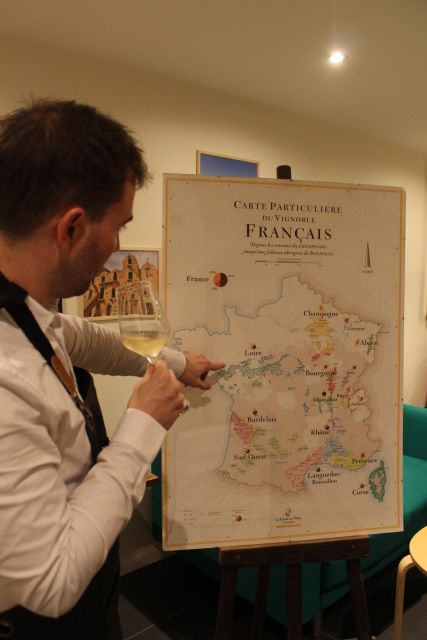
The tour is offered in English or French. Simon’s English has a noticeable accent, but he is described as clear and able to handle questions without trouble. If you miss a detail, ask him to repeat it. The small group makes that easier than it would be in a large lecture.
His approach works for mixed experience levels. A non-wine drinker can start with the basics, while a chef or experienced wine fan can ask more specific questions about regions and pairings. Simon also adapts to the group’s pace, which keeps the class from feeling rushed.
The humor is a plus. Wine talk can become overly solemn, especially when people begin using elaborate tasting language. Simon’s friendly manner keeps the subject grounded. You are there to learn, but also to enjoy an evening in a Paris bar.
The strongest praise centers on his teaching, passion, patience, and ability to explain difficult ideas in plain language. That is important because the guide is the main reason to choose this experience over a self-guided tasting. The setting is modest, but the instruction gives it purpose.
Is $82 per person a fair price?
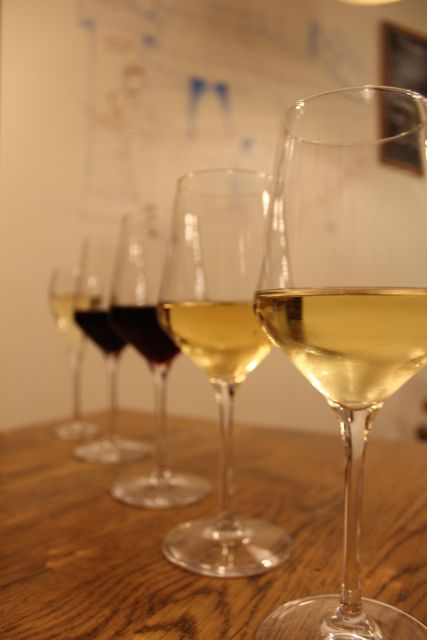
At $82 per person, this tasting costs more than buying a bottle and a few cheeses yourself. It is also more than a quick glass of wine at a Paris bar. The price makes better sense if you value the two hours of instruction, the small group, the five pours, and the matched cheeses.
You are paying for interpretation as much as for food and drink. Simon explains the regions, history, tasting process, scents, and pairings. That information can improve later meals, especially if French wine labels or restaurant suggestions usually leave you uncertain.
The value is strongest for beginners, couples, and curious food lovers who want a focused experience. It is also a good choice if you have already tried tastings elsewhere and want more explanation than a brief sample flight usually provides.
The value is weaker if you mainly want a large cheese meal or a long list of rare wines. This is a teaching session, not a lavish lunch and not a cellar tour. One person found it somewhat expensive for what was served, so you should book with realistic expectations.
A useful bonus is that you may discover bottles you want to buy afterward. Some participants purchased favorites from the tasting at reasonable prices. If you plan to take bottles home, ask Simon about shipping arrangements, since guidance on sending wine to your home country is not included.
Who should book this Paris experience?
I would recommend it to adults who enjoy food, want a low-pressure introduction to wine, or plan to eat at several French restaurants. It is particularly helpful for people who know little about wine and want practical skills rather than a formal qualification.
It also suits a couple or small group looking for a relaxed evening activity. The intimate format encourages conversation, and the tasting can work well as a shared experience during a Paris stay.
You should skip it if you are pregnant, under 18, or looking for a full meal. You may also prefer another activity if you dislike close indoor settings or want a large, highly formal wine school.
Wheelchair access is available, and the guide speaks English and French. The tasting lasts two hours, so it fits neatly into a day of sightseeing without taking over your whole evening.
What to know before you go
Book this when you can give yourself the full two hours. Arriving late could mean missing the regional introduction or the explanation of the tasting method, both of which make the later pairings more useful.
Do not arrive extremely early expecting the bar to be open. Meet at L’Oeno’Vice at the scheduled time, and check the available starting times when you book.
Bring questions. Simon’s strength is his willingness to explain, and the group size makes this a good place to ask about a grape, a region, a restaurant pairing, or a bottle you have encountered elsewhere.
Come ready to taste slowly. The purpose is not to finish five glasses quickly. Look, smell, taste, compare, and notice how the cheese changes the wine.
Should you book the L’Oeno’Vice tasting?
Book it if you want to understand French wine, not just drink it. The combination of Simon’s friendly instruction, five wine and cheese pairings, perfume exercises, and a group capped at eight creates a useful and enjoyable two hours.
At $82, it is best viewed as a compact wine class with food and drink, not a bargain bar crawl. If you want a large meal, a grand cellar, or a long list of expensive bottles, choose another experience. If you want to leave Paris better able to read a wine list and choose a pairing, this is a strong choice.
FAQ
Where does the French wine and cheese tasting take place?
The experience takes place at L’Oeno’Vice, Simon’s wine bar in Paris.
How long does the tasting last?
The tasting lasts two hours. Starting times vary, so check availability when booking.
How many wines are included?
You taste five pours: two white wines, two red wines, and one champagne.
How many cheeses are included?
Five kinds of cheese are included, with a different cheese served alongside each wine.
Is the tasting available in English?
Yes. The live guide can conduct the experience in English or French.
How large is the group?
The experience is limited to eight participants, making it a small-group tasting.
Is the activity suitable for children or pregnant women?
No. It is not suitable for children under 18 or pregnant women.
More Cheese Tastings in Paris
- Paris: Montmartre Cheese, Wine & Pastry Guided Walking Tour
★ 4.8 · 2,255 reviews - Private Montmartre Food Tour with Wine, Cheese & Pastries
★ 5.0 · 1,027 reviews - Paris Le Marais Food Tour With 10+ Tastings, Cheese, Wine & More
★ 5.0 · 985 reviews - Paris: Wine and Cheese Lunch
★ 4.9 · 596 reviews
Recently added in Paris
- Private Transfers in Paris★ 5.0 · 75 reviews
- CDG – Euro Disney – CDG Two Way Private Shuttle Transfer★ 5.0 · 233 reviews
- Disneyland® Paris 1 Day Ticket with Transport from Paris★ 3.5 · 302 reviews
- Personalized Transport service from Disneyland to Paris★ 5.0 · 63 reviews
- Monet’s Gardens & House-Private Giverny Tour From Paris★ 4.5 · 137 reviews
- Guided tour Monet’s house and gardens/small group★ 4.5 · 68 reviews
- Giverny Monet House and Gardens Skip the line Walking tour★ 4.0 · 217 reviews
- Monet’s House and Garden & Giverny Village★ 4.5 · 39 reviews
Wine Tours, compared.
Montmartre Hill French Gourmet Food and Wine Tasting Walking Tour
Read our review →
Loire Valley Castles Day Trip With Wine Tasting
Read our review →
Afternoon Saint-Emilion Wine Tasting & snack
Read our review →
Medoc or Saint Emilion Wine Tasting and Chateau from Bordeaux
Read our review →
Saint Emilion Day Trip with Sightseeing Tour & Wine Tastings from Bordeaux
Read our review →
Saint-Émilion: Grand Cru Classé Winery Visit and Tasting
Read our review →
Saint Emilion Half-Day Trip with Wine Tasting & Winery Visit from Bordeaux
Read our review →Browse the lists this tour appears in