REVIEW · TICKETS
Paris: Musée d’Orsay Guided Tour with Ticket
Orsay rewards a guided first visit. I like the small groups of up to six and the way the tour links famous paintings to the social changes that shaped them. I also like that your ticket covers the permanent collection, so you can focus on the art instead of sorting out museum logistics.
The main tradeoff is time. Two and a half hours gives you a strong introduction, but the Musée d’Orsay is packed with more art than anyone can properly see in one visit. If you want long, quiet time before each painting, a guided tour may feel brisk.
In This Review
- Key points to know before booking
- Why the Musée d’Orsay works so well with a guide
- Entering the former railway station
- The 2.25-hour guided route through the permanent collection
- Manet, Renoir, Cézanne, and Gauguin in context
- Famous paintings without ignoring the quieter works
- The short break and final 15 minutes
- What the six-person limit means in practice
- Is $128 a fair price?
- Language choices and guide style
- Who should book this Orsay tour?
- Should you book the Musée d’Orsay guided tour?
- FAQ
- How long does the Musée d’Orsay guided tour last?
- What is included in the price?
- How many people can join each guide?
- Which languages are offered?
- Can I bring luggage or a large bag?
- Can I cancel or pay later?
Key points to know before booking
- Small groups cap at six people per guide, which makes questions and conversation much easier.
- The tour covers major works and less familiar pieces, not just the usual Monet and Van Gogh stops.
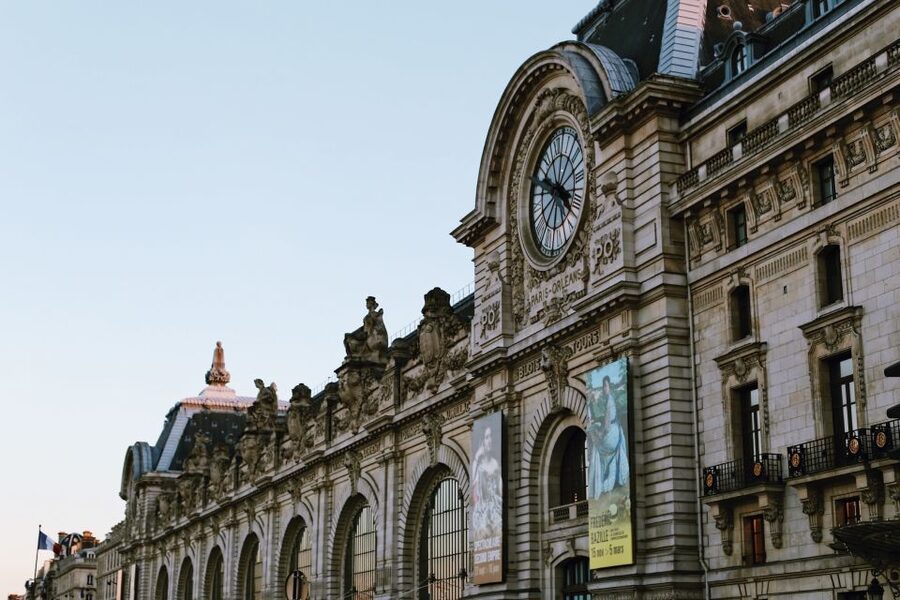
- The former railway station is part of the experience, with its Beaux Arts structure and enormous clock adding drama before you even reach the galleries.
- Guides connect art to its time, explaining how Manet, Renoir, Cézanne, Gauguin, and others changed painting.
- Several languages are available, including English, French, Italian, Russian, German, and Spanish.
- Large bags and luggage are not allowed, so arrive ready to enter without bulky belongings.
Why the Musée d’Orsay works so well with a guide
The Musée d’Orsay is not simply a room full of pretty pictures. It tells the story of a major break in European art, when painters began challenging official taste, old subjects, and strict academic rules.
That story can be hard to follow on your own. You may recognize a famous Monet or Van Gogh, but the reason it mattered at the time is less obvious. A good guide gives you the thread: what painters were expected to do, which artists rejected those rules, and how their experiments opened the way for Impressionism and post-Impressionism.
I like this tour because it treats the museum as a connected story rather than a checklist. You are not just pointed toward a famous canvas and given a date. You hear about the artists’ individual styles, their working methods, and the people and events around them.
The experience is aimed at first-time visitors, so it should suit you if the Orsay feels a little intimidating. The guide helps you get your bearings quickly and chooses a sensible route through the permanent collection. That matters in a museum where it is easy to spend 20 minutes in one room, then realize you have missed several major sections.
The guide may also use an iPad to show extra information about important paintings. That can help when a work is crowded or when a detail is too small to spot from a distance.
A few more Paris outings to set side by side
- Paris: Louvre Museum Timed-Entrance Ticket
★ 4.6 · 71,977 reviews - Disneyland® Paris 1-Day Ticket
★ 4.6 · 49,412 reviews - Paris: Versailles Palace and Gardens Full Access Ticket
★ 4.6 · 41,579 reviews
Entering the former railway station
Your meeting point is at or near the Musée d’Orsay, with the exact starting place depending on the option you book. Pay close attention to the meeting instructions. One couple had initial confusion after entering the museum instead of waiting near the specified statue, and museum staff could not clarify the tour arrangements.
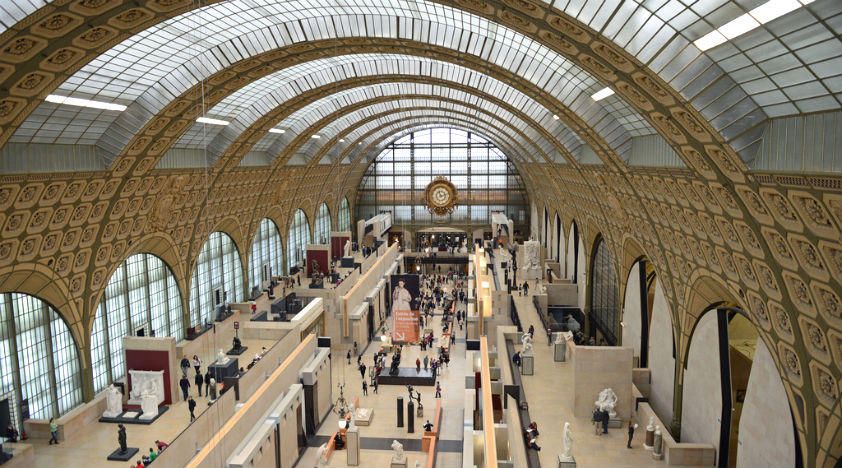
Once inside, the building itself deserves a few minutes of attention. The museum occupies a former railway station, redesigned in the grand Beaux Arts style. The huge central hall, high roof, stone details, and famous clock make the setting feel unlike a standard gallery.
This is one of the tour’s pleasures. You are seeing art inside a building that was designed for movement, crowds, and modern travel. The station’s original purpose also adds a useful contrast: the building represents industrial progress, while the paintings nearby show artists breaking with older artistic traditions.
Your guide can help you notice that connection. The building is not just a photogenic shell. It is part of the museum’s argument about modern life.
The 2.25-hour guided route through the permanent collection
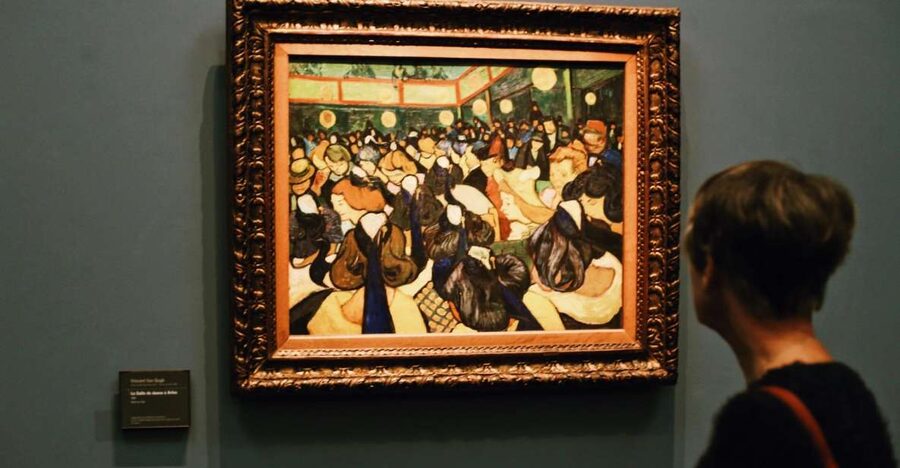
The main museum visit lasts about two hours and 15 minutes. It includes a guided tour, time for photographs, and some free time. The route is designed to cover the Orsay’s major works while leaving room for less familiar paintings.
Expect the pace to be purposeful. You will likely move between key rooms rather than settle in front of every canvas. That is useful if this is your first visit and you want the broad picture, but it may feel fast if you already know the collection well.
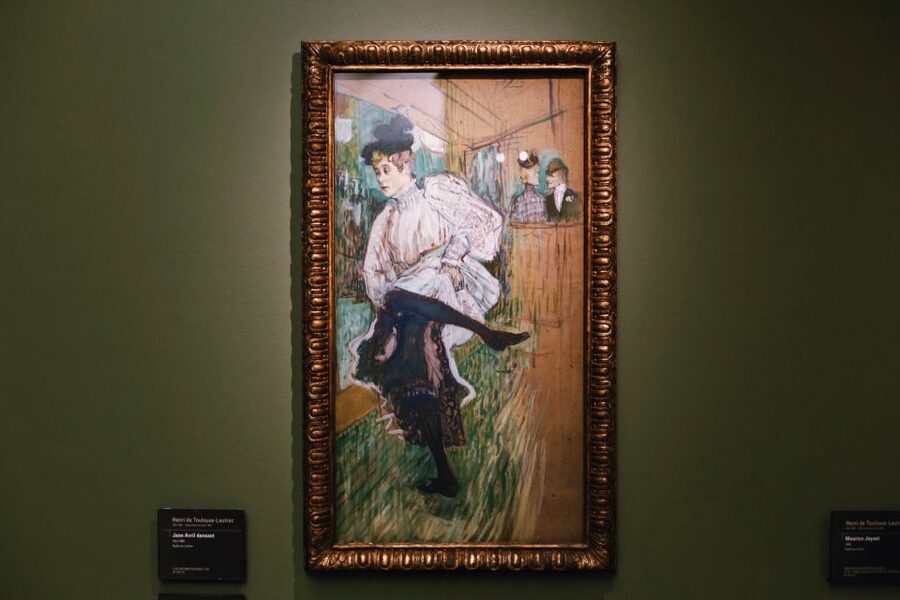
The guide should help you see how one artist’s work leads into another’s. Manet, for example, helps set the stage for later painters who wanted to show contemporary life in new ways. Renoir, Monet, Cézanne, and Gauguin each pushed in different directions, and the point is not to treat Impressionism as one tidy style.
The best part is the attention to technique. You learn how painters handled light, color, brushwork, and everyday subjects. You also hear why these choices could seem rebellious when compared with the polished historical scenes favored by official art institutions.
Manet, Renoir, Cézanne, and Gauguin in context
The tour’s value depends heavily on how the guide explains change. Simply naming artists is not enough. The guide needs to show what each painter did differently and why it mattered.
Manet can be presented as a bridge between older traditions and modern painting. Renoir and Monet help explain the Impressionist interest in changing light and ordinary scenes. Cézanne points toward a more structured, personal way of seeing, while Gauguin brings a different sense of color and symbolism.
You should not expect a full university course in 2.5 hours. You can expect a clear framework that makes later visits more rewarding. Once you understand the basic progression, you can return to paintings that seemed merely colorful or strange and see the choices behind them.
The guides praised most highly for this work include Miriam Mayyahian, Nadia, Marcel, Alex, Lillie, Belen, Malika, Taylor, Tristan, and Felix. Their strengths vary, but the repeated pattern is clear: strong guides explain the art through its period, its makers, and its effect on later painting.
Taylor’s background as a painter added useful insight into the practical side of making art. Nadia was praised for explaining both the transformation of the railway station and the Paris art scene before and after the Impressionists. Marcel was especially good at explaining the wider cultural effect of the works, not just their visual appearance.
That kind of context is worth paying for. You are not paying only to stand near a famous painting. You are paying for help in seeing why it became famous.
More entry tickets in Paris:
- Paris: Eiffel Tower Entry Ticket with Optional Summit Access
★ 4.4 · 20,035 reviews - Paris: Moulin Rouge Cabaret Show Ticket with Champagne
★ 4.7 · 16,088 reviews - Paris: Montparnasse Tower Observation Deck Entry Ticket
★ 4.5 · 10,532 reviews - Paris: Louvre Museum Entry Ticket With Host and River Cruise
★ 4.6 · 9,926 reviews
Famous paintings without ignoring the quieter works
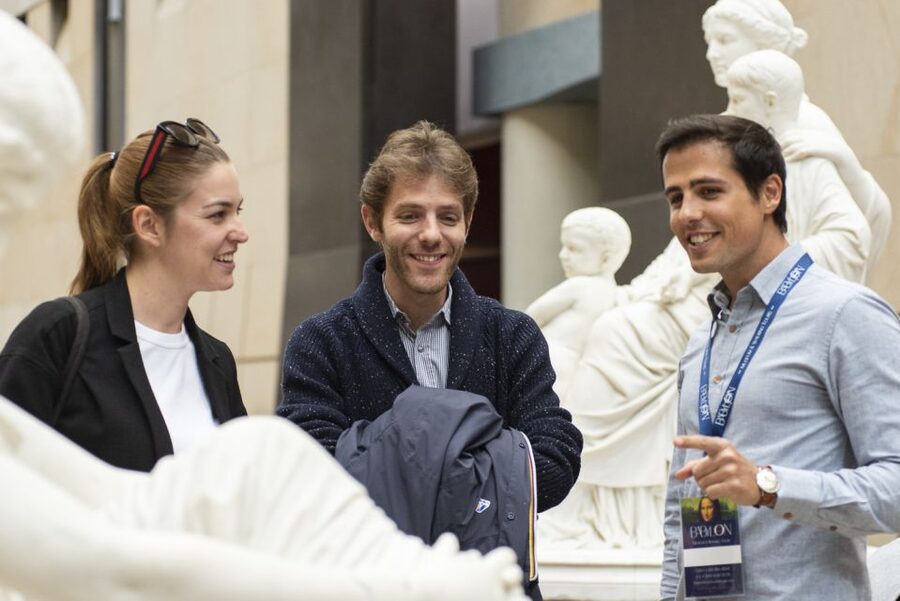
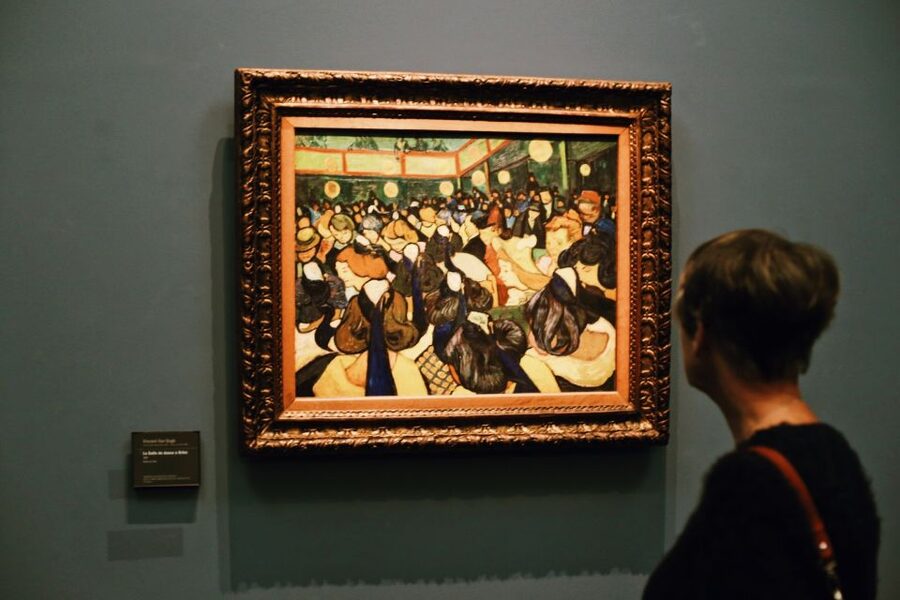
A first visit should include major names. You will want to see the paintings that brought you to the Orsay, including works by Monet and Van Gogh. The tour is built to cover those headline pieces.
Still, I appreciate that the route also includes lesser-known works. The museum is more interesting when you see how famous artists fit into a larger artistic conversation. A small or less familiar painting may explain a technique better than the picture everyone recognizes from a postcard.
The guide can also save you from a common museum mistake: spending all your energy chasing names. If you stop only for the most famous paintings, you miss the contrasts that make the collection meaningful.
There is a practical limit. Crowds can gather around the best-known works, especially during holidays. A guide who knows the rooms can keep the route coherent and move you through busy areas without losing the main story. Miriam was especially praised for keeping a clear narrative while handling holiday crowds.
Do not expect an empty gallery or unlimited time at each masterpiece. The tour makes the museum manageable, not private in the literal sense.
The short break and final 15 minutes
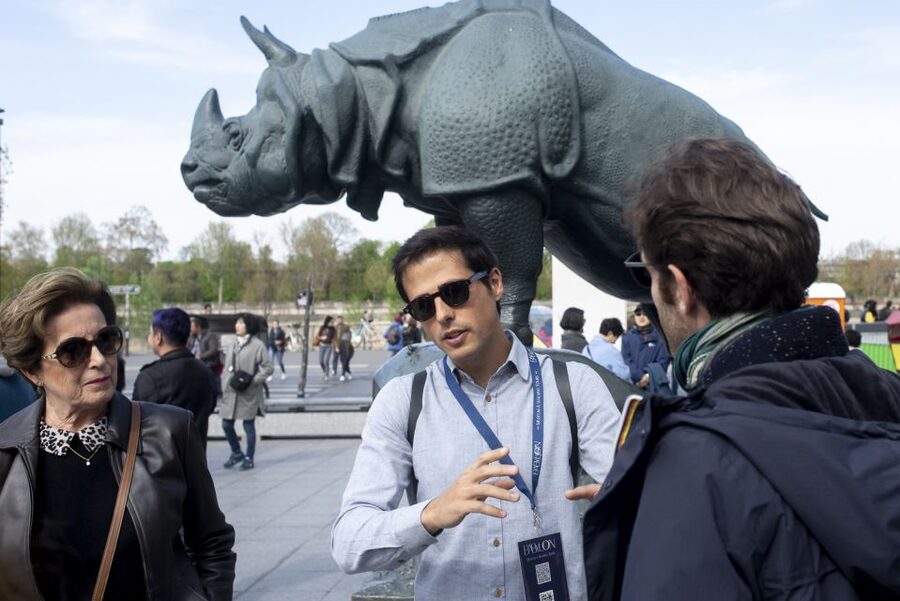
The itinerary includes about 15 minutes for a break, photographs, guided discussion, and free time. This is a modest pause, not a long café stop or a separate museum visit.
That short break matters because art museums demand attention. You may want a moment to look back at a painting, ask about a detail, or simply let the information settle. If you need a longer rest, plan to do that before or after the tour.
The free time also gives you a small measure of independence. You are not required to follow the guide every second, although the exact use of this time can vary by group and guide.
At the end, the activity finishes back at the meeting point. It does not include luggage or coat storage, and large bags are not allowed. Travel light. This is especially important if you are arriving with shopping bags, a suitcase, or a large daypack.
What the six-person limit means in practice
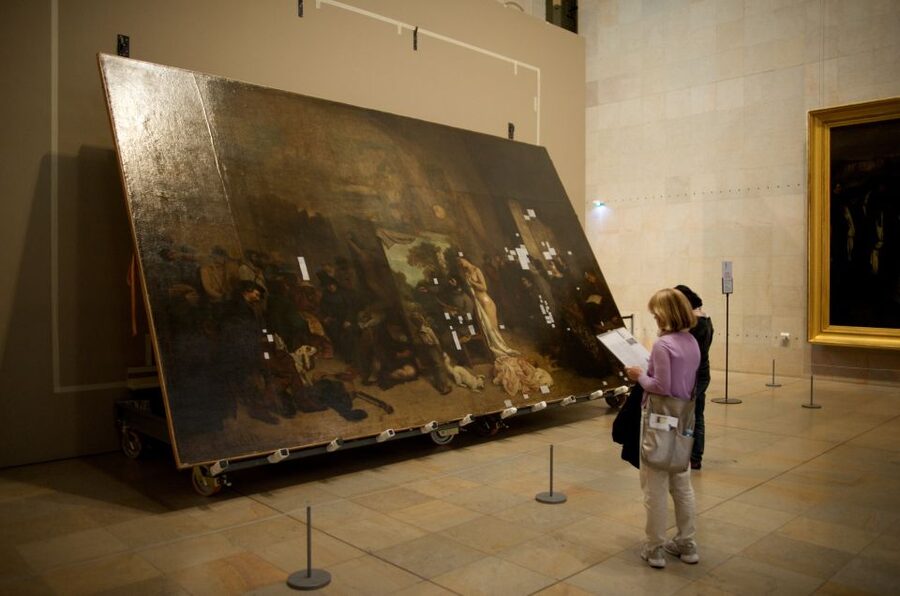
The maximum of six people per guide is one of the strongest features here. Small groups make it easier to hear in busy rooms, ask questions, and tell the guide what interests you.
A large museum tour can become a march from painting to painting. With six or fewer people, the experience has more room for conversation. You can ask why a work was controversial, compare two artists, or request a little more explanation about a technique.
The tour may also be offered as a private experience or a small-group option. Check the exact format before paying, since the meeting point and group arrangement can vary.
This format is particularly useful for couples, families, and friends with different levels of art interest. A good guide can explain difficult ideas without making the conversation feel like a lecture. Lilliana was praised for keeping teenagers interested while still covering major works, which is a useful sign for families.
The quality of the experience does depend on the individual guide. The strongest feedback names guides directly, including Alex, Nadia, Miriam, Taylor, Lili Pecovic, Tristan, and Felix. Their common strengths are clear speaking, warmth, humor, strong storytelling, and the ability to connect art with everyday life and politics.
Is $128 a fair price?
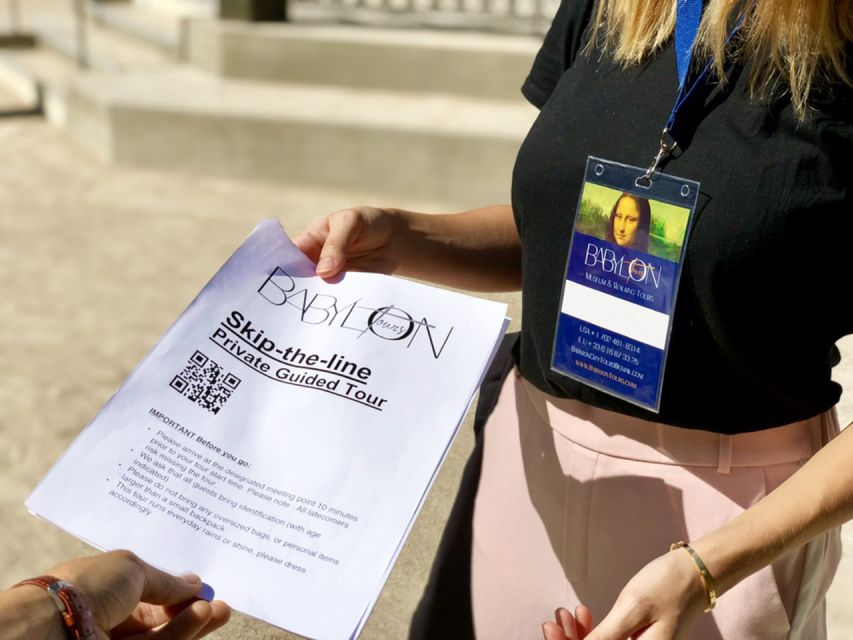
At $128 per person, this is not a cheap museum entry. The price includes the permanent-collection admission and a professional guide for 2.5 hours, so the real question is how much help you want inside the museum.
If you are short on time, the value is easier to see. You get a planned route, background on the main artists, and a way to avoid wandering through several floors without a clear idea of what you are seeing. One visitor who had limited time considered the experience money well spent because the guide helped make the visit focused and memorable.
The price is harder to justify if you already know the Orsay well or prefer to explore alone. You may want to linger over a single painting, sketch, read every label, or return to the same room. A group tour, even a small one, cannot give you complete freedom.
The satisfaction guarantee, free cancellation up to 24 hours before the start, and reserve-now-pay-later option reduce some booking risk. They do not change the basic calculation: this is a time-saving and learning-focused purchase, not a bargain admission ticket.
I would see it as good value for a first visit, especially if art history is not your strong suit. It is also a sensible choice for a family that wants the museum to feel approachable rather than tiring.
Language choices and guide style
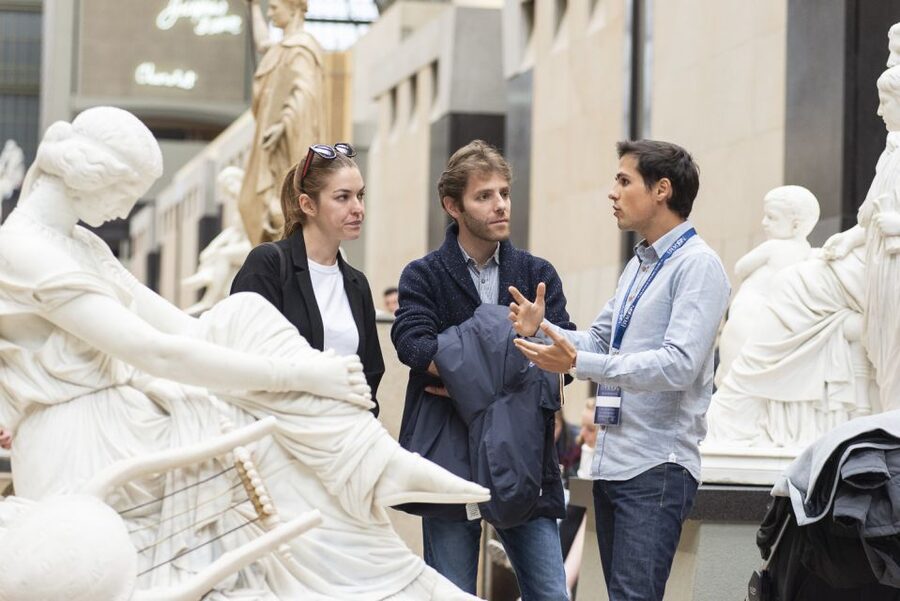
Live guiding is available in English, French, Italian, Russian, German, and Spanish. Make sure you select the language that best suits your group when booking.
The guide style can shape the day as much as the language. Some guides bring an artist’s eye, as Taylor did. Others focus on social context, storytelling, or the connection between French and American history. Alex was praised for making people appreciate art in a new way, while Lili Pecovic was praised for bringing several periods of art history to life.
That variety is a strength, though you cannot assume every guide will teach in exactly the same way. If you have a special interest, such as technique, architecture, social history, or Van Gogh, ask questions early in the tour.
Quiet rules apply in some rooms, and certain collections may change during the year. Your guide may need to lower their voice or limit commentary in specific areas. That is normal museum practice, not a flaw in the tour.
Who should book this Orsay tour?
I would recommend it to:
- First-time Musée d’Orsay visitors
- People with only one Paris afternoon for the museum
- Families with older children or teenagers
- Anyone who wants art explained in plain language
- Couples who prefer a small group to a large walking tour
- Visitors who want both famous works and a few less familiar discoveries
I would be more cautious if you are an experienced Orsay visitor, a serious photographer, or someone who wants to study paintings at length. You may prefer a standard museum ticket and your own route.
The tour also suits people who enjoy the story around art. If you want to know what was happening in Paris when a painting was made, how the artist’s choices challenged convention, and how one movement led to another, the guide adds real value.
Should you book the Musée d’Orsay guided tour?
Book it if this is your first Orsay visit and you want a clear, efficient introduction without feeling lost. The small group limit, included museum entry, multilingual guides, and strong emphasis on context make the $128 price reasonable for many people.
Skip it if your main goal is solitude or a slow, highly personal study of the collection. Two and a half hours is enough to understand the museum’s main story, but not enough to see everything.
My best advice is to choose this tour early in your Paris stay if you can. The guide gives you a framework, and you can later return to the museum or another gallery with sharper eyes. Just arrive at the correct meeting point, leave large bags behind, and expect the experience to move at a steady pace.
FAQ
How long does the Musée d’Orsay guided tour last?
The experience lasts 2.5 hours. The main museum visit is about 2 hours and 15 minutes, followed by about 15 minutes for a break, photographs, guided discussion, and free time.
What is included in the price?
The price includes entrance to the Musée d’Orsay’s permanent collection and a live guide.
How many people can join each guide?
The tour has a maximum of six people per guide. Private and small-group options are available.
Which languages are offered?
Live guiding is available in French, English, Italian, Russian, German, and Spanish.
Can I bring luggage or a large bag?
No. Luggage and large bags are not allowed, and luggage or coat storage is not included.
Can I cancel or pay later?
You can cancel up to 24 hours in advance for a full refund. The reserve-now-pay-later option lets you book without paying on the day of reservation.
Recently added in Paris
- Private Transfers in Paris★ 5.0 · 75 reviews
- CDG – Euro Disney – CDG Two Way Private Shuttle Transfer★ 5.0 · 233 reviews
- Disneyland® Paris 1 Day Ticket with Transport from Paris★ 3.5 · 302 reviews
- Personalized Transport service from Disneyland to Paris★ 5.0 · 63 reviews
- Monet’s Gardens & House-Private Giverny Tour From Paris★ 4.5 · 137 reviews
- Guided tour Monet’s house and gardens/small group★ 4.5 · 68 reviews
- Giverny Monet House and Gardens Skip the line Walking tour★ 4.0 · 217 reviews
- Monet’s House and Garden & Giverny Village★ 4.5 · 39 reviews
Tickets, compared.


Versailles Palace and Gardens Full Access Ticket
Read our review →
Eiffel Tower Entry Ticket with Optional Summit Access
Read our review →
Moulin Rouge Cabaret Show Ticket with Champagne
Read our review →
Montparnasse Tower Observation Deck Entry Ticket
Read our review →
Louvre Museum Entry Ticket With Host and River Cruise
Read our review →