
REVIEW · SKIP THE LINE
Paris: Musée d’Orsay Skip-the-Line Tour with Expert Guide
Some museums need a good guide. The Musée d’Orsay is one of them, since its huge collection can easily turn a focused visit into an art marathon. This 1-hour-45-minute tour combines reserved entry with a clear story about how 19th-century painting moved from official tradition toward Impressionism and Post-Impressionism. I especially like the relaxed pace and the chance to stay inside afterward, when you can return to favorite works on your own. The main drawback is that the guided portion moves quickly, and the museum can become crowded later in the day.
The tour costs $67.60 per person, a fair price if you want the major paintings explained rather than simply photographed. Guides such as Cecilia, Claire, Julie, Caroline, Stephanie, Ivan, Anthony, and Sylviane have been praised for bringing humor, period history, and personal insight to the art. Families should note that the tour discusses nude figures, prostitution, and sexual exploitation of minors as part of the museum’s 19th-century collection.
In This Review
- Key points to know before booking
- Why the Musée d’Orsay works so well for a guided visit
- Meeting at 2 Rue de la Légion d’Honneur
- Entering the former railway station
- The first hour: learning how Impressionism began
- Famous paintings, strong personalities, and difficult subjects
- The final 45 minutes and your time alone
- Guide quality makes the biggest difference
- Is $67.60 a fair price?
- Who should book this Musée d’Orsay tour?
- Final verdict: a smart first visit to the Orsay
- FAQ
- How long does the Musée d’Orsay tour last?
- What does the tour price include?
- Where does the tour begin and end?
- Is the tour offered in English?
- Can I stay in the museum after the guided tour?
- What is the cancellation policy?
Key points to know before booking
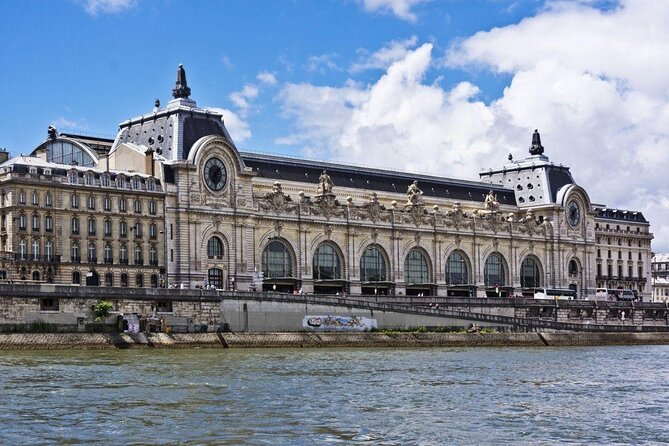
- The former railway station is part of the experience: The Beaux-Arts building, its enormous clock, and its open interior give the visit a memorable sense of place.
- The tour tells an art-history story: You see how Impressionism grew out of, and pushed against, earlier French painting.
- Reserved entry saves useful time: The special entrance helps you avoid spending part of your Paris day in an admission line.
- The guide chooses the essential works: You focus on major paintings by Monet, Manet, Renoir, Degas, Van Gogh, and others instead of wandering without a plan.
- You can keep exploring afterward: The tour ends inside the museum, so you can revisit favorites or see additional rooms at your own speed.
- Small groups use headsets: The maximum group size is 20, with audio equipment intended to help you hear the guide in a busy museum.
Why the Musée d’Orsay works so well for a guided visit
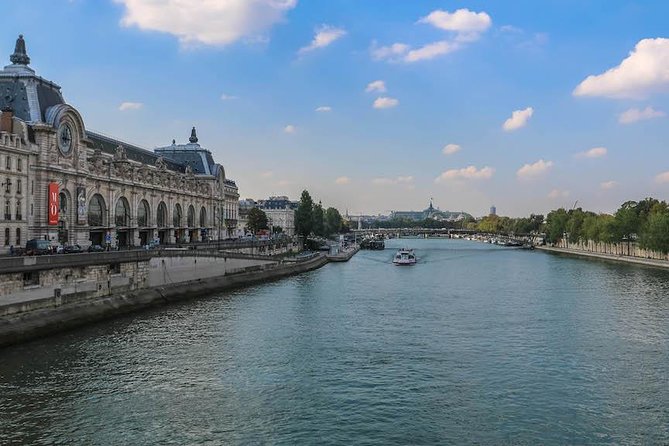
The Musée d’Orsay is not simply a room full of Impressionist hits. It presents a broader account of 19th-century art, housed in a former railway station that opened for the 1900 Exposition Universelle. The building’s scale can be confusing at first. Long galleries, several levels, sculpture, decorative arts, photography, and painting all compete for your attention.
That is why I see the guide as the main value here. A good museum visit is not about counting paintings. It is about understanding why one picture mattered, what it challenged, and what came next. This tour uses the collection to explain that change.
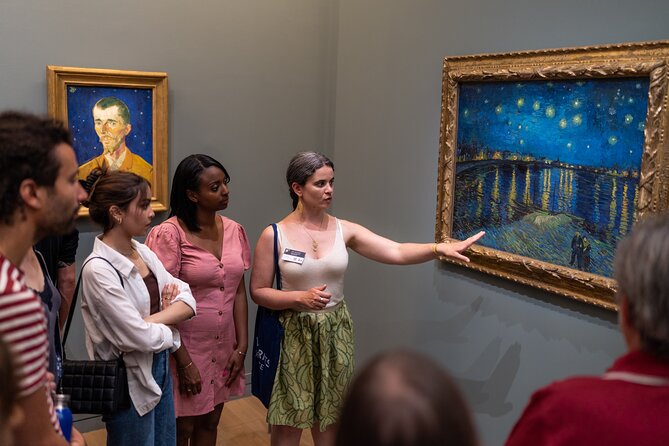
You can expect an accredited local art expert to meet you outside the museum and lead you through selected rooms. The emphasis is on Impressionist and Post-Impressionist art, but the guide also explains the earlier styles that these artists rejected or reshaped.
The best guides make the story easy to follow. They explain why visible brushstrokes, unusual colors, scenes of modern life, and less polished subjects once upset critics. They also put artists into human context, including their rivalries, ambitions, setbacks, and changing ideas.
That approach suits you if you want more than a list of famous names. It also works well if you have seen Impressionist paintings before but never felt sure what made them revolutionary.
More reserved-entry tickets in Paris:
- Versailles: Skip-the-Line Tour of Palace with Gardens Access
★ 4.7 · 9,778 reviews - Versailles: Skip-the-Line Guided Palace Tour and Full Access
★ 4.6 · 5,214 reviews - Louvre Museum: Skip-the-Line Small Group Guided Tour
★ 4.6 · 3,960 reviews
Meeting at 2 Rue de la Légion d’Honneur
The meeting point is at 2 Rue de la Légion d’Honneur, outside the Musée d’Orsay. The tour ends inside the museum at the Esplanade Valéry Giscard d’Estaing, 75007 Paris.
Give yourself extra time to arrive. The directions specifically warn that taxis in Paris can take a while to find and use, so a last-minute taxi ride is a poor plan. The museum is near public transportation, which is the safer choice for timing.
Your confirmation arrives when you book, and the ticket is mobile. Have the voucher ready on your phone, but also make sure your battery is in good shape. You do not want to begin an art tour by searching for a charger or wrestling with a weak signal.
The special entrance is one of the practical benefits. It does not mean the museum will be quiet. You may still encounter crowds inside, especially around famous paintings and the large clock. It does mean less time spent waiting before the part of Paris you came to see.
The maximum group size is 20 people. That is not a private tour, but it is small enough to keep the group moving together. Headsets are included, which matter when other museum visitors are talking nearby.
Entering the former railway station
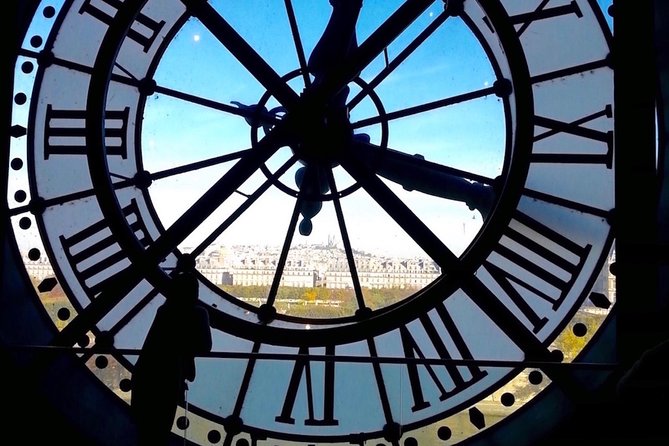
The building deserves attention before you rush toward Monet. The Musée d’Orsay’s great central space still carries the drama of a railway terminal, with its long interior, high roof, clock, and grand Beaux-Arts design.
The architecture helps explain the museum’s appeal. You are not entering a plain gallery box. You are walking into a piece of Parisian civic history, one that makes the transition from old academic painting to modern city life feel especially fitting.
Your guide includes the building in the introduction, then uses the layout to lead you toward the collection’s central themes. This is helpful if it is your first visit, since you can otherwise lose time deciding which floor to visit first.
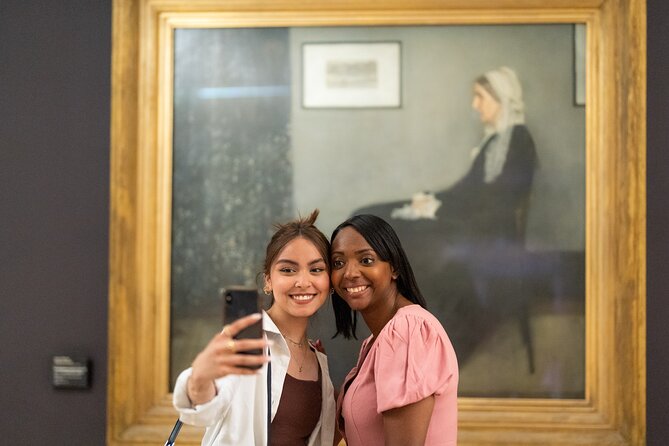
The giant clock is also worth noticing. It has become one of the museum’s most recognizable visual details and a popular photo spot. If you plan to take pictures, do so without letting the clock replace the paintings. The building is memorable, but the collection is the reason this tour earns its keep.
The first hour: learning how Impressionism began
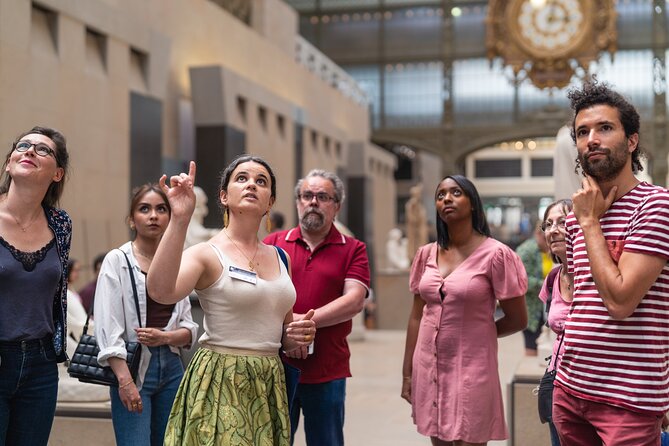
The first section lasts about one hour and forms the main guided route. Your guide selects works that show how French painting changed over a few decades.
You might begin with the traditions that dominated official art, then move toward artists who painted contemporary streets, theaters, cafés, dancers, workers, and outdoor scenes. The point is not that earlier painting was worthless. The point is that the new painters wanted a different relationship with modern life and with the act of painting itself.
A strong guide will help you look at the surface. Notice how the paint is applied, how colors sit beside one another, and how the scene may feel caught in a passing moment. These choices can seem ordinary now, but they once looked unfinished or even careless to many critics.
The tour also gives you a useful timeline. Manet, Monet, Renoir, Degas, and their circle did not all paint in the same way or agree on everything. Their differences are part of the story. So are the pressures they faced from the official art world.
This historical frame is one of the tour’s most praised features. Guides have been singled out for explaining the movement’s development clearly, rather than simply pointing to a famous canvas and reciting its title.
The pace is described as relaxed, but the route is still purposeful. You will not stop for every painting. That is a good thing in a museum with thousands of works on display. The guide chooses examples that make the overall story clearer.
A few more Paris outings to set side by side
- Paris: Louvre Museum Timed-Entrance Ticket
★ 4.6 · 71,977 reviews - Disneyland® Paris 1-Day Ticket
★ 4.6 · 49,412 reviews - Paris: Versailles Palace and Gardens Full Access Ticket
★ 4.6 · 41,579 reviews - Paris: Evening River Cruise with Music
★ 4.4 · 22,721 reviews
Famous paintings, strong personalities, and difficult subjects
The tour includes major works associated with Monet, Manet, Renoir, Degas, Van Gogh, and other important painters. Monet’s Water Lilies and Manet’s Olympia are named highlights, while Van Gogh’s Starry Night Over the Rhône and Renoir’s dance scene may also make a strong impression depending on the route and gallery conditions.
Do not expect a private audience with every masterpiece. The museum can be crowded, and a popular painting may have people gathered around it. Your guide’s job is to position the group as well as possible, explain the work without blocking other visitors, and keep the route moving.
Manet’s Olympia is particularly useful for understanding how scandal worked in 19th-century Paris. It challenged accepted ideas about the nude, the viewer, and the social realities behind respectable art. A guide can explain why the painting was not merely a portrait of a reclining figure.
The same applies to Degas and the museum’s treatment of dancers, labor, class, and the complicated relationship between artist and subject. Conversations may include prostitution and the sexual exploitation of minors. This is not a family tour that avoids difficult material, although the guide may adjust the wording for younger children.
For families, I would prepare older children in advance. The subject matter is historically relevant, but it may not suit every child or every adult’s expectations. If your group prefers purely decorative art, the discussions could feel heavier than anticipated.
Van Gogh provides a different kind of focus. A painting such as Starry Night Over the Rhône invites discussion of color, night light, reflections, mood, and the artist’s place within Post-Impressionism. The tour can help you move beyond the familiar idea that Van Gogh’s work is simply emotional or colorful.
The final 45 minutes and your time alone
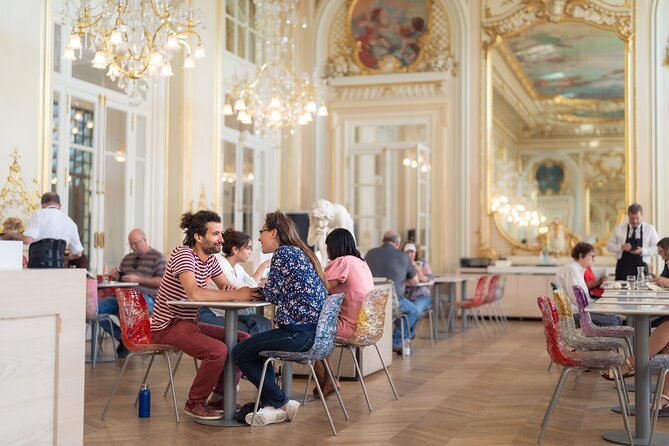
The second portion lasts about 45 minutes and continues the story through Impressionist and Post-Impressionist masterpieces. It is short enough to fit into a packed Paris itinerary, yet long enough to give the collection a real structure.
After the guided part, you are free to continue inside the museum. This is essential. The tour is an introduction and a focused route, not a complete survey of the Musée d’Orsay.
I recommend using the final free time in one of three ways. First, return to the painting that interested you most and look at it without the group around you. Second, visit a room or artist the guide only mentioned briefly. Third, slow down around the architecture and clock if the museum felt crowded during the tour.
Several people have found this extra time especially useful. The guide gives you a map in your head, so you can explore with a purpose instead of walking through gallery after gallery hoping something catches your eye.
This is also where the tour’s quick pace becomes less of a problem. You may not have enough time to study every highlighted work during the explanation, but you can go back afterward. If you want a leisurely hour in front of each painting, this may not be the right format. If you want direction first and freedom second, it works well.
Guide quality makes the biggest difference
The strongest part of the experience is the guide. The tour company uses art specialists, and the feedback points to a wide range of successful personalities.
Cecilia was praised for combining education with fun. Claire helped connect paintings with places along the Seine and Oise, which would be especially useful if you are planning to paint or visit the countryside associated with the Impressionists.
Julie was noted for weaving period history into the paintings while keeping the group laughing. Caroline was praised for adding insight beyond what visitors could see at a glance. Ivan and Anthony were both appreciated for humor that kept the group engaged.
Stephanie, Sylviane, and other guides were also singled out for enthusiasm, clear explanations, and strong command of the museum. One guide was especially effective with a mixed-age group that included teenagers and older adults.
That variety matters. Art tours can become dry when the guide treats the collection like an exam. Here, the best presentations use stories and humor without losing the serious art history.
There has been at least one disappointing experience, with a complaint about a guide who seemed scattered and lacked the expected professional level. No tour company can guarantee that every presentation will suit every person. Still, the overall rating is 4.7 from 1,145 reviews, and 92 percent of customers recommend the experience. Those figures suggest that guide quality is generally a strength, not a gamble you should ignore.
Is $67.60 a fair price?
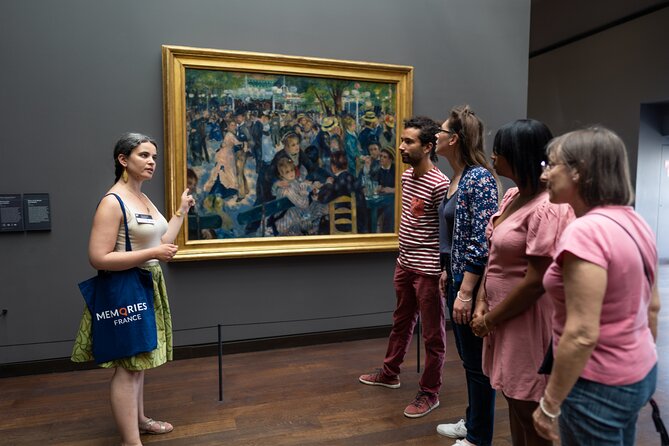
At $67.60 per person, this is not the cheapest way to enter the Musée d’Orsay. You are paying for reserved admission, an expert-led route, headsets, and the time saved by avoiding a standard entry line.
The price makes the most sense if you are visiting Paris for a short stay, have limited museum experience, or want the Impressionist collection explained in a clear sequence. It is also fair for families and mixed groups, since one guide can keep different ages focused and answer questions along the way.
The value drops if you already know the Orsay well or prefer to wander alone. In that case, you may get more from a standard ticket and several unhurried hours inside.
One important point: the museum itself can be crowded. Skip-the-line entry gets you through the door faster, but it cannot empty the galleries. Arrive early when possible, and plan to use the free time after the tour for paintings you could not study properly during the group route.
Who should book this Musée d’Orsay tour?
I would book it for a first visit, especially if Impressionism is one of your main reasons for coming to Paris. It is also a good choice if you want a compact museum experience before lunch or dinner, with the option to stay longer afterward.
Families should decide based on the children’s ages and comfort with mature subjects. Art students, painters, and anyone interested in the Seine and Oise landscapes may value the guide’s links between artworks and the places that inspired them.
You should think twice if you dislike group tours, want complete control over your route, or plan to spend many hours reading every label. The maximum group is 20, and the guided route is selective by design.
Free cancellation is available until 24 hours before the start time. Missed tours and late cancellations are not refundable, so do not schedule this tightly against a flight arrival. A delayed flight once caused a customer to miss the tour, and there was no refund because the company received no notice before departure.
Final verdict: a smart first visit to the Orsay
This tour earns its strong reputation by doing the hard part of museum visiting: choosing what matters and explaining why. The reserved entrance saves time, the guide supplies the historical thread, and the free museum time lets you follow your own interests afterward.
Book it if you want the Orsay’s Impressionist masterpieces to make sense as a movement, not just as a parade of pretty pictures. Skip it if you already know the museum well or want a completely private pace. For most first-time visitors, $67.60 is a sensible price for a focused introduction to one of Paris’s finest museums.
FAQ
How long does the Musée d’Orsay tour last?
The experience lasts approximately 1 hour and 45 minutes. About one hour is spent on the main guided visit, followed by roughly 45 minutes focused on the collection and its major works. You can remain inside the museum afterward to explore independently.
What does the tour price include?
The $67.60 price includes museum admission, pre-reserved entry through a special entrance, an expert guide, a small-group format, and headsets. Hotel pickup, hotel drop-off, and optional gratuities are not included.
Where does the tour begin and end?
The tour begins outside the Musée d’Orsay at 2 Rue de la Légion d’Honneur, 75007 Paris. It ends inside the museum at the Esplanade Valéry Giscard d’Estaing.
Is the tour offered in English?
Yes. The experience is offered in English and uses a mobile ticket.
Can I stay in the museum after the guided tour?
Yes. The tour ends inside the Musée d’Orsay, and you have free time afterward to revisit paintings or continue exploring the collection at your own pace.
What is the cancellation policy?
You can cancel at least 24 hours before the local start time for a full refund. Cancellations or changes made less than 24 hours before departure are not accepted for a refund, and missed tours are nonrefundable.
Recently added in Paris
- Private Transfers in Paris★ 5.0 · 75 reviews
- Disneyland® Paris 1 Day Ticket with Transport from Paris★ 3.5 · 302 reviews
- CDG – Euro Disney – CDG Two Way Private Shuttle Transfer★ 5.0 · 233 reviews
- Personalized Transport service from Disneyland to Paris★ 5.0 · 63 reviews
- Monet’s Gardens & House-Private Giverny Tour From Paris★ 4.5 · 137 reviews
- Guided tour Monet’s house and gardens/small group★ 4.5 · 68 reviews
- Giverny Monet House and Gardens Skip the line Walking tour★ 4.0 · 217 reviews
- Monet’s House and Garden & Giverny Village★ 4.5 · 39 reviews
Skip the Line, compared.

Skip-the-Line Tour of Palace with Gardens Access
Read our review →
Skip-the-Line Guided Palace Tour and Full Access
Read our review →
Louvre Museum: Skip-the-Line Small Group Guided Tour
Read our review →
Versailles Skip-the-Line Tour & Gardens Access
Read our review →
Versailles Guided Tour with Skip-the-Line Entry
Read our review →
Palace of Versailles Skip-the-Line Guided Tour
Read our review →
Musée d’Orsay Skip-the-Line Tour with Expert Guide
Read our review →
Skip-the-Line Louvre Highlights Tour with Mona Lisa
Read our review →Browse the lists this tour appears in