
REVIEW · WINE TOURS
Paris: Wine and Cheese Tasting
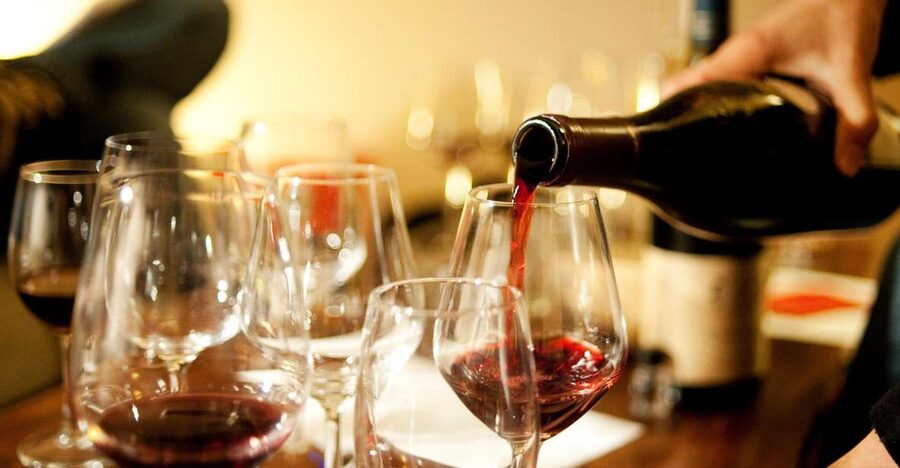
Wine makes Paris make sense. This 90-minute tasting gives you a friendly introduction to French wine inside a real cave à vin, with bottles lining the walls and a tasting table set up in the shop. I like the focus on small, independent producers, and I like the way maps and actual soil samples make terroir easier to understand. The main drawback is that this is a tasting rather than a meal, and the boutique toilets may not be easy to access.
The small group, limited to eight people, keeps the session personal. I also like that the guide can shape the wines around your interests instead of presenting the same rigid flight every time. Guides including Camille, Julian, Constance, Leia, and others have been praised for their warmth and clear explanations. At $76 per person, the price is fair if you want instruction as well as drinks, but less appealing if you simply want a few casual glasses of wine.
In This Review
- Key points to know before booking
- Entering a Paris cave à vin
- How the French wine lesson takes shape
- Three wines chosen around your interests
- Why the cheese pairing is more than a snack
- The guides make the difference
- What $76 buys you in Paris
- Practical details that affect your visit
- Who should book this tasting?
- FAQ
- Where does the wine and cheese tasting take place?
- How long does the tasting last?
- How many wines are included?
- How much cheese is included?
- Are bread and water provided?
- Is the tasting available in English?
- How large is the group?
- Can I use a spittoon?
- Should you book it?
Key points to know before booking
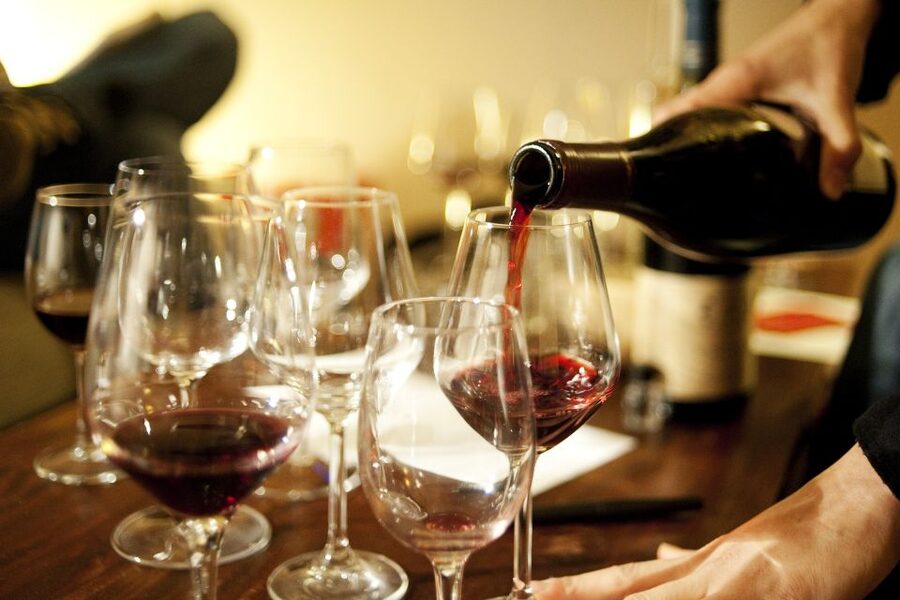
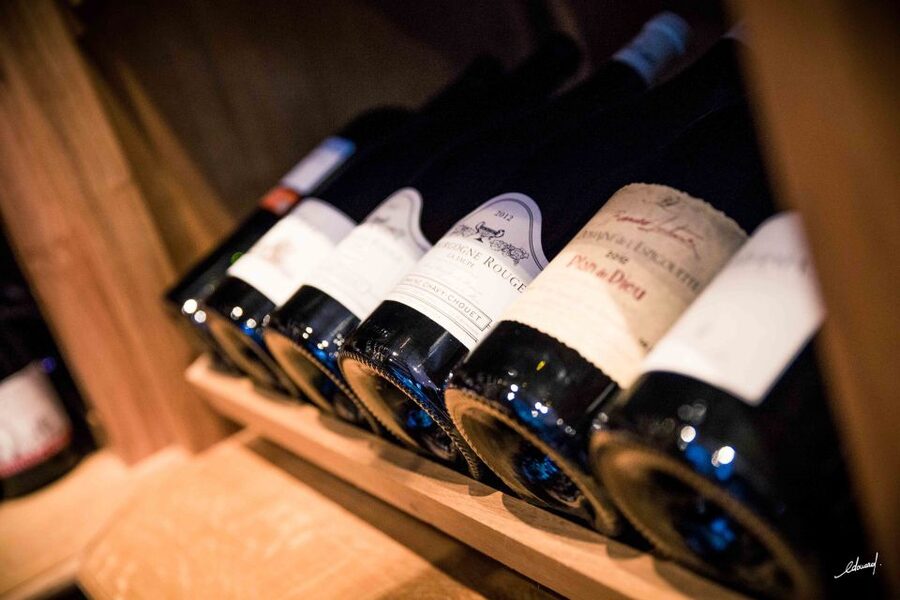
- Independent French producers: Every bottle sold in the boutique comes from a small producer, so the tasting is built around lesser-known wines rather than supermarket standards.
- Three wines in 90 minutes: The regular format includes three wines, with one account describing four pours and an extra surprise tasting.
- Cheese pairing matters here: A hard cheese and a soft cheese help show how the same wine can taste different with food. The inclusions also describe three types of cheese.
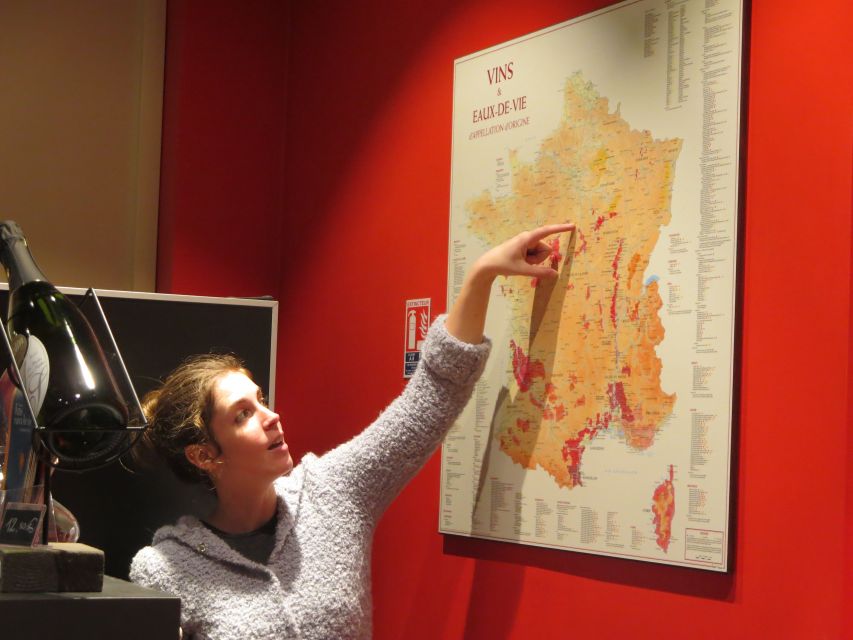
- Soil samples make terroir clear: Maps and real soil samples turn an abstract wine term into something you can see and discuss.
- A genuinely small group: With no more than eight participants, you have room to ask questions without shouting across a crowded room.
- Plan for a tasting, not lunch: Bread and water are provided, but this is not a restaurant meal, and toilet access may be limited.
Entering a Paris cave à vin
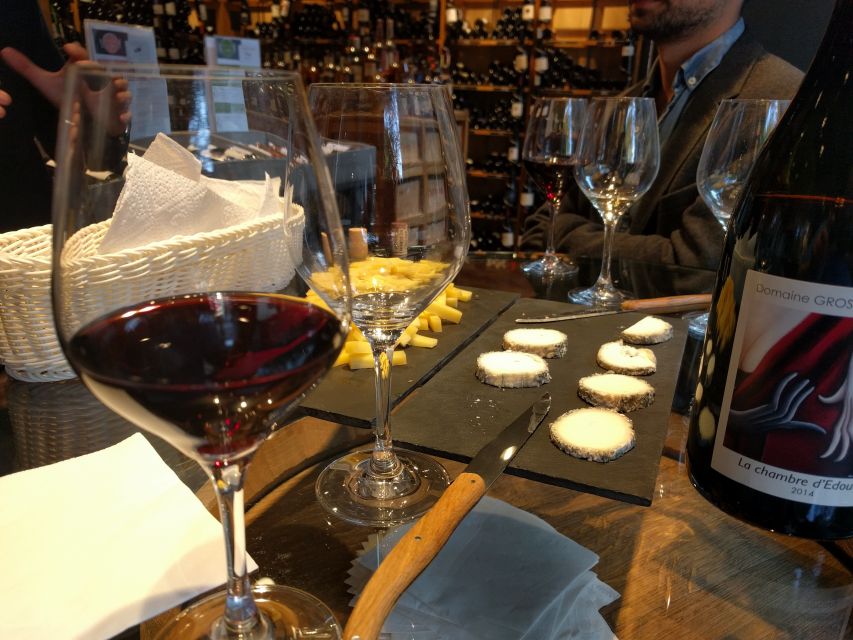
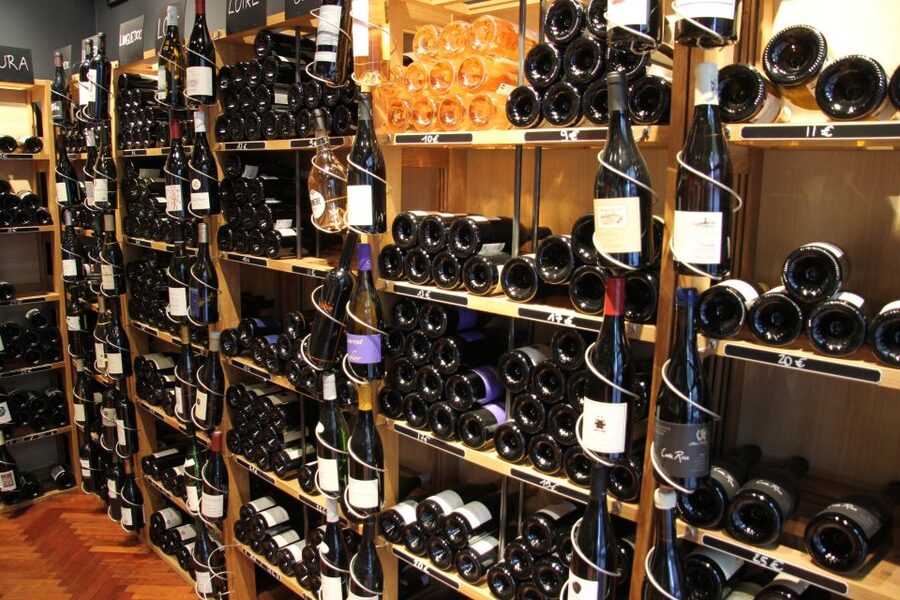
The experience begins at a boutique wine shop, not in a grand dining room or a formal school. That setting is part of its appeal. You arrive among shelves packed with French reds, whites, and rosés, then settle into a prepared tasting area inside the shop.
I find this more useful than a polished hotel bar because the bottles around you are available for discussion and, in some cases, purchase. The shop gives the session a working wine-store feel. You are not only tasting a drink selected for an event. You are learning how a French wine shop chooses what to sell.
The meeting point can vary depending on the option you book, so check your confirmation carefully before setting out. The activity is in the Paris region, but the supplied details do not identify one fixed address for every booking.
The atmosphere appears relaxed rather than stiff. That matters if you are new to wine. You will not need to arrive knowing how to swirl a glass or describe fruit flavors with great confidence. The guide’s job is to explain what you are tasting and why.
More Food Tours in Paris
- Paris: Seine Cruise & Crepe Tasting near the Eiffel Tower
★ 4.4 · 11,231 reviews - Authentic Parisian Gourmet Food Tour with 10 Local Dishes & Wines
★ 5.0 · 4,754 reviews - Normandy D-Day Small-Group Day Trip with Omaha Beach, Cemetery & Cider Tasting
★ 5.0 · 2,786 reviews
How the French wine lesson takes shape
The first teaching section covers the main wine-producing regions of France. Maps help place the regions, while soil samples give you something more tangible than a list of names.
This is where the idea of terroir becomes useful. It refers to the way place affects a wine, including the soil, climate, terrain, and local growing conditions. You will also hear how grape varieties and regional conditions help explain why French wines can differ so sharply from one another.
That context is valuable because French wine labels can feel like a code. A bottle may emphasize its region or appellation more than the grape name. Once you understand that place can be central to the identity of a wine, those labels begin to make more sense.
The guide may compare grapes, production areas, and flavors as the tasting moves along. Alisha described a session that included both wine history and an explanation of how wine is made. Erika’s session included a detailed explanation of French wine and how to taste it. These comments point to a lesson with real substance, not simply a quick pour followed by a sales pitch.
Still, the amount of detail may depend on the guide and on your group’s questions. Some people will want a broad introduction. Others may want to ask about grapes, production, or regional differences for most of the 90 minutes. The small group helps make that possible.
Three wines chosen around your interests
The standard tasting includes three different wines from across France. The expert can adjust the selection according to the group’s preferences, so the session is not necessarily built around one fixed set of bottles.
That flexibility is a strong point. You might want to compare styles, focus on wines you have never tried, or learn more about a color you already enjoy. The precise selection depends on the group and the wines available through the boutique.
The stated format includes red, white, and rosé choices from French producers, but you should not assume that every session will include one of each. The activity promises three types of wine, while the guide proposes bottles based on interest.
One booking included four wines and an unexpected tasting at the end. That should be treated as a pleasant variation rather than a guarantee. For planning purposes, count on three wines and regard anything extra as a bonus.
The independent-producer policy gives the tasting a clear purpose. You are less likely to spend the whole session on famous labels you can find anywhere. Instead, the guide can introduce bottles that are new to you. That makes the tasting particularly useful if you want to discover a wine to enjoy later in Paris or take home.
The pace also seems sensible. Ninety minutes gives enough time to look at the wine, taste it, discuss it, and pair it with food without turning the session into a long lecture. Since bread and water are provided as palate cleansers, you can reset your mouth between samples.
A spittoon is available. Use it if you want to concentrate on the flavors or if you are pacing yourself through several wines. You do not have to finish every pour to get value from the lesson.
Why the cheese pairing is more than a snack
The cheese is not just something to nibble between glasses. It is a simple way to see how food changes wine.
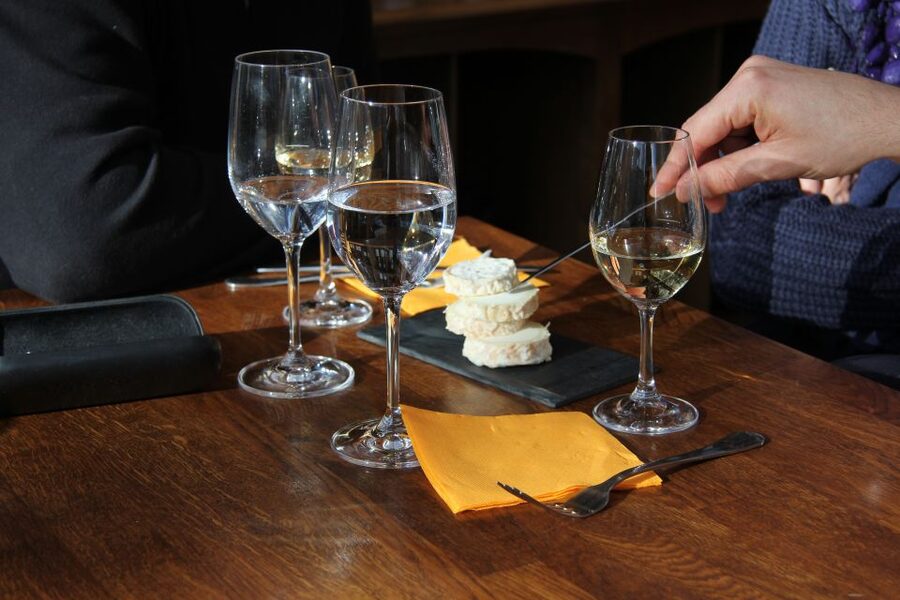
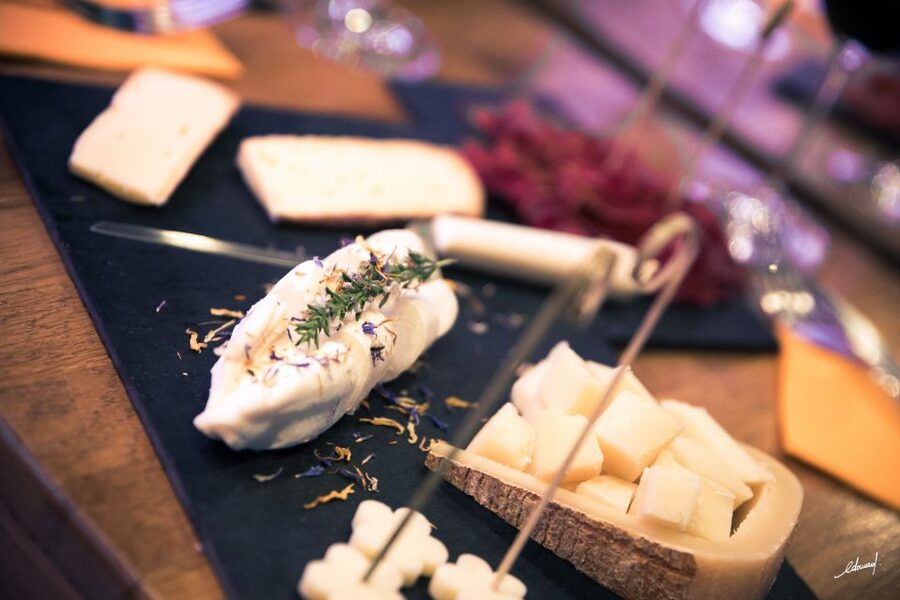
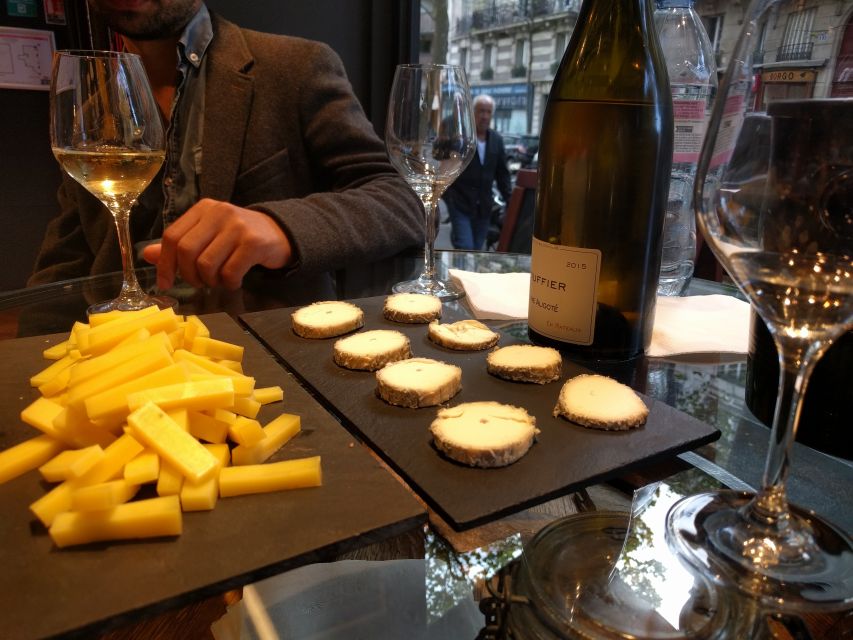
The tasting description calls for a hard cheese and a soft cheese from a nearby artisanal cheese shop. The included items also list three types of cheese, so the exact number may vary by booking. Either way, the useful part is the contrast between different textures and flavors.
A wine can seem sharper, softer, fruitier, or less balanced depending on what you eat with it. You do not need advanced tasting skills to notice that difference. The guide points out which pairings work well and helps you understand why.
George specifically appreciated being shown the right choices for the cheese varieties. That is practical knowledge you can use during the rest of your trip. It may also help when you visit a Paris market or choose a bottle and cheese for a picnic.
Fresh bread and water are included. They serve a practical purpose, but do not mistake the spread for dinner. The experience provides enough food to support the tasting, not a full meal. If you are arriving hungry, eat beforehand.
The cheese comes from a nearby artisanal shop, which fits the local character of the experience. You are tasting two parts of French food culture together, rather than treating wine as an isolated product.
More Wine Tours in Paris
- Montmartre Hill French Gourmet Food and Wine Tasting Walking Tour
★ 5.0 · 2,588 reviews - From Paris: Loire Valley Castles Day Trip With Wine Tasting
★ 4.6 · 1,727 reviews - Paris: Les Caves du Louvre Guided Tour with Wine Tastings
★ 4.7 · 932 reviews - Champagne Day Trip with 6 Tastings, Reims and Winery from Paris
★ 5.0 · 902 reviews
The guides make the difference
The guide is the heart of this experience. A good bottle can be tasted anywhere, but a clear explanation helps you remember it.
Camille received especially warm praise for being kind, friendly, and well informed. One session with her led to a purchase of several wines to take home. Julian was also praised for explaining wine origins, grape differences, and pairings in an approachable way. Constance guided the tasting in clear English and helped create a calm, relaxed setting.
Other named guides include Leia, who provided an informative and pleasant session, and hosts described as friendly, accommodating, and happy to answer questions. English and French are available, so you can book with confidence if you are more comfortable learning in English.
The best approach is to ask questions early. Tell the guide what you already drink, what you dislike, and what you want to understand. Since the selection can reflect the group’s interests, your answers may influence the tasting.
This is also a good setting for a first wine class. One participant who described themselves as a basic wine drinker said the session helped them appreciate wine more. Another person who did not usually drink wine still found the event worthwhile because the host explained the wines and their origins clearly.
That broad appeal is important. The activity is not only for serious wine collectors. You can come with little experience and still leave with a better vocabulary and a clearer idea of what you like.
What $76 buys you in Paris
At $76 per person, this is not a bargain if you measure value by the number of glasses alone. You receive three wines, cheese, bread, and water, but not a full meal. A person seeking only a casual drink could spend less elsewhere.
The value improves if you consider the teaching, small group, and producer selection. You are paying for a guide who explains French regions, grapes, production, terroir, and pairing. You also get time to ask questions, which is harder in a busy wine bar.
The group limit of eight is a real benefit. With a large class, wine education can become a one-way speech. Here, you have a better chance to ask why one wine works with a cheese, how two regions differ, or what to look for on a French label.
There is also possible shopping value. Several participants chose to buy wines they tasted, and the bottles are sold in the boutique. You should never feel obliged to purchase anything, but the shop gives you the chance to take home a bottle you already understand.
I would book this for someone who wants a guided introduction to French wine, especially during a first Paris visit. It also suits couples, small groups of friends, and people who enjoy food pairing but do not want to spend an entire afternoon at a formal meal.
I would hesitate if you want a substantial lunch, a historic wine cellar, or a tasting built around famous, prestigious labels. The experience is a boutique lesson with food, not a grand wine tour through vineyards.
Practical details that affect your visit
The session lasts 90 minutes. That makes it easy to fit before dinner, after a morning museum visit, or between other Paris plans. Still, leave enough time to reach the meeting point because the exact location may depend on the option you book.
The activity is offered in English and French. It is limited to eight participants, which is small enough for direct conversation. The host and guide names can vary, so do not book expecting one particular person unless your confirmation specifically says so.
You can cancel up to 24 hours ahead for a full refund, and the reserve-now, pay-later option keeps your schedule flexible. Those policies are helpful in Paris, where museum times, train plans, and weather can shift.
The boutique’s toilets may not be readily available or easy to access. Use a restroom before arrival rather than assuming this will be convenient during the tasting.
Think about your alcohol intake. Three wines in 90 minutes is manageable for many people, but the spittoon gives you another option. Bread and water help, though they do not replace a meal.
Who should book this tasting?
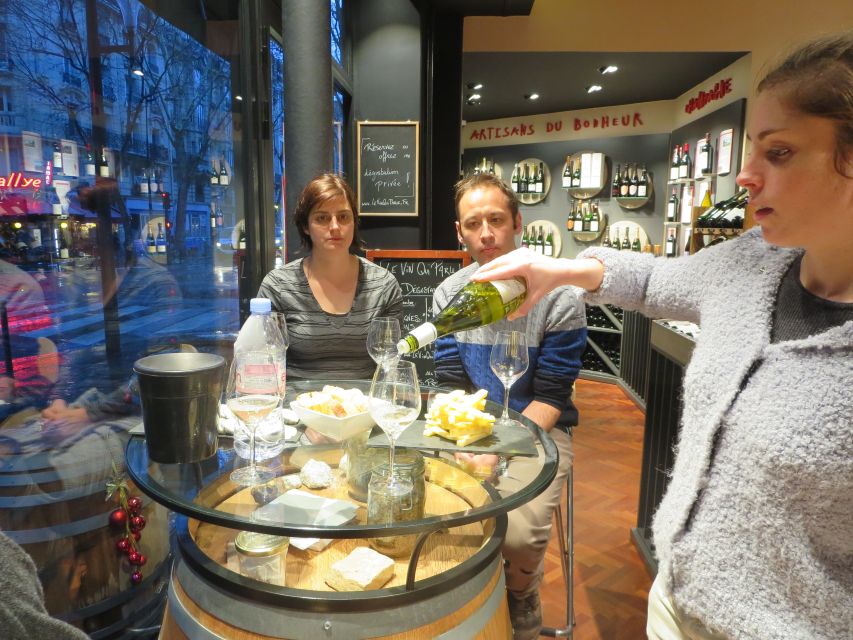
Book it if you want to understand French wine instead of simply drinking it. The maps, soil samples, regional overview, and pairing work together to give you a framework you can use in wine shops and restaurants afterward.
It is especially good for beginners. The guide can explain basic differences without making you feel out of place, and the group size leaves room for simple questions.
It also works for experienced drinkers who want to try bottles from independent producers. The flexible selection means you may find varieties you have not encountered before. Just remember that the exact bottles are not guaranteed.
Families with children may need to consider the alcohol-focused format and the limited toilet access, though the provided information does not set a minimum age. For adults who enjoy food and drink, the relaxed setting makes this an easy Paris activity.
FAQ
Where does the wine and cheese tasting take place?
It takes place in a Paris wine boutique, known as a cave à vin, in the Ile-de-France region. The meeting point may vary depending on the option booked, so check your booking details.
How long does the tasting last?
The tasting lasts 90 minutes.
How many wines are included?
The standard experience includes three types of wine. One session included four wines and a surprise tasting, but extra pours are not guaranteed.
How much cheese is included?
The tasting description refers to one hard cheese and one soft cheese. The included items also list three types of cheese, so the exact number may vary by option or session.
Are bread and water provided?
Yes. Bread and water are included and can be used as palate cleansers between wines.
Is the tasting available in English?
Yes. The experience is offered in English and French.
How large is the group?
The group is limited to eight participants.
Can I use a spittoon?
Yes. A spittoon is provided for anyone who prefers not to swallow every sample.
Should you book it?
I would book this experience if you want a friendly, useful lesson with enough wine to compare and enough guidance to understand what you are tasting. The independent bottles, soil samples, artisanal cheese, and small group give the 90 minutes a clear purpose.
At $76, it makes the most sense for curious beginners and food lovers who value instruction. Go in expecting a tasting, not dinner, and use the restroom beforehand. If that fits your plans, this is a smart way to spend part of an afternoon in Paris and leave with a better sense of what to order next.
More Cheese Tastings in Paris
- Paris: Montmartre Cheese, Wine & Pastry Guided Walking Tour
★ 4.8 · 2,255 reviews - Private Montmartre Food Tour with Wine, Cheese & Pastries
★ 5.0 · 1,027 reviews - Paris Le Marais Food Tour With 10+ Tastings, Cheese, Wine & More
★ 5.0 · 985 reviews - Paris: Wine and Cheese Lunch
★ 4.9 · 596 reviews
Recently added in Paris
- Private Transfers in Paris★ 5.0 · 75 reviews
- CDG – Euro Disney – CDG Two Way Private Shuttle Transfer★ 5.0 · 233 reviews
- Disneyland® Paris 1 Day Ticket with Transport from Paris★ 3.5 · 302 reviews
- Personalized Transport service from Disneyland to Paris★ 5.0 · 63 reviews
- Monet’s Gardens & House-Private Giverny Tour From Paris★ 4.5 · 137 reviews
- Guided tour Monet’s house and gardens/small group★ 4.5 · 68 reviews
- Giverny Monet House and Gardens Skip the line Walking tour★ 4.0 · 217 reviews
- Monet’s House and Garden & Giverny Village★ 4.5 · 39 reviews
Wine Tours, compared.
Montmartre Hill French Gourmet Food and Wine Tasting Walking Tour
Read our review →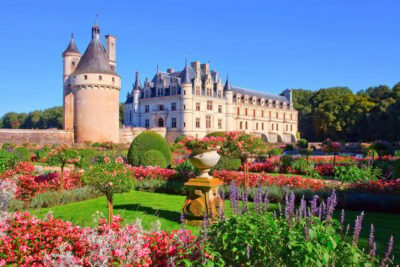
Loire Valley Castles Day Trip With Wine Tasting
Read our review →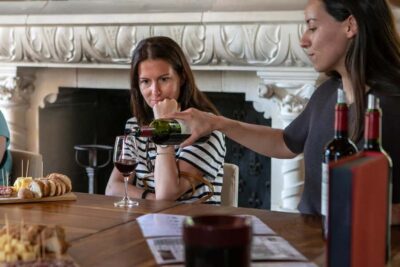
Afternoon Saint-Emilion Wine Tasting & snack
Read our review →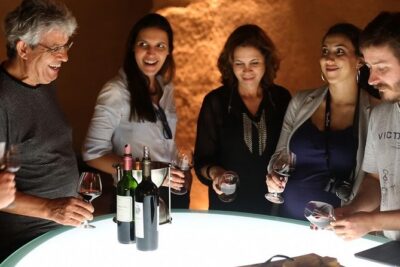
Medoc or Saint Emilion Wine Tasting and Chateau from Bordeaux
Read our review →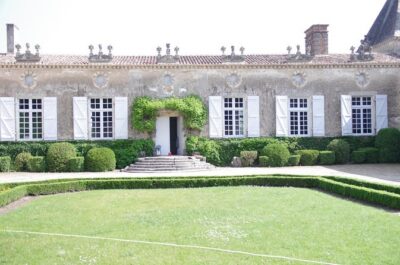
Saint Emilion Day Trip with Sightseeing Tour & Wine Tastings from Bordeaux
Read our review →
Saint-Émilion: Grand Cru Classé Winery Visit and Tasting
Read our review →
Saint Emilion Half-Day Trip with Wine Tasting & Winery Visit from Bordeaux
Read our review →Browse the lists this tour appears in