
REVIEW · WALKING TOURS
Strasbourg : European District Walking Tour
Europe takes shape here. This 90-minute walk links Strasbourg’s Franco-German past with the institutions that guide modern Europe, and I like the way it combines serious political history with an easy stroll beside the Ill River. I also like the small groups of no more than six, which give guides such as Nicolas and Rémy room to answer questions and add personal stories.
The walk brings you close to the Council of Europe, the European Court of Human Rights, and the European Parliament, while also slipping in unusual Art Nouveau houses around the Orangerie district. The main limitation is clear: you do not enter the Parliament during the tour, although the guide leaves you close to its entrance and you can visit it on your own afterward.
In This Review
- Key points to know before booking
- Why Strasbourg is the right place to study Europe
- Starting at the Agora and Council of Europe
- Walking beside the European Court of Human Rights
- The Orangerie district’s unusual Art Nouveau houses
- Crossing toward modern Wacken
- Understanding the European Parliament from outside
- The guides and the small-group advantage
- Is $35 a fair price for 90 minutes?
- Who should book this Strasbourg walk?
- My booking advice
- FAQ
- How long does the Strasbourg European District Walking Tour last?
- How much does the tour cost?
- What languages are available?
- How large is the group?
- Does the tour enter the European Parliament?
- Can I visit the Parliament after the walking tour?
- Where is the meeting point?
- How will I recognize the guide?
- What happens if it rains?
Key points to know before booking
- A small-group look at European politics: Groups are limited to six people, making it easier to ask questions and hear the guide.
- Three very different Strasbourg settings: You move from European institutions to Art Nouveau homes, then into the modern Wacken district.
- The Parliament is an exterior visit only: The tour explains how it works from outside and ends near its entrance.
- Nicolas and Rémy receive strong praise: Nicolas is noted for clear English, funny anecdotes, and useful restaurant tips. Rémy is praised for friendly, entertaining explanations.
- A useful orientation walk: You get context about the Council of Europe, the European Court of Human Rights, and the European Union.
- Plan for outdoor conditions: The tour runs rain or shine and is not suitable for people with mobility impairments.
Why Strasbourg is the right place to study Europe
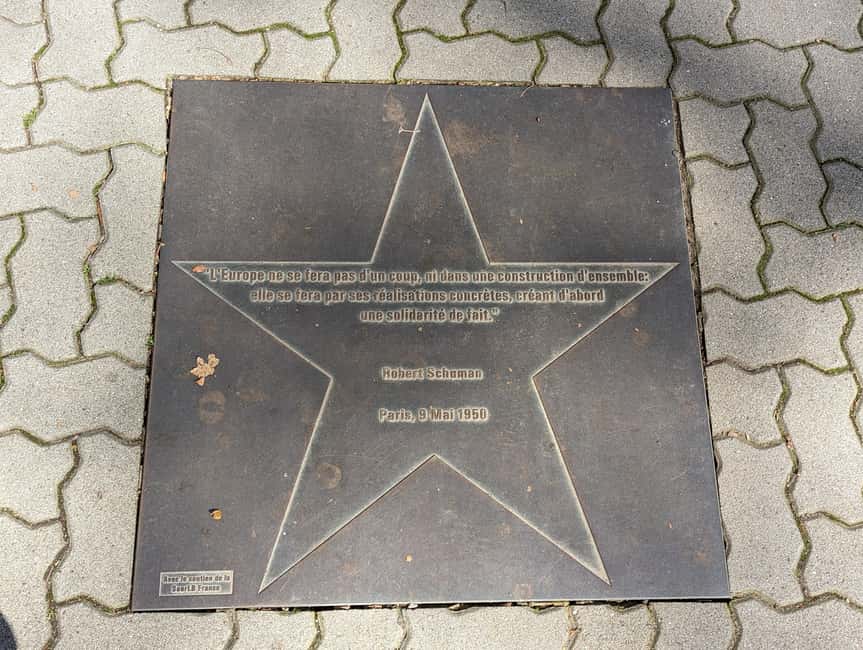
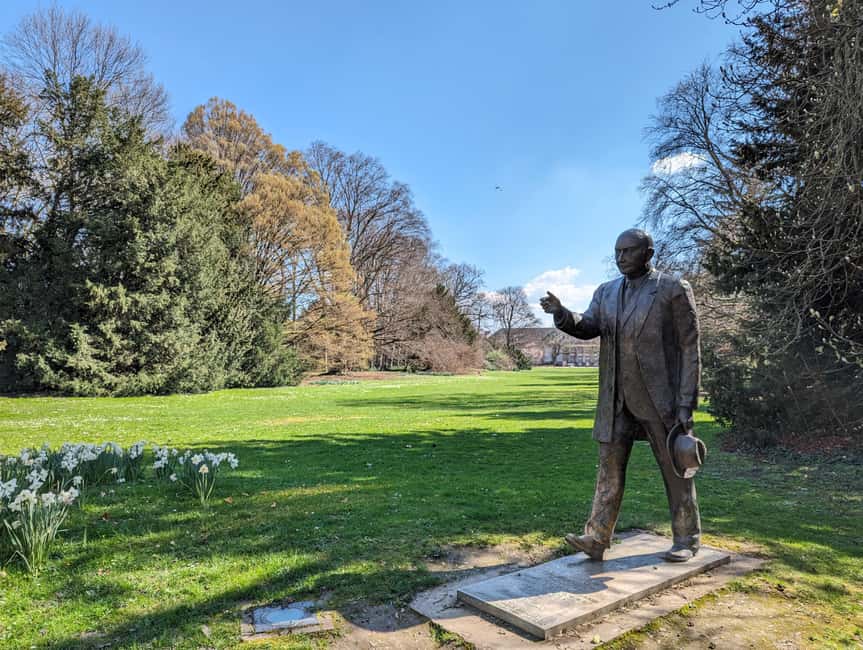
Strasbourg is a fitting city for this subject because its past was shaped by conflict between France and Germany. The city once represented the dispute between the two countries. Today, it is used as a symbol of cooperation and the long political effort that helped create the European Union and related institutions.
That change gives the tour a useful thread. You are not simply looking at office buildings. You are learning why European institutions were placed here and how Strasbourg became connected with a new form of cooperation.
I find this kind of setting more helpful than a classroom explanation. The guide can point to the actual institutions while explaining what they do. You see the buildings, hear about the decisions made inside them, and gain a clearer sense of how the city’s past connects with its present.
The subject can sound dry if it is handled as a list of treaties and acronyms. The best evidence from this experience points in the opposite direction. Nicolas is praised for making important events understandable while adding funny anecdotes, and even a teenage participant enjoyed the tour. That matters if you are visiting with family or if European politics is not normally your favorite holiday topic.
More Walking Tours in Strasbourg
- Strasbourg: Walking Tour with a Local Guide
★ 4.3 · 607 reviews - Strasbourg: Walking Tour with Local Guide
★ 5.0 · 598 reviews - Strasbourg: Guided Historical Neighborhoods Walking Tour
★ 4.9 · 275 reviews
Starting at the Agora and Council of Europe
The meeting point is the Agora, the building associated with the Council of Europe. Look for a guide wearing a black T-shirt with the orange Bretzel&Fun logo.
This is a practical starting point because the Council of Europe is one of the key institutions discussed on the walk. Your guide explains its specific role and places it within the wider group of European political bodies. You should expect an outdoor introduction rather than a formal museum visit or a tour through government interiors.
The Council of Europe and the European Union are not the same thing, and that distinction is useful. A guide can explain the difference in plain language while you are standing near the institutions themselves. If you have ever mixed up the Council of Europe, the European Council, and the European Parliament, this walk should help sort out the names.
The small group size is especially useful here. With six people or fewer, you can ask for clarification without holding up a large crowd. Nicolas has been praised for his clear English, while Rémy is described as friendly and willing to spend time on questions. The tour is offered in English or French, so choose the language in which you can comfortably follow political explanations.
Walking beside the European Court of Human Rights
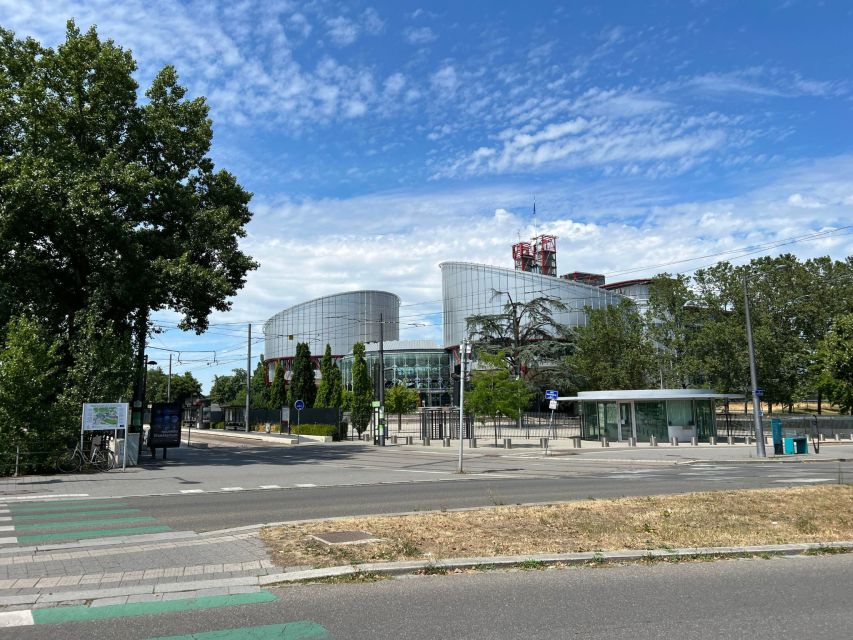
The route continues near the European Court of Human Rights. Here, the guide explains the court’s particular function and how it differs from other European bodies.
This stop adds an important human dimension to the walk. The subject is not only how European laws are created, but also how rights are protected through a separate legal institution. Your guide provides the necessary background as you view the building from outside.
Do not expect courtroom access or an interior tour. The value is in the explanation and the setting. If you have little time in Strasbourg, this stop gives you a concise introduction without requiring a long museum visit.
I like the contrast between the institutions. The Council of Europe, the European Court of Human Rights, and the European Parliament are close enough to connect in one walk, but they do different jobs. A good guide makes those differences memorable instead of leaving you with a pile of similar-sounding names.
The pace should suit most people who are comfortable walking outdoors for 90 minutes. The activity is specifically not suitable for people with mobility impairments, so consider that before booking. There is no promise of an indoor alternative, and the tour takes place rain or shine.
The Orangerie district’s unusual Art Nouveau houses
Near the European District, the route reaches well-known Art Nouveau houses around the Orangerie district. This is one of the most appealing changes of mood in the walk.
After the formal government buildings, you get a closer look at residential architecture. Art Nouveau details can make a neighborhood feel personal and lived-in, and these houses offer a more visual break from institutional history. The route does not focus only on large political structures. It also shows you an unusual side of Strasbourg’s built environment.
The information provided does not promise interior access to the houses, so plan to admire them from the street. That is still worthwhile, particularly if you enjoy architecture or want photographs beyond the usual old-town sights.
The photo opportunities are part of the experience. Your guide can point out details that you might otherwise walk past, while also offering advice for the rest of your stay in the region. Nicolas has even been praised for giving restaurant suggestions after the tour, which is a handy bonus if you are deciding where to eat that evening.
This section also helps break up the political material. If you are traveling with someone who is less interested in European institutions, the houses and neighborhood setting give them something attractive to notice while the guide continues the larger story.
Same city, a slower kind of day:
- Strasbourg: Euro Guided Tour by Segway
★ 4.7 · 808 reviews - Colmar, Medieval Village & Castle Small Group from Strasbourg
★ 5.0 · 769 reviews - 2-Hour Strasbourg Euro Tour by Segway
★ 5.0 · 642 reviews - From Strasbourg: Best Of Alsace Historical Day Trip
★ 4.7 · 633 reviews
Crossing toward modern Wacken
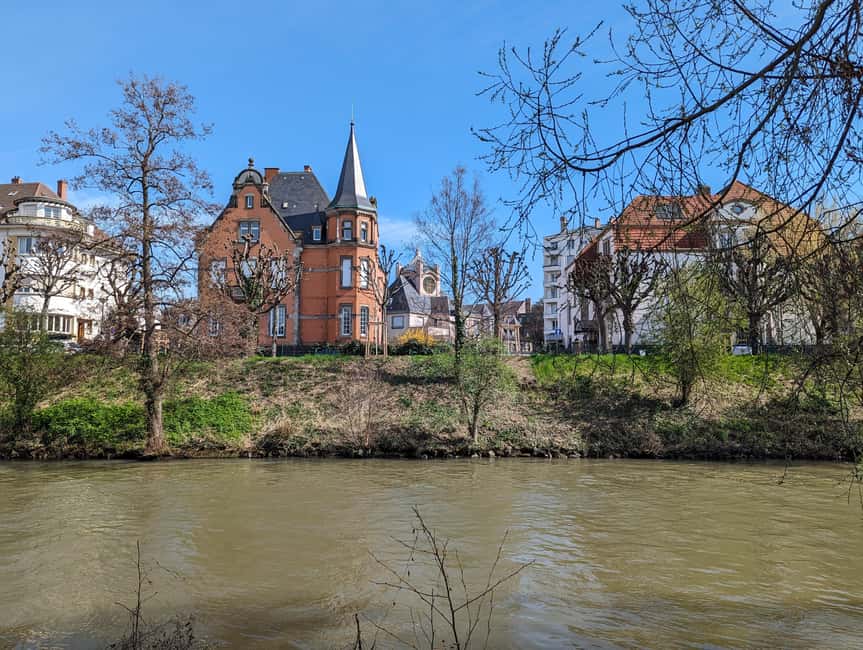
The walk then heads toward Wacken, a fast-growing district shaped by new buildings, bike paths, and the Ill River. This is where Strasbourg’s current development comes into view.
Wacken feels different from the older parts of the city. Rather than focusing on medieval streets or traditional Alsatian details, the tour shows you a newer district tied to major European institutions. You can see how the city continues to grow around the river and the Parliament area.
The route along the Ill River should be pleasant, but keep in mind that this is an outdoor city walk, not a dedicated nature excursion. The river is part of the setting and helps connect the stops. New construction and cycling routes are also part of the story, showing how Strasbourg is shaping a modern district beside its political center.
I appreciate this part because it keeps the tour from becoming a static building tour. You are moving through several types of Strasbourg: the diplomatic district, the Art Nouveau neighborhood, and the developing Wacken area. That variety gives the 90 minutes a good rhythm.
Your guide also has a chance here to explain how the area relates to the European Parliament. The building is not treated as an isolated attraction. It is part of a district with roads, paths, housing, offices, and the river running through it.
Understanding the European Parliament from outside
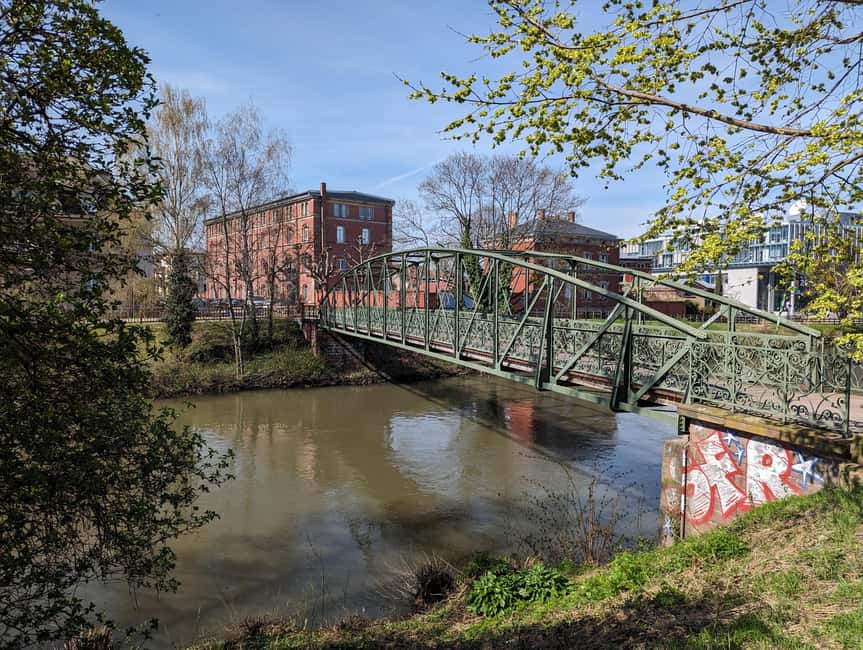
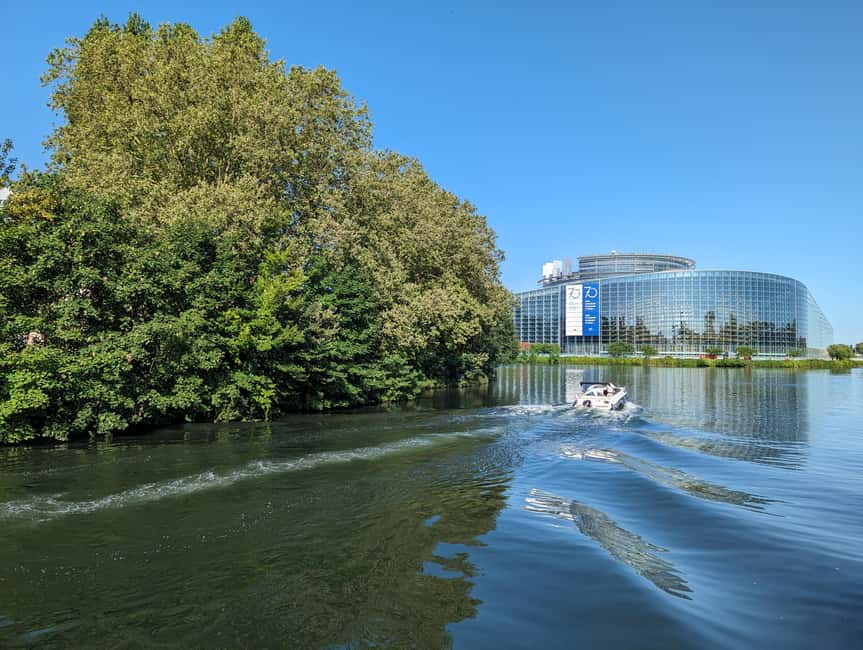
The final section focuses on the European Parliament, where deputies from each country vote on European laws. Your guide explains the institution and how it works, but the tour does not include entry.
This limitation should guide your planning. The walk is best for context, orientation, and an exterior view. It is not the right choice if your main goal is to see the inside of the Parliament with a guide.
The good news is that the tour ends close to the Parliament entrance. The entrance is free when you visit independently, so you can continue on your own after the walk if opening arrangements and available access suit your plans. Do not treat the walking tour as an admission ticket, though. The guide will not take you inside as part of the 90-minute experience.
I see this as a useful pairing. First, you receive an explanation of the building and its role. Then, if you have time, you can make your own visit without paying for Parliament entry. A French participant described doing exactly that after the walk, calling it a good combination.
Still, leave enough time in your schedule if you want to enter afterward. The walking tour itself has a fixed duration, and the information provided does not guarantee immediate admission or specify how long an independent visit will take.
The guides and the small-group advantage
The guides are a major part of the experience. Nicolas is praised for being friendly, passionate, clear in English, and able to add humor without losing the serious subject. He also gives practical food advice after the tour, which can help turn a history walk into a useful first-day orientation.
Rémy receives similar praise for a warm manner, entertaining storytelling, and taking time with questions. These details suggest that the tone is conversational rather than stiff. That is important here, because European institutions can be hard to understand when presented in formal language.
A group limit of six is another strong feature. You are not trying to hear a guide over a large crowd, and you can ask about points that interest you. A group of four, for example, can make the experience feel almost like a private walk while still keeping the small-group price.
The tradeoff is that a small-group tour may depend more on the individual guide’s style. The available comments point to a consistently positive experience with Nicolas and Rémy, but your exact guide may differ. The tour is offered in English and French, so make sure your selected language fits your needs.
Is $35 a fair price for 90 minutes?
At $35 per person, this is not the cheapest way to take a walk in Strasbourg. You could visit the city’s public streets without paying anything. The price makes more sense if you want a guide to explain the institutions, provide historical context, answer questions, and show you places you might not choose on your own.
The value is strongest for first-time visitors who want to understand why Strasbourg matters to Europe. You are paying for interpretation rather than admission. Since no building entry is included, people looking mainly for interiors may feel the price is less attractive.
The group size improves the calculation. A six-person maximum gives you more contact with the guide than a large city tour. The outside visit to Parliament, the Art Nouveau houses, the river walk, and the Wacken district also create a varied route rather than a single stop.
The included local advice adds a little practical value. If Nicolas is guiding your walk, you may also leave with a restaurant suggestion or ideas for the rest of your time in the region. I would book this tour when I want a focused introduction to Strasbourg’s European side, especially early in a stay.
Who should book this Strasbourg walk?
I think this tour suits you best if you:
- Want a clear introduction to the European Union and its institutions
- Enjoy guided walks more than independent reading
- Have an interest in modern architecture, Art Nouveau, or urban development
- Prefer small groups and the chance to ask questions
- Are visiting with a teenager who may respond well to humor and stories
- Want to combine the walk with a later, independent visit to Parliament
It may not suit you if you need step-free access or find a 90-minute outdoor walk difficult. It is also a weaker match if you expect to enter the Parliament during the tour or want a long, detailed architectural visit inside the institutions.
Wear shoes suitable for walking and bring protection from the weather because the tour operates rain or shine. Bring a passport or identity card as requested. Explosives, weapons, and sharp objects are not allowed.
My booking advice
I would book the European District Walking Tour if you want the political story behind Strasbourg, not just a quick photograph of the Parliament. The route covers the Council of Europe, the European Court of Human Rights, the Orangerie district, the Ill River, and Wacken in a compact 90 minutes.
The strongest reason to go is the combination of small-group guiding and useful context. Nicolas and Rémy are praised for warmth, humor, and clear explanations, while the route gives you both formal European buildings and less expected Art Nouveau houses.
Book it with the right expectation: this is an outdoor orientation walk, and Parliament is viewed from outside. If that suits your plans, $35 is a reasonable price for a focused introduction, especially when you follow it with a free independent visit to the Parliament.
FAQ
How long does the Strasbourg European District Walking Tour last?
The tour lasts 90 minutes.
How much does the tour cost?
The price is $35 per person.
What languages are available?
The tour is offered in English and French.
How large is the group?
The group is limited to six participants.
Does the tour enter the European Parliament?
No. The Parliament is visited from outside only, and the tour is not a ticket for entry.
Can I visit the Parliament after the walking tour?
Yes. The guide drops you close to the Parliament entrance, and you can visit it independently. Entry is free.
Where is the meeting point?
The meeting point is the Agora, associated with the Council of Europe.
How will I recognize the guide?
The guide will wear a black T-shirt with an orange Bretzel&Fun logo.
What happens if it rains?
The tour takes place rain or shine. Bring suitable clothing for outdoor conditions.
Recently added in Strasbourg
- Alsace villages half day tour from Colmar★ 5.0 · 186 reviews
- Segway Tours 2h in Colmar★ 5.0 · 116 reviews
- Alsace’s Gems Small Group Day Tour from Colmar★ 5.0 · 84 reviews
- The Emblematic: visit of villages, Haut-Koenigsbourg, Wine tasting★ 5.0 · 81 reviews
- Self-Guided and Interactive City Tour – Colmar★ 4.5 · 45 reviews
- Through Alsace Vineyards and Wine Villages Private Bike Tour★ 5.0 · 47 reviews
- Private and customizable: Alsace Wine Route HIGHLIGHTS in 3 hours★ 5.0 · 63 reviews
- Alsace 4 Wonders Small-Group Day Trip from Colmar★ 5.0 · 380 reviews
Walking Tours, compared.

Paris Top Sights Half Day Walking Tour with a Fun Guide
Read our review →
Montmartre Hidden Gems and Scenic Highlights Walking Tour
Read our review →
Montmartre Hill French Gourmet Food and Wine Tasting Walking Tour
Read our review →
Paris Île de la Cité and Notre-Dame Walking Tour With Crypt
Read our review →
Montmartre Cheese, Wine & Pastry Guided Walking Tour
Read our review →
Paris in a Day: Louvre or Orsay, Eiffel Tower, City Walk & Cruise
Read our review →
Montmartre Highlights Walking Tour with a Local Guide
Read our review →
Paris City Center Free Walking Tour (Tip-Based)
Read our review →Browse the lists this tour appears in