
REVIEW · WALKING TOURS
Strasbourg: Guided Walking Tour
Two cultures meet at every corner. This 125-minute walking tour links Strasbourg’s grand squares, defensive bridges, Petite France, cathedral, and riverside views into one useful first look at the city. I like the route’s mix of major sights and practical local advice, and I especially like the stops at Barrage Vauban and the Covered Bridges, where Strasbourg’s past becomes easy to see.
The guides also earn strong praise for their warmth and storytelling. Carlos, Fabrizio, Fabry, Erick, and Gidda are all named in glowing feedback, with Fabrizio especially praised for his photo tips and restaurant suggestions. The main caution is the tasting portion: it may be smaller than you expect from the description, and one participant wished the promised wine and cheese stop had been clearer.
In This Review
- Key points at a glance
- Why Strasbourg makes a good walking-tour city
- Place Kléber and the modern city center
- Barrage Vauban and the best wide-angle views
- Petite France, canals, and the changing water level
- Covered Bridges and Strasbourg’s defensive story
- Saint Thomas Church and the medieval center
- The tasting stop: useful, but keep expectations modest
- Gutenberg Square, the cathedral, and Rohan Palace
- The guides are a major part of the value
- Is $30 a fair price?
- Who should book this Strasbourg walk?
- Should you book the Strasbourg Guided Walking Tour?
- FAQ
- How long does the Strasbourg walking tour last?
- How much does the tour cost?
- Where does the tour meet?
- Which languages are available?
- Is the tour wheelchair accessible?
- Is hotel pickup included?
- Is Strasbourg Cathedral visited inside?
- Are museum tickets included?
- What should I bring?
- Does the tour include food or wine tasting?
Key points at a glance
- Strasbourg’s two-country identity: Learn how French and German influences shaped the city’s buildings, politics, food, and defensive walls.
- Barrage Vauban photo stop: Climb or walk around one of the city’s best viewpoints for views across Petite France and the covered bridges.
- A compact historic route: See Place Kléber, Petite France, Saint Thomas Church, Gutenberg Square, Strasbourg Cathedral, and Rohan Palace in just over two hours.
- Guides who add practical help: Expect restaurant, café, shopping, and museum suggestions, plus advice on quieter routes through the center.
- Tastings with a caveat: A typical German shepherd dessert and food or wine tasting are listed, but the food element may not feel like a full tasting tour.
- Good first-day value: At $30 per person, the tour can save you time and help you understand what deserves a longer visit later.
Why Strasbourg makes a good walking-tour city
Strasbourg rewards walking because its central sights sit close together, yet each district feels different. You can move from the broad, modern setting of Place Kléber into narrow medieval streets, then reach canals, defensive structures, churches, and the cathedral without using public transport.
The city also needs a little explanation. Strasbourg is French today, but its location near Germany has shaped its language, architecture, government, food, and wars. A guide can connect those pieces faster than a map or a collection of plaques.
I find the two-culture theme particularly useful because it gives the tour a clear thread. You are not simply ticking off buildings. You are looking at how power, trade, religion, and border changes left marks on the city.
The tour begins at Place Kléber or at Hôtel Strasbourg Le Kléber, depending on the option you book. Check the exact meeting point carefully. One person had trouble finding the guide among several groups near the same area, though the operator responded quickly when contacted.
More Walking Tours in Strasbourg
- Strasbourg: Walking Tour with a Local Guide
★ 4.3 · 607 reviews - Strasbourg: Walking Tour with Local Guide
★ 5.0 · 598 reviews - Strasbourg: Guided Historical Neighborhoods Walking Tour
★ 4.9 · 275 reviews
Place Kléber and the modern city center
Place Kléber is a sensible starting point. It puts you in the middle of Strasbourg’s shopping and civic center, with easy access to several major streets and squares.
The route includes La Aubette, also called the Aubette building, and the area around Homme de Fer. These places help show that Strasbourg is not only a medieval postcard. It is also a working city with modern transport, shops, and public spaces.
Rue du Jeu des Enfants adds another layer to the opening walk. Your guide may point out how the center blends everyday city life with older architecture. That is one reason I would book this tour early in a Strasbourg stay. You get useful orientation before you begin exploring alone.
The opening section is listed as about 12 minutes, though the total tour lasts 125 minutes and timing can shift with the group. Expect a moving introduction rather than a long stop at each building.
Barrage Vauban and the best wide-angle views
The Museum of Modern and Contemporary Art appears early in the route as a photo stop and short guided visit. There is no museum admission included, so treat this as an exterior orientation unless your guide explains otherwise.
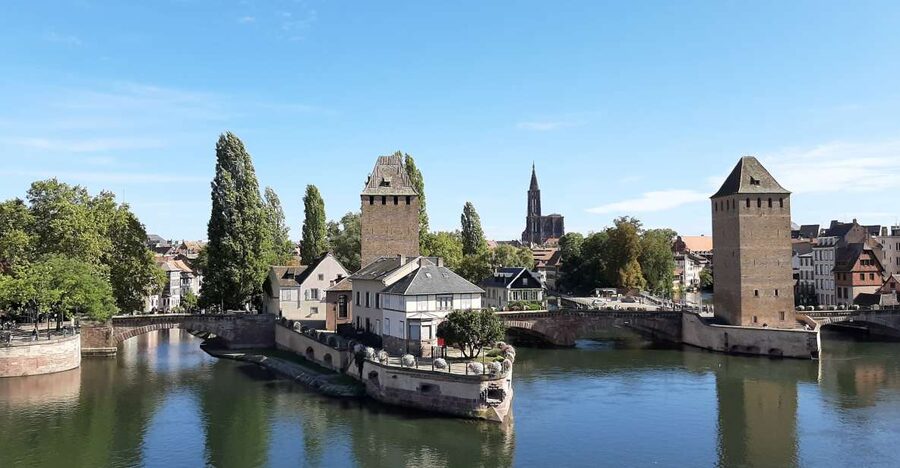
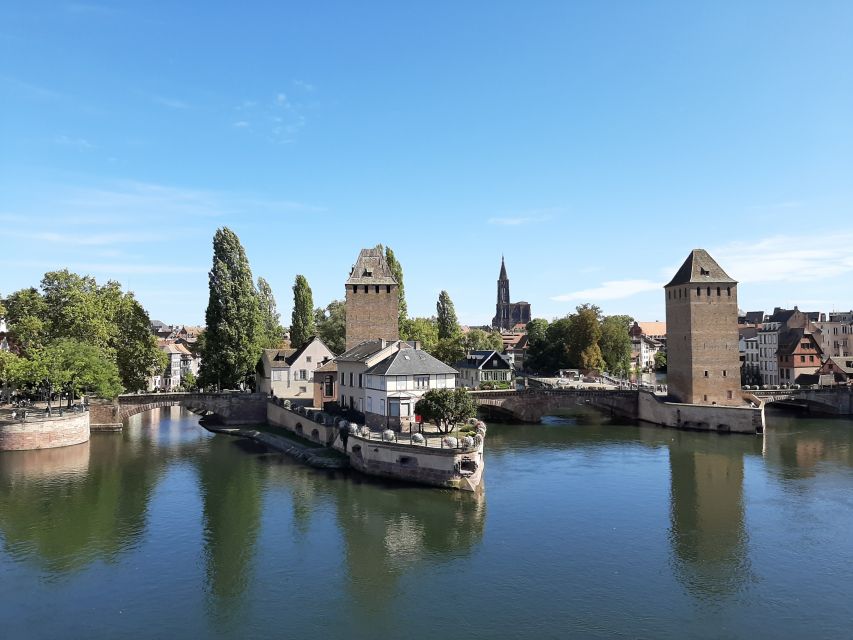
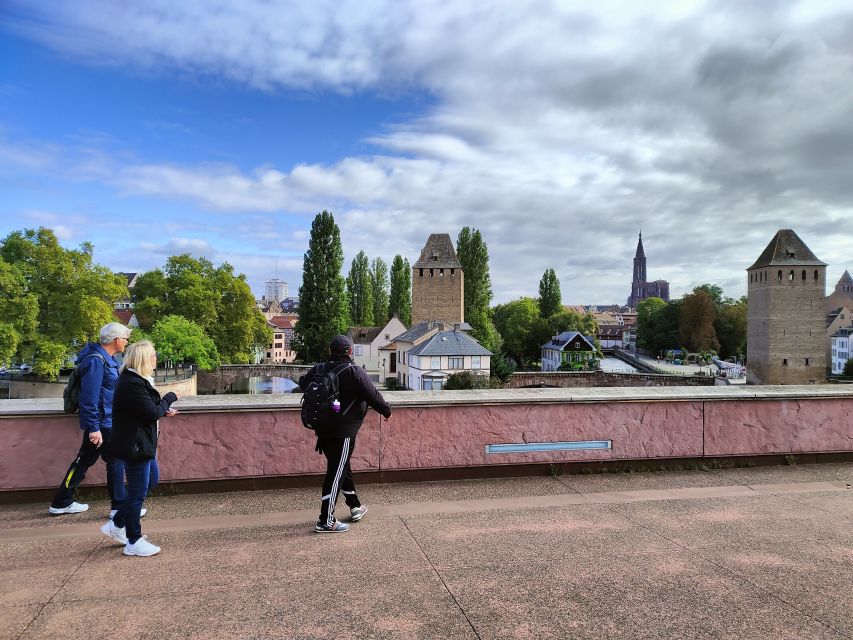
The tour then reaches Barrage Vauban, one of the most worthwhile stops. This defensive structure was built as part of Strasbourg’s fortifications, and its position gives you a clear view toward the Covered Bridges and Petite France.
I like this part because the military story becomes physical. You can see how the river, walls, gates, and bridges worked together to protect the city. The route discusses the first and second defensive barriers, including the covered bridges and their role in controlling access.
The viewpoint is also practical for photographers. One guide, Fabrizio, was praised for suggesting good places to take pictures while keeping the group on schedule. Bring your camera, but also bring shoes with a firm sole. This is a walking tour, not a ride with quick photo stops from the curb.
A local market may be part of the Barrage Vauban section, depending on timing and conditions. The exact food stop is not guaranteed in the same way as the main sightseeing route, so I would not book this solely for market shopping.
Petite France, canals, and the changing water level
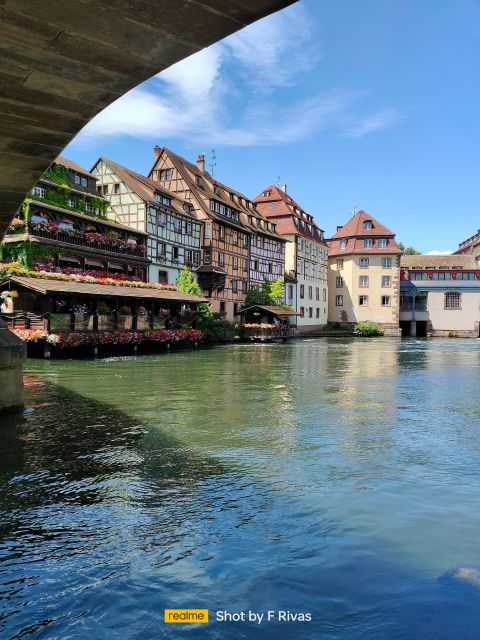
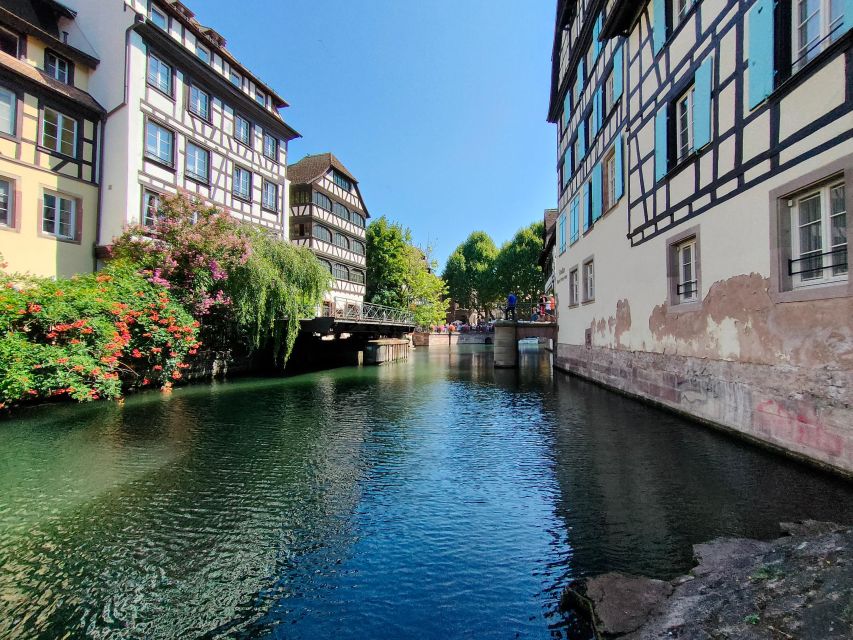
Petite France is the visual heart of the tour. Its canals, old buildings, bridges, and narrow streets give you the Strasbourg most often seen on postcards.
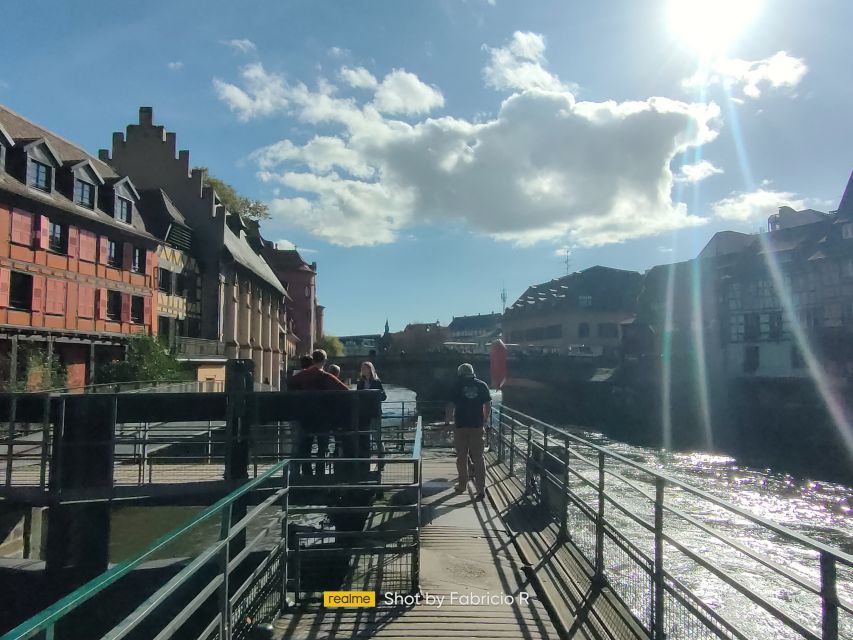
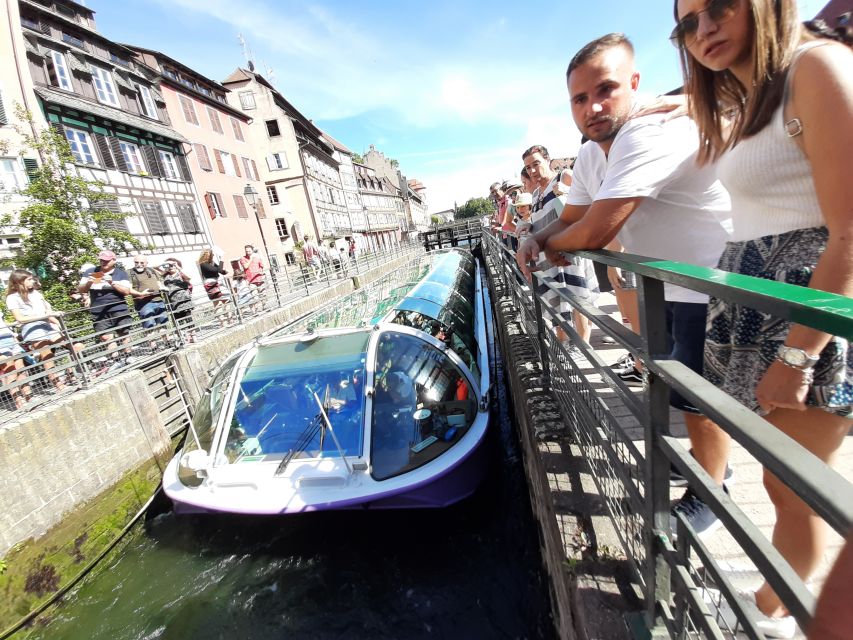
The guide points out a swing bridge and a gate that controls the change in water level for boats passing through the area. This detail is easy to miss when you are focused on timber-framed façades and reflections in the water.
You get time for photos, a short break, and some free time for shopping or looking around. The group also receives a safety briefing here, which makes sense because the area can be crowded and the waterways sit close to the walking paths.
Petite France is beautiful, but it is also the section most likely to feel busy. The route can take you along back streets to avoid some crowds, and that is one of the useful touches praised by participants. Still, your guide cannot remove the popular district’s visitors, especially at peak times.
If you want peaceful photographs, listen when the guide suggests a less obvious angle. You may get better results by turning away from the most famous view and photographing the canals, bridges, and buildings from a quieter path.
Same city, a slower kind of day:
- Strasbourg: Euro Guided Tour by Segway
★ 4.7 · 808 reviews - Colmar, Medieval Village & Castle Small Group from Strasbourg
★ 5.0 · 769 reviews - 2-Hour Strasbourg Euro Tour by Segway
★ 5.0 · 642 reviews - From Strasbourg: Best Of Alsace Historical Day Trip
★ 4.7 · 633 reviews
Covered Bridges and Strasbourg’s defensive story
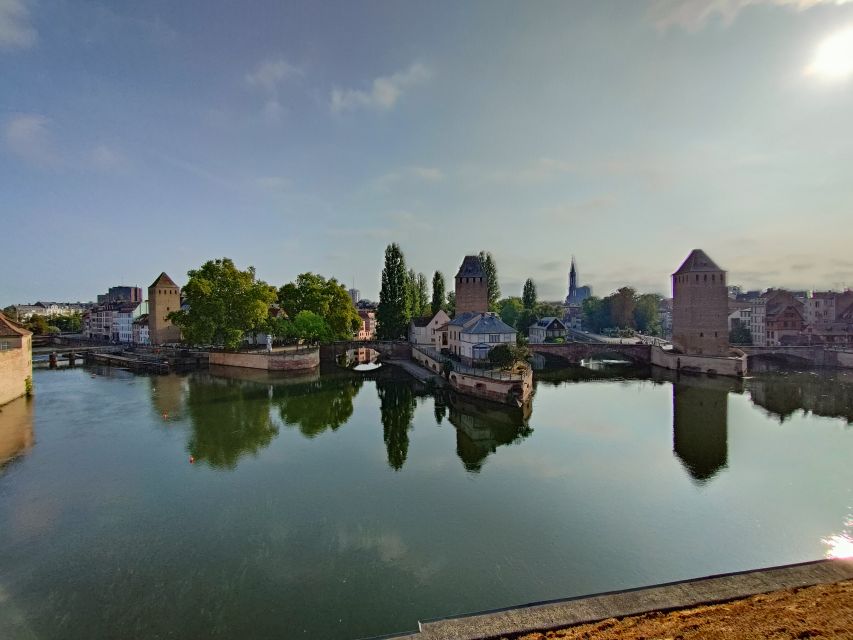
The Covered Bridges follow naturally from Barrage Vauban. Their name comes from the covered walkways that once protected defenders, though the roofs are no longer present today.
This stop works best when your guide explains the bridges as part of a wider system rather than as isolated monuments. You see how Strasbourg used waterways and fortifications together. The city’s defenses were not just thick walls. They depended on movement, gates, bridges, and control of the river.
The stop is listed at about 15 minutes, enough for photographs and a clear explanation. You will not have time for a long independent exploration here, so take pictures as you go and save a return visit if the fortifications interest you.
Saint Thomas Church and the medieval center
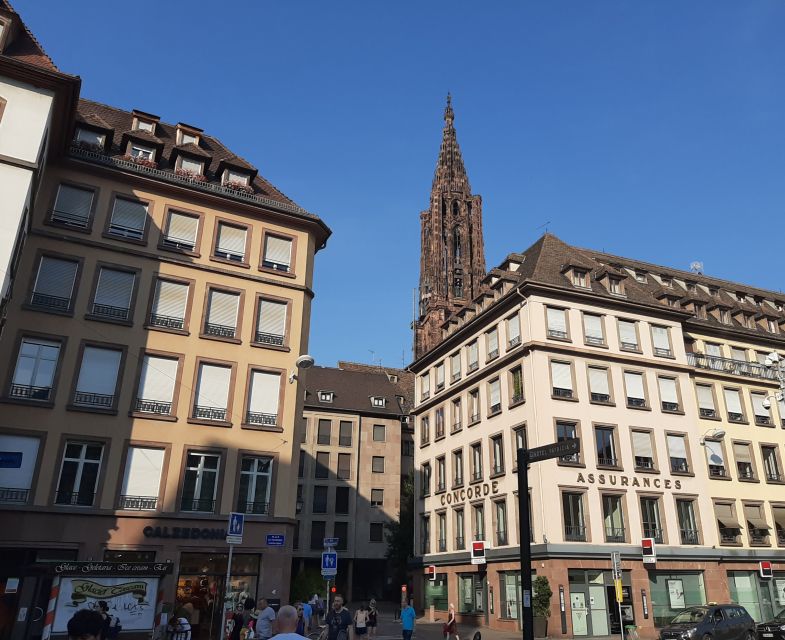
The route continues to Saint Thomas Church, one of the city’s important historic churches. The stop is brief, about 10 minutes, with time for photographs and a visit.
This is a useful counterpoint to the military structures. Strasbourg’s story is also religious and civic, with churches that reflect the city’s changing cultural setting. Your guide can place Saint Thomas within the broader movement between French and German influence.
From here, the route heads along Rue des Serruriers. This street leads you back into the older center and creates a natural transition from monuments to local food.
The tasting stop: useful, but keep expectations modest
Food adds a welcome local touch, but the description sets a slightly confusing expectation. You may receive a typical German shepherd dessert, and the route includes cheese tasting, food tasting, and a winery visit with wine tasting.
At the same time, not everyone experienced the food element as a full tasting tour. One participant described the tasting as less substantial than expected, while another wished the advertised wine and cheese stop had happened. That does not erase the value of the walk, but it matters if tasting is your main reason for booking.
I would think of the food stop as a small local sample rather than a meal or dedicated culinary tour. You should still budget for lunch, dinner, and any extra drinks. Additional food and drinks are not included.
The winery section is listed for 45 minutes, which appears longer than several of the sightseeing stops. Because the exact tasting format may vary, ask at the start what will be served and where. This simple question can prevent a mismatch between your expectations and the actual experience.
The best food advice may come from the guide rather than the sample itself. Fabrizio offered recommendations for baeckeoffe, cafés, cheese shops, and local products. Another participant enjoyed a stop at Chez Lucienne, a shop selling local products. Use the tour to collect names for later meals.
Gutenberg Square, the cathedral, and Rohan Palace
Place Gutenberg is a quick photo stop. Its position in the historic center makes it a useful link between the older commercial streets and the cathedral district.
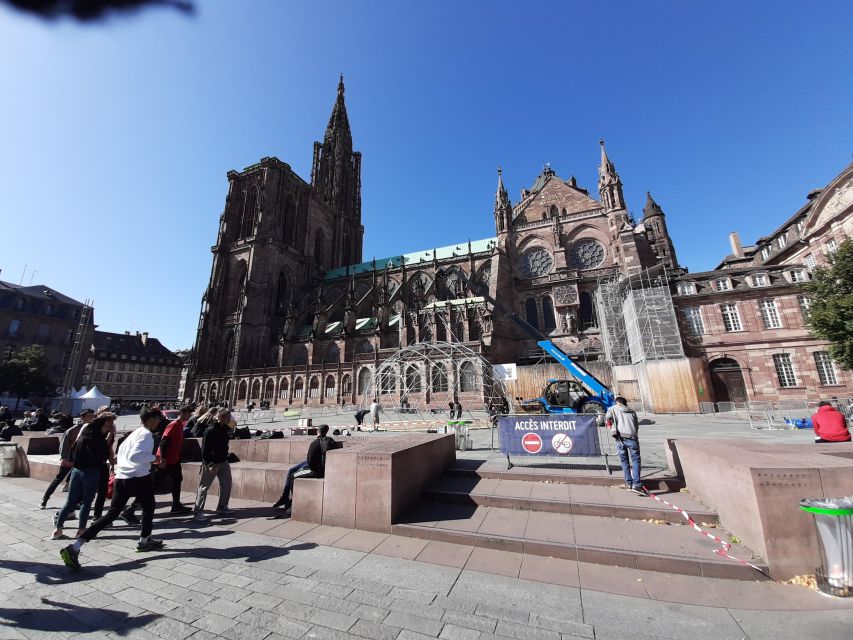
The cathedral is visited from outside. That distinction matters. The tour gives you time for photographs and an explanation of the building, but entrance is not included. If you want to see the interior, plan a separate visit.
Strasbourg Cathedral is the route’s biggest architectural finish. Its height and detailed façade can make a short stop feel full, especially after the smaller streets of Petite France. You may also want to return later when you have more time to examine the details without keeping pace with the group.
The tour ends near Palais Rohan or Place de la Cathédrale. This is convenient because you can continue to the cathedral, museums, cafés, or central shopping streets. Museum admission is not included, so the Musée de l’Œuvre Notre-Dame and other nearby attractions require separate planning.
The guides are a major part of the value
The strongest feature of this experience is the guide. Carlos is praised for clear explanations, local tips, and an easy sense of humor. Fabrizio, also called Fabry by some participants, is repeatedly described as enthusiastic about Strasbourg and good at bringing history to life.
Erick is praised for his command of the subject, while Gidda is described as fun and well informed. The guide you receive may vary, but the pattern is clear: the experience depends heavily on a person who can explain the city in a lively way.
Several people appreciated more than historical facts. Guides pointed out restaurants, shops, museums, cafés, and routes that helped avoid crowds. That practical advice can be worth as much as the sightseeing, especially if Strasbourg is only one stop on a larger Alsace visit.
English and Spanish are available. A private group option is also offered. If you want more control over the pace or have a family group with specific interests, the private format may be worth considering.
Is $30 a fair price?
At $30 per person, I consider this good value if you want a guided overview rather than a food-focused experience. You cover many of the city’s major sights, get historical context, and receive recommendations that can improve the rest of your stay.
The price includes the walking tour, a local guide, the listed tasting element, Barrage Vauban, Covered Bridges, Petite France, Saint Thomas Church, and an exterior cathedral visit. It does not include hotel transport, tram tickets, museum entry, or additional food and drinks.
The value drops if you expect lengthy time inside buildings or a substantial wine-and-cheese meal. This is primarily a city walk with a tasting component, not an indoor museum tour or a full culinary outing.
You also need to judge the pace. The tour lasts just over two hours and covers many stops. That is efficient, but some visits are short. I see this as a strong first look, followed by independent visits to the cathedral, museums, or any neighborhood you want to explore more slowly.
Who should book this Strasbourg walk?
I would choose this tour if you are visiting Strasbourg for the first time, have limited time, or want the city’s history explained in plain language. It also suits families and private groups that want a manageable route with regular photo opportunities.
It is a good fit for anyone interested in architecture, border history, fortifications, churches, and local food suggestions. The wheelchair-accessible format is useful, though you should still confirm the specific route and meeting point when booking.
You may want another experience if your priority is a long wine tasting, a full meal, museum interiors, or extensive time at every sight. Independent walkers can cover the same central districts, but they will miss the connections between the river defenses, French and German influences, and changing city layout.
Wear comfortable shoes and carry a camera. Large bags and luggage are not allowed, and alcohol or drugs are prohibited. Check the weather on the day, especially because most of the experience takes place outdoors.
Should you book the Strasbourg Guided Walking Tour?
Book it if you want an efficient, history-led introduction to Strasbourg with a guide who can explain both its famous sights and its less obvious details. The strongest reasons are the Barrage Vauban viewpoint, Petite France, the defensive history, and the practical food and restaurant advice.
Book with a modest expectation for the tasting. Treat it as a bonus, not the main event. If that sounds right, $30 is a sensible price for a compact walk that can help you make better use of the rest of your time in Strasbourg.
FAQ
How long does the Strasbourg walking tour last?
The tour lasts 125 minutes, or just over two hours.
How much does the tour cost?
The listed price is $30 per person.
Where does the tour meet?
The starting point may be Place Kléber or Hôtel Strasbourg Le Kléber, depending on the option booked. Check your confirmed meeting details carefully.
Which languages are available?
The tour is offered in English and Spanish.
Is the tour wheelchair accessible?
Yes, the activity is listed as wheelchair accessible.
Is hotel pickup included?
No. Hotel pickup and drop-off are not included.
Is Strasbourg Cathedral visited inside?
The cathedral visit is listed as an exterior visit and photo stop. Entrance is not included.
Are museum tickets included?
No. Entrance to museums is not included.
What should I bring?
Bring comfortable shoes and a camera. Large bags and luggage are not allowed.
Does the tour include food or wine tasting?
A tasting is included, with a typical German shepherd dessert listed, along with food and wine tasting in the route. The tasting may be lighter than a full food tour, and additional food and drinks are not included.
Recently added in Strasbourg
- Alsace villages half day tour from Colmar★ 5.0 · 186 reviews
- Alsace’s Gems Small Group Day Tour from Colmar★ 5.0 · 84 reviews
- Segway Tours 2h in Colmar★ 5.0 · 116 reviews
- The Emblematic: visit of villages, Haut-Koenigsbourg, Wine tasting★ 5.0 · 81 reviews
- Self-Guided and Interactive City Tour – Colmar★ 4.5 · 45 reviews
- Through Alsace Vineyards and Wine Villages Private Bike Tour★ 5.0 · 47 reviews
- Private and customizable: Alsace Wine Route HIGHLIGHTS in 3 hours★ 5.0 · 63 reviews
- Alsace 4 Wonders Small-Group Day Trip from Colmar★ 5.0 · 380 reviews
Walking Tours, compared.
Paris Top Sights Half Day Walking Tour with a Fun Guide
Read our review →
Montmartre Hidden Gems and Scenic Highlights Walking Tour
Read our review →
Montmartre Hill French Gourmet Food and Wine Tasting Walking Tour
Read our review →
Paris Île de la Cité and Notre-Dame Walking Tour With Crypt
Read our review →
Montmartre Cheese, Wine & Pastry Guided Walking Tour
Read our review →
Paris in a Day: Louvre or Orsay, Eiffel Tower, City Walk & Cruise
Read our review →
Montmartre Highlights Walking Tour with a Local Guide
Read our review →
Paris City Center Free Walking Tour (Tip-Based)
Read our review →Browse the lists this tour appears in