
REVIEW · DESSERT TOURS
Visit of Choco-story COLMAR, the Chocolate Museum.
Chocolate has a long story. Choco-Story Colmar makes it fun with interactive displays, short films, 3D projections, and tastings that keep the visit moving. I like the playful way it explains cocoa, and I like that you can go at your own speed with an audio guide.
The journey covers pre-Hispanic cocoa traditions, Spanish voyages, European courts, and modern chocolate making. The main drawback is simple: the visit lasts about 90 minutes, and the audio guide language information is not fully consistent, with the description mentioning four languages and the inclusions listing six. It is worth checking the available choices before you arrive.
In This Review
- Key points to know before you go
- What Choco-Story Colmar does well
- Beginning with cocoa in the pre-Hispanic world
- Sailing toward Europe in the 16th century
- Chocolate at European courts
- The industrial age on the second floor
- Tastings and the question of hot chocolate
- How long the visit takes and how the pace works
- Who will enjoy this chocolate museum most?
- Is $18.02 good value?
- Practical advice for your visit
- Should you book Choco-Story Colmar?
- FAQ
- Where does the Choco-Story Colmar experience start?
- Where does the experience end?
- How long does the chocolate museum visit last?
- How much does the experience cost?
- Is an audio guide included?
- Is chocolate tasting included?
- Is a hot chocolate drink included?
- Can most people participate?
Key points to know before you go
- A cocoa story that begins in a rainforest: An animated monkey and an Aztec temple introduce cocoa before European contact.
- A Spanish ship with moving effects: Creaking floors, shifting hurricane lamps, and shipboard scenes make the 16th-century section more than a row of display cases.
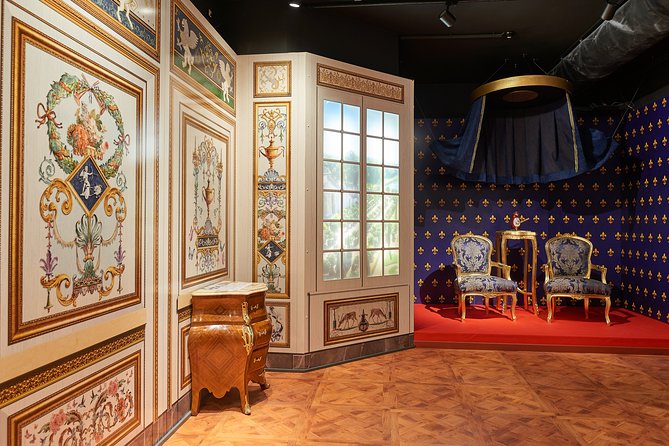
- Royal chocolate arrives in Europe: Costumed court-style settings and royal armchairs add a playful photo stop.
- Chocolate becomes industry: The second floor turns to machinery, production, recipes, and modern chocolate culture.
- A 250-kilogram chocolate Statue of Liberty: The cabaret presentation uses giant chocolate sculptures for a memorable finale.
- Tastings are included: You can sample chocolate during the visit, but a hot chocolate drink costs extra.
What Choco-Story Colmar does well
I see this museum as an easy addition to a day in central Colmar. It starts at 12 Place de la Cathédrale, so you do not need to arrange a separate excursion or find a distant transport connection. The visit finishes back at the same meeting point, and public transportation is nearby.
The museum’s strongest feature is its variety. You are not simply reading dates beside chocolate bars. One room uses an animated panel to show a little monkey tasting cocoa beans. Another presents Quetzalcoatl, the feathered serpent god linked by legend with bringing cocoa to Earth. Later, the floor creaks beneath you aboard a Spanish ship while lamps move and windows suggest the sea.
I like this approach because the subject can otherwise become dry. Cocoa farming, trade, processing, and industrial production involve plenty of technical detail, but the museum gives each stage a visual or physical hook. The occasional games also help, especially if you are visiting with children or with people who lose patience in traditional museums.
The visit is not meant to replace a specialist course in chocolate making. You get a clear, entertaining introduction rather than a long technical workshop. That is a strength for most holiday schedules, though serious chocolate fans may want more time with production details and less theatrical presentation.
More pastry stops in Colmar:
- Colmar: Chocolate creation workshop at Choco-Story
★ 4.5 · 39 reviews - Paris: Day or Sunset Cruise with Drink, Ice Cream or Dessert
★ 4.4 · 4,225 reviews - Paris: Entrance Ticket to the Chocolate Museum
★ 4.1 · 1,105 reviews
Beginning with cocoa in the pre-Hispanic world
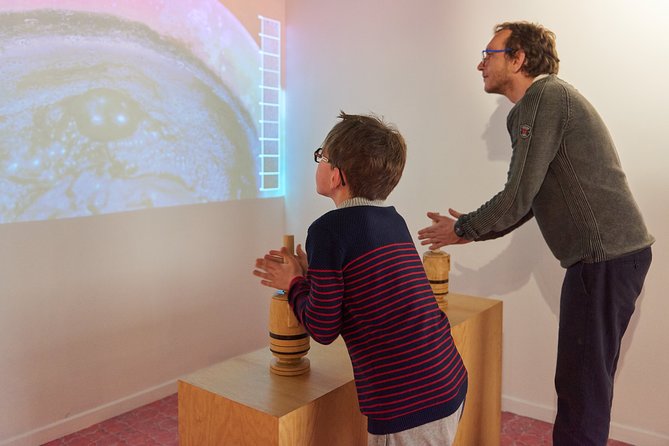
The first section takes you back before chocolate became a European luxury. The animated monkey gives you an immediate, simple explanation: cocoa begins as a fruit and beans, not as the polished sweets sold in shops today.
An Aztec temple then introduces Quetzalcoatl. This gives the museum a useful cultural starting point. Chocolate did not appear out of nowhere in European kitchens. Its story reaches back to the people who grew, used, and valued cocoa in the Americas.
I appreciate that the opening uses legend as well as history. You get a sense of how cocoa belonged to a wider world of beliefs and ceremony before its arrival in Europe. The display is designed for quick understanding, so you will not need a background in Mesoamerican history to follow it.
The audioguide adds structure as you move from one scene to the next. The supplied information lists six available languages in the inclusions, while the main description says four, so check the language options at booking. That small uncertainty matters if you are choosing the museum for a child or anyone who will rely heavily on narration.
Sailing toward Europe in the 16th century
The Spanish ship is one of the museum’s most effective scenes. The creaking ground, moving hurricane lamps, and sea views give the room a gentle theatrical quality. You are not just told that cocoa crossed the Atlantic. You get a sensory picture of the voyage that changed chocolate’s place in the world.
This part should appeal to families because it gives restless legs something to notice. It also helps adults connect the dots between cocoa’s American origins and its later place in European society.
I would keep your expectations sensible. The ship is a staged museum environment, not a full historical reconstruction or a long guided performance. Its value lies in making a transition easy to remember. After a few minutes, you understand that chocolate’s European story began with travel, trade, and cultural exchange.
The visit uses films and 3D projections as well as physical props. These effects break up the audio commentary and make the 90-minute visit feel less like one continuous lecture. If you prefer quiet galleries and original objects, you may find the presentation a little showy. If you enjoy short scenes and hands-on features, this is likely to be a highlight.
Chocolate at European courts
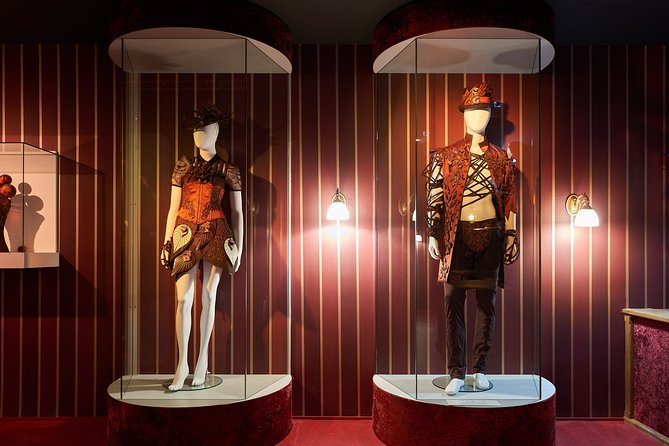
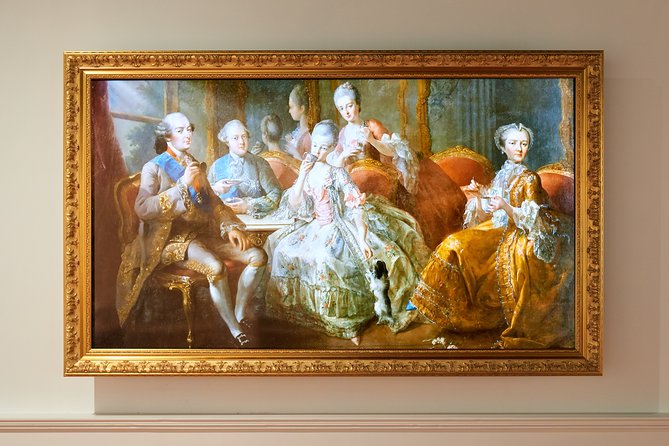
Once chocolate reaches Europe, the setting changes to royal life. You can sit in royal armchairs and take photos, which gives the court section a light touch. The display helps explain how chocolate moved from an unfamiliar product to something associated with wealth and ceremony.
I like this section because it shows that chocolate is also a social story. The drink and food became tied to status, fashion, and court culture. You are seeing the change in meaning as much as the change in recipe.
The photo opportunity is especially useful for families and groups. It gives you a break from listening and creates a simple souvenir without adding another paid activity. You can also expect the museum to keep the tone playful rather than solemn.
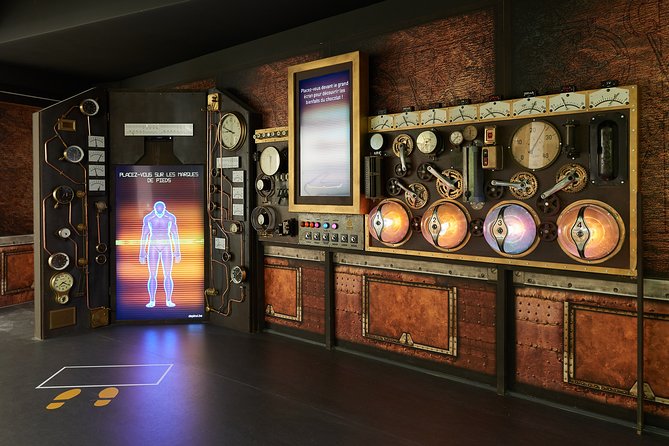
A feature called the choco scanner adds another interactive moment. It follows body movements and presents the supposed benefits of the cocoa tree’s fruit. Treat this as an entertaining display, not as medical advice. The museum’s job here is to make cocoa memorable, not to replace a health consultation.
More museums in Colmar:
- Paris: Louvre Museum Timed-Entrance Ticket
★ 4.6 · 71,977 reviews - Louvre Museum Masterpieces Guided Tour with Access
★ 4.5 · 12,023 reviews - Paris: Louvre Museum Entry Ticket With Host and River Cruise
★ 4.6 · 9,926 reviews - Les Invalides: Napoleon’s Tomb & Army Museum Entry
★ 4.6 · 9,185 reviews
The industrial age on the second floor
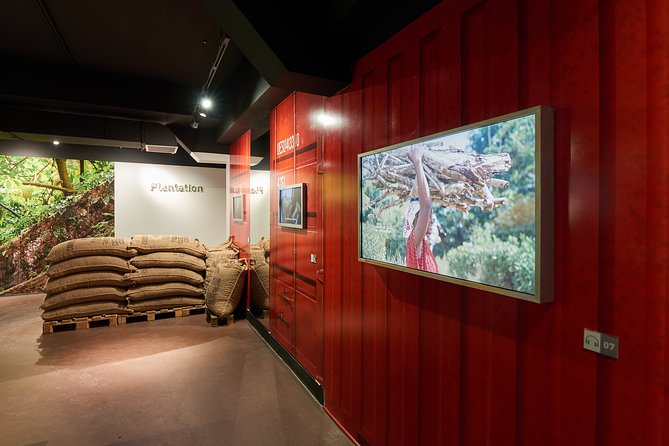
The second floor shifts from royal settings to industrialization. This change matters because it shows how chocolate moved toward modern production. The story is no longer only about rare court treats. It becomes a story of machines, larger output, new recipes, and the chocolate products you recognize today.
The scale increases during the cabaret show. A 250-kilogram Statue of Liberty made of chocolate lights up the presentation alongside other chocolate sculptures. It is a wonderfully odd sight, and it gives the museum a strong visual centerpiece.
I would not visit expecting every sculpture to be a permanent art exhibit in the gallery sense. The appeal is the craftsmanship and the surprise of seeing a familiar monument recreated in chocolate. The cabaret format also keeps the industrial section from becoming a dry explanation of factory methods.
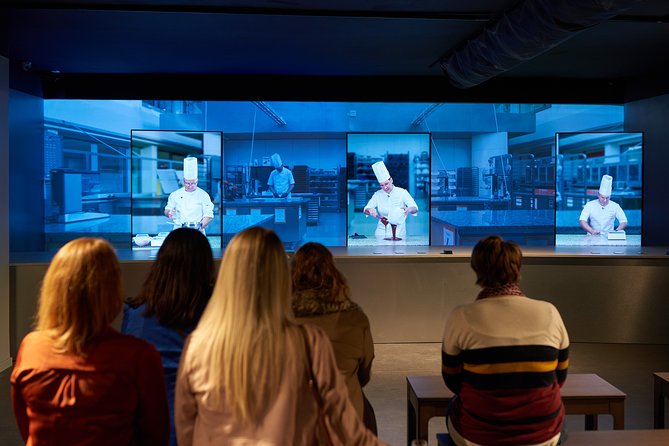
On a giant screen, three master chocolatiers present recipes. This is one of the more practical parts of the visit because it moves from chocolate’s past to what professionals do with it now. You can watch techniques and ideas without signing up for a separate class.
The available information does not specify the names of the three chocolatiers or the exact recipes. I would think of this as a short demonstration section rather than a hands-on lesson. You watch, listen, and continue through the museum at your own pace.
Tastings and the question of hot chocolate
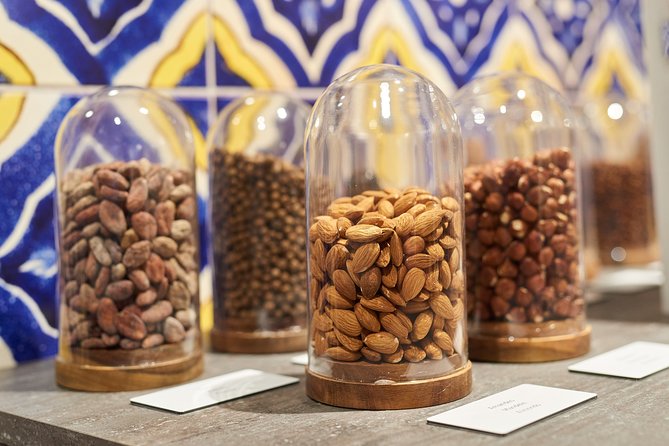
Chocolate tasting is included in the admission. That changes the value of the visit, especially at a price of about $18.02 per person. You are paying for more than displays and narration, although the exact tasting selection is not specified.
I like that the tasting arrives as part of the museum route rather than as a separate sales pitch. It gives you a chance to connect the story of cocoa beans and production with the finished product. The chocolate becomes something you can compare and remember, not just something shown behind glass.
A hot chocolate drink is not included. Keep that in mind if you are picturing a warm cup at the end of the visit. You can enjoy the included tasting without buying the drink, but budget extra if that beverage is part of your plan.
The tasting also makes the museum a good rainy-day choice in Colmar. You get an indoor activity with enough movement for a short break from sightseeing, plus a small food experience. I would still avoid arriving with the idea that this is an unlimited chocolate buffet. The information confirms tasting, not unlimited samples.
How long the visit takes and how the pace works
Plan on roughly 1 hour and 30 minutes. That is long enough to cover the main story without taking a full half-day from Colmar’s old center. I would allow a little flexibility around that estimate, since your pace will depend on how long you spend with the interactive features, films, photos, and tastings.
The museum is designed so you can go at your own speed. That is useful if one person wants to listen closely while another prefers the visual displays. The audio guide gives you independence instead of forcing the entire group to remain with one live guide.
An advertised maximum of 200 people is worth noting. The number does not mean the museum will have 200 people at your chosen time, but it does mean you should not assume a tiny, private visit. The self-guided format helps, though busy moments could make the interactive stations less comfortable.
The activity is near public transportation and starts and finishes at the cathedral-square address. That makes it easy to place between other Colmar sights. Since the average booking lead time is about nine days, booking ahead is sensible during a popular weekend, though that figure is only an average and not a guarantee of availability.
Who will enjoy this chocolate museum most?
I would recommend Choco-Story Colmar to families, couples, and first-time chocolate fans. Children get games, moving effects, a monkey, a ship, royal chairs, giant sculptures, and tasting opportunities. Adults get a basic but useful account of cocoa’s journey from the Americas to European courts and modern production.
It also suits you if you want a clear indoor activity close to central Colmar. The 90-minute format is easy to fit around lunch, shopping, or cathedral visits. You do not need to commit a whole day.
I would be more cautious if you want a highly detailed account of agriculture, labor, economics, or modern chocolate ethics. Those subjects are not identified in the supplied details, and the experience is built around interactive scenes, films, projections, and accessible storytelling.
The museum may also be less satisfying if you dislike staged effects. Creaking floors, moving lamps, animated displays, and a giant chocolate Statue of Liberty are part of the charm, but they make this closer to an educational attraction than a quiet museum.
Is $18.02 good value?
At about $18.02 per person, the price is reasonable if you use the full 90 minutes and take part in the tasting and interactive displays. I see the best value in the combination of a self-guided audio tour, historical storytelling, visual effects, and food sampling.
You are not paying only for a collection of chocolate objects. You are paying for a planned sequence that takes you from cocoa’s pre-Hispanic origins to European courts and industrial production. The different formats also make the experience useful for mixed-age groups.
The value drops if you only want to look at chocolate sculptures for a few minutes. It is better suited to someone who will follow the story, try the interactive parts, watch the films, and stay for the tasting.
The experience is non-refundable and cannot be changed after booking. Since the price is modest but the booking is firm, choose your time carefully before paying. Confirmation is provided at booking.
Practical advice for your visit
Start at 12 Place de la Cathédrale in Colmar. The activity returns to that same meeting point, so you do not need to arrange a pickup or a separate endpoint.
Check the audio guide language choices before booking. The information provided gives two different counts, four languages in one place and six in another. If language access is important to you, confirm the exact options rather than relying on the number alone.
Give yourself enough time to enjoy the spontaneous games and photo stops. The museum is intended to be taken at your own speed, and rushing through the royal armchairs or chocolate sculptures would miss some of its easy humor.
Most people can participate, and the activity is near public transportation. The stated maximum is 200 people. If you prefer a quieter visit, a less crowded time may help, but no specific quiet period is provided.
Should you book Choco-Story Colmar?
I would book it if you want an entertaining, central Colmar activity that explains where chocolate came from and how it reached modern production. The strongest reasons are the playful interactive design, the unusual Spanish ship scene, the royal photo stop, the included tasting, and the giant chocolate sculptures.
I would skip it if you want a serious chocolate-making workshop or a quiet collection of historical artifacts. For most families and casual visitors, though, the $18.02 price and 90-minute length make it an easy choice, especially on a wet day or when you want a break from outdoor sightseeing. Just check the audio language options and remember that hot chocolate costs extra.
FAQ
Where does the Choco-Story Colmar experience start?
It starts at 12 Place de la Cathédrale, 68000 Colmar, France.
Where does the experience end?
The activity ends back at the meeting point.
How long does the chocolate museum visit last?
The visit lasts approximately 1 hour and 30 minutes.
How much does the experience cost?
The listed price is $18.02 per person.
Is an audio guide included?
Yes. An audio guide is included. The supplied information lists six languages under inclusions, while the main description mentions four languages, so check the available language choices before booking.
Is chocolate tasting included?
Yes. Chocolate tasting is included in the experience.
Is a hot chocolate drink included?
No. A hot chocolate drink is not included.
Can most people participate?
Yes. The activity information says most people can participate, and the museum is near public transportation.
Recently added in Colmar
- Alsace villages half day tour from Colmar★ 5.0 · 186 reviews
- Segway Tours 2h in Colmar★ 5.0 · 116 reviews
- Alsace’s Gems Small Group Day Tour from Colmar★ 5.0 · 84 reviews
- The Emblematic: visit of villages, Haut-Koenigsbourg, Wine tasting★ 5.0 · 81 reviews
- Self-Guided and Interactive City Tour – Colmar★ 4.5 · 45 reviews
- Through Alsace Vineyards and Wine Villages Private Bike Tour★ 5.0 · 47 reviews
- Alsace 4 Wonders Small-Group Day Trip from Colmar★ 5.0 · 380 reviews
- ICONICS Tour: 1/2 day on the Wine Route, visit of 2 Villages + Tasting.★ 5.0 · 159 reviews
Dessert Tours, compared.

Day or Sunset Cruise with Drink, Ice Cream or Dessert
Read our review →

Private Montmartre Food Tour with Wine, Cheese & Pastries
Read our review →
Paris French Sweets Tasting Tour with Pastries and Chocolates
Read our review →
A Morning in Paris Food Tour: Croissants, Baguettes & Chocolate
Read our review →
45-minute Chocolate Making Workshop at Choco-Story
Read our review →
Chocolate & Patisserie Walking Tour with Tastings
Read our review →
Montmartre Culture and Local Pastries Walking Tour
Read our review →Browse the lists this tour appears in