
REVIEW · DESSERT TOURS
Paris: Entrance Ticket to the Chocolate Museum
Chocolate can make history surprisingly memorable. At Paris’s Chocolate Museum, you follow cacao from Olmec, Maya, and Aztec rituals to modern confectionery, with samples along the way. I especially like the 4,000-year story and the chance to taste chocolates from places such as Costa Rica, Peru, and Vanuatu.
I also like the museum’s easy, family-friendly approach. The children’s treasure hunt, sticker activities, artifacts, and demonstrations give younger visitors something to do while you read about cacao cultivation and chocolate making. The main drawback is size: some people finish in under an hour, so the $21 admission feels better if you take your time, use the audioguide, and enjoy every tasting.
In This Review
- Key things to know before you go
- A small Paris museum with a very edible subject
- Starting with cacao, not candy bars
- From Montezuma to European chocolate
- The artifacts make the story tangible
- The demonstration explains the glossy finish
- The tastings are the real payoff
- Why children usually enjoy this museum
- Is $21 a fair price?
- Who should make time for it?
- Should you book the Chocolate Museum Paris?
- FAQ
- Where is the Chocolate Museum Paris located?
- How much does admission cost?
- How long is the experience?
- What is included with admission?
- Is the audioguide included?
- Is hot chocolate included?
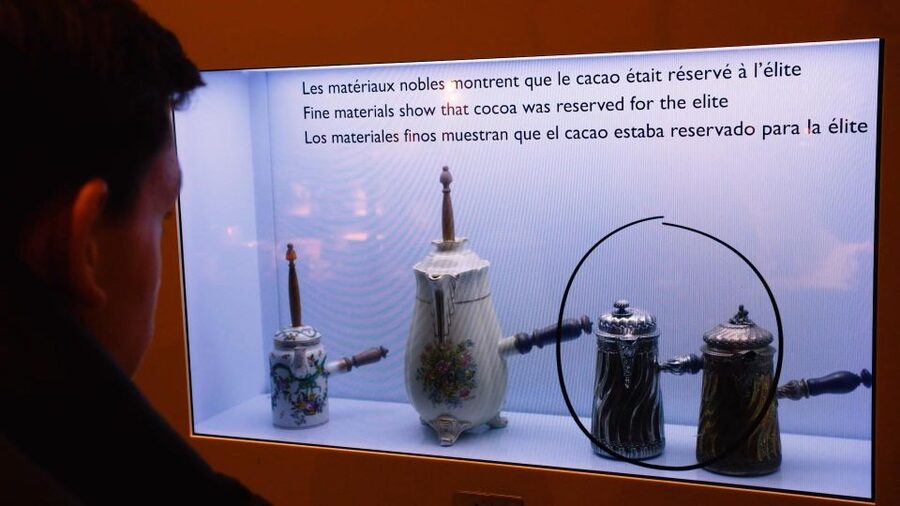
- What languages are used for the museum displays?
- Is the museum suitable for children?
- Is the museum wheelchair accessible?
Key things to know before you go
- Taste as you learn: Chocolate samples appear throughout the visit, with praliné, ganache, regional chocolates, and chocolate drinks among the highlights.
- Follow cacao across 4,000 years: Exhibits explain Olmec, Maya, and Aztec uses of cocoa, including its role in rituals.
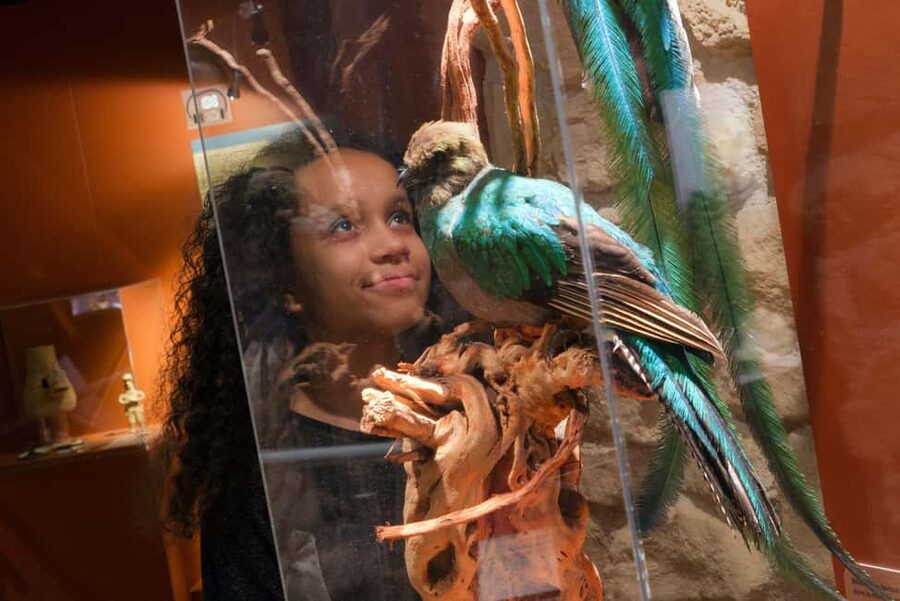
- See more than 1,000 objects: Displays include chocolate-making tools, historic containers, utensils, and other cacao-related artifacts.
- Watch expert technique: A virtual demonstration featuring two Meilleurs Ouvriers de France explains how chocolate gets its smooth, shiny finish.
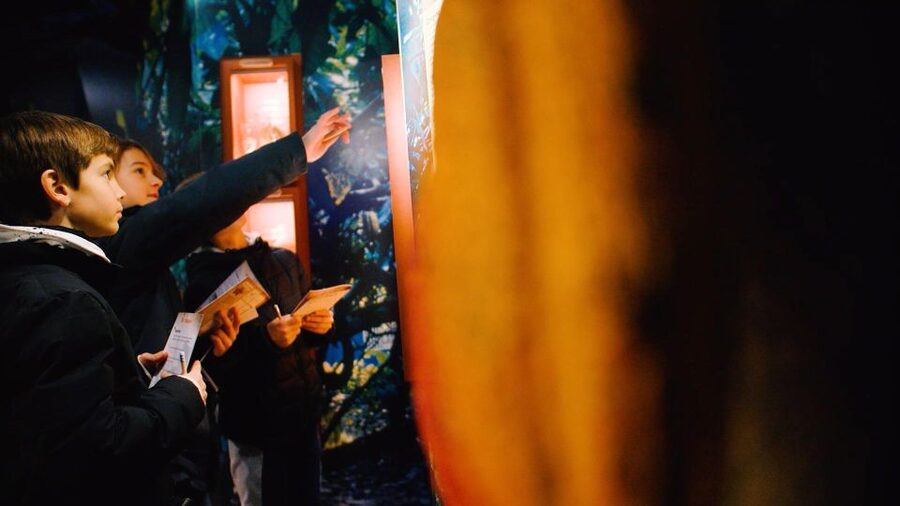
- Good for children: A treasure hunt and activity booklet help keep children involved, with a prize included in some children’s activities.
- Plan around the closing time: The final admission is at 4:30 PM, and large bags or luggage are not allowed.
A small Paris museum with a very edible subject
The Chocolate Museum, officially Le Musée Gourmand du Chocolat, occupies about 850 square meters at 28 Boulevard de Bonne Nouvelle in the 10th arrondissement. It is a self-guided museum, so you are free to move at your own pace rather than follow a fixed group.
That freedom matters. You can skim the historical panels, stop for each tasting, spend longer with the old equipment, or let children work through their activity booklet. I would allow about one to two hours for a relaxed visit, though a quick reader may finish in less than 30 minutes and a chocolate enthusiast could stay closer to three hours.
The museum contains more than 1,000 chocolate-related artifacts. This is not only a display of finished sweets. You see the objects and tools connected with serving, preparing, storing, and presenting chocolate, along with decorative containers and utensils that show how chocolate became part of European social life.
The setting is indoors and the visit is wheelchair accessible. Leave large luggage and oversized bags behind, since they are not permitted inside.
More pastry stops in Paris:
- Paris: Day or Sunset Cruise with Drink, Ice Cream or Dessert
★ 4.4 · 4,225 reviews - Private Montmartre Food Tour with Wine, Cheese & Pastries
★ 5.0 · 1,027 reviews - Paris French Sweets Tasting Tour with Pastries and Chocolates
★ 4.5 · 947 reviews
Starting with cacao, not candy bars
The first part of the visit looks at cacao before modern chocolate became a familiar treat. The story begins with the Olmecs, then moves through Maya and Aztec culture. This opening gives you useful context: cacao was not simply a sweet ingredient, and early cocoa drinks could be bitter, spiced, and tied to ceremony.
The museum explains why cocoa mattered during ancient rituals. That section helps correct the modern habit of thinking of chocolate only as dessert. For these cultures, cacao could carry religious, social, and political meaning.
You will also encounter the story of tchocoatl, the cocoa drink tasted by Christopher Columbus. He apparently did not like it and paid little attention to it. That small detail makes the history more human. Columbus tasted an early form of chocolate, found it unappealing, and nearly missed the importance of what he had encountered.
The panels are written in English, French, and Spanish, so you can read the main information without an audioguide. If you want more explanation, an audioguide is available at the welcome desk for €3 per person in French, English, German, Dutch, Spanish, Italian, and Portuguese.
I would pay for the audioguide if you enjoy museums but do not want to read every panel. One visitor specifically found the extra narration made the visit much more enjoyable. If you are mainly coming for the samples, the printed displays may be enough.
From Montezuma to European chocolate
The next chapter follows cocoa into Europe in the 1500s. The museum connects this period with the Aztec emperor Montezuma and the arrival of cocoa in European culture.
This section is useful because it shows that European chocolate did not appear fully formed. The flavor, texture, preparation, and social role changed over time. Modern chocolate owes as much to changing methods and machinery as it does to the original cacao bean.
You can see how the trade and production process became more streamlined during the modern era. The museum does not treat chocolate as a single invention. Instead, you watch it change from a ceremonial drink into a product that could be processed, shaped, packaged, and sold on a much wider scale.
I like this part because it links technology with taste. The smooth bar or glossy bonbon in a Paris shop is the result of many changes in grinding, mixing, molding, and temperature control. The museum helps you notice those steps instead of taking the final product for granted.
The artifacts make the story tangible
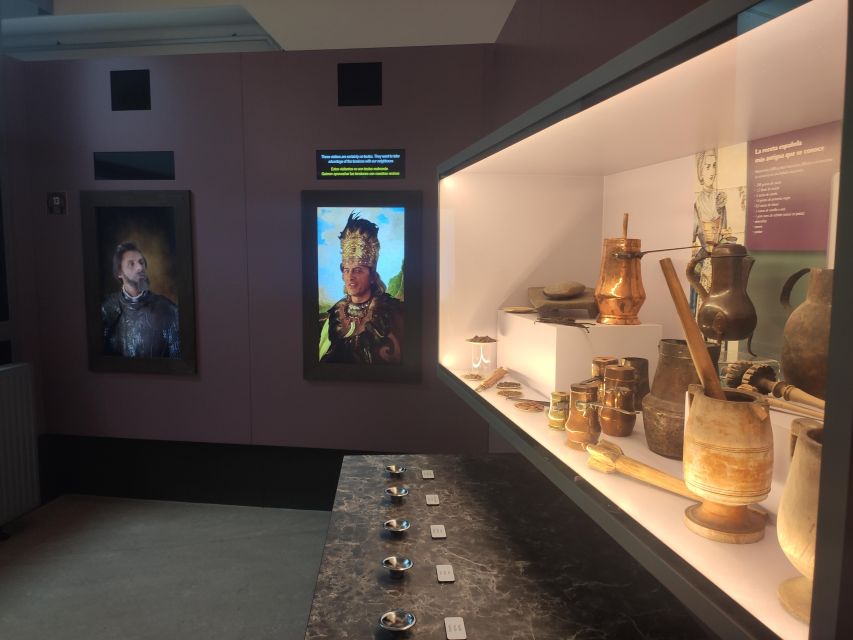
The displays are more effective when you look closely at the objects rather than rushing from panel to panel. Chocolate utensils and containers are especially appealing. They show how chocolate was served and enjoyed, and they add a visual layer to the historical story.
The collection includes more than 1,000 cacao-related objects, but the museum is not enormous. That is both its strength and its limit. You can take in the main themes without spending half a day in a vast institution, but you should not expect the scale of a major Paris art museum.
The presentation is described as pleasant, informative, and visually attractive. The materials are accessible, and English translations make the visit manageable for international visitors. If you enjoy reading museum labels, you will get more from the admission than someone who simply walks through looking for chocolate.
A quick visit can feel too short for the price. One person reported finishing in less than 30 minutes, especially when a school group made it difficult to see the demonstration. I would avoid judging the value by the minimum possible visit. Read the panels, look at the objects, pause for the tastings, and leave time for the demonstration room.
More museums in Paris:
- Paris: Louvre Museum Timed-Entrance Ticket
★ 4.6 · 71,977 reviews - Louvre Museum Masterpieces Guided Tour with Access
★ 4.5 · 12,023 reviews - Paris: Louvre Museum Entry Ticket With Host and River Cruise
★ 4.6 · 9,926 reviews - Les Invalides: Napoleon’s Tomb & Army Museum Entry
★ 4.6 · 9,185 reviews
The demonstration explains the glossy finish
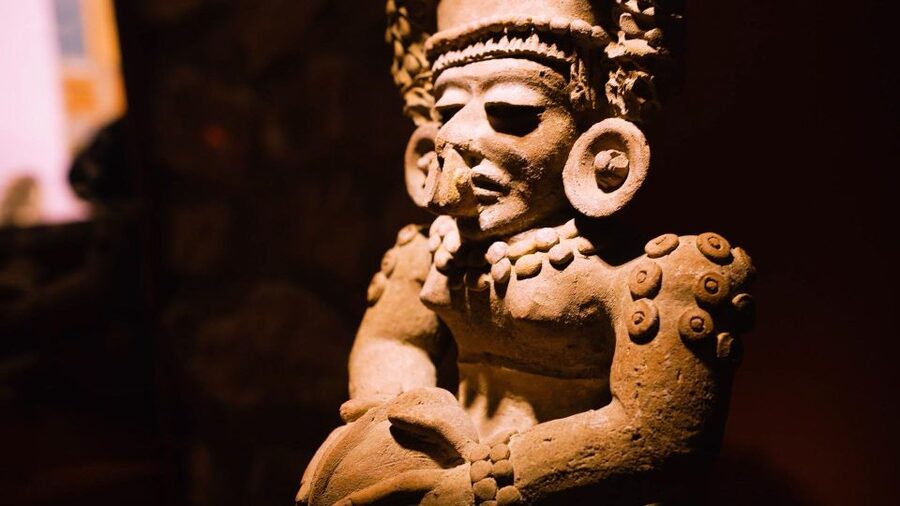
A highlight is the virtual chocolate-making demonstration with two Meilleurs Ouvriers de France. This title recognizes highly skilled French craftspeople, and the presentation focuses on the techniques behind polished chocolate sweets.
You learn how chocolate receives its shiny outer coating and why that finish matters. The process is more exact than it looks. Temperature, handling, and timing affect the appearance and texture of the finished piece.
The demonstration also shows how chocolate sweets are made, with opportunities to taste the results. Praliné and ganache are specifically included among the tasting experiences. Praliné gives you a nutty, sweet filling, while ganache offers the soft, creamy center many people associate with fine chocolates.
The format is worth noting. The experience includes a virtual demonstration, while the museum also describes live demonstrations and on-site chocolate production. The exact presentation may depend on timing and capacity. A school visit or busy period can make the demonstration harder to see, so ask staff about the next available showing when you arrive.
Do not assume a hands-on workshop is part of every admission. Some children’s activities have included making handmade chocolate, but the core ticket includes entry, tastings, the demonstration, and the treasure hunt for children. If making chocolate yourself is your main goal, confirm the activity at the welcome desk rather than relying on the standard museum admission.
The tastings are the real payoff
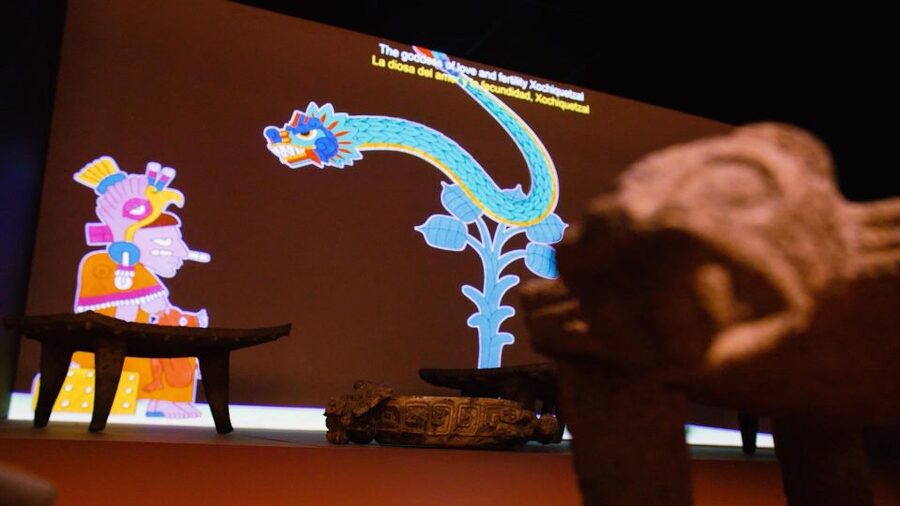
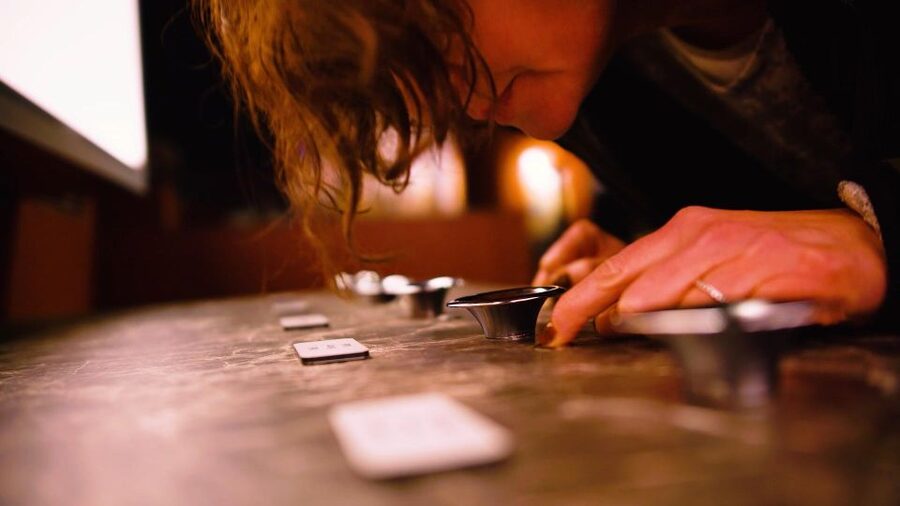
Chocolate samples are included, and they make the museum feel active rather than purely academic. You may taste different styles and origins as you move through the exhibits, then try chocolates connected with the demonstrations.
The regional tasting is especially helpful. Costa Rican chocolate is described as milky and smooth, Peruvian chocolate as fruity and soft on the palate, and Vanuatu cocoa beans as sweet and aromatic. These comparisons give you a simple introduction to how origin can affect flavor.
You do not need to be an experienced chocolate taster. Pay attention to sweetness, fruitiness, aroma, bitterness, and how quickly each sample melts. Even a small taste becomes more interesting when you compare it with the next one.
The information provided for the experience promises samples, not a full meal. Some recent visitors describe the amount as extremely generous or even unlimited, but I would plan on tasting portions rather than an all-you-can-eat buffet. Chocolate adds up quickly, especially if you also order a drink.
The hot chocolate is a popular extra. It is not part of the basic entrance fee and costs €3 per cup. Several people particularly enjoyed it, calling it a high point at the end of the visit. Others found they were already full from the samples, so I would wait until you reach the end before deciding.
The museum also presents information about possible health benefits of chocolate. Take that as context, not a license to replace lunch with bonbons. The useful lesson is that cacao contains compounds of interest, while many finished chocolate products also contain sugar and fat.
Why children usually enjoy this museum
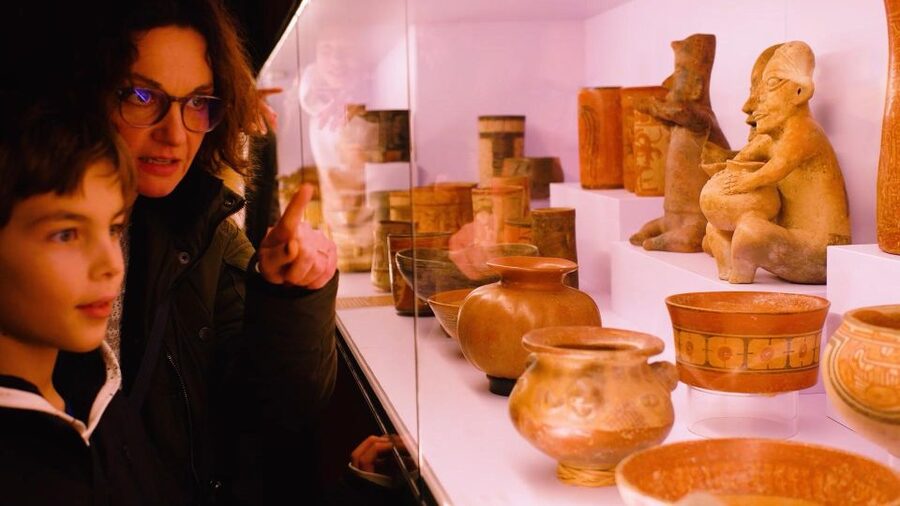
The museum works well for families because children are not expected to stand quietly beside long rows of objects. The treasure hunt and activity booklet turn the visit into a small game.
The hunt uses clues and stickers, and a prize may be given at the end. Children aged five to eight have found the booklet engaging, while older children and even teenagers can stay interested when the chocolate-making process and tastings are added.
I would give children the activity materials at the beginning and let them lead part of the visit. You can read the historical panels while they look for answers. That division keeps the museum from feeling like an adult lecture.
The subject also helps reluctant museum visitors. Even someone who normally dislikes museums has a reason to keep moving here: there is a clear story, attractive equipment, a demonstration, and something to taste.
There is one practical caution. A school group can make the demonstration room crowded and may limit your view. If you are visiting with children, ask staff about quieter times or the next presentation before you settle into the exhibits.
Is $21 a fair price?
At $21 per person, the admission is not the cheapest short activity in Paris. The museum is small enough that a fast visit can make the price feel high, particularly if you skip the audioguide and miss the demonstration.
The value improves when you use what is included. You receive admission, chocolate samples, the expert demonstration, and children’s treasure-hunt materials. Add the €3 audioguide only if you want more detail, and remember that hot chocolate is an additional €3.
I would compare the price with your interests rather than with museum size. If you love chocolate, the tastings alone may make the ticket worthwhile. If you are looking for a major cultural institution with hours of galleries, this is not that kind of museum.
Families may find the price easier to justify because both adults and children have something to do. The children’s activity, samples, and approachable history create a shared outing rather than an attraction designed only for adults.
The museum also makes a sensible rainy-day or mid-itinerary stop. It offers a break from larger Paris sights without requiring a full day. The ticket is valid for one day, and you can cancel up to 24 hours in advance for a full refund. Reserve-now, pay-later availability can help if your schedule is still changing.
Who should make time for it?
I would recommend the museum to chocolate lovers, families with children, and anyone curious about food history. It is also a good choice if you want something lighter and more playful than a traditional art or history museum.
It suits children especially well from about five years old upward, based on the activity materials and family feedback. Younger children may focus mainly on the samples, while older children can follow the history and production details.
You should also consider it if you enjoy comparing foods from different regions. The Costa Rican, Peruvian, and Vanuatu examples give the visit a tasting component that many small food museums lack.
I would be more cautious if your Paris schedule is packed. The museum does not require a full day, despite the ticket being valid for one day. If you have only a short time in the city and are not especially interested in chocolate, the admission may be better spent elsewhere.
The final admission is at 4:30 PM, so do not leave it until late evening. Since it is self-guided, you have flexibility once inside, but the closing schedule still matters.
Should you book the Chocolate Museum Paris?
Book it if you want a relaxed, family-friendly stop with real tastings and a clear story that runs from ancient cacao rituals to modern chocolate production. I especially recommend paying attention to the regional samples, the old utensils and containers, and the demonstration explaining the glossy finish.
For the best value, allow at least an hour, consider the €3 audioguide, and save room for the hot chocolate rather than ordering it immediately. Families should pick up the treasure-hunt materials at once.
Skip it if you want a large museum, a guaranteed hands-on workshop, or a full-day attraction. At $21, it rewards visitors who read, taste, and take their time. It is less convincing as a quick walk-through. Overall, its 4.1 rating from 1,105 ratings reflects the right verdict: a fun, informative Paris stop with strong appeal for chocolate fans, but a compact museum that needs to be used well to feel worth the price.
FAQ
Where is the Chocolate Museum Paris located?
It is at Le Musée Gourmand du Chocolat, 28 Boulevard de Bonne Nouvelle, 75010 Paris, in the Ile-de-France region.
How much does admission cost?
The listed price is $21 per person.
How long is the experience?
The ticket is valid for one day, but the museum visit is self-guided. Some people finish in under 30 minutes, while others spend up to about three hours reading, tasting, and watching the presentation.
What is included with admission?
Admission includes entry to the museum, chocolate samples, a virtual demonstration with two Meilleurs Ouvriers de France, and a children’s treasure hunt.
Is the audioguide included?
No. You can rent an audioguide at the welcome desk for €3 per person. It is available in French, English, German, Dutch, Spanish, Italian, and Portuguese.
Is hot chocolate included?
No. Hot chocolate costs €3 per cup. It is an optional extra rather than part of the standard entrance ticket.
What languages are used for the museum displays?
The descriptive panels are available in English, French, and Spanish.
Is the museum suitable for children?
Yes. Children can use a treasure hunt and activity booklet, with stickers and a prize included in the children’s activities. The museum is designed to interest both children and adults.
Is the museum wheelchair accessible?
Yes, the experience is wheelchair accessible. Large bags and luggage are not allowed inside.
Recently added in Paris
- Private Transfers in Paris★ 5.0 · 75 reviews
- CDG – Euro Disney – CDG Two Way Private Shuttle Transfer★ 5.0 · 233 reviews
- Disneyland® Paris 1 Day Ticket with Transport from Paris★ 3.5 · 302 reviews
- Personalized Transport service from Disneyland to Paris★ 5.0 · 63 reviews
- Monet’s Gardens & House-Private Giverny Tour From Paris★ 4.5 · 137 reviews
- Guided tour Monet’s house and gardens/small group★ 4.5 · 68 reviews
- Giverny Monet House and Gardens Skip the line Walking tour★ 4.0 · 217 reviews
- Monet’s House and Garden & Giverny Village★ 4.5 · 39 reviews
Dessert Tours, compared.

Day or Sunset Cruise with Drink, Ice Cream or Dessert
Read our review →
Private Montmartre Food Tour with Wine, Cheese & Pastries
Read our review →
Paris French Sweets Tasting Tour with Pastries and Chocolates
Read our review →
A Morning in Paris Food Tour: Croissants, Baguettes & Chocolate
Read our review →
45-minute Chocolate Making Workshop at Choco-Story
Read our review →
Chocolate & Patisserie Walking Tour with Tastings
Read our review →
Montmartre Culture and Local Pastries Walking Tour
Read our review →
Passy-Grigny: Chocolate and Champagne Tasting Tour
Read our review →Browse the lists this tour appears in