
REVIEW · WINE TOURS
Alsace Half-Day Wine Tour from Strasbourg
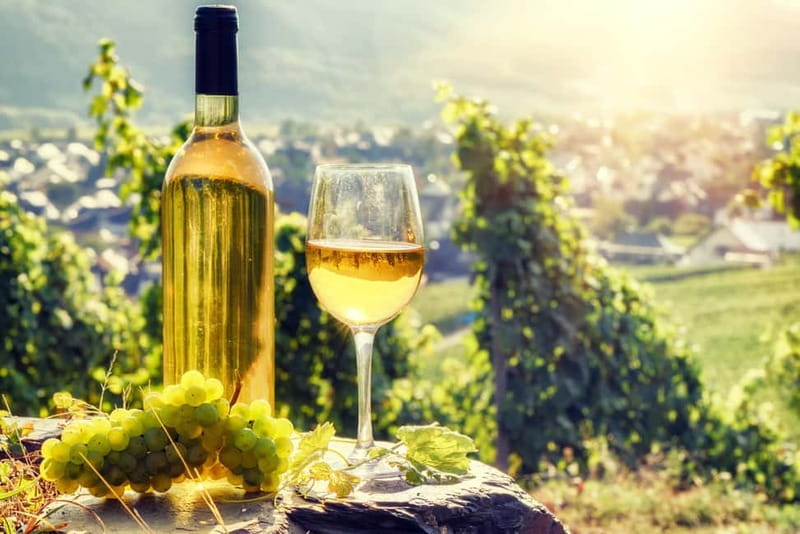
Alsace wine country begins quickly outside Strasbourg. This four-hour outing combines two winery tastings with a walk in Obernai and a drive through the countryside, making it a smart way to see beyond the city without giving up a full day. I especially like the small maximum group of eight and the chance to meet family wine producers rather than spend the whole afternoon in a large commercial cellar.
I also like the variety built into the route. One tasting takes place near Obernai, while the second happens in a traditional Alsace caveau, so you get two different settings and two different views of winemaking. The main drawback is simple: there is no food included, and snacks are not normally served with the wine. Have breakfast or lunch first, since four hours and generous pours can make an empty stomach an unfortunate travel companion.
In This Review
- The essentials at a glance
- Leaving Strasbourg for Obernai
- Obernai: a pretty town with a working wine culture
- Learning the seven Alsace wine types
- A second cellar along the Wine Route
- What $153 buys you
- The guides make the difference
- Timing, comfort, and practical limits
- Who will enjoy this tour most
- Should you book the Alsace half-day wine tour?
- FAQ
- Where does the tour meet in Strasbourg?
- How long does the Alsace wine tour last?
- How many wineries do you visit?
- Is the tour available in English?
- Are meals or snacks included?
- Can children or wheelchair users join?
The essentials at a glance
- Two winery visits: Taste Alsace wines at two separate producers, with the settings and hosting styles varying by departure.
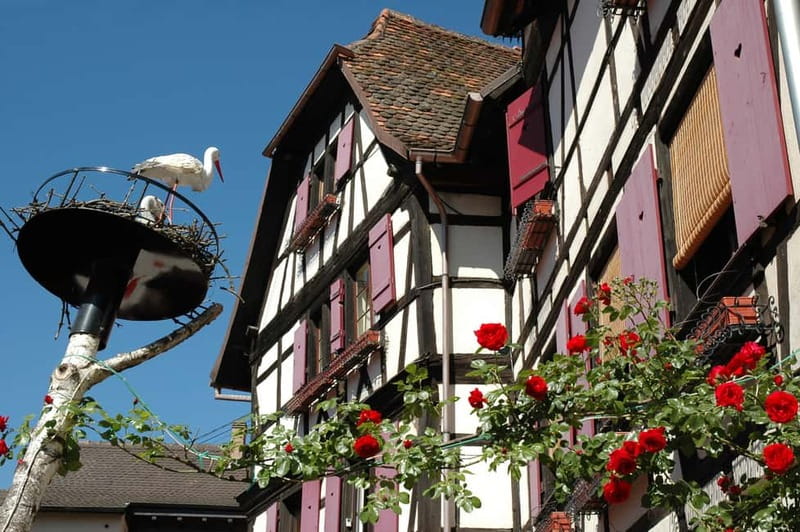
- Obernai included: You have about two hours around this attractive Wine Route town for a tasting and a walk.
- Seven Alsace wine types: Your guide explains the region’s main varieties and how its dry climate, soils, and exposure shape the wines.
- Small-group transport: A comfortable minivan carries no more than eight passengers, with about 30 minutes to reach Obernai.
- English-speaking guidance: Guides such as Florence, Pauline, Jérôme, Laurence, Laurent, and Thierry have been praised for their wine, regional, and historical knowledge.
- A useful time commitment: At $153 per person, the tour costs more than arranging a local train and tasting alone, but it adds transport, a guide, two winery visits, and access to rural places that are awkward to reach without a car.
Leaving Strasbourg for Obernai
The meeting point is 8 Place de la Gare, beside the pharmacy at Strasbourg’s main station. That is practical if you are staying near the center or arriving by train, but check the exact departure time carefully and arrive early. The van leaves for Obernai, roughly a 30-minute drive away.
The drive matters. You are not simply being taken from one tasting room to another. Your guide provides context about Strasbourg, Alsace, the villages along the route, and the region’s wine traditions. Several guides have also added facts about local history, architecture, and French culture, turning the transfer into part of the tour rather than dead time.
The small van is a real advantage here. With eight passengers at most, questions are easier, conversation feels more natural, and the guide can respond to the group. Guides have been praised for careful driving as well as their ability to keep people involved. That is especially useful after tasting wine, when a professional driver is far preferable to trying to navigate country roads yourself.
More France wine tastings:
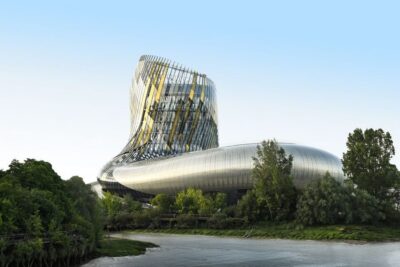
- Bordeaux: Cité du Vin Entry Ticket and Wine Tasting
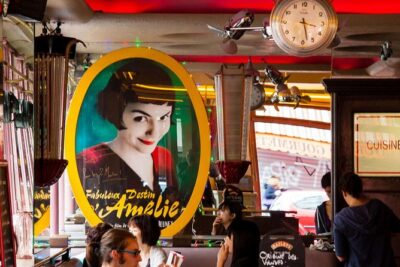
★ 4.6 · 3,885 reviews - Montmartre Hill French Gourmet Food and Wine Tasting Walking Tour
★ 5.0 · 2,588 reviews - From Paris: Loire Valley Castles Day Trip With Wine Tasting
★ 4.6 · 1,727 reviews
Obernai: a pretty town with a working wine culture
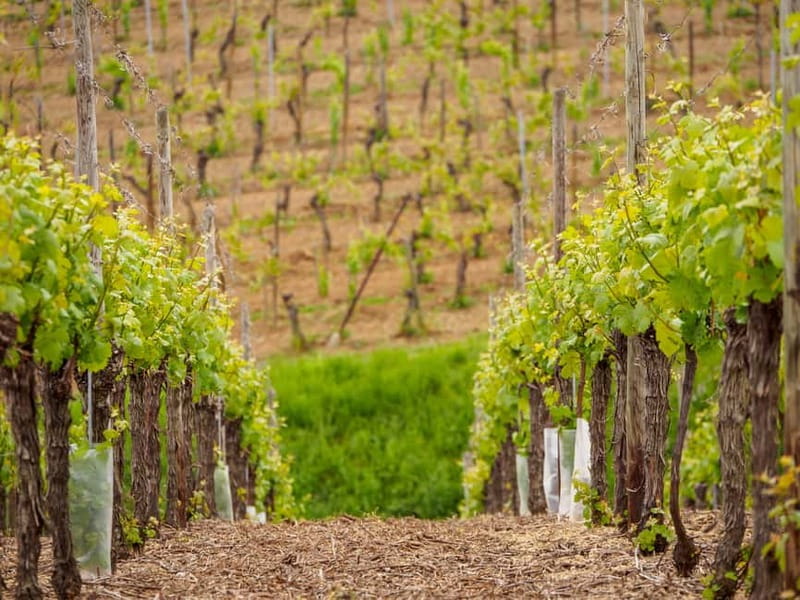
The first substantial stop is Obernai, one of the best-known towns on the Alsace Wine Route. You have about two hours here for a winery visit, tasting, and some walking.
I would not treat this as a formal sightseeing tour of every monument. The time is better understood as a compact introduction to an Alsace wine town. You can get a feel for the local setting, take photographs, and see how the wine route connects small communities rather than isolated tasting rooms.
The first winery is selected by the operator, so the exact producer may differ. Past departures have included family-run cellars such as Noëlle Bachert, and visitors have described warm welcomes from the winemakers themselves. That family connection is one of the strongest parts of the experience. You are not only tasting a glass. You may also hear how the cellar is run, how the grapes are handled, and what makes that producer’s approach different.
The tasting can cover several wines. Some departures have included at least five wines across the two cellars, while others have offered around six at each stop or even a much larger range. Do not book expecting a fixed number of pours, because the selection depends on the winery and the day. You can expect the focus to be on Alsace’s wines, with the guide explaining what is in your glass and how to taste it.
Learning the seven Alsace wine types
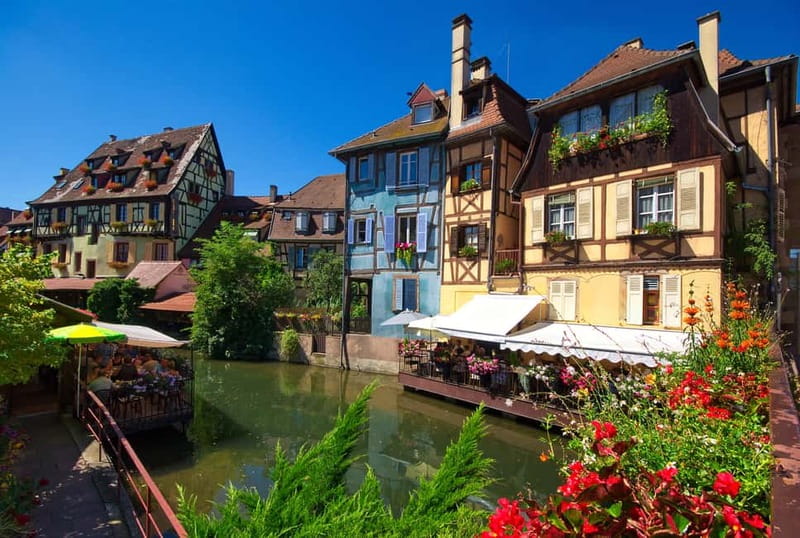
Alsace is particularly associated with aromatic white wines, and the tour gives you a useful framework for understanding them. The seven types covered are Sylvaner, Pinot Blanc, Riesling, Muscat, Pinot Gris, Gewurztraminer, and Pinot Noir.
Most visitors associate Alsace with sweet or floral whites, but that is too narrow. The region produces many dry wines, and the tasting is a good chance to compare styles instead of assuming every white wine will taste alike. Riesling, for example, can be crisp and dry, while Gewurztraminer is often more perfumed. Pinot Gris may feel fuller, and Muscat brings a distinctly aromatic character.
Pinot Noir is the red grape among the seven. Its presence is a useful reminder that Alsace is not limited to white wine, even though whites dominate the region’s reputation. Your guide can explain the distinctions as you taste, which is much more helpful than memorizing grape names from a brochure.
The region’s dry, sunny climate, varied geology, favorable soils, and good exposure all play a part. You do not need a technical wine background to follow the explanation. The best guides, including Laurence, Jérôme, Pauline, Florence, and Thierry, have been praised for making the subject clear and answering questions without making beginners feel out of place.
A second cellar along the Wine Route
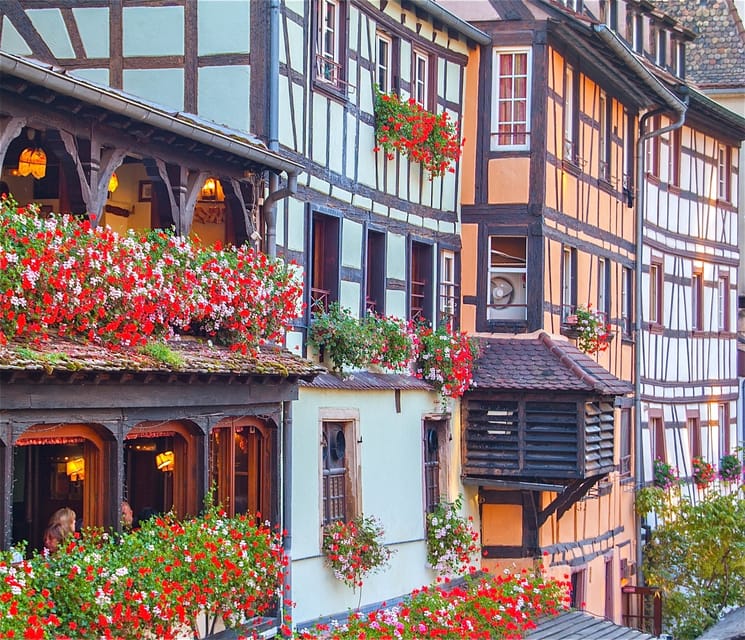
After Obernai, the van continues for about 30 minutes through the Alsace countryside. The scenery is a major reason to choose a vehicle tour. You pass through villages and vineyard country that are difficult to combine efficiently by public transport in only half a day.
The second tasting takes place in a traditional caveau, or wine cellar. This stop is often quite different from the first. One winery may offer a more structured visit, while another may feel personal and informal, with the producer talking directly about the wines and the family business.
That contrast gives the tour more depth. You are not seeing one producer and assuming it represents all of Alsace. The selected cellars can differ in atmosphere, production methods, and the wines poured. Past visits have included places such as Durmann and Vincent Stoeffler, though the exact choice can change.
One especially useful feature is the chance to ask about organic production, local traditions, and the practical side of running a vineyard. A previous visit included an organic producer whose interest extended beyond grapes to insects, animals, and the wider natural setting. That sort of conversation can make the stop feel much more personal than a standard tasting counter.
If you enjoy buying wine, bring your passport or identity card and ask the guide about shipping options. Some people have combined purchases from both wineries to reduce shipping costs to the United States. Shipping arrangements are not listed as an included service, so treat this as possible assistance rather than a guaranteed part of the tour.
More half-day plans in France:
- From Paris: Giverny, Monet’s House, & Gardens Half-Day Trip
★ 4.5 · 2,174 reviews - From Arles: Half-Day 4×4 Camargue Safari
★ 4.7 · 1,772 reviews - Monaco, Monte-Carlo and Eze Village Small Group Half-Day Tour
★ 5.0 · 1,129 reviews - Normandy Beaches Half-Day Afternoon Trip from Bayeux (A2)
★ 4.5 · 1,116 reviews
What $153 buys you
At $153 per person, this is not the cheapest way to sample Alsace wine. You are paying for more than the liquid in the glasses, however. The price includes a driver-guide, transportation in a comfortable and fully equipped minivan, two winery tastings, and a small group capped at eight people.
That package has real value if you do not have a car. A train can take you from Strasbourg toward parts of the wine region, but reaching two separate producers, fitting in Obernai, and returning within four hours would be difficult. You would also lose the explanations given during the drive and the help of someone who knows the local producers.
The price makes less sense if you mainly want one quick glass of wine or already have a rental car. In that case, independent visits could cost less, though you would need to manage driving, appointments, timing, and responsible alcohol consumption yourself.
The tour also excludes meals, personal expenses, insurance, and entrance fees for monuments or other attractions. There is no promise of a food pairing, cheese plate, or restaurant stop. Eat before you go. Alsace has plenty of excellent food, but you will need to arrange that separately.
The guides make the difference
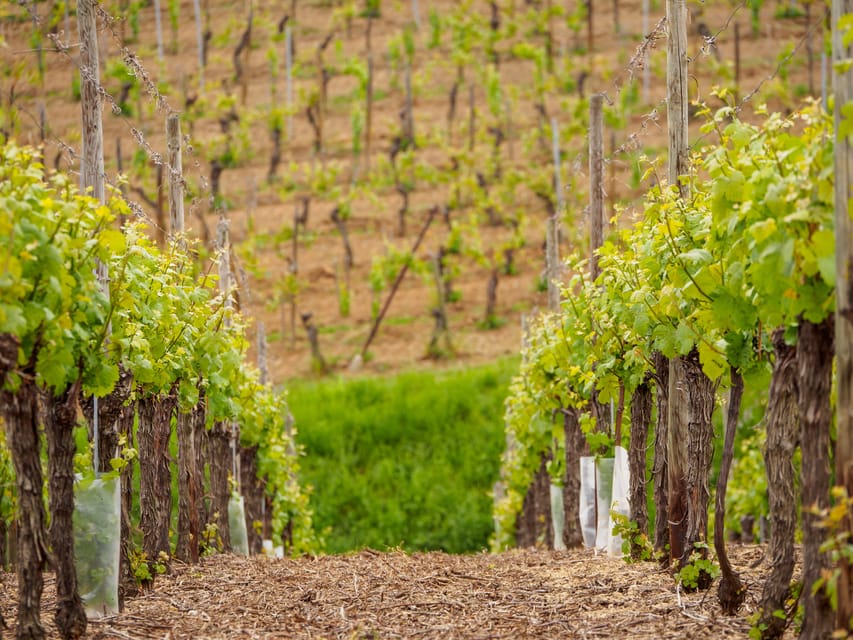
The tour’s strongest feature is the guide. The names change, but the pattern is consistent: Florence has been praised for clear commentary and safe driving, Pauline for answering questions and stopping for photographs, Jérôme for his warmth and wine expertise, and Thierry for his command of local history and the region’s wines.
Laurence has been described as a sommelier and wine judge, while Laurent has been praised for taking scenic routes through Alsace villages. Other guides, including Robin and Maksym, have brought humor, language skills, and strong knowledge of the area.
That matters because a wine tour can easily become a string of tastings with little connection between them. Here, the guide links the wine to the towns, vineyards, producers, and local culture. You come away with a better sense of why Alsace tastes different from other French wine regions.
The tour operates in English only. If you need another language, this is not the right choice. For English speakers, the small format gives you a good chance to ask questions and shape the conversation around your interests.
Timing, comfort, and practical limits
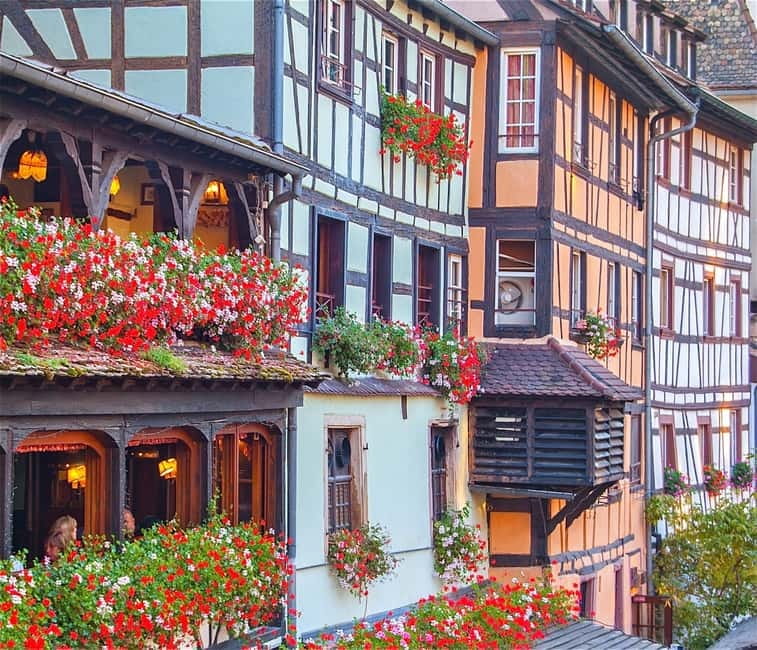
The schedule is compact:
- About 30 minutes from Strasbourg to Obernai
- Roughly two hours in Obernai, including the first tasting and walking
- About 30 minutes toward the second wine stop
- Around 45 minutes for the second tasting
- About 40 minutes back to Strasbourg
The total duration is four hours, though exact traffic and winery timing can affect the return. This is a good fit if you are spending only a short time in Strasbourg or want to leave your afternoon open for the city’s cathedral, museums, or restaurants.
Wear comfortable shoes. You will walk in Obernai, and cellar floors or village streets may not be ideal for delicate footwear. The tour is not suitable for wheelchair users, and pets are not allowed. All participants must be at least 18 years old, and at least two adults are required for the tour to operate.
Weather should not stop you from booking, but pack accordingly. One group encountered a major rainstorm at the first winery and still enjoyed the visit, thanks in part to the welcoming hosts and good indoor tasting experience. You should still bring a light layer or rain protection if the forecast looks uncertain.
Who will enjoy this tour most
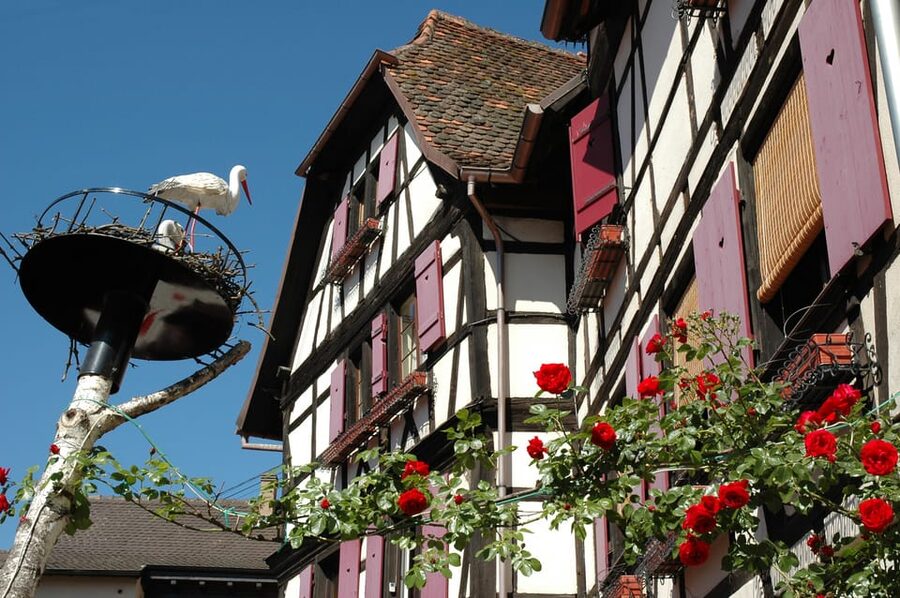
I would recommend this outing to you if you want a first taste of Alsace wine country without committing a full day. It suits couples, solo visitors, and small groups who value conversation and regional background as much as the tasting itself.
It is also a strong choice for anyone without a car. The route gives you countryside, villages, Obernai, and two producers in one organized trip. The minivan keeps the logistics simple, while the guide handles the driving after the pours begin.
Wine beginners should feel comfortable here. You do not need to know the difference between Pinot Gris and Gewurztraminer before you arrive. The explanations are part of the experience, and the seven-variety overview gives you a useful starting point for future tastings.
Experienced wine drinkers may enjoy it for a different reason. The family-run cellars and changing producer selection can offer a more local feel than a large, highly commercial tasting room. Just remember that the exact wineries and wine quantity are not fixed.
I would hesitate if you dislike white wine, cannot walk comfortably, need a wheelchair-accessible vehicle, or want a meal with your tasting. I would also choose a full-day option, if available, if your main goal is to visit many villages and wineries at a relaxed pace.
Should you book the Alsace half-day wine tour?
Book it if you want an efficient, well-guided introduction to the Alsace Wine Route from Strasbourg. The combination of two contrasting cellars, Obernai, rural scenery, and a maximum of eight passengers gives the tour a strong balance of comfort and local contact.
The $153 price is fair for a short, car-free visit that includes transport and a guide, but it is not a bargain tasting. Eat first, wear sensible shoes, and keep your afternoon flexible in case the route runs a little long.
For a first visit to Alsace, I think the half-day format is especially useful. It lets you taste the region, meet producers, and see the countryside without surrendering your entire day in Strasbourg.
FAQ
Where does the tour meet in Strasbourg?
The meeting point is 8 Place de la Gare, next to the pharmacy, at Strasbourg’s main train station.
How long does the Alsace wine tour last?
The tour lasts four hours. Starting times vary, so you need to check availability for the date you want.
How many wineries do you visit?
You visit two wineries, with one tasting near Obernai and a second tasting in a traditional Alsace caveau along the Wine Route.
Is the tour available in English?
Yes. The tour operates in English and includes a live English-speaking guide.
Are meals or snacks included?
No. Meals and drinks are not included, and snacks are usually not provided during the tastings. Have a good breakfast or lunch before departure.
Can children or wheelchair users join?
No. The tour is for adults aged 18 and older and is not suitable for wheelchair users. Pets are also not allowed.
Recently added in France
- Mt St. Michel Private Tour with Abbey tickets and tour guide★ 5.0 · 45 reviews
- Mont-St-Michel: Private Walking Tour “Abbey Ticket Included”★ 5.0 · 28 reviews
- Normandy Victory Museum admission ticket★ 5.0 · 58 reviews
- Private Guided Tour in WW2 Jeep of the Landing Beaches★ 5.0 · 110 reviews
- The Urban Hike of Marseille★ 5.0 · 35 reviews
- Airborne Museum Admission Ticket★ 5.0 · 424 reviews
- From Cherbourg: D-Day Beaches Shore Excursion★ 5.0 · 28 reviews
- Surf school Soonline Moliets★ 4.5 · 27 reviews
Wine Tours, compared.
Montmartre Hill French Gourmet Food and Wine Tasting Walking Tour
Read our review →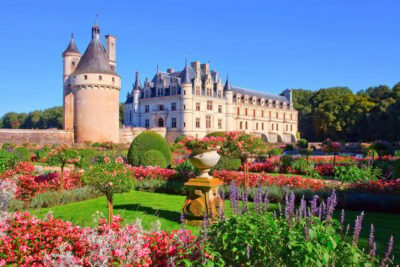
Loire Valley Castles Day Trip With Wine Tasting
Read our review →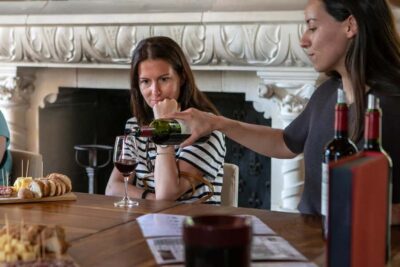
Afternoon Saint-Emilion Wine Tasting & snack
Read our review →
Medoc or Saint Emilion Wine Tasting and Chateau from Bordeaux
Read our review →
Saint Emilion Day Trip with Sightseeing Tour & Wine Tastings from Bordeaux
Read our review →
Saint-Émilion: Grand Cru Classé Winery Visit and Tasting
Read our review →
Saint Emilion Half-Day Trip with Wine Tasting & Winery Visit from Bordeaux
Read our review →Browse the lists this tour appears in