
REVIEW · DESSERT TOURS
Colmar : 45-minute Chocolate Making Workshop at Choco-Story
Chocolate is better when you make it yourself. This Colmar experience combines a 45-minute hands-on workshop with two floors of chocolate exhibits, a tasting, and a virtual chocolatier demonstration. I like the clear mix of doing and learning, and I like that you take home a large 250 to 300 gram bar with your own design. The main drawback is that the workshop is not suitable for children under 7, and German communication may be limited even though English and French are offered.
At $47 per person, this is more than a simple museum ticket, but you are paying for several parts in one visit. I would consider it good value for families, chocolate fans, and anyone wanting a rainy-day activity in Colmar. You should arrive at least 15 minutes early, since the workshop has a set start time and the activity is non-refundable.
In This Review
- Key points to know before you book
- What the 150-minute visit includes
- Making your own 250 to 300 gram bar
- The toppings are the best part for younger makers
- Two floors tracing chocolate from South America
- Demonstrations and tasting add value
- Is $47 per person fair value?
- Language, access, and timing details
- Who will enjoy this most?
- A practical way to plan your visit
- Should you book the Choco-Story workshop?
- FAQ
- How long does the Choco-Story chocolate experience last?
- How long is the chocolate-making workshop?
- How much chocolate can I take home?
- What toppings can I use on my chocolate bar?
- What languages are available?
- Is the museum included in the price?
- Can children join the activity?
- Is the activity accessible with a stroller or baby?
Key points to know before you book
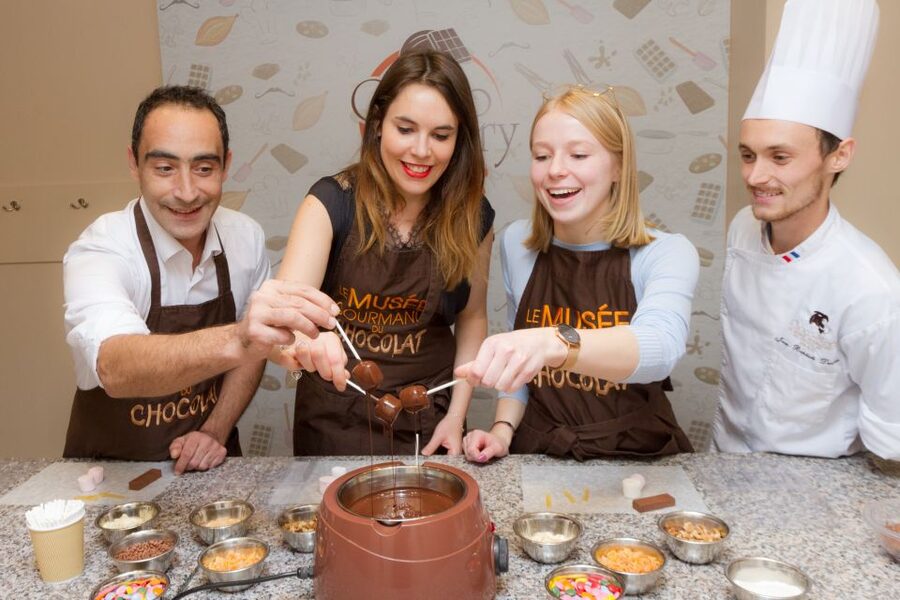
- You make a full-size chocolate bar: Choose its shape and decoration, then take home 250 to 300 g of chocolate if you can resist eating it first.
- The workshop lasts 45 minutes: A chocolatier guides you through decorating, with toppings such as orange stripes, marshmallows, hazelnut cubes, and mini-tablets.
- Your ticket covers more than the class: You also get chocolate tasting, a demonstration, and admission to two floors at Le Musée Gourmand du Chocolat Choco-Story.
- It works especially well for families: Children enjoy the colorful displays and hands-on work, but anyone under 7 will be refused entry.
- Language support is mixed: The instructor works in English or French, while the audio guide is available in English, French, Chinese, and German.
- Plan for a full 150 minutes: The listed duration includes the workshop and museum visit, so this is not a quick stop between other Colmar sights.
What the 150-minute visit includes
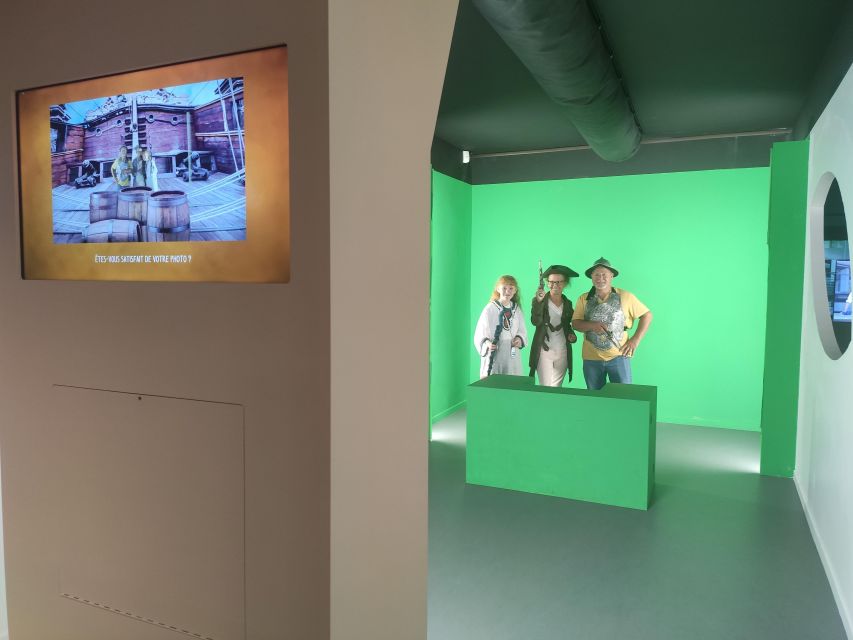
This is best thought of as a small chocolate outing rather than a stand-alone class. The total duration is 150 minutes, with 45 minutes devoted to making and decorating your chocolate bar. The rest gives you time for the museum exhibits, tasting, and demonstrations.
I like this format because the workshop gives the visit a purpose. You are not only looking at chocolate behind glass. You get to handle it, make choices, and leave with something substantial. The museum then gives context to the food you have just worked with.
The exact order of the activities is not stated, so your visit may begin with the museum or the workshop depending on the starting time. Arrive 15 minutes early and allow the full two and a half hours. Trying to squeeze this into a tight sightseeing schedule would make the experience feel rushed.
More pastry stops in Strasbourg:
- Visit of Choco-story COLMAR, the Chocolate Museum.
★ 4.0 · 117 reviews - Colmar: Chocolate creation workshop at Choco-Story
★ 4.5 · 39 reviews - Paris: Day or Sunset Cruise with Drink, Ice Cream or Dessert
★ 4.4 · 4,225 reviews
Making your own 250 to 300 gram bar
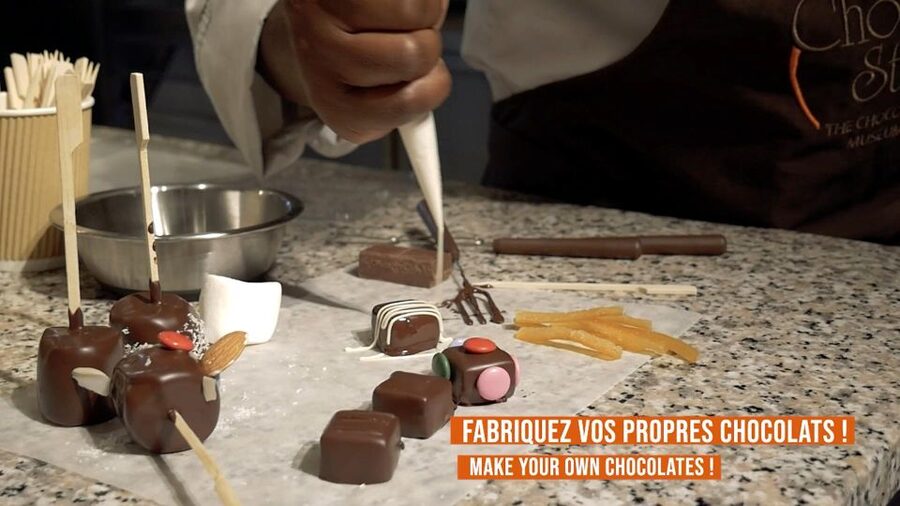
The central activity is a 45-minute session with a chocolatier. You choose the shape and design of your bar, then decorate it with toppings. The choices listed include orange stripes, marshmallows, hazelnut cubes, and mini-tablets.
That range matters because it lets you make something personal rather than simply copying a finished sample. You can aim for a neat, decorative bar, or pile on the toppings and accept that your creation will look gloriously homemade. The workshop is about learning basic decorating techniques, not producing a professional pastry-shop centerpiece.
The chocolatier explains the techniques and stays available while you work. A French review describes the chef as attentive and easy to talk with during the decorating session. That suggests the class has a friendly, guided feel rather than a rushed production line.
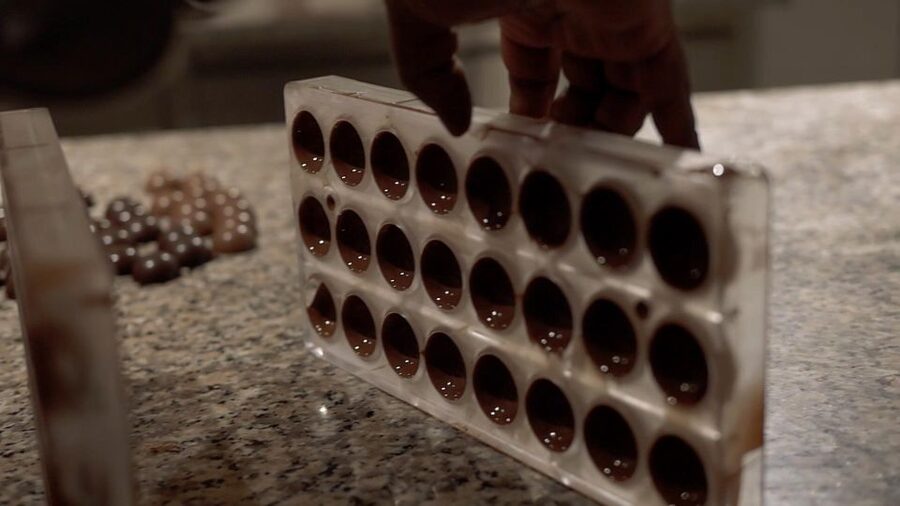
You receive between 250 and 300 g of chocolate to take home. That is a generous amount for a workshop, especially if you are booking for several people in a family. It also gives you a souvenir that feels more personal than a boxed bar from a shop.
The practical catch is storage and self-control. The information does not specify special packaging or temperature arrangements, so you should treat the finished bar with care and avoid assuming it will travel well in warm weather. The temptation to eat it immediately is part of the fun, but it may not survive the rest of your day in one piece.
The toppings are the best part for younger makers
Children and teenagers often need an activity that gives them something to do, not just something to look at. This workshop offers choices, movement, and an edible result. One Spanish review describes it as especially entertaining for children and teenagers, while French feedback calls it a top activity with a child.
The museum displays add another layer for younger visitors. The chocolate theme keeps the subject approachable, and the tasting gives them a small reward along the way. I would choose this for a family afternoon when you want an indoor activity that does not depend on everyone having the patience for a long lecture.
There are firm age limits. Access is refused to anyone under 7, and children under 10 must be with a paying adult. Babies under 1 are not suitable, and the activity is not accessible with a stroller or baby. That makes the experience a better fit for school-age children and older, rather than families with infants or toddlers.
Two floors tracing chocolate from South America
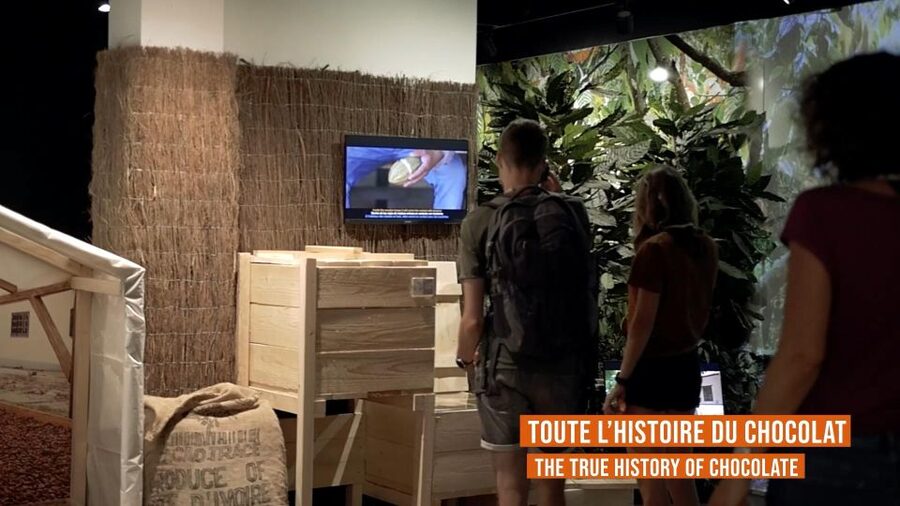
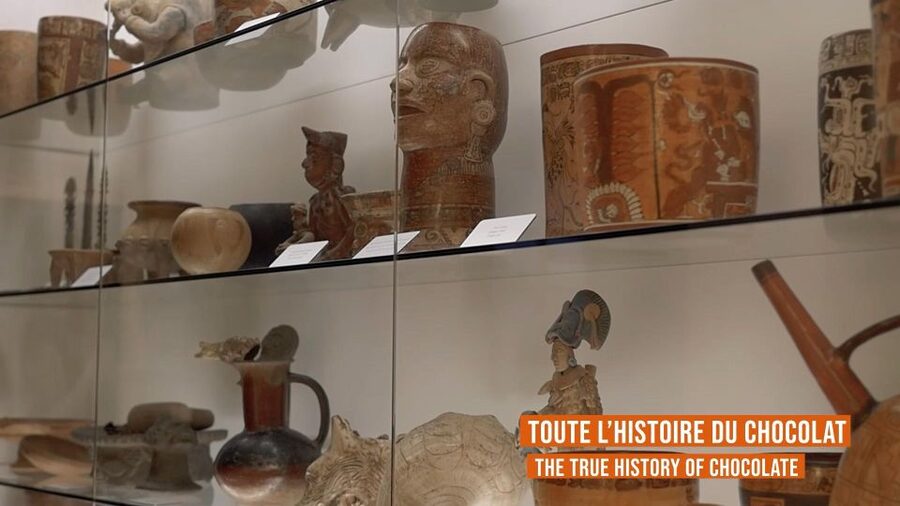
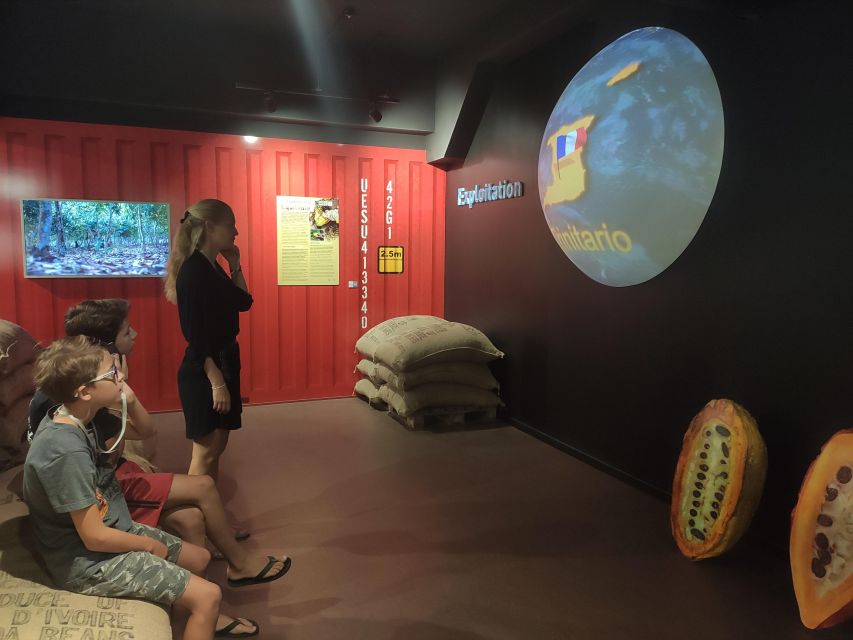
The museum visit covers two floors and follows chocolate from its origins in South America to the way it is enjoyed today. This gives the workshop a useful frame. Before or after decorating your bar, you can see how chocolate developed from an important South American product into the sweet treat familiar around the world.
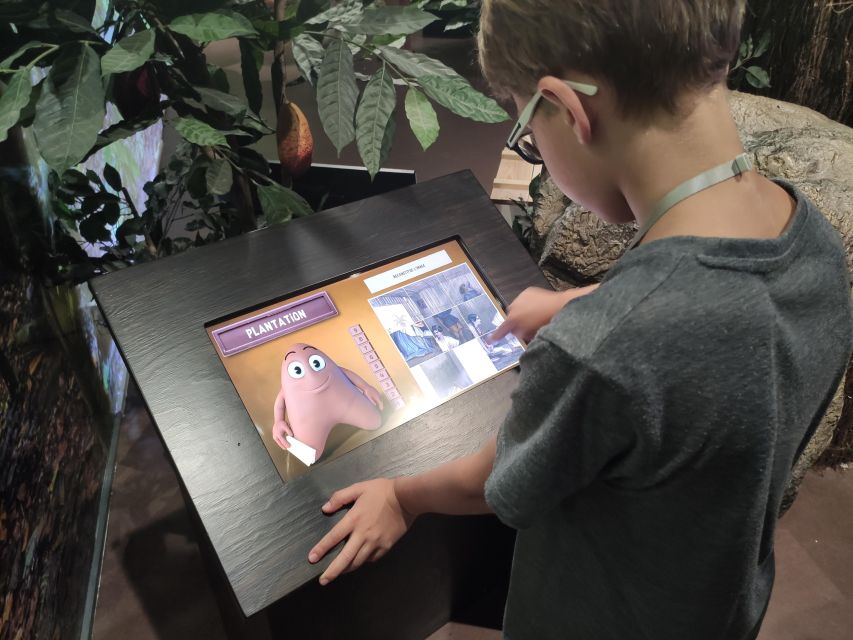
The exhibits are designed to be engaging rather than purely academic. You can expect a mix of displays about chocolate’s past and its modern use, with a style intended to keep children interested. The supplied information does not list each exhibit or provide a room-by-room route, so I would treat the museum as a broad, accessible introduction rather than a specialist chocolate study.
That is not a criticism. If you want a short cultural stop with a clear theme, two floors can be just right. You get enough material to add meaning to the tasting without committing half a day to a museum. If you already know a great deal about chocolate production, the hands-on workshop may be the part that gives you the most new interest.
More hands-on sessions in Strasbourg:
- Fragonard Paris: Mini Perfume Workshop
★ 4.5 · 1,924 reviews - Paris Cooking Class and Lunch with Wine plus Market Visit Option
★ 5.0 · 1,024 reviews - Paris Croissant Small-Group Baking Class with a Chef
★ 5.0 · 910 reviews - Paris: Macaron Class at Galeries Lafayette
★ 4.3 · 905 reviews
Demonstrations and tasting add value
The admission includes a chocolate tasting and a virtual demonstration performed by three chocolatiers. These elements help break up the museum visit and show chocolate as a craft, not only a finished snack.
The virtual demonstration is useful if you want to see techniques that are difficult to explain with static displays. You can watch professional chocolatiers at work, then apply simpler decorating ideas in your own session. The activity does not promise that you will master advanced chocolate work, but it connects the demonstration to something you can actually do.
The tasting is another reason the $47 price feels more reasonable than a workshop alone. You are receiving an organized class, a museum visit, a demonstration, and something to sample. The tasting is not described in detail, so you should not book expecting a large meal or a full chocolate pairing menu. Think of it as a small part of a wider chocolate visit.
Is $47 per person fair value?
At $47 per person, the cost is not bargain-basement. Still, the price covers 150 minutes and several separate features. You make a substantial chocolate bar, receive instruction from a chocolatier, taste chocolate, see a demonstration, and enter the museum.
For a family, the cost can add up quickly, particularly since each child taking part needs a paying place. The best value comes when everyone in your group will use the workshop and museum, rather than one adult supervising while only one person makes chocolate.
I would compare this with the cost of a standard museum visit plus a chocolate purchase in Colmar. Here, you get an activity and a souvenir, with the added benefit of a scheduled indoor plan. If you are mainly looking for a cheap snack or a quick museum stop, the price may feel high. If you want a memorable family activity, it is easier to justify.
The 4.6 rating from 120 reviews also fits the experience described here. The strongest praise centers on the fun family atmosphere, the enjoyable chocolate-making session, and the chocolatier’s attentive help. One German-speaking participant understood most of the session in English but noted that communication in German was not available. That is worth taking seriously if German is your only comfortable language.
Language, access, and timing details
The instructors are listed as English and French. An audio guide is available in English, French, Chinese, and German, which should help you follow the museum material even if you do not speak French.
The workshop itself may depend more on spoken instruction and visual demonstration. If you are comfortable with basic English, the practical nature of the activity should help, but the German-language feedback makes clear that you should not assume the chocolatier will teach in German.
The museum is wheelchair accessible. At the same time, the activity is not accessible with a stroller or a baby, so these are different situations. If you use a wheelchair, the stated accessibility is encouraging. If you need a stroller or are bringing an infant, this is not the right choice.
Arrive at least 15 minutes before your workshop. The activity is non-refundable, so double-check your time and make sure your party can attend before booking. Starting times vary, and availability needs to be checked for your chosen date.
Who will enjoy this most?
I would recommend the workshop to:
- Families with children aged 7 and older
- Teenagers who enjoy making and decorating food
- Couples looking for an indoor activity with a souvenir
- Chocolate fans who want more than a standard tasting
- Visitors spending a rainy afternoon in Colmar
- Anyone comfortable with English or French instruction
I would be more cautious if you are traveling with a baby, using a stroller, or looking for a serious professional chocolatier course. The session teaches decorating techniques and gives you a fun finished product. It is not presented as advanced pastry training.
It also suits people who like a flexible mix of culture and play. You can learn about chocolate’s South American origins, watch professional demonstrations, sample chocolate, and then create your own bar. That balance is the reason I would choose it over a museum visit alone.
A practical way to plan your visit
Set aside the entire 150 minutes and arrive 15 minutes early. Wear something you do not mind getting a little chocolate on, even though no specific clothing requirement is given. Most important, leave enough time after the session to enjoy the museum rather than racing off to another appointment.
If you are visiting with children, explain the age rules before you go. Anyone under 7 cannot enter, and children under 10 need a paying adult. For a mixed-age family, this may affect who can join the workshop and who needs another plan.
Use the audio guide if you prefer to learn at your own pace. English, French, Chinese, and German are listed for the audio guide, while the live instruction is in English or French. That combination makes the museum more accessible than the workshop language options alone.
Should you book the Choco-Story workshop?
Book it if you want a friendly, hands-on chocolate activity with a museum visit built in. I especially like it for families with older children, since the decorating choices, tasting, and finished bar give everyone a reason to take part. The 250 to 300 g souvenir is a real perk, and the attentive chocolatier adds helpful guidance without making the session feel too formal.
Skip it if you need a stroller-friendly outing, have a child under 7, or want German instruction throughout the live workshop. At $47, it is best value when you use every part of the package and stay for the full 150 minutes. For the right visitor, it is a sweet, practical addition to a Colmar itinerary, with enough learning to keep it from feeling like just another chocolate purchase.
FAQ
How long does the Choco-Story chocolate experience last?
The full activity lasts 150 minutes, including the chocolate-making workshop, museum admission, tasting, and demonstration.
How long is the chocolate-making workshop?
The workshop lasts 45 minutes and focuses on decorating your own chocolate bar with guidance from a chocolatier.
How much chocolate can I take home?
You can take home approximately 250 to 300 g of chocolate that you create during the workshop.
What toppings can I use on my chocolate bar?
The listed toppings include orange stripes, marshmallows, hazelnut cubes, and mini-tablets. You can also choose the shape and design of your bar.
What languages are available?
The live instructor languages are English and French. The audio guide is available in English, French, Chinese, and German.
Is the museum included in the price?
Yes. Admission to Le Musée Gourmand du Chocolat Choco-Story is included, along with a chocolate tasting and a virtual demonstration by three chocolatiers.
Can children join the activity?
Children under 7 cannot enter. Children under 10 must be accompanied by a paying adult.
Is the activity accessible with a stroller or baby?
No. The activity is not accessible with a stroller or a baby, and babies under 1 are not suitable. The venue is listed as wheelchair accessible.
Recently added in Strasbourg
- Alsace villages half day tour from Colmar★ 5.0 · 186 reviews
- Segway Tours 2h in Colmar★ 5.0 · 116 reviews
- Alsace’s Gems Small Group Day Tour from Colmar★ 5.0 · 84 reviews
- The Emblematic: visit of villages, Haut-Koenigsbourg, Wine tasting★ 5.0 · 81 reviews
- Self-Guided and Interactive City Tour – Colmar★ 4.5 · 45 reviews
- Through Alsace Vineyards and Wine Villages Private Bike Tour★ 5.0 · 47 reviews
- Private and customizable: Alsace Wine Route HIGHLIGHTS in 3 hours★ 5.0 · 63 reviews
- Alsace 4 Wonders Small-Group Day Trip from Colmar★ 5.0 · 380 reviews
Dessert Tours, compared.

Day or Sunset Cruise with Drink, Ice Cream or Dessert
Read our review →

Private Montmartre Food Tour with Wine, Cheese & Pastries
Read our review →
Paris French Sweets Tasting Tour with Pastries and Chocolates
Read our review →
A Morning in Paris Food Tour: Croissants, Baguettes & Chocolate
Read our review →
45-minute Chocolate Making Workshop at Choco-Story
Read our review →
Chocolate & Patisserie Walking Tour with Tastings
Read our review →
Montmartre Culture and Local Pastries Walking Tour
Read our review →Browse the lists this tour appears in