
REVIEW · BURGUNDY TOURS
Discover Burgundy
Burgundy makes more sense after one good tasting. This 45-minute visit to Clos Marey-Monge in Pommard gives you a compact introduction to Burgundy wine, from vineyard classifications and local subregions to organic and biodynamic farming. I especially like the small maximum group of six and the chance to taste wines from two producers rather than just one label.
The setting, the wine, and the hosts receive the strongest praise. Xavier is singled out for his clear explanations and warm manner, while Marie has been helpful with practical arrangements such as dinner reservations. The main drawback is simple: the cellars are closed during renovation, so this is a vineyard and tasting experience rather than a cellar tour.
In This Review
- Key points to know before booking
- Why Pommard is the right setting for this introduction
- The first lesson: Burgundy in five subregions
- Walking into Clos Marey-Monge’s vineyard story
- Learning to taste wine like a professional
- The wines from Château de Pommard and Famille Carabello-Baum
- What the 45-minute length really means
- The cellar closure and what you will miss
- Hosts, questions, and the human side of the visit
- Is $18 good value for Burgundy?
- Who should book this experience?
- Should you book Discover Burgundy?
- FAQ
- Where does the experience begin and end?
- How long does the Burgundy wine experience last?
- How many people can join the group?
- How many wines will be tasted?
- Can I visit the wine cellars?
- Can I cancel for a full refund?
Key points to know before booking
- Small groups of six or fewer: The limited size should make it easier to ask questions and follow the tasting closely.
- A practical Burgundy primer: You learn about appellations, classifications, five subregions, terroir, and the UNESCO-recognized Climats of Burgundy.
- Seven vineyard terroirs at Clos Marey-Monge: The estate uses its own varied soils to explain how place affects the wine.
- A tasting from two producers: The experience includes wines from Château de Pommard and Famille Carabello-Baum.
- A professional tasting lesson: A trained wine advisor explains how to assess wine rather than simply handing you a glass.
- The cellar is unavailable: Renovation means you should not book this expecting underground cellar access.
Why Pommard is the right setting for this introduction
The meeting point is at 15 Rue Marey Monge in Pommard, a wine village close to Beaune. Although the experience is marketed around discovering Burgundy and Beaune, the actual visit takes place at the Clos Marey-Monge estate in Pommard. Check your transport plan carefully if you are staying in central Beaune.
That location matters. Burgundy wine is not one uniform product made in one broad area. It is divided into named places, classifications, and vineyard parcels, with small differences in soil and site carrying great weight. Pommard gives the discussion a real setting instead of reducing Burgundy to a map and a few tasting notes.
The estate is also a useful place to discuss the region’s UNESCO World Heritage Climats. In Burgundy, a Climat is a named vineyard site with its own local identity and growing conditions. You will not just hear that the soil matters. The tasting is designed to show how different terroirs can produce different expressions in the glass.
That is a strong use of a short visit. In 45 minutes, you are not trying to see every corner of Burgundy. You are learning the basic system that helps you understand what you are drinking.
A few more Beaune outings to set side by side
- Burgundy Bike Tour with Wine Tasting from Beaune
★ 5.0 · 674 reviews - Beaune: Wine Tasting at Château de Pommard
★ 4.4 · 277 reviews - From Beaune: Burgundy Day Trip with 14 Wine Tastings
★ 4.8 · 248 reviews
The first lesson: Burgundy in five subregions
The experience introduces the five subregions of Burgundy and their specialties. The provided details do not set out the exact order or length of this talk, so expect a focused overview rather than a full regional lecture.
For a first-time Burgundy drinker, this is useful groundwork. Without it, labels from places such as Pommard, Beaune, or other Burgundy appellations can seem like a puzzle. The tour aims to explain how the region organizes its wines and why one place may command a different reputation or price from another.
You should also hear about Burgundy’s classifications. This is one of the most valuable parts of the visit for anyone planning to buy wine later. Classification terms can affect expectations, but they do not replace your own taste. A good guide can help you read those terms without treating them as a guarantee that every higher classification will suit your palate.
The experience is best for people who want the basics explained in plain language. If you already understand Burgundy’s appellation system and can identify the major vineyard classifications, the introductory portion may feel familiar. In that case, the tasting and estate-specific terroir lesson will likely be the more useful part.
Walking into Clos Marey-Monge’s vineyard story
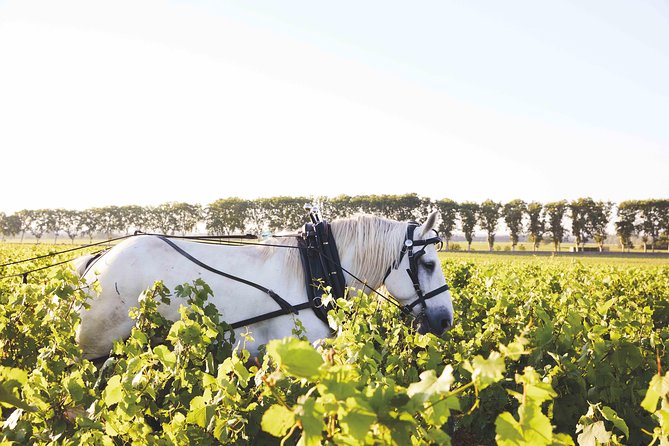
The estate is presented as an organic wine-growing property, with a particular focus on biodynamic techniques. The distinction is worth asking about during the visit, because organic farming and biodynamic farming are related but not identical approaches.
The experience connects farming methods with what you taste. That gives the discussion a practical purpose. Instead of hearing farming terms as a sales pitch, you can consider how the estate works its vineyards and how those choices are reflected in the wines.
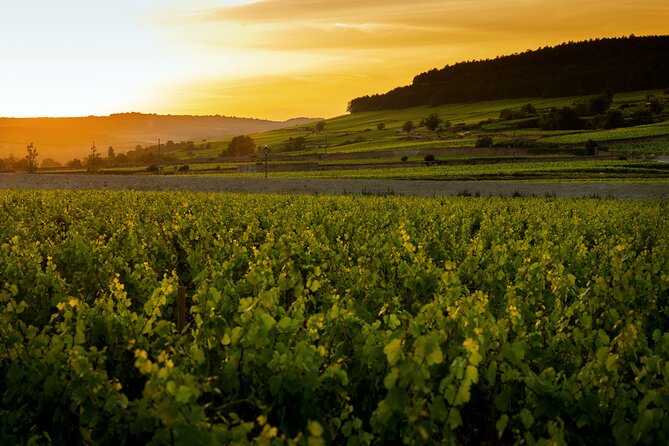
One of the most interesting details is the estate’s seven different terroirs. That gives the wine advisor a built-in comparison: several sites within the same estate can show different soil expressions and growing conditions. You may find this more helpful than a general statement that Burgundy has varied soils, because the idea is tied to particular wines in front of you.
The information provided does not promise a long vineyard walk, so do not assume this is a full agricultural tour. The focus is on visiting the estate, understanding its methods, and tasting the results. If you want extensive time among the vines, ask about the current format before booking.
Learning to taste wine like a professional
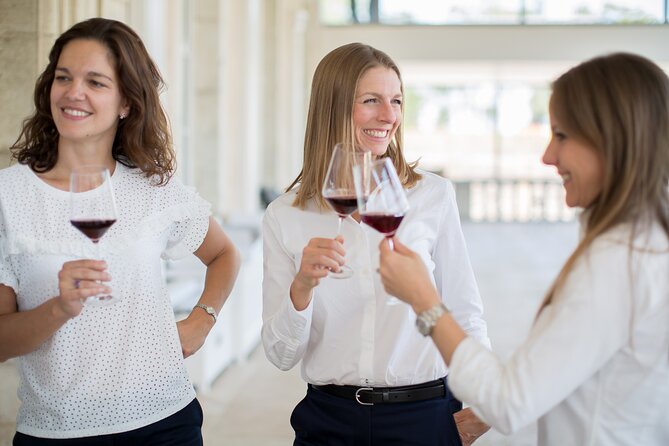
The tasting lesson is meant to give you a method, not just a list of flavors. A professionally trained wine advisor explains tips and techniques for tasting, helping you pay attention to the wine’s appearance, aroma, structure, and finish.
That matters because Burgundy can be subtle. You may not immediately identify every soil or fruit note, and you do not need to. A useful guide helps you describe what you notice and compare one glass with the next without making the process feel like an exam.
Food pairing is another practical strength. Xavier has been praised for explaining pairings, so you can ask how the wines might work with a meal. That advice is especially helpful if you plan to eat in Beaune or Pommard afterward, or if you are considering buying bottles for home.
I like that the tasting is framed as a skill you can carry with you. You can use the same basic approach in another Burgundy tasting, at a restaurant, or when opening a bottle you bought during your trip.
Same city, a slower kind of day:
- Burgundy Grand Crus Route Day Tour – 14 Wines Tastings in Domains
★ 5.0 · 223 reviews - Beaune: Maison Champy Guided Cellar Tour with Wine Tasting
★ 4.7 · 213 reviews - Private excursion to Côte de Beaune and Côte de Nuits (full day)
★ 5.0 · 166 reviews - Skip the Line: Abbaye de Fontenay Admission Ticket
★ 4.5 · 117 reviews
The wines from Château de Pommard and Famille Carabello-Baum
The tasting features wines from Château de Pommard and Famille Carabello-Baum. The experience description says you will taste four wines from these producers, while the headline information says five different Burgundy wines. Because of that mismatch, I would confirm the exact number before booking or attending.
Either way, the comparison between two producers is valuable. It gives you more than one house style and helps you notice how producer choices affect the final wine. The tasting also aims to connect the wines with the seven terroirs at Clos Marey-Monge, so pay attention to place as well as producer.
The wine quality receives very positive praise, particularly for Pommard wines. One useful practical detail is that bottles can be ordered and shipped home, with shipping described as reasonably priced. That can make the visit more than a tasting stop, especially if you find a bottle you want but do not want to carry through the rest of your trip.
Shipping terms can change, so confirm the current cost, destination rules, and delivery arrangements before placing an order. The supplied information supports the availability of ordering and shipping, but it does not give a detailed price list.
What the 45-minute length really means
Forty-five minutes is short for a wine estate visit, but it can work well if you want a focused stop. You receive a guided introduction, a lesson in tasting, an overview of Burgundy, and a sample of several wines without giving up half a day.
The short duration also sets limits. You will not have much time for a long conversation on every subregion, a detailed farming demonstration, and a leisurely tasting of each wine. The experience is better viewed as a concentrated orientation to Burgundy than as a complete wine education.
The group limit of six is important here. A larger group could make a short tasting feel rushed, while a small group gives the wine advisor more room to answer individual questions. One visit was effectively a private experience because of the small attendance, though you should not assume that will happen on your date.
If you are arranging several winery visits, this format can fit neatly between other activities. If this is your only Burgundy wine experience, you may want to pair it with a meal, another tasting, or a longer vineyard visit elsewhere.
The cellar closure and what you will miss
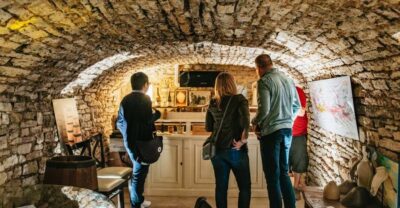
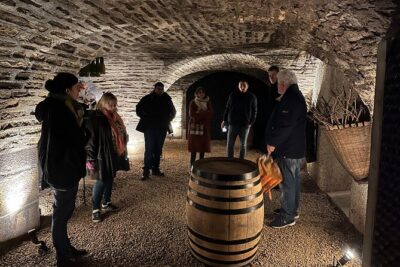
The cellars cannot be visited because of renovation. This is the clearest limitation, and it should be stated plainly when you plan your day.
A cellar visit can help explain storage, aging, barrels, and the physical process between fermentation and the finished bottle. You will not get that part here. The experience instead concentrates on the estate, vineyard practices, wine classifications, terroir, and tasting.
For some people, that will be a minor issue. If your main goal is to taste Burgundy and understand its vineyard system, the closure does not remove the central parts of the experience. If you specifically want historic rooms, barrels, or underground architecture, choose a different visit or wait until renovation is complete.
Hosts, questions, and the human side of the visit
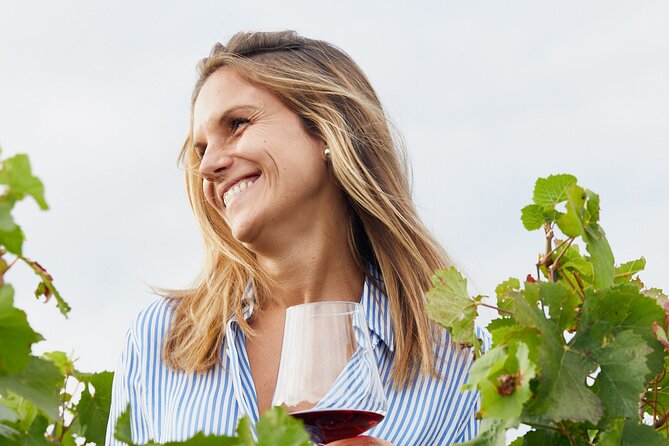
The quality of a short wine experience depends heavily on the person leading it. Xavier has received especially strong praise for his explanations of the vineyard, wines, food pairings, and organic winemaking. His courteous approach is a good sign for anyone who feels unsure about asking basic questions.
Marie, at the front desk, has also been helpful beyond the tasting itself. She has assisted with dinner reservations, which can be useful in a small wine town where meal planning may matter. That kind of practical help can turn a simple tasting into a smoother part of your day.
Ask direct questions. You might ask how the seven terroirs differ, what the classification terms mean on the bottles you taste, how biodynamic methods are applied at the estate, or which wine would work best with your planned meal. The small group gives you a better chance of getting clear answers.
Families should note the separate Jeunesse Experience. The supplied information says you can combine it with this Burgundy Experience so children can learn about the grape’s journey while adults taste wine. The details of that children’s activity are not provided, so confirm the age range, timing, and price before making a family booking.
Is $18 good value for Burgundy?
At $18, this is an accessible way to get a guided introduction to one of France’s best-known wine regions. The price includes the tour guide and wine tasting, with no extra charge listed for the core experience.
The value is strongest if you are new to Burgundy. You receive several wines, instruction in tasting, an estate visit, and a framework for understanding appellations and classifications. A small group also gives the visit a more personal feel than a large commercial tasting room.
The value is less certain if you are seeking a long estate tour or a cellar visit. The 45-minute schedule is efficient, not expansive, and the renovation removes one expected element for many wine fans. Still, the low price makes it a reasonable add-on for a day in Pommard or Beaune.
I would treat the tasting as an introduction, not as a reason to skip every other wine experience in the region. Its job is to help you get your bearings and taste several examples. It does that at a modest cost.
Who should book this experience?
I would recommend it to first-time Burgundy visitors, casual wine drinkers who want a clearer starting point, and anyone interested in the link between soil, farming, and flavor. It also suits people who prefer small groups and do not want to spend several hours at a single estate.
It is a good match for visitors staying in or near Beaune who can reach Pommard for the meeting time. You should allow for the fact that the meeting and ending point are both at 15 Rue Marey Monge, so the activity does not provide a separate drop-off elsewhere.
Experienced Burgundy collectors may find the basic regional overview too familiar. The visit may still appeal if you want to compare wines from Château de Pommard and Famille Carabello-Baum, speak with a wine advisor, or learn more about the estate’s seven terroirs.
Service animals are allowed, and most people can participate. Confirmation is provided at booking. Free cancellation is available if you cancel at least 24 hours before the local start time. Within 24 hours, the payment is not refunded, and changes are not accepted.
Should you book Discover Burgundy?
Book this experience if you want a short, affordable, small-group introduction to Burgundy wine near Beaune. The strongest reasons are the focused tasting, the estate’s seven terroirs, the discussion of biodynamic farming, and the chance to ask questions of a capable guide such as Xavier.
Skip it if your main aim is a cellar tour, an extended vineyard walk, or a full-day wine education. The cellar renovation is a real limitation, and the conflicting descriptions of four versus five wines are worth confirming before you go.
For most first-time visitors, $18 is a sensible price for a well-focused start. Go with a few questions ready, pay attention to the differences between the wines, and consider arranging shipping if you find a bottle that deserves a place at home.
FAQ
Where does the experience begin and end?
It begins at 15 Rue Marey Monge, 21630 Pommard, France, and ends back at the same meeting point.
How long does the Burgundy wine experience last?
The experience lasts approximately 45 minutes.
How many people can join the group?
The group has a maximum of six travelers.
How many wines will be tasted?
The headline information describes five different Burgundy wines, while the detailed description states that you will taste four wines from Château de Pommard and Famille Carabello-Baum. Confirm the current tasting lineup before attending.
Can I visit the wine cellars?
No. The cellars cannot be visited because they are undergoing renovation.
Can I cancel for a full refund?
Yes. You can receive a full refund if you cancel at least 24 hours before the experience start time. Cancellations or changes made within 24 hours are not refunded or accepted.
Recently added in Beaune
- Visit of our 15th century cellars★ 5.0 · 57 reviews
- Discovery of the world of Truffles and tasting★ 4.5 · 66 reviews
- Private Wine Tasting Tour – Burgundy Uncorked!!★ 5.0 · 74 reviews
- Visit-Tasting-Sale★ 5.0 · 87 reviews
- From Beaune: Full day the most of Burgundy, with lunch★ 4.5 · 30 reviews
- Private Guided Sidecar Tour in Burgundy from Meursault★ 5.0 · 31 reviews
- Private excursion to Côte de Beaune and Côte de Nuits (full day)★ 5.0 · 166 reviews
- Full Day Private Tour 10 Premiers & Grands Crus, The Best of Burgundy★ 5.0 · 36 reviews
Burgundy Tours, compared.
Burgundy Bike Tour with Wine Tasting from Beaune
Read our review →
La Cave du Palais Burgundy Wine Tasting Experience
Read our review →
Small-Group Full-Day Tour of Côte de Nuits, Côte de Beaune Vineyards and Beaune Historical District
Read our review →
Burgundy Grand Crus Route Day Tour – 14 Wines Tastings in Domains
Read our review →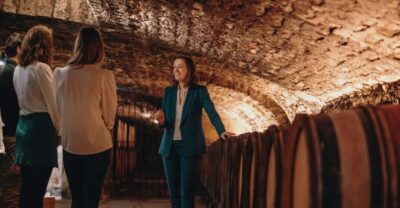
Maison Champy Guided Cellar Tour with Wine Tasting
Read our review →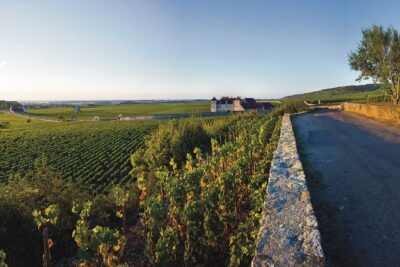
Private excursion to Côte de Beaune and Côte de Nuits (full day)
Read our review →Browse the lists this tour appears in