
REVIEW · WINE TOURS
Dijon: La Cave du Palais Burgundy Wine Tasting Experience
Wine makes more sense underground. La Cave du Palais gives you a compact, friendly introduction to Burgundy wine in an ancient vaulted cellar beneath the Hotel du Palais in central Dijon. Over 90 minutes, you taste six wines while a French or English-speaking host explains Burgundy’s climates, aging, geography, and appellation system.
I especially like the small groups of up to eight, which leave room for real questions rather than a rushed speech. I also like the central location, just a five-minute walk from Place de la République, so you can fit this tasting into a Dijon sightseeing day without renting a car. The main thing to consider is that this is a cellar tasting, not a visit to working vineyards, so you will learn about Burgundy’s wine country without seeing the vines themselves.
The hosts bring plenty of personality to the table. Antoine, Leo, Robin, Sebastian, Rafael, and Prune have all led sessions, and the strongest praise goes to their friendly teaching style, clear English, and ability to explain tricky wine terms without turning the afternoon into a lecture. One small group even received restaurant advice for traditional Dijonnaise food, a useful bonus when you are deciding where to eat afterward.
In This Review
- Key points at a glance
- Entering La Cave du Palais in central Dijon
- The first lesson: why Burgundy wine needs a map
- Six wines from regional bottles to Grand Cru
- Climate, vintage, and aging explained over the glass
- Why the small group makes a difference
- The hosts are a major part of the experience
- What the $64 price gets you
- Who should book this Dijon tasting?
- How to fit it into a day in Dijon
- Practical details before you reserve
- Should you book La Cave du Palais?
- FAQ
- Where does the Burgundy wine tasting take place?
- How long does the experience last?
- How many wines are included?
- Is the tasting available in English?
- Can children take part?
- Can I cancel or pay later?
Key points at a glance
- Six wines in 90 minutes: The tasting covers a broad slice of Burgundy, with bottles ranging from regional appellations to Grand Cru examples.
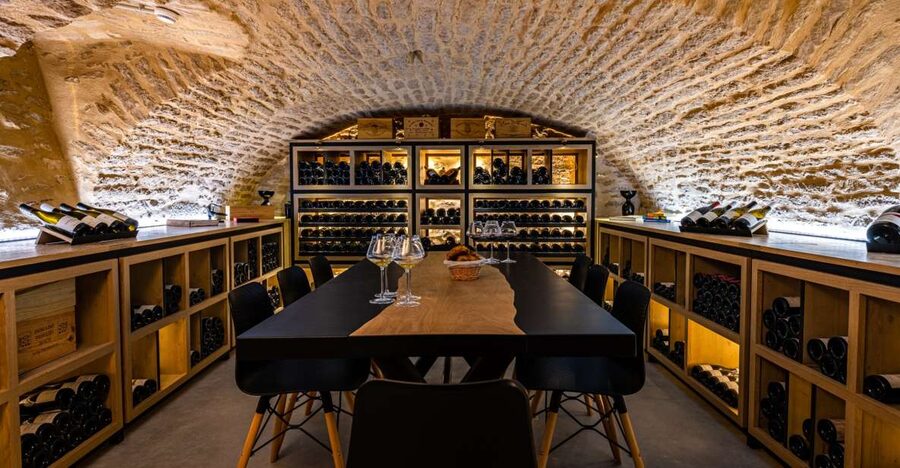
- A historic underground setting: La Cave du Palais occupies original vaulted cellars beneath the Hotel du Palais, with some descriptions dating the space to the 15th century.
- A lesson in Burgundy’s climates: You learn why a vineyard’s exact location, soil, exposure, and local conditions can change the character of a wine.
- A small, interactive group: With no more than eight participants, the host can answer questions and adjust the discussion to the group.
- French and English commentary: The activity is offered in both languages, and several hosts have been praised for clear English explanations.
- A good substitute for a vineyard tour: If your Dijon schedule is tight, this gives you useful regional context without a half-day excursion into the countryside.
Entering La Cave du Palais in central Dijon
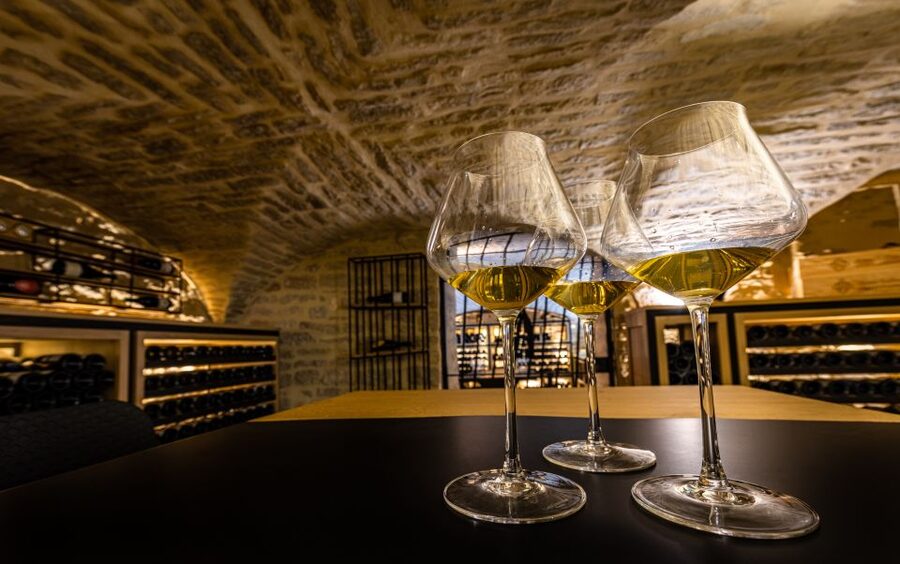
Finding the tasting is simple. La Cave du Palais is inside the Hotel du Palais, about five minutes on foot from Place de la République. That makes it easy to reach from central Dijon on foot, and you do not need a car, taxi, or countryside transfer.
The location matters because Burgundy wine touring can quickly become complicated. Famous villages and domaines stretch south and west of Dijon, while many small producers require advance planning and private transport. This tasting keeps things simple: you stay in the city, step underground, and still get a guided look at the region’s wine system.
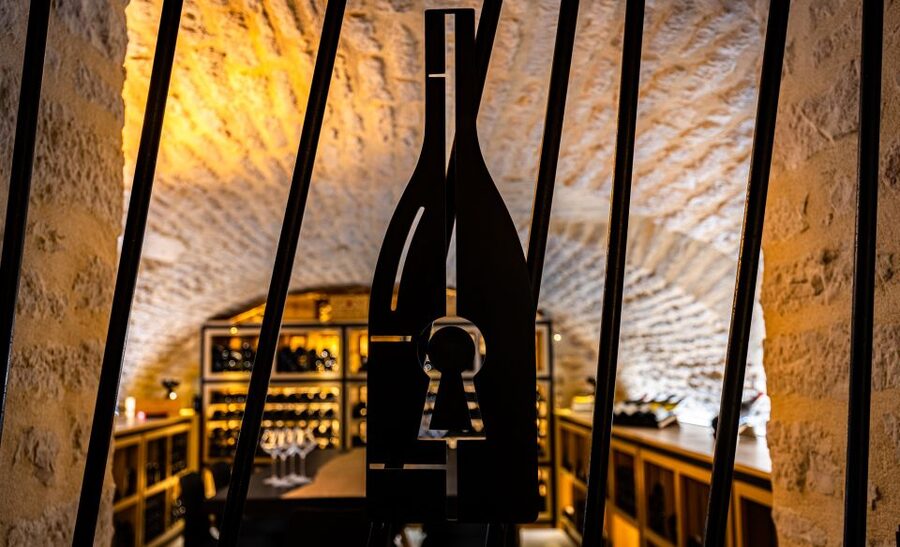
The cellar is part of the appeal. It has original vaulted spaces and an old-world feel that suits the subject far better than a bright modern tasting room. One account describes it as a 15th-century cellar, while others praise the design and atmosphere of the underground room. Expect a setting with character, though not a full archaeological tour. The focus remains on the wine.
You should arrive at the Hotel du Palais and look for La Cave du Palais rather than assuming the meeting point is outdoors in a public square. The supplied information does not give detailed directions inside the hotel, so allow a few extra minutes to locate the cellar if you are arriving close to the start time.
More Food Tours in Burgundy
- Pinot Noir Masterclass – Wine tasting in Dijon
★ 5.0 · 147 reviews - Dijon: Cheese and Burgundy Wine Tasting Workshop
★ 4.8 · 122 reviews - Chardonnay Masterclass – Wine tasting in Dijon
★ 5.0 · 91 reviews
The first lesson: why Burgundy wine needs a map
Burgundy is famous partly because its wines are tied so closely to place. The host uses the tasting to explain how the same broad region can produce very different bottles depending on the specific vineyard and its position.
This is where the idea of climates comes in. In Burgundy, a climate is a defined vineyard site with its own combination of soil, slope, exposure, and local growing conditions. It is not simply a weather forecast. The term helps explain why one patch of vines may have a different reputation, price, and flavor profile from another site a short distance away.
You do not need to arrive with a working knowledge of French wine labels. The presentation is designed to make the classification system easier to follow as you taste. Instead of treating appellations as a pile of unfamiliar French names, the host connects them with the wine in your glass.
That approach is one of the strongest parts of the experience. Several hosts have been praised for explaining terroir, property, and regional denominations in a way that made differences easier to notice. The lesson has a practical payoff: after the tasting, a Burgundy label should look less like a secret code.
Six wines from regional bottles to Grand Cru
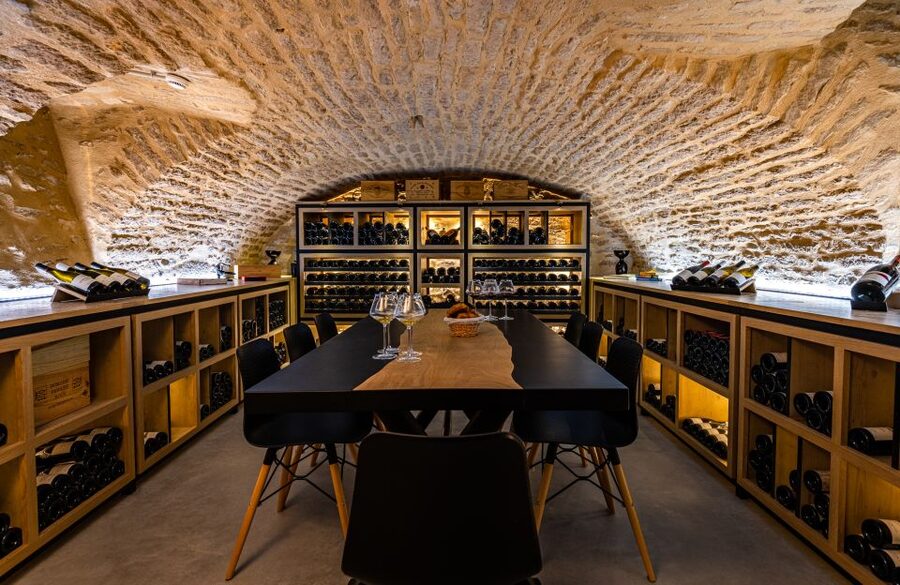
The advertised tasting includes six wines. The selection covers different Burgundy appellations, from regional wines to Grand Cru, the highest classification named in the experience description.
The exact bottles are not specified in advance, so you should not book this expecting a particular producer or vintage. That is normal for a tasting like this, and it lets the host shape the session around available wines and the group’s interests. One session described a lineup of three red and three white wines, while the official format promises six tastings. The balance may vary.
The important point is the range. A regional wine gives you a broad starting point. More specific appellations show how the designation becomes narrower and more connected to a particular place. Grand Cru provides the top end of the classification system, although a Grand Cru taste does not automatically mean it will be your personal favorite.
You are tasting rather than drinking full glasses, but the pours have been described as generous. Pace yourself. Six wines in 90 minutes is manageable, yet the alcohol adds up, especially if you are also planning dinner or another tasting later.
The tasting is meant to be interactive. You can ask about the differences between bottles, the meaning of an appellation, or why a wine tastes the way it does. Hosts such as Antoine, Leo, Robin, and Prune have received especially warm praise for keeping the discussion relaxed and welcoming while still offering a lot of substance.
Climate, vintage, and aging explained over the glass
The experience does more than identify the bottles. It explains why the year of production matters and how aging affects taste and quality.
Vintage is important because growing conditions change from year to year. A warmer or cooler season, along with differences in rainfall and ripening, can shape the character of the grapes. The host connects these variations to the wines you are tasting rather than presenting vintage theory in isolation.
Aging is another key topic. Wine changes over time, and the host explains how the age of a bottle can affect its qualities. You may not leave able to predict every flavor in an older Burgundy, but you should have a clearer sense of why two bottles made from the same broad region can taste different.
I like this practical format because Burgundy can otherwise feel needlessly technical. The lesson is not just about memorizing classifications. It is about tasting a difference, hearing the reason behind it, and then trying the next wine with that idea in mind.
The hosts also bring the wider region into the discussion. You learn about Burgundy’s countryside and wine-producing areas, not only what is sitting on the table. One participant with experience in the American wine industry particularly valued the guide’s ability to place Burgundy in a broader international context, while another appreciated learning about soil and geographical changes.
More Wine Tours in Burgundy
- Small-Group Full-Day Tour of Côte de Nuits, Côte de Beaune Vineyards and Beaune Historical District
★ 5.0 · 364 reviews - Half Day Tour of the Cote de Nuits Vineyards from Dijon
★ 5.0 · 108 reviews - Small group Burgundy tour of Beaune with Wine Tasting from Dijon
★ 4.5 · 85 reviews - Dijon: Bike tour and Tastings in the Vineyards of Burgundy
★ 3.9 · 47 reviews
Why the small group makes a difference
The group limit is eight people. That is small enough for a conversation, but large enough to create a social atmosphere if everyone is willing to join in.
A group of five received extra flexibility from the guide, including help taking photos of the bottles. Another session had only two participants, which allowed for a more personal exchange. You should not count on having a private tasting, but the format gives you a fair chance to ask questions.
The mood appears to be informal rather than stiff. One particularly good description of the format emphasized that the host encouraged questions, used humor, and did not focus only on technical winemaking details. That balance suits beginners who want a clear introduction, while people who already know wine can still ask more advanced questions.
The bilingual setup can work well for mixed groups. The official languages are French and English, and multiple hosts have been praised for handling both languages clearly. A multilingual group once included English, French, and Spanish speakers, with the host using all three, but Spanish should not be treated as a guaranteed part of the booking.
The hosts are a major part of the experience
The cellar provides the atmosphere, but the guide determines how useful the tasting becomes. Here, the strongest pattern is the hosts’ ability to explain Burgundy without making you feel lost.
Antoine has been praised for answering every question and making the session fun. Leo has been described as patient, engaging, and able to discuss wine in both a regional and global context. Robin is noted for his passion for Burgundy and for making the tasting lively. Prune has been praised for her excellent English, regional knowledge, and friendly restaurant recommendations.
Other hosts named in the feedback include Sebastian and Rafael. Sebastian led a session with three red and three white wines, while Rafael guided a group through six wines from across Burgundy. Since the assigned host can vary, you should treat these names as examples of the team rather than a promise of who will lead your tasting.
The best part of a strong wine guide is not showing off. It is knowing when to explain, when to pour, and when to let the group compare impressions. This experience seems to work best when you arrive curious and willing to ask basic questions.
What the $64 price gets you
At $64 per person, the tasting is not a bargain cellar-door pour, but it can be good value in Dijon if you want structured instruction and a quality setting.
You are paying for six tastings, 90 minutes of live commentary, a small group, and an atmospheric central location. You also avoid the cost and time of arranging transport to the vineyards. Several sessions have been described as worth the price, particularly because of the range of wines and the amount of explanation included.
The value depends on your goal. If you only want a glass of Burgundy with no instruction, a wine bar will cost less and give you more freedom. If you want to understand why Burgundy labels, classifications, and vineyard names matter, the guided format earns its price.
Some people bought bottles after tasting them, but there is no obligation to purchase wine. That is useful because you can choose based on genuine preference rather than pressure. The session may even help you shop more wisely later, since you will have tasted different levels of appellation side by side.
Who should book this Dijon tasting?
I would recommend La Cave du Palais to first-time Burgundy visitors, especially those staying in Dijon for only a day or two. It gives you a solid framework before you visit the surrounding wine villages, or a satisfying introduction if your schedule never takes you outside the city.
It also suits wine lovers who want a focused regional session rather than a long vineyard excursion. People with more advanced wine experience can still enjoy it, particularly if they ask detailed questions about classification, aging, and the differences between sites.
The relaxed tone makes it a good choice for couples, friends, and solo visitors who like meeting people around a table. The small size helps, but the social side still depends on the group. If you prefer complete privacy, a public small-group tasting may not be your ideal format.
This activity is only for people over 18. It is not suitable for children, pregnant women, or wheelchair users. Pets are not allowed. The cellar setting may also be worth considering if stairs or uneven underground access are difficult for you, since the supplied information specifically lists the experience as unsuitable for wheelchair users.
How to fit it into a day in Dijon
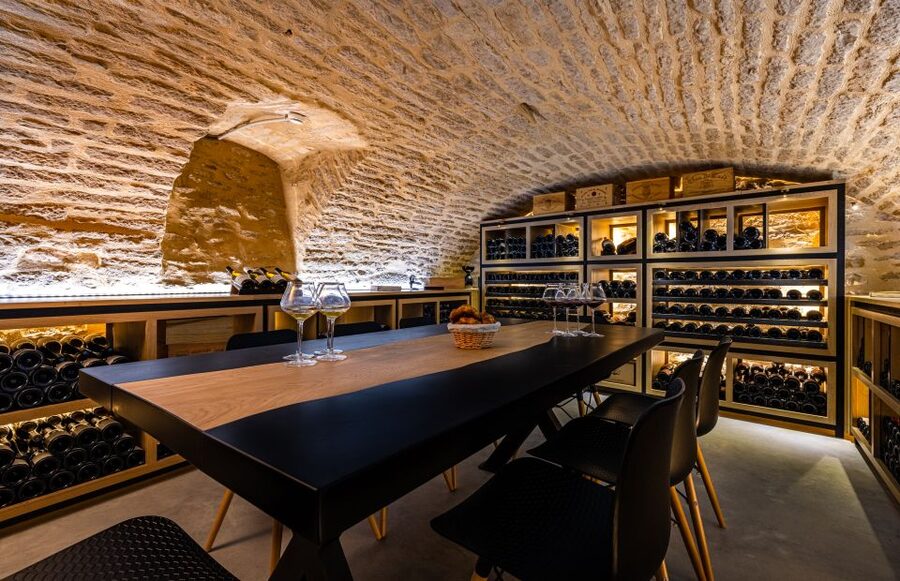
The 90-minute length works well near the end of a sightseeing day. You can spend the morning exploring Dijon’s historic center, visit museums or markets, then head to the Hotel du Palais for an afternoon tasting.
It also works on your first evening in town. The wine lesson can give you useful background before ordering Burgundy at dinner, though you should leave enough time afterward to enjoy your meal without rushing.
One especially practical benefit is the local advice that can come with the conversation. A host once recommended a nearby restaurant serving traditional Dijonnaise dishes, and the recommendation proved useful. You should not treat restaurant advice as a formal part of the tour, but local hosts may be able to point you toward a good next stop.
Do not plan this as a substitute for seeing the vineyards if you have a full day available for the Côte de Nuits or another wine area. You will not walk among the vines or visit a producer here. Instead, you get the city version of Burgundy: six wines, a historic cellar, and a clear explanation of how place and classification shape the bottle.
Practical details before you reserve
The activity costs $64 per person and lasts 90 minutes. It is offered in French and English, with a maximum group size of eight.
You can cancel up to 24 hours before the start time for a full refund. A reserve-now, pay-later option is also available, which helps if your Dijon plans are still shifting.
Wear something comfortable for an underground cellar setting, and avoid scheduling a tight appointment immediately afterward. The tasting itself is timed, but questions and conversation are part of the appeal.
Because the exact wines are not listed, think of this as a guided Burgundy overview rather than a fixed bottle flight. The emphasis is on comparison and explanation. If you have a specific producer, vintage, or appellation in mind, ask the host during the session, but do not assume it will be poured.
Should you book La Cave du Palais?
Book it if you want Burgundy explained in plain language, with six wines and a strong sense of place, without leaving Dijon. The cellar is atmospheric, the group is small, and the hosts have a clear record of making the subject friendly rather than intimidating.
Skip it if you want a working-vineyard visit, a private tasting, or a guaranteed list of specific bottles. For everyone else, especially first-time Burgundy drinkers and visitors with limited time, this is a smart city-center introduction. At $64, the combination of wine, instruction, and setting makes it one of the more useful ways to spend 90 minutes in Dijon.
FAQ
Where does the Burgundy wine tasting take place?
It takes place at La Cave du Palais inside the Hotel du Palais in Dijon city center. The cellar is about a five-minute walk from Place de la République.
How long does the experience last?
The wine tasting lasts 90 minutes.
How many wines are included?
Six wine tastings are included. The selection can include wines from regional appellations through Grand Cru appellations.
Is the tasting available in English?
Yes. The experience is offered in French and English, and the host or greeter may speak either language.
Can children take part?
No. Participants must be over 18, and the experience is not suitable for children, pregnant women, or wheelchair users.
Can I cancel or pay later?
You can cancel up to 24 hours in advance for a full refund. A reserve-now, pay-later option is also available.
More Food Tours in Dijon
- Historic Center of Dijon : Discovery Tasting Wine Burgundy
★ 4.5 · 40 reviews - Paris: Seine Cruise & Crepe Tasting near the Eiffel Tower
★ 4.4 · 11,231 reviews - Authentic Parisian Gourmet Food Tour with 10 Local Dishes & Wines
★ 5.0 · 4,754 reviews - Normandy D-Day Small-Group Day Trip with Omaha Beach, Cemetery & Cider Tasting
★ 5.0 · 2,786 reviews
More Wine Tours in Dijon
- 🍷 Masterclass Pinot Noir – Wine tasting in Dijon 🇫🇷
★ 4.5 · 35 reviews - Côte de Beaune Half-Day Wine Tour from Dijon
★ 4.7 · 32 reviews - Bordeaux: Cité du Vin Entry Ticket and Wine Tasting
★ 4.6 · 3,885 reviews - Montmartre Hill French Gourmet Food and Wine Tasting Walking Tour
★ 5.0 · 2,588 reviews
Recently added in Dijon
- Dijon with an Archaeologist: A Self-Guided Audio Tour★ 4.5 · 26 reviews
- Pinot Noir Masterclass – Wine tasting in Dijon★ 5.0 · 147 reviews
- Chardonnay Masterclass – Wine tasting in Dijon★ 5.0 · 91 reviews
- Burgundy Wines Masterclass in Dijon★ 5.0 · 139 reviews
- Cheese and Wine Pairing 1-Hour Session in Dijon★ 5.0 · 34 reviews
- Small group Burgundy tour of Beaune with Wine Tasting from Dijon★ 4.5 · 85 reviews
- From Dijon: Full day the most of Burgundy with lunch★ 5.0 · 40 reviews
- Half Day Tour of the Cote de Nuits Vineyards from Dijon★ 5.0 · 108 reviews
Wine Tours, compared.
Montmartre Hill French Gourmet Food and Wine Tasting Walking Tour
Read our review →
Loire Valley Castles Day Trip With Wine Tasting
Read our review →
Afternoon Saint-Emilion Wine Tasting & snack
Read our review →
Medoc or Saint Emilion Wine Tasting and Chateau from Bordeaux
Read our review →
Saint Emilion Day Trip with Sightseeing Tour & Wine Tastings from Bordeaux
Read our review →
Saint-Émilion: Grand Cru Classé Winery Visit and Tasting
Read our review →
Saint Emilion Half-Day Trip with Wine Tasting & Winery Visit from Bordeaux
Read our review →Browse the lists this tour appears in