
REVIEW · SKIP THE LINE
Skip the Line: Abbaye de Fontenay Admission Ticket
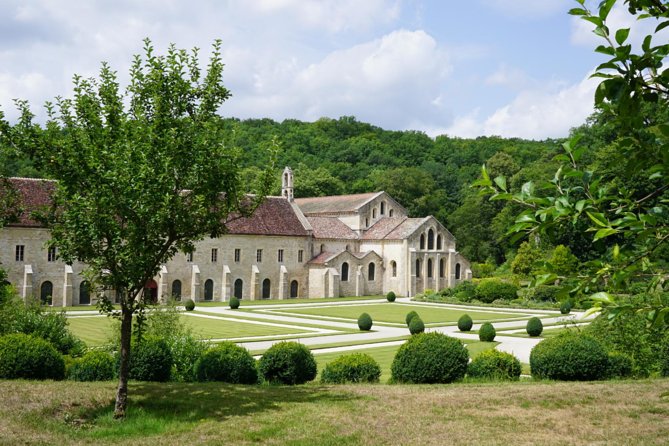
Silence is part of the attraction here. At Fontenay Abbey, you enter one of the world’s oldest preserved Cistercian monasteries and walk through a remarkable group of Romanesque buildings, a peaceful garden, and centuries of French history. The pre-booked ticket costs $13.91 per person and is designed for a self-guided visit lasting about one to two hours.
I especially like the chance to see the original abbey buildings without joining a large organized tour. I also like that admission includes the gardens and lapidary museum, not just the church. The main consideration is location: transportation to the abbey is not included, and its wide opening break from noon to 2 p.m. during the winter season can affect your plans.
- Founded in 1118 by Saint Bernard of Clairvaux: Fontenay connects directly with the early Cistercian movement.
- A complete Romanesque complex: The church, dormitory, cloister, chapter room, common room, and forge remain part of the visit.
- Private preservation since 1820: The same family has cared for the estate for generations.
- A UNESCO World Heritage site since 1981: Fontenay was among the first French monuments given this distinction.
- Gardens and a lapidary museum included: Your ticket covers more than the central abbey buildings.
- A quiet one to two-hour stop: This suits visitors who want a calm cultural break rather than a packed guided excursion.
In This Review
- Why Fontenay Abbey Feels Different
- Entering the Abbey Church and Romanesque Core
- The Dormitory and the Value of Seeing Original Spaces
- From Monastery to Industrial Site
- Gardens, Valley, and the Lapidary Museum
- How Much Time Should You Allow?
- Is $13.91 Good Value?
- Who Should Visit Fontenay Abbey?
- What the High Ratings Mean in Practice
- Should You Book This Admission Ticket?
- FAQ
- What does the Abbaye de Fontenay admission ticket include?
- How long does a visit to Fontenay Abbey take?
- How much does admission cost?
- Is transportation included?
- Is the ticket offered in English?
- What are the opening hours?
- Can I cancel the booking for a refund?
Why Fontenay Abbey Feels Different
Many French monuments present a grand façade, a famous painting, or a single dramatic room. Fontenay offers something more complete. You move through a working monastic complex where the relationship between prayer, labor, rest, and community is still visible in the buildings themselves.
The abbey was founded in 1118 by Saint Bernard of Clairvaux, one of France’s most important religious figures. Cistercian monasteries favored a simpler style than many richly decorated medieval churches. At Fontenay, that restraint gives the architecture its force. The beauty comes from proportion, stone, light, and quiet rather than from an overload of decoration.
That quiet is not a minor detail. It shapes the whole visit. You are not simply checking off an old church. You are moving through rooms built for spiritual concentration, and the absence of noise helps you notice the clean lines and practical design.
The site is in northern Burgundy, in a preserved valley covering about 1,200 hectares. The valley gives the abbey a sense of separation from ordinary daily life, although you should remember that admission does not include transportation to or from the property.
Entering the Abbey Church and Romanesque Core
Begin with the Abbey Church, the spiritual center of Fontenay. Its plain Romanesque design reflects the Cistercian preference for clarity and discipline. I would give yourself time here before rushing toward the next room. Look at the shape of the arches, the thickness of the stonework, and the way the building feels sturdy rather than theatrical.
The church is one of the parts that benefits most from a quiet visit. A short stop can show you the basic structure, but staying longer lets the atmosphere register. The building was made for prayer over many centuries, and it still carries that purpose.
From the church, the route leads into the cloister. In a monastery, the cloister connected the major parts of daily life. It was a place for movement, thought, and practical access to other rooms. At Fontenay, it also gives you a useful sense of how the abbey was organized.
The Chapter Room is another important stop. This was a place for communal meetings and readings, so it helps explain how the monastery operated beyond worship. You can read the complex as a small self-contained world, with each room assigned a clear role.
The Common Room adds another piece to that picture. Together, these interiors show that Fontenay was not only a religious monument. It was also a place where people ate, worked, rested, met, and followed a structured routine.
More reserved-entry tickets in Beaune:
- Versailles: Skip-the-Line Tour of Palace with Gardens Access
★ 4.7 · 9,778 reviews - Versailles: Skip-the-Line Guided Palace Tour and Full Access
★ 4.6 · 5,214 reviews - Louvre Museum: Skip-the-Line Small Group Guided Tour
★ 4.6 · 3,960 reviews
The Dormitory and the Value of Seeing Original Spaces
The Dormitory is likely to be one of the most memorable areas. Its scale makes the community of monks easier to picture, while its simple design fits the wider character of the abbey. The room is not presented as a theatrical reconstruction. Its appeal comes from the fact that it remains part of the original Romanesque complex.
This is where the pre-booked admission offers real value. The ticket gives you access to the historic buildings rather than limiting your visit to an exterior view or a small museum display. You can move through the spaces and compare their functions directly.
A German-speaking visitor described being almost alone in the church and dormitory, experiencing both in a helpful silence. That possibility is important to keep in mind. It cannot be guaranteed, but the abbey’s atmosphere rewards you if you arrive during a quieter period and resist the urge to hurry.
The admission information lists a maximum of 15 participants for the activity. Since this is an admission experience rather than a fixed walking tour, you should not assume that a guide will accompany you throughout. A guided visit may be available at the site, but the supplied information does not promise one with this ticket.
From Monastery to Industrial Site
Fontenay’s survival is partly linked to an unexpected change in purpose. After the French Revolution, the monks left, and the abbey was converted to industrial use. That transition could easily have destroyed the monastic buildings, but the industrial period helped preserve the Romanesque structures.
The Forge is a useful reminder of this later chapter. It broadens the story beyond the founding monks and medieval worship. You see how the property changed over time and how a site can survive by adapting, even when its original function disappears.
This is one reason I would not treat Fontenay as only a religious stop. The abbey tells several connected stories: the rise of the Cistercians, the daily organization of monastic life, the disruption caused by the Revolution, industrial reuse, and private conservation from the nineteenth century onward.
The owners have held the abbey since 1820, and the property remains privately owned. That long family connection gives the visit a personal conservation angle. It also explains why the site feels cared for as a complete estate rather than managed only as a set of isolated ruins.
Gardens, Valley, and the Lapidary Museum
Your ticket includes the gardens, which were recognized as a Remarkable Garden in 2004 by France’s National Council of Parks and Gardens. Plan enough time to see them properly. After the stone interiors, the garden gives you a different way to understand the abbey’s setting.
The grounds are not just a pleasant add-on. They help show why the location was suitable for a Cistercian foundation. The preserved valley, extending over about 1,200 hectares, creates the calm setting that visitors often seek at Fontenay.
You also get admission to the lapidary museum. The supplied information does not give a detailed list of its displays, so I would treat it as a useful extra rather than the main reason to buy the ticket. The church, cloister, dormitory, and forge are the core of the experience.
A sensible visit divides the time between the buildings and the grounds. If you spend the entire hour inside, you miss part of the estate’s character. If you only stroll the garden, you miss the strongest architectural rooms.
A few more Beaune outings to set side by side
- Burgundy Bike Tour with Wine Tasting from Beaune
★ 5.0 · 674 reviews - Beaune: Wine Tasting at Château de Pommard
★ 4.4 · 277 reviews - From Beaune: Burgundy Day Trip with 14 Wine Tastings
★ 4.8 · 248 reviews - Burgundy Grand Crus Route Day Tour – 14 Wines Tastings in Domains
★ 5.0 · 223 reviews
How Much Time Should You Allow?
The expected visit lasts one to two hours. I think two hours is the better target if you want to see the main buildings, garden, and lapidary museum without rushing.
One hour can work if you focus on the Abbey Church, cloister, Dormitory, Chapter Room, Common Room, and Forge. But even then, the setting encourages a slower pace. You may want to pause in the church, study the cloister, and spend a few minutes outdoors.
Opening times change with the season:
- From November 12, 2025, through March 31, 2026, the abbey is open daily from 10 a.m. to noon and 2 p.m. to 5 p.m.
- From April 1, 2026, through November 11, 2026, it is open daily from 10 a.m. to 6 p.m.
The winter closure from noon to 2 p.m. is easy to overlook. If you are building a Burgundy day around the visit, check the date carefully and avoid arriving just before the midday break unless you are prepared to wait.
The longer summer hours make Fontenay easier to combine with other stops. Still, do not assume that a late arrival will give you a complete visit. A one to two-hour stay is more comfortable than a quick dash through the last part of the day.
Is $13.91 Good Value?
At $13.91 per person, this is a fair price for a historic estate with several original buildings, gardens, and a museum included. You are paying for access to a full monastic complex, not just a church entrance.
The value is strongest if you appreciate architecture, religious history, gardens, or carefully preserved historic places. The ticket also makes sense if you prefer to explore at your own pace. You are not paying for a long group excursion or a packed program of activities that may not interest you.
The value is weaker if you expect transportation, food, drinks, or a guided tour to be included. None of those come with the admission. You need to arrange your own route to the abbey, and you should plan refreshments separately.
The paper ticket format is simple, and confirmation is provided at booking. The experience is offered in English, which is helpful for international visitors, though the supplied information does not specify whether an English-speaking guide is included.
Who Should Visit Fontenay Abbey?
I would recommend Fontenay to anyone who enjoys historic buildings that still make sense as places rather than just displays. It is especially good for visitors who want a peaceful break from busier Burgundy sightseeing.
The abbey suits:
- Architecture fans who want to study Romanesque forms
- Visitors interested in medieval religious communities
- Garden lovers who enjoy formal historic settings
- Families and older visitors looking for a manageable one to two-hour cultural stop
- Independent sightseers who prefer an admission ticket to a fixed group itinerary
- Anyone building a day around Burgundy’s historic sites
It may not suit you if you need constant interpretation, entertainment, or a tightly scheduled guided program. The site’s strength is its calm. That can feel rewarding if you like space to look and think, but slow if you want a fast succession of attractions.
Most people can participate, and the activity is near public transportation. That information is useful, but it does not mean every route will be effortless. Transportation to and from the attraction is not included, so check your connection before committing to a time.
What the High Ratings Mean in Practice
The experience has a 4.7 rating from 117 reviews, with 95 percent recommending it. The strongest praise centers on three things: the quality of the restoration, the peace of the site, and the speed of entry.
The restoration deserves attention. The work has taken several generations of the owning family, and the result is a property that feels cared for without losing its age. You are seeing a place shaped over 900 years, not a modern attraction dressed up as medieval.
The calm atmosphere is equally important. In the church and Dormitory, quiet can make the architecture more powerful than a long explanation. If serenity matters to you, visit with that expectation and give yourself permission to slow down.
The pre-booked admission also offers practical value. The ticket provides a quick entrance and avoids payment problems at the abbey. That does not guarantee that you will never encounter a queue, but it removes one small source of delay.
Free cancellation is available if you cancel at least 24 hours before the experience start time. Cancellations made later, or changes made within that period, are not accepted for a refund. Keep the local cut-off time in mind when making changes.
Should You Book This Admission Ticket?
Book it if you want a quiet, substantial historic site with original Romanesque buildings, gardens, and a clear connection to French religious and industrial history. For $13.91, the admission covers enough of the estate to make a one to two-hour visit worthwhile.
I would be most likely to book this ticket when visiting Burgundy by car or when I already have a practical transportation plan. I would also choose it for a morning or afternoon when I wanted one thoughtful cultural stop rather than a crowded schedule.
Think twice if you want a guided experience with transportation and meals arranged for you. This is admission to Fontenay Abbey, not a full-day excursion. For independent visitors who value beauty, silence, and well-preserved buildings, it is a strong buy.
FAQ
What does the Abbaye de Fontenay admission ticket include?
The ticket includes admission to Fontenay Abbey, its gardens, and the lapidary museum.
How long does a visit to Fontenay Abbey take?
The visit takes approximately one to two hours.
How much does admission cost?
The listed price is $13.91 per person.
Is transportation included?
No. Transportation to and from the attraction is not included.
Is the ticket offered in English?
The experience is offered in English, and confirmation is received at the time of booking.
What are the opening hours?
From November 12, 2025, through March 31, 2026, the abbey opens daily from 10 a.m. to noon and 2 p.m. to 5 p.m. From April 1, 2026, through November 11, 2026, it opens daily from 10 a.m. to 6 p.m.
Can I cancel the booking for a refund?
Yes. You can cancel for a full refund up to 24 hours before the experience start time. Cancellations and changes made less than 24 hours before the start time are not accepted.
Recently added in Beaune
- Visit of our 15th century cellars★ 5.0 · 57 reviews
- Discovery of the world of Truffles and tasting★ 4.5 · 66 reviews
- Private Wine Tasting Tour – Burgundy Uncorked!!★ 5.0 · 74 reviews
- Visit-Tasting-Sale★ 5.0 · 87 reviews
- From Beaune: Full day the most of Burgundy, with lunch★ 4.5 · 30 reviews
- Private Guided Sidecar Tour in Burgundy from Meursault★ 5.0 · 31 reviews
- Private excursion to Côte de Beaune and Côte de Nuits (full day)★ 5.0 · 166 reviews
- Full Day Private Tour 10 Premiers & Grands Crus, The Best of Burgundy★ 5.0 · 36 reviews
Skip the Line, compared.

Skip-the-Line Tour of Palace with Gardens Access
Read our review →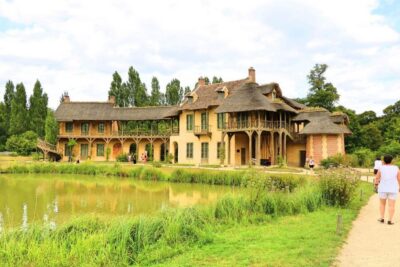
Skip-the-Line Guided Palace Tour and Full Access
Read our review →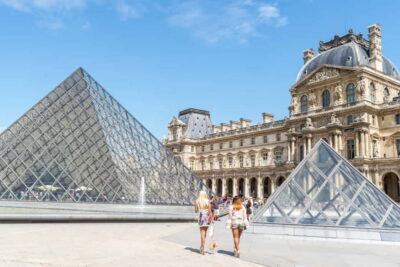
Louvre Museum: Skip-the-Line Small Group Guided Tour
Read our review →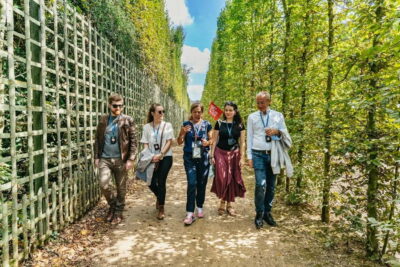
Versailles Skip-the-Line Tour & Gardens Access
Read our review →
Versailles Guided Tour with Skip-the-Line Entry
Read our review →
Palace of Versailles Skip-the-Line Guided Tour
Read our review →
Musée d’Orsay Skip-the-Line Tour with Expert Guide
Read our review →
Musée d’Orsay Skip-the-Line Tour with Expert Guide
Read our review →Browse the lists this tour appears in