
REVIEW · CHAMPAGNE TOURS
From Reims: Day Trip to Veuve Clicquot Family Grower & Lunch
Champagne tastes better with context. This full-day outing combines Veuve Clicquot’s grand-scale cellars with a small family producer, then adds Reims Cathedral, vineyard views, and lunch in the Marne area. I especially like the contrast between the famous house and the third-generation grower, plus the small group of no more than eight people. The main drawback is the price, $389 per person, and the packed schedule leaves little time for Epernay or an unhurried wander in Reims.
The strongest part of the day is the guide. Pierre, Rodamus, and Dorothee have all been singled out for their humor, care, and command of the Champagne region. I would also plan your train connection carefully. You must reach Reims on time, and the tour operator is not responsible for rail delays.
In This Review
- Key points at a glance
- Why this Champagne day works
- Meeting at Reims Central Station
- Reims and the Cathedral of Notre-Dame
- The Veuve Clicquot visit and four tastings
- Lunch in the Marne area
- Through Montagne de Reims and its Grand Cru villages
- The family grower and three final glasses
- Guides make or break the day
- Is $389 a fair price?
- Who should book this day?
- Final verdict: a strong introduction to Champagne
- FAQ
- Where does the tour start?
- How long does the tour last?
- How many Champagne tastings are included?
- Is lunch included?
- Can I take this tour from Paris?
- Is the tour suitable for wheelchair users?
Key points at a glance
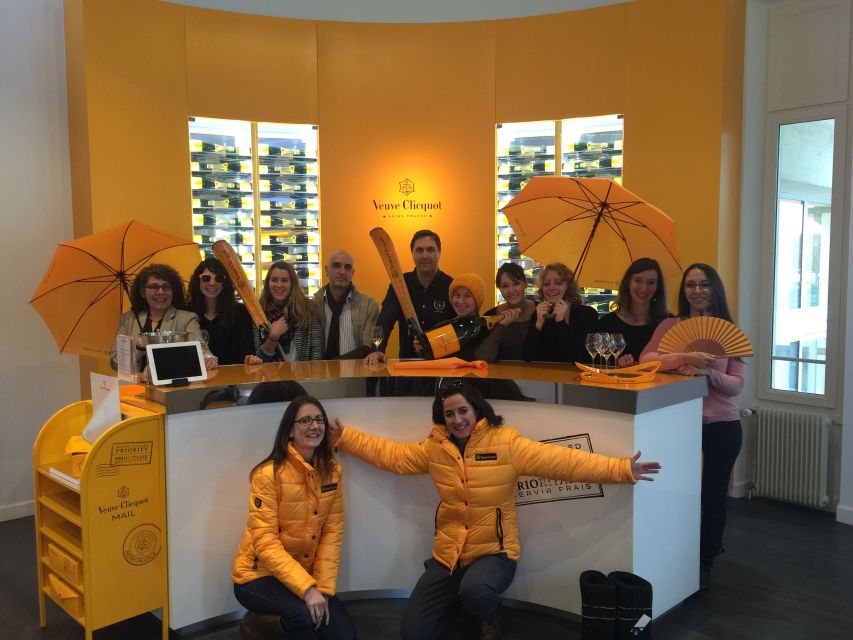
- Seven Champagne tastings are included: Four glasses at Veuve Clicquot and three at a family estate give you a useful comparison.
- The small group matters: With no more than eight people in the minivan, questions and conversation are easier than on a large coach tour.
- You get both sides of Champagne: The famous Veuve Clicquot brand is balanced by a family grower producing on a much smaller scale.
- Reims Cathedral adds real substance: The guided visit gives the wine day a strong cultural center.
- Lunch is included: This keeps the day simple, though one vegetarian meal was reported as limited.
- The schedule is tightly managed: You see a lot in 8 hours and 30 minutes, but you will not have much free time.
Why this Champagne day works
Champagne tours can easily become a parade of tasting rooms. This one has a better shape. You begin with Reims, learn why the city matters, visit one of the region’s best-known names, eat lunch, drive through Grand Cru villages, and finish with a family producer.
That order gives you useful context. At first, you see Champagne as a polished international product. Later, you meet the smaller-scale side of production, where one family’s work and vineyards shape the story. By the last tasting, you have more than a vague sense that Champagne is special. You have seen two very different ways of making and presenting it.
The tour is conducted in English and uses a minivan. A group capped at eight is a major advantage here. The roads between Reims, the vineyards, and the estates take time, so a compact vehicle makes the day less tiring than a large bus.
The schedule runs on Tuesdays, Thursdays, and Saturdays according to the supplied details. It begins at 9:20 AM and ends back at Reims Central Station at 5:45 PM. The listed duration is 510 minutes, or 8 hours and 30 minutes, so this is a full day rather than a quick wine excursion.
More long lunches in Champagne:
- Champagne: Champagne Tasting Class with Lunch
★ 4.9 · 384 reviews - From Reims: Champagne Day Trip to 3 Family Domains & Lunch
★ 4.8 · 194 reviews - Champagne: E-Bike Champagne Day Tour with Tastings and Lunch
★ 4.7 · 192 reviews
Meeting at Reims Central Station
The starting point is the forecourt in front of the Reims tourist office at the central train station. This is convenient if you are staying in Reims, and it also makes the tour possible as a day trip from Paris.
For a Monday through Saturday departure from Paris, the suggested TGV is train 2709 from Paris-Est at 8:28 AM, arriving at Reims at 9:14 AM. That gives you only a few minutes before the 9:20 meeting time. I would not treat that as a relaxed connection. A delay could cause a serious problem.
For Sunday departures from March through June and September through October, the guide can meet you at 9:00 AM in front of the main entrance at Champagne-Ardenne station. The supplied information also suggests taking a train from Reims after 5:45 PM on the way back. If you are staying in Reims the night before, use the 9:20 AM meeting at the Reims station tourist office.
The practical lesson is simple: book ahead, arrive early, and avoid building a tight onward connection after the tour. You arrange and pay for your own transport to Reims.
Reims and the Cathedral of Notre-Dame
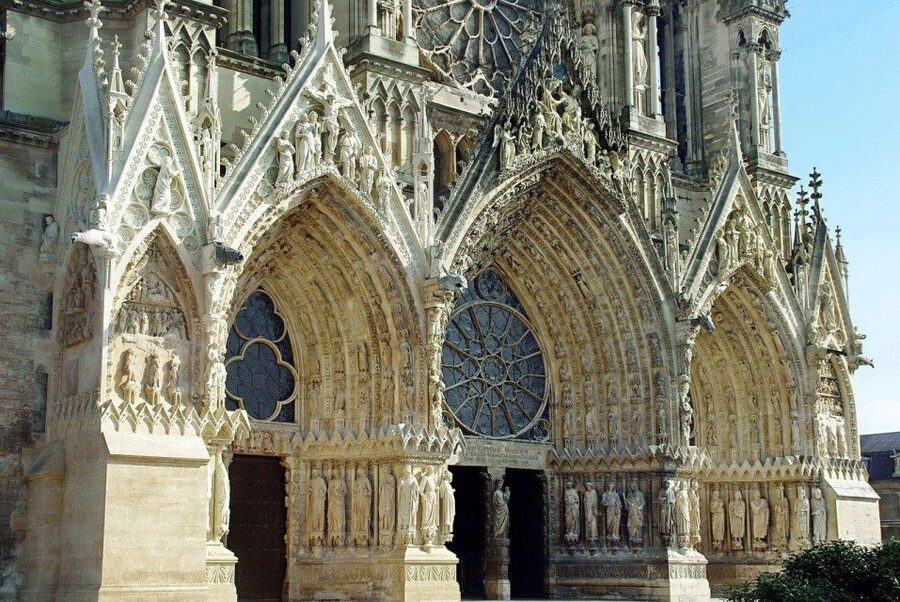
The day starts with a short sightseeing drive and introduction to Reims, known both as the city of coronations and the city of Champagne. The scheduled sightseeing portion is about 20 minutes, followed by a 30-minute guided visit inside Notre-Dame de Reims.
The cathedral is not just a stop to fill time between tastings. French kings were crowned here, and the building is a major example of Gothic architecture. Inside, you can look for the soaring 13th-century design and the stained glass, including the modern windows associated with the cathedral’s long artistic life.
Thirty minutes is enough to see the major features and hear the central story, but it is not enough for a slow architectural study. If Notre-Dame is a priority, you may want to return independently after the tour. On the day itself, the visit works well because it gives your senses a break from Champagne and explains why Reims deserves more than a quick station transfer.
I like this part of the program because it keeps the tour from becoming only a series of tastings. You are given a reason to care about the city before heading into the vineyards.
The Veuve Clicquot visit and four tastings
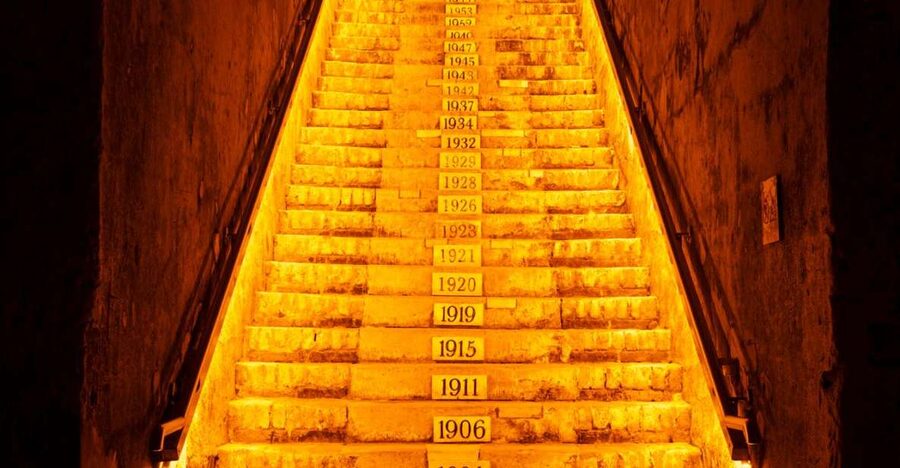
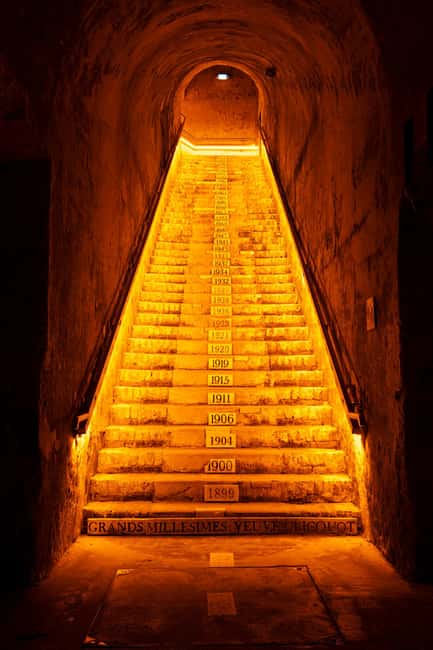
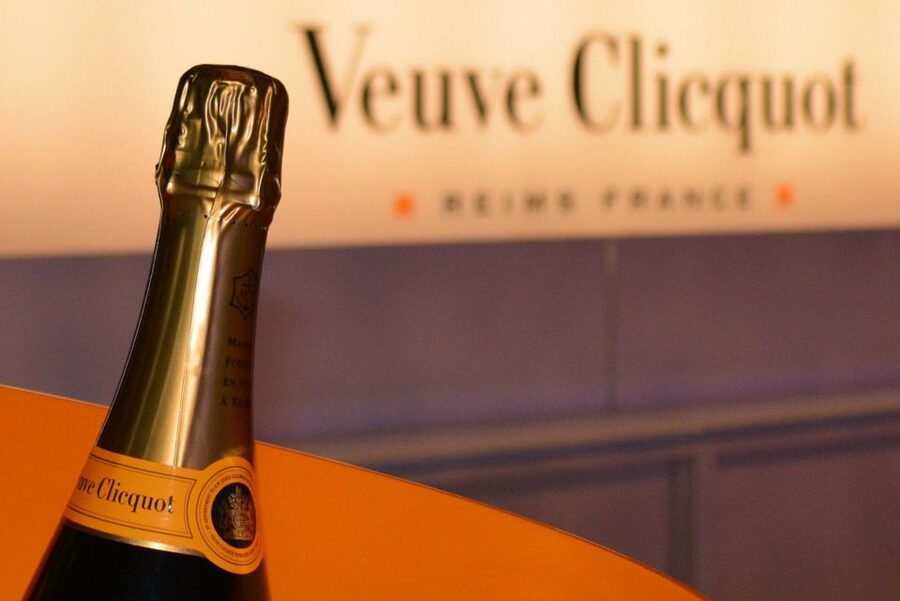
The Veuve Clicquot Ponsardin Visitors Center is the first major Champagne stop. The guided visit lasts about 90 minutes, and admission plus four Champagne tastings are included.
Veuve Clicquot is one of the world’s best-known Champagne names, so this is the polished, brand-focused side of the region. You can expect an organized visit that explains how the house presents its Champagne and how the production process works. The attraction here is not intimacy. It is the chance to see how a famous producer communicates its identity and quality to an international audience.
Four glasses make this more than a token sample. You have enough to compare styles and begin thinking about how grape varieties, blending, aging, and house character affect what is in your glass. Your guide can also connect the formal visit to the wider region, which is where the small-group format helps.
There is one point to keep in mind. A 2023 departure had Veuve Clicquot replaced by Moët & Chandon because of a low-season closure. The change was communicated in advance and the substitute was well received, but the experience can be affected by seasonal operating arrangements. If Veuve Clicquot is the single reason you are booking, confirm the visit for your date.
The schedule places Reims sightseeing and the cathedral around the Veuve Clicquot stop, so the exact order may feel brisk. You will get the visit, but you should not expect extended free time at the estate.
More one-day plans in Champagne:
- Disneyland® Paris 1-Day Ticket
★ 4.6 · 49,412 reviews - Normandy D-Day Sites & Cemetery Day Trip from Paris with Lunch
★ 5.0 · 6,877 reviews - From Nice: French Riviera in One Day
★ 4.5 · 5,215 reviews - Day Trip to Mont-Saint-Michel from Paris
★ 4.5 · 4,876 reviews
Lunch in the Marne area
After the city and the first Champagne house, the minivan heads toward the Marne area for a 90-minute lunch at a local restaurant. Lunch is included, while extra drinks are not.
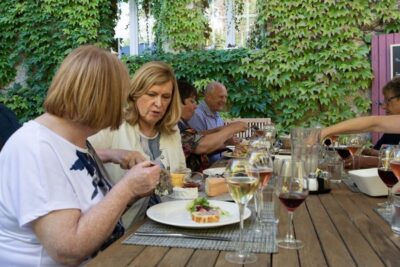
This is a useful pause. A full day of Champagne can become tiring, and sitting down for a proper meal gives you time to talk with the guide and the other people in the group. The setting is described as a quaint French village atmosphere, which adds a more local feel than eating at a large visitor complex.
I would keep expectations sensible. The food is part of a fixed tour day, not a restaurant pilgrimage. One person found the meal only average and had trouble finding a vegetarian main course, ending up with potatoes, fries, and a cold hard-boiled egg. If you do not eat meat, ask about the available choice when booking or at the start of the day.
For most people, the included lunch is still a practical benefit. You do not have to spend time choosing a restaurant or risk losing your place in the schedule. Just remember that the meal is designed for convenience and regional atmosphere, not necessarily for a standout culinary experience.
Through Montagne de Reims and its Grand Cru villages
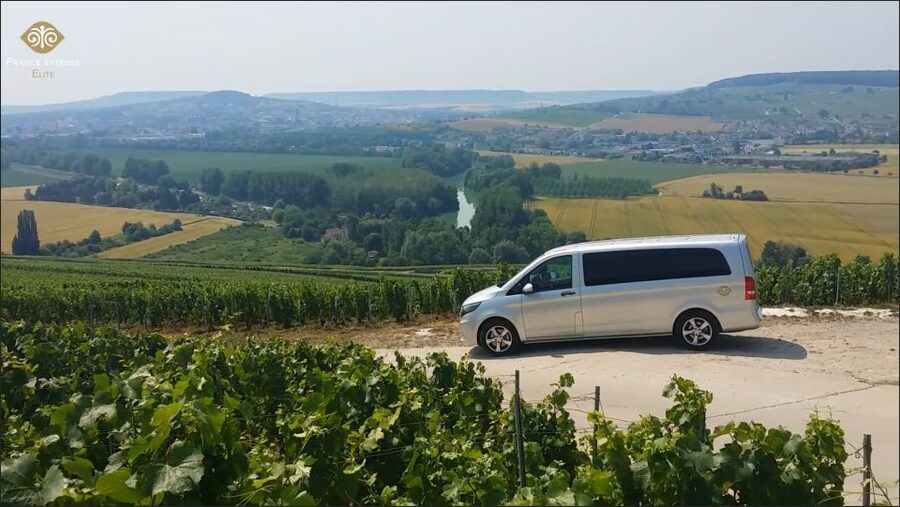
After lunch, the route passes through the vineyards of Montagne de Reims, including the Grand Cru villages of Verzenay and Mailly. The drive takes about 20 minutes from the lunch area, followed by roughly 30 minutes of vineyard sightseeing.
This is where the tour connects the drink in your glass to the ground beneath the vines. Your guide explains the Champagne-making process and the importance of terroir, the combination of soil, site, climate, and cultivation that influences the grapes.
You will have the chance to stop for photographs and see the vineyards directly rather than viewing them only through a minivan window. The scenery changes with the season, but the value of this portion is the explanation. A field of vines can look like any other field until someone points out why a village designation or Grand Cru classification matters.
The route also helps explain why Reims is a useful base. You can reach both the historic city and the vineyard villages without changing hotels. Still, this is a sightseeing stop, not a walking tour through the countryside. You should expect a short, guided look rather than hours among the vines.
One disappointment for some people is the absence of Epernay. The tour focuses on Reims and Montagne de Reims, so it is not designed to cover every major Champagne center. If Avenue de Champagne and Epernay are essential to your plans, choose a separate visit rather than trying to make this one do everything.
The family grower and three final glasses
The second Champagne visit is at a family estate. Here, the tone changes from a major international brand to a smaller producer with a more personal story. The visit and tasting together last about 90 minutes, with three glasses included.
This is likely to be the most distinctive stop for anyone curious about how Champagne is made beyond the famous labels. The description points to a family business and, in one especially warm account, a third-generation Champagne maker who hosted the group with obvious pleasure. That kind of contact gives you a clearer sense of the work, continuity, and personal commitment behind a smaller estate.
The three tastings also serve a purpose. You can compare them with the four glasses from Veuve Clicquot and think about scale, house style, and the way a producer’s identity comes through in the bottle. I would pay close attention to how the grower explains the grapes, vineyard sites, and production choices. The smaller setting is where questions often feel more natural.
This stop is not just a bonus tasting. It corrects a common misunderstanding about Champagne. The region is not only a collection of grand names and glossy visitor centers. Family producers are part of its character, and their wines can offer a different expression of the same area.
The small producer visit has been the emotional high point for several people who took this tour. If you care about personal stories and direct contact with producers, this part may be worth more to you than the famous-name visit.
Guides make or break the day
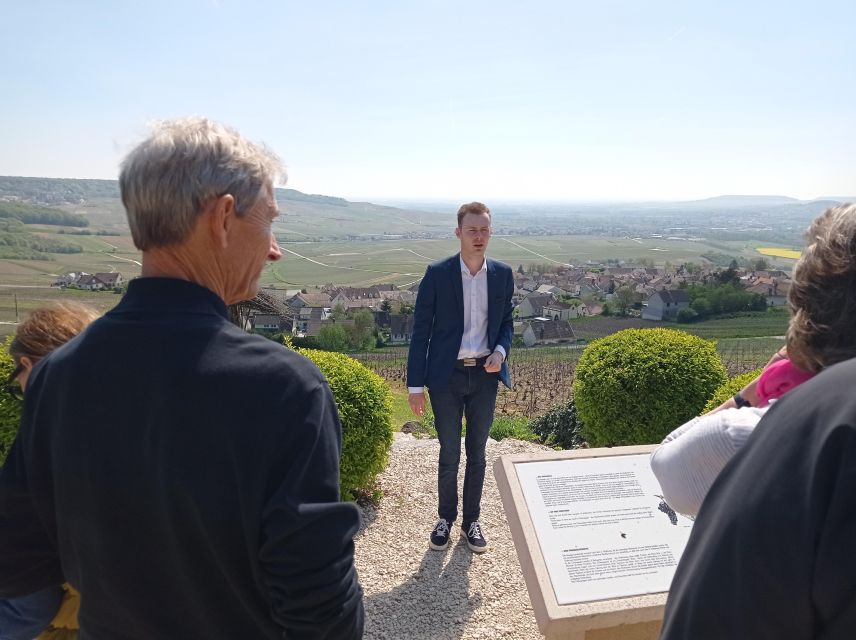
The guide is the thread holding this long schedule together. Pierre has been praised for his humor, clear English, and broad knowledge of Reims and the surrounding area. Rodamus, also called Radames in some accounts, has been described as attentive, passionate, fluent in both French and English, and willing to answer questions well beyond the basic program.
Dorothee and Ann Marie have also been praised for warmth, humor, and care for individual needs. Those details matter because the day includes several transfers and a mix of history, wine education, and sightseeing. A flat guide could make the schedule feel like a checklist. A good one turns the drive between stops into part of the experience.
The guide also has to manage the group’s pace. You will be moving from a city visit to a major estate, then to lunch, vineyards, and a family cellar. The highly rated transport score, with 87 percent of ratings giving transport a perfect mark, supports the idea that the minivan is generally clean and comfortable.
There is one serious caution. One person reported that the guide was visibly ill, coughing and later disclosing a fever, and felt the tour should have been canceled. That is an isolated but important health concern. If your guide appears unwell, speak up early and contact the operator rather than quietly accepting the situation.
Is $389 a fair price?
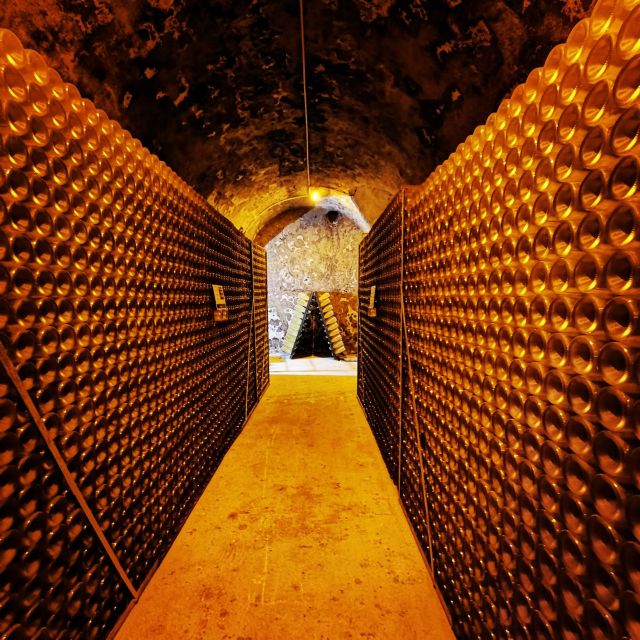
At $389, this is not a budget outing. The cost includes minivan transportation during the tour, an English-speaking guide, the Veuve Clicquot entrance fee, four tastings there, three tastings at the family grower, and lunch.
To judge the value, count what you would otherwise need to arrange. You would need transport from Reims to the Champagne houses, reservations at two producers, a way to reach the vineyards, a restaurant, and someone to explain what you are seeing. The group size also gives you a more personal format than a large coach.
The price makes the most sense if you want an efficient introduction and do not have a car. It is less attractive if you already have a rental car, prefer long tastings at one producer, or want to choose your own restaurants and Champagne houses.
I see the value in the contrast. Four glasses at a famous house, three at a family grower, a cathedral visit, vineyard scenery, lunch, and transport create a broad day. You are paying for access and structure as much as for the wine.
Who should book this day?
I would choose this tour if you are staying in Reims and want one organized day that covers the city and countryside. It suits first-time visitors who want a clear introduction to Champagne without having to master local transport or producer reservations.
It is also a good fit for people who enjoy guided history. Notre-Dame and the coronation story give the day a useful cultural balance. The family estate makes it especially appealing if you want a more personal encounter rather than only a famous label.
You may want another plan if you use a wheelchair, since the experience is not suitable for wheelchair users. I would also skip it if you need a vegetarian lunch guaranteed in advance, want substantial free time, or are determined to visit Epernay.
Book carefully around the train schedule. If you are coming from Paris, the morning connection is tight, and you should not assume the tour can wait for a delayed train. Free cancellation is available up to three days in advance for a full refund, which helps if your plans are still shifting.
Final verdict: a strong introduction to Champagne
I would recommend this day to anyone who wants both the famous face and the family side of Champagne. Veuve Clicquot gives you the major-house experience, while the small estate adds the human scale that makes the region memorable.
The schedule is full, the price is high, and lunch may disappoint if you need a careful vegetarian option. But the combination of seven tastings, Reims Cathedral, Grand Cru villages, comfortable minivan transport, and a small group is hard to arrange independently in one day.
Book it if you value a good guide, efficient transport, and variety. Skip it if you want to linger over one estate or build a day around Epernay. For a first look at Reims and Champagne, this is a well-shaped and generally excellent choice.
FAQ
Where does the tour start?
The meeting point is in front of the tourist office on the forecourt of Reims Central Station. You should arrive by 9:20 AM when staying in Reims.
How long does the tour last?
The listed duration is 510 minutes, or 8 hours and 30 minutes. The tour is scheduled to return to Reims Central Station at 5:45 PM.
How many Champagne tastings are included?
You receive four Champagne tastings at Veuve Clicquot and three tastings at the family grower, for seven tastings in total.
Is lunch included?
Yes. Lunch at a local restaurant is included. Extra drinks are not included.
Can I take this tour from Paris?
Yes, but you must arrange and pay for your own train to Reims. The suggested Monday through Saturday TGV leaves Paris-Est at 8:28 AM and arrives at Reims at 9:14 AM. The operator is not responsible for train delays or cancellations.
Is the tour suitable for wheelchair users?
No. The experience is listed as unsuitable for wheelchair users.
Recently added in Champagne
- The Must-sees 3h30 from Epernay (Private Half day Champagne Tour)★ 5.0 · 30 reviews
- From Epernay: Champagne Small-Group tour with tastings & Lunch★ 5.0 · 93 reviews
- Food & Champagne Experience from Epernay (Private tour)★ 4.5 · 28 reviews
- The Connoisseurs from Epernay (Private Half day Champagne Tour)★ 5.0 · 59 reviews
- Champagne experience with a vintage van from Epernay – 3 hours★ 5.0 · 108 reviews
- Bubble Champagne Tour from Epernay (Small group half day tour)★ 5.0 · 58 reviews
- Champagne Munoz Bruneau : Half Day Visit and Tasting★ 5.0 · 50 reviews
- From Epernay Full day Electric bike Champagne and lunch★ 5.0 · 36 reviews
Champagne Tours, compared.
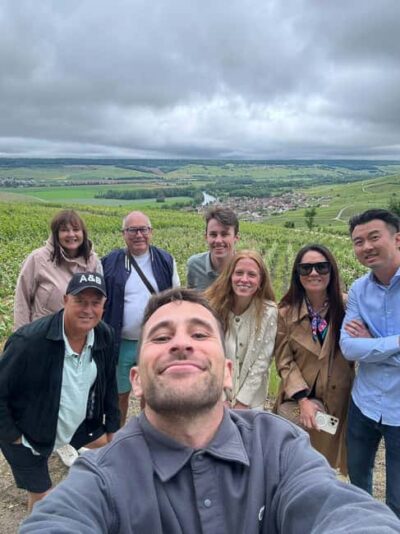
Reims afternoon tour Champagne and family growers
Read our review →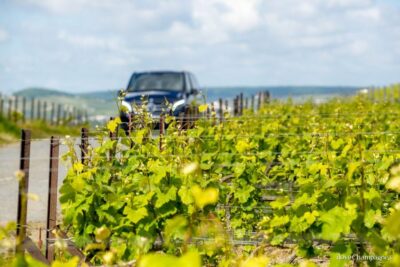
Aÿ-Champagne: Pressoria Champagne Museum with Tasting
Read our review →
Aÿ-Champagne: Champagne House Tour and Tasting Class
Read our review →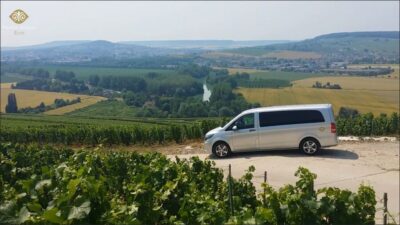
Champagne Day Trip to 3 Family Domains & Lunch
Read our review →
Champagne: E-Bike Champagne Day Tour with Tastings and Lunch
Read our review →Browse the lists this tour appears in