
REVIEW · WALKING TOURS
Montmartre Walking Tour with a Local Guide
Montmartre rewards curious walkers. This two-hour English tour links the Moulin Rouge, artists’ studios, quiet corners, Place du Tertre, and Sacré-Cœur in a sensible uphill route. I like the personal stories about Picasso, Van Gogh, Lautrec, and other artists who shaped the district. I also like the small-group feel, with guides such as Samy taking time for questions, photos, and local advice.
The main consideration is the hill. You will climb gradually through cobbled streets, with some moderate slopes before reaching the basilica. The walk suits most people who can manage an easy-to-moderate uphill route, but it is not designed for wheelchair users or people with major mobility limits.
In This Review
- Five things to know before you book
- Starting below the hill at Place Blanche
- Moulin Rouge and the neighborhood’s cabaret past
- The Wall of Love adds a modern pause
- Moulin de la Galette and the artists’ Montmartre
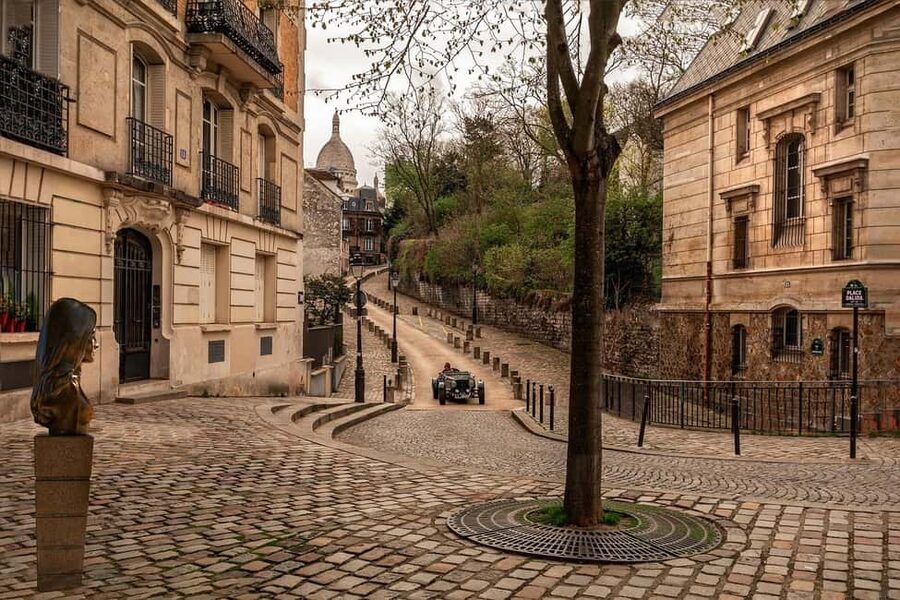
- Dalida’s statue and a neighborhood of local icons
- La Maison Rose and the charm of small streets
- Place du Tertre, where art becomes a public show
- The gradual climb to Sacré-Cœur
- Inside Sacré-Cœur and the grand Paris view
- How the guides shape the experience
- Is $27 a fair price?
- Who should book this walk?
- Should you book it?
- FAQ
- Where does the Montmartre walking tour start?
- Where does the tour finish?
- How long does the walking tour last?
- What language is the tour conducted in?
- Does the tour enter Sacré-Cœur?
- Is food included?
- What should I wear?
- Is the tour suitable for wheelchair users?
- Can I cancel the booking?
Five things to know before you book

- The route starts at Place Blanche: Meet near the Blanche Metro station exit on Line 2, close to the Moulin Rouge. Look for the guide’s green booklet and green badge.
- You see Montmartre in layers: The walk moves from cabaret history and street art to painters, village-like lanes, famous cafés, and the basilica on the hilltop.
- The guide makes the difference: Samy is praised for clear English, friendly energy, patience, safety advice, and an ability to adjust the pace for children and older walkers.
- The climb is gradual, not stair-heavy: The route reaches Sacré-Cœur by walking through the neighborhood, rather than relying only on the long staircase from below.
- The final view is a strong payoff: From Montmartre, you can look across Paris toward the Eiffel Tower, Notre Dame, and Montparnasse Tower.
- The price is modest for a guided introduction: At $27 per person, you pay mainly for interpretation, direction, and the small details you might miss alone.
Starting below the hill at Place Blanche
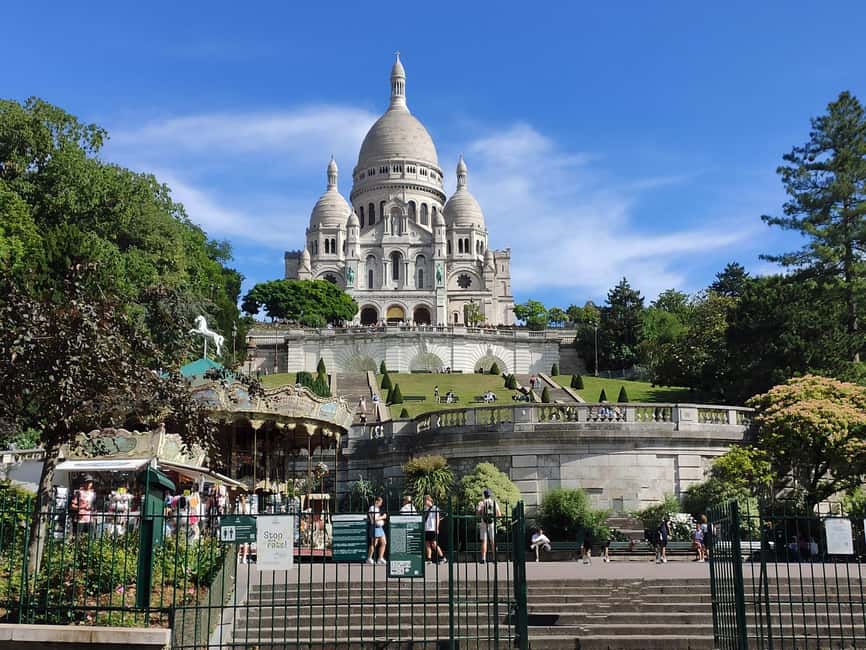
Place Blanche is an energetic starting point on the lower edge of Montmartre. It puts you beside the Moulin Rouge and close to Blanche Metro station, making the meeting point easy to reach by public transport.
You should arrive a little early and stand near the station exit rather than wandering around the square. The guide is identified by a green booklet and green badge. That detail matters in a busy part of Paris, especially when several groups may be gathering near the famous cabaret.
The tour begins with orientation. You are not simply pointed uphill and sent off. The guide introduces Montmartre as an artistic and bohemian district, then connects the streets around you with the writers, painters, performers, and nightlife that made the area famous.
More Walking Tours in Paris
- Paris Top Sights Half Day Walking Tour with a Fun Guide
★ 5.0 · 2,893 reviews - Montmartre Hidden Gems and Scenic Highlights Walking Tour
★ 5.0 · 2,684 reviews - Montmartre Hill French Gourmet Food and Wine Tasting Walking Tour
★ 5.0 · 2,588 reviews
Moulin Rouge and the neighborhood’s cabaret past
The Moulin Rouge is a quick first stop, mainly for photographs and an introduction to the area. The guided portion here lasts about 10 minutes, so do not expect a full visit inside the cabaret. This is an exterior stop that gives you the setting and the story.
The value is in the context. Montmartre is often reduced to pretty streets and artist portraits, but its identity also comes from entertainment, dance halls, and the late-night culture around places such as the Moulin Rouge. A good guide helps you see how the neighborhood’s art scene and popular culture overlapped.
You will have a chance for photos, but the street can be crowded. Keep the group’s pace in mind and do not expect a long pause for elaborate shots. The tour is designed to keep moving.
The Wall of Love adds a modern pause
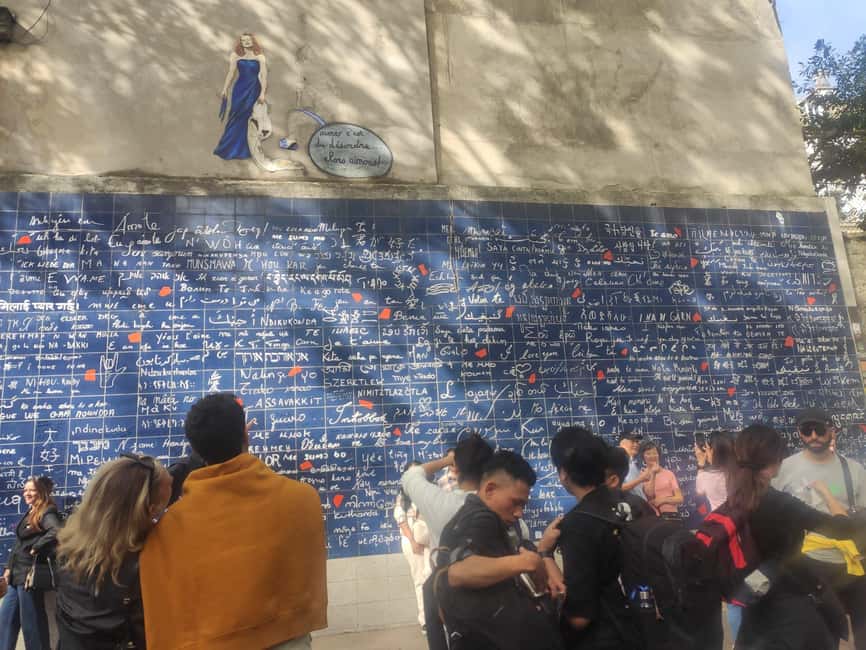
The Wall of Love, or Le Mur des Je T’aime, gives the walk a different mood. It is a public artwork covered with the phrase I love you in many languages, making it a natural photo stop and a pleasant break from the older streets and buildings.
The visit lasts around 10 minutes. That is enough to see the wall, take pictures, and hear the basic story without turning the stop into a long art lecture.
I like this part because it broadens the picture of Montmartre. The district is not only about famous dead painters and nineteenth-century cafés. It also has modern public art and places that have become popular with couples, families, and anyone looking for a memorable Paris photograph.
Moulin de la Galette and the artists’ Montmartre
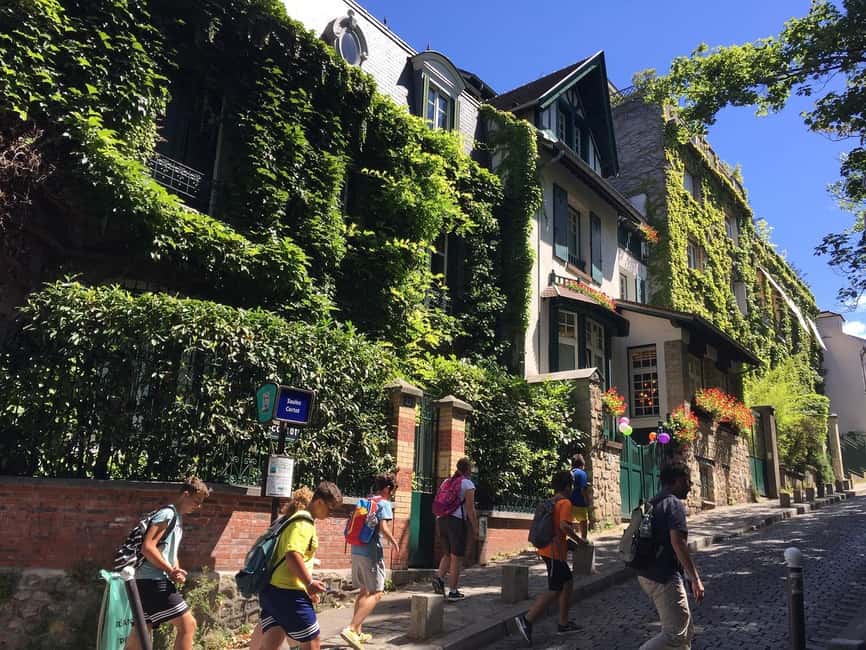
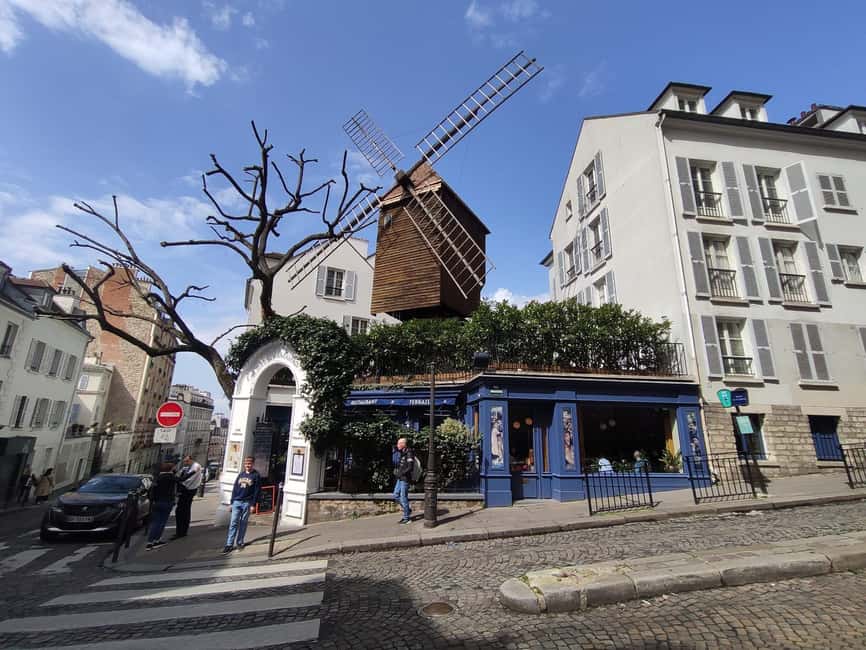
The Moulin de la Galette is one of the more meaningful stops for anyone interested in art. The name recalls an old windmill and the dance hall associated with Montmartre’s social life. It also connects with the painters who used the neighborhood as both home and subject.
This is where the guide’s storytelling matters most. Picasso, Van Gogh, and Toulouse-Lautrec are not presented as distant names on a museum label. Their connection to these streets helps explain why Montmartre became such a magnet for artists.
The stop is another short photo and explanation point, roughly 10 minutes. You will not tour a museum or enter every historic building, so set your expectations correctly. The reward is seeing the actual streets and exteriors linked to the district’s past, then adding fuller details later if you decide to visit an art museum.
Same city, a slower kind of day:
- Paris: Louvre Museum Timed-Entrance Ticket
★ 4.6 · 71,977 reviews - Disneyland® Paris 1-Day Ticket
★ 4.6 · 49,412 reviews - Paris: Versailles Palace and Gardens Full Access Ticket
★ 4.6 · 41,579 reviews - Paris: Evening River Cruise with Music
★ 4.4 · 22,721 reviews
Dalida’s statue and a neighborhood of local icons
The statue of Dalida is a small but memorable stop. It honors the French-Italian singer who lived in Montmartre and remains closely tied to the neighborhood.
The tour uses the statue to show that Montmartre’s famous residents were not all painters. Music, cinema, cabaret, and popular entertainment are part of the district’s identity too. That mix gives the walk more range than a simple art-history route.
You will have about 10 minutes for photos and explanation. The statue is also a useful reminder that Montmartre is not a preserved stage set. It has continued to attract public figures and artists long after Picasso and Van Gogh moved on.
La Maison Rose and the charm of small streets
La Maison Rose is one of Montmartre’s most photographed corners. Its pink exterior and compact setting make it easy to recognize, but the guide adds more value than a quick photo stop alone.
The house is connected with the artistic image of Montmartre and sits in the sort of lane that makes this district feel separate from the wider city. You can expect another short stop, around 10 minutes, with time to take photos and hear about the area.
This is also where the walking route earns its keep. Alone, you might find the building but miss the connections between the house, nearby streets, local artists, and the wider character of the hill. The guide may also point out small visual details, including street art and features you could easily pass without noticing.
Remember that famous photo spots attract plenty of people. One useful point is that Montmartre can feel crowded, especially around its best-known corners. That does not spoil the route, but it does mean you should expect shared views rather than quiet solitude.
Place du Tertre, where art becomes a public show
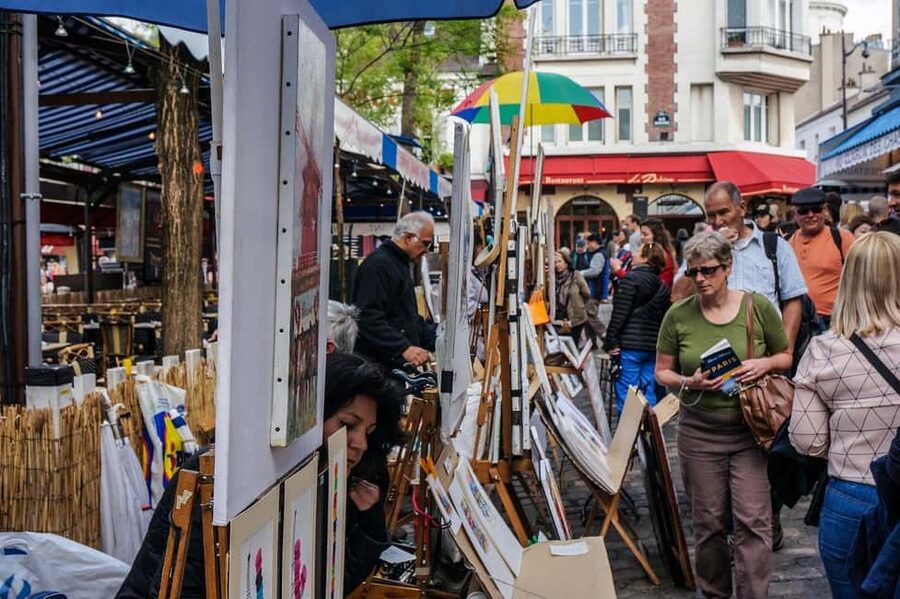
Place du Tertre is the traditional artists’ square and one of the tour’s central stops. Painters display their work around the square, giving you a direct look at the commercial and public side of Montmartre’s art culture.
The guide offers history here, but you also get time to walk and look around. This is a good place to pause and absorb the scene rather than rush from one landmark to the next.
I appreciate that the tour does not treat the square as a perfect museum piece. It is an active tourist area, and the presence of portrait artists, souvenir sellers, cafés, and crowds is part of the modern experience. You may find it busy, but you will also see why this corner remains closely tied to Montmartre’s artistic reputation.
If you want to buy artwork or have a portrait made, use your own judgment and take your time. The tour does not include purchases, food, or drinks. Its job is to explain the setting and help you explore it with some sense of place.
The gradual climb to Sacré-Cœur
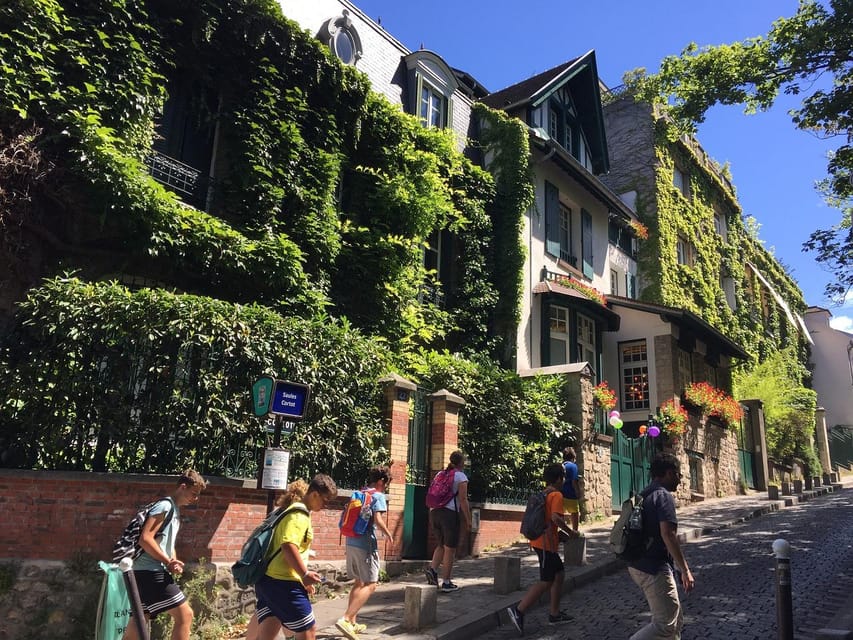
From Place du Tertre, the walk continues uphill toward the Basilica of Sacré-Cœur. The route includes moderate climbs, but it reaches the basilica through Montmartre’s streets rather than treating the hill as one long staircase.
That makes a real difference for many people. You still need comfortable shoes and reasonable walking ability, but the climb is broken into short stops. Guides such as Samy have been especially praised for slowing down for older relatives, toddlers, and mixed-ability groups.
Do not mistake the relaxed pace for a flat walk. You will be on cobbled streets and slopes, and the tour runs in rain or shine. Wear shoes with good support, and bring weather protection. The walk can last longer than two hours if the group moves slowly, stops for more questions, or needs extra time.
The guide’s attention to safety is useful here. Montmartre has crowds, narrow streets, uneven ground, and the usual need to keep personal belongings secure. A short warning at the right moment can make the route feel easier and less stressful.
Inside Sacré-Cœur and the grand Paris view
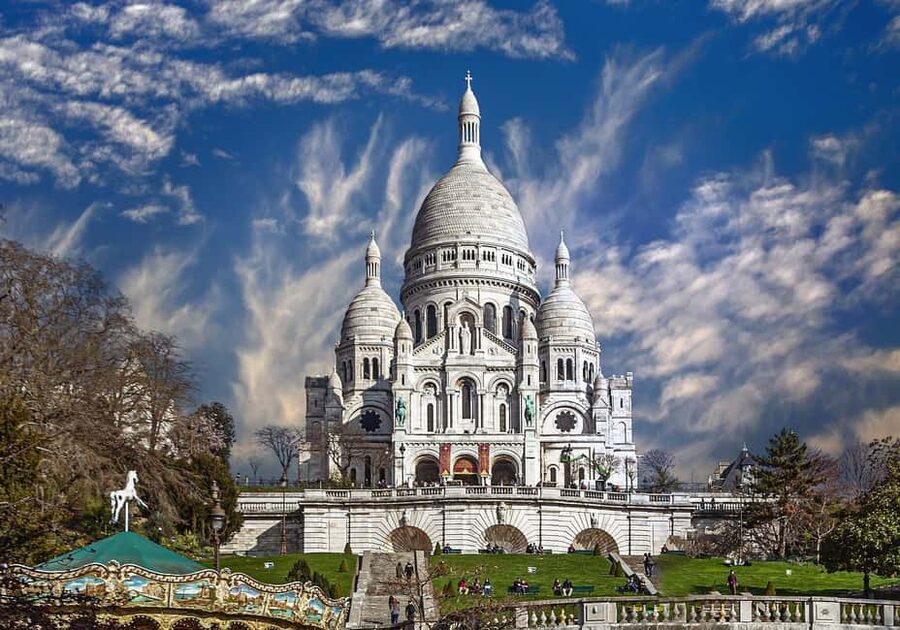
The tour finishes at the Basilica of the Sacred Heart of Paris, usually called Sacré-Cœur. You explore the exterior and go inside, then take in the panoramic view from the hill.
The basilica is the visual payoff, but the view may be the emotional high point. From Montmartre, you can look across Paris toward major landmarks including the Eiffel Tower, Notre Dame, and Montparnasse Tower. Weather and visibility will affect how much you see, so the panorama is never exactly the same.
The tour ends at the basilica rather than returning you to Place Blanche. That is useful because you can continue exploring Sacré-Cœur, remain in Montmartre for food or shopping, or make your own way elsewhere. The supplied information notes that the Montmartre funicular can help with the return toward the Moulin Rouge area, using a valid Paris Metro pass.
The basilica interior is included, but this is not a dedicated church tour. The main experience is the route, the stories, and the viewpoint. If you want a long visit inside Sacré-Cœur or access to every possible area, plan extra time after the walk.
How the guides shape the experience
The strongest part of this tour is the guide’s role. Samy is repeatedly praised for making history easy to follow, answering questions, taking family photos, and adjusting the pace without making anyone feel rushed.
That combination is valuable in Montmartre. The neighborhood has enough famous sights to fill a guidebook, but its best moments often come from small details: a former resident, an unusual building, a piece of graffiti, a film location, or a side street that you would otherwise pass.
Samy’s English is described as clear, and his approach is friendly rather than formal. He also gives practical suggestions for other things to do in Paris. That makes the tour useful early in a trip, when you are still deciding how to spend the rest of your time.
The group can be small, with one account describing a maximum of eight people. Group size may vary, so you should not assume every departure will be private. Still, the repeated reports of leisurely pacing and personal attention suggest a more intimate experience than a large flag-led walk.
Is $27 a fair price?
At $27 per person, this is good value if you want an introduction to Montmartre rather than a private, specialist art tour. You are paying for two hours of route planning, local interpretation, group management, and the chance to ask questions as you go.
The price does not include food, drinks, museum tickets, or shopping. That keeps the cost clear, but you should budget separately if you want lunch, a café stop, artwork, or additional visits after the tour.
I see the best value for first-time visitors. You get the main landmarks in one compact outing and learn how they connect. If you already know Montmartre well, the benefit depends on the guide and your interest in local stories.
The advertised time is about two hours, but the walk may take longer. Several accounts describe guides spending extra time when weather, questions, or the group’s pace called for it. That is pleasant if your schedule is open, but do not book the tour immediately before a fixed reservation.
Who should book this walk?
I would choose this tour if you want:
- A first look at Montmartre without planning your own route
- Stories about artists, singers, cabaret, and local culture
- A gentle but real uphill walk
- A small-group setting with chances to ask questions
- Family photos taken by the guide
- A finish at Sacré-Cœur with a wide Paris view
- English-language guidance at a moderate price
Families can do well here, especially when children need a flexible pace. Older walkers may also manage it if they are comfortable with hills and cobblestones. The guide’s willingness to pause is a help, but it does not remove the physical demands of the route.
This is not the right choice for wheelchair users or people with mobility impairments. It is also less suitable if you want a silent photography walk, a museum-heavy art tour, or a fixed two-hour finish with no chance of delay.
Free cancellation up to 24 hours before the start and the option to reserve now and pay later make the booking less rigid. Still, the most important decision is practical: can you comfortably walk uphill for around two hours in changing weather?
Should you book it?
Book this Montmartre walk if you want the district to make sense, not just look pretty in photographs. The route covers the classic sights, but the real benefit is the connecting story: cabaret below the hill, artists in the lanes, public art and music along the way, then Sacré-Cœur above it all.
At $27, it is a sensible choice for a first visit, especially if Samy is guiding your departure. Skip it if the hills are a serious problem or if you prefer to explore alone at a very slow, unstructured pace. For most able walkers, this is an efficient and friendly way to get your bearings in one of Paris’s most distinctive neighborhoods.
FAQ
Where does the Montmartre walking tour start?
It starts near the exit of Blanche Metro station on Line 2, close to the Moulin Rouge. Look for the guide with a green booklet and green badge.
Where does the tour finish?
The tour finishes at the Basilica of the Sacred Heart of Paris, also known as Sacré-Cœur.
How long does the walking tour last?
The scheduled duration is two hours. It may take longer depending on the group’s pace, questions, number of stops, and participants’ comfort.
What language is the tour conducted in?
The live tour is conducted in English.
Does the tour enter Sacré-Cœur?
Yes. The experience includes exploring the outside and inside of the Basilica of Sacré-Cœur.
Is food included?
No. Food and drinks are not included.
What should I wear?
Bring comfortable shoes. The route includes cobbled streets and moderate uphill sections.
Is the tour suitable for wheelchair users?
No. The tour is not suitable for wheelchair users or people with mobility impairments.
Can I cancel the booking?
Yes. You can cancel up to 24 hours in advance for a full refund. You can also reserve now and pay later.
Recently added in Paris
- Private Transfers in Paris★ 5.0 · 75 reviews
- CDG – Euro Disney – CDG Two Way Private Shuttle Transfer★ 5.0 · 233 reviews
- Disneyland® Paris 1 Day Ticket with Transport from Paris★ 3.5 · 302 reviews
- Personalized Transport service from Disneyland to Paris★ 5.0 · 63 reviews
- Monet’s Gardens & House-Private Giverny Tour From Paris★ 4.5 · 137 reviews
- Guided tour Monet’s house and gardens/small group★ 4.5 · 68 reviews
- Giverny Monet House and Gardens Skip the line Walking tour★ 4.0 · 217 reviews
- Monet’s House and Garden & Giverny Village★ 4.5 · 39 reviews
Walking Tours, compared.

Paris Top Sights Half Day Walking Tour with a Fun Guide
Read our review →
Montmartre Hidden Gems and Scenic Highlights Walking Tour
Read our review →
Montmartre Hill French Gourmet Food and Wine Tasting Walking Tour
Read our review →
Paris Île de la Cité and Notre-Dame Walking Tour With Crypt
Read our review →
Montmartre Cheese, Wine & Pastry Guided Walking Tour
Read our review →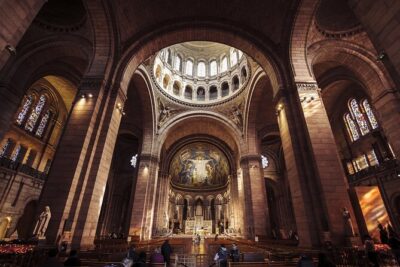
Paris in a Day: Louvre or Orsay, Eiffel Tower, City Walk & Cruise
Read our review →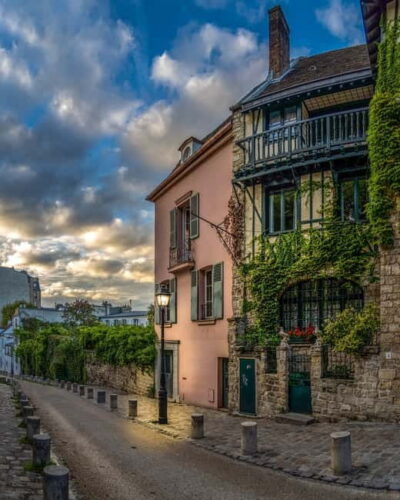
Montmartre Highlights Walking Tour with a Local Guide
Read our review →
Paris City Center Free Walking Tour (Tip-Based)
Read our review →Browse the lists this tour appears in