
REVIEW · WORKSHOPS
Paris: Bread and Croissant-Making Class
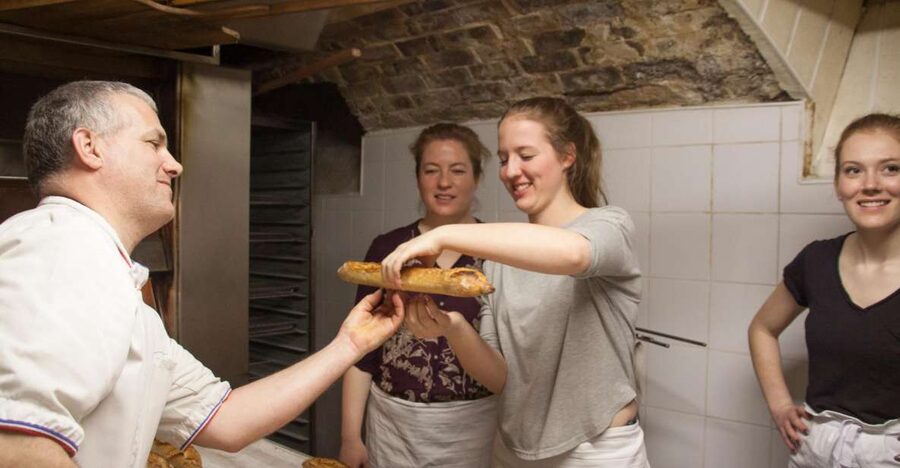
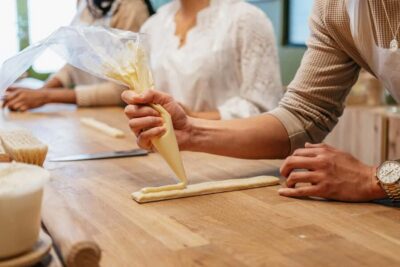
Fresh bread makes Paris even better. This two-hour class takes you behind the counter of Le Petit Mitron, a family-run bakery on rue Oberkampf, where a master baker teaches the craft behind a crisp baguette and flaky croissant. I like the small groups, limited to eight people, and the chance to work inside a real boulangerie rather than a polished cooking school. I also like that you make two baguettes, including the bakery’s special La Parisse, instead of only watching a demonstration.
The main thing to consider is the price: $258 per person is a serious splurge for two hours. You are paying for a personal lesson, ingredients, equipment, tasting, and recipes, not simply a bakery visit. The class also includes plenty of explanation, so anyone expecting nonstop hands-on work may find the balance more instructional than expected.
In This Review
- What makes this Paris baking class special
- Starting at Le Petit Mitron on rue Oberkampf
- Learning the baguette from flour to crust
- Shaping croissants without treating them like ordinary dough
- Didier and the interpreters make the lesson work
- How hands-on is the two-hour format?
- What you take home after the class
- Is $258 a fair price for two hours?
- Who should book this bakery class?
- Practical details before you reserve
- Should you book the Paris bread and croissant class?
- FAQ
- Where does the bread and croissant-making class meet?
- How long does the class last?
- What will I learn to make?
- Is the class hands-on?
- What is included in the price?
- How large is the group?
- What languages are available?
- Can children join the class?
- Can I cancel my booking?
What makes this Paris baking class special
- A working family bakery: Meet at Le Petit Mitron, at 8 rue Oberkampf in the 11th arrondissement, and learn in the baker’s own shop.
- Two distinct baguettes: Make a classic French baguette and La Parisse, the bakery’s signature loaf.
- Croissant shaping: Learn how to handle and shape croissant dough with guidance from an experienced artisan.
- Small class size: With no more than eight participants, the baker can give individual attention.
- Multilingual instruction: English, French, Japanese, and Spanish are available, with interpreters helping many classes.
- Recipes for home: Ingredients, utensils, an apron, and an emailed recipe copy are included.
Starting at Le Petit Mitron on rue Oberkampf
The meeting point is Le Petit Mitron, 8 rue Oberkampf, 75011 Paris. This address matters because you are not arriving at a rented classroom with a display kitchen. You are stepping into the bakery where the instructor works, sells bread, and carries on a family trade.
The baker comes from a line of bakers. His father and grandfather worked in the profession before him, and the class draws on techniques passed down through that family. You get a look at the working side of French bread making, including the care and judgment that do not always fit neatly into a printed recipe.
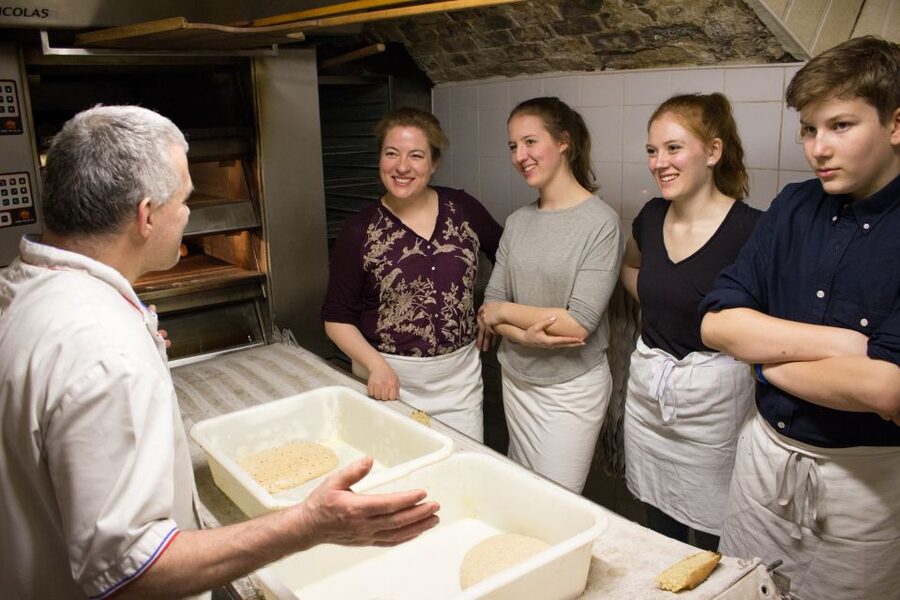
The bakery is described as modern, clean, and spacious enough for the group. That makes a difference when several people are handling dough at once. You are given the practical basics, including ingredients, utensils, and an apron, so you do not need to pack special equipment.
The setting is informal. You can expect the baker to talk, joke, demonstrate, and move around the group rather than deliver a stiff lecture. Didier, the baker named in many class experiences, is often praised for his energy, humor, and personal attention. That personality is part of the value here. Bread making can sound technical, but it is easier to follow when the teacher makes the process feel approachable.
More hands-on sessions in Paris:
- Fragonard Paris: Mini Perfume Workshop
★ 4.5 · 1,924 reviews - Paris Cooking Class and Lunch with Wine plus Market Visit Option
★ 5.0 · 1,024 reviews - Paris Croissant Small-Group Baking Class with a Chef
★ 5.0 · 910 reviews
Learning the baguette from flour to crust
The class focuses first on what makes French bread taste and feel different. You work with the ingredients and learn why small changes in mixing, shaping, and baking affect the final loaf.
The useful lesson is not simply a list of measurements. You learn to feel the dough. One participant described the practical value of getting hands into the mixture and handling the ingredients directly. That tactile work is important because dough does not always behave exactly as a recipe suggests.
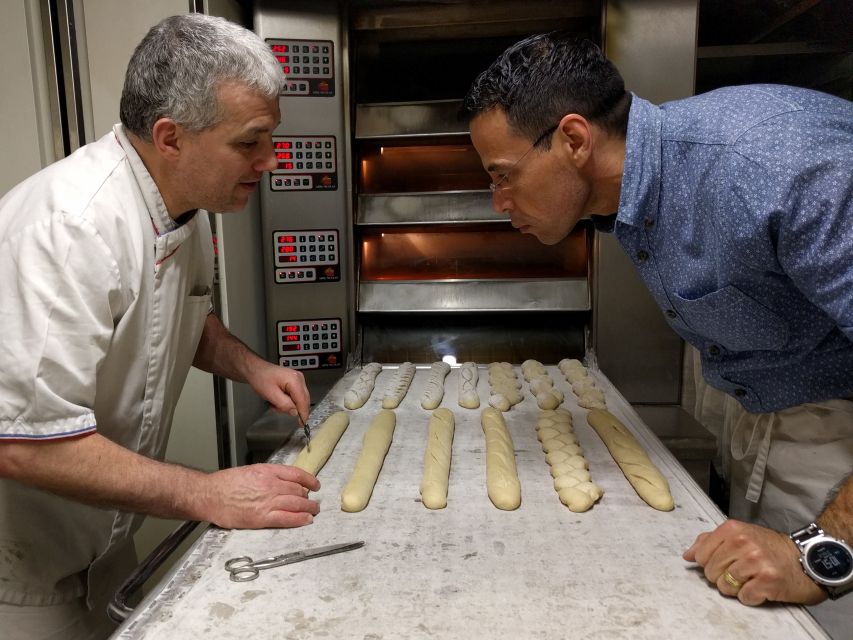
The baker explains the process step by step, including techniques for creating a thin, golden crust and a soft interior. You learn that the classic Parisian baguette is not just a long piece of bread. Its texture depends on how the dough is treated before it reaches the oven.
The demonstrations also bring French food culture into the lesson. You might hear about the history of baguette shapes and the way bread and pastries developed in France. The information is tied to what you are making, so the cultural material does not feel like a separate history talk.
You make two types of baguette:
- A traditional French baguette
- La Parisse, a special baguette associated with the bakery
The second loaf gives the class a distinct local touch. You are not making only the standard item found in every Paris bakery. You are learning a version connected to this particular shop and its baker.
One practical point: the finished bread may need time in the oven while the class continues. That can create a short wait before you taste the warm loaves. I would arrive hungry, but not so hungry that you are distracted while listening. One useful improvement would be a small snack during the waiting period, since you will be surrounded by bread and pastries.
Shaping croissants without treating them like ordinary dough
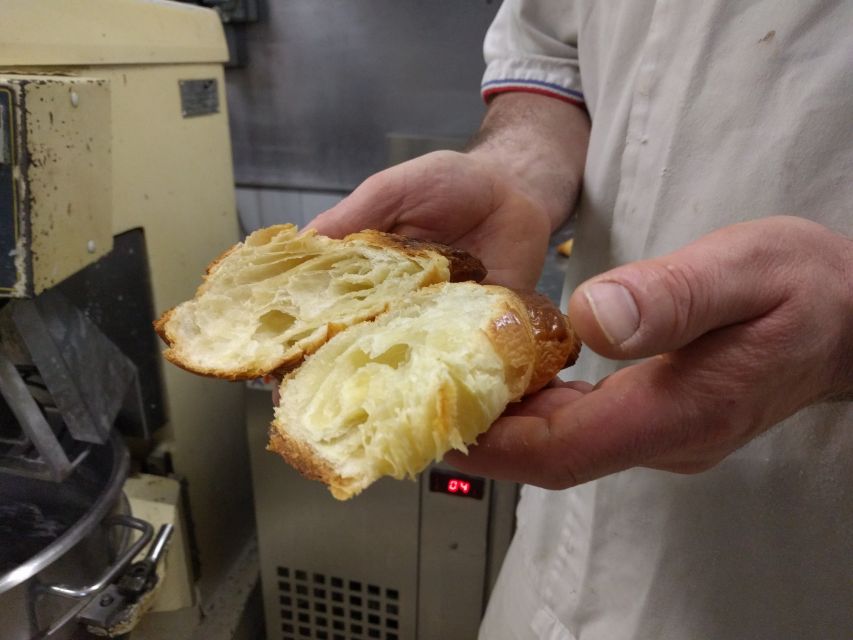
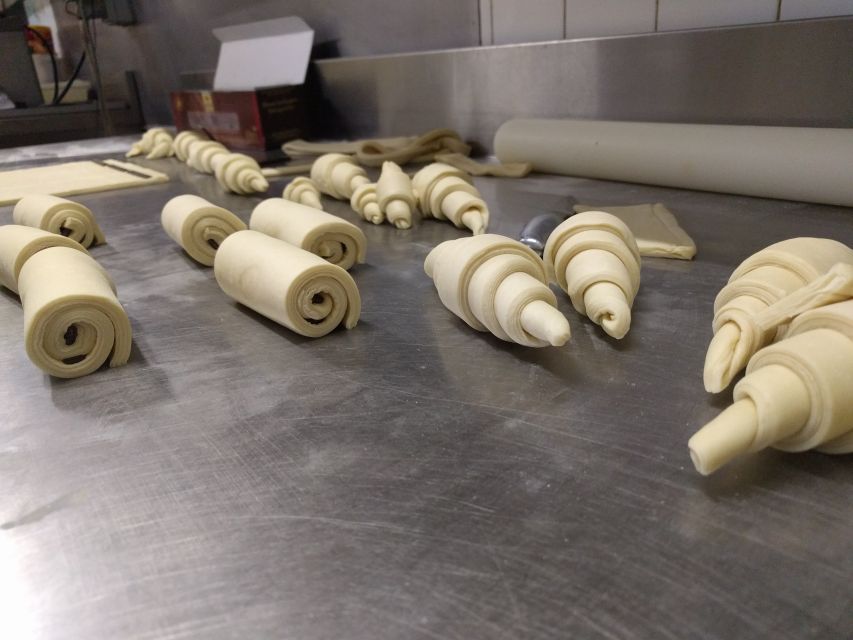
Croissants require a different kind of care. The lesson shows you how to shape them and gives you a closer look at the pastry techniques behind their curved form and layered texture.
The class is not presented as a long professional pastry course. In two hours, you should expect an introduction to the process rather than mastery of every stage. Still, the hands-on shaping helps you understand why croissants can be difficult to reproduce at home.
You also get to taste the results. Several participants especially praised the warm baguettes and croissants served during the class. That tasting is more useful than it may sound. You can connect the baker’s instructions to the finished crust, crumb, and pastry layers while the food is still fresh.
Some classes may also include pain au chocolat, according to the experience shared by participants. The central focus remains baguettes and croissants, so I would not book this class solely for chocolate pastry instruction.
The baker’s explanations cover more than technique. One participant who makes bread regularly found the class valuable because it addressed methods often missed by home bakers. Another person learned about gluten intolerance and the bakery’s flour practices. If you have a dietary concern, ask questions before tasting, and do not treat another person’s experience as a guarantee for your own health needs.
Didier and the interpreters make the lesson work
The instruction is one of the strongest parts of this experience. Didier is repeatedly described as funny, warm, high-energy, and passionate about his trade. He seems to teach through stories and demonstrations rather than relying on a formal script.
That style can be a real advantage. You are more likely to remember a bread-shaping tip when it comes with a joke or a story about the bakery. He also makes a point of including each person, which is especially useful in a group where baking experience may vary widely.
Many classes include an interpreter. Luis, Elsa, and Luce are named by participants as interpreters who provided clear, quick translations. Luis is also described as having bread-making knowledge of his own, which helped explain technical points in English. Luce was praised for her kindness and interpretation, while Elsa helped make sure no one missed the baker’s instructions.
The listed teaching languages are English, French, Japanese, and Spanish. Confirm the available language when you choose a time, especially if you need detailed instruction in a language other than French.
You may also enjoy hearing some French directly from the baker. One participant said the baker spoke slowly and clearly enough to provide useful French practice, while the interpreter kept the lesson easy to follow. That gives you the best of both options: contact with the local language and a clear explanation of the technique.
A few more Paris outings to set side by side
- Paris: Louvre Museum Timed-Entrance Ticket
★ 4.6 · 71,977 reviews - Disneyland® Paris 1-Day Ticket
★ 4.6 · 49,412 reviews - Paris: Versailles Palace and Gardens Full Access Ticket
★ 4.6 · 41,579 reviews - Paris: Evening River Cruise with Music
★ 4.4 · 22,721 reviews
How hands-on is the two-hour format?
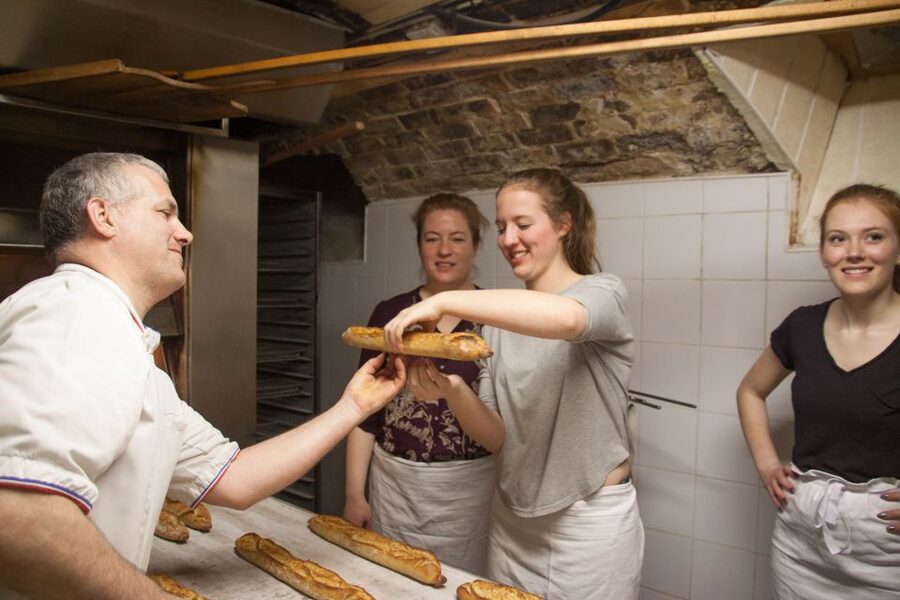
This is a hands-on class, but it also includes demonstrations and conversation. You will work with dough, shape baguettes and croissants, and learn the process from start to finish. At the same time, the baker covers bread styles, ingredients, history, bakery work, and the decisions behind the recipes.
That balance matters. If you want to spend every minute kneading, folding, and shaping, you may find the class less active than expected. If you want to understand why French bread turns out the way it does, the explanations add real value.
A small group makes the format work better. Eight people is still enough for a lively class, but it is not a large demonstration where you stand at the back and watch someone else work. The baker can give individual help, and several participants said they received personal attention.
Groups can be smaller than the maximum. One family happened to have a private class because no one else had booked that session. You should not count on that, but a smaller-than-full group is possible.
The class has also worked well for mixed ages. Families have brought children from 8 to 12, as well as adults ranging from children to older family members. The official minimum age is 6. The baker is often praised for keeping children involved while still giving adults useful technical information.
What you take home after the class
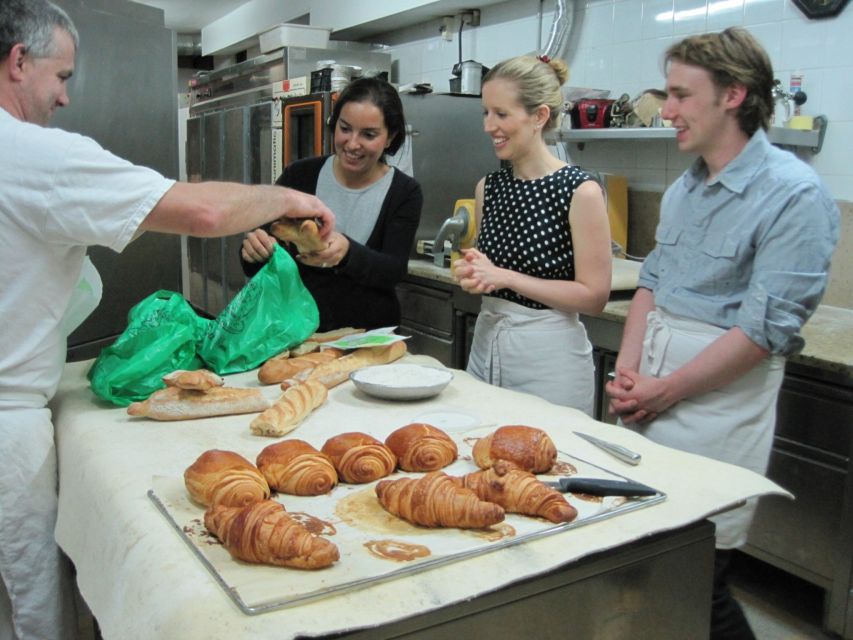
The most obvious souvenir is the bread. You bake and taste your baguettes and croissants, and several participants describe leaving with a generous amount to take away. The exact quantity may vary, so do not assume you will receive a specific number of loaves.
You also receive recipes by email. This is important because the class becomes more valuable when you return home and try the methods again. French bread depends on technique as much as ingredients, and the lesson gives you a better chance of repeating the process than a simple tasting would.
Some participants also received a dough starter. That is not listed among the standard inclusions, so I would treat it as a possible extra rather than a promise. The confirmed inclusions are the ingredients, utensils, apron, and recipe copy sent by email.
The food itself makes the experience memorable. You get to taste freshly baked bread and croissants, not pastries that have been sitting in a case for hours. For many people, the warm tasting is the emotional high point of the class, especially after handling the dough and waiting for it to bake.
I would bring a reusable bag if you plan to carry bread around Paris afterward. The class takes place in a bakery, and you may leave with more food than you expect.
Is $258 a fair price for two hours?
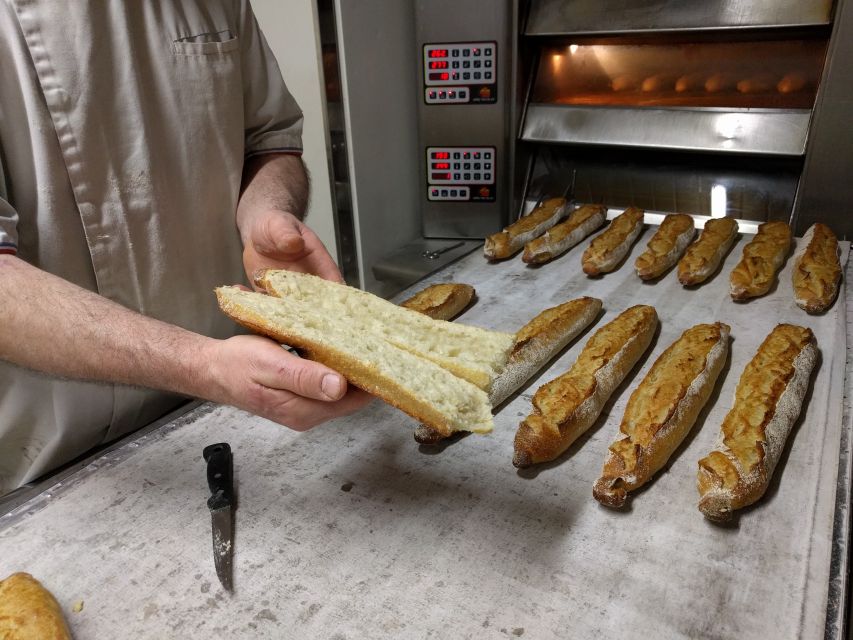
At $258 per person, this is not a budget activity. A bakery visit, market walk, or ordinary pastry tasting will cost less. The price makes more sense if you value instruction, a small group, an interpreter, fresh food, and recipes you can use at home.
You are also paying for access to an artisan’s own workplace and family methods. That is different from a large cooking demonstration built for dozens of people. The private attention and chance to handle the dough help justify the cost for serious home bakers and visitors looking for a personal food experience.
For a family, the total can become expensive quickly. Still, several families considered it one of their best Paris activities, and children stayed engaged because the lesson involved touching, shaping, tasting, and talking. If you are choosing between several paid activities, this one has a lasting benefit: you can attempt the recipes again after the trip.
I would not choose it if you are mainly looking for a cheap souvenir or a quick snack. I would choose it if French bread is part of why you came to Paris, or if you already bake and want advice from someone who works with dough every day.
Who should book this bakery class?
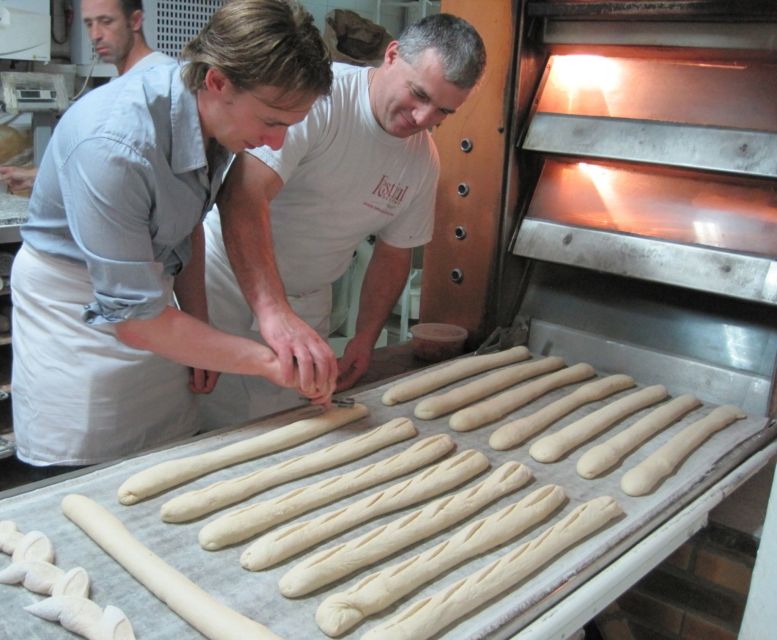
This class fits:
- Home bakers who want better baguette and croissant techniques
- Families with children aged 6 and older
- Couples looking for a food activity beyond restaurant meals
- Visitors who enjoy meeting working artisans
- People who want an edible souvenir and recipes for home
- Anyone interested in French food traditions and bakery culture
It may not fit someone who dislikes flour, standing around a work surface, or listening to explanations. The class is friendly and informal, but it is still a lesson. You need to take part rather than simply sit down for a pastry tasting.
The experience also suits a range of ages. Families with children, adult children, parents, and grandparents have all found a way to enjoy it together. The baker’s humor helps keep the mood relaxed, while the interpreter makes the technical details accessible.
Practical details before you reserve
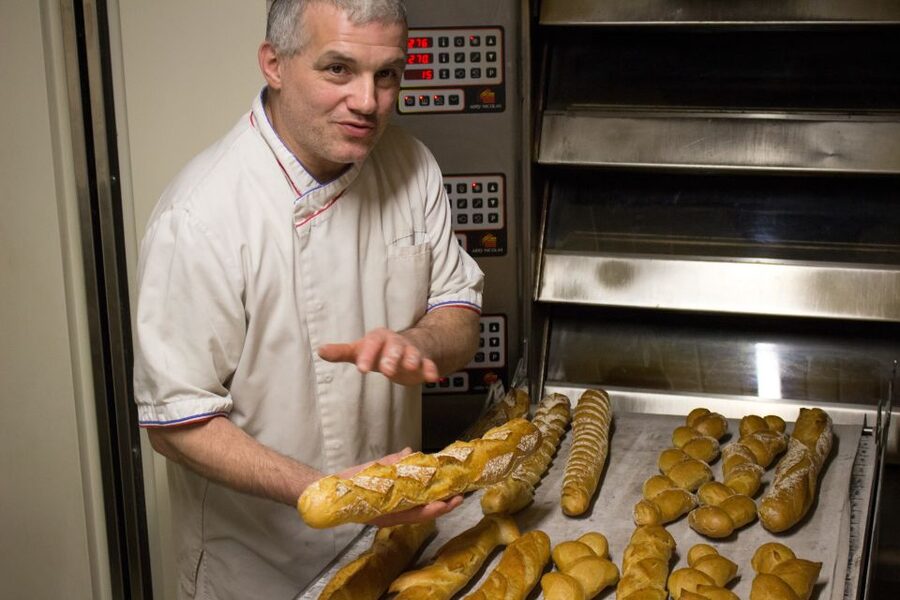
The class lasts two hours, with starting times based on availability. Plan your day around that fixed block, and allow extra time to reach 8 rue Oberkampf.
The group is limited to eight participants. That is small enough for personal instruction and large enough to create a social class. If you prefer a private lesson, you would need to ask the provider about private arrangements, since a fully private session is not guaranteed.
Children under 6 cannot take part. Older children appear to do well when they are interested in cooking and able to follow instructions. For a family class, I would explain beforehand that there will be both hands-on work and listening.
Free cancellation is available up to 24 hours before the activity for a full refund. You can also reserve and pay later, which helps if your Paris schedule is still changing. The class is offered in English, French, Japanese, and Spanish, but confirm the language option at booking.
Should you book the Paris bread and croissant class?
I would book this if you want a personal, food-focused Paris experience with something useful to take home. The small group, family bakery setting, warm tasting, and lively teaching from Didier give it more character than a standard cooking demonstration.
The price is high, and the two-hour format cannot turn you into a professional baker. You will also spend part of the time watching and listening. But the chance to make a classic baguette, try La Parisse, shape croissants, taste warm results, and leave with recipes makes this a strong choice for curious cooks and families.
Book it for the craft, not just the calories. If you do, arrive ready to work with your hands, ask questions, and leave a little room in your day for carrying bread through Paris.
FAQ
Where does the bread and croissant-making class meet?
The class meets at Le Petit Mitron, located at 8 rue Oberkampf, 75011 Paris.
How long does the class last?
The class lasts two hours. Starting times depend on availability.
What will I learn to make?
You will learn how to make a classic French baguette, the bakery’s special La Parisse baguette, and croissants. Some sessions may also include pain au chocolat.
Is the class hands-on?
Yes. You work with the ingredients and dough, then practice making and shaping baguettes and croissants. The class also includes demonstrations and explanations from the baker.
What is included in the price?
Ingredients, utensils, and an apron are included. You also receive a copy of the recipe by email.
How large is the group?
The class is limited to eight participants, making it a small-group experience.
What languages are available?
Instruction is available in English, French, Japanese, and Spanish. Interpreters may assist with the lesson.
Can children join the class?
Children under 6 are not permitted. Children aged 6 and older can participate.
Can I cancel my booking?
You can cancel up to 24 hours in advance for a full refund. A reserve-now-and-pay-later option is also available.
Recently added in Paris
- Private Transfers in Paris★ 5.0 · 75 reviews
- CDG – Euro Disney – CDG Two Way Private Shuttle Transfer★ 5.0 · 233 reviews
- Disneyland® Paris 1 Day Ticket with Transport from Paris★ 3.5 · 302 reviews
- Personalized Transport service from Disneyland to Paris★ 5.0 · 63 reviews
- Monet’s Gardens & House-Private Giverny Tour From Paris★ 4.5 · 137 reviews
- Guided tour Monet’s house and gardens/small group★ 4.5 · 68 reviews
- Giverny Monet House and Gardens Skip the line Walking tour★ 4.0 · 217 reviews
- Monet’s House and Garden & Giverny Village★ 4.5 · 39 reviews
Workshops, compared.
Paris Cooking Class and Lunch with Wine plus Market Visit Option
Read our review →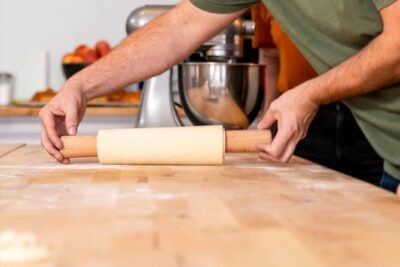
Paris Croissant Small-Group Baking Class with a Chef
Read our review →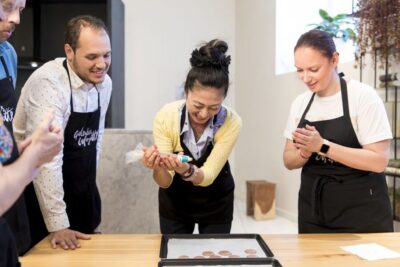
Fragonard Eze: Perfume Making Class and Factory Tour
Read our review →

Grasse: Perfume Making Class and Fragonard Factory Tour
Read our review →Browse the lists this tour appears in