
REVIEW · DESSERT TOURS
Paris: Choux Pastry and Chocolate Éclair Making Class
Paris rewards sweet tooths.
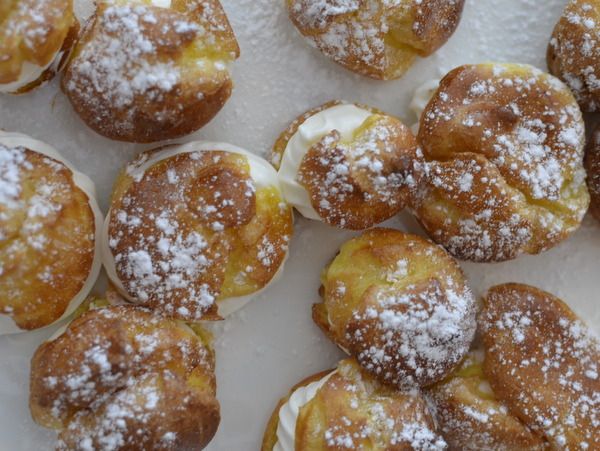
This three-hour pastry class near Notre-Dame gives you more than a box of treats. You learn the core methods behind choux pastry, crème pâtissière, and Chantilly, then use them to make chocolate éclairs and cream puffs. I especially like the small groups of up to eight and the chance to work directly with the dough, rather than simply watching a chef demonstrate. I also like the French culture and tea-time stories, which give the class a warm, social feel. The main drawback is that the price, $151 per person, is a serious splurge for a baking lesson, especially if you are traveling with several people.
Le Foodist holds the class at 59 rue Cardinal Lemoine in the Latin Quarter, only a short walk from Notre-Dame. The English-speaking instructors, including Stéphane, Florence, and Anne, are praised for clear teaching, patience, humor, and individual attention. You will leave with recipes in English, practical piping skills, and a box of your own pastries. Children under 12 cannot enter the kitchen, and participants aged 12 to 16 must be accompanied by a participating adult.
In This Review
- Key points at a glance
- A pastry class in the Latin Quarter
- The first two hours: building choux pastry
- Crème pâtissière and Chantilly, the useful building blocks
- Making chocolate éclairs and cream puffs
- French stories over tea and coffee
- What you take home
- Is $151 a fair price?
- Who will enjoy this class most?
- Practical timing and booking advice
- Should you book the Paris choux pastry class?
- FAQ
- Where does the choux pastry class take place?
- How long does the experience last?
- What pastries will I make?
- Is the class taught in English?
- How many people can join the class?
- Are children allowed to participate?
- What is included in the price?
Key points at a glance
- Choux pastry is the main lesson: You make the dough from scratch and learn the technique behind éclairs, cream puffs, and other pastries.
- Three classic French components: The class covers pâte à choux, crème pâtissière, and Chantilly, useful foundations for home baking.
- Small groups keep it personal: Classes are limited to eight people, with some sessions as small as three.
- Tea and French stories add character: A native French instructor shares light, tongue-in-cheek stories about pâtisserie and culture.
- You take your baking home: Each participant receives a box of personal creations plus printed and electronic recipes in English.
- Plan around the age rule: Children younger than 12 cannot participate, and only paying participants may enter the kitchen.
A pastry class in the Latin Quarter
The setting is practical rather than grand. You meet at Le Foodist, 59 rue Cardinal Lemoine, 75005 Paris, in the Latin Quarter, with Notre-Dame nearby. That location works well if you are already spending time on the Île de la Cité, visiting the cathedral area, or exploring the Left Bank.
Do not expect a sightseeing tour with a pastry stop attached. This is a hands-on kitchen class, and most of your time is spent baking. That is the right choice if you want a useful activity between museum visits and café stops, but less suitable if you want a short demonstration or a quick tasting.
The group size matters. With no more than eight participants, the instructor can watch your technique and offer corrections. The class may include serious home cooks, teenagers, and first-time bakers together. That mix can make the pace feel varied, but the teaching is designed to welcome different skill levels.
You begin with a welcome refreshment and a chance to meet the other people in the group. It is a small touch, but it helps turn the lesson into a shared afternoon instead of a silent cooking session.
More pastry stops in Paris:
- Paris: Day or Sunset Cruise with Drink, Ice Cream or Dessert
★ 4.4 · 4,225 reviews - Paris: Entrance Ticket to the Chocolate Museum
★ 4.1 · 1,105 reviews - Private Montmartre Food Tour with Wine, Cheese & Pastries
★ 5.0 · 1,027 reviews
The first two hours: building choux pastry
The hands-on baking portion lasts about two hours. The central subject is pâte à choux, the cooked dough used for éclairs, cream puffs, and many other French pastries.
Choux pastry can look simple on paper. Flour, butter, water, and eggs do not sound like a complicated list. The tricky part is the method: the dough needs the right texture, the eggs must be added carefully, and piping affects how evenly the pastries bake. A good instructor explains not only what to do, but why the mixture behaves as it does.
That focus on the why is one of the strongest reasons to choose this class. You are not just copying a recipe in Paris and hoping for the best at home. You are learning how to judge the dough and how to apply pressure while piping. Those are the skills that determine if your éclairs rise cleanly or turn into flat little biscuits.
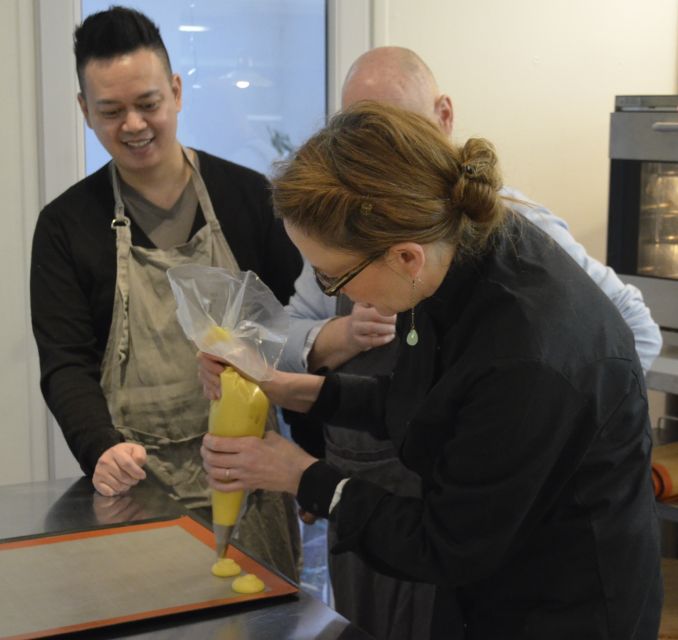
You will work with the equipment provided and wear an apron. The class is designed for participation, so expect to handle the ingredients and tools yourself. The instructor guides the process, but your own hands do the work.
Piping is a key moment. You learn how to shape the dough for éclairs and cream puffs, then build confidence with one of the most basic techniques in French pastry making. It is a useful lesson because piping appears again and again in baking, from filled buns to decorative cream work.
The results may not all look identical. That is normal in a small practical class, especially when the group includes beginners. The point is to leave with a repeatable method, not a factory-perfect row of pastries.
Crème pâtissière and Chantilly, the useful building blocks
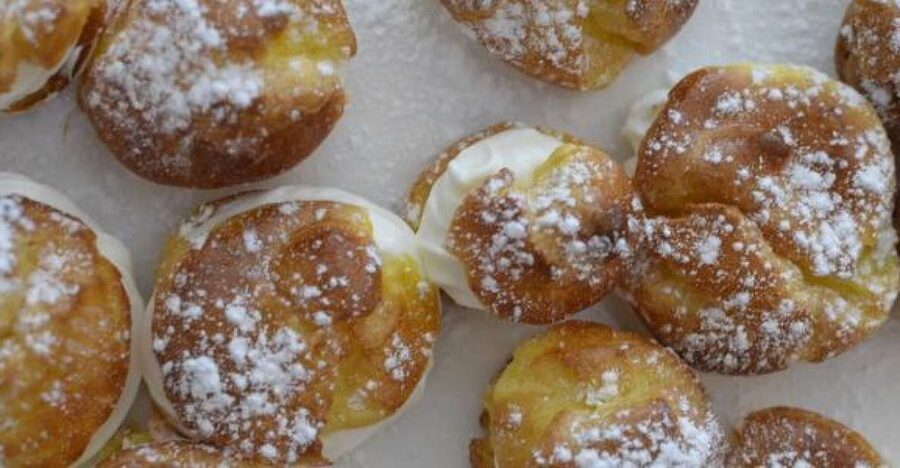
The class also covers crème pâtissière, the thick custard used to fill éclairs and many French desserts. You learn how to make it properly, with attention to texture and consistency.
This is valuable beyond the specific recipe. Once you understand crème pâtissière, you can use it in tarts, layered desserts, choux buns, and other pastries. It is one of those French kitchen basics that gives you more options at home.
Chantilly provides the lighter counterpart. The class shows you how to make and use the whipped cream, then combines the components with the baked choux pastry. The contrast between crisp or tender pastry, smooth custard, and airy cream is what makes the finished sweets work.
The class description also includes savory delicacies, though the main focus remains chocolate éclairs and choux puffs. If you are booking mainly for the savory portion, treat it as an extra rather than the core reason to attend. The clearest emphasis is on sweet choux pastry and its fillings.
Making chocolate éclairs and cream puffs
Once the dough and fillings are ready, you use them to create chocolate éclairs and cream puffs. This is where the earlier techniques come together.
Éclairs require more than simply baking a long strip of dough. You need an even shape, a suitable filling, and a neat finish. The class gives you a chance to practice that full sequence under supervision.
Cream puffs offer a different shape and feel. They are smaller, rounder, and often easier for beginners to handle. Making both forms helps you see how one dough can become several classic pastries.
One especially memorable variation mentioned by a participant is the old-fashioned choux swan. It is not presented as the central promise of every class, so you should not assume it will always be part of your session. Still, it shows how far choux pastry can go beyond the standard éclair.
Chocolate is the final flourish, but it is not the whole lesson. If you only want to eat a chocolate pastry, a Paris bakery is faster and cheaper. If you want to understand the work behind the pastry and try the process yourself, the class offers much more.
More hands-on sessions in Paris:
- Fragonard Paris: Mini Perfume Workshop
★ 4.5 · 1,924 reviews - Paris Cooking Class and Lunch with Wine plus Market Visit Option
★ 5.0 · 1,024 reviews - Paris Croissant Small-Group Baking Class with a Chef
★ 5.0 · 910 reviews - Paris: Macaron Class at Galeries Lafayette
★ 4.3 · 905 reviews
French stories over tea and coffee
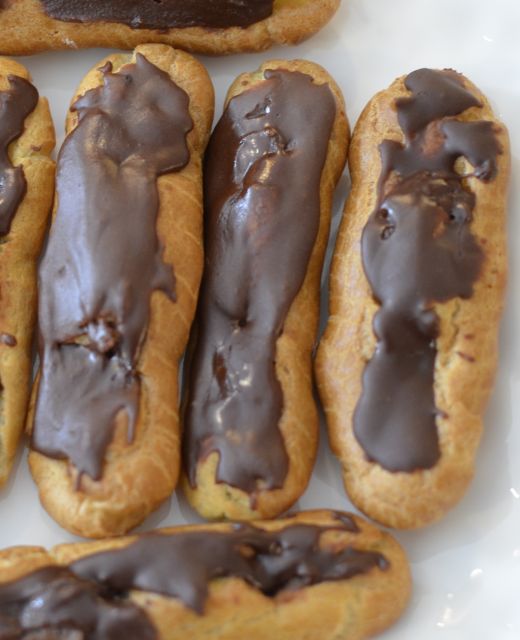
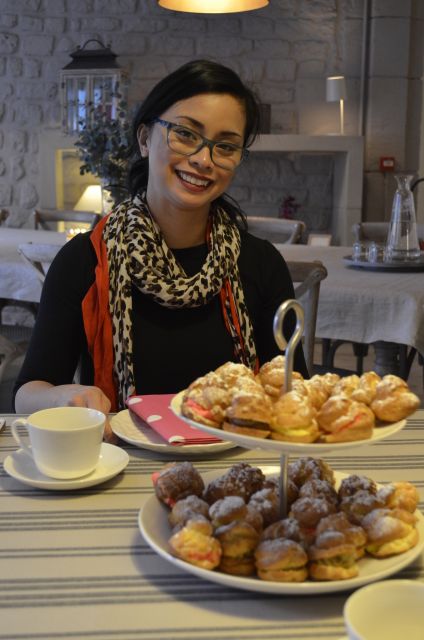
After the baking work, you sit down with tea, coffee, or organic fruit juices and enjoy the pastries. This pause is part tasting, part social time, and part cultural lesson.
A native French instructor shares stories about French culture and pâtisserie, often with a playful, tongue-in-cheek tone. Stéphane is described as energetic and easy to understand. Florence is praised for explaining the process clearly and sharing useful culinary secrets. Anne is remembered for being witty and patient.
The instructor can shape the experience as much as the recipes do. A dry demonstration would make three hours feel long. The humor and conversation help keep the class relaxed, especially when someone’s piping looks more rustic than planned.
The tea-time section also gives you a chance to taste what you made while it is still fresh. You are not rushed out after the final step. Instead, the class ends with a small French-style break and conversation.
Keep your expectations sensible. This is not a formal lecture on French food history, and the stories are described as light rather than academic. Their value is atmosphere. You get a sense of the humor and habits surrounding French pâtisserie while sharing the results of your work.
What you take home
Each participant receives a box of personal creations. You can share them with friends and family, or keep them for the next couple of days.
The take-home box adds real value to the price. You are not paying only for the time in the kitchen. You also leave with finished food, recipes, and a technique you can try again.
You receive both a hard copy and an electronic copy of the recipes in English. That is helpful if you want to bake after returning home, especially since pastry instructions can be difficult to follow when translated loosely or remembered from a quick demonstration.
The recipes do not replace practice. Choux pastry can be sensitive to small changes in texture, and piping takes repetition. Still, having written instructions means you can recreate the class rather than letting the experience fade into a pleasant Paris memory.
Is $151 a fair price?
At $151 per person, this is not a budget activity. The cost makes more sense when you count the three-hour duration, a small group, instruction from a pastry chef, use of kitchen equipment, an apron, refreshments, recipes, and pastries to take home.
I would compare it with the price of a high-quality meal or several bakery visits. If you are watching every euro, buying an éclair at a pâtisserie will cost far less. You should book this class for the lesson and the experience, not because it is the cheapest way to get dessert.
The strongest value comes for people who enjoy cooking or want an activity with a lasting result. You learn three important pastry elements, practice piping, eat the finished work, and receive the recipes. That is a fuller package than a simple tasting.
It also works well as a special occasion activity. A parent and teenager can spend useful time together, as long as the teenager is at least 12 and the adult is also participating. The class can suit friends, couples, solo participants, and mixed groups of beginners and experienced home cooks.
The value is weaker if you dislike group instruction, have little interest in baking, or want a polished professional result without doing the messy work yourself. You will be making the pastries, not merely posing beside them.
Who will enjoy this class most?
I would recommend it most strongly to:
- First-time bakers who want patient guidance
- Home cooks who want to improve pastry technique
- Parents and teenagers aged 12 and older
- Couples or friends looking for a shared Paris activity
- Solo participants who enjoy meeting a small group
- Visitors who prefer food experiences to another museum visit
The class is especially friendly to beginners. Florence’s session included serious adult cooks, teenagers, and first-time bakers, with everyone able to take part. That suggests you do not need advanced skills to get value from the lesson.
Experienced bakers can still enjoy the class, particularly if they want to compare methods or learn the instructor’s practical tips. The benefit may be less about learning what choux pastry is and more about refining consistency, piping, and filling.
Families need to read the age rules closely. Children under 12 cannot enter the kitchen, and only participants may go inside. Those aged 12 to 16 must be accompanied by an adult who is also taking part. This is not a drop-off activity.
English is the teaching language. That makes the technical instruction easier to follow for English-speaking visitors, especially when the lesson turns to dough texture and timing.
Practical timing and booking advice
Set aside the full three hours. The practical baking work takes about two hours, with the welcome, tea, stories, and tasting filling out the rest. Do not schedule a major attraction immediately afterward unless you have enough time to walk there calmly.
The meeting point is in central Paris, but the class itself is indoors and kitchen-based. Wear something comfortable for standing and working. An apron is provided, but you should still choose clothes you do not mind wearing during a flour and chocolate session.
The activity offers free cancellation up to 24 hours before the start time, and you can reserve now and pay later. Starting times vary, so check availability for the date you want. These options are useful if your Paris schedule is still moving around.
The maximum group size is eight, although some classes may be smaller. A smaller class generally gives you more direct attention, but the exact group size can change. I would book ahead if this is a priority activity, especially if you want a particular date or time.
Should you book the Paris choux pastry class?
Book it if you want to do something with your hands, learn a practical French skill, and eat the results afterward. The small group, English instruction, take-home recipes, and friendly teaching style make the experience approachable rather than intimidating.
At $151, it is a treat, not a bargain. But the combination of a pastry lesson, refreshments, cultural stories, and a box of your own éclairs makes the price easier to justify for food lovers.
I would skip it if your ideal Paris afternoon means sitting in a café, visiting a museum, or sampling pastries made by professionals. For everyone else, especially first-time bakers and families with older children, this is a cheerful and useful way to spend three hours near Notre-Dame.
FAQ
Where does the choux pastry class take place?
The class takes place at Le Foodist, 59 rue Cardinal Lemoine, 75005 Paris, in the Latin Quarter near Notre-Dame de Paris.
How long does the experience last?
The full experience lasts three hours. About two hours are devoted to hands-on baking, followed by tea, coffee, juice, stories, and tasting.
What pastries will I make?
You will make chocolate éclairs and cream puffs using pâte à choux. The class also covers crème pâtissière and Chantilly, and may include some savory delicacies or additional choux variations.
Is the class taught in English?
Yes. The instructor teaches in English.
How many people can join the class?
The class is limited to eight participants. Some sessions may have as few as three people.
Are children allowed to participate?
Children under 12 cannot enter the kitchen and cannot participate. Children aged 12 to 16 must be accompanied by a participating adult. Only participants may enter the kitchen.
What is included in the price?
The price includes the hands-on class, cooking equipment, an apron, tea-time stories, tea, coffee or organic fruit juices, a box of your pastries, and printed and electronic recipes in English.
Recently added in Paris
- Private Transfers in Paris★ 5.0 · 75 reviews
- CDG – Euro Disney – CDG Two Way Private Shuttle Transfer★ 5.0 · 233 reviews
- Disneyland® Paris 1 Day Ticket with Transport from Paris★ 3.5 · 302 reviews
- Personalized Transport service from Disneyland to Paris★ 5.0 · 63 reviews
- Monet’s Gardens & House-Private Giverny Tour From Paris★ 4.5 · 137 reviews
- Guided tour Monet’s house and gardens/small group★ 4.5 · 68 reviews
- Giverny Monet House and Gardens Skip the line Walking tour★ 4.0 · 217 reviews
- Monet’s House and Garden & Giverny Village★ 4.5 · 39 reviews
Dessert Tours, compared.

Day or Sunset Cruise with Drink, Ice Cream or Dessert
Read our review →

Private Montmartre Food Tour with Wine, Cheese & Pastries
Read our review →
Paris French Sweets Tasting Tour with Pastries and Chocolates
Read our review →
A Morning in Paris Food Tour: Croissants, Baguettes & Chocolate
Read our review →
45-minute Chocolate Making Workshop at Choco-Story
Read our review →
Chocolate & Patisserie Walking Tour with Tastings
Read our review →
Montmartre Culture and Local Pastries Walking Tour
Read our review →Browse the lists this tour appears in