
REVIEW · DESSERT TOURS
Passy-Grigny: Chocolate and Champagne Tasting Tour
Small villages can pour big surprises. At Champagne Dom Caudron in Passy-Grigny, you get an English guided tour of champagne production, followed by three champagne and chocolate pairings. The visit offers a useful look at both the old pressing traditions and the modern equipment used today.
I especially like the clear focus on how champagne is made and the unusual pairing of bubbles with chocolate. Guides such as Clémentine, Fanny, and Katja have earned praise for being friendly, enthusiastic, and easy to understand. The main drawback is getting there: public transportation is limited, so you will likely want a car or a taxi service such as Uber or Bolt.
In This Review
- Why this small Champagne visit is worth your time
- Arriving at Champagne Dom Caudron in Passy-Grigny
- Aimé Caudron and the rise of Meunier
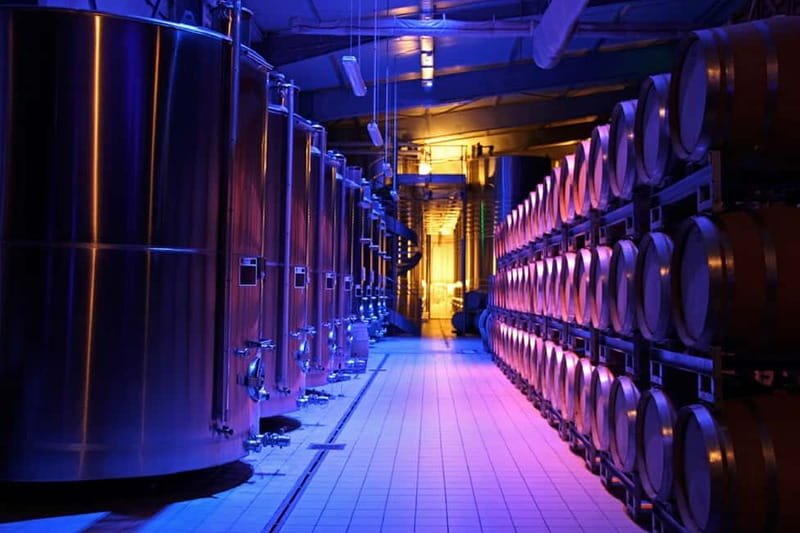
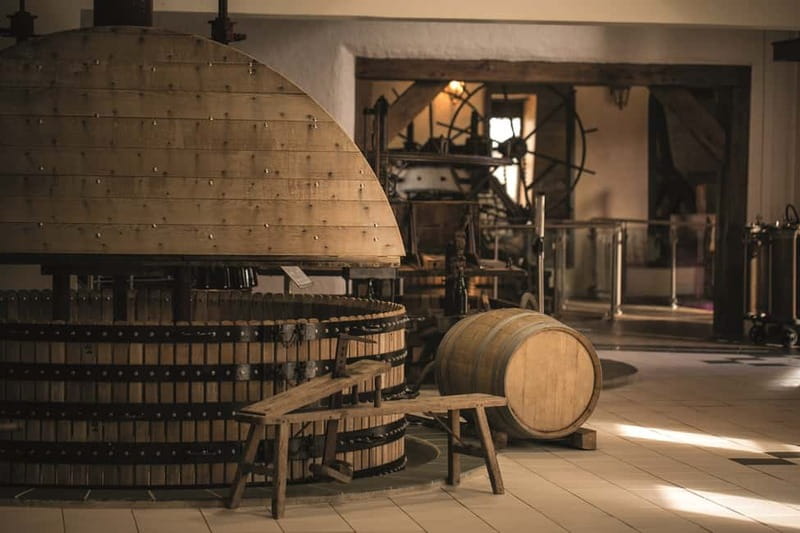
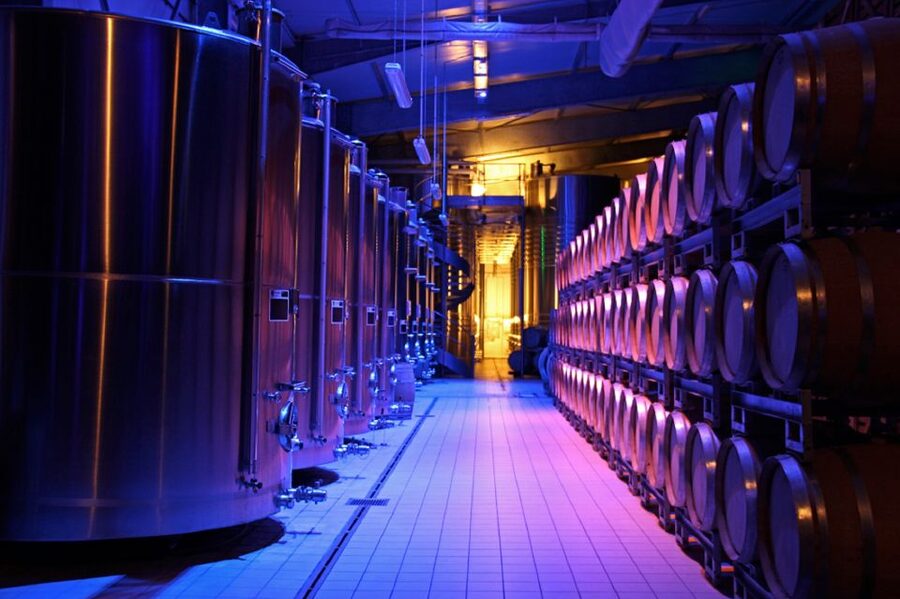
- From the first press to the modern vat house
- A 75-minute English tour with a personal feel
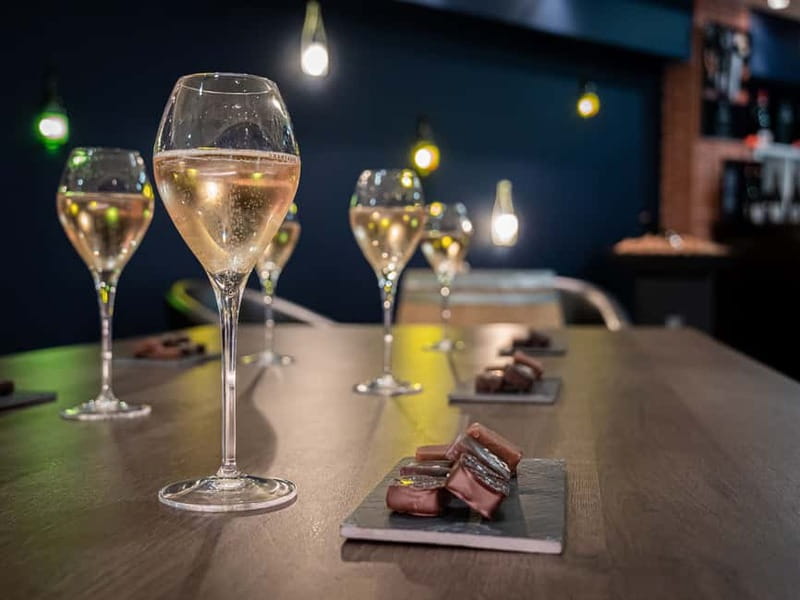
- Three champagnes, three chocolates
- Why the $31 price feels fair
- Who will enjoy this tour most
- How this compares with a major champagne house
- Booking details that matter
- Should you book the Passy-Grigny tasting?
- FAQ
- Where does the Champagne Dom Caudron tour begin?
- Where does the activity end?
- How long does the experience last?
- Is the tour available in English?
- How many champagnes and chocolates are included?
- How much does the experience cost?
- Is the tour wheelchair accessible?
- Can I cancel the tour for a refund?
Why this small Champagne visit is worth your time
- A village-rooted champagne story: Learn how Aimé Caudron brought local growers together in 1929.
- Production from press to vat house: The visit covers the first pressing equipment and the current modern production area.
- Three champagne and chocolate pairings: Each champagne is served with chocolate, giving the tasting a playful but thoughtful finish.
- An English-speaking guide: The tour is designed for English speakers and welcomes both beginners and champagne fans.
- A quieter alternative to Reims and Epernay: Passy-Grigny gives you a reason to explore beyond the region’s best-known towns.
- Good short-stop value: At $31 per person and about 90 minutes, it fits neatly into a day of exploring the Marne Valley.
Arriving at Champagne Dom Caudron in Passy-Grigny
The experience begins at Champagne Dom Caudron, at 10, Rue Jean-York, 5170, Passy-Grigny. This is not a city-center attraction that you can casually reach by train and foot. The location is in a village in the Marne Valley, and getting there takes planning.
I would treat a car as the simplest option. One visitor specifically found the location difficult to reach and advised driving, while another suggested renting a car to explore the surrounding villages at the same time. Public transportation is not available apart from ride services such as Uber or Bolt, according to the practical information provided for the tour.
That extra effort is also part of the appeal. You are not simply stepping into a large tasting room near a major station. You are visiting a producer in the village where its story began, surrounded by the wider Champagne-growing area.
The activity ends back at the same meeting point, so you do not need to arrange a separate pickup or work out a second destination afterward. Allow enough time to arrive before the scheduled start, especially if you are driving between Reims, Epernay, and Passy-Grigny.
More pastry stops in France:
- Paris: Day or Sunset Cruise with Drink, Ice Cream or Dessert
★ 4.4 · 4,225 reviews - Paris: Entrance Ticket to the Chocolate Museum
★ 4.1 · 1,105 reviews - Private Montmartre Food Tour with Wine, Cheese & Pastries
★ 5.0 · 1,027 reviews
Aimé Caudron and the rise of Meunier
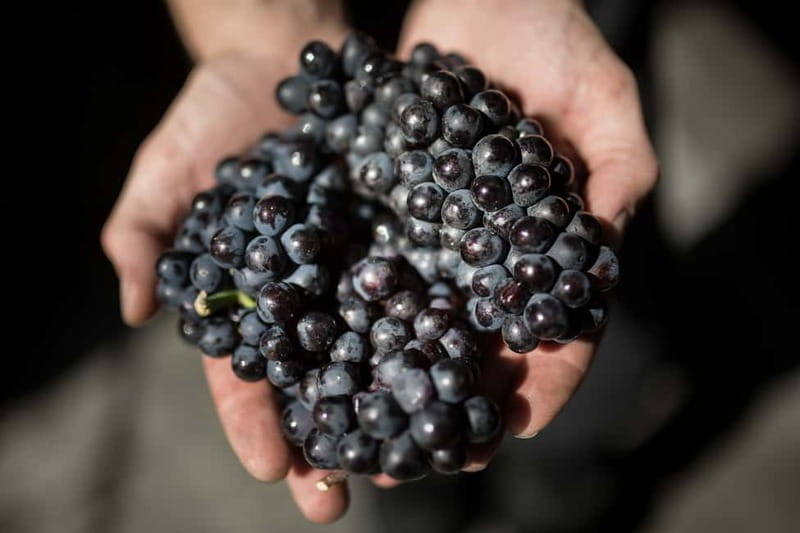
The first part of the visit gives the producer a local identity. Champagne Dom Caudron traces its roots to Passy-Grigny and to Aimé Caudron, a priest who had an ambitious idea in 1929. He gathered the village’s winemakers and helped create the cooperative that became associated with the Meunier grape.
That detail matters because champagne is often presented through famous names and grand houses. Here, the story begins with village growers working together. It gives you a better sense of the people and farming communities behind the bottle.
Meunier is one of the three main grape varieties used in Champagne, alongside Chardonnay and Pinot Noir. The supplied information does not promise a technical lesson on grape chemistry or a detailed vineyard walk, so I would not book this expecting a full agricultural course. Instead, expect the local history to provide a short introduction before the tour turns toward production.
This is a good setup for first-time champagne drinkers. You do not need to arrive knowing the difference between dosage, fermentation, and disgorgement. The tour is intended for novices as well as people who already know their way around a wine list.
From the first press to the modern vat house
The main guided visit lasts about 75 minutes. It focuses more on production than on grand historical storytelling, which is an important distinction when comparing it with large-house tours in Reims.
You are taken behind the scenes to learn how champagne is made. The story connects the first press used by the Passy-Grigny growers with the modern vat house used today. That contrast is one of the most useful parts of the visit because it shows champagne as an active working product, not just a luxury symbol.
A video presentation is also part of the explanation. It covers the harvest and the champagne-making process, helping organize the information before or during the tour. One practical criticism is that the film could use an update, particularly in how it presents the people involved in modern production. Still, the video gives you a straightforward visual guide to the process.
The tour may be especially helpful if you have visited a famous champagne house and left with more glamour than understanding. At Dom Caudron, the emphasis is on the machinery, the stages of production, and the way a grower-based operation functions.
I would expect the guide to answer questions during the visit. The guide’s enthusiasm makes a difference here. Fanny, Clémentine, and Katja were each singled out for warm, capable service, while other comments praise the hosts for explaining the process clearly and responding readily to questions.
A 75-minute English tour with a personal feel
The tour is offered in English with a live guide. That makes it a practical choice for visitors who want more than a self-guided tasting but do not speak French well enough for a technical wine presentation.
The strongest part of the guide service is the tone. The descriptions point to hosts who are friendly, funny, welcoming, and proud of what they do. That combination can turn a machinery-heavy visit into a pleasant conversation rather than a lecture.
The experience is not presented as a huge, theatrical attraction. Its smaller-scale setting can make the visit feel more personal. One particularly memorable moment involved a guide opening a bottle with a sabre for two young boys. That demonstration is not listed as a guaranteed part of every tour, so do not count on it, but it shows the sort of lively touch a guide may add.
You should also know that the English tour focuses on the Champagne-making process rather than giving equal time to every part of the region’s past. If your priority is architecture, famous-house traditions, or a grand historical narrative, a major house in Reims may suit you better. If you want to understand what happens inside a production facility, Dom Caudron is the more direct choice.
More food tours in France:
- Paris: Seine Cruise & Crepe Tasting near the Eiffel Tower
★ 4.4 · 11,231 reviews - Authentic Parisian Gourmet Food Tour with 10 Local Dishes & Wines
★ 5.0 · 4,754 reviews - Bordeaux: Cité du Vin Entry Ticket and Wine Tasting
★ 4.6 · 3,885 reviews - Normandy D-Day Small-Group Day Trip with Omaha Beach, Cemetery & Cider Tasting
★ 5.0 · 2,786 reviews
Three champagnes, three chocolates
The tasting comes after the tour and includes three champagnes paired with three chocolates. This is the feature that gives the visit its extra personality.
Champagne and chocolate are not an obvious match for everyone. The pairing works as a simple lesson in contrast: bubbles, acidity, sweetness, and cocoa can change how you notice each drink. You do not have to be a serious wine student to enjoy the experiment.
The tasting is also a sensible finish to the production visit. You first see how the drink is made, then taste the result. The three-pour format offers enough variety to compare styles without turning a short visit into a long drinking session.
The chocolates have been praised along with the champagne, and the overall tasting is repeatedly described as delicious and well organized. I like that the chocolate is not an afterthought. It is built into the experience and gives families or less wine-focused companions something extra to anticipate.
Do keep the scope in mind. The information confirms three champagnes and three chocolates, but it does not specify the exact labels, grape blends, chocolate flavors, or whether dietary alternatives are available. If you have allergies or strict dietary needs, ask before booking.
The tasting may also tempt you to buy bottles at the producer. That is not included in the price, and no purchase is required. The visit simply gives you a better basis for deciding what you actually like.
Why the $31 price feels fair
At $31 per person, this is not the cheapest drink stop in Champagne. It is also not an inflated price for a 90-minute guided visit that includes production access, an English-speaking host, three champagnes, and three chocolates.
I see the value in the combination. A basic tasting might offer a few glasses and little explanation. A large-name house tour might cost more while giving you a polished presentation aimed at a bigger audience. Dom Caudron gives you a local story, a working production setting, a video explanation, and a structured tasting in one visit.
The value is strongest if you care about learning how champagne is made. If you only want a glass in a pretty room, you may find the price harder to justify. The tasting is not a replacement for a full day of vineyard visits, and the 75-minute tour cannot cover every detail of Champagne production.
Still, the price works well as part of a wider day in the Marne Valley. You can combine it with a drive through nearby villages or other appointments in the area. Several people considered it a worthwhile alternative to the larger, more famous tours around Reims and Epernay.
Who will enjoy this tour most
I would recommend this experience to several kinds of visitors:
- First-time champagne drinkers who want the basic process explained in plain English.
- Couples and friends looking for a tasting with something beyond the usual cheese or biscuit pairing.
- Families with older children who may enjoy seeing equipment and a bottle-opening demonstration if one is offered.
- Wine enthusiasts who want to compare a smaller producer setting with the big houses.
- Visitors with a rental car who can make Passy-Grigny part of a wider Marne Valley outing.
- People staying several days in the region who want a change from Reims and Epernay.
I would be more cautious if you have only a few hours in Champagne and no easy way to reach the village. The tour itself is short, but the transport can make it less convenient than a centrally located tasting.
The experience is listed as wheelchair accessible. If accessibility is especially important for you, confirm the details of the route and production areas before arrival, since the supplied information does not describe surfaces, lifts, or restroom arrangements.
How this compares with a major champagne house
The key difference is scale and emphasis. A famous house in Reims may give you grand branding, elaborate cellars, and a strong connection to international champagne culture. Dom Caudron gives you a closer look at village production and the practical work behind the bottle.
The tour also feels less formal in spirit. That does not mean less organized. The visit is described as well arranged, with a clear explanation, a film, a guided production route, and a tasting at the end.
If you have already visited Taittinger or another major producer, this can fill a gap in your understanding. You will see a modern vat house rather than only hearing about famous cellars and historic names.
I would not claim that one approach is better for everyone. Choose a major house for spectacle and established prestige. Choose Dom Caudron for a smaller producer story, direct explanations, and chocolate with your champagne.
Booking details that matter
The activity lasts 1.5 hours, with starting times shown according to availability. The guided portion is listed as 75 minutes, leaving a short amount of time for the tasting and the transition between parts of the visit.
The price is $31 per person. Guided English service, chocolate tasting, and champagne tasting are included. You can reserve now and pay later, which helps if your Champagne schedule is still shifting.
Free cancellation is available up to 24 hours before the experience for a full refund. That is useful when you are fitting the visit around changing driving plans or other winery appointments.
The meeting and end point are both Champagne Dom Caudron. Plan on returning to your vehicle or arranging your next ride from there. The tour does not include transport to or from Reims, Epernay, or another town.
Should you book the Passy-Grigny tasting?
Book it if you want a friendly, production-focused champagne tour with a distinctive tasting finish. The strongest reasons are the clear English explanations, the local Meunier story, the modern working facility, and the three chocolate pairings.
I would skip it only if reaching Passy-Grigny is too difficult or if you are seeking a grand cellar tour from one of Champagne’s most famous names. For anyone with a car and enough time to leave the main tourist centers, this is a well-priced way to understand the region through both its work and its wine.
FAQ
Where does the Champagne Dom Caudron tour begin?
It begins at Champagne Dom Caudron, 10, Rue Jean-York, 5170, Passy-Grigny, in the Grand Est region of France.
Where does the activity end?
The tour ends back at Champagne Dom Caudron, the same place where it begins.
How long does the experience last?
The full experience lasts about 1.5 hours. The guided tour portion lasts approximately 75 minutes.
Is the tour available in English?
Yes. The experience includes a live English-speaking tour guide.
How many champagnes and chocolates are included?
The tasting includes three different champagnes paired with three chocolates.
How much does the experience cost?
The listed price is $31 per person.
Is the tour wheelchair accessible?
Yes. The activity is listed as wheelchair accessible.
Can I cancel the tour for a refund?
Yes. You can cancel up to 24 hours in advance for a full refund. You can also reserve now and pay later.
Recently added in France
- Mt St. Michel Private Tour with Abbey tickets and tour guide★ 5.0 · 45 reviews
- Mont-St-Michel: Private Walking Tour “Abbey Ticket Included”★ 5.0 · 28 reviews
- Normandy Victory Museum admission ticket★ 5.0 · 58 reviews
- Private Guided Tour in WW2 Jeep of the Landing Beaches★ 5.0 · 110 reviews
- Airborne Museum Admission Ticket★ 5.0 · 424 reviews
- From Cherbourg: D-Day Beaches Shore Excursion★ 5.0 · 28 reviews
- The Urban Hike of Marseille★ 5.0 · 35 reviews
- Surf school Soonline Moliets★ 4.5 · 27 reviews
Dessert Tours, compared.

Day or Sunset Cruise with Drink, Ice Cream or Dessert
Read our review →
Private Montmartre Food Tour with Wine, Cheese & Pastries
Read our review →
Paris French Sweets Tasting Tour with Pastries and Chocolates
Read our review →
A Morning in Paris Food Tour: Croissants, Baguettes & Chocolate
Read our review →
45-minute Chocolate Making Workshop at Choco-Story
Read our review →
Chocolate & Patisserie Walking Tour with Tastings
Read our review →
Montmartre Culture and Local Pastries Walking Tour
Read our review →Browse the lists this tour appears in