
REVIEW · WORKSHOPS
Paris: Macarons Class, Teatime and To-Go Box
Macarons are small, but rarely simple. This three-hour Paris class turns a famously fussy pastry into a hands-on lesson, with an English-speaking chef guiding you through Italian meringue, piping, fillings, and the final tasting. I especially like the small group size, limited to six people, and the useful combination of practical instruction and French cultural stories. You also leave with a box of your own macarons, not just a recipe and a few crumbs.
The main thing to consider is the price: $152 per person is a serious investment for a baking class. It makes better sense if you value close instruction, an intimate kitchen setting, teatime, and enough finished macarons to share. Children under 12 cannot participate, and young teens must have a participating adult with them.
In This Review
- Key points at a glance
- Why macarons make a good Paris class
- Arriving at 59 Rue Cardinal Lemoine
- The first two hours: from syrup to shell
- Why the small group matters
- Teatime with macarons and French stories
- The take-home box is more valuable than it sounds
- What the instruction is really worth
- Who should book this Paris experience
- Timing, language, and cancellation
- Is $152 per person good value?
- Should you book the macaron class?
- FAQ
- Where is the macaron class held?
- How long does the experience last?
- What method of macaron making will I learn?
- Is the class taught in English?
- Can children participate?
- What is included in the price?
Key points at a glance
- Italian meringue method: Learn the more technical method, which takes extra care but is considered more reliable.
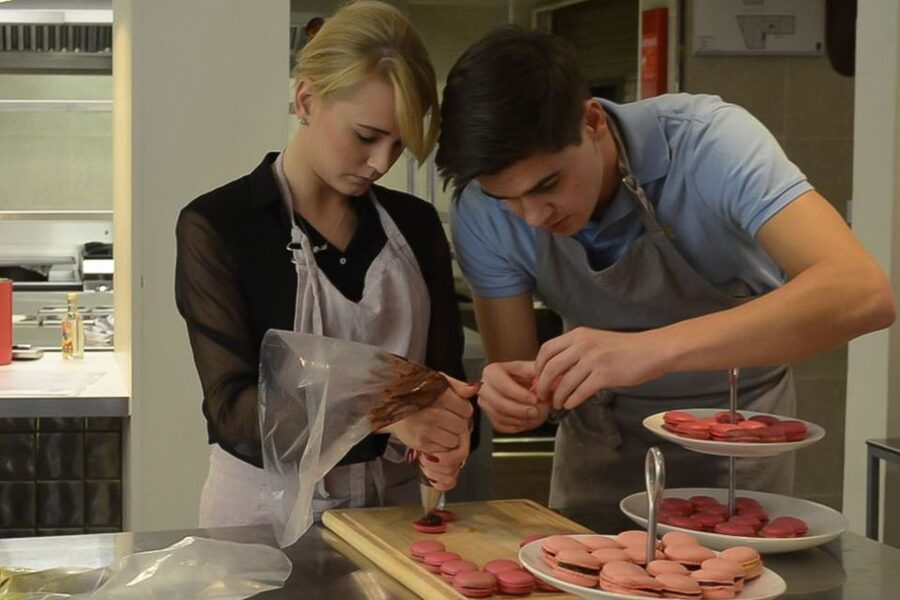
- Hands-on pastry work: Pipe shells, add color, and prepare a ganache or curd filling rather than simply watching a demonstration.
- Small English-speaking class: The current group limit is six, allowing the instructor to give individual help.
- Parisian teatime: Finish with tea, coffee, fruit juices, macarons, and stories about French culture.
- Useful take-home reward: Bring home your own finished macarons, along with printed and electronic recipes.
- Good for families with teens: Participants must be at least 12, and children aged 12 to 16 need an accompanying adult who is also taking part.
Why macarons make a good Paris class
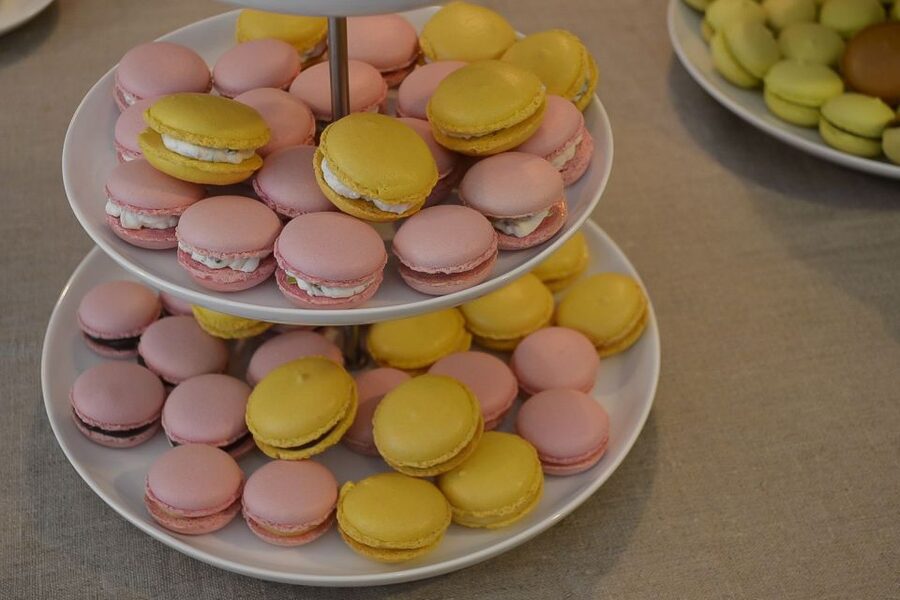
A macaron looks harmless. Two pastel shells, a neat band of filling, and a price that can make you blink at a bakery counter. But the pastry demands accuracy. The meringue must be handled carefully, the batter needs the right texture, and piping affects how the shells bake.
That is why this class offers more than a pleasant afternoon of stirring and snacking. You learn the parts that usually cause trouble at home. The Italian meringue method involves a cooked sugar syrup, making it harder to master than simpler approaches, but also more dependable when you follow the method closely.
I like that the instruction is aimed at beginners without treating the subject as child’s play. Several instructors, including Stéphane Jimenez, Anne, Fanny, Amanda, Florence, Hugo, and Luc, have been praised for patience, clear explanations, and a sense of humor. The specific instructor can vary, but the teaching style appears to be a major part of the experience.
You do not need to arrive as a baker. One participant who described being more pastry fan than cook found the class approachable because the instructor kept the pace manageable and made room for questions. That is useful to know if your kitchen experience begins and ends with opening a box of cookies.
More hands-on sessions in Paris:
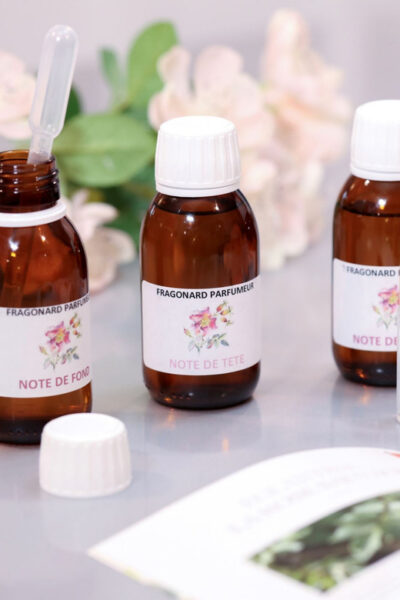
- Fragonard Paris: Mini Perfume Workshop
★ 4.5 · 1,924 reviews - Paris Cooking Class and Lunch with Wine plus Market Visit Option
★ 5.0 · 1,024 reviews - Paris Croissant Small-Group Baking Class with a Chef
★ 5.0 · 910 reviews
Arriving at 59 Rue Cardinal Lemoine
The meeting point is Le Foodist at 59 Rue Cardinal Lemoine, 75005 Paris. Allow time to find the door and arrive promptly. One past participant found the street a little difficult to locate and chose a taxi to avoid arriving stressed, while another noted that the kitchen is within walking distance of Notre Dame.
The address puts you in central Paris, so this class can fit neatly into a day of sightseeing. Still, do not plan a major attraction with a tight schedule immediately before the lesson. Baking classes work best when you arrive calm, with enough time to find the location and wash your hands before getting started.
Le Foodist provides the cooking equipment and an apron. That matters because you do not need to pack special tools or worry about carrying flour and food coloring through the rest of your day.
The first two hours: from syrup to shell
The working portion lasts about two hours. Your instructor first explains the method and organizes the group around the ingredients and equipment. Because the group is limited to six participants, the class has the feel of a shared workshop rather than a large demonstration where you watch from the back.
The first major lesson is the Italian meringue. You learn how the sugar mixture is prepared and incorporated into the egg whites. This is the technical heart of the class, and the chef’s supervision matters. The process has several points where timing and texture can affect the final result.
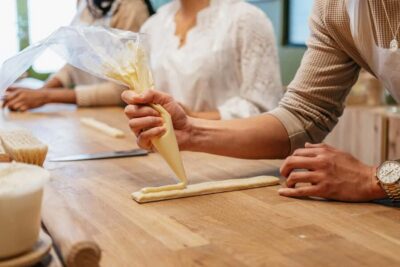
You then work on the macaron shells. The class covers adding color and piping the batter into even rounds. Piping is one of the most satisfying parts because you can see your technique improve from one tray to the next. It is also where individual help is valuable. An instructor can correct your pressure, spacing, or angle before you create a whole tray of lopsided shells.
The aim is not simply to make something that looks attractive in the kitchen. You receive detailed guidance intended to help you repeat the process at home. Printed recipes are provided during the lesson, and an electronic copy is also included. One participant particularly appreciated receiving the recipe during class, since it allowed room for notes.
The filling brings another practical choice. Depending on the session, you learn to prepare a ganache or a curd, then use it to sandwich the shells. The contrast between crisp or delicate shells and a soft filling is what makes macarons more than colored almond meringue.
Some classes have included four flavors, though the exact combination can vary. Do not book expecting a fixed flavor menu unless the current session details specify one. The important benefit is learning the technique and seeing how fillings can change the character of the finished pastry.
Why the small group matters
The class usually has three to seven people in the broader description, with the current stated limit at six. That is a useful size for a pastry lesson. You work alongside other people, but the chef can still stop and help when your meringue, batter, or piping needs attention.
The social side adds to the afternoon. Past sessions have brought together couples, families, solo participants, and people from different countries. You work as a team at times, so the mood depends partly on the group you join. That is a small risk with any shared class, but the limited size makes conversation easier than it would be in a crowded cooking school.
The teaching is also suitable for mixed ability levels. Beginners have been able to follow the steps, while more experienced cooks can pay closer attention to technique. Several families with teenagers found that the children stayed involved from baking through tasting. The strongest praise has gone to instructors who offer individual attention without making nervous beginners feel behind.
There is one important family detail. Children under 12 cannot take part, and only paying participants may enter the kitchen. Each child from 12 through 16 must be accompanied by an adult who is also participating. There are no childcare facilities, so an adult cannot simply bring a younger child along to watch.
A few more Paris outings to set side by side
- Paris: Louvre Museum Timed-Entrance Ticket
★ 4.6 · 71,977 reviews - Disneyland® Paris 1-Day Ticket
★ 4.6 · 49,412 reviews - Paris: Versailles Palace and Gardens Full Access Ticket
★ 4.6 · 41,579 reviews - Paris: Evening River Cruise with Music
★ 4.4 · 22,721 reviews
Teatime with macarons and French stories
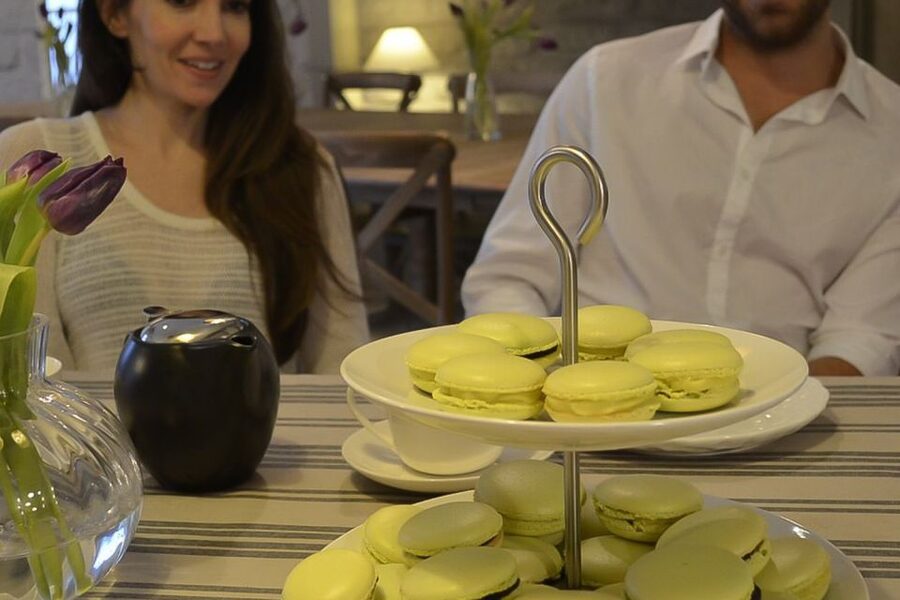
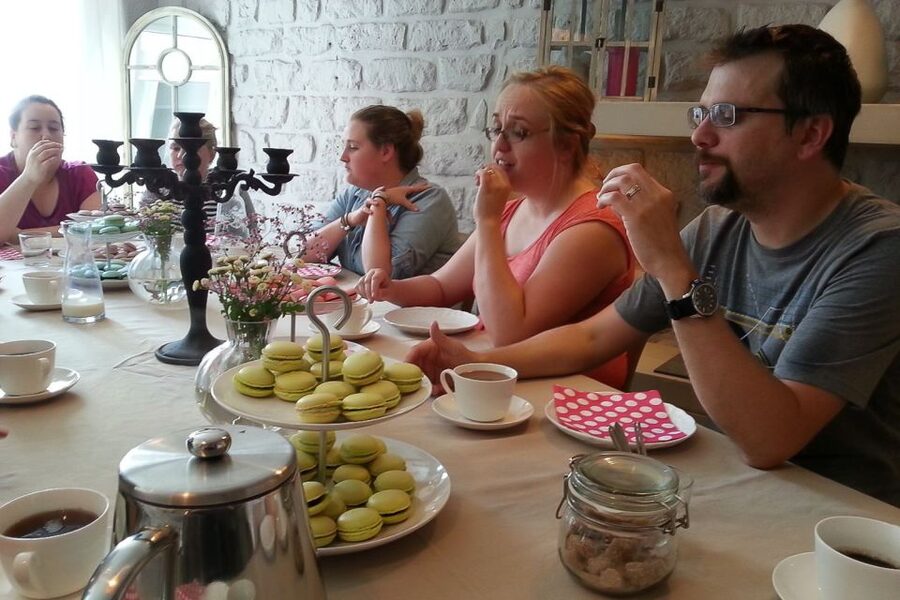
After the hands-on baking, you sit down for teatime. Tea, coffee, fruit juices, and some of the macarons are included. This pause gives the class a pleasant second act. You stop concentrating on piping and get to enjoy the results while the instructor shares the story of the macaron.
The cultural storytelling is part of the appeal. You may also hear a few stories about French customs and daily life, often delivered with a playful, tongue-in-cheek tone. This makes the activity feel connected to Paris rather than like a generic baking lesson that happens to be held in France.
I would not choose this class solely for the cultural talk. The pastry work is the main event, and the stories are a bonus. But they make the tea break more memorable and give you something to discuss while comparing the results around the table.
The tasting also provides an honest test of your work. Some shells may be prettier than others, and that is part of the fun. You get to eat the macarons while they are fresh, then decide which flavors and textures you want to try at home.
The take-home box is more valuable than it sounds
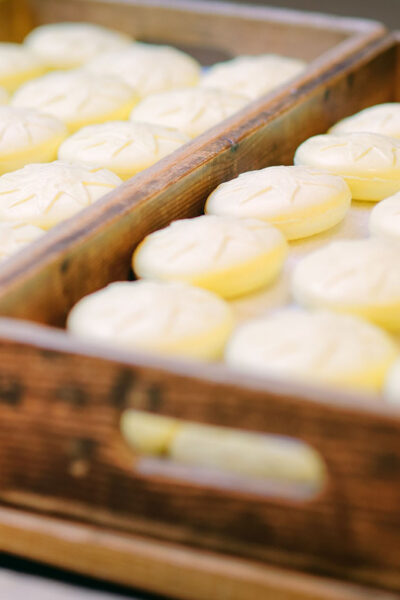
The class includes a box of your finished macarons to take away. This is not a token sample. Past participants have described having a large quantity left after the tasting, with enough to share with family and friends or enjoy over the following days.
That changes the price calculation. At $152, you are paying for instruction, ingredients, equipment, an apron, a three-hour experience, drinks, recipes, and a substantial edible souvenir. It is still expensive compared with buying macarons from a shop, but comparison with a bakery misses the point. You are also paying for the skill, the social afternoon, and the chance to reproduce the pastry later.
The take-home box is especially useful if you want a Paris souvenir that is not another magnet or paperweight. Pack it carefully, and remember that macarons are delicate. The supplied information does not specify storage or transport arrangements, so ask the instructor for the best way to keep them once you leave.
What the instruction is really worth
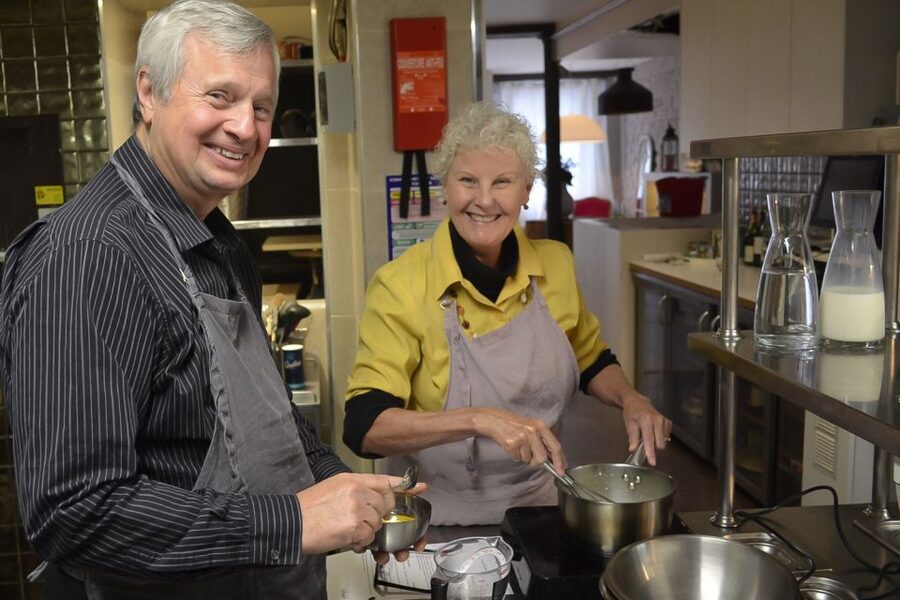
Macaron recipes are easy to find. Reliable results are harder. A class like this earns its keep by showing you how the mixture should look and feel at each stage, details that photographs and written instructions cannot fully explain.
The instructors have drawn repeated praise for patience, clear explanations, humor, and the ability to help each person without taking over. Stéphane Jimenez was singled out for checking each participant’s work and offering tips beyond the recipe. Luc was described as patient and entertaining, while Anne was praised for making people at different skill levels feel comfortable.
Those details point to the strongest reason to book: you are not just following a recipe card. You are getting corrections in real time. If your batter is too thick, your piping uneven, or your technique uncertain, the chef can address it before the mistake spreads through the batch.
The class is not effortless. One past participant noted that the group worked for roughly two hours without much downtime. That is good news if you want serious hands-on practice, but less appealing if you imagine a relaxed tea party with a little decorative baking on the side.
Who should book this Paris experience
I would recommend it most strongly to:
- Couples looking for an indoor activity with a local food focus.
- Families with children aged 12 and older who enjoy doing something together.
- First-time bakers who want patient guidance.
- Macaron fans who have tried and failed to make them at home.
- Returning Paris visitors who want a break from museums and monuments.
- Anyone who likes bringing home a useful skill rather than only a purchased souvenir.
It is less suitable for very young children, anyone who wants to observe without participating, or people with a packed sightseeing schedule. The kitchen is reserved for participants, and the class requires sustained attention.
It also may not suit you if you dislike shared activities. You will work with a small group and may need to cooperate around equipment and preparation. For most people, that social element is a plus. For someone seeking a private lesson, it is worth confirming the arrangement before booking.
Timing, language, and cancellation
The experience lasts three hours, including about two hours of macaron instruction and the teatime afterward. Starting times vary, so check availability for the date you want.
Instruction is in English, and recipes are supplied in English in both hard copy and electronic form. That makes the class practical for English-speaking visitors who want to repeat the recipe after returning home.
You can cancel up to 24 hours in advance for a full refund. A reserve-now, pay-later option is also available, which helps if your Paris plans are still moving around. These policies are useful, but they do not remove the need to check the meeting time and age rules before committing.
Is $152 per person good value?
This is not a bargain activity. At $152, the class costs more than an ordinary pastry purchase or a casual café stop. The value depends on how much you want from the afternoon.
You receive a guided lesson in a difficult French pastry, all equipment and an apron, drinks and teatime, recipes, and a box of your own work. The small group gives the chef a fair chance to help you personally, which is the part you cannot buy from a cookbook.
I would call it fair value for people who want an experience rather than a snack. If your main goal is simply to eat excellent macarons, spend less at a respected pâtisserie. If your goal is to understand how the shells and fillings are made, enjoy a social kitchen setting, and take home a generous supply, the price is easier to justify.
The perfect results are not guaranteed. Macarons are technical, and your first batch may show the fingerprints of a beginner. That is not a flaw in the class. It is a reminder that the lesson teaches control and process, not magic.
Should you book the macaron class?
Yes, if you like food, hands-on activities, and a little pastry challenge. The strongest reasons are the small English-speaking group, the patient instruction, the Italian meringue technique, and the satisfying box of macarons you take home.
I would book it for a relaxed afternoon rather than squeeze it between two timed attractions. Bring your curiosity, listen closely during the meringue lesson, and leave room in your schedule for the full three hours.
Skip it if you need a cheap activity, have children under 12, or prefer watching rather than cooking. For everyone else, Le Foodist offers a tasty and practical way to spend part of a Paris day, with a recipe you can test again long after the last macaron is gone.
FAQ
Where is the macaron class held?
The meeting point is Le Foodist, 59 Rue Cardinal Lemoine, 75005 Paris.
How long does the experience last?
The full experience lasts three hours. About two hours are devoted to hands-on macaron instruction, followed by teatime and stories.
What method of macaron making will I learn?
The class teaches the Italian meringue method. You also learn how to pipe the shells, add color, and prepare a ganache or curd filling.
Is the class taught in English?
Yes. The instructor teaches in English, and the recipes are provided in English in printed and electronic formats.
Can children participate?
Children under 12 cannot participate. Children aged 12 to 16 must be accompanied by an adult who is also participating. Only participants may enter the kitchen, and no childcare facilities are available.
What is included in the price?
The price includes the two-hour macaron class, cooking equipment, an apron, teatime with tea, coffee, fruit juices and macarons, recipes, and a box of your own macarons to take away.
Recently added in Paris
- Private Transfers in Paris★ 5.0 · 75 reviews
- CDG – Euro Disney – CDG Two Way Private Shuttle Transfer★ 5.0 · 233 reviews
- Disneyland® Paris 1 Day Ticket with Transport from Paris★ 3.5 · 302 reviews
- Personalized Transport service from Disneyland to Paris★ 5.0 · 63 reviews
- Monet’s Gardens & House-Private Giverny Tour From Paris★ 4.5 · 137 reviews
- Guided tour Monet’s house and gardens/small group★ 4.5 · 68 reviews
- Giverny Monet House and Gardens Skip the line Walking tour★ 4.0 · 217 reviews
- Monet’s House and Garden & Giverny Village★ 4.5 · 39 reviews
Workshops, compared.
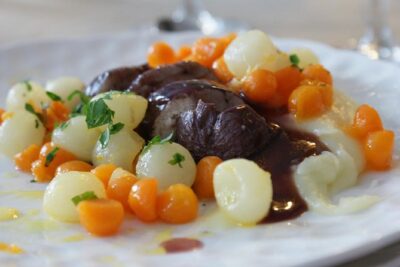
Paris Cooking Class and Lunch with Wine plus Market Visit Option
Read our review →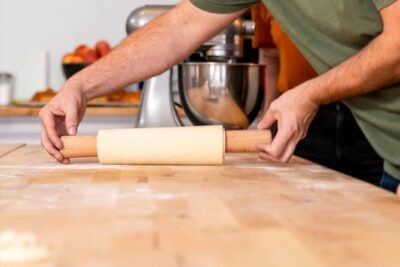
Paris Croissant Small-Group Baking Class with a Chef
Read our review →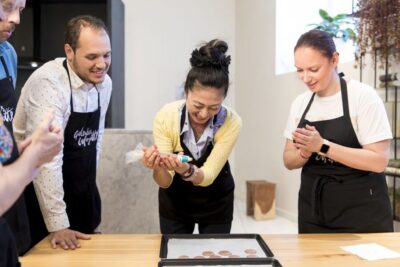
Fragonard Eze: Perfume Making Class and Factory Tour
Read our review →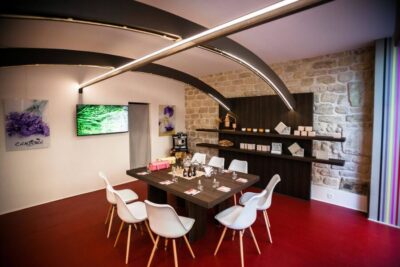

Grasse: Perfume Making Class and Fragonard Factory Tour
Read our review →Browse the lists this tour appears in