
REVIEW · WORKSHOPS
Bordeaux: Introduction to Bordeaux Wines Tasting Workshop
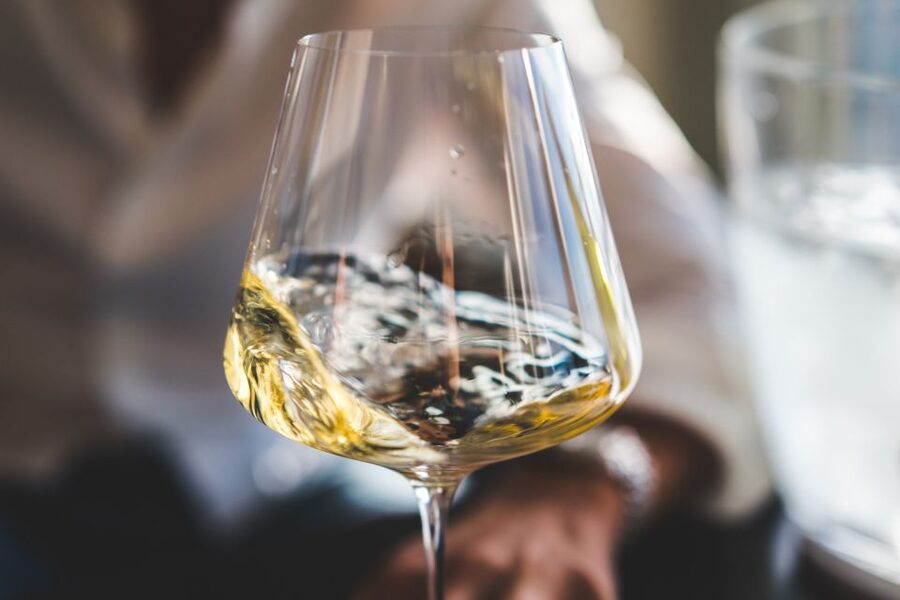
Bordeaux makes wine lessons taste better. This one-hour workshop near the Grand Théâtre turns a complicated wine region into something you can actually understand, with three Bordeaux wines, local cheese, charcuterie, and practical tasting exercises. I especially like the aroma activity and the chance to compare a white, a red, and a Grand Cru in one sitting. The main drawback is time: one hour gives you a useful introduction, but not enough room to apply every lesson with complete confidence.
I also like the small-group setting, which makes it easier to ask about your own wine preferences rather than sit through a fixed lecture. Guides including Antoine, Anna, Noe, Eva, Enzo, Olivier, and Pierre have been praised for keeping the session clear and friendly. If you already know Bordeaux wines well, the basic material may feel familiar, and one participant felt the class spent a little too long talking before tasting began.
In This Review
- Key points to know before booking
- Why this workshop helps you understand Bordeaux
- Starting near the Grand Théâtre
- The first lesson: seeing, smelling, and tasting
- Comparing one white and two Bordeaux reds
- Cheese, charcuterie, and the value of pairing
- The guides make the difference
- How this fits with La Cité du Vin and winery tours
- Who will get the most from the $34 price
- Should you book this Bordeaux wine workshop?
- FAQ
- Where does the Bordeaux wine workshop take place?
- How long does the activity last?
- How many wines are included?
- Is food included?
- What does the workshop teach?
- Is the workshop offered in English?
- Is this a small-group activity?
- Can children attend?
- Can I cancel the booking?
Key points to know before booking
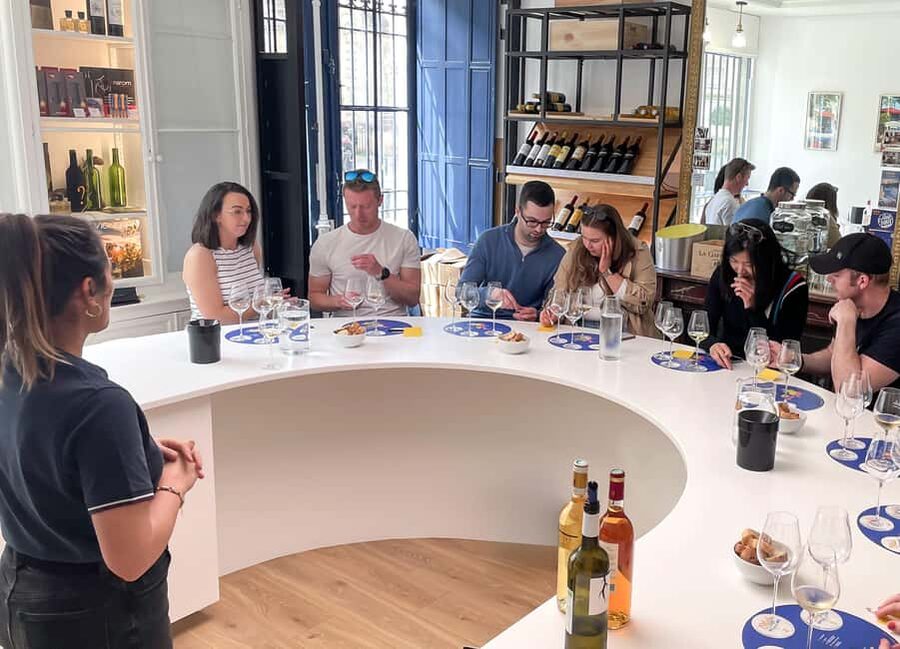
- Three wines in one hour: Taste one white Bordeaux and two reds, including a Grand Cru.
- A lesson you can use later: Learn how soil, climate, grape varieties, appellations, and blending shape a wine.
- Food is part of the class: Local cheeses, charcuterie, and baguette help show how food changes the taste of wine.
- Aroma practice adds fun: Smell-based exercises and, in some sessions, a blind tasting make the class more active than a simple pour-and-sip.
- Central Bordeaux location: The workshop takes place a short walk from the Grand Théâtre, though the exact meeting point depends on the option booked.
- Good value at $34: The fee includes the guide, three wines, food, water, and information brochures.
Why this workshop helps you understand Bordeaux
Bordeaux wine can be confusing at first. Bottles are often identified by place rather than grape, and the region contains many appellations with different soils, rules, and styles. A short class cannot explain every estate or village, but it can give you a useful map for the rest of your trip.
The workshop focuses on four ideas: terroir, grape variety, appellation, and blending. Terroir refers to the effect of soil, climate, and place on the character of a wine. Appellation tells you where the wine comes from and which production rules apply. Blending explains why Bordeaux producers often combine several grape varieties instead of relying on just one.
That foundation matters when you visit a wine shop or order a bottle with dinner. You may not remember every technical term, but you should leave with a better sense of why two Bordeaux reds can taste quite different even when they come from the same broad region.
The class also explains the wine-making process and the history of Bordeaux wine. The useful part is not memorizing dates. It is learning how production choices and local conditions affect what ends up in your glass.
More Food Tours in Bordeaux
- Bordeaux: Cité du Vin Entry Ticket and Wine Tasting
★ 4.6 · 3,885 reviews - From Bordeaux: Afternoon Saint-Emilion Wine Tasting & snack
★ 4.8 · 1,581 reviews - Medoc or Saint Emilion Wine Tasting and Chateau from Bordeaux
★ 5.0 · 1,415 reviews
Starting near the Grand Théâtre
The central location is a practical advantage. You can fit the workshop into a morning, afternoon, or evening in central Bordeaux without giving up most of a day to transport. It also works well as an early activity, before a longer outing to Saint-Émilion or another wine area.
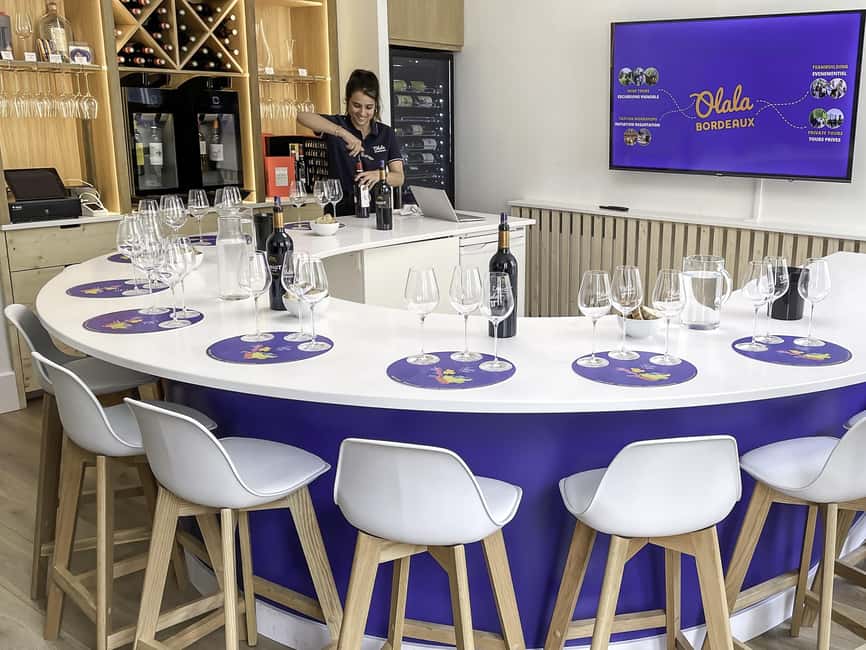
The exact meeting point can vary according to the option you book, so check your booking details rather than relying only on the general location. The activity is operated by Olala Bordeaux and takes place in a dedicated wine-tasting space rather than simply using a table at the back of a restaurant or bar.
That detail affects the feel of the class. One participant appreciated the small, bright room and the white tables, which make it easier to examine the wine. A dedicated space also keeps the workshop focused. You are there to taste and learn, not compete with restaurant noise or a busy dining service.
Small groups are available. Group size can affect the experience, so look for that option if personal questions and conversation matter to you. The atmosphere is intended to be friendly and relaxed, with instruction in English or French.
The first lesson: seeing, smelling, and tasting
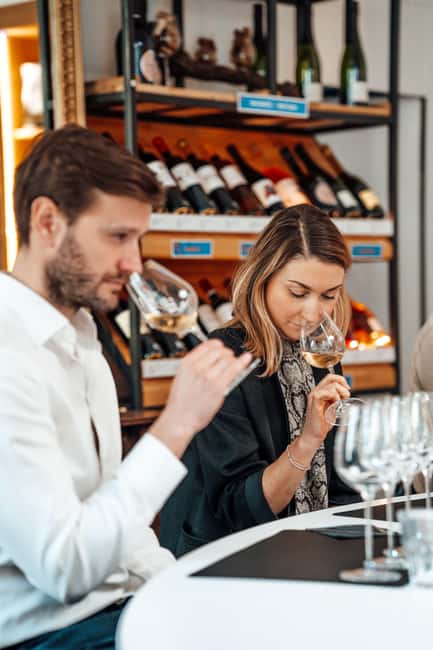
The tasting begins with the basic steps of wine evaluation. You learn how to look at the wine, smell it, and taste it with more purpose. This is useful even if you have never attended a wine class before.
You will be introduced to identifying aromas, and some sessions include a scent activity that lets you connect familiar smells with what you notice in the glass. One participant described this as a smell test, while another enjoyed an aroma kit and blind tasting. These exercises give the class a hands-on quality and help prevent the information from becoming a list of wine terms.
You do not need a trained palate to take part. The point is not to guess perfectly. It is to notice what you smell and taste, then compare your impressions with the guide and the rest of the group.
This is also where the short duration becomes noticeable. One hour is enough to learn the basic sequence and try it with three wines. It is not enough to become skilled at identifying aromas. I would treat the lesson as a set of tools to keep practicing during the rest of your holiday.
Comparing one white and two Bordeaux reds
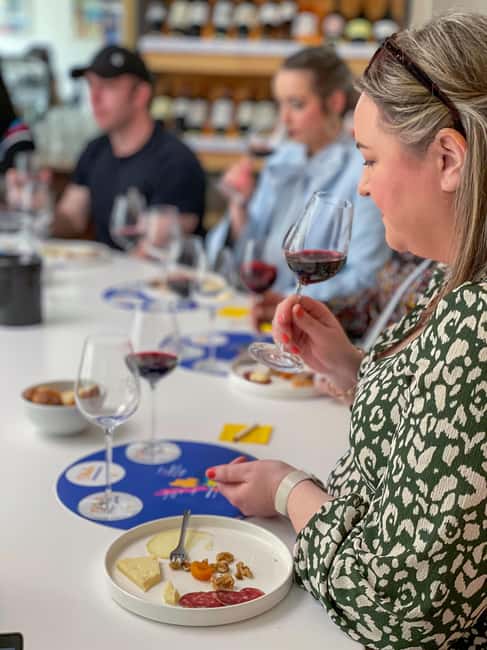
The wine selection gives the class a clear structure. You taste one white Bordeaux and two red Bordeaux wines, with one of the reds being a Grand Cru.
The white gives you a change of pace and shows that Bordeaux is not only a red-wine region. The two reds let you compare styles and notice how blending, origin, and production affect the result. The Grand Cru adds a higher-profile example to the flight, though the exact bottles are not specified and can vary.
Rather than rushing from glass to glass, the guide explains what to notice. You might consider the wine’s aroma, acidity, body, fruit character, finish, and balance. The goal is to connect those impressions to the ideas discussed earlier about soil, climate, grape varieties, and appellation.
The selection has been praised repeatedly for quality. Several sessions were described as informative without becoming too technical, and one participant who had already visited La Cité du Vin felt the class still introduced new material. That is a useful sign for people who want something more focused than a large museum visit.
One fair criticism is that three wines leave little time for detailed comparison. If you want a long tasting with many estates and vintages, this is not the right format. If you want a clear first step before visiting wineries, it makes more sense.
Same city, a slower kind of day:
- Bordeaux: River Garonne Cruise with Glass of Wine and Canelé
★ 4.5 · 3,630 reviews - Saint Emilion Day Trip with Sightseeing Tour & Wine Tastings from Bordeaux
★ 5.0 · 1,120 reviews - Saint-Émilion: Grand Cru Classé Winery Visit and Tasting
★ 4.6 · 1,118 reviews - Saint Emilion Half-Day Trip with Wine Tasting & Winery Visit from Bordeaux
★ 4.5 · 1,034 reviews
Cheese, charcuterie, and the value of pairing
The food is more than a snack on the side. The included board features local cheeses and charcuterie, along with baguette. You also receive water, which is welcome during a tasting.
The guide uses the food to explain pairing and to show how a bite can change your impression of a wine. Cheese may soften a wine’s acidity or make its fruit seem different. Cured meats can bring out another side of a red. Even if you do not remember the technical explanation, you will notice that wine does not taste exactly the same before and after eating.
The board also improves the value of the $34 price. You are paying for a guided lesson, three pours, and a local food selection, rather than merely buying three small tastes at a bar. For a central Bordeaux activity lasting one hour, that is a sensible price, especially if you are new to the region’s wines.
The food is described as refined and local, but the supplied details do not specify the exact cheeses or meats. If you have dietary restrictions, ask the provider before booking. Personal expenses are not included.
The guides make the difference
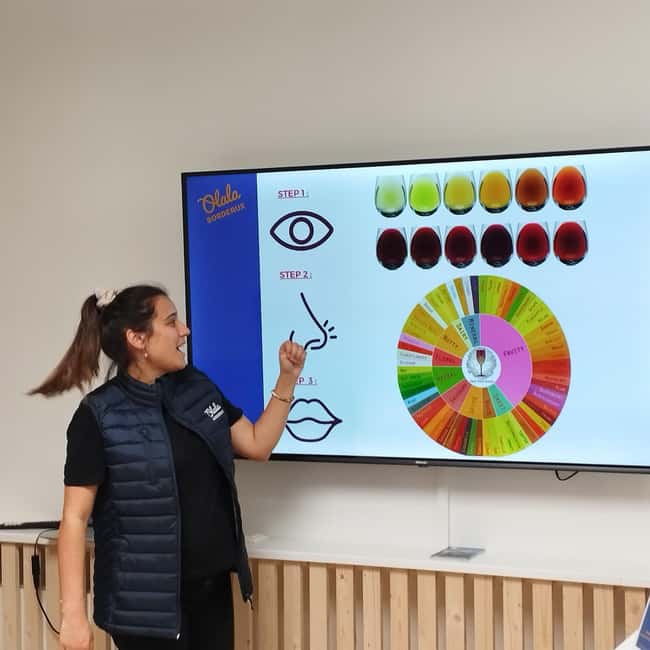
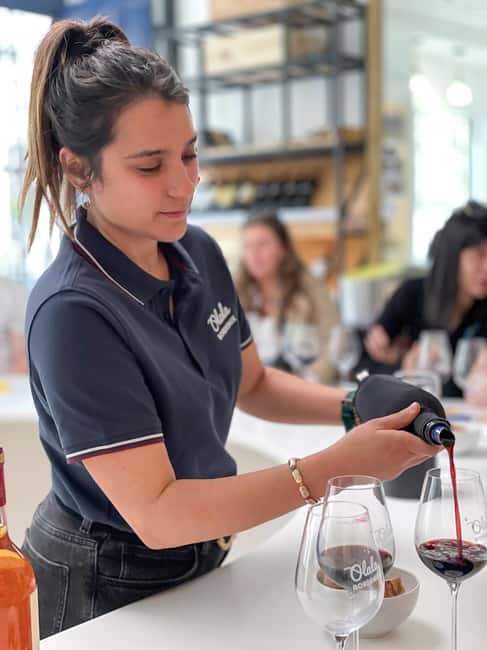
A wine class depends heavily on the person leading it. The strongest part of this experience is the teaching style. Antoine has been praised for combining wine information, scent exercises, snacks, and easy conversation. Anna has been described as attentive, kind, and interactive. Noe received praise for clear explanations about Bordeaux wine history and tasting.
Other named guides include Eva, Enzo, Olivier, Juliette, and Pierre. Their approaches may vary, but the consistent aim is to make the material accessible. You can ask questions about your preferences, and the guide can help connect those preferences to the wines in front of you.
That personal exchange is important. Bordeaux terminology can sound like a private language when you first encounter it. A good guide explains enough to help you choose wine later without burying you under theory.
The class also suits solo visitors. One participant attended alone after a last-minute change of plans and found the setting comfortable rather than awkward. Since the activity brings together people interested in wine, conversation tends to have a natural starting point.
One useful tip: if you prefer to begin tasting quickly, be aware that the opening explanation may take some time. One person felt the session talked a little too long before involving the group with wine. That is a minor issue, but it matters if you have a tight schedule or prefer a faster pace.
How this fits with La Cité du Vin and winery tours
This workshop works well before a full-day wine excursion. Several people found that the basic ideas helped them understand later visits to Saint-Émilion and local wineries. You will have a better ear for terms such as appellation and blending, and you will know how to approach a tasting without simply waiting for someone else to tell you what to think.
It can also follow a visit to La Cité du Vin. If you worry that the two activities will repeat one another, the workshop offers a smaller, more practical format. The museum covers a broad subject, while this class puts three wines and a food pairing directly in front of you.
Still, you should not expect the workshop to replace a vineyard visit. There is no stated transport to vineyards, no estate tour, and no countryside stop included. The setting is central Bordeaux, and the focus is tasting instruction.
That difference can be useful. A vineyard outing takes more time and often centers on a particular producer or area. This workshop gives you a general introduction before you decide which wine region or estate deserves a full day.
Who will get the most from the $34 price
I would recommend this for first-time Bordeaux visitors, casual wine drinkers, couples, solo visitors, and anyone planning a winery tour. It is especially helpful if wine labels usually leave you guessing. You will gain simple tasting habits and a clearer idea of what makes Bordeaux distinctive.
It also suits people who want an activity that is social but not physically demanding. The class lasts one hour, takes place in central Bordeaux, and includes food. You do not need to commit half a day or travel outside the city.
Wine enthusiasts at an intermediate or advanced level may want more variety, older vintages, or a longer technical discussion. The three-wine flight is deliberately introductory. That is a strength for beginners, but a limitation for specialists.
The age rule is clear: the activity is not suitable for children under 16, and unaccompanied minors are not allowed. Pets are not permitted. The instruction is available in English and French.
You can cancel up to 24 hours in advance for a full refund, and a reserve-now, pay-later option is available. Those policies make it easier to place the workshop into a changing Bordeaux schedule, but confirm the exact meeting point and option details when you book.
Should you book this Bordeaux wine workshop?
Book it if you want a friendly, useful introduction rather than a grand tour of every Bordeaux appellation. The strongest reasons are the central location, three-wine comparison, local food, aroma practice, and guides who keep the lesson approachable.
I would book it before a Saint-Émilion or other wine-country outing. You will arrive with enough background to understand what the producer is explaining, and you may enjoy the later tasting more.
Skip it if you already have strong Bordeaux knowledge or want a long vineyard visit. For most visitors, though, $34 buys more than a drink. It gives you a better way to taste, choose, and talk about Bordeaux wine after the class is over.
FAQ
Where does the Bordeaux wine workshop take place?
It takes place in the heart of Bordeaux, a short walk from the Grand Théâtre. The exact meeting point may vary depending on the option booked.
How long does the activity last?
The workshop lasts one hour. Starting times depend on availability.
How many wines are included?
You taste one white Bordeaux wine and two red Bordeaux wines. One of the red wines is a Grand Cru.
Is food included?
Yes. The experience includes local cheese, charcuterie, baguette, and water.
What does the workshop teach?
You learn basic wine-tasting steps, aroma identification, wine production, food pairing, terroir, grape varieties, appellations, and blending.
Is the workshop offered in English?
Yes. Instruction is available in English and French.
Is this a small-group activity?
A small-group option is available. Check the option details when booking.
Can children attend?
The activity is not suitable for children under 16. Unaccompanied minors are not allowed.
Can I cancel the booking?
You can cancel up to 24 hours in advance for a full refund. A reserve-now, pay-later option is also available.
More Hands-On Sessions in Bordeaux
- Bordeaux Super Saver Wine Tasting class and St Emilion region
★ 5.0 · 184 reviews - Bordeaux Wine Masterclass: Blending workshop with appetizer
★ 5.0 · 113 reviews - Bordeaux: Guided Bordeaux Wine Tasting Class with 6 Wines
★ 4.9 · 75 reviews - Workshop Bordeaux wine tasting: 4 reds & charcuterie pairing
★ 5.0 · 72 reviews
Recently added in Bordeaux
- Discover Braastad Cognac★ 5.0 · 52 reviews
- Au Cœur du Château – VSOP D’USSÉ & XO BARON OTARD★ 4.5 · 108 reviews
- retro road trip/ Méhari, 2CV & Burton in Rochefort, La Rochelle★ 5.0 · 28 reviews
- Saint-Emilion Food and Wine Day Tour★ 5.0 · 323 reviews
- Saint Emilion Full Day Wine and Bike Tour★ 5.0 · 167 reviews
- Virtual Room Bordeaux – 1st team virtual reality experience★ 5.0 · 47 reviews
- Bordeaux bike tour “The Best of Bordeaux”★ 5.0 · 164 reviews
- Luxurious full day Bordeaux wine tour in a Tesla★ 4.5 · 31 reviews
Workshops, compared.
Paris Cooking Class and Lunch with Wine plus Market Visit Option
Read our review →
Paris Croissant Small-Group Baking Class with a Chef
Read our review →
Fragonard Eze: Perfume Making Class and Factory Tour
Read our review →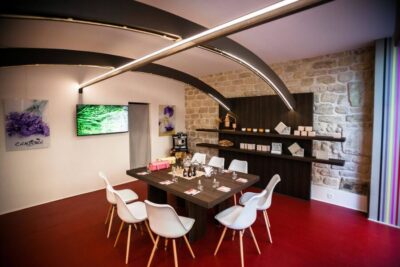
Grasse: Perfume Making Class and Fragonard Factory Tour
Read our review →Browse the lists this tour appears in