
REVIEW · MUSEUMS
Bordeaux: Museum of Illusions Entry Ticket
Prepare to question your own eyes. Bordeaux’s Museum of Illusions turns perception into a playful hour of optical tricks, holograms, puzzles, and photo setups, making it an easy break from museums filled with paintings and plaques. I like the hands-on design, which lets you test each illusion instead of simply looking at it, and I like the clear explanations of the science behind what you see. The main caution is price: at $22 per person, this is not a cheap stop for a family, especially since the visit lasts about one hour.
This works best when you treat it as a compact, playful outing rather than a major museum visit. Children aged 7 and 12 have both enjoyed the puzzles and photo opportunities, and adults can have just as much fun trying to work out why a room or image looks wrong. Allow extra patience for the mirror room, which can have a wait and may feel smaller than expected.
In This Review
- Key Points to Know Before You Go
- What the Bordeaux Museum of Illusions Actually Offers
- The First Rooms: Learning to Distrust Your Eyes
- Holograms and Sensory Tricks
- The Photo Rooms: Where the Visit Gets Silly
- Puzzles That Reward a Second Look
- How Much Value Do You Get for $22?
- Who Will Enjoy This Most?
- Practical Tips for a Smoother Visit
- Is the Museum of Illusions Worth Booking?
- FAQ
- Where is the Museum of Illusions in Bordeaux?
- How long does the visit last?
- How much does admission cost?
- What is included in the ticket?
- Are food and drinks included?
- Is the museum wheelchair accessible?
- What should I bring?
- Can I cancel my booking?
- Can I reserve now and pay later?
Key Points to Know Before You Go
- The visit lasts about one hour, so it fits neatly between larger Bordeaux activities.
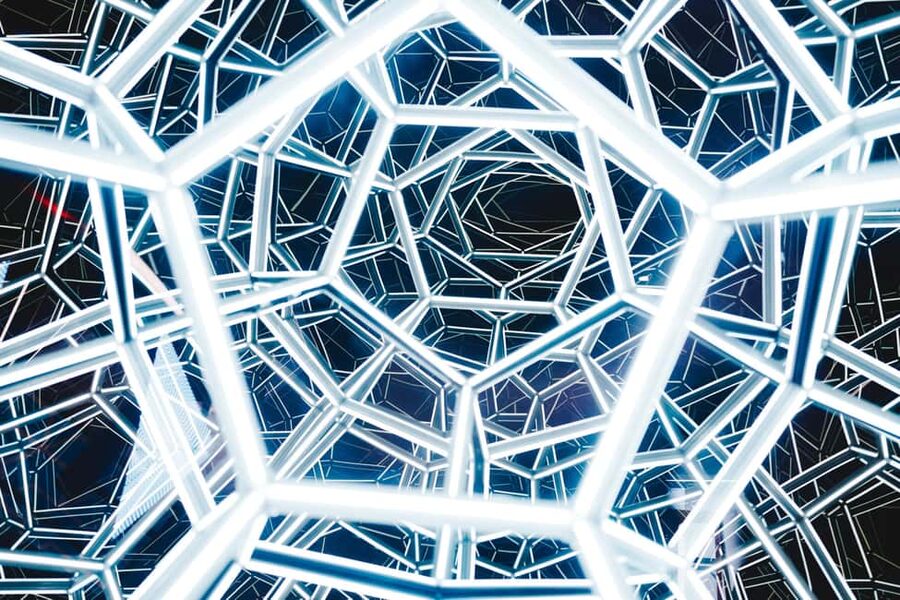
- Optical illusions, holograms, and perspective puzzles keep the experience active rather than purely observational.
- Photo rooms create the main laughs, with setups that make you appear upside down, tiny, or suspended in midair.
- Simple science explanations give the displays more value than a collection of visual tricks alone.
- The mirror room may involve a wait and is smaller than some similar attractions.
- Wheelchair access is available, and you should bring a charged smartphone or camera.
What the Bordeaux Museum of Illusions Actually Offers
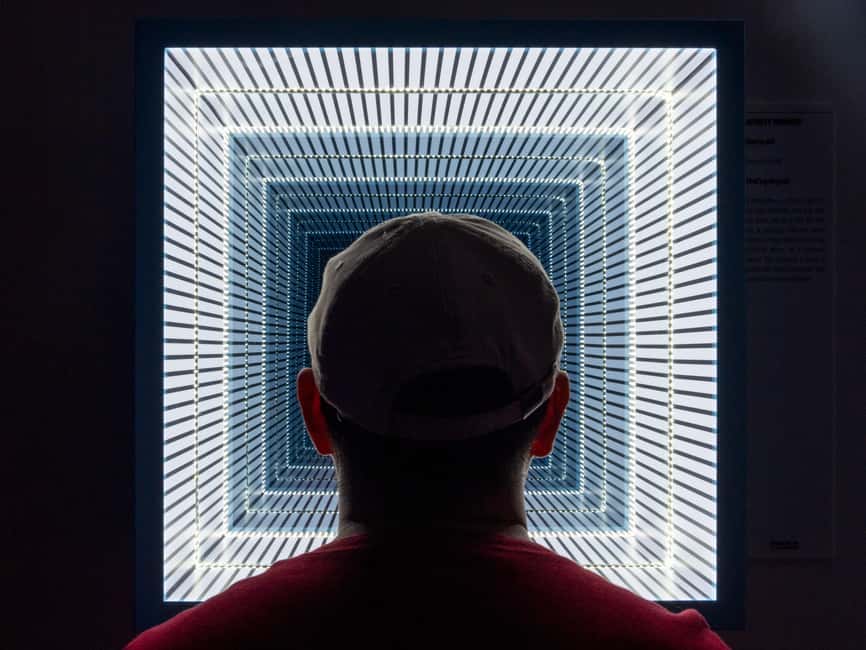
The Museum of Illusions is built around a simple idea: your eyes report one thing, while your brain tries to make sense of another. Instead of walking through a conventional exhibition in a fixed line, you move through rooms and installations that ask you to look closely, stand in the right place, take a photograph, or try a puzzle more than once.
That active approach is the heart of the visit. You are not just reading about perception. You are testing it with your own body and camera. A wall can appear to shift. A figure can seem to change size. A room can make your balance and sense of direction feel unreliable.
I appreciate that the museum also explains the science behind the effects. The educational material will not replace a formal science lesson, but it helps answer the question every child asks: How did it do that? Adults who might find a purely photo-focused attraction thin will get more from the displays because the visual tricks are tied to perception and the way the brain processes information.
The museum is best understood as a short activity with a strong social side. You will point, laugh, compare what you see with the person beside you, and take pictures that look impossible without much editing.
More museums in Bordeaux:
- Bordeaux Wine and Trade Museum Admission Ticket with Wine Tasting
★ 4.5 · 599 reviews - Paris: Louvre Museum Timed-Entrance Ticket
★ 4.6 · 71,977 reviews - Louvre Museum Masterpieces Guided Tour with Access
★ 4.5 · 12,023 reviews
The First Rooms: Learning to Distrust Your Eyes
The opening part of the visit introduces the basic idea of visual confusion. Expect visual information that plays with perspective, scale, depth, and movement. The exact order of the displays can vary, but the experience is designed to let you move at your own pace.
That freedom matters. You do not need to keep up with a guide or wait for a scheduled explanation. You can spend a little longer on an image that refuses to make sense, then move on when the trick becomes clear. Families can also split up briefly, with children trying an installation while adults read the accompanying information.
The first rooms are likely to feel more interesting if you resist the urge to rush toward the most photogenic displays. The explanations provide useful context for the later rooms. Once you understand how perspective can mislead you, you begin to notice why certain floor markings, angles, or room shapes matter.
I would give younger children permission to experiment. The fun comes from standing in the correct spot, changing your viewing angle, and checking whether the illusion works in a photograph as well as in person. A charged phone is important because you may want several attempts before you get the best image.
Holograms and Sensory Tricks
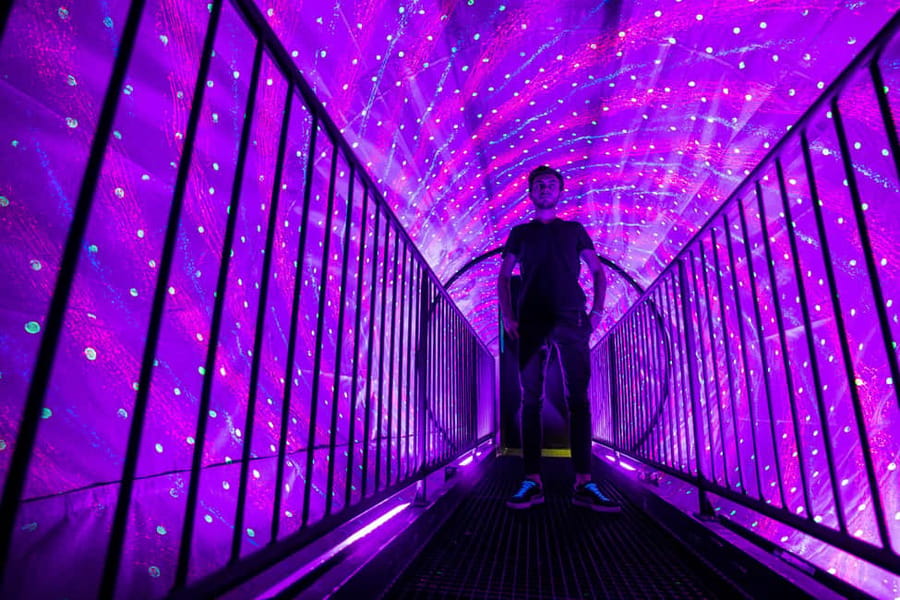
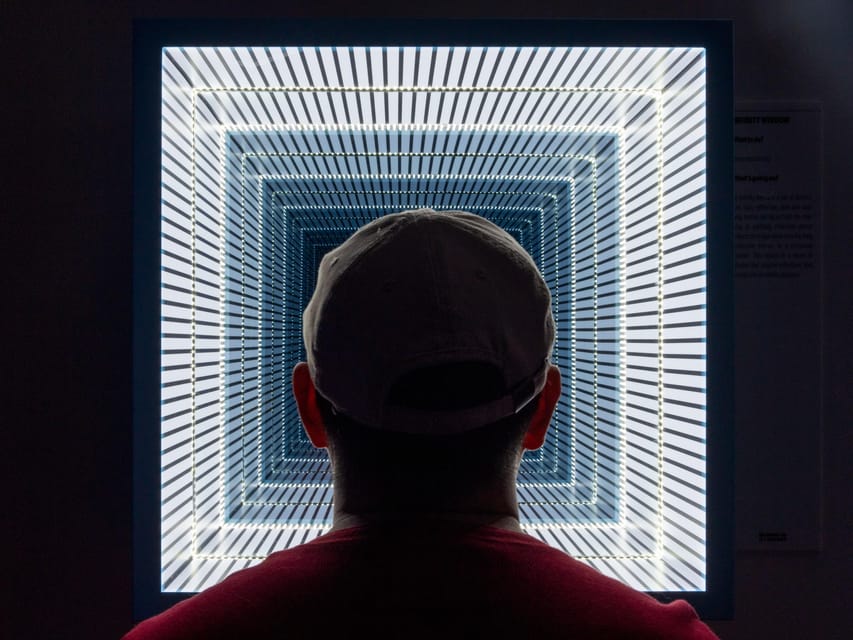
Holograms and sensory illusions add variety to the visit. These displays are less about posing and more about watching an image shift, appear, or behave in a way that feels impossible. They give the museum a more educational side and prevent the visit from becoming only a series of photo stations.
Some illusions work instantly. Others need a moment of concentration. You might look at a picture from one angle and then notice a different shape or visual effect after staring at it longer. That change is part of the point. The museum shows how much your brain fills in, corrects, and interprets without asking permission.
I like this balance between quick surprises and slower puzzles. Fast displays keep the pace lively for children, while the more puzzling installations give adults a reason to stop. If your group includes different ages, this mix helps everyone find something to enjoy.
Keep your expectations sensible. This is a compact attraction, not a large technology museum with long demonstrations or theatrical performances. The displays offer short bursts of discovery. Their value comes from interaction and shared reactions, not from the amount of space or time involved.
The Photo Rooms: Where the Visit Gets Silly
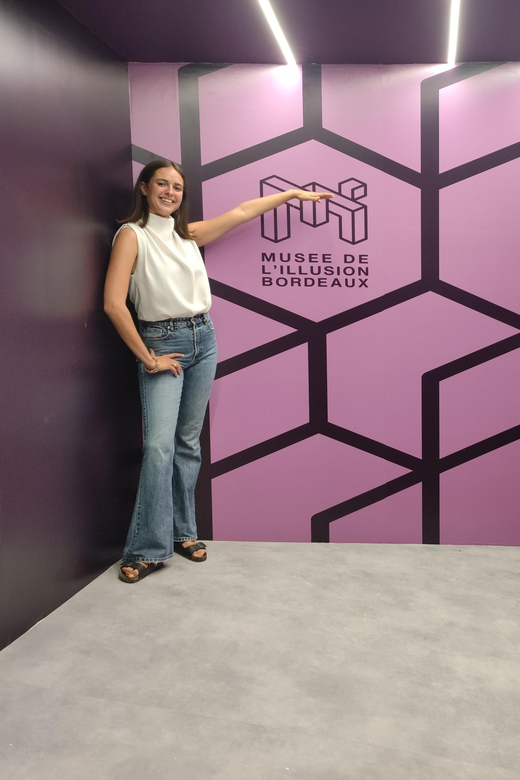
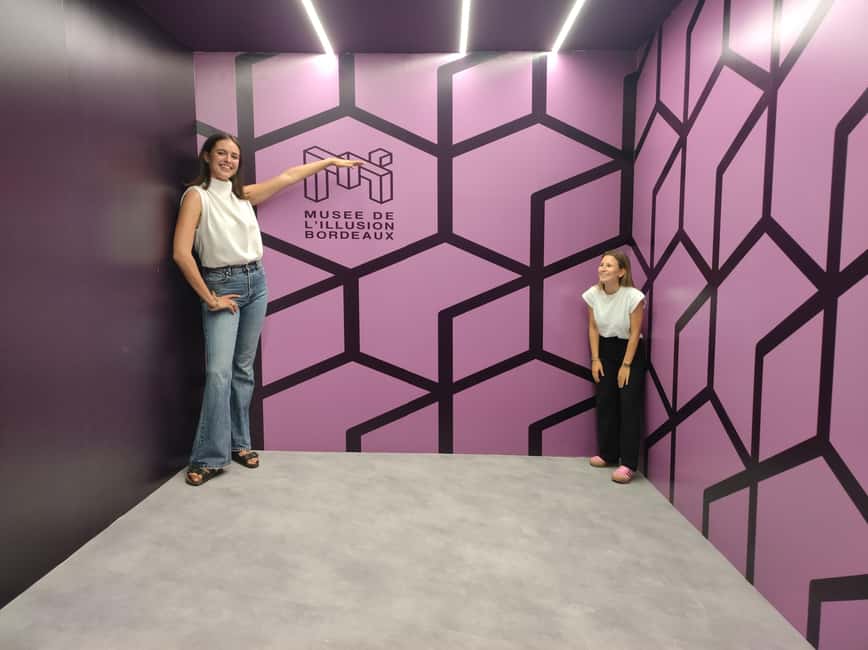
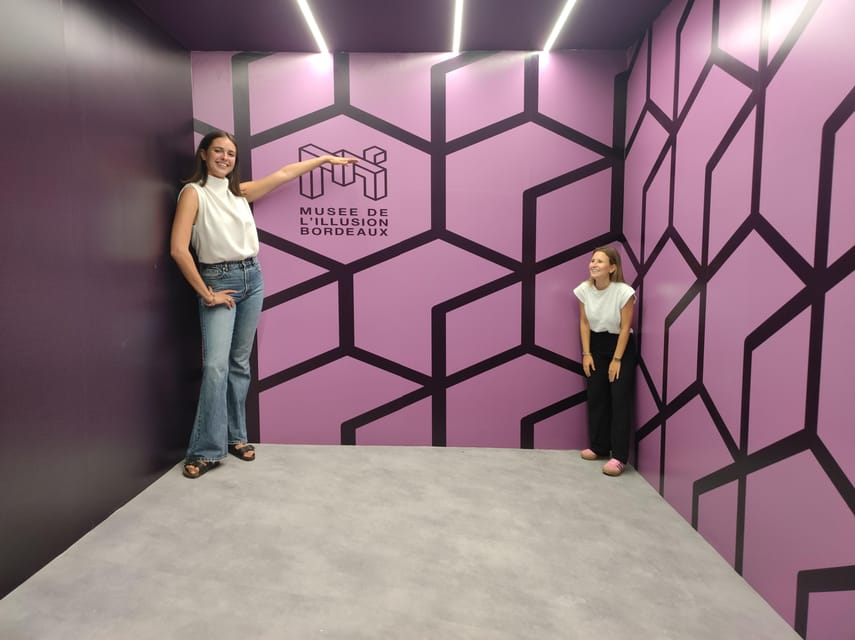
The photo setups are likely to be the most popular part of the museum. They are designed to make you look as if you are floating in midair, standing upside down, changing size, or occupying a room from an impossible angle.
These scenes work best when you follow the intended viewpoint. A picture taken from the wrong position may look like an ordinary room, so pay attention to floor markings or any instructions near the installation. You may need to ask someone in your party to stand at a particular spot while you pose. Then switch roles.
This is a good place to bring a charged smartphone rather than relying on memory. The attraction specifically encourages photography, and the best images often require a few tries. Check the frame before you move on. A foot, hand, or unwanted background detail can spoil the effect.
I especially like the social quality of these rooms. You do not need to be a serious photographer or an expert at posing. Children tend to understand the joke immediately, while adults often need a moment to stop trying to interpret the room normally. The resulting pictures are playful rather than formal, which suits the attraction.
There is one practical limitation. The mirror room can involve waiting, and one visitor found it smaller than expected compared with similar attractions elsewhere. That does not make it worthless, but it is wise not to build your entire visit around one room. The museum offers several kinds of illusions, so the mirror display should be one stop among many.
A few more Bordeaux outings to set side by side
- Bordeaux: Cité du Vin Entry Ticket and Wine Tasting
★ 4.6 · 3,885 reviews - Bordeaux: River Garonne Cruise with Glass of Wine and Canelé
★ 4.5 · 3,630 reviews - From Bordeaux: Afternoon Saint-Emilion Wine Tasting & snack
★ 4.8 · 1,581 reviews - Medoc or Saint Emilion Wine Tasting and Chateau from Bordeaux
★ 5.0 · 1,415 reviews
Puzzles That Reward a Second Look
Perspective-changing puzzles form another useful part of the museum. These displays ask you to decide what is real, which lines are straight, or how an object can appear to occupy space in an unusual way.
The best puzzles are not difficult in an academic sense. They are difficult because your first impression is so convincing. You may know that the display is designed to trick you, yet your eyes continue to insist on the wrong answer. That tension produces the laughs and gives the museum its educational point.
Take your time here. A quick walk through the rooms will give you photographs, but pausing over the puzzles gives you a better sense of how visual perception works. If you are visiting with children, ask them what they think is happening before reading the explanation. Their first theories can be more entertaining than the illusion itself.
The museum also works well for adults who want an activity that does not demand a full afternoon. One hour is long enough to create a clear memory, but short enough to fit into a busy Bordeaux schedule. You can visit before lunch, after sightseeing, or during a spell of poor weather without sacrificing most of your day.
How Much Value Do You Get for $22?
At $22 per person, the ticket sits on the expensive side for a one-hour attraction. That concern is worth taking seriously, especially for two adults with several children. The museum does not include food or drinks, and there is no longer program included with the entry ticket.
The value improves if you enjoy taking photographs, trying hands-on displays, and discussing how the illusions work. You are paying for access to a set of interactive rooms rather than for a long guided tour or a major collection of objects. A family can get plenty of laughs from the visit, but the cost may feel high if your group moves quickly or dislikes posing for pictures.
I would also compare the ticket with your day’s other plans. If you have already spent hours in traditional museums, this offers a change of pace. If you are looking for a full-day cultural attraction, it will feel too short. The museum works best as a focused addition to a Bordeaux day, not as the main reason to visit the city.
The average rating of 4.2 from 588 ratings suggests a generally positive experience, with the strongest response centered on the fun, the photographs, and the family appeal. The lower marks tend to make sense when connected to the price and the smaller-than-expected mirror room.
Who Will Enjoy This Most?
Families with children are a natural match. The activity is easy to understand, does not require advanced language skills to enjoy the visual effects, and gives children permission to move, pose, test, and laugh. The feedback from family visits is especially encouraging for children around 7 and 12, with both ages finding something to enjoy.
Couples can also have a good time here. The photo rooms give you a reason to cooperate, and the puzzles offer a simple shared challenge. If you are looking for a quiet, serious museum, however, this is not the right choice. The tone is playful and sometimes silly.
The museum may also suit a mixed-age group. Older children and adults can focus on the explanations, while younger children can enjoy the colors, shapes, and physical setups. Since you move at your own pace, each person can spend more or less time at each display.
I would be less enthusiastic for anyone who dislikes interactive attractions, has no interest in photographs, or expects a large exhibition. The one-hour length is convenient, but it also limits how much material the museum can offer.
Practical Tips for a Smoother Visit
Go to Musée de l’Illusion Bordeaux for the activity itself. No separate meeting point or transportation arrangement is provided in the information available, so check the exact address when planning your route through Bordeaux.
Bring a camera or a smartphone with plenty of battery. This is not optional if you want to make full use of the photo rooms. You may take several attempts at the floating, upside-down, or size-changing scenes, and a nearly empty battery could end the fun early.
Food and drinks are not included and are not allowed inside. Alcohol and drugs are also prohibited. Plan snacks and refreshments before or after the visit rather than expecting to buy them as part of the attraction.
The museum is wheelchair accessible. The visit has a stated duration of one hour, though a wait for the mirror room could affect how evenly you spend that time. If that room is busy, enjoy the other installations first instead of standing in line without seeing anything else.
Booking offers useful flexibility. You can cancel up to 24 hours before the visit for a full refund, and the reserve-now, pay-later option lets you hold a place without paying immediately. Check available starting times before you commit, since the one-hour duration does not mean you can necessarily arrive at any time.
Is the Museum of Illusions Worth Booking?
I would book this for a family, couple, or small group that wants a cheerful one-hour activity with good photo potential and simple science explanations. The strongest reasons are the interactive displays, the family-friendly puzzles, and the chance to create genuinely funny images without special equipment.
I would hesitate if $22 feels high for a short attraction or if you expect the mirror room to be large. The mirror setup may disappoint on its own, and the overall visit is compact. But if you see it as a playful stop rather than a major museum, the price becomes easier to justify.
Book it when you want a break from traditional sightseeing, bring a charged phone, and allow yourself to look a little foolish. That is where this museum works best.
FAQ
Where is the Museum of Illusions in Bordeaux?
The meeting point is Musée de l’Illusion Bordeaux in Nouvelle-Aquitaine, France.
How long does the visit last?
The stated duration is one hour.
How much does admission cost?
The price is $22 per person.
What is included in the ticket?
The ticket includes entry to the Museum of Illusions Bordeaux.
Are food and drinks included?
No. Food and drinks are not included, and they are not allowed inside the museum.
Is the museum wheelchair accessible?
Yes, the activity is listed as wheelchair accessible.
What should I bring?
Bring a camera and a charged smartphone so you can take photographs in the illusion rooms.
Can I cancel my booking?
Yes. You can cancel up to 24 hours in advance for a full refund.
Can I reserve now and pay later?
Yes. The reserve-now, pay-later option allows you to book without paying immediately.
Recently added in Bordeaux
- Au Cœur du Château – VSOP D’USSÉ & XO BARON OTARD★ 4.5 · 108 reviews
- Discover Braastad Cognac★ 5.0 · 52 reviews
- retro road trip/ Méhari, 2CV & Burton in Rochefort, La Rochelle★ 5.0 · 28 reviews
- Saint-Emilion Food and Wine Day Tour★ 5.0 · 323 reviews
- Saint Emilion Full Day Wine and Bike Tour★ 5.0 · 167 reviews
- Bordeaux bike tour “The Best of Bordeaux”★ 5.0 · 164 reviews
- Virtual Room Bordeaux – 1st team virtual reality experience★ 5.0 · 47 reviews
- Luxurious full day Bordeaux wine tour in a Tesla★ 4.5 · 31 reviews
Museums, compared.
Louvre Museum Masterpieces Guided Tour with Access
Read our review →
Louvre Museum Entry Ticket With Host and River Cruise
Read our review →
Les Invalides: Napoleon’s Tomb & Army Museum Entry
Read our review →
Louvre Museum – Exclusive Guided Tour (Entry Included)
Read our review →
Louvre Museum Hosted Entry and Mona Lisa Audioguide
Read our review →
Louvre Museum Tour Mona Lisa & Iconic Masterpieces
Read our review →
Browse the lists this tour appears in