
REVIEW · CHEESE
Cheese and Wine Pairing 1-Hour Session in Dijon
Some lessons taste better with wine. This compact Dijon tasting brings four local cheeses and four Burgundy wines together in a calm cellar setting, with Emeline Pin explaining the region, grape classifications, and the small changes each pairing creates on your palate. I like the clear progression from lighter to fuller flavors, and I like that the session works well in poor weather. The main consideration is its short one-hour format, which leaves little time for a broad tour of Dijon or a leisurely meal.
The meeting point is at 85 Rue Berbisey, about a 10-minute walk from central Dijon and the train station. The group is capped at eight people, which helps keep the conversation personal, but the small size also means the session depends heavily on the guide and the mix of people in your group.
In This Review
- Key points at a glance
- A one-hour introduction to Burgundy on a plate
- Finding 85 Rue Berbisey in Dijon
- Four cheeses, four wines, and a clear tasting order
- What Emeline Pin adds to the tasting
- Why the pairings are more than a snack
- The cellar setting and group size
- Is $58.87 a fair price?
- Who will enjoy this Dijon tasting most?
- Booking timing and cancellation details
- Should you book the cheese and wine session?
- FAQ
- Where does the cheese and wine session begin?
- How far is the meeting point from Dijon’s center?
- How far is it from Dijon train station?
- Where does the activity end?
- How long does the tasting last?
- How many people can join?
- Is the session offered in English?
- What is included in the tasting?
- Are both red and white wines included?
- Can I cancel for a full refund?
- Are service animals allowed?
Key points at a glance
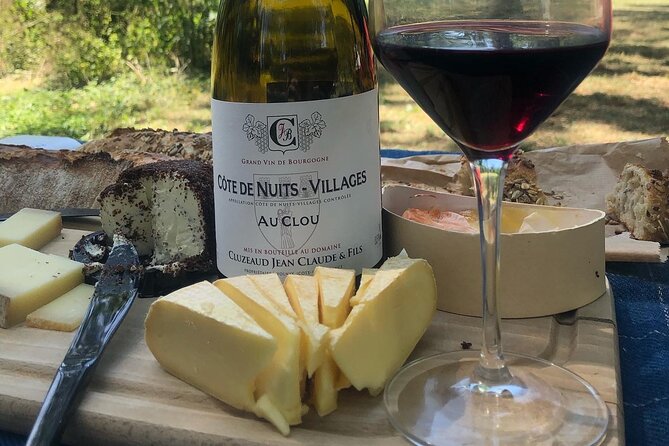
- Four wines and four cheeses: The tasting includes two white wines and two red wines, paired with four soft, local cheeses.
- A useful tasting lesson: You taste each wine on its own, then again with cheese, so you can notice how the flavors change.
- Emeline Pin leads the session: She explains Burgundy’s geography, terroir, grape classifications, wine production, and local traditions in English.
- Central Dijon location: The cellar is on Rue Berbisey, roughly 10 minutes from the city center and Dijon train station.
- Small group setting: No more than eight people can join, making questions and conversation easier.
- Good rainy-day plan: The indoor cellar, seating, and one-hour schedule make this a practical break from cold or wet weather.
A one-hour introduction to Burgundy on a plate
Dijon is an excellent place to begin learning about Burgundy wine. You are in the heart of the region, but you do not need a full-day vineyard outing to get a useful first lesson. This tasting gives you a focused look at how local wine and cheese work together.
The session takes place in a cellar inside a coworking space in central Dijon. That setting is not a grand historic wine estate, so you should not book this expecting old stone tunnels, barrel rooms, or a formal restaurant. The appeal is simpler: you sit indoors, taste a planned sequence of regional products, and have a specialist explain what you are drinking.
For me, the best part of a short tasting like this is the built-in comparison. Instead of trying one glass and one cheese in isolation, you can follow a progression. The wine is tasted first by itself, then with the paired cheese. That gives you a practical way to notice how salt, creaminess, texture, and body affect the wine.
More cheese tastings in Dijon:
- Dijon: Cheese and Burgundy Wine Tasting Workshop
★ 4.8 · 122 reviews - Paris: Montmartre Cheese, Wine & Pastry Guided Walking Tour
★ 4.8 · 2,255 reviews - Private Montmartre Food Tour with Wine, Cheese & Pastries
★ 5.0 · 1,027 reviews
Finding 85 Rue Berbisey in Dijon
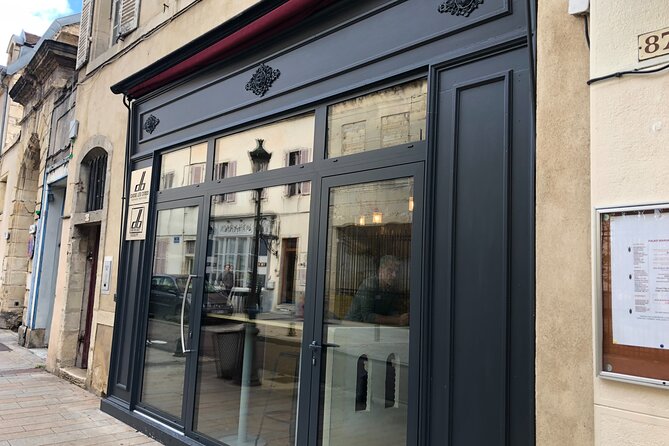
The meeting point is 85 Rue Berbisey, 21000 Dijon. It is about a 10-minute walk from Dijon’s center and about 10 minutes from the train station, according to the provided directions. That makes the activity fairly easy to fit into a day of sightseeing or a rail stop.
You finish back at the same meeting point. This matters because a one-hour tasting does not create a complicated transport problem. You can continue exploring Dijon afterward, return to your hotel, or walk toward the station without arranging a separate pickup.
Give yourself enough time to find the address. The tasting is held in a coworking space rather than a landmark wine shop or a clearly named restaurant, so the location may feel less obvious than you expect. The practical upside is that the central setting keeps the activity easy to reach.
The cellar is indoors and offers seating. That makes it especially useful in November, on a cold day, or when rain has put a dent in your sightseeing plans. You get a warm pause without giving up the chance to learn about Burgundy.
Four cheeses, four wines, and a clear tasting order
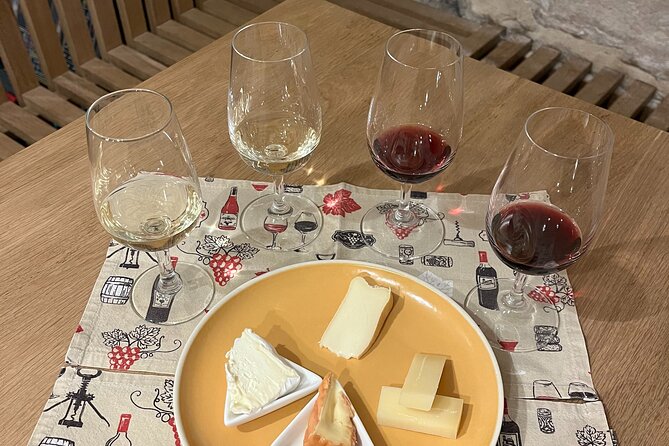
The menu is built around four local cheeses and four local wines. The available details identify the wine selection as two whites and two reds, with the cheeses described as soft and buttery. The pairings are arranged so that each wine and cheese combination has more body than the one before it.
That order is more important than it may sound. If you begin with the heaviest red and a strong cheese, lighter wines can seem thin afterward. A gradual sequence lets your palate adjust instead of asking it to make a sharp jump from delicate to powerful.
You first taste the wine alone. Pay attention to its smell, acidity, fruit, and weight. Then taste the cheese and try the wine again. The change may be subtle, but it is the lesson that gives this activity real value. A creamy cheese can soften a wine, make fruit flavors seem rounder, or change the way you notice acidity.
You do not need a trained palate to enjoy this. In fact, beginners may get the most from the format because the comparison is easy to understand. You are not being asked to identify obscure aromas. You are being shown how a single wine can taste different with food.
The cheeses are paired by local community, according to the tasting description provided. That adds a regional link to the menu. Instead of treating cheese as a generic snack, the session connects it to the same local food culture that shapes Burgundy’s wine traditions.
What Emeline Pin adds to the tasting
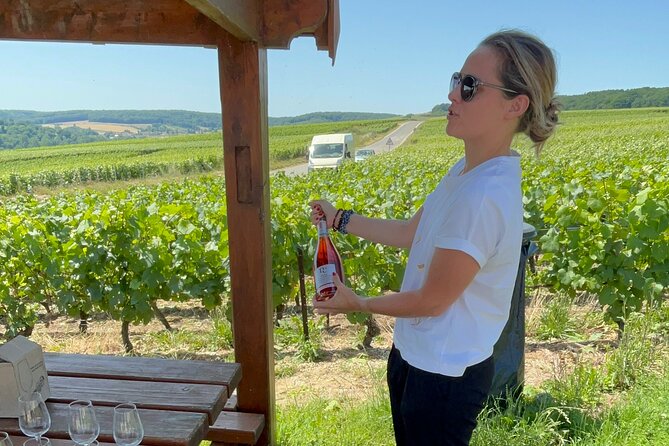
The guide is Emeline Pin, and the quality of the session appears closely tied to her teaching style. She is described as friendly, patient, gracious, and easy to speak with in English. Those qualities matter in a small tasting, where the tone can feel either relaxed or stiff within minutes.
Emeline explains Burgundy’s geography and terroir, along with the region’s wine areas, production methods, traditions, and grape classifications. The grape-ranking system is a particularly useful topic because Burgundy labels can seem confusing at first. A brief explanation can help you understand why two wines from nearby places may have different reputations and prices.
The language support is another practical advantage. The session is offered in English, and the tasting can be held in both French and English so everyone can follow along. If you have questions, the small group size should make it easier to ask them rather than simply listen to a set speech.
The tone sounds more like a friendly conversation than a stiff classroom. That suits this kind of activity. You can ask why one cheese works with one wine, how the region is divided, or what makes white and red Burgundy different. The guide’s ability to explain the details in a clear, approachable way is one of the strongest reasons to book.
More one-hour slots in Dijon:
- Dijon: Express Walk with a Local in 60 minutes
★ 4.5 · 28 reviews - Nice: 1-Hour Sightseeing Cruise to Villefranche Bay
★ 4.6 · 2,747 reviews - Paris: 1-Hour Sightseeing Cruise and 3-Course Bistro Dinner
★ 4.3 · 1,489 reviews - Paris Segway Express Tour (12 monuments in 1 hour and 30 minutes)
★ 5.0 · 627 reviews
Why the pairings are more than a snack
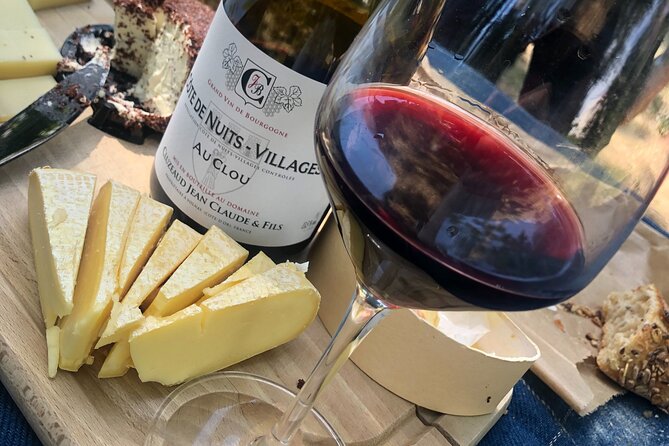
The included cheese and wine are not just refreshments added to a sightseeing talk. They are the subject of the lesson. You learn by tasting, and the food gives the regional information a physical sense.
Burgundy is especially well suited to this approach because its wines are closely tied to place and classification. Hearing about terroir is useful, but tasting a series of wines alongside local cheese helps turn an abstract idea into something you can compare. You begin to notice differences in body, freshness, and flavor rather than treating every white or red as the same.
The four pairings also give you a little vocabulary for later meals. After the session, you may be more comfortable asking about a wine’s body or deciding whether a creamy cheese needs a crisp white or a fuller red. That is a modest skill, but it can make later dining in Burgundy more enjoyable.
Do not expect a full meal. The listed food is cheese and snacks, not lunch or dinner. If you arrive hungry, plan to eat before or after the tasting. The one-hour session is designed as an introduction, not a substitute for a meal.
The cellar setting and group size
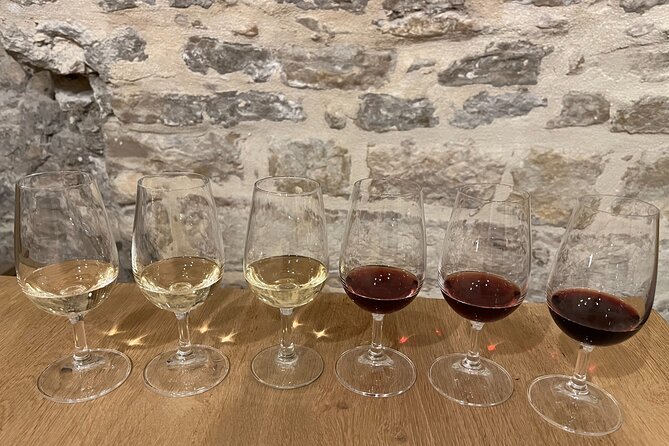
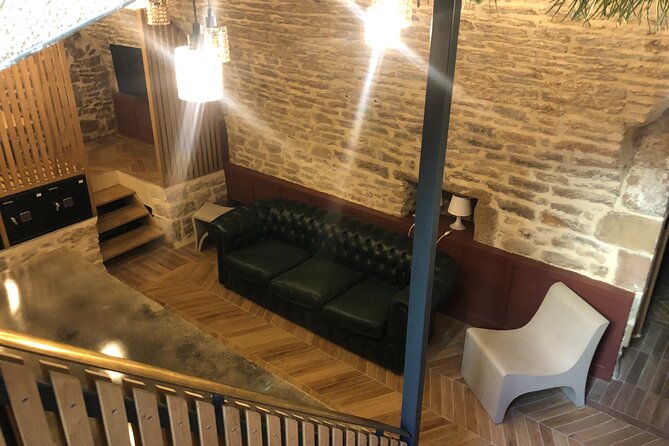
The indoor cellar offers a relaxed place to sit and taste. It is also a sensible choice for a winter itinerary. Cold, snowy, and rainy weather does not cancel the basic pleasure of cheese and wine, and the setting keeps you comfortable while the guide explains the region.
The maximum group size is eight people. That is small enough for direct questions and a more personal exchange. It also means the atmosphere may change depending on who joins you. A curious group can make the hour feel lively. A quiet group may make it feel more like a private lesson.
The coworking-space setting is worth keeping in mind. This is not promoted as a theatrical wine show or a historic monument visit. You are paying for the tasting and the guidance, not for elaborate surroundings. If you care most about the quality of the explanation and the chance to compare several local wines, that is a fair trade.
If your main goal is to tour vineyards, see production facilities, or walk through a traditional cellar complex, you will need a different activity. This session stays in Dijon and keeps its attention on tasting.
Is $58.87 a fair price?
At $58.87 per person, the cost is not cheap for one hour. You receive alcoholic beverages, snacks, four wines, four cheeses, an English-language guide, and a structured introduction to Burgundy. The value depends on how much you want the instruction and the regional context.
For someone new to Burgundy wine, the price can make sense. Four pairings provide more than a single glass at a wine bar, and Emeline’s explanations help you understand what is in front of you. The small group limit also gives the hour a more personal feel than a large commercial tasting.
For an experienced wine drinker who only wants to sample local bottles, the value may be less convincing. You could prefer a longer tasting, a vineyard visit, or a restaurant meal where wine and cheese are part of a broader evening. The one-hour duration limits the amount of material and food you can receive.
I would view the price as payment for a guided lesson with tastings, not simply for four glasses of wine. If you ask questions and pay attention to the wine-before-cheese comparison, you get more from it. If you want a substantial meal or a full day among the vineyards, this is not the right use of your budget.
Who will enjoy this Dijon tasting most?
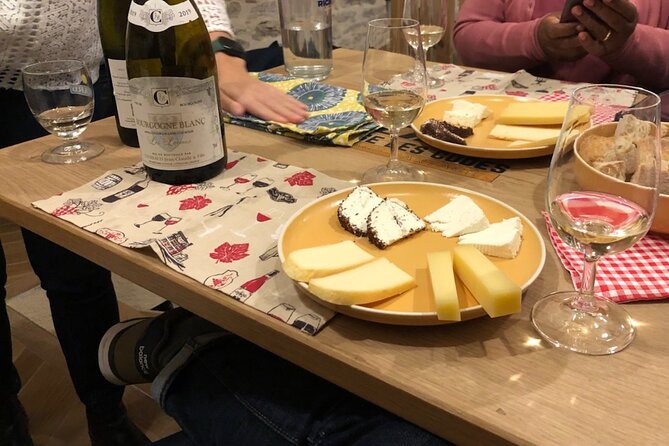
This activity suits first-time visitors to Burgundy who want an easy introduction before ordering wine at local restaurants. It is also a good fit for solo visitors, since the small group and conversational style can make a one-hour activity feel welcoming rather than awkward.
Couples and friends who already enjoy cheese and wine should find plenty to like, especially if they want a short indoor activity between sightseeing stops. The tasting is also practical for anyone arriving by train because the meeting point is close to the station.
It works well for people with limited time. You do not need to commit to a half-day excursion, and the activity ends where it begins. The hour is long enough to learn a few useful ideas without taking over your day.
You may want to skip it if you do not drink alcohol, since alcoholic beverages are central to the session. It is also less suitable if you want a large meal, a vineyard walk, or an architectural setting with more visual interest.
Booking timing and cancellation details
The activity is often booked about 22 days in advance, so I would reserve ahead if your Dijon dates are fixed. The group limit is eight, and the small capacity can fill faster than a large group tour.
Confirmation is provided at booking. The activity is near public transportation, and service animals are allowed. The provider may cancel if the minimum number of participants is not reached. In that case, you are offered another date or experience, or a full refund.
You can cancel free of charge up to 24 hours before the local start time for a full refund. Cancellations or changes made less than 24 hours ahead are not refunded or accepted, so check the timing carefully before making a last-minute change.
Should you book the cheese and wine session?
Book it if you want a friendly, focused introduction to Burgundy wine and cheese in central Dijon. The four-step pairing sequence, English-language guidance, and small group size give the hour a clear purpose. Emeline Pin’s warm teaching style is an important part of the appeal.
I would especially recommend it for first-time Burgundy visitors, solo visitors, rail arrivals, and anyone looking for an indoor plan on a wet or cold day. Go in expecting a tasting lesson, not a full meal or vineyard tour. At $58.87, it offers fair value when you take part actively and use the explanations to sharpen your palate.
FAQ
Where does the cheese and wine session begin?
The session begins at 85 Rue Berbisey, 21000 Dijon, France.
How far is the meeting point from Dijon’s center?
The meeting point is about a 10-minute walk from the center of Dijon.
How far is it from Dijon train station?
The meeting point is about a 10-minute walk from the train station.
Where does the activity end?
The activity ends back at the meeting point on Rue Berbisey.
How long does the tasting last?
The session lasts approximately one hour.
How many people can join?
The maximum group size is eight people.
Is the session offered in English?
Yes. The activity is offered in English, and the host may hold the class in both French and English.
What is included in the tasting?
Alcoholic beverages and snacks are included. The tasting features four local cheeses and four local wines.
Are both red and white wines included?
Yes. The tasting includes two white wines and two red wines.
Can I cancel for a full refund?
Yes. You can cancel at least 24 hours before the local start time for a full refund.
Are service animals allowed?
Yes. Service animals are allowed.
Recently added in Dijon
- Dijon with an Archaeologist: A Self-Guided Audio Tour★ 4.5 · 26 reviews
- Pinot Noir Masterclass – Wine tasting in Dijon★ 5.0 · 147 reviews
- Chardonnay Masterclass – Wine tasting in Dijon★ 5.0 · 91 reviews
- Burgundy Wines Masterclass in Dijon★ 5.0 · 139 reviews
- Small group Burgundy tour of Beaune with Wine Tasting from Dijon★ 4.5 · 85 reviews
- From Dijon: Full day the most of Burgundy with lunch★ 5.0 · 40 reviews
- Half Day Tour of the Cote de Nuits Vineyards from Dijon★ 5.0 · 108 reviews
- 🍷 Masterclass Pinot Noir – Wine tasting in Dijon 🇫🇷★ 4.5 · 35 reviews
Cheese, compared.
Montmartre Cheese, Wine & Pastry Guided Walking Tour
Read our review →
Private Montmartre Food Tour with Wine, Cheese & Pastries
Read our review →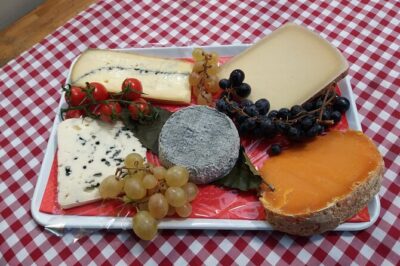
Paris Le Marais Food Tour With 10+ Tastings, Cheese, Wine & More
Read our review →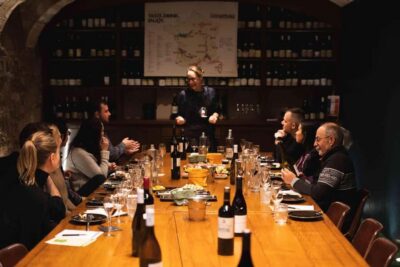
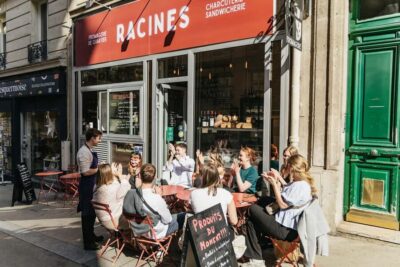
Cheese & Wine Tasting in Montmartre with Local Cheesemonger
Read our review →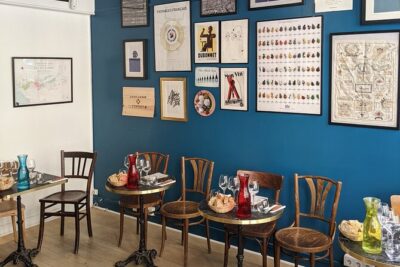
French Wine, Champagne And Cheese Tasting Paris SECRET WINE DOOR
Read our review →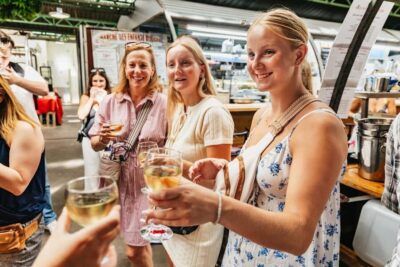
Walking Food Tour with Cheese, Wine and Delicacies
Read our review →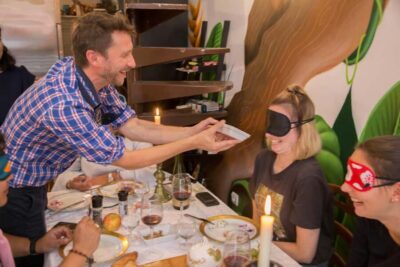
Browse the lists this tour appears in