
REVIEW · WINE TOURS
🍷 Masterclass Pinot Noir – Wine tasting in Dijon 🇫🇷
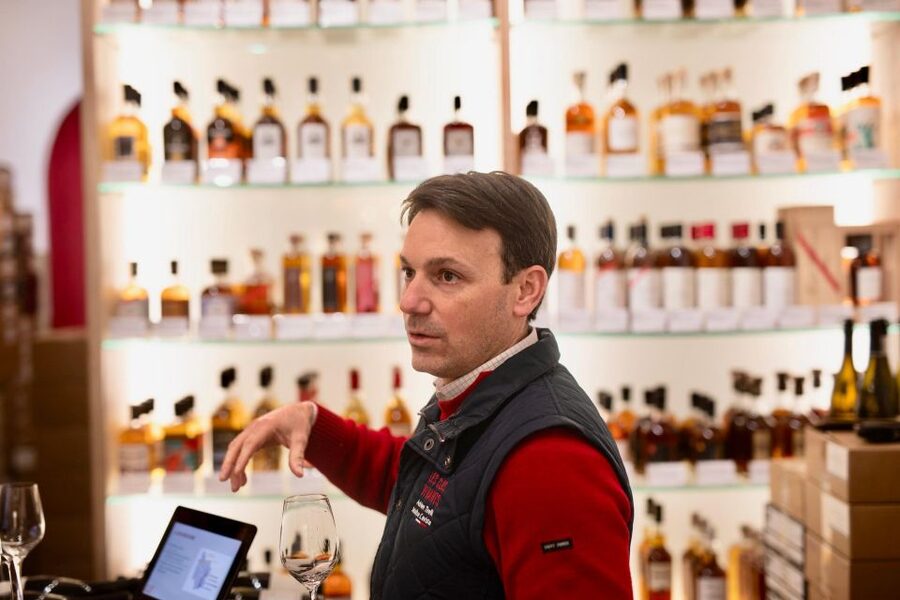
Four glasses tell Burgundy’s story. This 45-minute Dijon tasting makes Pinot Noir and Burgundy’s Climats easier to understand, moving from Village-level wine toward Grand Cru. I like the small group limit of eight and the chance to taste bottles selected by Les Clos Vivants, then buy the wines you enjoyed. The main drawback is the setting: some sessions take place in the wine shop, and you may need to stand longer than expected.
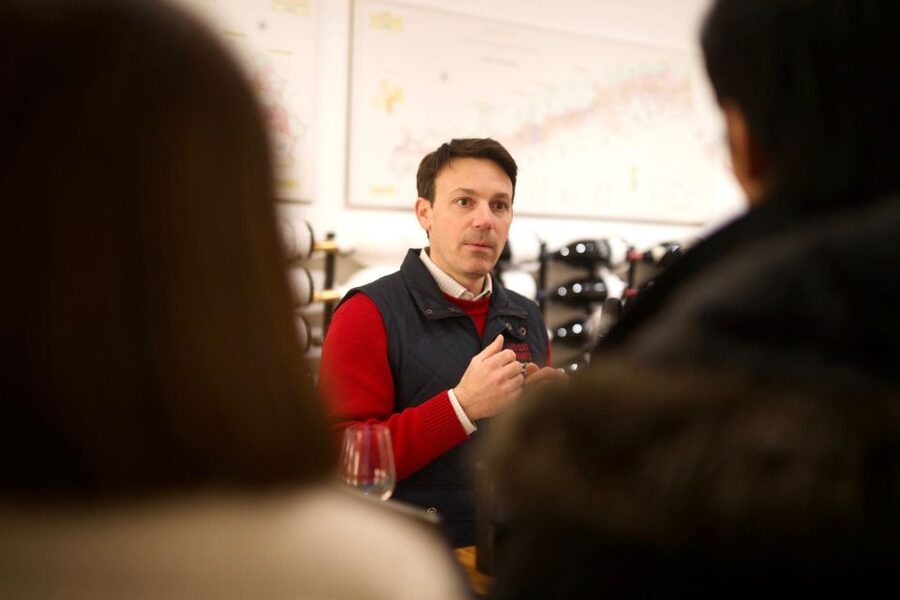
The tasting is led in French or English by Burgundy specialists including Emily, Pierre, Mattéo, Guyonne, or Adrien, depending on the session. Emily receives especially strong praise for her clear, lively teaching, while Pierre has been noted for making the connection between each bottle, its producer, and its terroir easy to grasp. Check your expectations before booking, since the advertised duration is 45 minutes but some tastings have lasted more than an hour.
In This Review
- Key points to know before booking
- Why this Dijon tasting works for Burgundy beginners
- Arriving at Les Clos Vivants
- Four pours from Village to Grand Cru
- Learning with Emily, Pierre, Mattéo, Guyonne, or Adrien
- What the Vignobles & Découverte label adds
- Buying a bottle after the tasting
- Is $41 good value for 45 minutes?
- Comfort, timing, and group size
- Who will enjoy this most
- Practical details to keep in mind
- Should you book the Dijon Pinot Noir masterclass?
- FAQ
- Where does the wine tasting take place?
- How long does the tasting last?
- How many wines are included?
- Which languages are available?
- Who leads the tasting?
- Can I buy the wines after tasting them?
- Is the activity suitable for children?
Key points to know before booking
- Four wines form a clear Burgundy ladder: You taste a progression from Regional or Village wine through higher appellations to a Grand Cru.
- The group is capped at eight people: That gives the guide more room to answer questions than a large wine-bar tasting.
- The setting is Les Clos Vivants wine shop: It feels connected to local wine retail, but it may not offer a private classroom or a chair for every participant.
- The guide matters: Emily, Pierre, Mattéo, Guyonne, and Adrien lead sessions in French or English, with Emily and Pierre receiving particularly warm praise.
- You can buy the bottles afterward: The wines come from the shop’s own selection, so you do not have to guess which bottle you tasted.
- The tasting carries Vignobles & Découverte certification: This national label signals a recognized standard for wine-tourism services.
Why this Dijon tasting works for Burgundy beginners
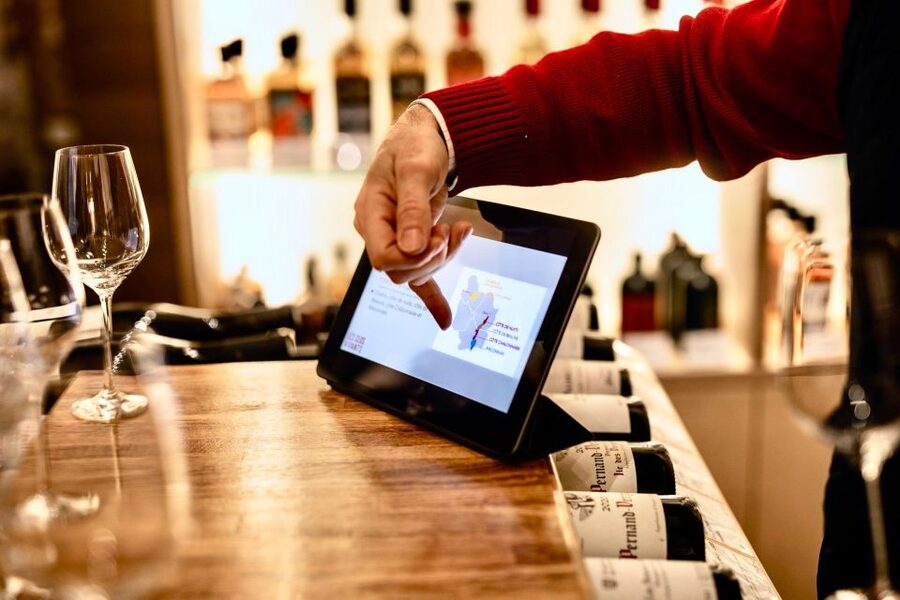
Burgundy can be confusing even for people who already drink wine. A bottle may be labeled by its village, vineyard, or classification rather than by a familiar grape name. The same grape can taste quite different from one appellation to the next, and the term Climats de Bourgogne points to the carefully defined vineyard parcels that give the region much of its character.
This tasting gives you a practical way to sort out those terms. Instead of discussing Burgundy only in theory, the guide pours four wines and lets you compare them in order. The progression is the heart of the session. You start with a lower classification, then move toward a Grand Cru, allowing you to notice how appellation and place affect the wine.
I like this format because it gives you a reference point. Tasting one Burgundy wine in isolation can leave you wondering what makes it special. Tasting four levels side by side gives the guide something concrete to explain and gives you a better chance of recognizing differences in structure, balance, and finish.
The session also serves a larger purpose. Les Clos Vivants presents the tasting as an introduction to the Outstanding Universal Value of the Climats, the vineyard parcels recognized as part of a UNESCO World Heritage site. That does not turn 45 minutes into a full vineyard tour, but it adds useful context to what is in your glass.
More Food Tours in Burgundy
- Dijon: La Cave du Palais Burgundy Wine Tasting Experience
★ 4.8 · 400 reviews - Pinot Noir Masterclass – Wine tasting in Dijon
★ 5.0 · 147 reviews - Dijon: Cheese and Burgundy Wine Tasting Workshop
★ 4.8 · 122 reviews
Arriving at Les Clos Vivants
The meeting point is Les Clos Vivants wine shop. This is convenient if you are already exploring central Dijon and want a short indoor activity between sightseeing stops. You do not need to arrange transportation to a vineyard for this particular experience.
The shop setting has two sides. On the good side, you are surrounded by actual Burgundy bottles, and the tasting connects directly to the wines available for purchase. If a bottle catches your attention, you can act on that interest while the explanation is still fresh.
The tradeoff is comfort. This is not presented as a formal private-room class, and two people specifically found the arrangement less comfortable because they had to stand while listening. One person expected a seated session lasting roughly 90 minutes and instead found a wine shop with customers moving through the space.
I would treat the setting as a retail tasting rather than a polished classroom presentation. That is not automatically a flaw, especially if you value access to bottles and a shop atmosphere. But if a chair, quiet room, or long formal lecture matters to you, ask about the current setup before you reserve.
Four pours from Village to Grand Cru
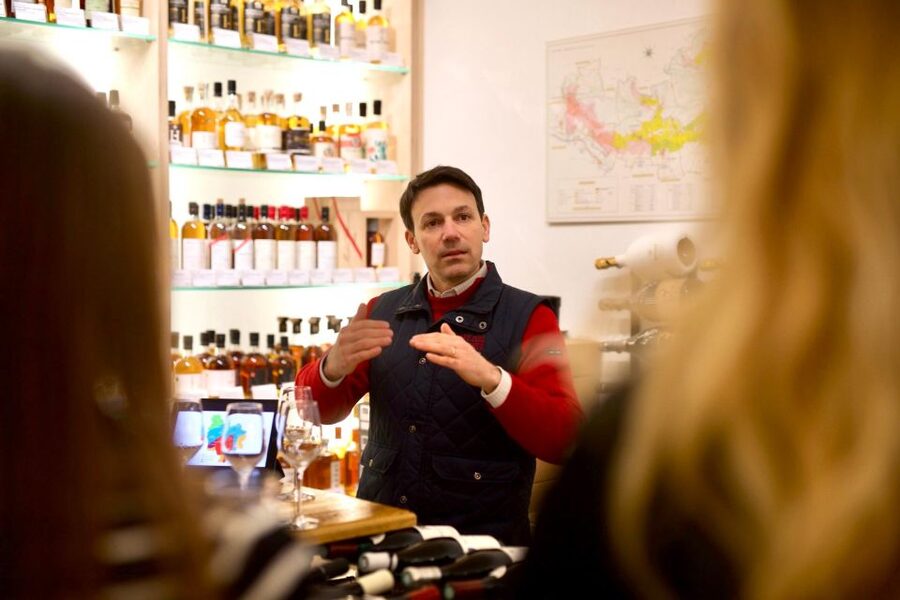
The tasting includes four Burgundy wines, moving from Village level to Grand Cru. One detailed account describes the sequence as beginning with the lower Regional category and continuing through the classifications to the top wine. Since the bottles come from the provider’s selection, the exact producers and appellations may vary.
That variation is worth keeping in mind. You are not booking a fixed list of famous labels. You are booking a guided comparison chosen by the shop. The benefit is that the wines can represent the guide’s current selection, while the limitation is that you cannot count on one particular bottle being poured.
The order matters. The first wine gives you a starting point for Burgundy’s style. As the tasting progresses, the guide can explain why classification matters and how the Climats help define the region’s identity. You are not simply asked to decide which wine tastes best. You are given a framework for understanding why a Grand Cru carries a different level of prestige and price.
For a first visit to Burgundy, this structure is more useful than tasting four unrelated wines. You can compare each glass with the one before it. If you already know Burgundy, the progression can still be useful because it lets you focus on differences between appellation levels rather than trying to remember separate bottles from separate shops.
The tasting is also a lesson in restraint. Grand Cru does not mean every drinker will prefer it. A higher classification reflects a recognized place and level within Burgundy’s system, but personal taste still matters. The value of the session lies in learning how the region organizes its wines, not in being told which bottle you must like.
Learning with Emily, Pierre, Mattéo, Guyonne, or Adrien
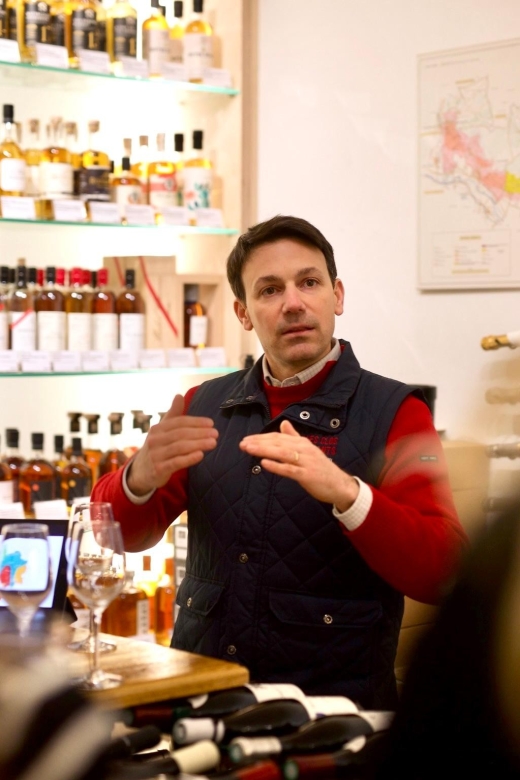
The guide is central to this activity. The most praised quality is not a theatrical performance, but clear and passionate explanation. Emily is repeatedly singled out for being informative, entertaining, and enthusiastic about wine. That combination matters in a short tasting, because a dry lecture can make Burgundy’s classifications feel like homework.
Pierre has also received strong praise for being friendly from beginning to end and for explaining the emotion and care behind each bottle. His approach, as described by one participant, connected the wine to producers of all sizes and to the work that goes into making each vintage.
The provider lists Mattéo, Guyonne, and Adrien as additional instructors. All sessions are offered in French or English. You may therefore want to confirm your preferred language at booking, especially if your wine vocabulary is limited in French.
With a maximum of eight people, the format should allow more personal attention than a large tasting counter. You can ask why one wine tastes more structured than another, what the classification on a label means, or how to choose a bottle for dinner. The guide’s answer will depend on the wines poured that day, but the small group gives you a better chance to ask.
The guide can also help you shop sensibly afterward. Burgundy prices climb quickly as classifications rise, and a good explanation can prevent you from buying a Grand Cru simply because the name sounds impressive. If you prefer the lower-level wine, that is useful information, not a failed tasting.
More Wine Tours in Burgundy
- Small-Group Full-Day Tour of Côte de Nuits, Côte de Beaune Vineyards and Beaune Historical District
★ 5.0 · 364 reviews - Half Day Tour of the Cote de Nuits Vineyards from Dijon
★ 5.0 · 108 reviews - Chardonnay Masterclass – Wine tasting in Dijon
★ 5.0 · 91 reviews - Small group Burgundy tour of Beaune with Wine Tasting from Dijon
★ 4.5 · 85 reviews
What the Vignobles & Découverte label adds
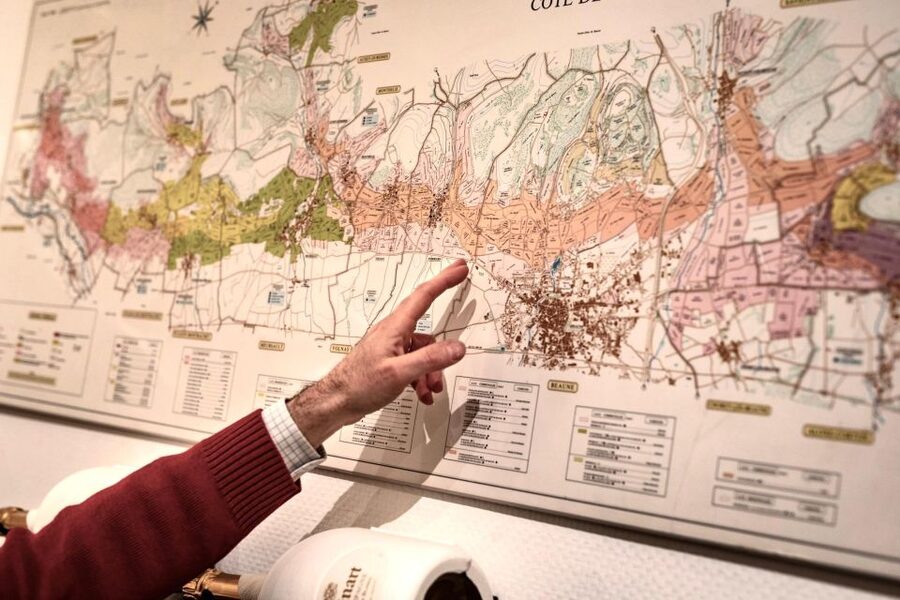
The tasting carries the national Vignobles & Découverte label, a French certification for wine-tourism services. In practical terms, this tells you that the activity is part of a recognized wine tourism network and has been assessed against national quality standards.
The label does not promise a private room, a specific bottle list, or a certain guide. It also does not remove the need to check comfort expectations. Its value is that the tasting is designed as more than a quick commercial pour. The provider aims to explain Burgundy’s Climats and help you make sense of the Côte Viticole.
That educational goal suits Dijon. The city is a useful base for people who want to see Burgundy’s wine culture but do not have time for a full day along the wine route. This tasting gives you vocabulary and context before you visit other wine shops, villages, or vineyards.
It also frames the region as a living system rather than a list of expensive bottles. The UNESCO reference connects the wine to place, classification, and a long tradition of parcel-based viticulture. You will not see those vineyard parcels during the shop tasting, but you will leave with a better idea of why place matters so much here.
Buying a bottle after the tasting
One of the best practical features is the direct link between tasting and shopping. All four wines come from the provider’s selection, so you can buy a bottle after trying it.
That solves a common wine-tour problem. You may taste something memorable at a vineyard and then struggle to find the same bottle later. Here, the shop is the meeting point and the retail source. If you like one of the wines, you can ask about availability and take it with you.
Still, give yourself permission not to buy. The tasting is valuable even if you leave empty-handed. A Grand Cru may be fascinating to taste but outside your budget, while a Regional or Village wine may offer better value for your evening meal.
Ask the guide to help you compare the bottles by classification and price. The supplied details do not give bottle prices, so I would not assume that the $41 tasting fee includes wine to take home. The cost covers the four-wine tasting and expert instruction. Any bottle purchase should be treated as an additional expense.
Is $41 good value for 45 minutes?
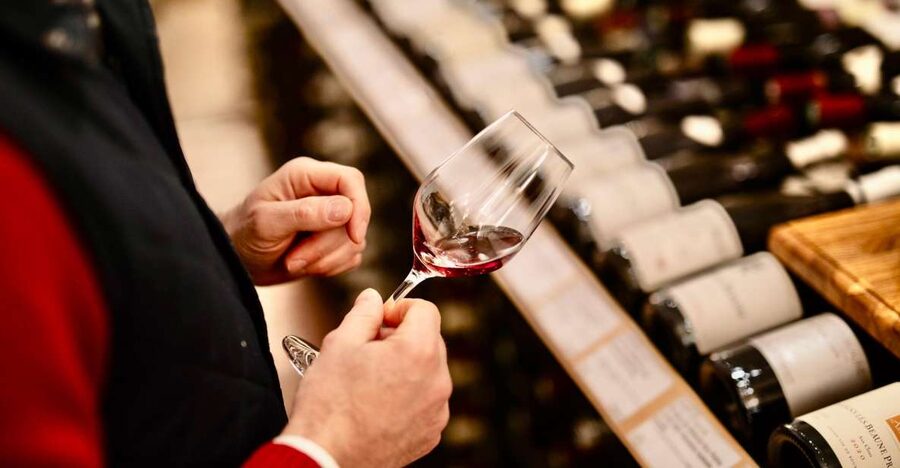
At $41 per person, the tasting is not the cheapest way to drink wine in Dijon. Its value depends on what you want from the hour. If you only want four small pours, you can probably find simpler options. If you want a guided explanation of Burgundy’s classification system and a chance to compare Village through Grand Cru wines, the price is easier to justify.
The small group improves the equation. With no more than eight participants, you are paying for access to a guide rather than for a crowded counter service. The ability to buy the tasted wines afterward also adds practical value, especially if you are trying to choose a Burgundy bottle with confidence.
The advertised duration is 45 minutes, which makes this a manageable addition to a Dijon day. However, reports of sessions lasting more than 60 minutes mean you should not schedule a train, museum entry, or restaurant reservation immediately afterward. The longer timing may reflect questions, a busy shop, or the guide giving more explanation than expected.
I would call the price fair for a wine-focused visitor who wants structured teaching. It is less compelling for someone who prefers a seated, leisurely tasting with a fixed menu of rare bottles. You are paying for comparison, guidance, and access to the shop’s selection rather than for a long meal or vineyard visit.
Comfort, timing, and group size
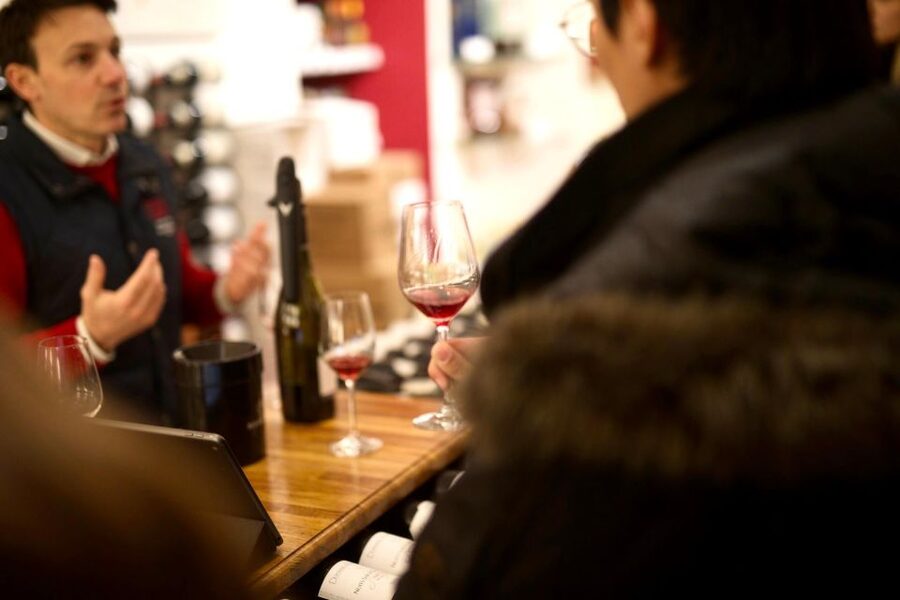
The small-group limit is one of the clearest advantages. Eight people is small enough for the guide to keep the discussion focused, while still giving the session a social feel. It also makes it easier to hear explanations and ask questions.
Comfort is the main caution. The experience is wheelchair accessible, but the available details do not promise that everyone will have a chair. Since some participants stood for more than an hour, contact the provider if seated tasting is important to you.
The advertised length is 45 minutes. Plan for that as the official schedule, but leave extra breathing room because some sessions have run longer. I would allow at least an hour, and more if you want to browse or buy a bottle afterward.
The activity is only for adults aged 18 and over. That makes sense for a wine tasting, but it also means this is not a family activity that younger children can join while adults taste.
Who will enjoy this most
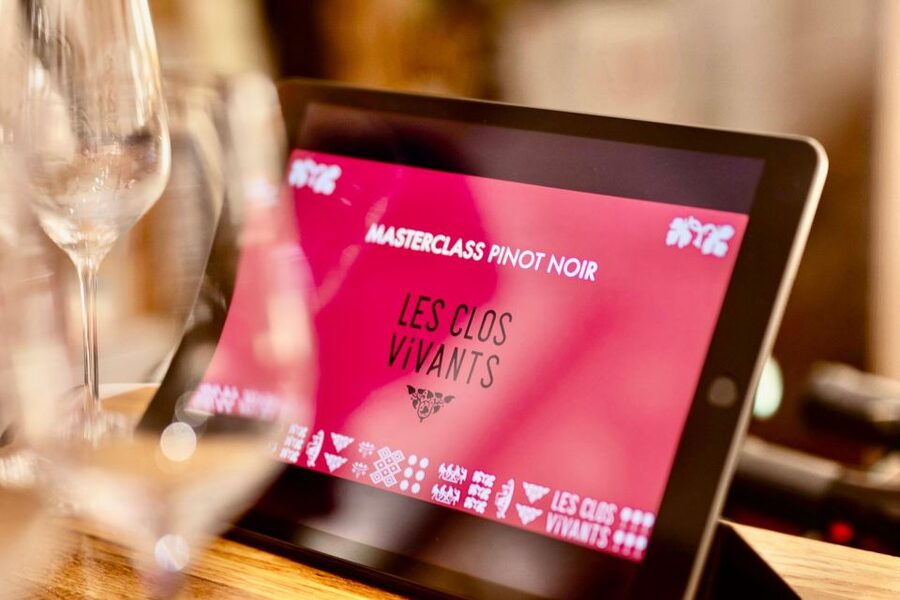
I would recommend this tasting to you if you are visiting Dijon and want a compact introduction to Burgundy wines without committing to a full day in the vineyards. It suits curious beginners because the four-level progression gives you a clear way to compare the region’s categories.
It also suits wine drinkers who want help shopping. You can taste before buying, ask questions in the shop, and choose a bottle based on your own preference rather than the prestige of the label.
The activity may be less suitable if you need a quiet, seated environment or want a private tasting room. It is also not the right choice if you expect a tour of the vineyards, a meal, or a long technical seminar. The experience takes place at the wine shop and focuses on four glasses with explanation.
If you are booking for a special occasion, check the current room arrangement and expected timing. That simple question can prevent the biggest mismatch between expectation and reality.
Practical details to keep in mind
The experience is offered in English and French, and the group is limited to eight participants. It is wheelchair accessible, though the seating concern raised by some participants is worth discussing directly if you need to sit throughout.
You can cancel for a full refund up to 24 hours before the activity. The reserve-now, pay-later option also helps if your Dijon schedule is still shifting.
The overall rating is 4.5 from 35 reviews, with particularly strong marks for the guides’ enthusiasm and explanations. The lower ratings focus on comfort and the shop setting, not on the wines or the educational content.
Should you book the Dijon Pinot Noir masterclass?
Book it if you want a focused Burgundy lesson with four distinct classification levels, a small group, and a real chance to buy a wine you have already tasted. Emily and Pierre sound like especially strong guide choices when available, but the other listed instructors may also lead the session.
Skip it if your ideal tasting requires a private room, guaranteed seating, or a fixed 90-minute format. The most accurate expectation is a compact shop-based tasting that may run longer than the advertised 45 minutes.
For many wine-focused visits to Dijon, $41 is a reasonable spend for getting your bearings with Burgundy labels. Just leave room in your schedule, wear comfortable shoes, and treat the Grand Cru as a lesson rather than an automatic purchase.
FAQ
Where does the wine tasting take place?
The meeting point is Les Clos Vivants wine shop in Dijon.
How long does the tasting last?
The advertised duration is 45 minutes. Some sessions have lasted more than an hour, so leave extra time in your schedule.
How many wines are included?
Four Burgundy wines are included, with a progression from Regional or Village level to Grand Cru.
Which languages are available?
The tasting is offered in French and English.
Who leads the tasting?
The listed instructors are Mattéo, Guyonne, and Adrien, with Emily and Pierre also leading sessions.
Can I buy the wines after tasting them?
Yes. The wines come from the provider’s selection and can be purchased after the tasting, subject to availability.
Is the activity suitable for children?
No. Participants must be at least 18 years old.
More Food Tours in Dijon
- Historic Center of Dijon : Discovery Tasting Wine Burgundy
★ 4.5 · 40 reviews - Paris: Seine Cruise & Crepe Tasting near the Eiffel Tower
★ 4.4 · 11,231 reviews - Authentic Parisian Gourmet Food Tour with 10 Local Dishes & Wines
★ 5.0 · 4,754 reviews - Normandy D-Day Small-Group Day Trip with Omaha Beach, Cemetery & Cider Tasting
★ 5.0 · 2,786 reviews
More Wine Tours in Dijon
- Dijon: Bike tour and Tastings in the Vineyards of Burgundy
★ 3.9 · 47 reviews - Côte de Beaune Half-Day Wine Tour from Dijon
★ 4.7 · 32 reviews - Bordeaux: Cité du Vin Entry Ticket and Wine Tasting
★ 4.6 · 3,885 reviews - Montmartre Hill French Gourmet Food and Wine Tasting Walking Tour
★ 5.0 · 2,588 reviews
Recently added in Dijon
- Dijon with an Archaeologist: A Self-Guided Audio Tour★ 4.5 · 26 reviews
- Pinot Noir Masterclass – Wine tasting in Dijon★ 5.0 · 147 reviews
- Chardonnay Masterclass – Wine tasting in Dijon★ 5.0 · 91 reviews
- Burgundy Wines Masterclass in Dijon★ 5.0 · 139 reviews
- Cheese and Wine Pairing 1-Hour Session in Dijon★ 5.0 · 34 reviews
- Small group Burgundy tour of Beaune with Wine Tasting from Dijon★ 4.5 · 85 reviews
- From Dijon: Full day the most of Burgundy with lunch★ 5.0 · 40 reviews
- Half Day Tour of the Cote de Nuits Vineyards from Dijon★ 5.0 · 108 reviews
Wine Tours, compared.
Montmartre Hill French Gourmet Food and Wine Tasting Walking Tour
Read our review →
Loire Valley Castles Day Trip With Wine Tasting
Read our review →
Afternoon Saint-Emilion Wine Tasting & snack
Read our review →
Medoc or Saint Emilion Wine Tasting and Chateau from Bordeaux
Read our review →
Saint Emilion Day Trip with Sightseeing Tour & Wine Tastings from Bordeaux
Read our review →
Saint-Émilion: Grand Cru Classé Winery Visit and Tasting
Read our review →
Saint Emilion Half-Day Trip with Wine Tasting & Winery Visit from Bordeaux
Read our review →Browse the lists this tour appears in