
REVIEW · BURGUNDY TOURS
Burgundy Wines Masterclass in Dijon
Burgundy makes simple wine labels feel like puzzles. This Dijon masterclass makes them easier to read, pairing six regional wines with local cheese and charcuterie while explaining grapes, villages, crus, and production rules. I especially like the small group size and the relaxed teaching style led by Matthieu or Pauline. The main drawback is the fixed 4:30pm start, though another time may be possible by request.
This is not just a round of drinks. You learn how to smell and taste wine using a structured method, then apply it to Burgundy reds and whites, including some Premier Cru bottles. At $110.10 per person, the price is fair for a two-hour private-style lesson, but less attractive if you mainly want a quick tasting without much explanation.
In This Review
- Key points to know before booking
- What happens at 4:30pm in Dijon
- Learning how to taste wine properly
- Six wines from Burgundy, including Premier Cru
- Burgundy labels made less mysterious
- Cheese, charcuterie, and the practical side of pairing
- A relaxed class for beginners and serious wine drinkers
- The value of $110.10 for two hours
- Timing, language, and booking details that matter
- Who should book the Burgundy Wines Masterclass?
- FAQ
- Where does the Burgundy Wines Masterclass begin?
- What time does the class start?
- How long does the experience last?
- How many wines are included?
- Is food included?
- Is the class offered in English?
- What is the cancellation policy?
Key points to know before booking
- Six Burgundy wines: The tasting includes a mix of regional examples and some Premier Cru wines, with food served alongside them.
- A real lesson, not just sampling: You learn a systematic method for tasting, reading Burgundy labels, and understanding local classifications.
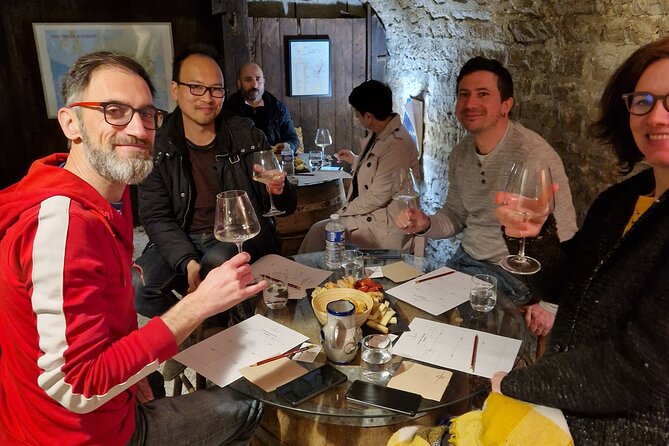
- Small maximum of nine: The format leaves room for questions and can feel almost private when few people book.
- Cheese and charcuterie included: Local meats and cheeses give you a practical way to compare wine and food.
- English instruction: Matthieu and Pauline can lead the class in English, and German may be available if arranged ahead.
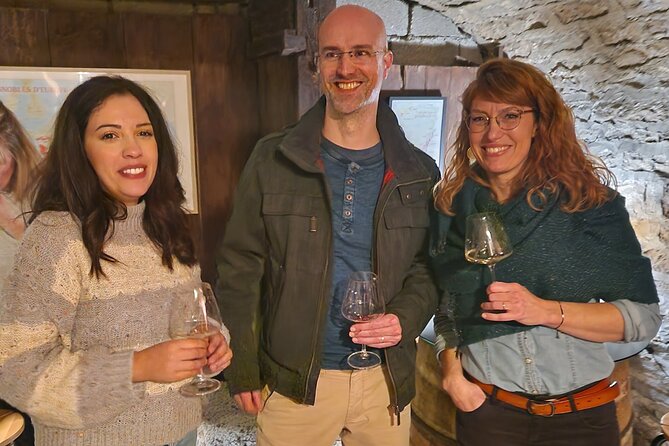
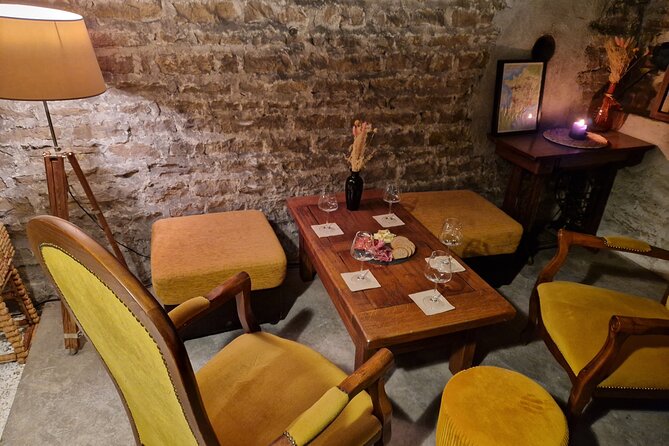
- Dijon cellar setting: The experience starts and ends at 1 Av. Junot, with some sessions held in an inviting underground cellar.
What happens at 4:30pm in Dijon
The class begins at 4:30pm at 1 Av. Junot in Dijon. It lasts about two hours and returns to the same meeting point, so you can plan dinner afterward without needing a long transfer back into town.
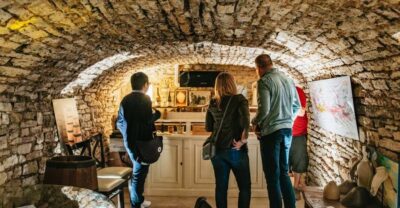
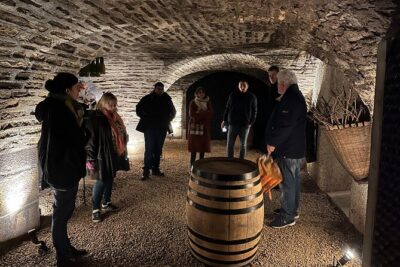
The setting matters here. This is held in a wine cellar rather than a busy restaurant tasting room, giving the lesson a focused feel. The space has been described as comfortable and inviting, with an atmosphere that favors conversation over ceremony. Do not expect a formal lecture where you sit quietly and take notes. You are encouraged to ask questions as they arise.
The group limit is nine people. That is small enough for Matthieu or Pauline to adjust the pace to the people in front of them. If you already know the basics, you can ask about producers, classifications, or regional differences. If French wine is new to you, the guide can slow down and explain the terms without making you feel behind.
There is also a chance of a very small group. Some sessions have had only one or two people, creating a private tasting without the full price of a private tour. That cannot be guaranteed, but the low maximum gives you better odds of personal attention than a large commercial tasting.
A few more Dijon outings to set side by side
- Dijon: La Cave du Palais Burgundy Wine Tasting Experience
★ 4.8 · 400 reviews - Small-Group Full-Day Tour of Côte de Nuits, Côte de Beaune Vineyards and Beaune Historical District
★ 5.0 · 364 reviews - Pinot Noir Masterclass – Wine tasting in Dijon
★ 5.0 · 147 reviews
Learning how to taste wine properly
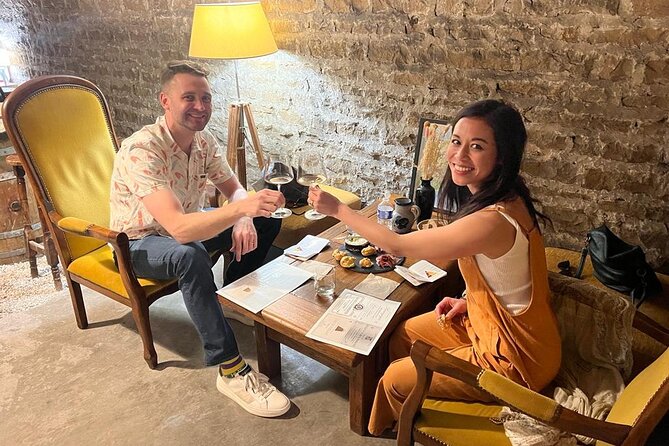
The first lesson is about method. Rather than handing you a glass and saying what you should taste, the guide explains how to assess wine in an orderly way. The approach follows the systematic tasting method used by the Wine and Spirit Education Trust, often known as WSET.
You work through the wine with your eyes, nose, and palate. The scent exercise is a particularly useful part of the class. You may be asked to identify aromas connected with fruit, spice, flowers, or the character of the place where the grapes grew. This can feel like a game at first, but it gives you a vocabulary for describing what is in your glass.
I like this approach because it takes pressure off. You do not need a trained nose or a long list of tasting terms. The point is not to guess perfectly. It is to notice more, describe what you notice, and understand how wine changes after opening or with age.
That emphasis on smell has been one of the strongest parts of the experience for many people. The guide spends more time on aromas than a typical quick tasting, including how scents develop over the course of a few minutes. If you have visited wineries before but still struggle to explain what you smell, this section may be worth the cost by itself.
Six wines from Burgundy, including Premier Cru
The tasting includes six Burgundy wines, with some Premier Cru examples. That is a useful number for a two-hour session. You get enough glasses to compare styles, but not so many that the lesson becomes a race to the finish.
Burgundy can be confusing because place often matters more than grape variety. The region is best known for Chardonnay in its white wines and Pinot Noir in its reds, but the label may focus on the village, vineyard, or classification rather than clearly advertising the grape. The guide explains how these pieces fit together.
You learn about the different areas within Burgundy, the grapes grown there, and the rules that govern production. The class also addresses the regional hierarchy and the various crus, including what the classifications mean and why one bottle can cost far more than another.
This is where the tasting earns its masterclass title. A bottle labeled with a familiar village name can still differ greatly from another bottle from the same area. Soil, vineyard position, producer, vintage, and classification all affect the result. The guide presents these complicated rules in plain English, then lets the wine provide the evidence.
The Premier Cru pours are also a smart touch. They give you a chance to taste a higher classification without turning the session into a Grand Cru shopping trip. One strong feature is the focus on quality bottles that do not always carry the highest price tag. You are not simply shown the most expensive wine in the room and told it is the best.
The selection can also help you discover your own preferences. You may find that you prefer a less famous appellation, a fresher white, or a red with more earth and spice. The guide’s job is not to tell you what you must like. It is to give you enough context to understand your reaction.
Burgundy labels made less mysterious
Reading a Burgundy label can be one of the most useful practical skills you take home. The class explains the difference between broad regional wines, village wines, Premier Cru, and Grand Cru categories, along with the way Burgundy names its places.
That knowledge helps when you visit a wine shop in Dijon, Beaune, or elsewhere in France. It also helps you avoid paying a premium simply because a name sounds prestigious. The lesson connects the words on the bottle to what is in the glass, which is far more useful than memorizing a list of famous vineyards.
The history and culture of Burgundy are part of the discussion too. You learn how local traditions and production rules shaped the region’s identity, as well as how newer influences affect winemaking today. The class keeps this connected to the wines rather than turning into a long historical speech.
For an experienced wine drinker, this is where you can take the class further. Matthieu has been described as a French sommelier from near Dijon, with a decade of experience leading tastings for amateurs and professionals. He also reached the highest level of the WSET school in London last year. Pauline brings the same adaptable, approachable teaching style, based on the sessions she has led.
Same city, a slower kind of day:
- Dijon: Cheese and Burgundy Wine Tasting Workshop
★ 4.8 · 122 reviews - Half Day Tour of the Cote de Nuits Vineyards from Dijon
★ 5.0 · 108 reviews - Chardonnay Masterclass – Wine tasting in Dijon
★ 5.0 · 91 reviews - Small group Burgundy tour of Beaune with Wine Tasting from Dijon
★ 4.5 · 85 reviews
Cheese, charcuterie, and the practical side of pairing
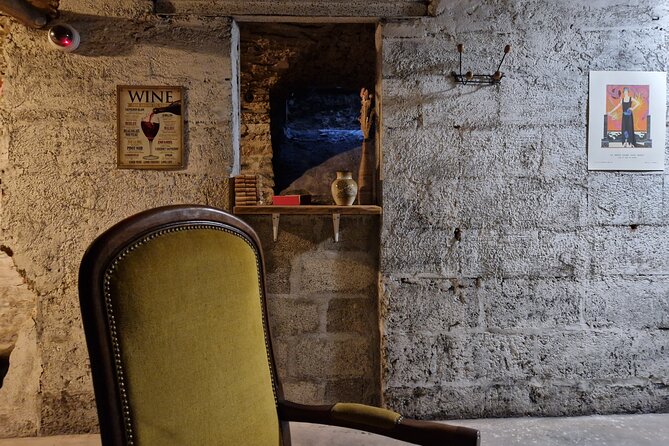
The food is a proper part of the experience, not a token bowl of snacks. You receive a plate of local cheeses and charcuterie, which gives you a chance to see how food changes the taste of wine.
A wine may seem sharper on its own but rounder with cheese. A red may feel more balanced with cured meat. These comparisons are simple, but they are the kind of lesson you can use at home or during the rest of your trip.
The food also makes the two hours feel generous. You are not paying only for six pours and a talk. You are getting a guided tasting, a regional food plate, aroma training, label instruction, and time for questions.
Dietary planning is important. The operator needs to know about allergies, intolerances, or other food requirements before the activity. Alcohol is served, so the experience is not suitable for anyone with health problems linked to alcohol consumption. Those are not minor details, so contact the provider before booking if either issue applies.
One session included homemade gougères, a Burgundy specialty, alongside the wine. That may not be part of every class, but it shows the local, personal character of the setting. Expect the food selection to center on cheese and charcuterie, not a full meal.
A relaxed class for beginners and serious wine drinkers
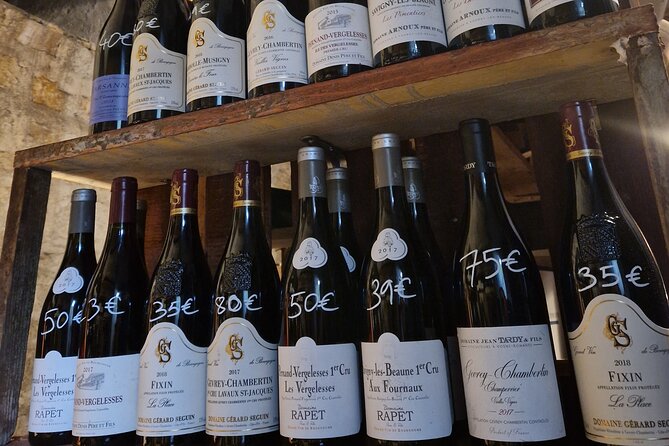
This class works because it does not assume one level of expertise. Beginners get an introduction to aromas, tasting order, grapes, and labels. Experienced drinkers can ask more detailed questions about producers, vineyards, value, and the differences between Burgundy areas.
I would especially recommend it if you are visiting Burgundy before a vineyard day. One person described it as the ideal preparation for a wine tour the following day. That makes sense: once you understand the classification system and basic vocabulary, a visit to the vineyards becomes easier to follow.
It can also suit people who have only a limited amount of time. You do not need to spend a full day traveling through the Côte de Nuits or Côte de Beaune. In two hours, you get a solid introduction to both red and white Burgundy in one place.
The tone is friendly rather than stiff. Matthieu is praised for being warm, entertaining, and patient, while Pauline is described as friendly and easy to follow in English. The guide adapts the class to your background, which is valuable when a group includes both a wine enthusiast and someone who mainly knows what they like to drink.
The only caution is that this remains an educational tasting. If your ideal afternoon is three large pours with very little explanation, you may find the instruction too detailed. The experience is built around learning, and the six wines are there to support the lesson.
The value of $110.10 for two hours
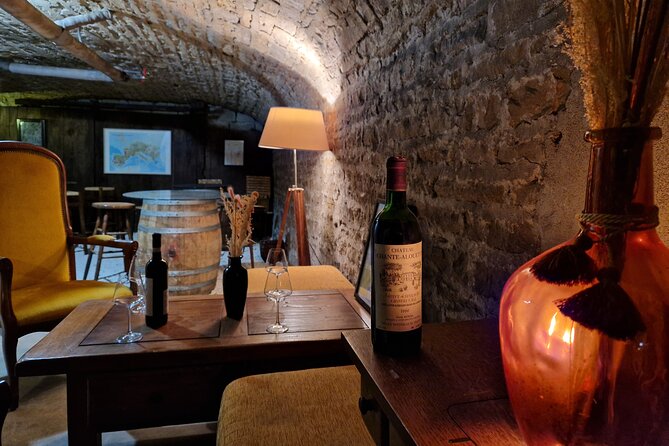
At $110.10 per person, this is not Dijon’s cheapest tasting. The value depends on what you want from the afternoon.
For a simple introduction, the price may feel high. You could spend less on a casual glass of wine and a plate of local food. You also do not get a full-day vineyard excursion, transport into the countryside, or a large meal.
But the comparison changes if you want real guidance. The price covers six Burgundy wines, including some Premier Cru, a cheese and charcuterie plate, a structured tasting lesson, regional explanations, label training, and direct access to a guide who can answer detailed questions. The group cap of nine adds value because your questions should not disappear into a crowd.
The guide may also help with the rest of your trip. Matthieu has offered suggestions for wine venues in nearby cities, dining ideas, and information about combining wine purchases into one shipment. Those extras are not a formal part of the advertised inclusions, but they can be useful if you plan to buy bottles during your time in Burgundy.
The strongest value comes for people who will continue drinking Burgundy after the class. If you leave with a better idea of what you like and how to read a label, the lesson may save you from making poorly informed purchases later.
Timing, language, and booking details that matter
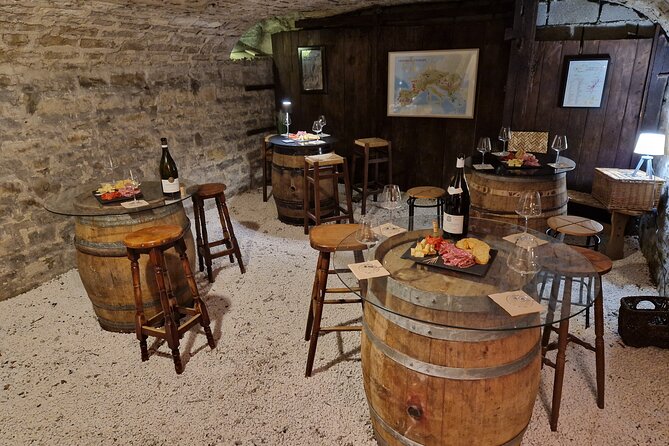
The standard starting time is 4:30pm. If that does not fit your plans, you can ask about another time, though an alternative is not guaranteed. Since the class ends at the starting point, it is easy to pair with an evening meal in Dijon.
The experience is offered in English. German may be available on request, so arrange that before you arrive rather than assuming it will be offered automatically.
Confirmation is provided when you book. The meeting point is near public transportation, and most people can participate. The group maximum is nine, but the experience requires a minimum number of participants and may be changed if that minimum is not reached.
You can cancel for a full refund up to 24 hours before the local start time. Changes or cancellations inside that 24-hour window are not accepted for a refund. That policy is reasonable, but check your schedule carefully before the cutoff.
Who should book the Burgundy Wines Masterclass?
Book this if you want to understand Burgundy rather than simply drink it. It is a strong choice for first-time Burgundy visitors, curious beginners, couples, small groups, and wine lovers planning a vineyard visit.
I would also choose it for a mixed group. The guide can adjust the level, so one person does not need to pretend to understand French classifications while another waits for the lecture to end. The food pairing, scent exercise, and informal tone keep the lesson from feeling like school.
You may want to skip it if you dislike structured tastings, cannot drink alcohol, have food requirements that cannot be accommodated, or want a countryside tour instead. The meeting point is in Dijon, and the experience stays there.
For most wine-minded visitors, I think it is a very good use of an afternoon. The class gives you a working knowledge of Burgundy, six wines to compare, food to test alongside them, and a guide who welcomes questions. You may leave still unable to pronounce every vineyard name, but you will have a better chance of choosing a bottle you genuinely enjoy.
FAQ
Where does the Burgundy Wines Masterclass begin?
It begins at 1 Av. Junot, 21000 Dijon, France. The activity ends back at the same meeting point.
What time does the class start?
The standard start time is 4:30pm. You can contact the provider to ask about another time slot, but an alternative time is not guaranteed.
How long does the experience last?
The masterclass lasts approximately two hours.
How many wines are included?
Six Burgundy wines are included, with some Premier Cru wines among the selection.
Is food included?
Yes. A plate of local cheeses and charcuterie is served during the activity.
Is the class offered in English?
Yes. The experience is offered in English. German may be available on request.
What is the cancellation policy?
You can cancel at least 24 hours before the local start time for a full refund. Cancellations or changes made less than 24 hours before the start are not accepted for a refund.
Recently added in Dijon
- Dijon with an Archaeologist: A Self-Guided Audio Tour★ 4.5 · 26 reviews
- Pinot Noir Masterclass – Wine tasting in Dijon★ 5.0 · 147 reviews
- Chardonnay Masterclass – Wine tasting in Dijon★ 5.0 · 91 reviews
- Cheese and Wine Pairing 1-Hour Session in Dijon★ 5.0 · 34 reviews
- Small group Burgundy tour of Beaune with Wine Tasting from Dijon★ 4.5 · 85 reviews
- From Dijon: Full day the most of Burgundy with lunch★ 5.0 · 40 reviews
- Half Day Tour of the Cote de Nuits Vineyards from Dijon★ 5.0 · 108 reviews
- 🍷 Masterclass Pinot Noir – Wine tasting in Dijon 🇫🇷★ 4.5 · 35 reviews
Burgundy Tours, compared.
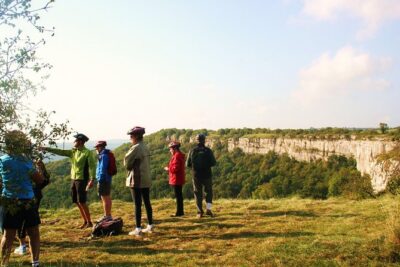
Burgundy Bike Tour with Wine Tasting from Beaune
Read our review →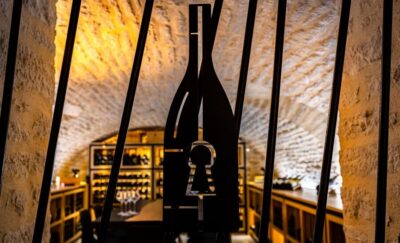
La Cave du Palais Burgundy Wine Tasting Experience
Read our review →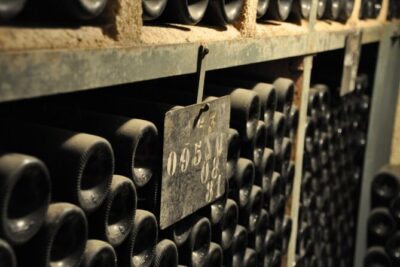
Small-Group Full-Day Tour of Côte de Nuits, Côte de Beaune Vineyards and Beaune Historical District
Read our review →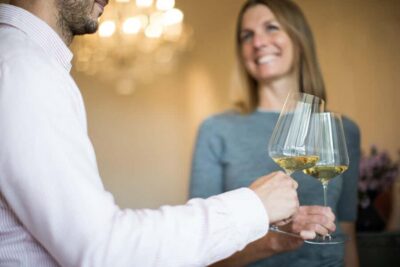
Burgundy Grand Crus Route Day Tour – 14 Wines Tastings in Domains
Read our review →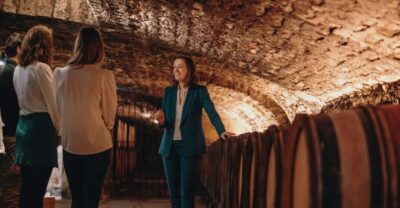
Maison Champy Guided Cellar Tour with Wine Tasting
Read our review →
Private excursion to Côte de Beaune and Côte de Nuits (full day)
Read our review →Browse the lists this tour appears in