
REVIEW · MUSEUMS
Orsay Museum – Exclusive Guided Tour (Reserved Entry Included)
Art makes more sense with a good guide. This Musée d’Orsay tour gives you a focused route through Paris’s former Beaux-Arts train station, with reserved admission and an English-speaking guide to explain how Impressionism grew from earlier artistic traditions. I especially like the choice of morning, afternoon, or evening departures, and I like that the tour covers major works without trying to turn the museum into a two-hour race. The main caution is price: at $144.21 per person, this is a serious splurge, especially if you choose a private format.
The tour is built around roughly two to two and a half hours inside the museum. Guides such as Dina, Christophe, Liliya, Hugo, Beatrice, Romain, and Paloma have received especially warm praise for making the art clear, lively, and personal. Still, the quality of any guided experience depends on the individual guide, and one poor experience described a rushed pace and limited discussion of the art itself.
In This Review
- Key points at a glance
- Why the Musée d’Orsay deserves its own afternoon
- Meeting at the former train station
- Inside the Musée d’Orsay: a two-and-a-half-hour route
- What the guides add to the paintings
- Private or semi-private: which format makes sense?
- Is $144.21 a fair price?
- Timing, crowds, and physical effort
- Who will enjoy this tour most?
- Practical booking and cancellation advice
- Should you book the Musée d’Orsay guided tour?
- FAQ
- How long does the Musée d’Orsay guided tour last?
- Is museum admission included?
- Is the tour private?
- Is the tour offered in English?
- Are temporary exhibitions included?
- Can I bring a large suitcase into the museum?
Key points at a glance
- Reserved entry saves valuable Paris time: You receive admission as part of the booking, though security checks and occasional lines can still occur.
- The route follows art’s changing ideas: You move from artists such as Millet and Delacroix toward Manet, Monet, Renoir, and Van Gogh.
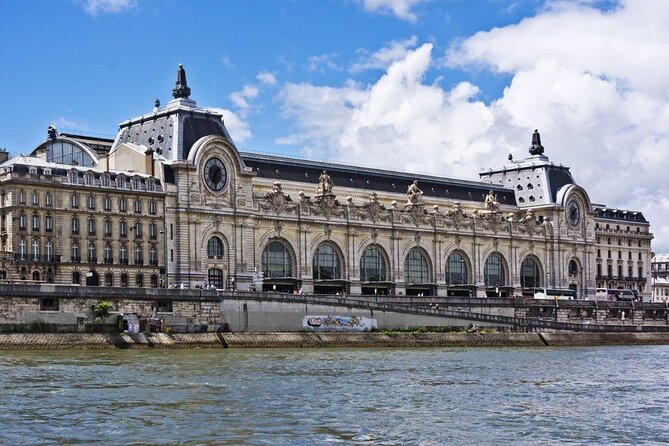
- The old train station is part of the attraction: The grand Beaux-Arts structure, giant clock, and open central hall give the visit its special character.
- Small-group and private formats are available: The semi-private option can save money, while the private choice gives your party a guide exclusively for you.
- The tour suits first-time Orsay visitors: It gives you a firm introduction without trying to cover every room in this large museum.
- Plan around the restrictions: Large bags and suitcases are not allowed, temporary exhibitions are excluded, and some rooms require quiet.
Why the Musée d’Orsay deserves its own afternoon
Paris has the Louvre, but the Musée d’Orsay offers a different kind of pleasure. The building itself is memorable. It occupies a converted train station, and its broad interior makes it easier to understand the museum as a single place rather than a maze of disconnected galleries.
The collection is famous for Impressionism, but the story begins earlier. That matters because Monet, Renoir, Manet, and their friends did not suddenly appear from nowhere. Their work grew out of older academic traditions, changing ideas about modern life, and artists who challenged the official rules of painting.
A good guide helps you see those links. Instead of simply pointing at famous canvases, the tour explains why certain brushstrokes, subjects, and compositions caused such a stir. You learn why a scene that now looks familiar once seemed daring.
The museum also has an appealing scale for a short introduction. You could spend a full day here, but two and a half hours can give you the main structure of the collection. I would not treat this tour as a complete visit. Think of it as a strong first pass that leaves you free to return to favorite rooms afterward.
More museums in Paris:
- Paris: Louvre Museum Timed-Entrance Ticket
★ 4.6 · 71,977 reviews - Louvre Museum Masterpieces Guided Tour with Access
★ 4.5 · 12,023 reviews - Paris: Louvre Museum Entry Ticket With Host and River Cruise
★ 4.6 · 9,926 reviews
Meeting at the former train station
The tour begins at the Musée d’Orsay, at 75007 Paris, France, and ends back at the meeting point. There is no hotel pickup or drop-off, so you need to make your own way there. The museum is near public transportation, and the operator recommends using a taxi or Uber if that is more convenient for you.
Arrive with your confirmation and the mobile phone number supplied during booking. The operator says it is imperative to provide a number with the country code, presumably so the guide can reach you if meeting arrangements change. That is a small detail, but it matters in a city where a delayed taxi or wrong entrance can quickly eat into a short tour.
Reserved entry is included, so you do not need to buy a separate museum ticket. Do not read skip the line as walk straight through every barrier. Security checks remain possible, and increased security can create short waits even for timed or reserved admission.
Wear suitable clothing for entry. Large bags and suitcases are not permitted inside. You can bring a handbag or a small, thin backpack, but pack lightly. This is especially useful if you are combining the museum with lunch or another Paris sight.
Inside the Musée d’Orsay: a two-and-a-half-hour route
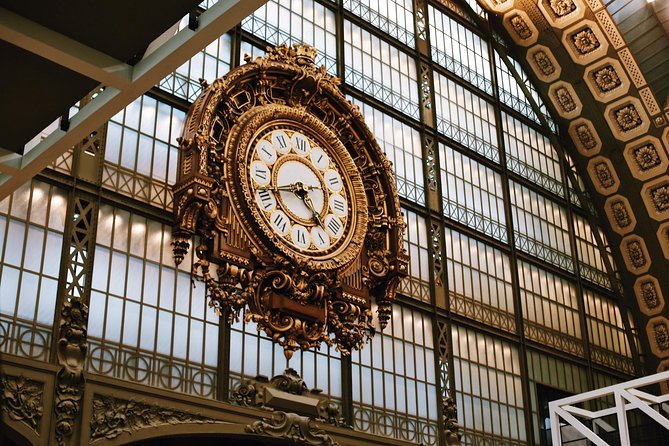
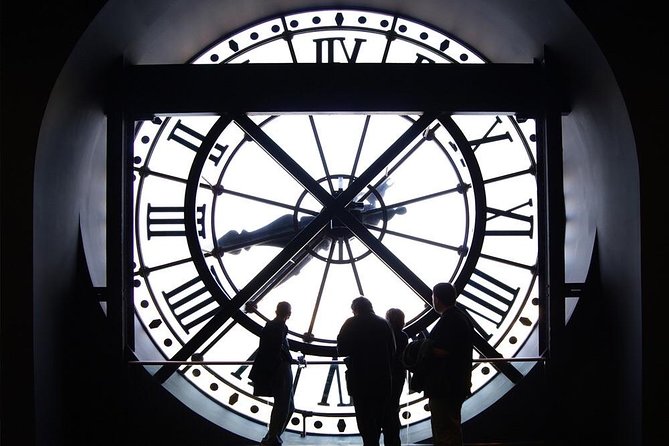
The tour begins with the museum’s architecture and the setting of the former station. That opening gives you a useful sense of place before the paintings take over. The large clock and the airy central hall are among the details worth noticing, not just passing through on the way to the galleries.
From there, the guide places Impressionism in context. You may start with earlier academic painting and artists such as Jean-François Millet, whose Gleaners helps show how ordinary rural labor became a serious subject for art. This is a useful contrast with the grand historical and religious scenes favored by older institutions.
The route then turns toward Édouard Manet. His Luncheon on the Grass is one of the museum’s essential stops. The painting caused a scandal not simply because of its subject, but because of the way Manet disrupted familiar rules about finish, realism, and the relationship between the painted figures and the viewer.
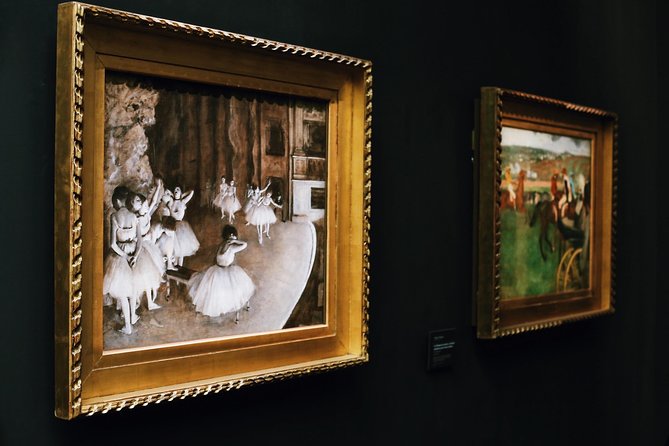
You then encounter the Impressionists’ interest in modern life, quick impressions, changing light, and scenes that feel caught rather than carefully staged. Renoir’s Dance at Le Moulin de la Galette gives the guide a chance to discuss movement, social life, color, and the challenge of painting a crowded outdoor scene.
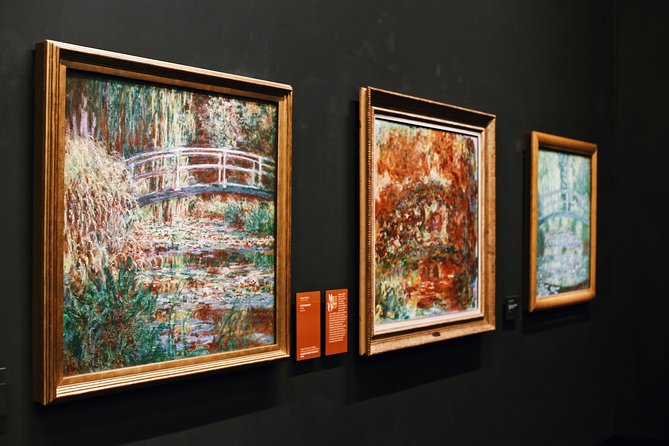
Claude Monet receives proper attention as the figure most closely tied to the movement’s name and public identity. His poppies are an easy painting to admire at a glance, but a guide can direct your eye toward the handling of color and the way the scene is built from small touches rather than hard outlines.
The story does not stop with the Impressionists. The tour continues toward Post-Impressionism and Vincent van Gogh, including Bedroom in Arles. This section helps you see that Impressionism was not a final answer. Later artists took its freedom with color and brushwork in new directions.
The exact sequence can change because galleries and collections vary during the year. Some rooms may also have quiet or restricted speaking rules. Your guide should explain those limits before you enter, so you may need to listen closely in the corridor and then look quietly once inside.
What the guides add to the paintings
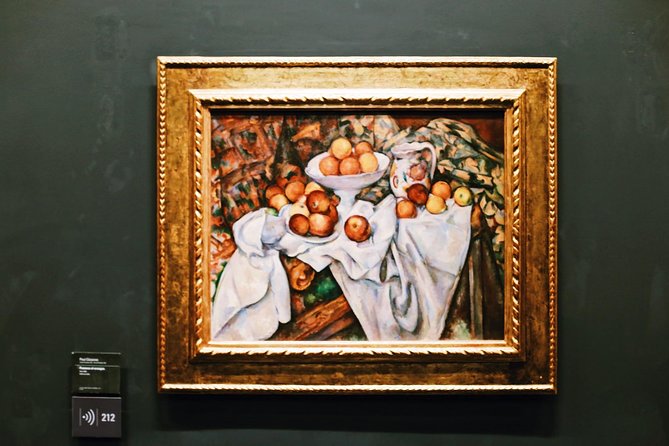
The strongest part of this tour is the human explanation. Many people recognize the famous names but know little about the arguments, friendships, rivalries, and choices behind the paintings. The guides praised most often are not simply reciting dates. They connect the artwork to the people who made it.
Christophe has been praised for guiding groups chronologically and explaining the links between artists. One particularly useful quality is his attention to details that a casual look misses. If you already know the major paintings, that extra layer can make the visit worthwhile.
Dina has been described as lively, attentive, and good at keeping a group moving while still covering the main works. That balance is important in the Orsay. Spend too long at the entrance and you may miss Van Gogh. Move too fast and the paintings become little more than a checklist.
Liliya and Lili have received praise for making the tour interactive. Hugo has been appreciated for combining education with humor, and Romain for his clear command of Impressionism and steady pacing. Beatrice has been singled out for a professional, friendly approach, while Paloma has been praised for speaking with the group rather than delivering a fixed speech at them.
Dunja is another guide worth noting. Her approach reportedly reaches beyond Impressionism into the wider development of art, and she has been praised for giving the tour its full allotted time rather than cutting it short. If you have visited the Orsay before, a guide with that broader approach could give you a fresh way to read familiar works.
One guide, Nancy, also helped a participant who had left a cane in a taxi by finding a portable chair. That is not a promised part of the tour, but it shows how practical assistance can make a museum visit easier for someone with limited stamina.
The less favorable experience is worth taking seriously. One person found the tour expensive, rushed, and led by someone stronger in general history than in art. The guide also seemed defensive when questions came up. This appears to be an exception among the supplied feedback, but no tour can guarantee a perfect personal fit.
A few more Paris outings to set side by side
- Disneyland® Paris 1-Day Ticket
★ 4.6 · 49,412 reviews - Paris: Versailles Palace and Gardens Full Access Ticket
★ 4.6 · 41,579 reviews - Paris: Evening River Cruise with Music
★ 4.4 · 22,721 reviews - Paris: Eiffel Tower Entry Ticket with Optional Summit Access
★ 4.4 · 20,035 reviews
Private or semi-private: which format makes sense?
The booking offers a private tour, plus a lower-cost semi-private choice described as a Save option. Read the inclusions carefully. In the private version, the guide is exclusively for your party. In the semi-private version, you share the guide with other people, and the private-tour benefits do not apply.
A small group can be a good middle ground. One detailed account describes a group of no more than six people, with enough flexibility to adjust the visit to different interests. A group that size is still personal enough for questions, while usually costing less than a guide reserved for one family.
Choose private if your party includes children, older relatives, serious art fans, or people who want to set the pace. It also makes sense if you want to focus heavily on a few artists rather than follow a standard route.
Choose semi-private if your main goals are reserved admission, a clear introduction, and a lower price. You give up some control, but the museum’s major works still receive attention. At $144.21 per person, the savings may matter more than a fully private format.
Is $144.21 a fair price?
This is not a cheap museum visit. The fee includes entry and an English-speaking guide, so you are paying for both access and interpretation. The value depends on how much you want help making sense of art, and how much you dislike spending part of a Paris morning in a ticket queue.
For a first visit, I can see the appeal. The Orsay has a large collection and a short tour can impose useful order. You see Manet, Renoir, Monet, Van Gogh, and earlier artists without wandering past important rooms by accident. A strong guide also helps you notice technique and context that you might miss while taking photographs or reading brief labels.
The calculation changes if you are already comfortable with Impressionism or plan to spend several hours in the museum alone. In that case, paying for a guide may feel unnecessary. You could buy admission separately and set your own route, especially if you prefer silence and long stretches with one painting.
There is also no temporary-exhibition admission included. If a special show is important to you, check its status before booking and budget separately. The tour focuses on the permanent collection described here.
The near-perfect overall score and 99 percent recommendation suggest that the price feels justified for most people who book it. Still, I would judge the cost against your group size and interests, not against the rating alone. A private tour for two is a major expense. A small group with several family members may offer better value.
Timing, crowds, and physical effort
You can choose a morning, afternoon, or evening start. Morning is a sensible choice if you want the museum before the day becomes tiring. An afternoon slot fits well after a nearby lunch, while an evening departure may help you use the rest of your sightseeing day elsewhere.
The museum can be crowded, and the review material specifically notes that headphones help in noisy conditions. Ask about the listening equipment at the start if you have trouble hearing. A guide may be excellent, but good sound matters when you are standing several feet away in a busy gallery.
You need a moderate level of physical fitness. The tour lasts about two to two and a half hours, and you will be on your feet for much of it. If you use a cane or tire easily, tell the operator in advance and keep your belongings light. The private option is identified as wheelchair friendly, while the semi-private option does not carry that same inclusion.
Museum conditions can change. The Orsay may close without advance warning, and the operator says it will offer an alternative if the opening is delayed by more than one hour. In those cases, refunds or discounts are not provided. That policy makes travel insurance or a flexible Paris schedule sensible if the museum is central to your day.
Who will enjoy this tour most?
I would recommend it most strongly to first-time Orsay visitors who want a clear introduction to Impressionism. It also suits couples, families, and small groups who prefer conversation to reading every label on their own.
You do not need an art degree. The best guides explain the movement in plain language, then give you enough detail to see why the paintings mattered. The tour can also work for people who have seen the museum before, especially if you want to understand how the collection fits together rather than simply revisit famous canvases.
It is less suited to independent museum regulars who prefer to set their own pace. You may also feel constrained if you want to study one painting for twenty minutes, sketch, or browse every gallery. The tour gives you an organized introduction, not unlimited time.
Practical booking and cancellation advice
Confirmation is received at booking, and the experience is offered in English. Free cancellation is available if you cancel at least 24 hours before the local start time. Cancellations or changes made inside that window are not accepted for a refund.
The museum finishes the activity at the original meeting point. Since hotel transportation is not included, leave enough time to reach the Orsay without relying on a tight connection. Bring only a small bag, keep your phone available, and remember that a reserved ticket does not remove security procedures.
Should you book the Musée d’Orsay guided tour?
Book it if you want the Orsay’s major paintings explained in a logical order, and if reserved entry is worth paying for. The best evidence from the experience points to guides who are clear, warm, flexible, and able to connect Manet and Monet with the artists who came before and after them.
I would choose the semi-private format if price matters and your group is happy to share the route. I would pay for private only when personal attention, accessibility, children, or special interests make the extra cost useful.
My final advice is simple: treat this as your introduction to the museum, not your entire Orsay day. After the guided portion, stay if you can and return to the paintings that caught your eye. At $144.21, that extra time helps turn an expensive tour into a fuller Paris museum experience.
FAQ
How long does the Musée d’Orsay guided tour last?
The tour lasts approximately two to two and a half hours. The stated duration for the full experience is two and a half hours.
Is museum admission included?
Yes. All entrance fees and reserved museum entry are included in the tour price.
Is the tour private?
The private option includes a guide exclusively for your group. A separate semi-private option is available at a lower price, but it is not private and the private-tour inclusions do not apply.
Is the tour offered in English?
Yes. The experience is offered in English.
Are temporary exhibitions included?
No. Temporary exhibitions are not included in the tour.
Can I bring a large suitcase into the museum?
No. Large bags and suitcases are not allowed. Only handbags or small, thin backpacks can pass through museum security.
Recently added in Paris
- Private Transfers in Paris★ 5.0 · 75 reviews
- Disneyland® Paris 1 Day Ticket with Transport from Paris★ 3.5 · 302 reviews
- CDG – Euro Disney – CDG Two Way Private Shuttle Transfer★ 5.0 · 233 reviews
- Personalized Transport service from Disneyland to Paris★ 5.0 · 63 reviews
- Monet’s Gardens & House-Private Giverny Tour From Paris★ 4.5 · 137 reviews
- Guided tour Monet’s house and gardens/small group★ 4.5 · 68 reviews
- Giverny Monet House and Gardens Skip the line Walking tour★ 4.0 · 217 reviews
- Monet’s House and Garden & Giverny Village★ 4.5 · 39 reviews
Museums, compared.

Louvre Museum Masterpieces Guided Tour with Access
Read our review →
Louvre Museum Entry Ticket With Host and River Cruise
Read our review →
Les Invalides: Napoleon’s Tomb & Army Museum Entry
Read our review →
Louvre Museum – Exclusive Guided Tour (Entry Included)
Read our review →
Louvre Museum Hosted Entry and Mona Lisa Audioguide
Read our review →
Louvre Museum Tour Mona Lisa & Iconic Masterpieces
Read our review →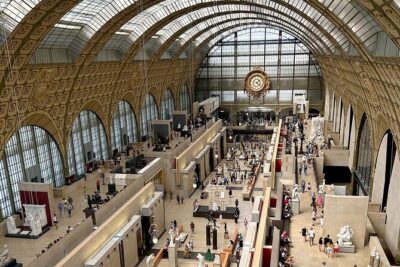
Browse the lists this tour appears in