
REVIEW · MUSEUMS
Paris: Orsay Museum Masterpieces Guided Tour
Paris saves some of its best art for an old train station. This two-hour Musée d’Orsay tour takes you straight into one of the world’s finest Impressionist collections, with an English-speaking art historian to explain what you are seeing. I like the reserved museum entry, which cuts down on waiting, and I like the choice between a semi-private group of six and a larger group of up to 25 people. The main drawback is that two hours goes quickly in a museum this large.
I also like the way the guides connect paintings to the artists, politics, and social life of nineteenth-century France. Guides including Anais, Hamish, Abed, Blerta, Addy, Erwan, and Florence have earned especially warm praise for clear explanations, humor, patience, and strong command of the collection. You should expect plenty of walking, crowds during busy periods, and no wheelchair or stroller access on this tour.
In This Review
- Key points to know before booking
- Why Musée d’Orsay is such a good first art museum
- Meeting at the elephant statue
- What the two-hour route gives you
- Paintings that give the tour its focus
- The guides make the biggest difference
- Semi-private group or larger group?
- Timing, walking, and practical limits
- Who should book this Musée d’Orsay tour?
- Should you book it?
- FAQ
- How long does the Musée d’Orsay guided tour last?
- What is the tour price?
- Is museum admission included?
- Is the tour conducted in English?
- Where do I meet the guide?
- How can I reach the meeting point by public transport?
- What group sizes are available?
- Is transportation included?
- Can I bring a backpack, stroller, or large bag?
- Is the tour suitable for wheelchair users?
Key points to know before booking
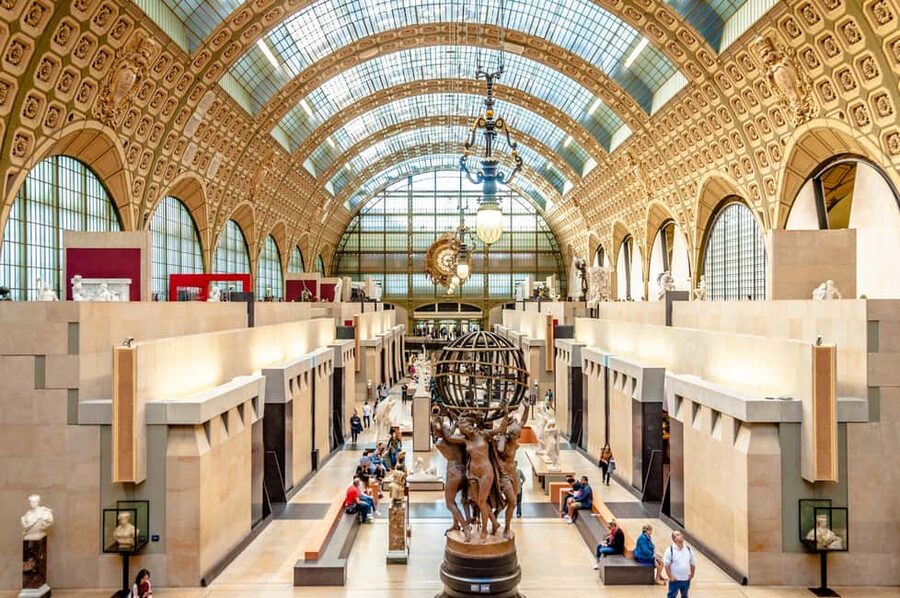
- The museum occupies a former railway station: The grand clocked building is part of the experience, not merely a container for the art.
- Reserved entry saves useful time: You meet at the elephant statue outside and enter with the tour rather than spending your morning in a long ticket queue.
- The route covers major Impressionist names: Expect works connected with Monet, Renoir, Manet, Degas, Cezanne, and Van Gogh.
- The guide provides the missing context: You learn how artists worked, why their pictures caused arguments, and how French society shaped the art.
- Group size changes the feel: Six people allows more questions and easier movement, while the group option costs less pressure on the budget.
- Plan for a warm, crowded museum: Many rooms are not air-conditioned, and comfortable shoes are essential.
Why Musée d’Orsay is such a good first art museum
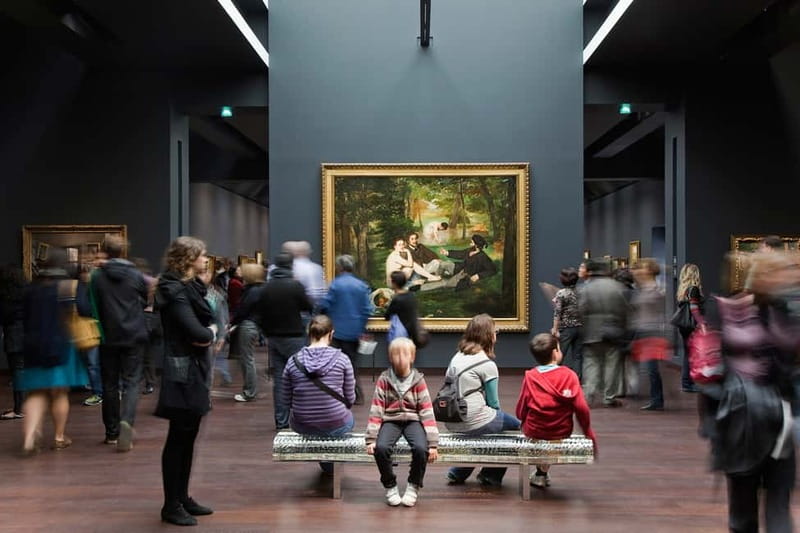
The Musée d’Orsay is easier to grasp than the Louvre, especially if you have only a short time in Paris. It has a clear identity: French art from the mid-nineteenth century into the early twentieth century, with special strength in Impressionist and Post-Impressionist painting.
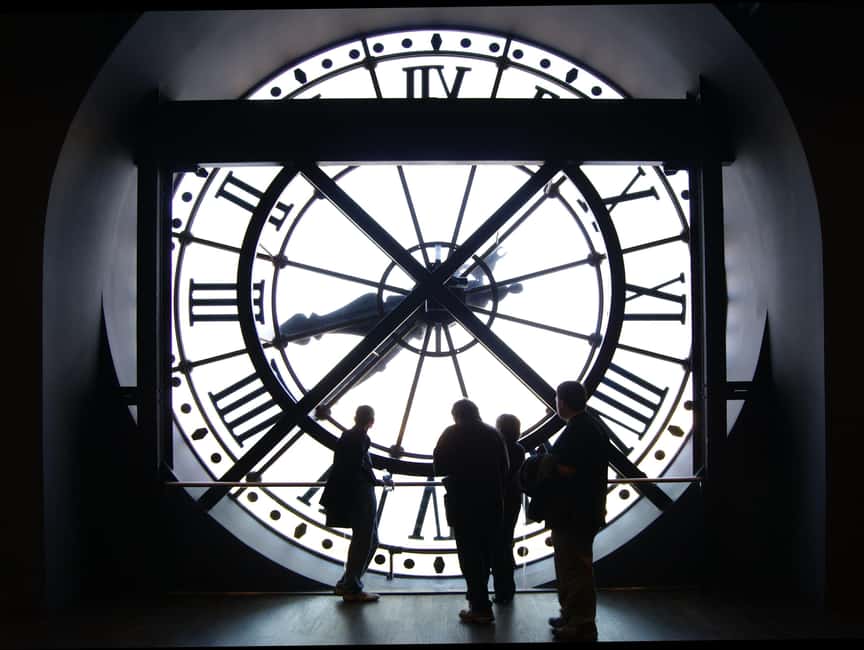
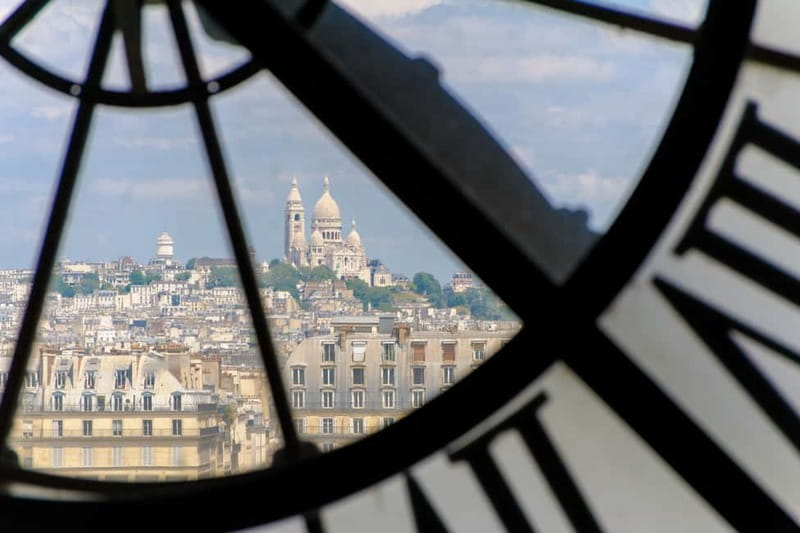
The building gives you an immediate sense of occasion. The museum occupies the former Gare d’Orsay, a Beaux Arts railway station on the Seine. From the river-facing side, look for the two large clocks set into the facade. In front, the courtyard at 5 Rue de la Légion d’Honneur provides the meeting point, beside the large elephant statue.
I like this setting because it explains something about the art before the guide says a word. The railway station belonged to a modern Paris of travel, industry, crowds, and changing city life. The paintings inside also reflect a society in motion. Artists were testing new ways to show streets, leisure, weather, light, and ordinary people.
You do not need a background in art to enjoy the tour. The guide’s job is to give you a route through a big collection without turning the visit into a school lecture. The strongest sessions add stories about the painters and show you how to look at color, brushwork, composition, and technique.
More museums in Paris:
- Paris: Louvre Museum Timed-Entrance Ticket
★ 4.6 · 71,977 reviews - Louvre Museum Masterpieces Guided Tour with Access
★ 4.5 · 12,023 reviews - Paris: Louvre Museum Entry Ticket With Host and River Cruise
★ 4.6 · 9,926 reviews
Meeting at the elephant statue
The tour begins in the courtyard in front of the main entrance. Meet your guide at the foot of the elephant statue, where the company sign should make the group easy to identify.
Give yourself enough time to find the courtyard. By public transport, the simplest option is the RER C station called Musée d’Orsay. You can also use Metro Line 12 to Solferino, leave through exit 2 marked Musée d’Orsay, turn left, and walk up Rue de Bellechasse.
If you arrive by taxi, ask for the Musée d’Orsay entrance. On foot, use the Seine as your guide. The museum is the large former station on Quai Anatole France, between the river and Rue de la Légion d’Honneur.
This is a good meeting arrangement because it is outside and easy to describe, but do not wander off to find another entrance. The museum has a grand facade and several nearby streets, so the exact courtyard matters.
What the two-hour route gives you
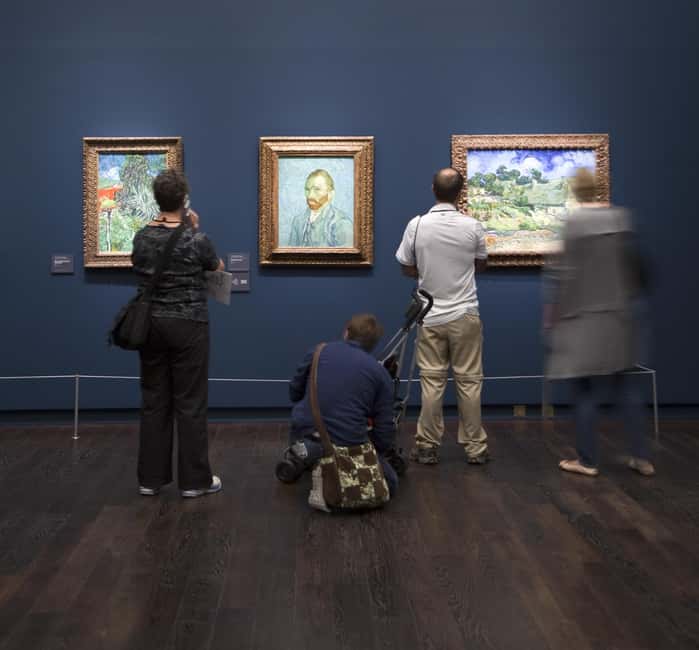
Once inside, your guide takes you through a planned selection of major works rather than attempting to cover every gallery. That is the right approach. You could spend a full day here and still leave plenty unseen.
Expect the route to include Impressionist and Post-Impressionist paintings associated with Monet, Renoir, Manet, Degas, Cezanne, and Van Gogh. The specific order can change with museum conditions and crowd levels, but the main purpose is consistent: give you a working map of the collection.
The guide should help you notice the difference between artists who are often grouped together under one label. Impressionism is not one uniform style. Monet’s interest in changing light is different from Renoir’s treatment of people and social pleasure. Degas looks at movement and performance in his own way. Manet challenged accepted ideas about what modern painting could show.
That distinction is one of the tour’s best features. A quick, unguided visit can leave you thinking that every colorful nineteenth-century painting is simply Impressionist. A good guide helps you see the arguments, experiments, and personal choices behind the broad category.
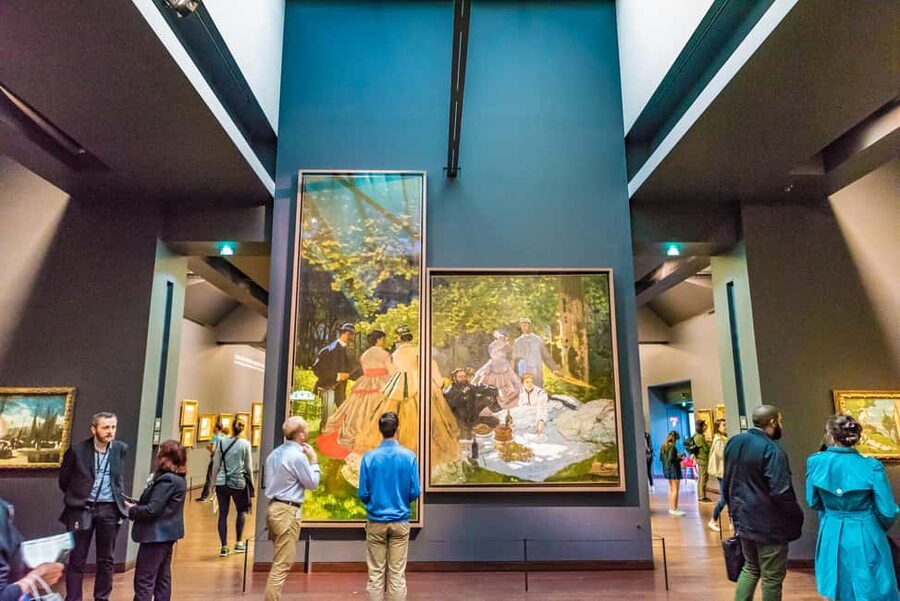
The museum can be crowded, especially at standard visiting hours. Florence was praised for guiding a group through a very busy venue while still pointing out important works and linking them to the artists and the period. That kind of crowd management matters. You may not get a quiet, private view of every painting, but a skilled guide can keep the route moving and make sure you do not miss the main stops.
Headsets are supplied when needed. This is useful in a noisy gallery, though audio equipment can sometimes be temperamental. Hamish handled equipment trouble calmly during one tour, which is exactly the sort of practical composure you want when the museum is full.
Paintings that give the tour its focus
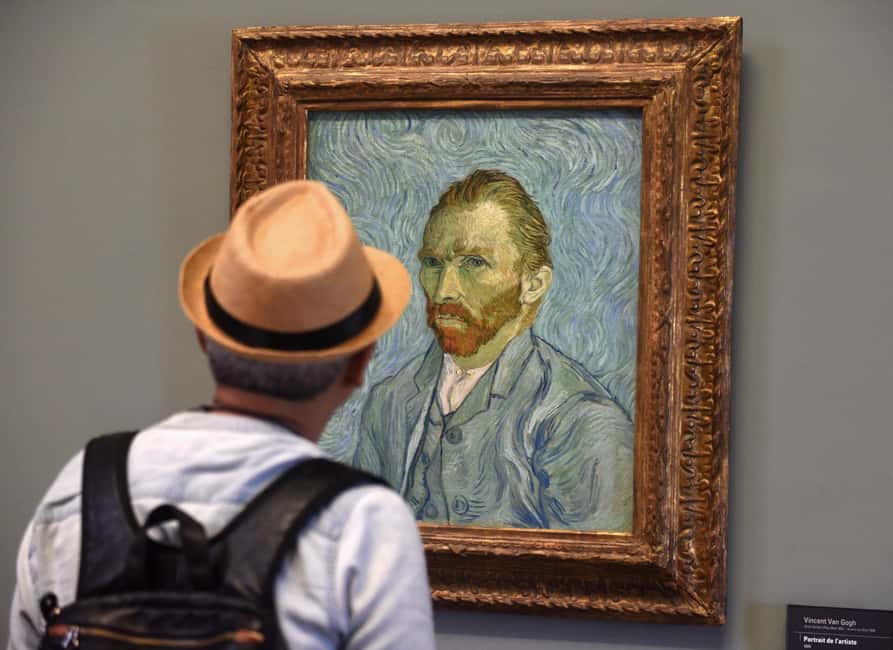
Van Gogh’s Starry Night over the Rhône is one of the key works named for this visit. It gives the guide a chance to talk about Van Gogh’s color, nighttime effects, and the emotional force of his brushwork. You are not just looking at a famous title. You are learning why the painting feels so immediate.
Renoir’s Dance at Le Moulin de la Galette presents another kind of modern life. The scene shows Parisians enjoying a Sunday, with movement, conversation, light, and social energy packed into the composition. A guide can point out how Renoir makes a casual moment feel worthy of a major painting.
Monet and the other Impressionists help explain the period’s interest in fleeting effects. Rather than polishing every detail in the traditional manner, these artists often tried to catch a particular light, weather pattern, or instant. Their approach was criticized in its own time, which makes the story more interesting than a simple list of famous names.
Cezanne, Degas, and Manet widen the picture. Their work shows that the period was not only about pretty outdoor scenes. It involved new ideas about structure, the body, public life, painting technique, and the relationship between an artist and the viewer.
You should not expect an equal amount of time with every artist. A highlights tour has to make choices. The benefit is that you leave with a strong introduction and a list of rooms or artists to revisit on your own.
A few more Paris outings to set side by side
- Disneyland® Paris 1-Day Ticket
★ 4.6 · 49,412 reviews - Paris: Versailles Palace and Gardens Full Access Ticket
★ 4.6 · 41,579 reviews - Paris: Evening River Cruise with Music
★ 4.4 · 22,721 reviews - Paris: Eiffel Tower Entry Ticket with Optional Summit Access
★ 4.4 · 20,035 reviews
The guides make the biggest difference
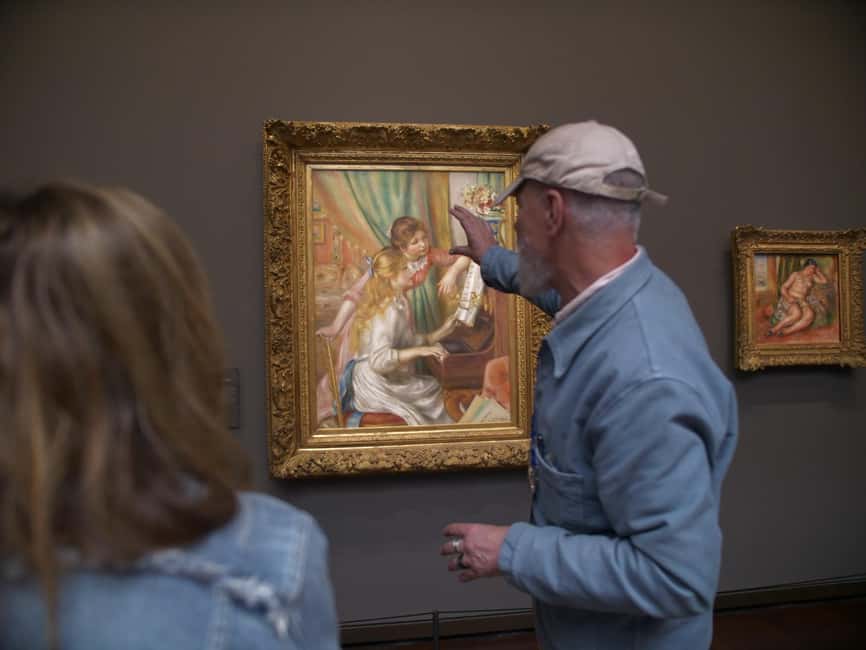
The strongest part of this activity is the quality of its English-speaking guides. Anais receives repeated praise for explaining technique, historical context, and the personalities behind the paintings. She also made time for questions and helped people focus on particular works instead of rushing past them.
Blerta is praised for her art history knowledge and for bringing an artist’s eye to technique. That can be especially helpful if you want more than biographical facts. You may come away noticing how a painter handles color, surface, light, and shape.
Abed brought strong passion and historical context to the route. When the museum opened late, he used the extra time outside to explain the building and prepare the group for what it would see. That is a useful quality in a guide: making a delay feel like part of the visit rather than dead time.
Addy used humor and included children in the discussion. If you are traveling with a mixed-age group, that matters. Art tours can become difficult for younger family members when the guide speaks only to adults, so an approachable style can change the whole mood.
Erwan’s tour was praised for connecting art with politics, history, and stories about the artists. His enthusiasm even carried the visit beyond the scheduled time in one case. That sounds appealing, but keep an eye on your own schedule if you have a restaurant reservation or another timed activity afterward.
English clarity can vary from guide to guide. One person found the guide’s English somewhat difficult to follow despite his strong subject knowledge. Most of the praise focuses on clear speech, patience, and useful answers, but a group tour cannot guarantee a particular guide or speaking style.
Semi-private group or larger group?
The semi-private option limits the group to six people. I would choose it if you care about asking questions, want easier access to the guide, or prefer a calmer pace. In a small group, it is easier to pause briefly in front of a painting and ask why a technique matters.
The larger group allows up to 25 people. It may be the better value if you mainly want a structured route through the museum and an expert explanation of the major works. The guide uses a headset when necessary, which helps, but you still need to stay close and pay attention when the group moves.
At $60 per person, the tour is not the cheapest way into the museum. The price includes admission, reservation fees, an English-speaking art historian, and the guided route. That makes the cost easier to justify if you would otherwise lose time in line or feel unsure about where to begin.
The value is strongest for a first visit, a short Paris stay, or anyone who wants context rather than a self-guided walk past famous paintings. If you already know the museum well and prefer to study individual works alone, admission without a tour may suit you better.
Timing, walking, and practical limits
The advertised duration is two hours, with starting times available on selected dates. Treat that as the time for the guided portion, not as enough time to see everything in the museum. I would leave several extra hours afterward if the art matters to you.
One useful approach is to let the guide establish the main story, then return on your own to the rooms that caught your attention. One person specifically recommended building extra museum time into the day for this reason. The tour gives you a broad view, but the museum rewards a slower second look.
Wear comfortable shoes. You will walk through several galleries and stand for much of the visit. The museum can also feel warm because many sections do not have air conditioning, so plan your clothing with that in mind.
Large bags, luggage, backpacks, strollers, and baby carriages are not allowed for this activity. The tour is not suitable for wheelchair users, and the operator cannot accommodate people who need special assistance because of an impairment. This is important to settle before booking, not after arriving at the meeting point.
There is no transportation included. You make your own way to the museum and return to the same courtyard after the tour. The location is central and well served by the RER and Metro, but you should still allow time to reach the exact meeting place.
Who should book this Musée d’Orsay tour?
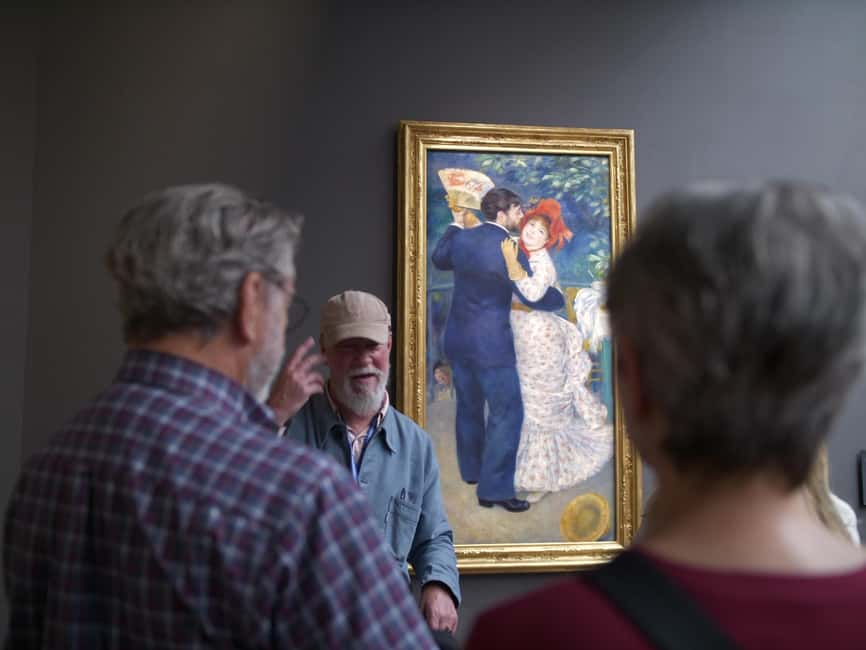
I would recommend it to a first-time visitor who wants to understand the museum without spending hours planning a route. It also suits anyone who likes art but wants help connecting a painting to French society, politics, technique, and the artist’s life.
Families may appreciate a guide who uses humor and asks questions, though the walking and museum rules may be tiring for young children. The semi-private option is a good choice for relatives or friends who want room to speak up.
This is less suitable for someone who wants total freedom to linger. You will follow the guide’s pace, and crowded rooms can limit how long you stand in one spot. It is also not the right choice if you need wheelchair access, stroller access, or storage for large luggage.
The cancellation policy allows a full refund when you cancel at least 24 hours ahead, and you can reserve now and pay later. Those terms help if your Paris plans are still shifting, but the more important decision is group size and your available time.
Should you book it?
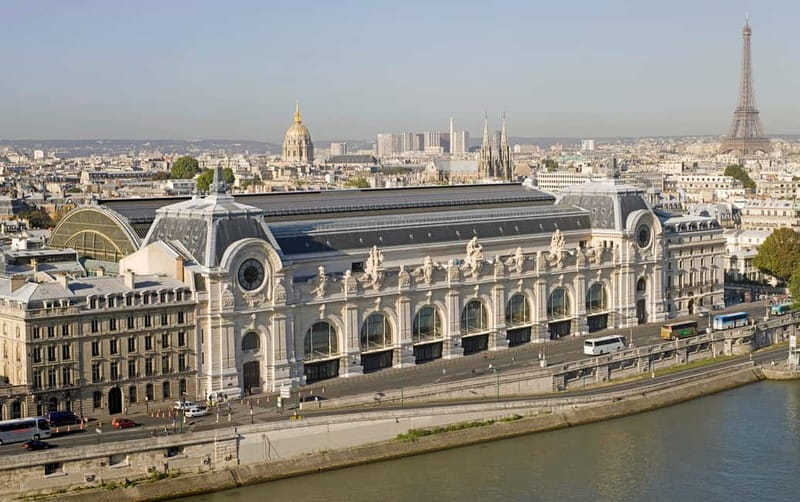
Book this tour if you want a well-chosen introduction to Musée d’Orsay, especially on a first visit or a tight schedule. The reserved entry, strong guide feedback, and focus on major Impressionist and Post-Impressionist works make $60 a reasonable price for the right visitor.
Choose the semi-private version if questions and personal attention matter most. Choose the larger group if you mainly want a clear route at a lower-pressure price. Either way, keep time afterward to revisit the paintings that stay with you. That second look, taken at your own pace, is where the museum really begins to feel like yours.
FAQ
How long does the Musée d’Orsay guided tour last?
The guided tour lasts two hours. Starting times vary, so check availability for the date you want.
What is the tour price?
The price is $60 per person. Museum entrance and reservation fees are included.
Is museum admission included?
Yes. Entrance to the Musée d’Orsay and reservation fees are included in the tour price.
Is the tour conducted in English?
Yes. The tour includes a live English-speaking art historian guide.
Where do I meet the guide?
Meet in the courtyard in front of the main Musée d’Orsay entrance, at the foot of the large elephant statue. Look for the company sign.
How can I reach the meeting point by public transport?
You can use the RER C to Musée d’Orsay Station. Another option is Metro Line 12 to Solferino, using exit 2 marked Musée d’Orsay, then walking up Rue de Bellechasse.
What group sizes are available?
You can choose a semi-private tour for up to six people or a larger group tour with a maximum of 25 people.
Is transportation included?
No. You are responsible for reaching the museum and returning from the meeting point after the tour.
Can I bring a backpack, stroller, or large bag?
No. Backpacks, luggage, large bags, baby strollers, and baby carriages are not allowed for this activity.
Is the tour suitable for wheelchair users?
No. The operator cannot accommodate wheelchair users or people who need special assistance because of an impairment.
Recently added in Paris
- Private Transfers in Paris★ 5.0 · 75 reviews
- CDG – Euro Disney – CDG Two Way Private Shuttle Transfer★ 5.0 · 233 reviews
- Disneyland® Paris 1 Day Ticket with Transport from Paris★ 3.5 · 302 reviews
- Personalized Transport service from Disneyland to Paris★ 5.0 · 63 reviews
- Monet’s Gardens & House-Private Giverny Tour From Paris★ 4.5 · 137 reviews
- Guided tour Monet’s house and gardens/small group★ 4.5 · 68 reviews
- Giverny Monet House and Gardens Skip the line Walking tour★ 4.0 · 217 reviews
- Monet’s House and Garden & Giverny Village★ 4.5 · 39 reviews
Museums, compared.

Louvre Museum Masterpieces Guided Tour with Access
Read our review →
Louvre Museum Entry Ticket With Host and River Cruise
Read our review →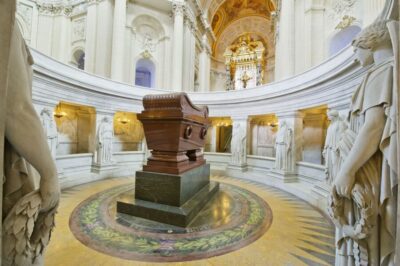
Les Invalides: Napoleon’s Tomb & Army Museum Entry
Read our review →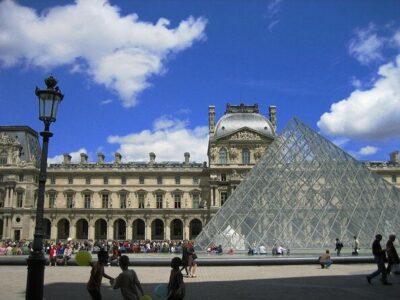
Louvre Museum – Exclusive Guided Tour (Entry Included)
Read our review →
Louvre Museum Hosted Entry and Mona Lisa Audioguide
Read our review →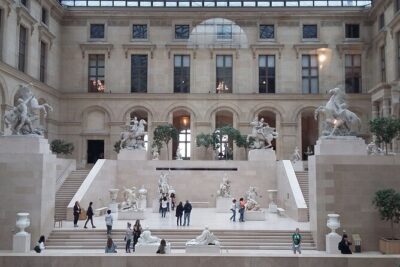
Louvre Museum Tour Mona Lisa & Iconic Masterpieces
Read our review →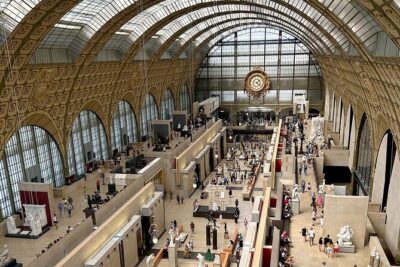
Browse the lists this tour appears in