
REVIEW · COOKING CLASSES
Paris: 2.5-Hour French Pastry Cooking Class
Paris tastes better when you make dessert.
This 2.5-hour French pastry class takes you into Chef Noémie’s private loft atelier, where you learn the methods behind classic sweets instead of simply buying another pastry at a bakery. I especially like the small group of up to eight and the chance to ask direct questions throughout the class. I also like that you leave with English recipes, practical techniques, and pastries you made yourself.
The main consideration is that hands-on does not always mean every person performs every step from start to finish. In a shared class, you may take turns measuring, mixing, piping, and decorating. At $141 per person, this is a serious splurge, though the personal instruction, food, and private setting make it more than a quick demonstration.
In This Review
- Key points to know before booking
- Arriving at 92 rue Nollet in Paris
- The first lesson: French pastry is technique
- Making two or three classic French desserts
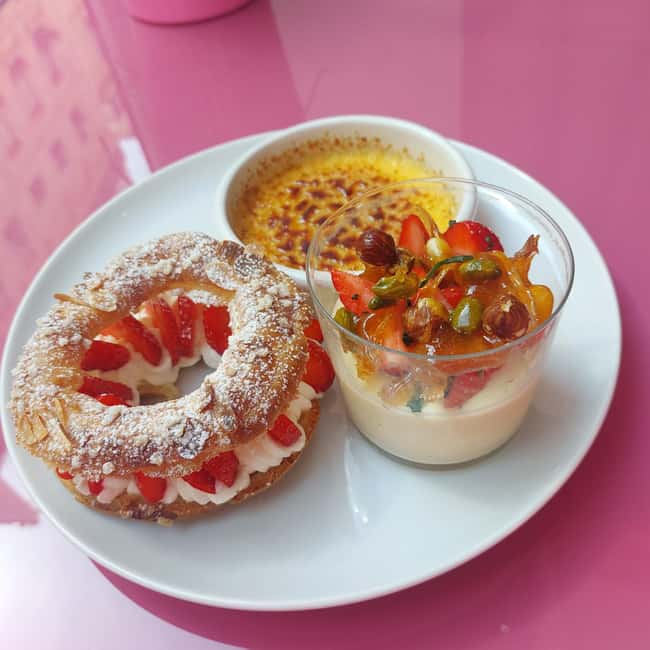
- Paris-Brest
- Molten chocolate cake
- Grand Marnier soufflés
- Crème brûlée and seasonal alternatives
- Chef Noémie’s teaching style
- Why the small group matters
- The tasting table at the end
- Is $141 per person good value?
- Who will enjoy this class most?
- Practical tips for a better visit
- FAQ
- Where does the French pastry class take place?
- How long does the class last?
- How many people can join the class?
- Is the class taught in English?
- Which pastries will I make?
- Is the class hands-on?
- Are tea and coffee included?
- Is an apron provided?
- Can I cancel for a refund?
- Should you book Chef Noémie’s pastry class?
Key points to know before booking
- Learn inside a private Paris loft: Chef Noémie teaches in her organized, clean, loft-style atelier at 92 rue Nollet in the 17th arrondissement.
- Work with a trained pastry chef: Noémie studied at the Lenotre Culinary Institute, a leading French patisserie school.
- Make two or three French desserts: The menu changes with the season and may include Paris-Brest, molten chocolate cake, Grand Marnier soufflés, or crème brûlée.
- Expect personal instruction: The group is limited to eight, and Noémie explains techniques, reasons, and useful baking tips step by step.
- Taste your work at the end: Tea or coffee accompanies the pastries you prepare before you head back into Paris.
- Bring the recipes home: English-language recipe copies and an apron are included.
Arriving at 92 rue Nollet in Paris
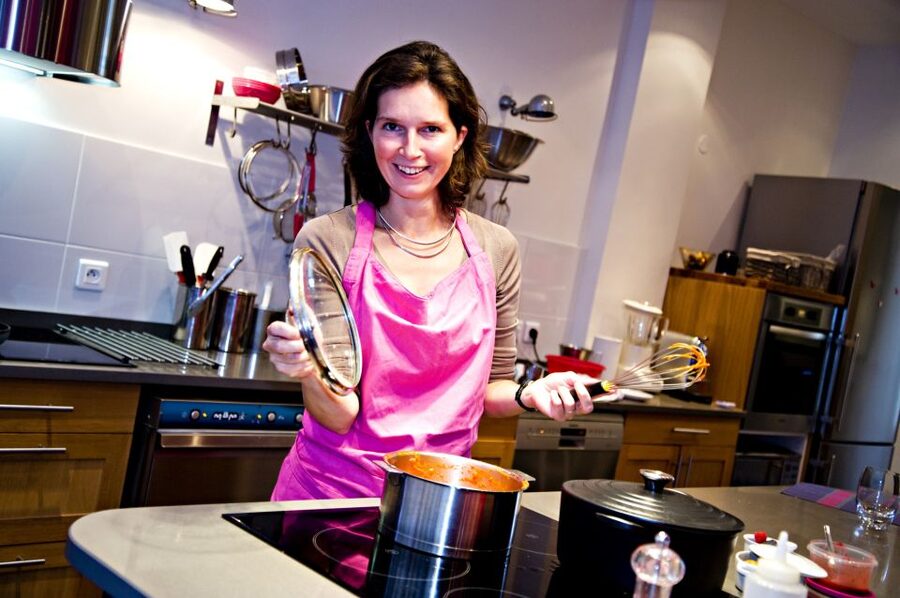
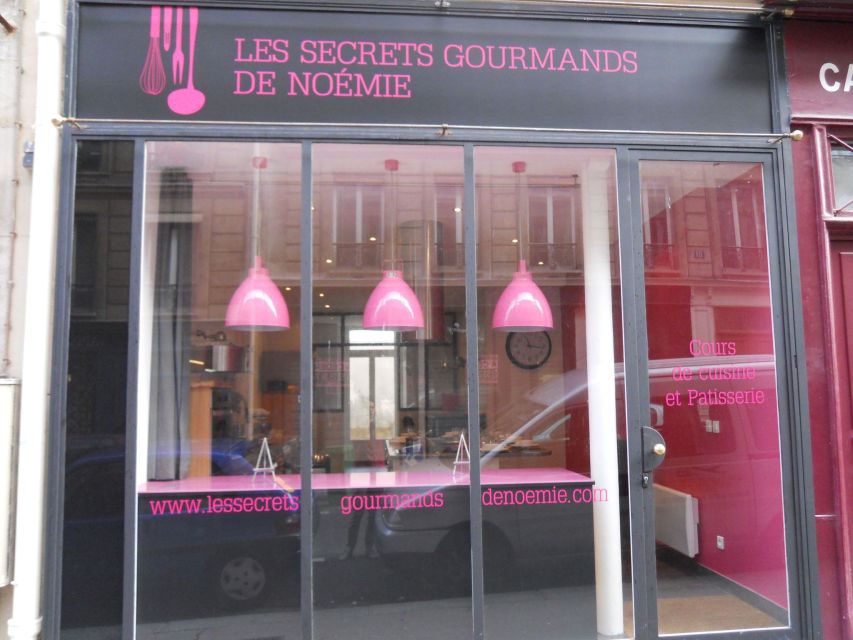
The class takes place at 92 rue Nollet, in Paris’s 17th arrondissement. This is not a large commercial cooking school with rows of anonymous workstations. You meet Chef Noémie in her private loft-style atelier, an intimate setting that helps the class feel personal from the moment you arrive.
The location is served by several public transport options. By Metro, use Line 13 and get off at Brochant or La Fourche. Buses 66, 54, and 74 stop at Legendre, while Bus 31 stops near Parc Martin Luther King. You can also use the Navette Péreire Pont Cardinet and get off at Pont Cardinet.
Give yourself enough time to find the address. A pastry class is more enjoyable when you arrive calm, especially if you are carrying a phone full of Paris directions and trying not to spill coffee on your map. Pets and smoking are not allowed.
Once inside, you put on the provided apron and settle into the work area. The studio has been described as clean and well organized, useful details when you are handling flour, cream, chocolate, and delicate pastry mixtures. The small setting also means you are close enough to see what Noémie is doing and ask about a step that seems simple but is not.
More hands-on sessions in Paris:
- Fragonard Paris: Mini Perfume Workshop
★ 4.5 · 1,924 reviews - Paris Cooking Class and Lunch with Wine plus Market Visit Option
★ 5.0 · 1,024 reviews - Paris Croissant Small-Group Baking Class with a Chef
★ 5.0 · 910 reviews
The first lesson: French pastry is technique
Noémie’s teaching is built around the why behind each step. That matters because French pastry often depends less on a long ingredient list than on temperature, timing, mixing, and texture.
You might learn why a mixture must be stirred in a certain way, how to handle choux pastry, or what to watch for when piping. The class is designed for participation, but it is not a private lesson for each individual. In a group, you may take turns with measuring, mixing, piping, and decorating while everyone watches and learns.
That arrangement has both good and bad sides. You get to see the full process and benefit from other people’s questions. On the other hand, you may not personally perform every part of every recipe. One particularly useful point from the class feedback is that it can be participatory without being completely hands-on from start to finish.
For beginners, this is a sensible format. You are not left alone with a recipe and a bowl, wondering why the mixture suddenly looks wrong. Noémie can correct a technique, explain a texture, or answer a question before a small mistake becomes a ruined dessert.
Making two or three classic French desserts
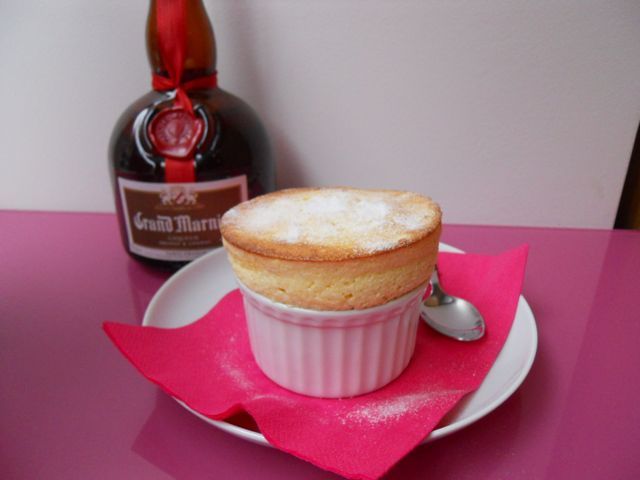
The class covers two or three famous French desserts, with the exact selection changing according to the season. The examples include Paris-Brest, molten chocolate cake, Grand Marnier soufflés, and crème brûlée.
That seasonal approach is practical. Some pastries are better suited to particular ingredients, weather, or timing, and a changing menu keeps the class tied to the cooking conditions of the moment. You should not book expecting one fixed menu unless your reservation specifically confirms it.
Paris-Brest
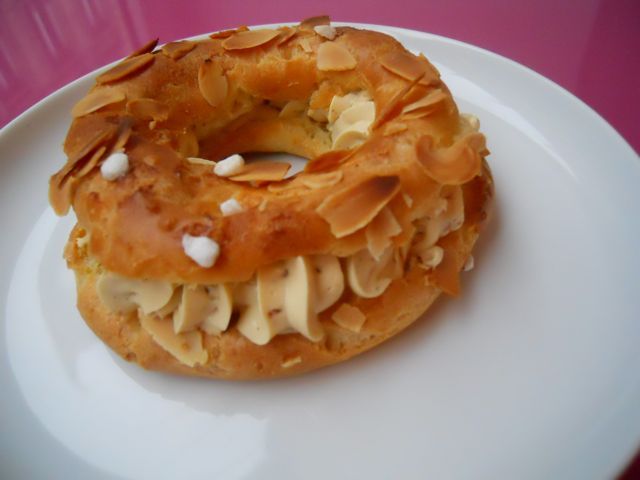
Paris-Brest is a useful pastry to study because it introduces choux pastry, a foundation used in several French desserts. You may work with piping and shaping, then learn how the pastry is filled and finished.
The value here goes beyond one dessert. The choux technique can help you understand the pastry used for cream puffs and similar French sweets. You also get the pleasure of making something that looks distinctly French, rather than preparing a generic cake in a Parisian room.
One participant arranged the class to include Paris-Brest in advance, which suggests that menu requests may be worth discussing before your visit. The available information does not promise custom menus, so ask ahead rather than assuming.
More cooking classes in Paris:
- Paris: French Croissant Baking Class with a Chef
★ 4.9 · 712 reviews - Paris Cooking Class: Learn How to Make Macarons
★ 5.0 · 634 reviews - Paris Evening Cooking Class French Dinner and Market Visit Option
★ 5.0 · 430 reviews - Paris: Macaron Baking Class for Families and Kids
★ 4.7 · 270 reviews
Molten chocolate cake
Molten chocolate cake is familiar to many home cooks, but getting the center right is a matter of timing and careful baking. A class gives you a chance to watch the process closely and ask about the balance between a cooked exterior and a soft middle.
This is a good choice for anyone who wants a dessert with an immediate payoff. You prepare it, bake it, and eat it during the same visit. Still, the finished result depends on the exact recipe and process used that day, so you should focus on the method rather than expecting a restaurant-sized presentation.
Grand Marnier soufflés
A soufflé can make even a confident home cook nervous. It is sensitive to preparation and baking, so a teacher’s explanation is especially helpful.
Grand Marnier adds a clear French character, and the class gives you a chance to understand the steps behind a dessert often treated as too difficult for a home kitchen. The lesson may be most useful for learning how to approach the dish without panic. The class does not promise that every participant will make an individual soufflé, so expect shared work in the small group.
Crème brûlée and seasonal alternatives
Crème brûlée has also appeared in the class, making it a good option for families and beginners. It is recognizable, satisfying, and easy to appreciate at the tasting table.
The important point is flexibility. Your class may feature a different combination of pastries based on the season. That keeps the experience fresh, but it also means you should view the listed desserts as examples rather than a guaranteed menu.
Chef Noémie’s teaching style
The strongest part of this experience is the instructor. Noémie is a Lenotre Culinary Institute graduate, and her training shows in the attention given to technique. But technical skill alone does not make a good teacher. The class feedback also points to her patience, humor, warmth, and ability to explain things clearly.
That combination matters for a mixed group. You might arrive as a serious home baker, a complete beginner, or a parent with a child who simply likes sweets. The class has worked for adults, teenagers, and children as young as eight, according to the available participant experiences.
Noémie also provides context about the pastries, not just instructions. You learn some of the background and purpose behind the recipes while working through the steps. That makes the class feel connected to French food culture rather than like a standard baking lesson moved to Paris.
Her teaching also seems to adjust to the people in the room. A participant who attended alone after the other bookings were canceled received individual explanations and answers to questions. That does not mean every class will become a private session, but it does suggest Noémie can adapt when the group is unusually small.
Why the small group matters
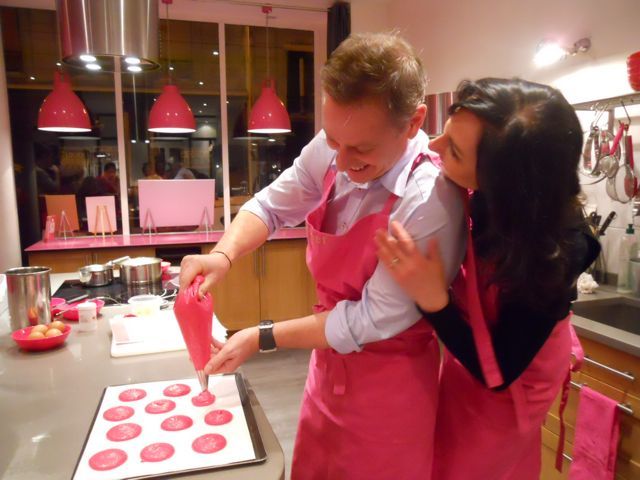
The class is limited to eight people. That number is large enough to create a social atmosphere but small enough for the instructor to keep an eye on the work.
You may be able to ask about a technique, request clarification, or watch closely as Noémie demonstrates a tricky step. In a larger class, the same question might require waiting or competing with a crowd around one work surface. Here, the loft setting supports a more conversational lesson.
A small group also means shared participation. You may measure one ingredient while another person pipes or mixes. This can be fun when the group is relaxed and encouraging. It may feel less satisfying if you hoped to make every element independently.
Families should think about the ages and attention spans in their party. The class has suited children, but the advertised duration is 150 minutes, and pastry work involves patience. Younger children may need help from an adult. The provided information does not give a minimum age, so ask before booking if that detail matters to your family.
The tasting table at the end
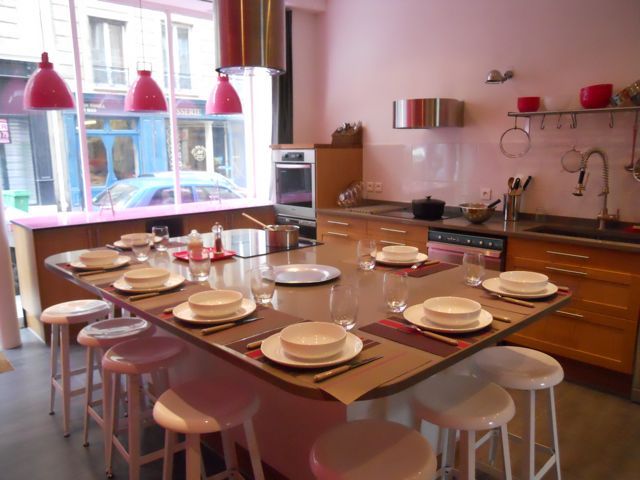
After the cooking, you sit down in the atelier with tea or coffee and taste the desserts. This final half hour, or however long the finishing and tasting require, is part of the appeal.
You get to see whether the techniques worked, compare results, and ask a few last questions while the lesson is still fresh. It also gives the group a natural pause after the concentrated work of baking.
The tea and coffee are included. So is an English copy of the recipes, which makes the class more useful after you return home. You are not simply consuming a Paris experience and leaving it behind. You have instructions to try the pastries again, along with a better sense of what to watch for.
Keep your expectations practical. You will leave with new skills and recipes, but mastering French pastry usually takes repeated practice. The first home attempt may not look exactly like the one made in class. That is normal, and the notes from Noémie should give you a better starting point than a recipe alone.
Is $141 per person good value?
At $141 per person, this class costs far more than buying several pastries at a Paris bakery. It is not the economical choice if your only goal is to taste French sweets.
The value comes from the complete experience: 150 minutes of instruction, a small group, the private loft setting, an apron, English recipes, tea or coffee, and the chance to eat what you make. You are paying for access to Noémie’s methods and attention, not just for the ingredients.
I think the price makes the most sense for you if you enjoy cooking, want a break from museum visits, or are marking a birthday or special occasion. It can also be worthwhile for families, especially when the class becomes a shared memory rather than another scheduled sightseeing stop.
For a couple on a tight budget, the price may be hard to justify. Paris has excellent pastries available for a few euros, and no class can guarantee that every person will have equal time at each stage. Book this for the instruction and personal setting, not because it is the cheapest way to eat dessert.
Free cancellation is available up to 24 hours before the class for a full refund, and you can reserve now and pay later. Those terms help if your Paris schedule is still shifting, though you should still check the available start times before committing.
Who will enjoy this class most?
You are a strong match for the experience if you fit one or more of these descriptions:
- You want to learn a real French pastry technique rather than only visit bakeries.
- You are a beginner who prefers patient, step-by-step instruction.
- You are traveling with children or teenagers who enjoy cooking.
- You want a birthday, honeymoon, or family activity with a clear shared focus.
- You like asking questions and learning the reasons behind a recipe.
- You have already seen major sights and want a hands-on afternoon in Paris.
It may be less suitable if you want a fully private lesson, need to prepare every dish alone, or dislike changing menus. People with a strict pastry target should contact the provider ahead of time to ask if that dessert can be included.
Practical tips for a better visit
Check the route to 92 rue Nollet before class day. Line 13, several bus routes, and the Pont Cardinet shuttle serve the area, but the best option depends on where you are staying.
Wear clothing you can work comfortably in. An apron is included, but pastry classes involve flour, cream, and chocolate, so avoid anything precious or difficult to clean.
Arrive ready to participate, but do not expect to control every step. Watch closely during demonstrations, take mental notes, and ask questions when you are unsure. If you want to focus on a specific dessert such as Paris-Brest, raise the subject before the class.
If you are bringing children, consider how they will manage a 150-minute lesson. The class has worked well for children from age eight upward, but an adult should be prepared to help and keep the pace comfortable.
Finally, leave room in your schedule afterward. The class ends with tea, coffee, and tasting, and rushing straight into another timed attraction would undercut the relaxed finish.
FAQ
Where does the French pastry class take place?
The class takes place at 92 rue Nollet, 75017 Paris, France, in Chef Noémie’s private loft-style atelier.
How long does the class last?
The pastry class lasts 150 minutes, or two and a half hours.
How many people can join the class?
The class is limited to eight participants.
Is the class taught in English?
Yes. The live tour guide language is English, and an English-language copy of the recipes is included.
Which pastries will I make?
The class covers two or three French desserts. Examples include Paris-Brest, molten chocolate cake, Grand Marnier soufflés, and crème brûlée. The selection depends on the season.
Is the class hands-on?
The class includes hands-on baking and participation. In a group, participants may take turns measuring, mixing, piping, and decorating, so you may not personally perform every step of every recipe.
Are tea and coffee included?
Yes. Tea and coffee are included and are served after the class while you taste the desserts you prepared.
Is an apron provided?
Yes. An apron is included.
Can I cancel for a refund?
Yes. You can cancel up to 24 hours in advance for a full refund. You can also reserve now and pay later.
Should you book Chef Noémie’s pastry class?
Book it if you want a personal, food-focused Paris activity and you value learning as much as eating. Chef Noémie’s patient teaching, small group, and clear explanations make this a good choice for beginners, families, couples, and home bakers who want French techniques they can use later.
Think twice if $141 feels high for a two-and-a-half-hour activity or if you want every participant to prepare every component alone. The class is best understood as a guided shared workshop in a private loft, not a solo baking station.
For a birthday, family afternoon, honeymoon treat, or welcome break from sightseeing, I would consider it a strong Paris pick. You leave with pastries in your stomach, recipes in your bag, and a much better idea of why French baking rewards patience.
Recently added in Paris
- Private Transfers in Paris★ 5.0 · 75 reviews
- CDG – Euro Disney – CDG Two Way Private Shuttle Transfer★ 5.0 · 233 reviews
- Disneyland® Paris 1 Day Ticket with Transport from Paris★ 3.5 · 302 reviews
- Personalized Transport service from Disneyland to Paris★ 5.0 · 63 reviews
- Monet’s Gardens & House-Private Giverny Tour From Paris★ 4.5 · 137 reviews
- Guided tour Monet’s house and gardens/small group★ 4.5 · 68 reviews
- Giverny Monet House and Gardens Skip the line Walking tour★ 4.0 · 217 reviews
- Monet’s House and Garden & Giverny Village★ 4.5 · 39 reviews
Cooking Classes, compared.
Paris Cooking Class and Lunch with Wine plus Market Visit Option
Read our review →
Paris Croissant Small-Group Baking Class with a Chef
Read our review →
Paris Cooking Class: Learn How to Make Macarons
Read our review →
Paris Evening Cooking Class French Dinner and Market Visit Option
Read our review →
Browse the lists this tour appears in