
REVIEW · COOKING CLASSES
Paris: Croissant Baking Class with a Chef
Fresh croissants are only half the reward. This three-hour class gives you a close look at the work behind a Paris pastry case, from butter and dough to the final flaky crescent. I like the small groups of eight and the fact that you do the rolling, folding, cutting, and shaping yourself. I also like the mix of practical technique and plain-English explanations about proofing and texture. The main caution is physical: rolling laminated dough takes real arm strength, and children under 15 cannot join.
Set in Studio Pâtisserie, a bakery with a gray storefront, the class is easy to reach by Metro Line 2 at Rome or Line 3 at Villiers. You leave with a recipe, pastry-making skills, and a generous supply of your own baking, often including both butter croissants and pain au chocolat. At $140 per person, it is not a cheap breakfast, but it offers far more than a demonstration and can be good value for anyone who wants a useful Paris memory rather than another quick photo stop.
In This Review
- Key points at a glance
- Arriving at Studio Pâtisserie near Rome and Villiers
- The first lesson: why croissants need patience
- Rolling and folding the dough by hand
- Shaping classic crescents and chocolate pastries
- Waiting for proofing, then tasting the warm result
- What the chef adds to the three-hour class
- Is the $140 price fair?
- The bi-colour option for a more decorative pastry
- Who will enjoy this pastry class most?
- Practical details that make the morning easier
- How this compares with simply visiting a Paris bakery
- Should you book this croissant class?
- FAQ
- How long does the croissant baking class last?
- How much does the class cost?
- Where is the meeting point?
- Which metro stations are nearest?
- What language is the class taught in?
- How many people are in the group?
- What is included in the price?
- Can children attend?
- Is a bi-colour croissant class available?
- Can I cancel or pay later?
Key points at a glance
- Eight-person limit: The small class size gives the chef time to check each person’s dough, folding, and shaping.
- Chef Leo or Maria: Sessions have featured warm, funny instructors who combine clear teaching with plenty of personal help.
- Hands-on from start to finish: You prepare, roll, fold, cut, shape, proof, and bake your own pastries.
- A serious lesson in laminated dough: Butter quality, resting, proofing, and temperature all get proper attention.
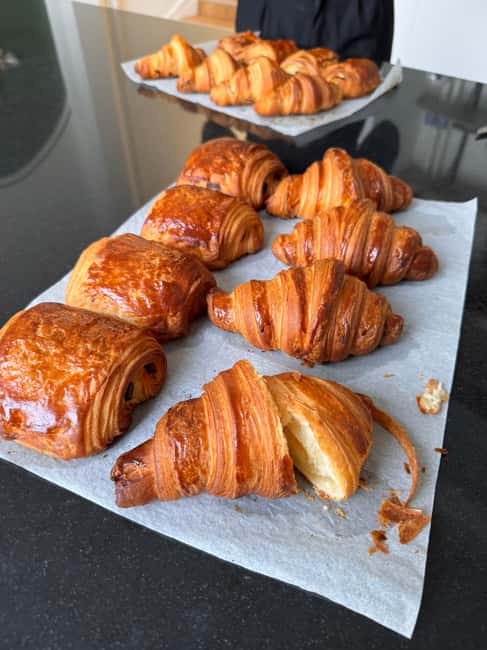
- A generous edible result: You may make four croissants and four pain au chocolat per person, enough to eat in class and take back to your hotel.
- Optional bi-colour class: On selected days, you can learn how to add colored dough for a more decorative pastry.
Arriving at Studio Pâtisserie near Rome and Villiers
The meeting point is Studio Pâtisserie, identified by its gray-colored storefront. That detail matters in Paris, where a first-time visitor can easily walk past a small workshop while staring at a phone map. Give yourself enough time to find the entrance without arriving flustered and flour-free.
The studio is in the 17th arrondissement area, with Metro Line 2 at Rome and Line 3 at Villiers listed as the nearest stations. The two metro options make the class a practical choice before or after exploring nearby neighborhoods. Check the exact starting time when you book, since the three-hour session has set availability rather than one universal departure time.
Inside, expect a cozy bakery kitchen rather than a grand culinary school. That is part of the charm. You are close to the work surface, the tools, and the other participants, so the class feels social without becoming a large lecture.
More hands-on sessions in Paris:
- Fragonard Paris: Mini Perfume Workshop
★ 4.5 · 1,924 reviews - Paris Cooking Class and Lunch with Wine plus Market Visit Option
★ 5.0 · 1,024 reviews - Paris Croissant Small-Group Baking Class with a Chef
★ 5.0 · 910 reviews
The first lesson: why croissants need patience
The chef begins by setting out the ingredients and explaining the basic process. Croissant dough looks simple on paper, but the result depends on several small choices. You learn why butter quality matters, how the dough should feel, and why rest periods cannot simply be ignored because everyone is eager to eat.
The teaching balances theory with action. You are not asked to sit through a long talk before touching the dough. Instead, the explanation arrives at the moment it becomes useful, such as learning about proofing while the dough rests and rises.
That approach helps beginners. You can understand not only what to do, but also why a certain step affects the final crumb and flakiness. If you have baked before, you will still find useful pastry-specific tips, particularly around folding and handling laminated dough.
Rolling and folding the dough by hand
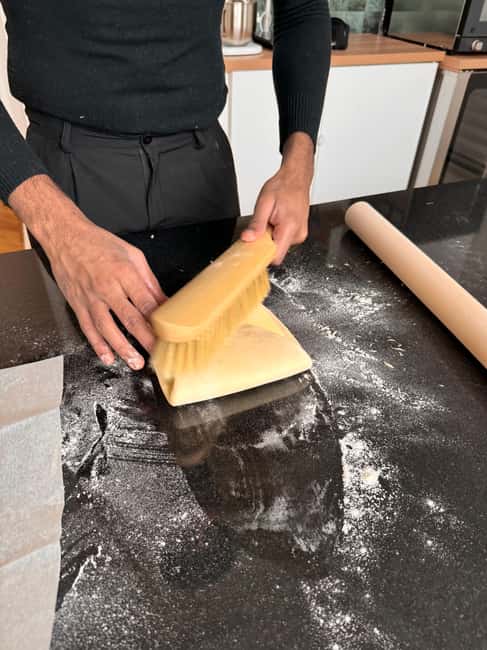
This is the workout portion of the morning. You roll the dough out, place or work with the butter, and fold the layers with care. The process requires pressure, control, and patience. Several people have specifically found that kneading and rolling call for arm strength, so this is not a passive cooking demonstration.
The chef watches closely and corrects technique as you work. In a small group, that personal attention is especially valuable. If your dough is too thick, your corners are uneven, or your fold is heading in the wrong direction, you can get help before the problem travels into every later stage.
The dough must rest between stages. This creates natural pauses in the class, and one practical point is worth knowing: the three hours are not three continuous hours of rolling. The rhythm alternates between active work, instruction, waiting, and conversation.
One person found the process slightly broken up by the resting time, but that is also the reality of croissant baking. If you want instant results, buy one at a bakery. If you want to understand why a good croissant takes time, this pause is the lesson.
Shaping classic crescents and chocolate pastries
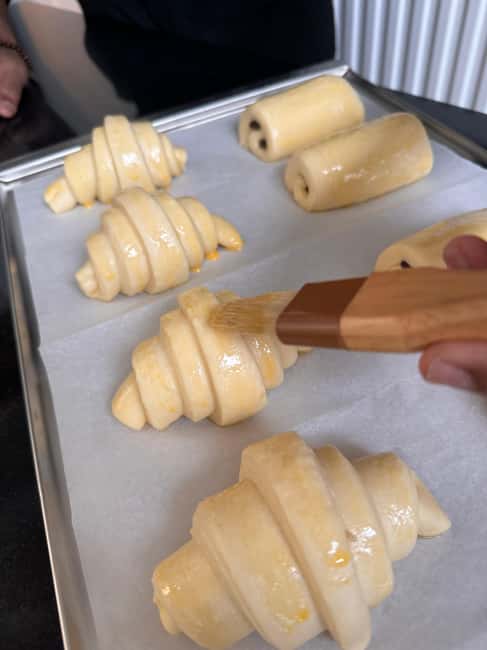
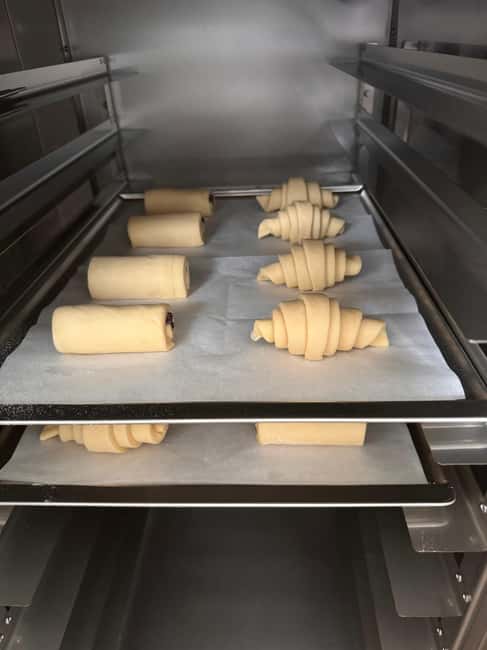
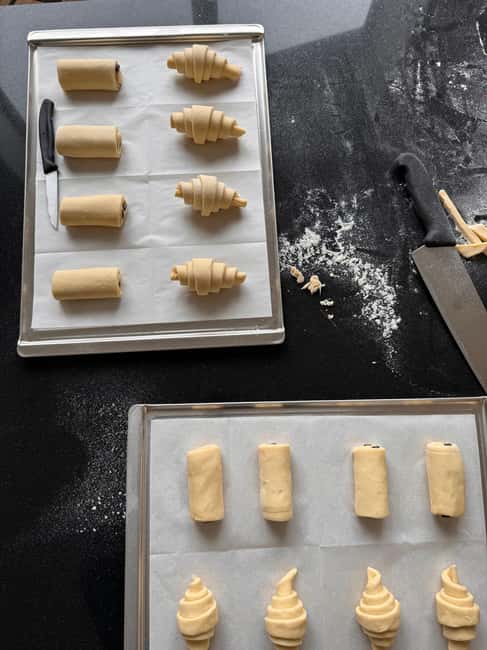
Once the dough is ready, you cut it into triangles and shape the pieces into crescents. This is where the class becomes especially satisfying. Small differences in cutting and rolling affect the final shape, and the chef helps you make each pastry look more like something from a French bakery.
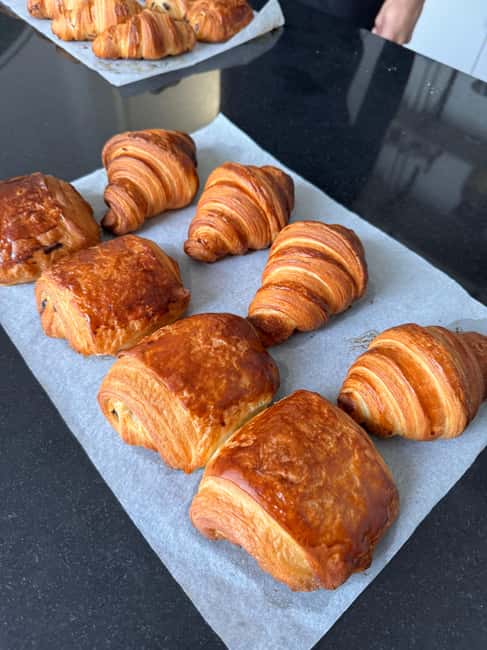
The class has also included pain au chocolat, with people producing a mix such as four classic croissants and four chocolate pastries per person. The exact combination may depend on the session, so check the selected option when booking, but you should expect a substantial amount of pastry rather than one token sample.
Shaping is a good point for the chef to offer individual tips. How tightly should you roll? How should the point of the triangle sit? What should the finished crescent look like before it goes into the oven? These details are hard to learn from a recipe alone.
The process also suits mixed-ability groups. Partners, parents and teenagers, first-time bakers, and experienced home cooks can work side by side. The chef’s job is not to make every result identical. It is to help you understand the technique well enough to improve your own.
More cooking classes in Paris:
- Paris: French Croissant Baking Class with a Chef
★ 4.9 · 712 reviews - Paris Cooking Class: Learn How to Make Macarons
★ 5.0 · 634 reviews - Paris Evening Cooking Class French Dinner and Market Visit Option
★ 5.0 · 430 reviews - Paris: Macaron Baking Class for Families and Kids
★ 4.7 · 270 reviews
Waiting for proofing, then tasting the warm result
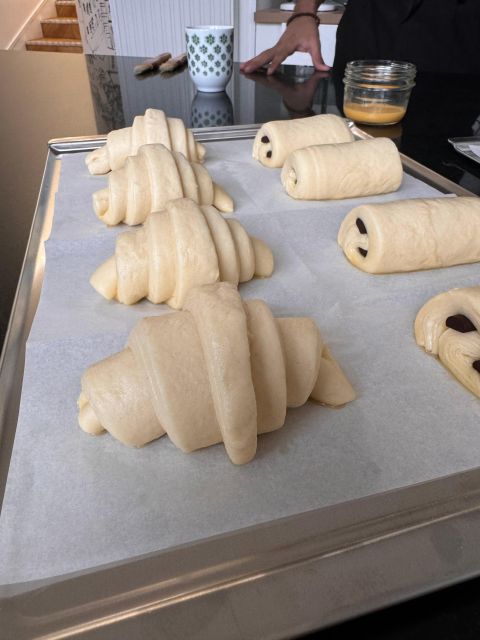
Proofing gives the dough time to develop before baking. The chef explains how this stage affects texture and flavor, and why rushing it can leave you with a pastry that looks right but feels heavy.
This is also the most relaxed part of the class. You can ask questions, listen to the chef’s tips, and watch the group’s shaped pastries become ready for the oven. The atmosphere has repeatedly been described as light-hearted, with Chef Leo and Chef Maria bringing humor as well as careful instruction.
The payoff comes when the pastries are baked. You get to eat a fresh, warm croissant made by your own hands, often with a beverage offered at the end. That first bite is not just a snack. It lets you judge the result immediately: the layers, the butter, the shape, and the difference between homemade pastry and the croissant you normally pick up at a counter.
You should plan how to carry the rest. The generous portion may leave you with several pastries to take back to your hotel. One useful tip is to arrive hungry, but not so hungry that you cannot wait through the rolling and proofing stages.
What the chef adds to the three-hour class
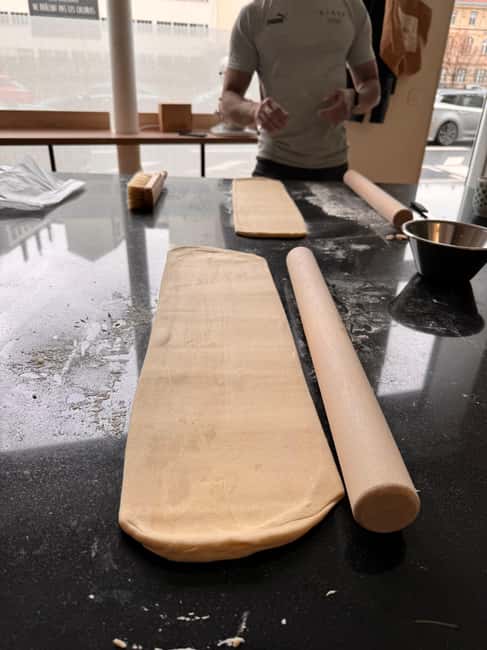
The strongest part of this experience is the chef’s presence. Chef Leo is repeatedly praised for being energetic, patient, funny, and attentive. Chef Maria has also led sessions with a warm style and clear explanations. Since the instructor can vary, check the booking details if a particular chef matters to you.
The best teaching moments are the small corrections. A chef can spot a dough problem in seconds, while a home baker may spend weeks repeating the same mistake. You also have room to ask questions about ingredients, proofing, folding, and how to recreate the result at home.
The recipe gives the lesson a life beyond Paris. You are not simply eating something and moving on. You receive a reference for future baking, along with tips intended to help you repeat the process in your own kitchen.
A few sessions have also included photos and videos taken during the class. Do not assume every class will provide the same amount of photography, but it is worth asking if you want a record of the morning. Your hands may be covered in dough at exactly the moment you would normally reach for your phone.
Is the $140 price fair?
At $140 per person, the class costs more than buying breakfast at a neighborhood bakery. It also lasts three hours and includes ingredients, equipment, instruction, a take-home recipe, and a large amount of pastry. The value depends on what you want from Paris.
If you only want to taste a good croissant, spend a few euros at a bakery and keep the rest of your budget for another meal. If you want to learn a demanding French technique and leave with food you made yourself, the price is easier to justify.
The eight-person maximum improves the value. You are not standing at the back of a crowded room trying to see a chef’s hands. Personal corrections matter in pastry, especially when the dough is at a particular stage and cannot wait while the instructor helps ten other people.
The class is also a good use of a rainy morning. Several families and mixed-age groups have found it entertaining even when not everyone was interested in baking beforehand. The final pastries add a direct, edible return on your time and money.
The bi-colour option for a more decorative pastry
On selected days, you can book a bi-colour croissant class. This adds colored dough to the process, giving the finished pastry a more striking appearance while keeping the same focus on technique.
I would choose this option if you already bake or want a special activity for a repeat visit to Paris. For a first lesson, classic butter croissants and pain au chocolat may offer a clearer introduction to the basic dough and folding method.
The bi-colour option is not simply decoration. Adding another dough element requires care, and the class is designed to show you how to incorporate the color cleanly. Confirm that the option is available on your chosen date, since it is offered only on selected days.
Who will enjoy this pastry class most?
This is a strong fit for food lovers, home bakers, couples, parents with older children, and anyone looking for a hands-on Paris activity. It also works well for people who normally leave baking to someone else. The instructors keep the tone friendly, and beginners can follow the process with guidance.
It is suitable for teenagers, but children under 15 are not allowed. Anyone under 17 must be accompanied by a paying adult. The physical side also matters for older participants or anyone with limited arm strength. You will need to roll and knead dough, and the work is not completely light.
The class is taught in English, which makes the technical explanations easier to follow for English-speaking visitors. The small group offers social contact, but it does not feel like a huge tour group. You can expect a mix of couples, solo participants, parents and children, and friends.
Practical details that make the morning easier
Book a time that leaves room for the full three hours. Croissant dough cannot be hurried to fit a tight museum reservation or train departure, and the most enjoyable part is staying through the baking and tasting.
Wear clothing you do not mind getting flour on, and keep your hands free for the work. The necessary ingredients, professional-grade equipment, and tools are supplied, so you do not need to bring baking equipment with you.
If you are planning a full day of sightseeing, remember that you may leave with a bag of pastries. That is a pleasant problem, but a real one. They make an easy hotel breakfast or a treat to share later.
Free cancellation is available up to 24 hours before the class for a full refund. You can also reserve now and pay later, which helps if your Paris schedule is still shifting.
How this compares with simply visiting a Paris bakery
A bakery visit gives you speed, atmosphere, and a chance to compare pastries from different shops. This class gives you time, instruction, and a better sense of the craft. Neither replaces the other.
I would pair the class with bakery visits during the rest of your trip. After spending three hours making croissants, you will notice details you might otherwise overlook: the crisp outer shell, the open interior, the butter aroma, and the way a pastry holds its shape.
The class also adds a useful souvenir. A recipe can travel home, unlike a fragile pastry that may not survive a long flight. You may not reproduce a perfect Paris croissant on your first attempt, but you will understand the main causes of success and failure.
Should you book this croissant class?
I would book it if you want an active food experience and have three unhurried hours. The warm pastry at the end is wonderful, but the real value is the chance to learn a difficult technique in a small group with direct help from a working pastry chef.
I would skip it if you dislike hands-on cooking, have limited arm strength, or simply want to eat rather than bake. For everyone else, Studio Pâtisserie offers a friendly, useful, and very Parisian morning, with enough food to make the lesson feel generous. Reserve the bi-colour option for a decorative twist, or choose the standard class for the clearest first introduction to croissants.
FAQ
How long does the croissant baking class last?
The class lasts three hours. Starting times vary, so check availability for your chosen date.
How much does the class cost?
The listed price is $140 per person.
Where is the meeting point?
Meet at Studio Pâtisserie, in the building with the gray-colored storefront.
Which metro stations are nearest?
The nearest listed stations are Rome on Metro Line 2 and Villiers on Metro Line 3.
What language is the class taught in?
The instructor teaches in English.
How many people are in the group?
The class is limited to eight participants.
What is included in the price?
The class includes chef guidance, ingredients, professional-grade kitchen equipment and tools, a recipe to take home, pastry tasting, information about croissant history and science, and personal tips.
Can children attend?
Children under 15 are not suitable for this activity. Anyone under 17 must be accompanied by a paying adult.
Is a bi-colour croissant class available?
Yes, a bi-colour option is available on selected days. It includes the ingredients and class needed to add colored dough to your croissants.
Can I cancel or pay later?
You can cancel up to 24 hours in advance for a full refund. Reserve now and pay later is also available.
Recently added in Paris
- Private Transfers in Paris★ 5.0 · 75 reviews
- CDG – Euro Disney – CDG Two Way Private Shuttle Transfer★ 5.0 · 233 reviews
- Disneyland® Paris 1 Day Ticket with Transport from Paris★ 3.5 · 302 reviews
- Personalized Transport service from Disneyland to Paris★ 5.0 · 63 reviews
- Monet’s Gardens & House-Private Giverny Tour From Paris★ 4.5 · 137 reviews
- Guided tour Monet’s house and gardens/small group★ 4.5 · 68 reviews
- Giverny Monet House and Gardens Skip the line Walking tour★ 4.0 · 217 reviews
- Monet’s House and Garden & Giverny Village★ 4.5 · 39 reviews
Cooking Classes, compared.
Paris Cooking Class and Lunch with Wine plus Market Visit Option
Read our review →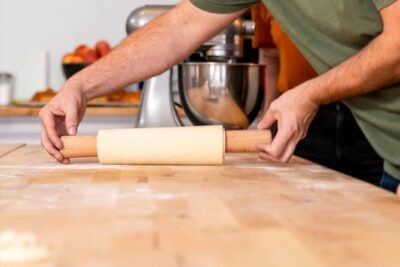
Paris Croissant Small-Group Baking Class with a Chef
Read our review →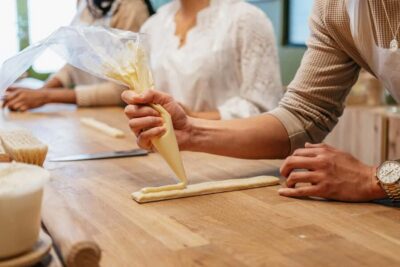
Paris Cooking Class: Learn How to Make Macarons
Read our review →
Paris Evening Cooking Class French Dinner and Market Visit Option
Read our review →
Macarons Cooking Class with Pâtisserie Chef Noémie
Read our review →Browse the lists this tour appears in