
REVIEW · BURGUNDY TOURS
Dijon: Burgundy Wines Masterclass
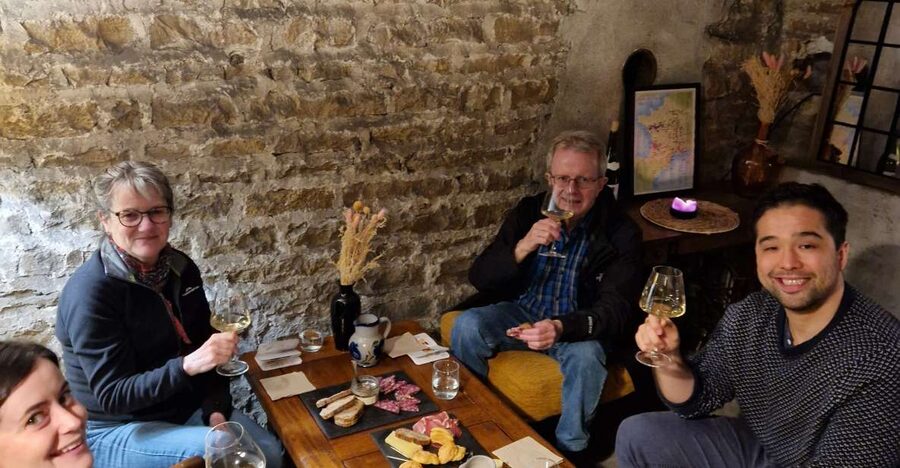
Burgundy makes more sense after one good tasting. This two-hour Dijon masterclass turns a famously complex wine region into something you can actually use, with guided tasting, local wine geography, grape varieties, production rules, label reading, and food pairing. I like the clear beginner-friendly teaching and the generous cheese and charcuterie board. I also like that the session stays in Dijon, so you can learn about Burgundy without giving up half a day to vineyard transport.
The main consideration is simple: at $97 per person, this is not a casual glass of wine. You are paying for instruction as well as the tasting, and the value is best if you want to understand Burgundy rather than simply drink it. The class is for adults only, and the setting may not suit you if you prefer a large winery tour or a quick, informal tasting.
In This Review
- Key points to know before booking
- Why Burgundy wine needs a class
- Finding The Wine Compass in Dijon
- The opening lesson: how to taste wine
- Burgundy in the glass: grapes, places, and rules
- The tasting flight and what it teaches
- Cheese, charcuterie, and the pairing lesson
- Matthieu’s teaching style
- Is $97 a fair price?
- Who should book this experience?
- Useful booking details
- Should you book The Wine Compass masterclass?
- FAQ
- How long does the Burgundy Wines Masterclass last?
- Where does the experience meet?
- What is included in the experience?
- Which languages are available?
- Is the class suitable for children?
- Can I cancel the booking?
Key points to know before booking
- Five wines are normally expected, with a possible extra pour: The group once enjoyed a sixth wine because the discussion was going well.
- Matthieu brings local Burgundy knowledge and humor: His teaching style has been praised for making technical material friendly and easy to follow.
- You learn the proper tasting method first: Smelling, tasting, judging, and identifying faults all receive attention.
- The food is part of the lesson: Cheese, charcuterie, and sometimes other bites help explain how wine changes with food.
- Label reading is a major practical benefit: You learn how Burgundy names its wines and what the wording tells you.
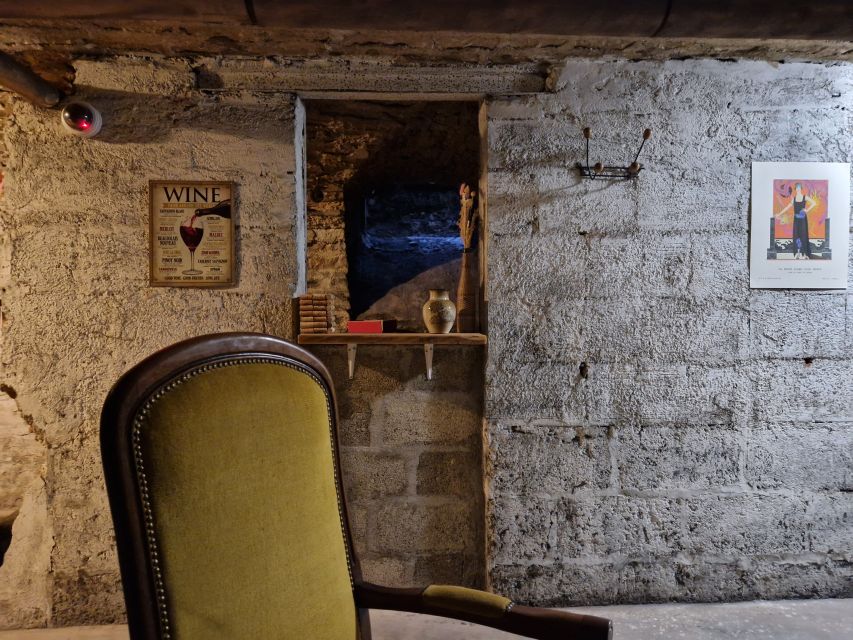
- The class is held at The Wine Compass in Dijon: Enter the courtyard and look for the stairs down on the left.
Why Burgundy wine needs a class
Burgundy is not hard because the wine is mysterious. It is hard because the naming system can feel like a puzzle. A bottle may emphasize a village, vineyard, or classification rather than the grape variety, and the rules of production matter greatly to what you are drinking.
That is why this class can be more useful than a simple tasting flight. You are not just asked to decide if a wine tastes good. You are shown how Burgundy divides its wines by area, how different grapes fit into the region, and how the label helps you place the bottle.
The session also gives you a way to connect the glass with the countryside around Dijon. You discuss the different parts of Burgundy and the factors that shape the wines, so the region starts to feel less like a list of French names and more like a set of distinct places.
I especially like this approach for a first visit. You can enjoy Burgundy wines without needing a technical background, yet the material has enough substance for someone who already knows a bit about wine.
A few more Dijon outings to set side by side
- Dijon: La Cave du Palais Burgundy Wine Tasting Experience
★ 4.8 · 400 reviews - Small-Group Full-Day Tour of Côte de Nuits, Côte de Beaune Vineyards and Beaune Historical District
★ 5.0 · 364 reviews - Pinot Noir Masterclass – Wine tasting in Dijon
★ 5.0 · 147 reviews
Finding The Wine Compass in Dijon
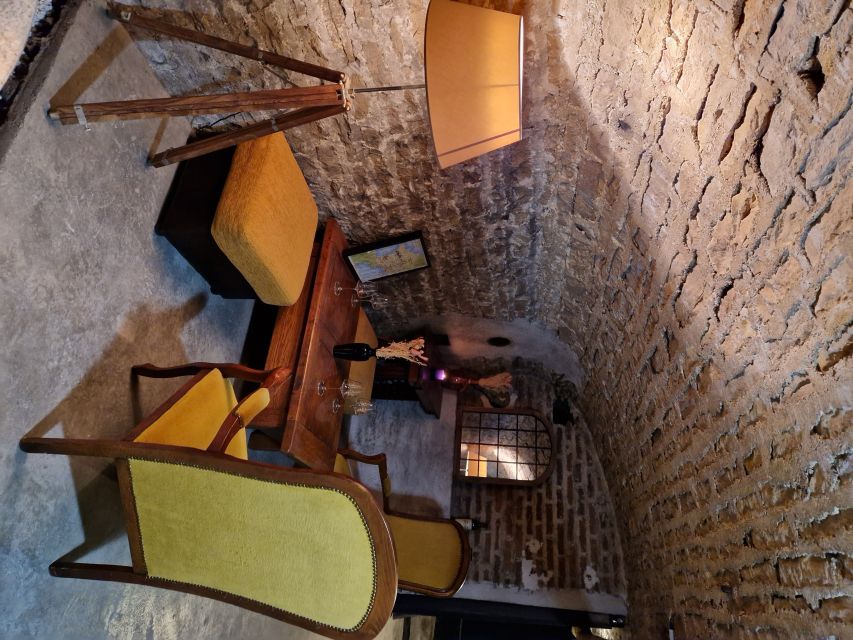
The meeting point is easy to miss if you are expecting a prominent street-front tasting room. Enter the courtyard, then look for stairs descending on the left. A sign marked The Wine Compass points you to the correct entrance.
The activity begins and ends at this same meeting point. That makes the class a tidy two-hour addition to a day in Dijon. You do not need to arrange a transfer to the vineyards, and you can build the experience around lunch, dinner, or sightseeing elsewhere in the city.
Starting times vary, so check availability when you book. The activity lasts two hours, which is long enough for a proper lesson but short enough to fit into a busy Dijon schedule.
The opening lesson: how to taste wine
The class starts with technique, not a bottle poured without explanation. Your sommelier explains how to look at, smell, and taste wine properly, then helps you understand what each step can reveal.
This is useful even if you are a complete beginner. One first-time taster described taking away practical advice about both Burgundy wines and wine tasting in general. That is a good sign for anyone who feels unsure about words such as aroma, finish, acidity, or balance.
You also learn how to notice when a wine is not right. One particularly useful part of the session is a demonstration of how to smell a wine that has a fault. That kind of example is hard to pick up from a guidebook, and it can save you confusion in a restaurant later.
The teaching is designed to be active rather than purely academic. You taste as you learn, so the terms have a real example in front of you. If the wine smells different from the next glass, you can ask why. If a cheese changes the taste, you can test that for yourself.
The sommelier leading the class reached the highest level of his school in London the previous year and has ten years of experience teaching amateurs and professionals. The point is not to make you pass an exam. It is to give you a method you can repeat whenever you open a bottle.
Burgundy in the glass: grapes, places, and rules
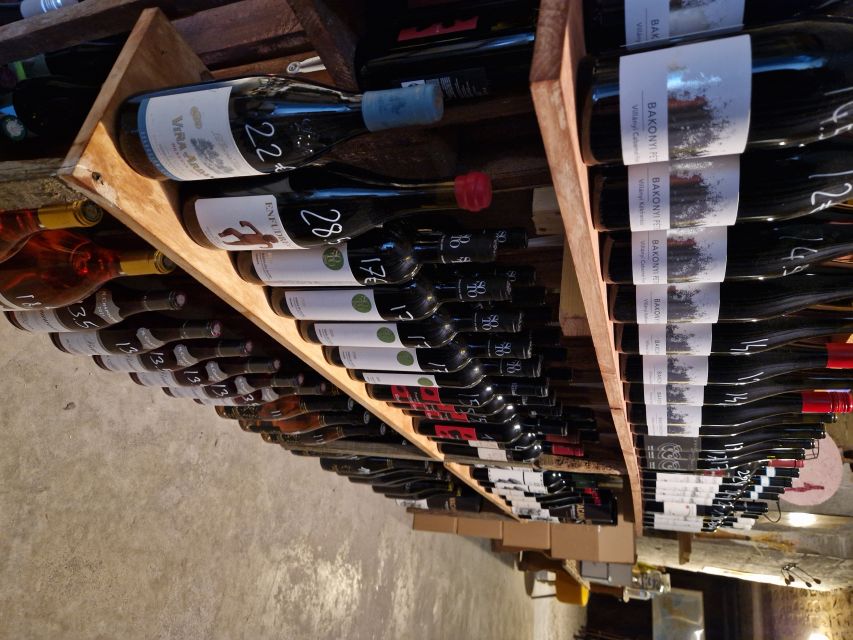
After the basic tasting method, the class moves into Burgundy itself. You learn about the region’s different areas, the main grape types, the production rules, and the history behind the wines.
That regional explanation is the heart of the experience. Burgundy wines can differ greatly even when they use the same grape. The class helps you think about where a wine comes from, not just which grape is in it.
You also learn how Burgundy’s production system affects the bottle. This matters because the label can give you clues about quality and origin, but only if you know what the terms mean. The lesson on reading a Burgundy label is one of the most practical parts of the class.
I would pay close attention here and take mental notes. This is the information most likely to help you later in a wine shop or restaurant. You may not remember every French place-name after one session, but you should leave with a clearer idea of what to look for and what questions to ask.
The format also gives you room to compare. You are not tasting one isolated Burgundy wine and trying to form an opinion from it. You are shown several examples and guided through the reasons they differ.
Same city, a slower kind of day:
- Burgundy Wines Masterclass in Dijon
★ 5.0 · 139 reviews - Dijon: Cheese and Burgundy Wine Tasting Workshop
★ 4.8 · 122 reviews - Half Day Tour of the Cote de Nuits Vineyards from Dijon
★ 5.0 · 108 reviews - Chardonnay Masterclass – Wine tasting in Dijon
★ 5.0 · 91 reviews
The tasting flight and what it teaches
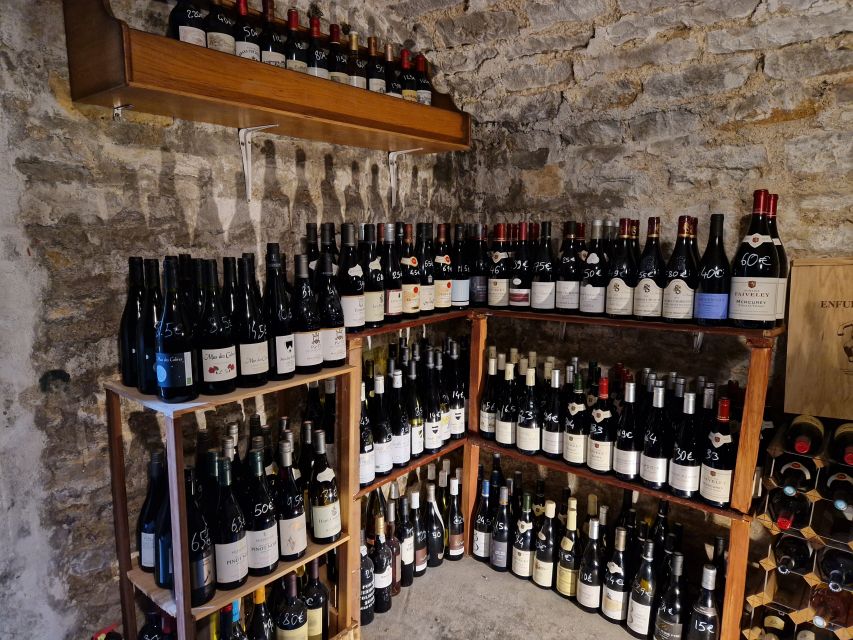
The advertised tasting is built around several Burgundy wines, with five expected. The exact selection can vary, and the host may add a sixth wine when the group is engaged and time allows.
That extra pour tells you something about the tone of the class. It is not a rigid presentation where the instructor rushes through a script and closes the bottle at the exact final minute. The pace can stay relaxed when questions and discussion are flowing.
Several participants praised the wine selection, calling the session a strong introduction to Burgundy. The point is not simply to find your favorite glass. You learn to compare styles, aromas, textures, and differences between parts of the region.
You should expect the wines to be served as teaching examples. Some may suit your taste more than others, and that is part of the value. A good class does not pretend every bottle will please every person. It gives you the tools to explain what you like and why.
This also makes the experience useful for people who have already visited other French wine regions. One couple who had taken wine tours and masterclasses in Champagne, Burgundy, the Loire Valley, and Bordeaux rated this class as their best. Their praise focused on the depth of Burgundy-specific instruction rather than on spectacle.
Cheese, charcuterie, and the pairing lesson
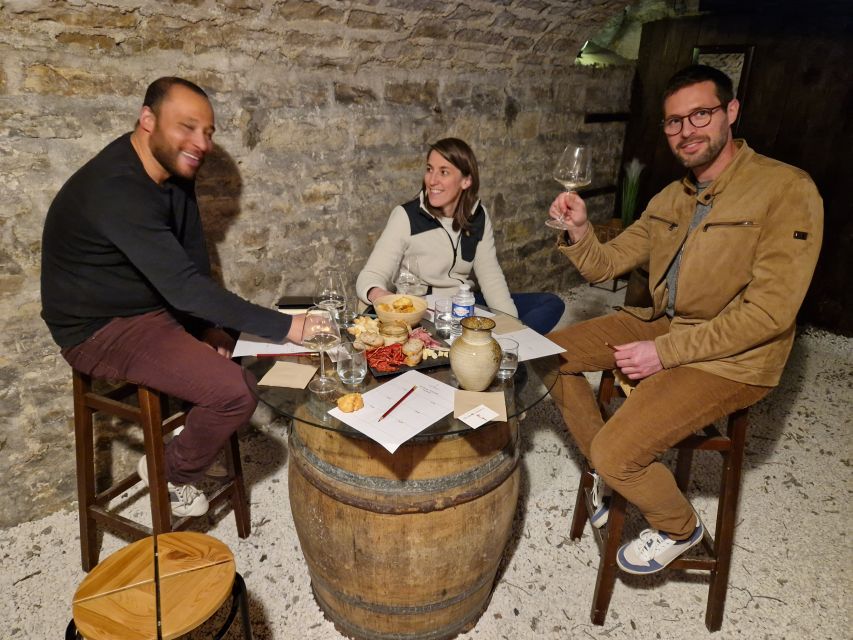
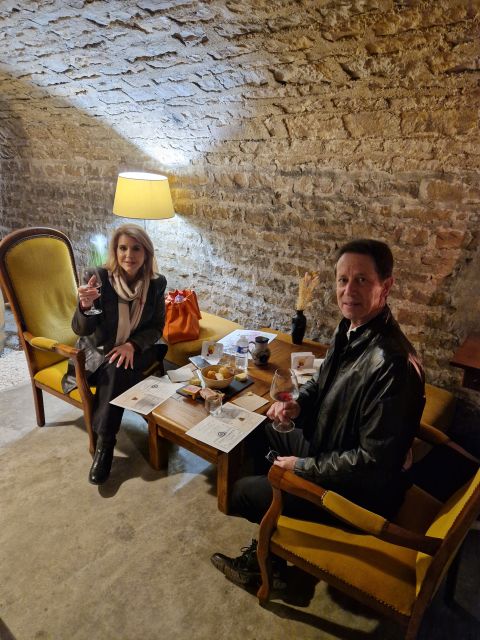
Wine tasting without food can make the flavors feel abstract. Here, the tasting comes with a board of cheese and charcuterie, with additional bites such as scones noted during one session.
The food is not just a snack between pours. It gives you a direct lesson in pairing. Taste the wine on its own, then try it with cheese or cured meat. You can see how salt, fat, texture, and stronger flavors alter the wine.
One participant called the pairing perhaps the best part of the experience. That makes sense, since pairing is often easier to understand through your own palate than through a lecture. You may find that a wine you liked less on its own works much better with food.
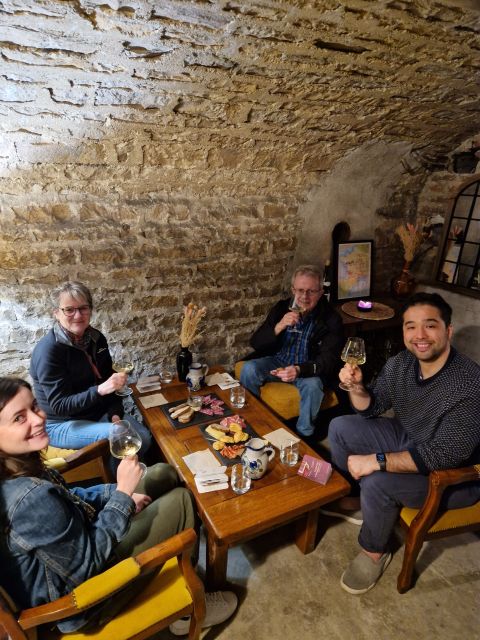
The board also helps make the two-hour class feel social and relaxed. You are not seated for a formal examination. You share food, compare impressions, and ask questions while the sommelier keeps the conversation moving.
Food portions and exact items can vary, so I would not book this as a substitute for lunch. Think of the board as a well-chosen accompaniment to the wines, not a full meal.
Matthieu’s teaching style
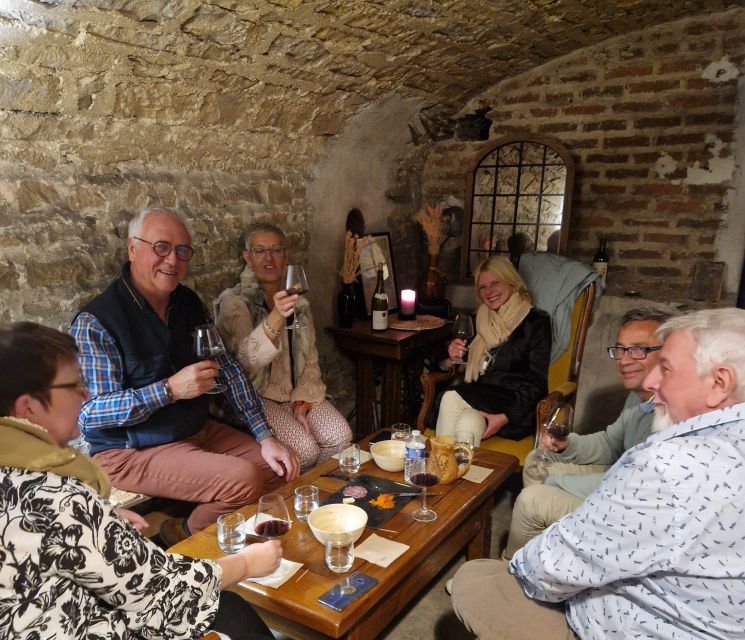
Matthieu is repeatedly praised for combining strong subject knowledge with humor and an easy manner. That combination matters in a wine class, where too much technical language can make beginners retreat into silence.
His role is not simply to pour and recite facts. He explains Burgundy, answers questions, checks that the whole group is following, and keeps the atmosphere comfortable. One group began as six acquaintances and left feeling connected through a shared interest in wine.
That social element may be one of the nicest surprises here. You are likely to sit with people who have different levels of experience. A good host makes room for the person tasting wine for the first time as well as the person who has already visited several French regions.
The feedback also praises Patrice in connection with an excellent, engaging class. If your booking confirmation names Patrice rather than Matthieu, expect the same general focus on teaching, tasting technique, and a friendly atmosphere, but confirm the instructor details when you reserve.
Is $97 a fair price?
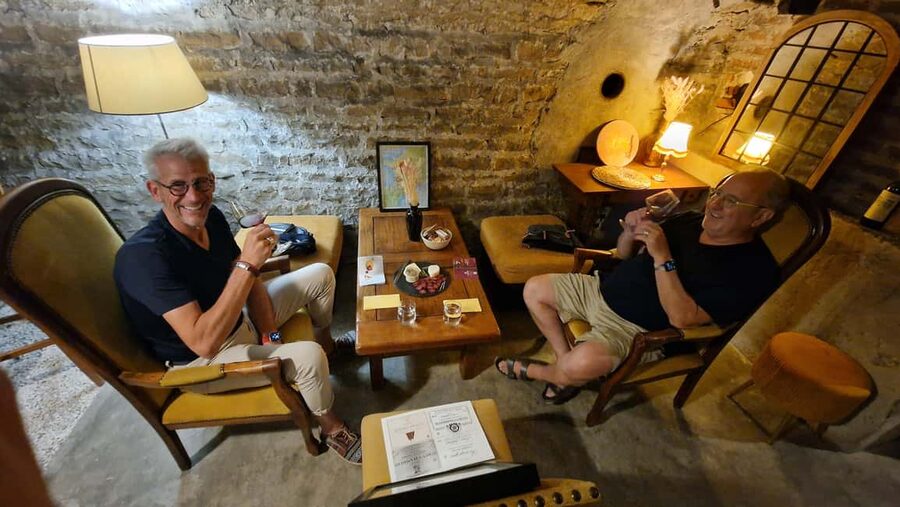
At $97 per person, the class costs more than a simple bar tasting. The difference is that you receive structured teaching, a guided flight of Burgundy wines, regional context, label instruction, and cheese and charcuterie.
I think the price is fair if you are actively interested in wine. A two-hour lesson can improve the rest of your Burgundy trip, especially if you plan to order local wine with meals or visit wine shops in Dijon. You are buying a framework that helps you understand later tastings.
The value is less convincing if you only want a generous drink and a quick introduction. There are cheaper ways to sample wine, and this class asks you to listen, compare, smell, and think. The food is included, but the education is the main product.
It is also good value for a short stay. A vineyard excursion may require more time and transport planning. This class gives you regional background while keeping you in Dijon, making it a practical choice for a city break.
Who should book this experience?
I would recommend it most strongly to first-time Burgundy visitors, curious beginners, and people who enjoy food but have never learned how wine and food interact. You do not need prior tasting experience, and the teaching begins with the basics.
It also suits experienced wine drinkers who want a sharper understanding of Burgundy labels and regional distinctions. The class has enough depth to interest people who have already taken wine courses elsewhere.
This is not a good fit for children or anyone under 18. Pregnant women are specifically listed as unsuitable for the activity, and pets are not allowed. If you do not drink alcohol, the central point of the experience will be lost.
You should also consider your preferred travel style. This is an indoor, seated learning experience in Dijon, not a walk through vineyards or a visit to a working cellar. You get context about production, but the focus is tasting and teaching rather than transport between wine estates.
Useful booking details
The experience is offered in English and French. Check the available start times, since the schedule is not fixed in the information provided.
You can cancel up to 24 hours in advance for a full refund, and the reserve-now, pay-later option allows you to hold a place without paying immediately. That flexibility is useful when you are arranging several Dijon activities.
Allow the full two hours. The class may run beyond the expected tasting sequence when the group is engaged, as one session added a sixth wine because everyone was having such a good time. Do not plan a rushed appointment immediately afterward.
Should you book The Wine Compass masterclass?
Book it if you want Burgundy to become understandable, not just enjoyable. The strongest reasons are the practical tasting method, the clear explanation of labels and regional divisions, and the relaxed teaching style associated with Matthieu and Patrice.
The $97 price makes sense for an adult who values instruction and food pairing. I would skip it only if you want a quick glass, dislike structured learning, or would rather spend your limited time in Burgundy at an actual vineyard.
For most wine-curious visitors with two hours in Dijon, this is a smart introduction. You leave with more than a pleasant memory of several wines. You leave better prepared to choose, taste, and talk about Burgundy on the rest of your trip.
FAQ
How long does the Burgundy Wines Masterclass last?
The masterclass lasts two hours. Starting times vary, so check availability when booking.
Where does the experience meet?
It meets at The Wine Compass in Dijon. Enter the courtyard, then look for the stairs going down on the left, marked with a The Wine Compass sign.
What is included in the experience?
The booking includes a guided wine tasting, plus a cheese board and charcuterie.
Which languages are available?
The class is offered in English and French.
Is the class suitable for children?
No. The activity is not suitable for children under 18 or for people under 17. It is an adults-only experience.
Can I cancel the booking?
Yes. You can cancel up to 24 hours in advance for a full refund. A reserve-now, pay-later option is also available.
Recently added in Dijon
- Dijon with an Archaeologist: A Self-Guided Audio Tour★ 4.5 · 26 reviews
- Pinot Noir Masterclass – Wine tasting in Dijon★ 5.0 · 147 reviews
- Chardonnay Masterclass – Wine tasting in Dijon★ 5.0 · 91 reviews
- Burgundy Wines Masterclass in Dijon★ 5.0 · 139 reviews
- Cheese and Wine Pairing 1-Hour Session in Dijon★ 5.0 · 34 reviews
- Small group Burgundy tour of Beaune with Wine Tasting from Dijon★ 4.5 · 85 reviews
- From Dijon: Full day the most of Burgundy with lunch★ 5.0 · 40 reviews
- Half Day Tour of the Cote de Nuits Vineyards from Dijon★ 5.0 · 108 reviews
Burgundy Tours, compared.
Burgundy Bike Tour with Wine Tasting from Beaune
Read our review →
La Cave du Palais Burgundy Wine Tasting Experience
Read our review →
Small-Group Full-Day Tour of Côte de Nuits, Côte de Beaune Vineyards and Beaune Historical District
Read our review →
Burgundy Grand Crus Route Day Tour – 14 Wines Tastings in Domains
Read our review →
Maison Champy Guided Cellar Tour with Wine Tasting
Read our review →
Private excursion to Côte de Beaune and Côte de Nuits (full day)
Read our review →Browse the lists this tour appears in